标签: Asia

亚洲

  • Gansu’s Jiuquan power grid reaches milestone in new energy storage capacity

    Gansu’s Jiuquan power grid reaches milestone in new energy storage capacity

    Northwestern China’s Gansu Province has achieved a landmark advancement in renewable energy infrastructure as the Jiuquan power grid surpassed 3 million kilowatts (3 GW) of new energy storage capacity. This represents a remarkable 98% year-on-year increase, signaling accelerated progress in China’s clean energy transition.

    The substantial growth was primarily driven by the recent commissioning of a major standalone energy storage facility developed by Ningsheng New Energy in Jiayuguan. This cutting-edge project, with a capacity of 500 MW/1,000 MWh, commenced operations on December 30, significantly enhancing the region’s grid management capabilities.

    This infrastructure expansion plays a crucial role in stabilizing power supply fluctuations inherent to renewable sources like solar and wind. The enhanced storage capacity enables more efficient integration of intermittent clean energy into the regional grid, reducing reliance on traditional fossil fuel-based power generation during peak demand periods.

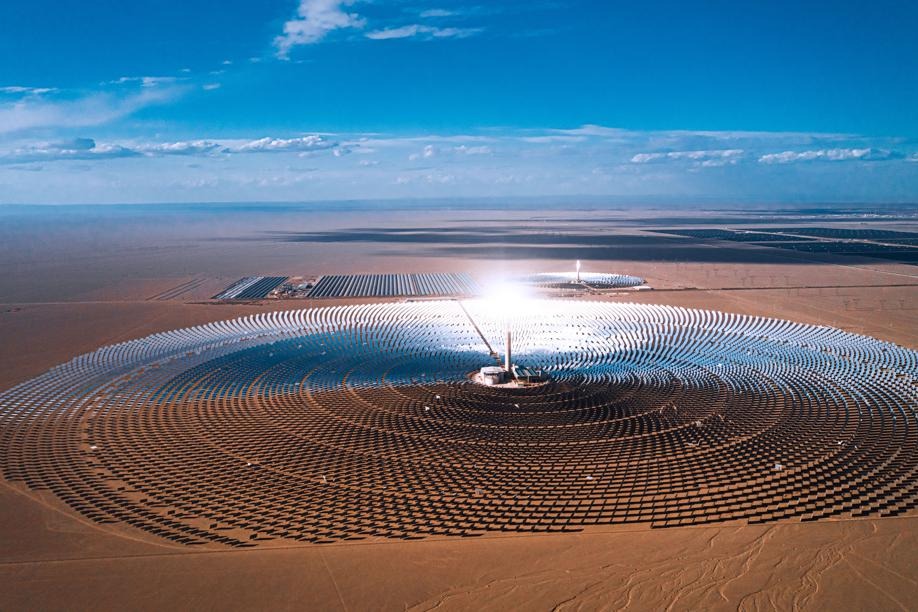
    The achievement aligns with China’s broader strategic goals to peak carbon emissions before 2030 and achieve carbon neutrality by 2060. Gansu Province, with its abundant solar and wind resources, has emerged as a frontrunner in the nation’s renewable energy development, with the Dunhuang Shouhang Energy-Saving Tower Molten Salt Solar Thermal Power Station representing another flagship project in the region’s clean energy portfolio.

    Industry analysts note that this storage capacity milestone establishes Jiuquan as one of China’s most advanced renewable energy hubs, providing a replicable model for other regions developing large-scale clean energy infrastructure. The project demonstrates practical solutions to renewable energy integration challenges while supporting grid reliability and energy security objectives.
  • Interim Venezuelan leader offers to ‘collaborate’ with US after Trump warning

    Interim Venezuelan leader offers to ‘collaborate’ with US after Trump warning

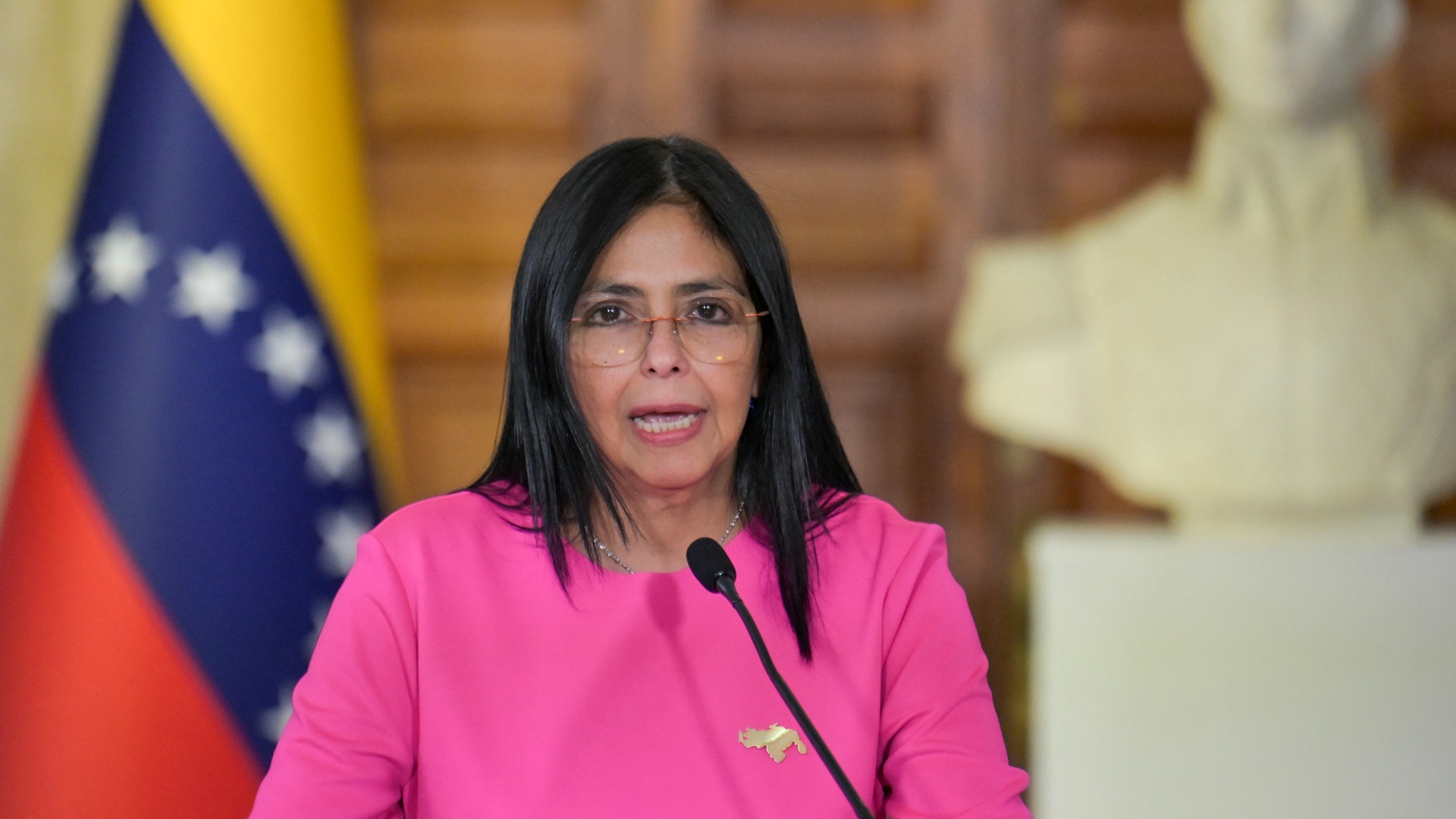
    A dramatic shift in Venezuela’s political landscape has unfolded following a decisive US military operation that resulted in the capture of President Nicolas Maduro. Interim President Delcy Rodriguez, set to be formally sworn in on Monday, has extended an unexpected olive branch to the Trump administration, proposing a collaborative agenda focused on “shared development within the framework of international law.” This conciliatory approach, communicated via social media platform X, stands in stark contrast to her earlier accusations that the operation possessed “Zionist undertones.

    The capture itself was executed with formidable force. US special forces extracted Maduro and his wife, Cilia Flores, from Caracas in a pre-dawn raid on Saturday, supported by American fighter jets that targeted key military installations across the country. President Trump issued a stark warning to Rodriguez, stating she would “pay a very big price, probably bigger than Maduro” if she fails to align with US interests. He defended the intervention as a necessary regime change, asserting the US would oversee Venezuela until a “safe and proper and judicious transition” is achievable, with US oil companies poised to capitalize on the nation’s vast crude reserves—the largest in the world.

    The aftermath has been bloody. Reports from Havana confirm 32 Cuban citizens, identified as military and intelligence personnel, were killed during the operation, prompting two days of national mourning in Cuba. The New York Times estimates the total death toll, including civilians, to be at least 80. Maduro and Flores now face drug trafficking charges and are scheduled for a US court appearance, where Maduro is expected to contest his arrest based on head-of-state immunity.

    Trump’s rhetoric further inflamed regional tensions. He targeted Colombian President Gustavo Petro with unsubstantiated allegations, calling him “a sick man who likes making cocaine,” and ambiguously suggested similar military action in Colombia “sounds good.” Petro vehemently refuted the claims and called for public mobilization across Latin America. While several Western nations welcomed Maduro’s removal, a coalition including Spain, Brazil, and Mexico condemned the US actions as an “extremely dangerous precedent” that violates international law and jeopardizes regional security.

  • Israel says ban on Gaza media access should stay: Court document

    Israel says ban on Gaza media access should stay: Court document

    Israeli authorities have formally advocated for the continuation of a ban prohibiting international media from independently entering Gaza, according to a government submission to the Supreme Court. The document, filed by the public prosecutor and obtained by AFP, argues that unrestricted journalist access poses unacceptable security risks, a stance supported by the nation’s defense establishment.

    The policy, instituted following the October 2023 outbreak of war triggered by a Hamas attack on Israel, has prevented foreign reporters from freely documenting conditions within the devastated territory. Currently, Israel permits only a limited number of journalists to enter on a strictly case-by-case basis, requiring them to be embedded with military escorts.

    This access restriction prompted legal challenge from the Foreign Press Association (FPA), which represents hundreds of international journalists operating in Israel and the Palestinian territories. The FPA filed a petition in 2024 demanding immediate and unhindered media access to Gaza. The Supreme Court has granted multiple extensions for the government to formulate a plan, with a final deadline set for January 4 after a hearing last month.

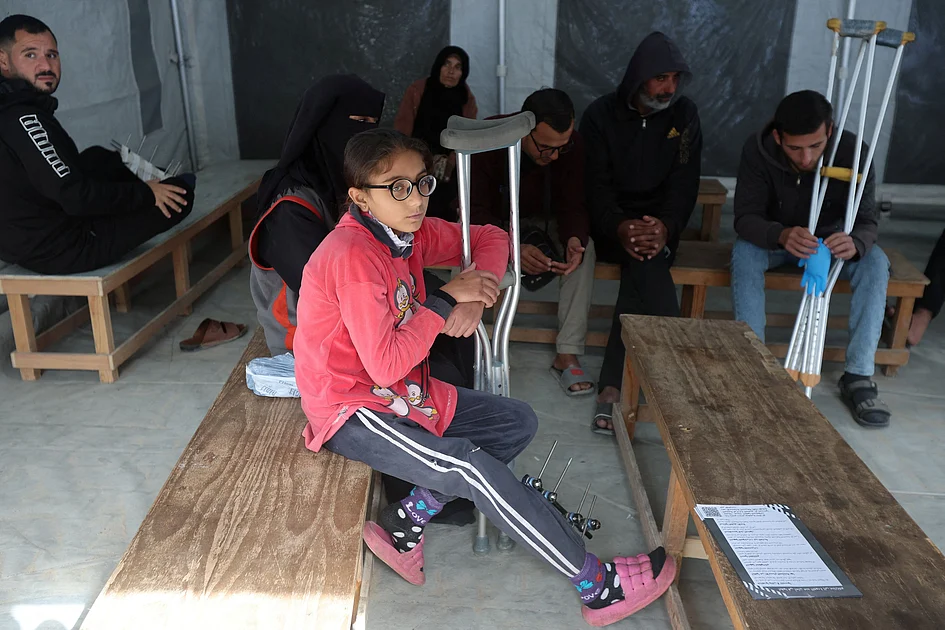
    In its Sunday filing, the government contended that the precarious security situation justifies the ongoing ban. Officials highlighted that the ceasefire, enacted on October 10, remains fragile and is regularly threatened. Supporting this claim, Gaza’s health ministry reports that at least 420 Palestinians have been killed by Israeli forces since the truce began. Conversely, the Israeli military states that three of its soldiers have been killed by militants in the same period.

    A further complication cited is the ongoing operation to recover the remains of Ran Gvili, the last hostage still in Gaza. Gvili was killed during the initial Hamas attack, and his body was taken into the territory. While all other 250 hostages seized that day have been returned, the government submission suggests that allowing journalists free movement could potentially disrupt the sensitive search operation.

    The Supreme Court is now expected to deliberate on the matter, though a timeline for its final ruling remains uncertain.

  • UK: Labour minister tells local councils they could be sued for boycotting Israel

    UK: Labour minister tells local councils they could be sued for boycotting Israel

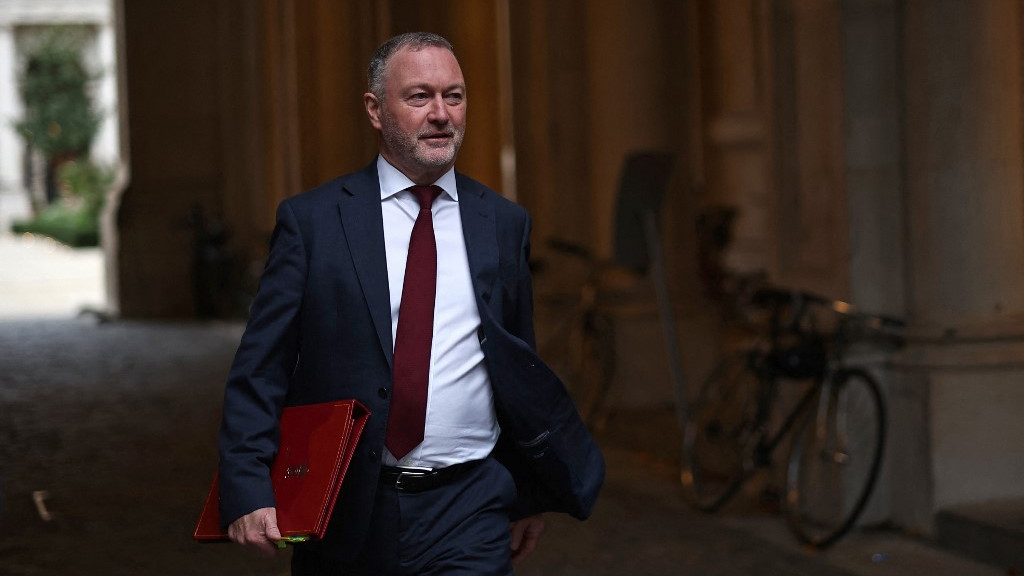
    The British government has issued a stern warning to local authorities controlled by the Labour Party, indicating they face potential lawsuits for implementing boycotts against Israeli businesses. Communities Secretary Steve Reed emphasized that municipal councils should refrain from engaging in foreign policy matters and instead concentrate on delivering essential local services.

    This governmental caution follows several local councils—including Oxford City Council, Cumberland council, and Newcastle council—passing motions over the past year to divest from and boycott companies implicated in Israeli military operations or benefiting from the occupation of Palestinian territories. These decisions were often justified by references to International Court of Justice rulings and concerns about human rights violations.

    The government directive references existing 2016 guidance that prohibits public bodies from implementing procurement boycotts against Israeli companies or those trading with Israel. Reed specifically pointed to the Procurement Act 2023, under which councils could be sued by suppliers suffering financial losses and potentially required to pay substantial damages.

    This development occurs amidst growing tensions surrounding pro-Palestine activism in Britain. Recent months have seen police forces announcing arrests for specific chants and signage at demonstrations, while simultaneously, seven UN human rights experts have expressed grave concerns about imprisoned pro-Palestine activists on hunger strike facing serious health risks.

    The Boycott, Divestment and Sanctions (BDS) movement, established in 2005 as a non-violent pressure campaign, has become increasingly contentious in UK local politics. The current Labour leadership, despite previously opposing Conservative legislation banning such boycotts while in opposition, now appears to be enforcing a stricter line through Reed’s warning.

    Additionally, multiple council pension funds—including those of Islington, Lewisham, Wandsworth and Caerphilly—have excluded companies appearing on United Nations lists of businesses operating in occupied Palestinian territories, further complicating the relationship between local democracy and national foreign policy.

  • Ten convicted for online harassment of France’s first lady Brigitte Macron

    Ten convicted for online harassment of France’s first lady Brigitte Macron

    A Paris judicial court delivered a significant verdict on Monday, convicting ten individuals for orchestrating a coordinated online harassment campaign against France’s First Lady Brigitte Macron. The defendants—eight men and two women—were found guilty of disseminating malicious falsehoods regarding Mrs. Macron’s gender identity and sexuality, marking a pivotal moment in the French legal system’s approach to digital abuse targeting public figures.

    The court determined that the perpetrators had systematically propagated the baseless claim that Brigitte Macron is a transgender woman, fraudulently asserting she was born under the male identity of Jean-Michel Trogneux—a name which actually belongs to her elder brother. This malicious narrative, which has circulated in certain online circles for several years, represents a particularly invasive form of character assassination.

    Further compounding their offenses, the convicted individuals drew grotesque parallels between the Macrons’ 24-year age difference and criminal behavior, including unjustified associations with pedophilia. Such vitriolic commentary had been persistently ignored by the presidential couple until recently, when they adopted a more assertive legal stance against defamatory content.

    Sentencing ranged up to eight months imprisonment, though all terms were suspended, reflecting the court’s balanced approach between condemnation and rehabilitation. This ruling arrives concurrently with the Macrons’ pursuit of a high-profile defamation lawsuit in the United States against right-wing commentator Candace Owens, who has promulgated similar false claims, signaling a coordinated international legal strategy against gender-based cyber harassment.

    The case establishes a robust legal precedent in France’s ongoing battle against digital misinformation and targeted online abuse, particularly concerning the protection of individuals’ gender identity and personal dignity from malicious fabrication.

  • Bangladesh: At least 287 killed during Hasina-era abductions

    Bangladesh: At least 287 killed during Hasina-era abductions

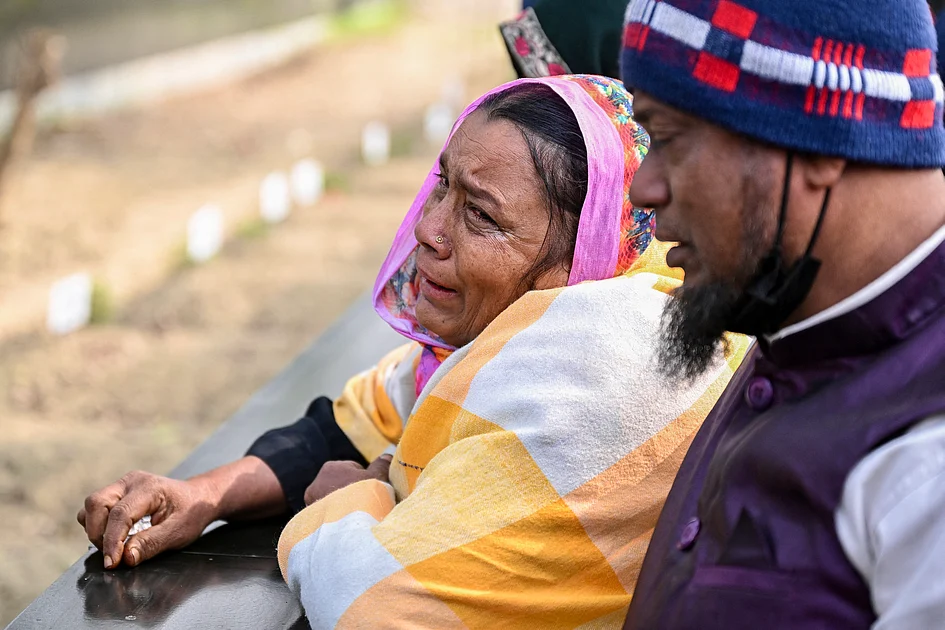
    A government-appointed investigative commission in Bangladesh has revealed disturbing findings regarding state-sponsored violence during former Prime Minister Sheikh Hasina’s administration. The commission’s comprehensive report, submitted to authorities on Sunday, documents at least 287 confirmed fatalities among 1,569 documented abduction cases investigated.

    According to commission member Nur Khan Liton, security forces operating under Hasina’s direct command systematically disposed of victims’ remains in rivers including Dhaka’s Buriganga River, while others were interred in unmarked mass graves scattered across multiple locations. The commission has urgently recommended engaging forensic specialists to conduct DNA identification procedures and preserve genetic samples from bereaved family members.

    Victims predominantly belonged to opposition factions including Jamaat-e-Islami, the nation’s largest Islamist party, and the Bangladesh Nationalist Party (BNP), both political adversaries of Hasina’s regime. In a parallel development, Dhaka police unearthed a mass grave in December containing eight victims from the August 2024 uprising, all exhibiting fatal gunshot wounds according to Criminal Investigation Department chief Md Sibgat Ullah.

    The United Nations estimates approximately 1,400 fatalities occurred during Hasina’s violent attempts to retain power before her eventual ousting. The former leader, now sentenced to death in absentia for crimes against humanity in November, faces mounting international condemnation. While families of victims express gratitude for closure regarding their relatives’ fates, they simultaneously demand expedited judicial proceedings against police personnel implicated in the lethal crackdowns.

  • Anne Frank’s step-sister and Holocaust survivor Eva Schloss dies

    Anne Frank’s step-sister and Holocaust survivor Eva Schloss dies

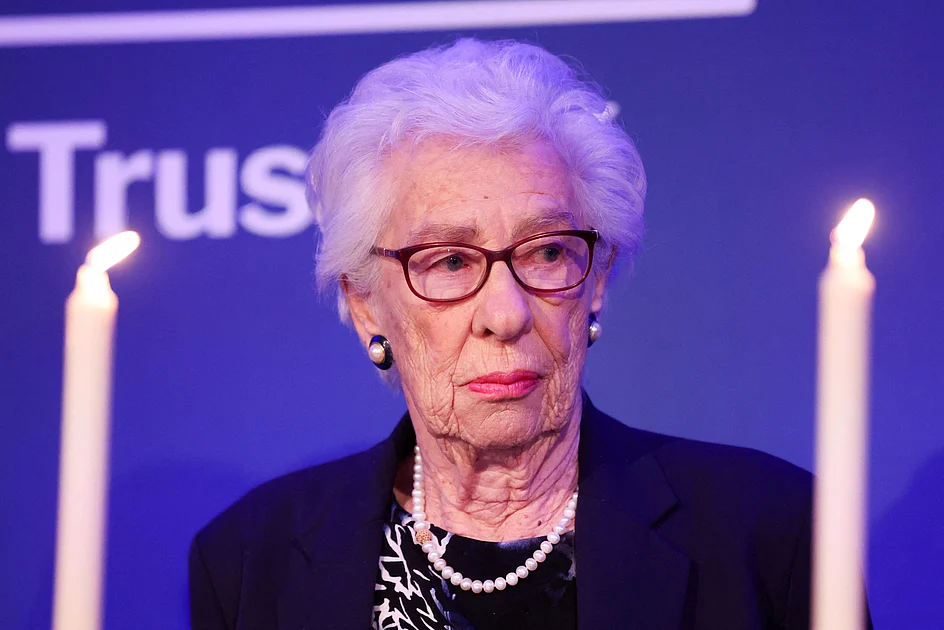
    Eva Schloss, the esteemed Auschwitz survivor who became Anne Frank’s step-sister and dedicated her life to Holocaust education, has passed away at age 96. Her foundation confirmed her peaceful death in London on January 3rd.

    Born Eva Geiringer in Austria in 1929, Schloss experienced the Nazi annexation of her homeland as a child. Her Jewish family fled successively to Belgium and eventually Amsterdam, where they settled opposite the Frank family residence. She and Anne Frank, being the same age, frequently played together during their childhood.

    In 1942, both families were forced into hiding to escape Nazi persecution. Tragically, Schloss’s family was betrayed by a Nazi sympathizer two years later. On her fifteenth birthday, she was arrested alongside her mother Elfriede, father Erich, and brother Heinz. They were transported to the Auschwitz extermination camp in May 1944.

    While imprisoned, Schloss maintained contact with her mother but was permanently separated from her father and brother, both of whom perished in the camps. Anne Frank similarly died in the Bergen-Belsen concentration camp in 1945.

    Following Auschwitz’s liberation by Soviet forces in 1945, Schloss and her mother returned to the Netherlands. There they encountered Otto Frank, Anne’s father and a widower after his own Auschwitz imprisonment. Otto encouraged Schloss to pursue photography, leading her to study in London where she met future husband Zvi Schloss.

    In a significant familial development, Eva’s mother Elfriede married Otto Frank in 1953, formally making Eva Anne Frank’s step-sister. Eva and Zvi obtained British citizenship and raised three daughters together. Remarkably, Schloss reclaimed her Austrian citizenship in 2021 at age 92.

    Schloss co-founded the Anne Frank Trust UK in 1990, through which she tirelessly combated prejudice and educated generations about Holocaust atrocities. Her extraordinary commitment earned her Membership of the Order of the British Empire (MBE) in 2013.

    British royalty expressed profound condolences, with King Charles III and Queen Camilla noting they were “greatly saddened” and describing themselves as “privileged and proud to have known her.” Gillian Walnes, vice president of the Anne Frank Trust UK, highlighted Schloss’s relentless advocacy: “Into her 90s, she spoke with tireless passion, often giving several talks a day, including in prisons and schools.”

    Schloss authored several books and shared her testimony worldwide, ensuring the lessons of history remain vividly alive for future generations.

  • ‘I can’t walk anymore’: Afghans freeze to death on route to Iran

    ‘I can’t walk anymore’: Afghans freeze to death on route to Iran

    A severe humanitarian catastrophe is unfolding along Afghanistan’s mountainous border with Iran, where subzero temperatures are claiming the lives of desperate migrants attempting illegal crossings in search of economic survival. The International Organization for Migration reports that Iran and Pakistan have collectively repatriated approximately five million Afghan nationals since September 2023, abruptly increasing Afghanistan’s population by 10% and exacerbating an already critical resource shortage.

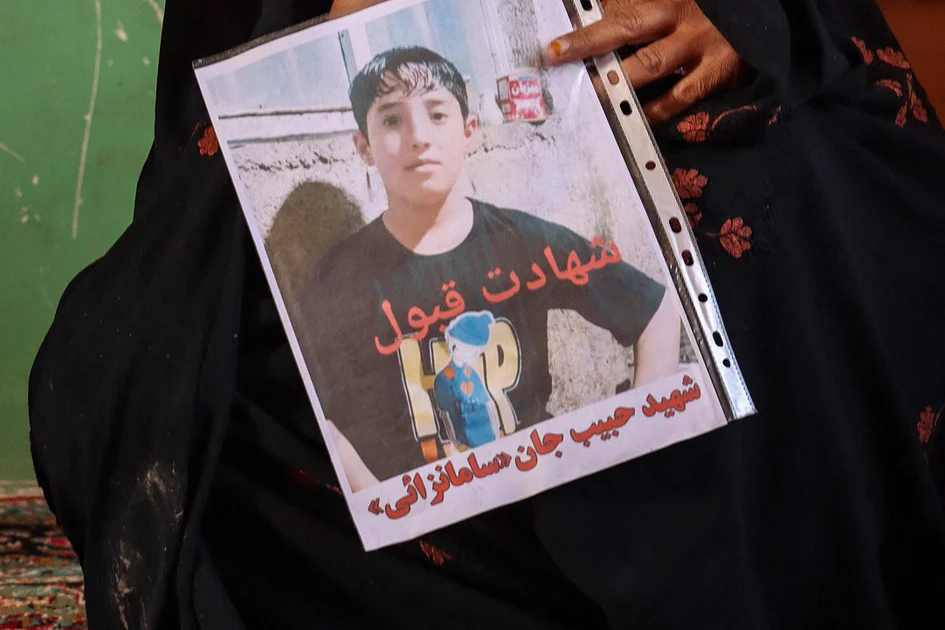
    Tragic evidence of this crisis emerged last month when at least 18 Afghan migrants perished during attempted border crossings from Herat province, where temperatures hovered around -3°C (27°F). Among the victims was 15-year-old Habibullah, whose family described his desperate circumstances before his fatal journey. “He was forced to go, to bring food for the family,” explained his mother Mah Jan, clutching her son’s photograph in their Ghunjan village home lacking electricity, water, and adequate heating.

    The UN estimates approximately half of Afghanistan’s population will require humanitarian assistance this year, with earthquakes, drought, and economic collapse creating unbearable conditions. Despite the known dangers, migrants continue to risk illegal routes through “very dangerous” crossing points, according to Mutya Izora Maskun, IOM’s deputy head in Afghanistan, who cited “economy, job insecurity, food insecurity, constrained access to services” as primary drivers.

    Iranian border guard commander Majid Shoja confirmed that approximately 1,600 Afghan migrants were rescued from mountain areas in recent days, while Afghan authorities reported 347 individuals were apprehended attempting illegal crossings during December’s final week. The Taliban government claims to have implemented “serious steps to fight the smugglers,” according to interior ministry spokesman Abdul Mateen Qani, but the flow of desperate migrants continues unabated.

    Survivors recount harrowing journeys through treacherous conditions. Yunus, who accompanied his stepbrother Abdul Majeed Haidari on a mid-December crossing attempt, described how the 25-year-old father succumbed to exhaustion while seeking medication for his one-year-old son’s heart condition. “I can’t walk anymore,” were Haidari’s final words before his death, despite efforts by fellow travelers and eventual transportation to an Iranian hospital.

    With legal migration channels severely limited despite shared language and greater employment opportunities in Iran, Afghanistan’s deputy labor minister Abdul Manan Omari acknowledged the necessity to “do more” in facilitating work permits for migrants, as families face impossible choices between starvation and lethal border crossings.

  • China, Pakistan reaffirm ties as US outreach to Islamabad deepens

    China, Pakistan reaffirm ties as US outreach to Islamabad deepens

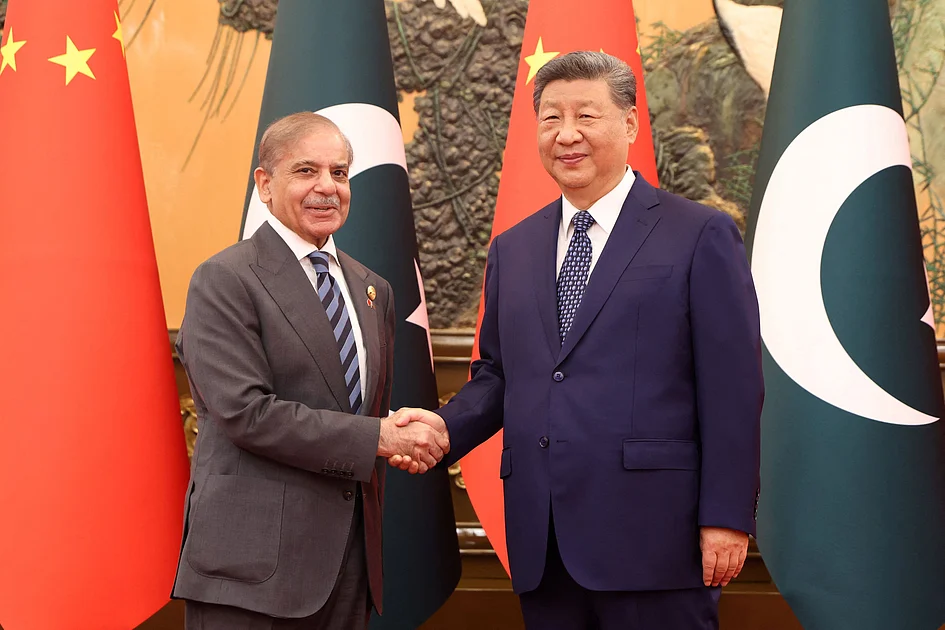
    In a significant diplomatic development, China and Pakistan have jointly reaffirmed their strategic partnership during high-level talks in Beijing on Monday, January 5, 2026. The meeting between Chinese Foreign Minister Wang Yi and his Pakistani counterpart Ishaq Dar produced substantial commitments to enhance bilateral cooperation across multiple sectors, including industry, agriculture, and mining.

    The discussions yielded plans to develop an upgraded version of the China-Pakistan Economic Corridor (CPEC), the flagship project of China’s Belt and Road Initiative that has already channeled billions of Chinese investment into Pakistan’s infrastructure. Both nations emphasized strengthened collaboration in financial and banking sectors as part of their comprehensive economic partnership.

    Notably, China publicly commended Pakistan’s “comprehensive measures” to ensure the security of Chinese personnel and projects within its territory. This acknowledgment comes amid persistent security challenges, including repeated militant attacks targeting Chinese nationals working on CPEC-related projects that have strained relations in recent years.

    The reaffirmation of Sino-Pakistani ties occurs against the backdrop of improving relations between Pakistan and the United States since President Donald Trump’s return to office. The Trump administration has demonstrated renewed engagement with Islamabad, including the release of $397 million for a US-backed program monitoring Pakistan’s use of F-16 fighter jets in counter-terrorism operations, despite a global freeze on foreign aid.

    Both China and Pakistan called for “visible and verifiable actions” to dismantle terrorist organizations operating in Afghanistan, which borders both nations. However, the joint statement provided no specific details regarding proposed measures.

    Pakistan maintains its unique status as one of China’s few designated “all-weather strategic partners,” a relationship dating back decades that has seen Islamabad consistently support Beijing on sensitive international issues including Taiwan, Xinjiang, Tibet, Hong Kong, and the South China Sea.

  • Locajoy Theme Park celebrates New Year and pandas with unique feast

    Locajoy Theme Park celebrates New Year and pandas with unique feast

    Locajoy Theme Park in Yongchuan district, Chongqing, has orchestrated a distinctive dual celebration commemorating both the New Year and the two-year residency of four giant pandas within its facilities. The park’s animal care team designed an elaborate gastronomic experience for the pandas, transforming nutritious ingredients into artistic displays resembling traditional local street food.

    The culinary specialists utilized bamboo leaves, fresh shoots, and an assortment of fruits including cherries, strawberries, and kiwis to create visually striking platters and skewers. Additional components such as sugarcane, corn, carrots, and bell peppers were incorporated to ensure both nutritional balance and visual appeal, mimicking the presentation of popular human snacks while maintaining appropriate dietary standards for the endangered species.

    The four celebrated residents—Qing Hua, Qing Lu, Qiao Yue, and Ai Lian—originally from the China Conservation and Research Center for the Giant Panda in Sichuan province, have adapted exceptionally well since their translocation in late 2023. Park authorities report the pandas have not only thrived physically but have become central attractions, drawing considerable visitor attention and contributing significantly to conservation awareness efforts.

    The anniversary event served dual purposes: celebrating the animals’ successful acclimatization and reinforcing the park’s commitment to innovative animal care practices. This approach demonstrates how modern zoological facilities can combine entertainment with substantive conservation education, creating meaningful experiences for both animals and visitors alike.