标签: Asia

亚洲

  • Astronauts complete first cave training

    Astronauts complete first cave training

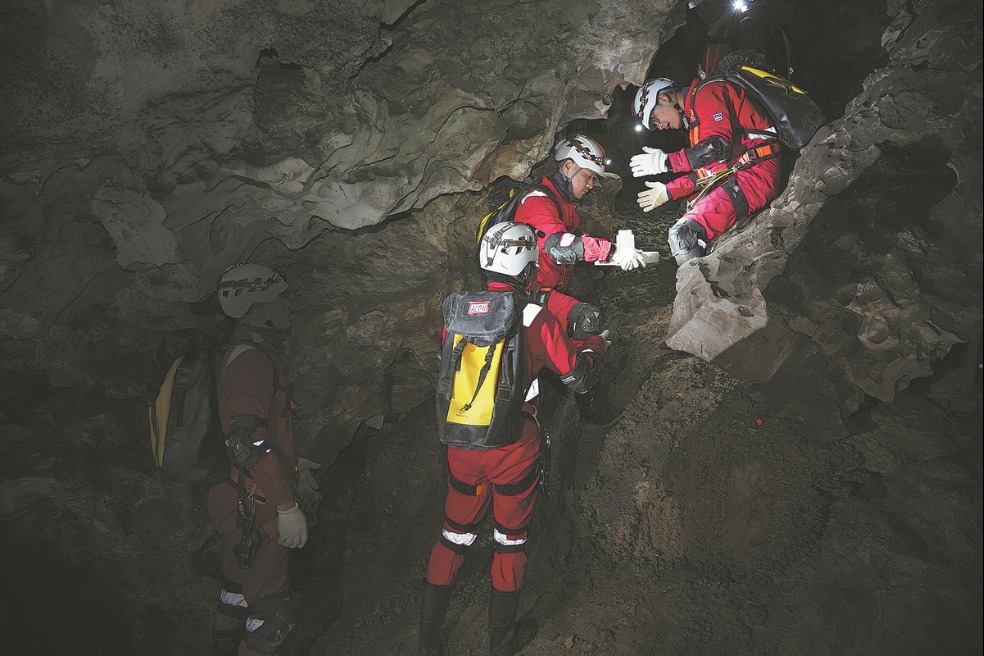
    In a groundbreaking initiative for space preparedness, China has successfully concluded its inaugural cave survival training program for astronauts in Chongqing’s Wulong district. The month-long intensive exercise, organized by the Astronaut Center of China, involved twenty-eight participants facing extreme subterranean conditions to simulate the challenges of deep space exploration.

    The astronauts endured six days and five nights in natural caves with temperatures averaging 8°C and humidity reaching 99%. The training regimen included navigating narrow passages, cliff rappelling, environmental monitoring, cave mapping, and simulated communications with mission control. Beyond physical endurance, the program specifically addressed psychological challenges including sensory deprivation, darkness adaptation, and isolation management.

    According to project leader Wu Bin, the training aimed to enhance multiple critical competencies: “This comprehensive program tested risk response capabilities, self-reliance, teamwork, emergency decision-making, and overall operational readiness in extreme environments.”

    Psychological resilience emerged as a central focus, with astronaut instructor Jiang Yuan emphasizing that “caves represent typical examples of extreme confinement and isolation, providing valuable scientific insights for supporting astronauts’ mental health during prolonged space missions.”

    Veteran astronaut Ye Guangfu, who previously participated in similar European Space Agency training, noted the program’s significance for future long-duration space station operations and crewed lunar exploration. Participants reported the experience effectively simulated the loneliness and unknowns of deep-space exploration while strengthening emergency response capabilities and team cohesion.

    The China Manned Space Agency confirms these rigorous training programs will continue for both new recruits and experienced astronauts, reflecting China’s systematic approach to preparing spacefarers for unpredictable scenarios and potential emergency landings in hostile terrestrial environments.

  • Israeli media and US lawmakers signal Iran intervention after Venezuela attack

    Israeli media and US lawmakers signal Iran intervention after Venezuela attack

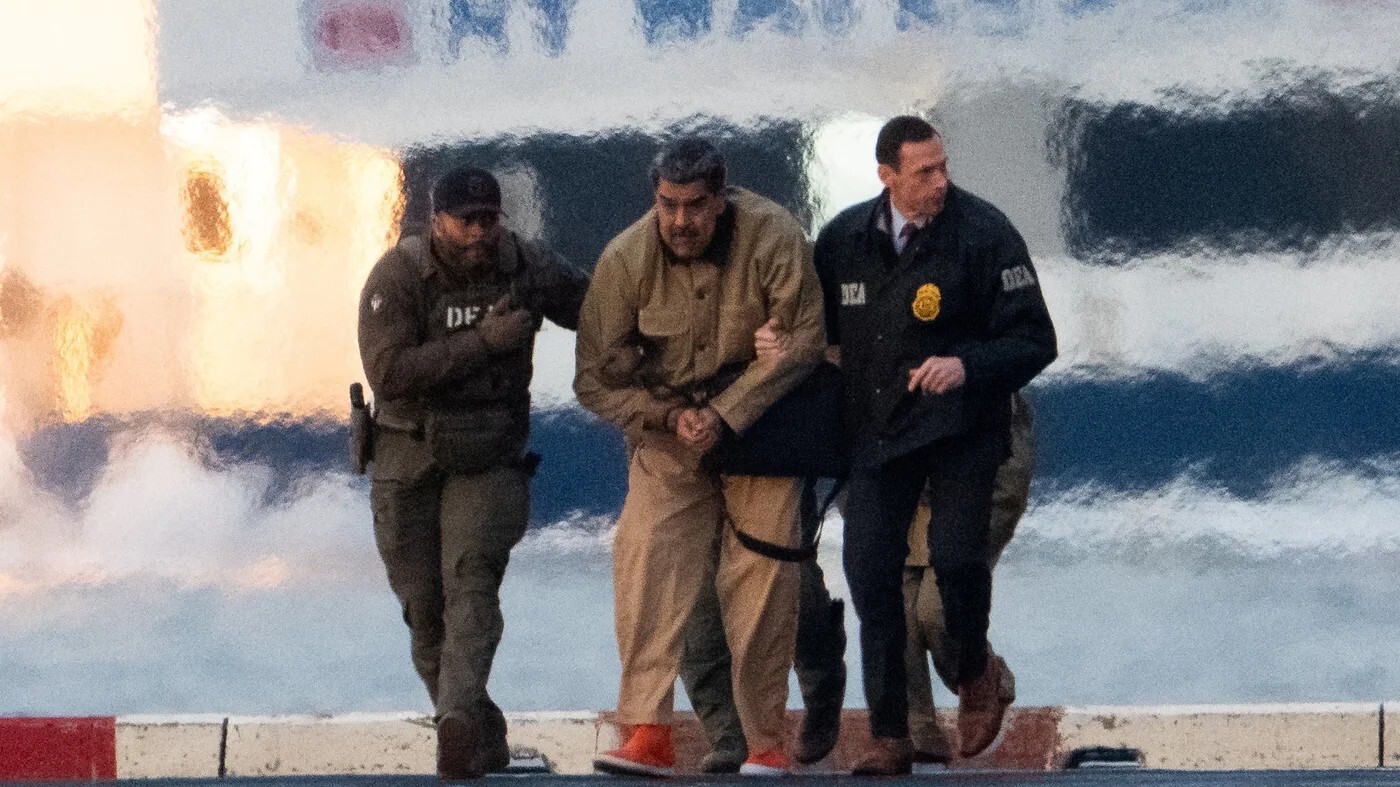
    Recent developments suggest a significant shift in U.S. foreign intervention policy under President Donald Trump, with the operation against Venezuelan President Nicolas Maduro potentially serving as a blueprint for future actions. Following the high-risk abduction of Maduro from Caracas, which involved U.S. special forces and airstrikes on military installations, attention has turned toward Iran as a possible next target.

    Israeli media outlets, including The Jerusalem Post, have reported that Washington is actively considering intervention options regarding Iran’s ongoing domestic protests. The publication suggested that the Venezuela operation demonstrates a new American threshold for military engagement, a development closely monitored by Israeli security analysts.

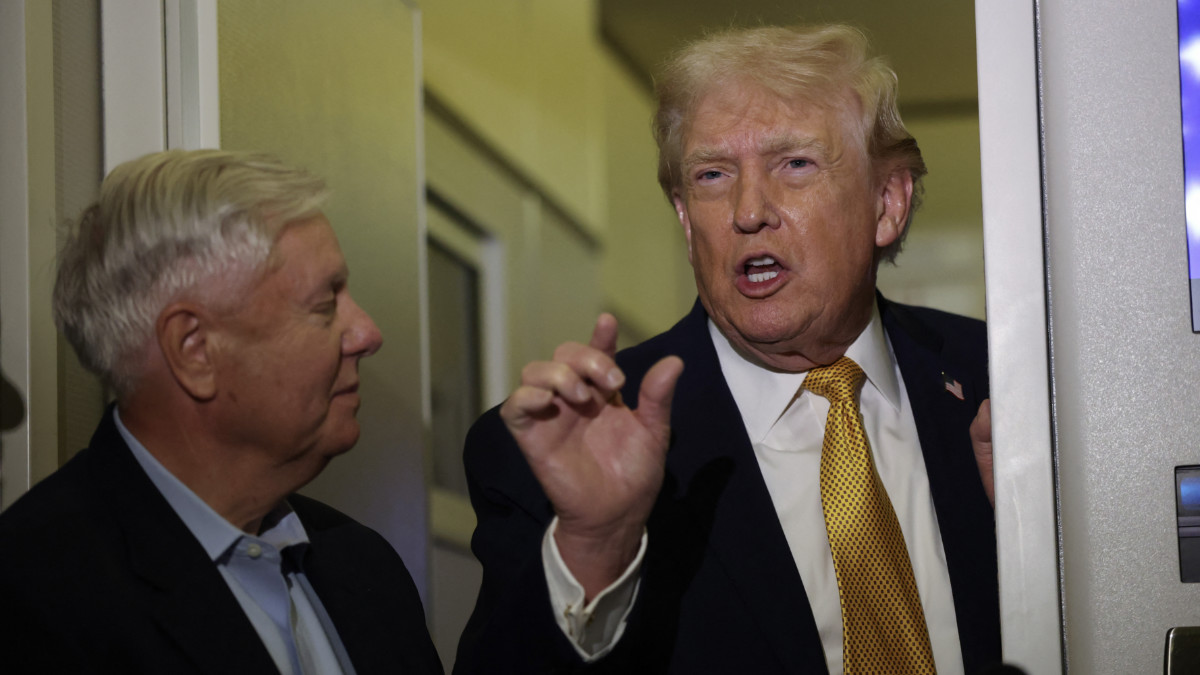
    This perspective gained traction when Republican Senator Lindsey Graham appeared on Fox News wearing a ‘Make Iran Great Again’ cap, explicitly expressing hope that 2026 would mark Iran’s transformation under American influence. The symbolism echoed Trump’s own social media threat that the U.S. stands ‘locked and loaded’ to ‘rescue’ Iranian protesters if their government responds violently to demonstrations.

    The Iranian protests, triggered by a severe cost-of-living crisis and the collapse of the national currency under U.S. sanctions, have already claimed at least sixteen lives. Former Secretary of State Mike Pompeo, a staunch Israel supporter, drew direct parallels between Maduro’s situation and Iran’s leadership, suggesting similar outcomes might await Iranian officials.

    The Venezuela operation has caused international concern, with indications that Cuba, Colombia, and Mexico might also be considered for future interventions. This apprehension was amplified when Katie Miller, spouse of White House deputy chief of staff Stephen Miller, shared an image of Greenland covered by an American flag with the caption ‘SOON.’

    Meanwhile, Maduro appeared in a U.S. court facing charges including narco-terrorism and drug trafficking, maintaining his innocence while identifying as a ‘decent man’ and legitimate president. Venezuelan officials reported the death toll from the U.S. operation has reached 80, including civilians and security personnel, with numbers potentially rising.

    Israeli Prime Minister Benjamin Netanyahu, who was visiting Trump in Florida prior to the Venezuela operation, expressed solidarity with Iranian protesters, stating: ‘We identify with the struggle of the Iranian people, with their aspirations for freedom, liberty and justice. It is quite possible that we are at a moment when the Iranian people are taking their fate into their own hands.’

  • Netflix pulls Chinese drama after Vietnam’s outcry over disputed map

    Netflix pulls Chinese drama after Vietnam’s outcry over disputed map

    Netflix has complied with Vietnamese government demands to remove the popular Chinese romantic drama ‘Shine On Me’ from its streaming platform in Vietnam. The action follows official objections to the show’s depiction of China’s controversial nine-dash line territorial claims in the South China Sea, which Hanoi considers a violation of its national sovereignty.

    The dispute centers on episode 25 of the series, which features several appearances of a Chinese map displaying the nine-dash line during a scene about solar power potential. The contentious demarcation appears projected on an auditorium screen during a lecture attended by the show’s main characters.

    Vietnam’s Ministry of Culture issued a formal removal order on January 3, giving Netflix 24 hours to comply with the demand. By Tuesday, the series was no longer accessible to Vietnamese subscribers, despite previously ranking among Netflix’s Top 10 shows in several Asian territories including Singapore, Taiwan, and Vietnam itself.

    This incident represents the latest chapter in ongoing tensions between China and Vietnam over maritime sovereignty. Beijing maintains historical claims to approximately 90% of the South China Sea based on the U-shaped nine-dash line, while Vietnam asserts its own historical jurisdiction over the Paracel and Spratly island chains dating back to the 17th century.

    The controversy extends beyond Chinese productions. Vietnam has previously banned other media content featuring the nine-dash line, including Warner Bros’ ‘Barbie’ in 2023 and DreamWorks’ ‘Abominable’ in 2019. In 2023, another Chinese drama, ‘Flight to You,’ faced similar removal from Netflix’s Vietnamese platform.

    China’s state-run Global Times responded to the latest ban by urging Vietnam to ‘separate cultural exchanges from the South China Sea issue,’ though Beijing has not issued an official government statement on the matter. The situation highlights how cultural products increasingly become entangled in complex geopolitical disputes, with streaming platforms caught between competing national interests and censorship demands.

  • Nvidia unveils ‘reasoning’ AI technology for self-driving cars

    Nvidia unveils ‘reasoning’ AI technology for self-driving cars

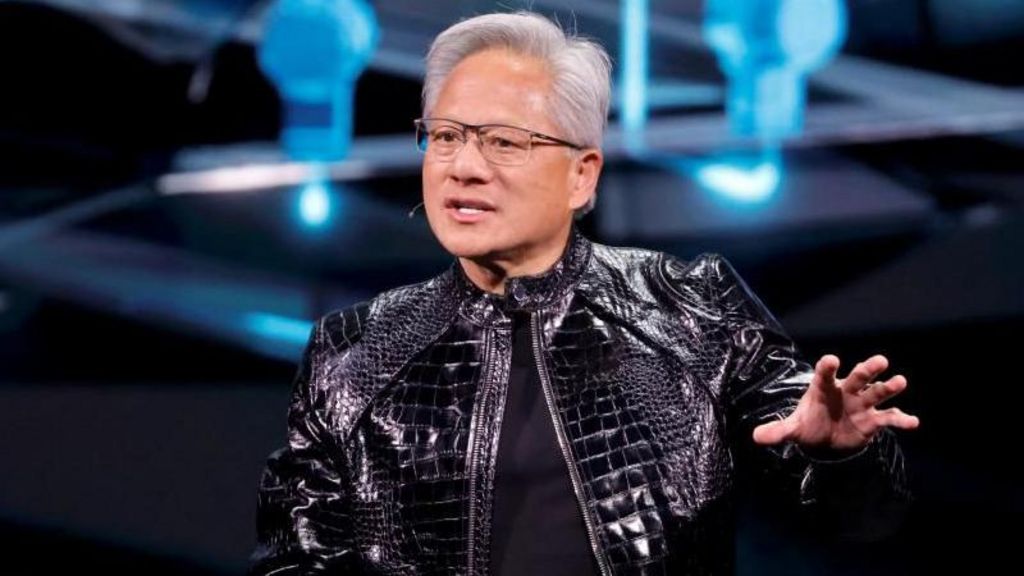
    Nvidia CEO Jensen Huang unveiled a groundbreaking artificial intelligence platform named Alpamayo during his keynote address at the CES technology conference in Las Vegas on Monday. The revolutionary system represents a significant advancement in autonomous vehicle technology by enabling self-driving cars to engage in human-like reasoning processes when navigating complex scenarios.

    The platform’s sophisticated architecture allows vehicles to analyze rare driving situations, operate safely in challenging environments, and provide detailed explanations for their driving decisions. Huang, wearing his characteristic black leather jacket, demonstrated the technology’s capabilities to hundreds of conference attendees through a video showing an AI-powered Mercedes-Benz CLA navigating San Francisco streets with a passenger whose hands remained in their lap throughout the journey.

    In a major industry development, Nvidia announced it has commenced production of its first driverless vehicle in partnership with Mercedes-Benz. The collaborative effort will initially launch the autonomous CLA model in United States markets within coming months, followed by sequential releases across European and Asian markets. Huang emphasized that this project has provided Nvidia with invaluable insights into developing robotic systems for automotive partners.

    Industry analysts immediately recognized the strategic significance of the announcement. Paolo Pescatore of PP Foresight noted from Las Vegas that “NVIDIA’s pivot toward AI at scale and AI systems as differentiators will help keep it way ahead of rivals.” This sentiment was reflected in market response as Nvidia shares experienced a slight increase during after-hours trading following the presentation.

    In a move that could disrupt the autonomous vehicle sector, Huang revealed that Alpamayo will be available as an open-source AI model with underlying code accessible through machine learning platform Hugging Face. This approach allows autonomous vehicle researchers worldwide to freely access, modify, and retrain the model, potentially accelerating industry-wide development.

    The announcement drew a pointed response from Tesla CEO Elon Musk, whose company develops the Autopilot driver assistance system. Musk commented on social media that “Well that’s just exactly what Tesla is doing,” while cautioning about the challenges in achieving full autonomy beyond 99% capability.

    Nvidia, currently the world’s most valuable publicly traded company with a market capitalization exceeding $4.5 trillion, also provided updates on its Rubin AI chips currently in manufacturing. The new hardware promises enhanced computational efficiency with reduced energy consumption compared to current AI chips, potentially lowering development costs for AI technologies across multiple industries.

  • Enemies not allowed to control large oil reserves, US ambassador to UN says

    Enemies not allowed to control large oil reserves, US ambassador to UN says

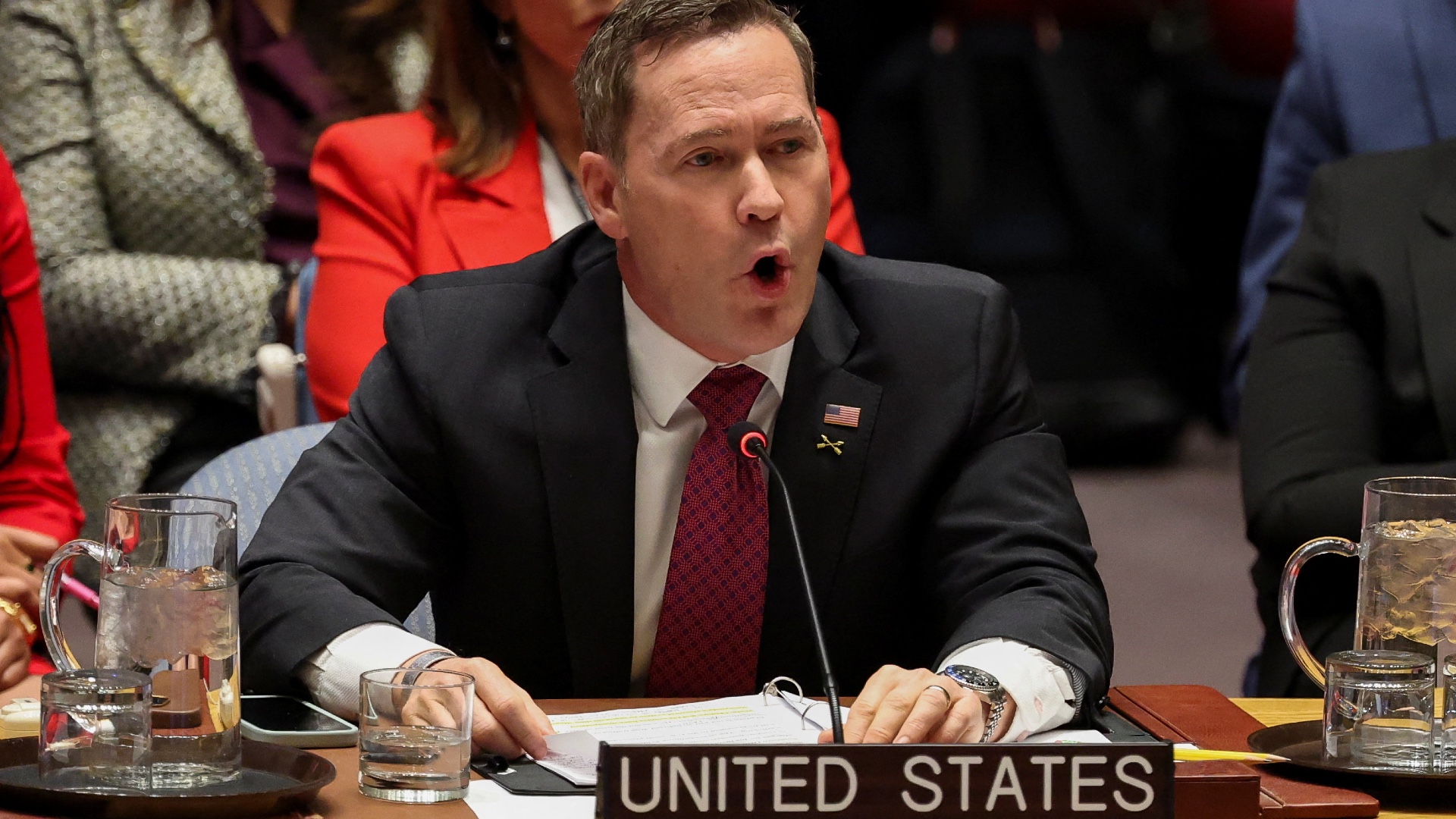
    In a tense address to the United Nations Security Council, U.S. Ambassador Mike Waltz articulated a firm stance against adversarial control of global energy reserves, specifically targeting the Venezuelan government of Nicolás Maduro. The diplomatic confrontation unfolded just hours before Maduro and his wife, Cilia Flores, entered not guilty pleas in a New York federal court to a series of severe charges.

    Ambassador Waltz emphasized that the Western Hemisphere must not serve as an operational base for nations adversarial to the United States. He explicitly condemned the control of Venezuela’s vast oil reserves—the world’s largest—by what he termed ‘illegitimate leaders,’ asserting that this situation neither benefits the Venezuelan people nor aligns with U.S. national security interests. However, he was quick to clarify the nature of the intervention, stating, ‘There is no war against Venezuela or its people. We are not occupying a country,’ directly countering claims of a military occupation.

    The legal basis for the operation stems from a 2020 indictment, unsealed from the Trump administration era, which charges Maduro with Narco-Terrorism Conspiracy, Cocique Importation Conspiracy, and weapons-related violations. A separate, recently unsealed indictment also implicates First Lady Cilia Flores and the couple’s son in drug trafficking, with additional accusations of ordering kidnappings, murders, and accepting bribes leveled against Flores.

    The dramatic abduction of President Maduro from Caracas by U.S. special forces, supported by aerial strikes on military targets, has triggered significant international backlash. Permanent UNSC members Russia and China have condemned the act, while UN Secretary-General António Guterres, through political affairs chief Rosemary DiCarlo, expressed ‘deep concern’ over a potential violation of international law and the dangerous precedent set by forcibly removing a head of state from a sovereign nation. The UN charter explicitly mandates member states to ‘refrain from the threat or use of force against the territorial integrity or political independence of any state.’

    Venezuela’s UN Ambassador, Samuel Moncada, denounced the operation as ‘an illegitimate armed attack lacking any legal justification.’ The human cost of the intervention is reportedly severe, with a senior Venezuelan official citing a death toll of 80, a figure expected to rise, encompassing both civilians and security personnel. With the U.S. holding a veto power on the Security Council, prospects for formal UN accountability appear dim. In the interim, Venezuela’s Supreme Court has appointed former Vice President Delcy Rodríguez, who decried the seizure as having ‘Zionist undertones,’ to lead the country.

  • Hyundai says it will deploy humanoid robots at US factory

    Hyundai says it will deploy humanoid robots at US factory

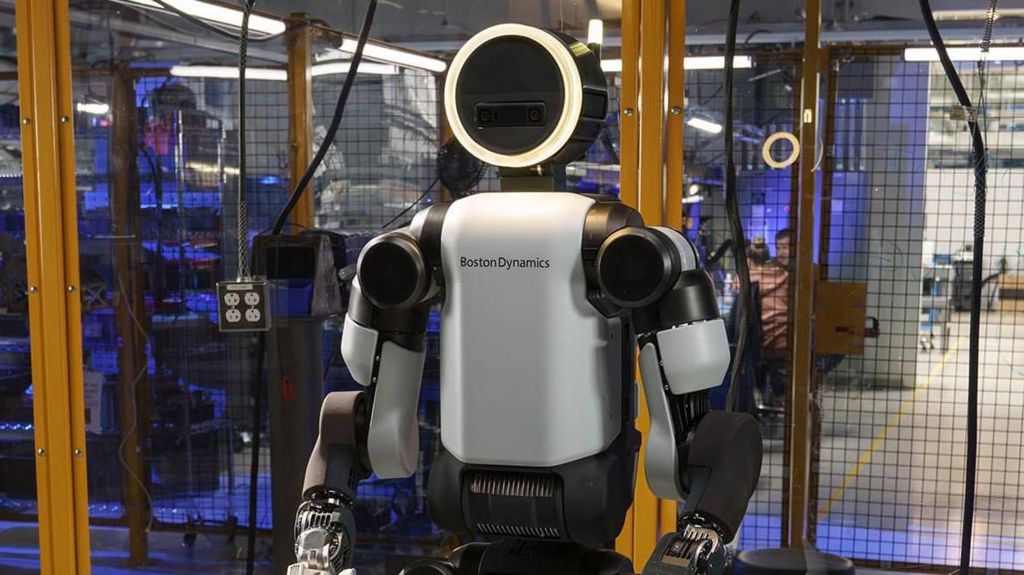
    In a significant advancement for industrial automation, Hyundai Motor Group has announced plans to deploy humanoid robots at its manufacturing facility in Georgia, United States. The revelation came during Monday’s Consumer Electronics Show (CES) in Las Vegas, where the South Korean conglomerate showcased Atlas—a bipedal robot engineered by Boston Dynamics, in which Hyundai holds a controlling interest.

    This strategic move positions Hyundai alongside industry pioneers including Amazon, Tesla, and Chinese automotive titan BYD, all actively integrating humanoid robotics into their manufacturing ecosystems. The Atlas robots are scheduled to commence operations in 2028, with a phased implementation approach designed to gradually expand their operational capabilities within the production environment.

    Engineered for versatile industrial applications, Atlas represents the next generation of collaborative robots designed to operate synergistically with human workers while autonomously managing machinery. Hyundai emphasizes that these robotic systems will mitigate physical strain on employees, undertake high-risk tasks, and accelerate the broader adoption of advanced automation technologies.

    Hyundai’s announcement carries particular significance given the Georgia plant’s history. In September 2025, the facility became the center of a substantial immigration enforcement operation resulting in hundreds of detainments, including approximately 300 South Korean nationals. The incident provoked diplomatic tensions and raised concerns about foreign investment climate in the United States.

    The robotics initiative aligns with Hyundai’s substantial $20 billion investment strategy in the U.S. market, announced in 2025, which supports domestic manufacturing expansion while advancing autonomous driving and artificial intelligence capabilities. Company executives, including Vice Chair Jaehoon Chang, have acknowledged workforce automation concerns while emphasizing the continued need for human expertise in robot training and supervision.

    While Hyundai has not disclosed specific financial details or initial deployment quantities, this development marks a pivotal moment in industrial robotics, potentially establishing new benchmarks for manufacturing efficiency and human-robot collaboration in post-pandemic industrial landscapes.

  • ‘No credible basis’: Experts say US law doesn’t justify Venezuela attack

    ‘No credible basis’: Experts say US law doesn’t justify Venezuela attack

    A recent military operation conducted by the United States against Venezuela has ignited a fierce legal debate among constitutional and international law scholars. United Nations experts have declared the attack a clear breach of international law, while the Trump administration defends its actions under US statutory provisions. The operation involved airstrikes and the extraordinary rendition of Venezuelan President Nicolas Maduro and his wife, Cilia Flores, to face narcotics trafficking charges in New York.

    Legal authorities present contrasting interpretations of the operation’s legitimacy. J Wells Dixon, Senior Staff Attorney at the Center for Constitutional Rights, asserts the invasion lacked any credible foundation in US law, emphasizing that congressional authorization was neither sought nor obtained. ‘There’s no authority to do that,’ Dixon stated, noting that Venezuela had not launched an armed attack against the US that would justify military response under self-defense doctrines.

    Eugene R Fidell, Military Law expert at Yale Law School, concurred, characterizing the operation as unconstitutional absent a congressional declaration of war. ‘Drug smuggling is not an invasion,’ Fidell remarked. ‘This was not an act of self-defense.’

    Conversely, Ingrid Brunk of Vanderbilt Law School offered a divergent perspective, framing the operation through a law enforcement rather than military lens. Brunk cited historical precedent of presidential actions without congressional approval, particularly regarding targeted strikes and apprehensions. She referenced President Obama’s 2011 Libya strikes as comparable executive action.

    The extraordinary abduction of Maduro and Flores raises additional legal complexities. While the US and Venezuela maintain an extradition treaty dating to 1922, officials confirm no consent was obtained from Caracas. Nevertheless, Brunk notes US courts typically disregard irregularities in defendant apprehension, citing the precedent established in Israel’s prosecution of Adolf Eichmann.

    The impending trial faces potential challenges regarding head of state immunity, with experts referencing the Manuel Noriega case as possible precedent. The administration’s revival of the Monroe Doctrine as justification has drawn particular criticism from legal scholars, including Yale’s Oona Hathaway, who warns this stance effectively rejects UN Charter principles and threatens global security architecture.

  • Halliburton, hedge funds and Chevron: Big winners from Trump’s vow to ‘rule’ Venezuela

    Halliburton, hedge funds and Chevron: Big winners from Trump’s vow to ‘rule’ Venezuela

    Financial markets responded decisively to the weekend’s geopolitical developments in Venezuela, with US energy equities and specialized hedge funds recording substantial gains at Monday’s opening bell. The dramatic shift followed military operations that resulted in the detention of Venezuelan President Nicolas Maduro and the installation of a US-aligned interim leadership under Delcy Rodriguez.

    The MSCI US Energy index demonstrated remarkable strength, climbing 2.8 percent and significantly outperforming both the broader S&P 500 and international energy benchmarks. This market movement reflects investor anticipation that American corporations and financial institutions will capitalize extensively on President Trump’s commitment to restructuring Venezuela’s energy sector—a nation possessing 17 percent of global crude reserves yet crippled by prolonged sanctions.

    Chevron emerged as the standout performer among oil producers, with shares surging approximately six percent. The company maintains unique operational privileges in Venezuela through special licensing arrangements established during the Trump administration. Other major beneficiaries included ConocoPhillips (up 3.3 percent), Exxon Mobil (up 2.4 percent), and Halliburton, which witnessed an extraordinary 10 percent leap due to its oilfield services expertise.

    The market enthusiasm extends beyond mere production advantages, signaling expectations of massive capital inflows toward American companies providing critical infrastructure support, maintenance, and technical services. This transition from sanction enforcement to resource exploitation marks a fundamental policy shift that could generate tens of billions in revenue for US corporations.

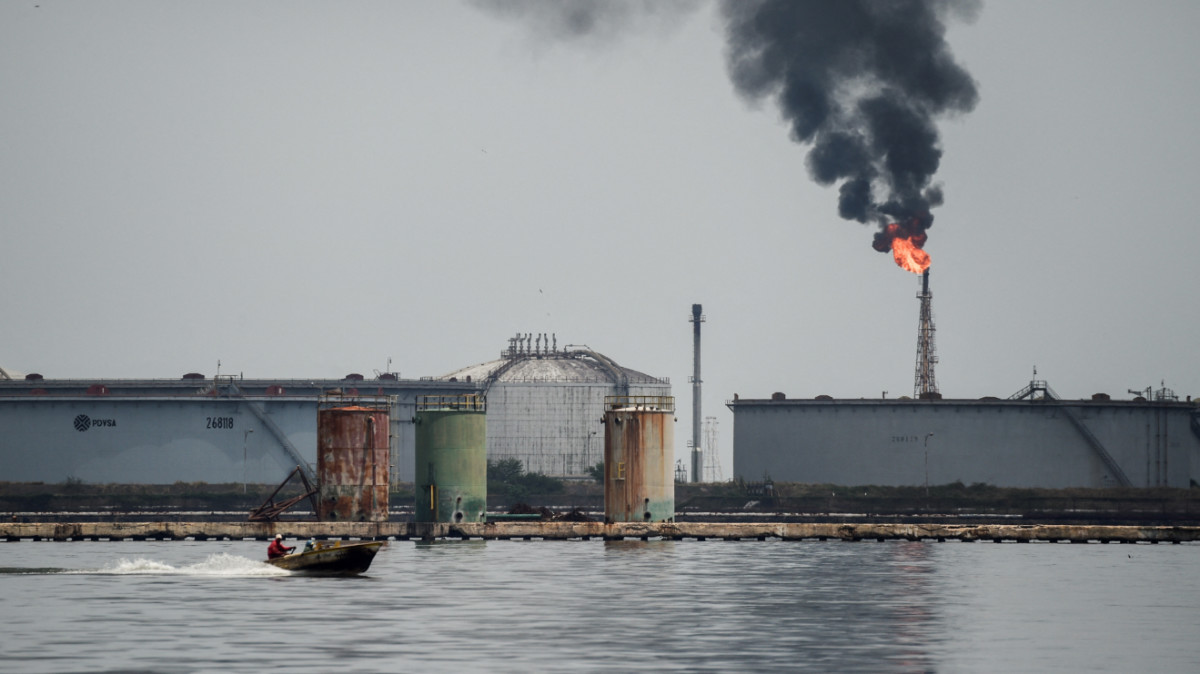
    This development reverses a decades-long absence of American energy dominance in Venezuela. US firms controlled the country’s oil industry until the 1998 election of Hugo Chavez, who initiated partial nationalization around 2007, compelling numerous American companies to abandon substantial investments while pursuing financial compensation ever since.

    The US energy rally contrasted sharply with muted performance among European counterparts. British multinationals BP and Shell recorded minimal movement (up and down 0.5 percent respectively), while Saudi Arabia’s Aramco experienced slight declines in domestic trading.

    Concurrently, Venezuelan debt instruments staged a remarkable recovery. Bonds that traded at 31 cents on the dollar before Maduro’s detention skyrocketed to 41 cents, continuing an upward trend from their 16-cent nadir as US military presence expanded in the Caribbean. This debt appreciation benefits specialized asset managers including London’s Broad Reach Investments, Germany’s Allianz Global Investors, and US-based Elliot Management—the latter having previously secured legal victory to control a PDVSA-owned refinery.

    Market analysts note Venezuela’s current production represents nearly one percent of global oil supply, with potential to triple if international investment resumes. This prospect introduces substantial competition for OPEC+ allies Russia and Saudi Arabia, according to MST Financial energy expert Saul Kavonic, who warned of market disruption balancing near-term instability against medium-term supply increases.

    The geopolitical transformation unfolded through rapid rhetorical shifts. After initially condemning US actions, interim leader Rodriguez adopted a conciliatory stance following presidential threats, ultimately inviting Washington to ‘work together on an agenda of cooperation’—effectively cementing US influence over Venezuela’s political and economic future.

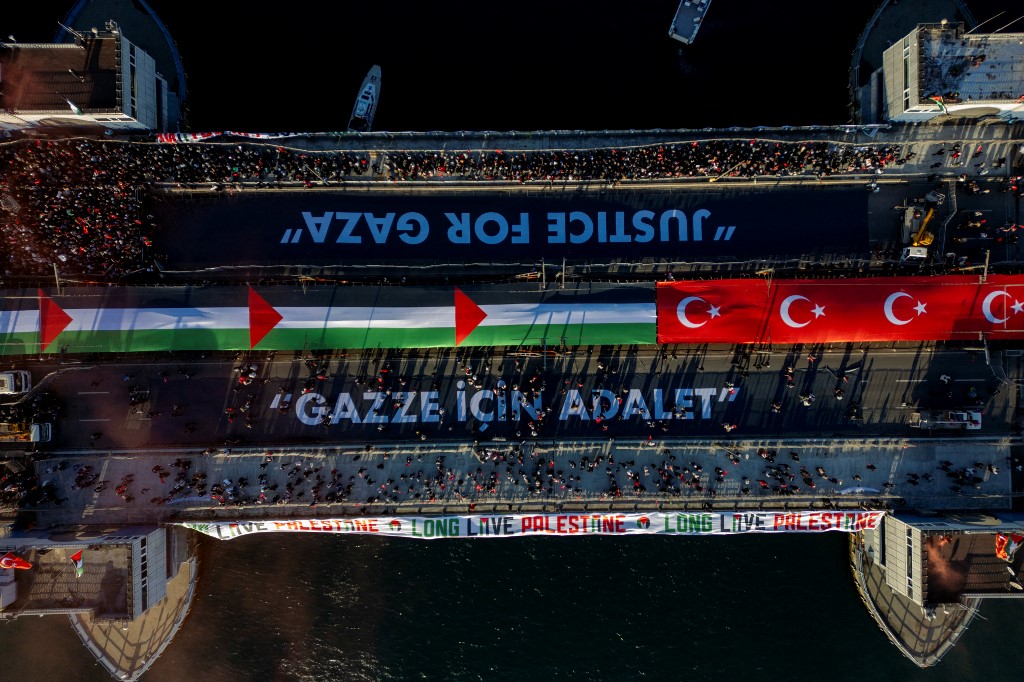
  • Erdogan: Gaza stabilisation force lacks legitimacy without Turkey

    Erdogan: Gaza stabilisation force lacks legitimacy without Turkey

    Turkish President Recep Tayyip Erdogan has asserted that any international stabilization force deployed to Gaza would fail to gain Palestinian trust without Turkey’s direct participation. In a recent Bloomberg interview, Erdogan emphasized that legitimate on-the-ground actors must be included for such a mission to succeed, specifically referencing signatories to the Sharm El-Sheikh Declaration.

    Erdogan stated, ‘Countries party to the Sharm El-Sheikh Declaration, including Turkey, are the most legitimate actors in this process. It would be difficult for any mechanism without Turkey to gain the trust of the Palestinian people.’ This position comes despite Israeli Prime Minister Benjamin Netanyahu’s opposition to Turkish involvement, which has reportedly discouraged other potential contributors including Azerbaijan, Pakistan, Saudi Arabia, and Indonesia from providing troops.

    The proposed international force stems from the Trump-brokered peace deal envisioning international troops guarding Gaza and assuming control of Hamas-controlled areas. While Netanyahu has attempted to exclude Turkish participation, President Trump notably refused to rule out Ankara’s involvement, praising Turkey’s capabilities during a joint press conference.

    According to Turkish diplomatic sources, Ankara isn’t insisting on troop deployment but expresses concern about the potential collapse of agreements if Hamas distrusts the international force. Erdogan highlighted Turkey’s unique positioning for such a mission, citing ‘deep historical ties with the Palestinian side,’ maintained security channels with Israel, and regional influence as a NATO member.

    The political maneuvering occurs against a devastating humanitarian backdrop in Gaza. Reports indicate Israeli forces have violated the ceasefire nearly 1,000 times since early October, with over 71,271 Palestinians killed and 171,233 wounded in the ongoing conflict. Winter conditions have exacerbated the crisis, with children dying from cold weather and collapsing infrastructure due to storms.

    The Shelter Cluster reports more than 42,000 tents and makeshift shelters damaged in mid-December alone, affecting approximately 250,000 residents. Meanwhile, Israeli attacks continue across the enclave, with persistent shelling, gunfire, and airstrikes reported by local media.

    A growing coalition of nations and organizations has condemned Israel’s restrictions on humanitarian operations. Recently, 37 aid organizations including Doctors Without Borders faced potential bans from operating in Gaza and the West Bank. The organization warned that ‘hundreds of thousands of Palestinians would be cut off from essential care’ if access is lost, emphasizing that the decimated health system and destroyed infrastructure require more services, not fewer.

    The UN relief agency commissioner general cautioned that new Israeli restrictions on international NGOs are ‘further compromising the humanitarian operation in the Gaza Strip.’ In response, eight Arab and Islamic nations—Egypt, Qatar, Jordan, Saudi Arabia, UAE, Indonesia, Pakistan, and Turkey—issued a joint statement demanding Israel allow rights groups ‘sustainable, predictable and unrestricted’ access to territories, particularly during severe winter conditions.

  • ‘We aimed for first place’: How Sheikh Mohammed marked 20 years of change in UAE governance

    ‘We aimed for first place’: How Sheikh Mohammed marked 20 years of change in UAE governance

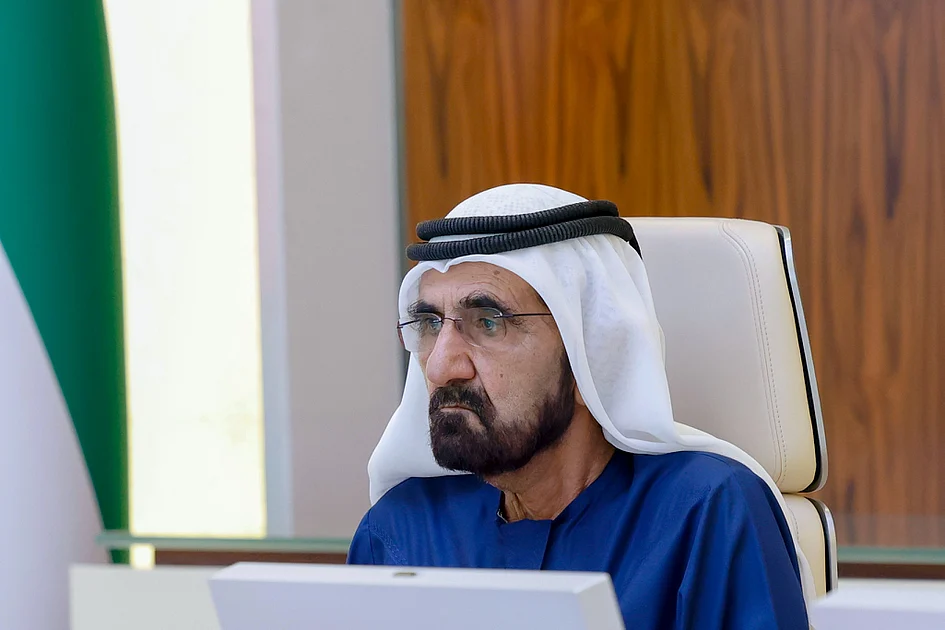
    ABU DHABI – The United Arab Emirates marked a significant milestone this week as the nation commemorated 20 years of transformative governance under the leadership of Sheikh Mohammed bin Rashid Al Maktoum, Vice President and Prime Minister of the UAE and Ruler of Dubai.

    During a landmark Cabinet meeting at Qasr Al Watan on Monday, Sheikh Mohammed reflected on the nation’s extraordinary journey since he assumed office in January 2006, revealing that the federal government had enacted over 16,000 resolutions and managed budgets exceeding Dh1.1 trillion to fundamentally redesign government operations.

    “Two decades ago, we set our sights on achieving first place globally,” Sheikh Mohammed stated. “While some expressed skepticism at the time, today—by God’s grace—the UAE has evolved into a developmental model that nations worldwide seek to emulate.”

    The comprehensive review highlighted how the UAE has emerged as a global benchmark across multiple sectors, currently ranking first in more than 280 international indicators spanning quality of life, education, healthcare, and housing. The nation has also strengthened its position as a crucial economic bridge between Eastern and Western markets, with particular dominance in trade, artificial intelligence, space industries, sovereign investments, and talent attraction.

    The governance transformation included several strategic pillars: streamlining public services, modernizing legislative frameworks, upgrading national infrastructure, and developing advanced digital systems. This systematic overhaul began with the UAE’s inaugural Comprehensive Strategy in 2007 and the implementation of a Government Performance System in 2008, which introduced data-driven planning and accountability mechanisms across all ministries.

    Six national strategic cycles have been successfully implemented, each meticulously aligned with federal budgets to ensure policy and financial resources moved in concert. Long-term planning became a defining characteristic of Emirati governance, exemplified by initiatives including UAE Vision 2021, the Centennial 2071 plan, and the more recent “We the UAE 2031” agenda.

    Innovation emerged as a central governance pillar, manifested through initiatives such as the World Governments Summit, regulatory laboratories, and government accelerators. The establishment of the world’s first Ministry of Artificial Intelligence in 2017 demonstrated the UAE’s commitment to technological leadership, while the UAE legislation platform—hosting over 2,500 laws and regulations—has become an essential digital resource attracting approximately one million monthly visits.

    The economic impact of these reforms has been substantial: real GDP surged 94 percent to exceed Dh1.77 trillion in 2024, while non-oil foreign trade expanded nearly sixfold to approximately Dh3 trillion. Non-oil exports witnessed extraordinary growth, multiplying more than eighteen times to reach Dh559 billion. The labor market experienced parallel expansion, with workforce numbers doubling and female participation rates more than doubling over the past twenty years.

    The Cabinet also approved several forward-looking initiatives, including a national strategy for registering additional UAE heritage elements on UNESCO lists between 2026 and 2036, updates to the Circular Economy Policy 2031, and a new healthcare framework designed to provide personalized, lifelong care for People of Determination. International cooperation agreements with Tajikistan and Slovakia were ratified, while negotiations were authorized for 21 additional international agreements and memoranda of understanding.