标签: Asia

亚洲

  • Turkey edges closer to leading Black Sea mission under Ukraine security guarantees

    Turkey edges closer to leading Black Sea mission under Ukraine security guarantees

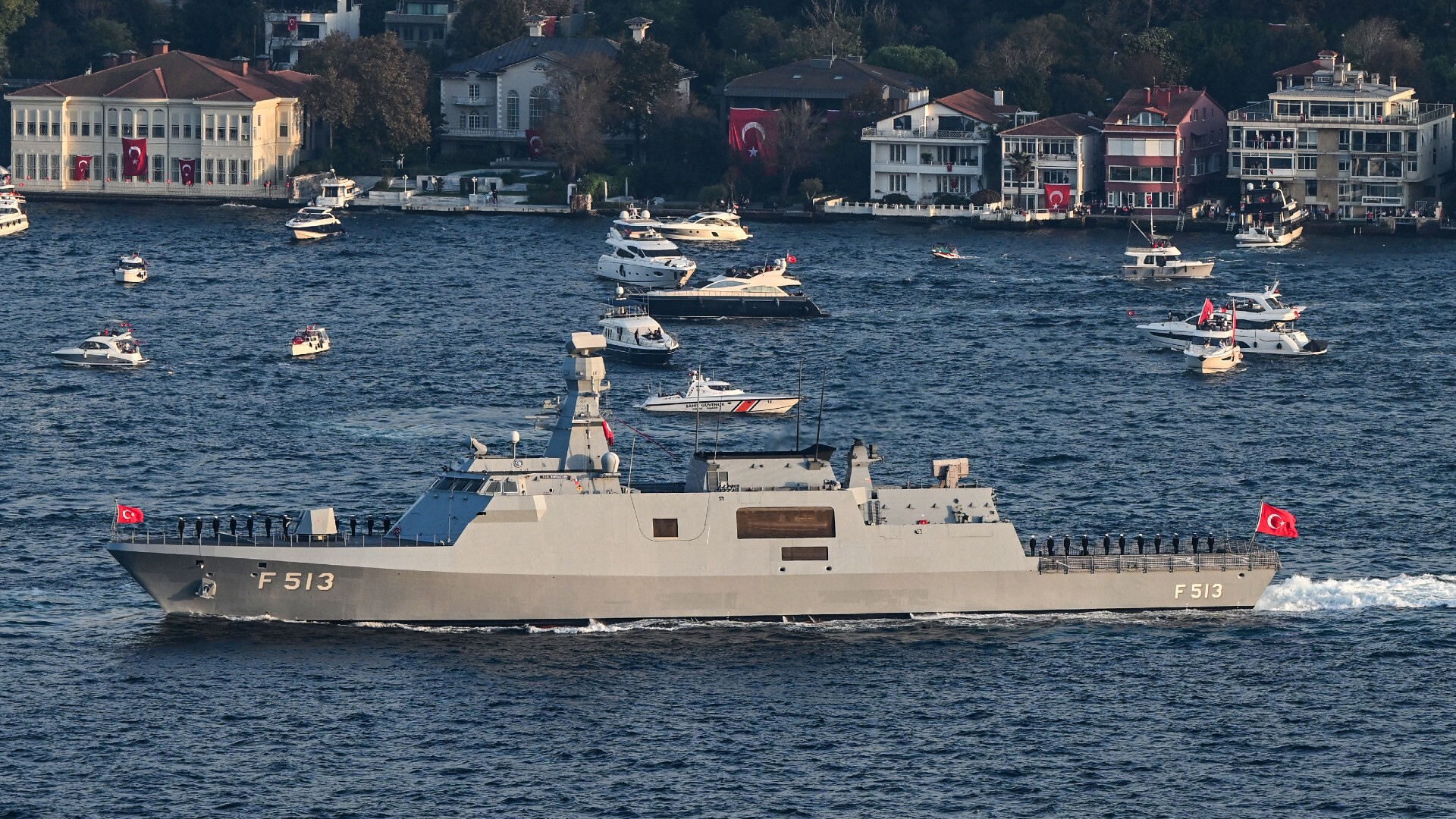
    Turkey is positioned to assume a pivotal naval leadership role in Black Sea security operations as a core component of international security assurances for Ukraine. The announcement came from Turkish Foreign Minister Hakan Fidan following a high-level Coalition of the Willing summit convened in Paris on Tuesday.

    Minister Fidan articulated that the Turkish Armed Forces have consistently advocated for assuming responsibility for any naval framework established during peacetime. ‘Considerable progress has been made on this,’ Fidan confirmed to journalists, emphasizing the natural fit for NATO’s predominant Black Sea naval power to oversee maritime security operations.

    The Paris summit yielded significant advancements in constructing robust security guarantees for Kyiv, designed to activate following a prospective ceasefire in the Russia-Ukraine conflict. French President Emmanuel Macron corroborated Turkey’s willingness to undertake this critical security role during his press conference remarks.

    According to summit agreements, the United States would spearhead a ceasefire monitoring mechanism while Britain and France formalized a declaration of intent through a trilateral agreement with Ukrainian President Volodymyr Zelensky. This arrangement envisions potential troop deployments and establishment of ‘military hubs’ on Ukrainian territory contingent upon a peace agreement.

    This strategic development follows Ankara’s diplomatic recalibration last year after Moscow’s firm opposition to NATO troop presence in Ukraine. Instead, Turkey has concentrated on leading a prospective naval mission encompassing deterrent operations, maritime demining initiatives, and supporting Ukrainian naval reconstruction.

    German representatives adopted a more circumspect approach, suggesting potential NATO-area presence while acknowledging the necessity for compromises given Russia’s staunch opposition to NATO troop deployments in Ukraine.

    Minister Fidan revealed that both conflict parties have neared potential agreement more than at any previous point, with detailed discussions addressing the region’s postwar architecture. He characterized the emerging framework as ‘a comprehensive agreement that would go on to define Russia’s regional policies as well,’ serving as a long-term structure for Russo-European peace modalities.

    Beyond military commitments, Turkey expressed strong interest in leading Ukraine’s reconstruction efforts. Fidan highlighted Turkey’s unique capabilities in economic revitalization, business expertise, and infrastructure development, positioning the nation as a primary driver of regional economic recovery post-conflict.

  • ‘Spectacle of empire’: US has no day-after plan for Venezuela, experts say

    ‘Spectacle of empire’: US has no day-after plan for Venezuela, experts say

    A panel of foreign policy experts convened by the Quincy Institute for Responsible Statecraft has sharply criticized the Trump administration’s military operation in Venezuela, characterizing it as a poorly conceived spectacle that violates international norms without strategic justification.

    According to University of Chicago political science professor John Mearsheimer, the abduction of Venezuelan President Nicolás Maduro constitutes a violation of international law that makes no strategic sense for the United States. ‘Venezuela posed no threat to the US,’ Mearsheimer stated, noting that if narcotics were the genuine concern, Mexico would represent a more logical target.

    The operation, conducted by US special forces with aerial support that reportedly killed approximately 80 security forces and civilians, has left the administration embroiled in precisely the type of nation-building exercise that President Trump previously pledged to avoid. Maduro and his wife now face trial in New York City, where he has pleaded not guilty to all charges.

    Curt Mills of The American Conservative suggested President Trump appears ‘addicted to these sort of special operations as a way of looking like a wartime commander in chief’ without calculated risks. Meanwhile, Pomona College Professor Miguel Tinker Salas described the operation as ‘performative’ and emblematic of ‘the spectacle of empire,’ noting the apparent absence of any coherent plan for Venezuela’s future governance.

    The administration has assigned Secretary of State Marco Rubio, a long-time advocate for regime change in Venezuela and Cuba, to oversee Venezuela’s administration. Surprisingly, Trump has sidelined opposition leader Maria Corina Machado, suggesting she lacks sufficient institutional support. Interim leadership has been assumed by Delcy Rodríguez, Maduro’s former vice president, who has adopted a conciliatory stance toward US cooperation.

    Experts raised multiple concerns about the operation’s broader implications. Despite Trump’s transparent interest in Venezuela’s oil reserves—the world’s largest—Mills questioned the economic rationale, noting current low oil prices and the absence of extraction plans. Geopolitically, Mearsheimer warned the intervention represents ‘manna from heaven’ for China and Russia, as US resources become diverted from Asian priorities to Western hemisphere nation-building.

    The panel further expressed alarm about deteriorating relations with European allies, particularly given Trump’s simultaneous threats to forcibly acquire Greenland from Denmark. The experts noted Europe’s ‘dramatic’ silence on Venezuela, potentially reflecting fears about abandoned Ukrainian support or retaliatory tariffs.

    Mearsheimer concluded with a stark assessment: ‘Watching the Trump administration in action, I think that they are a rogue operation. They’ve turned the United States into a rogue state.’

  • Global shares trade mixed after Wall Street hits records on tech gains

    Global shares trade mixed after Wall Street hits records on tech gains

    Global financial markets exhibited divergent trends on Wednesday as investor sentiment wavered following recent record-breaking rallies on Wall Street. The mixed performance reflected growing concerns over geopolitical developments and potential shifts in monetary policy.

    European markets opened with varied results: France’s CAC 40 declined 0.3% to 8,213.78 while Germany’s DAX advanced 0.4% to 24,993.97. Britain’s FTSE 100 retreated 0.6% to 10,067.95. U.S. futures indicated a cautious opening with Dow Jones contracts edging up 0.1% while S&P 500 futures dipped slightly.

    Asian markets demonstrated particular volatility. Japan’s Nikkei 225 dropped 1.1% to 51,961.98, retreating from its recent record high. The decline coincided with heightened Sino-Japanese tensions following China’s implementation of military-related export restrictions against Japan. This development comes amid deteriorating relations between the two nations after Japanese Prime Minister Sanae Takaichi suggested potential military involvement regarding Taiwan in early November, prompting recent Chinese military exercises around the self-ruled island.

    Other Asian markets showed more positive momentum: South Korea’s Kospi gained 0.6% to 4,551.06, while Australia’s S&P/ASX 200 rose 0.2% to 8,695.60. Hong Kong’s Hang Seng declined 0.9% to 26,458.95, and Shanghai Composite remained nearly flat with a marginal gain.

    Market analysts identified multiple pressure points affecting global sentiment. Mizuho Bank’s Tan Boon Heng highlighted deepening global uncertainty, particularly referencing the capture of Venezuelan President Nicolás Maduro by U.S. forces. Meanwhile, technology stocks showed signs of fatigue after their remarkable three-year rally, with Swissquote senior analyst Ipek Ozkardeskaya noting weakening tech appetite in Asian markets and diminishing euphoria despite positive developments.

    Investor attention now turns to upcoming U.S. employment data, which the Federal Reserve will scrutinize ahead of its late January meeting. After implementing three benchmark rate cuts in late 2025, the central bank is expected to maintain current interest rates.

    Commodity markets saw downward pressure with benchmark U.S. crude falling 65 cents to $56.48 per barrel and Brent crude declining 47 cents to $60.23. Currency markets showed minimal movement as the U.S. dollar slightly weakened against the yen to 156.55, while the euro edged down to $1.1684. Precious metals also retreated with gold falling 0.5% and silver dropping 2.3%.

  • Gen Z revolters are angry at the government they installed after Nepal’s protests

    Gen Z revolters are angry at the government they installed after Nepal’s protests

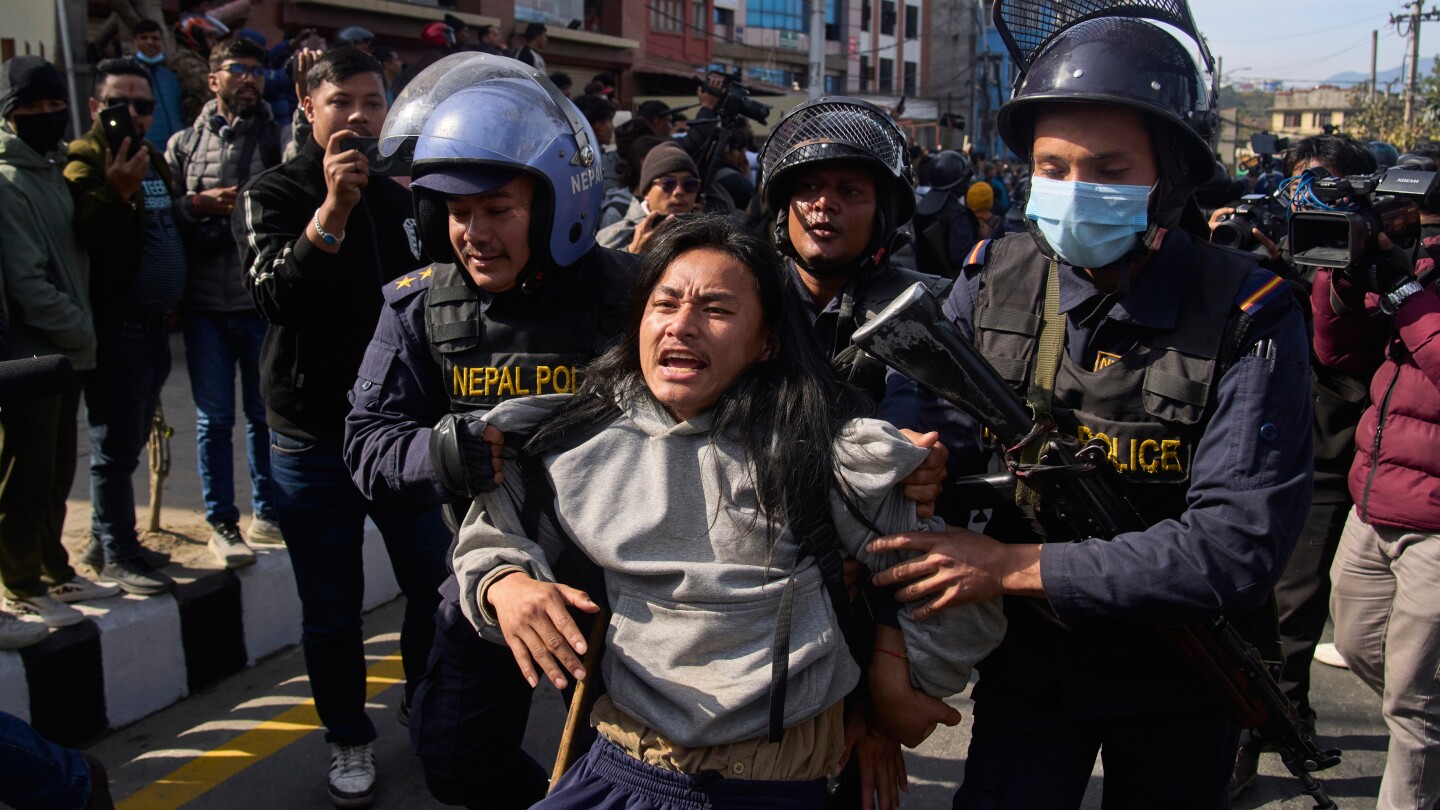
    KATHMANDU, Nepal — What began as a day of promise for 22-year-old Mukesh Awasti transformed into permanent sacrifice when he joined Nepal’s youth uprising against systemic corruption. Instead of boarding a flight to Australia to pursue civil engineering studies last September, Awasti now lies in a Kathmandu hospital bed, his leg amputated after being shot by security forces during violent demonstrations.

    The September protests, spearheaded by Nepal’s ‘Gen Z’ activists, resulted in 76 fatalities and over 2,300 injuries before achieving their immediate objective: the appointment of Sushila Karki as Nepal’s first female prime minister on September 12. The retired Supreme Court justice pledged to conduct fresh parliamentary elections by March and address systemic corruption.

    Three months later, mounting disillusionment grips the protest movement as the interim government faces criticism for failing to deliver meaningful reforms. Dozens of demonstrators, including those injured in September’s clashes, have returned to the streets expressing frustration over unfulfilled promises.

    “I regret my decision to participate because the new government we brought to power has achieved nothing,” Awasti stated from his hospital bed. “Corruption continues unchecked, and those responsible for opening fire on demonstrators remain free.”

    The government’s anti-corruption agency has filed just one significant case that excludes key political figures. Politicians accused of corruption are preparing to contest upcoming elections, with no legal action taken against former leaders in power during September’s violence.

    Suman Bohara, who walks with crutches due to a shattered right foot, articulated the collective frustration: “We returned to the streets because the government failed its promises. Many families lost loved ones, many were injured, but what has the government done? Nothing.”

    The original protests erupted on September 8 against widespread corruption, limited opportunities, unemployment, and poor governance—triggered initially by a social media ban. Demonstrators broke through police barricades attempting to enter parliament, meeting lethal force from security personnel. The movement rapidly spread nationwide, with angry mobs burning government offices and politicians’ homes, forcing leaders to flee via military helicopters.

    Analysts note the movement’s lack of clarity continues to hinder progress. Abeeral Thapa, principal of Polygon College of Journalism and Mass Communications in Kathmandu, observed: “The confusion stems from unclear demands among Gen Z groups. The protests began targeting corruption and social media restrictions but ultimately collapsed the government—like hunting deer but killing a tiger.”

    Divergent demands now emerge from various youth factions: some seek direct prime ministerial elections and constitutional overhaul, others demand immediate corruption prosecutions, while some support March elections to bring reform-minded lawmakers. The interim government’s limited mandate—primarily to conduct elections—restricts its ability to address all protester demands.

    Prime Minister Karki maintains her administration will deliver March 5 elections: “The world anticipates peaceful transition through elections. Our preparations are nearly complete, and security conditions have significantly improved.”

    Yet skepticism persists regarding whether elections will occur and whether they can address the systemic issues that sparked September’s uprising, leaving Nepal’s political future uncertain and its youth activists confronting the gap between revolutionary aspirations and political reality.

  • Aipac donor on cusp of reaping billions from US abduction of Maduro

    Aipac donor on cusp of reaping billions from US abduction of Maduro

    Billionaire investor Paul Singer stands to gain substantially from the geopolitical upheaval in Venezuela following the controversial extraction of President Nicolas Maduro by U.S. special forces last Saturday. The operation, which resulted in significant casualties according to AP reports, has created conditions favorable for international investors holding Venezuelan debt.

    Singer’s Elliott Investment Management previously bid approximately $6 billion to acquire CITGO Petroleum Corporation—a network of U.S.-based refineries currently owned by Venezuela’s state oil company PDVSA. Industry analysts value these assets at nearly double that amount, suggesting a potential windfall of billions should the transaction proceed.

    The proposed acquisition represents just one facet of the complex financial implications stemming from Venezuela’s political transformation. The South American nation carries an estimated $150 billion in debt, with approximately 20% owed to creditors in China and Russia—nations that had previously supported Maduro’s government.

    Elliott Management possesses considerable experience in distressed emerging market investments, having generated substantial profits following Argentina’s debt crisis. Singer himself maintains significant political connections as a major donor to both AIPAC (the American Israel Public Affairs Committee) and Republican political causes.

    This financial backdrop has drawn criticism from certain quarters. Congressman Thomas Massie, a Republican from Kentucky facing opposition funding from Singer, publicly questioned the investor’s potential windfall, suggesting connections between political donations and favorable policy outcomes.

    The CITGO sale faces several procedural hurdles despite receiving preliminary judicial approval in November. Both Maduro’s government (prior to his removal) and a U.S.-appointed oversight board had rejected the bid as fraudulent. Final authorization must come from the U.S. Treasury Department.

    Venezuela’s interim leadership under Delcy Rodríguez has characterized Maduro’s extraction as having ‘Zionist undertones,’ reflecting the heightened geopolitical tensions surrounding the regime change operation and its financial implications.

  • How people in Harbin, world’s biggest really cold city, kept warm

    How people in Harbin, world’s biggest really cold city, kept warm

    In the extreme cold of Harbin, Northeast China, where winter temperatures regularly plummet to -30°C, traditional heating methods developed over millennia are now capturing academic attention for their sustainable potential. Unlike modern central heating systems that consume massive energy, these ancient approaches demonstrate remarkable efficiency through intelligent design rather than increased energy consumption.

    The kang, a heated platform-bed constructed from earth bricks, represents one of humanity’s most enduring heating innovations. Functioning as an integrated architectural element rather than mere furniture, this thick raised slab connects directly to the family cooking stove. When meals are prepared, hot air circulates through subterranean passages, warming the entire mass of compacted earth that then radiates heat throughout the night.

    What makes this 2,000-year-old technology particularly relevant today is its targeted heating approach. Instead of warming entire rooms, the kang focuses thermal energy precisely where people need it most. The system requires no pumps, radiators, or fossil fuel consumption beyond what’s already used for cooking. Hundreds of kilograms of earth act as natural thermal batteries, slowly releasing stored heat over many hours.

    Similar principles appear throughout East Asian heating traditions. Korea’s ondol system channels warm air beneath thick floors, while Japan’s kotatsu uses a low table with an under-mounted heater beneath heavy blankets to warm occupants’ legs. These systems all share a common philosophy: maximize personal comfort while minimizing energy waste.

    Even Europe once employed comparable approaches before the widespread adoption of energy-intensive central heating. Ancient Roman hypocausts circulated hot air under floors, medieval households used heavy tapestries as insulation, and various cultures employed heated rugs and enclosed sleeping areas.

    The contemporary relevance of these traditional systems becomes increasingly urgent as millions of Europeans struggle with soaring energy costs and inadequate heating. Modern solutions like heat pumps and renewable energy work best when integrated with highly efficient buildings that require less energy overall. The kang demonstrates that true comfort emerges from intelligent design rather than excessive energy consumption—a lesson that could guide sustainable architecture toward more resilient heating solutions.

  • An Indian state wants to tackle hate speech with a law – can it work?

    An Indian state wants to tackle hate speech with a law – can it work?

    The southern Indian state of Karnataka has embarked on a groundbreaking legislative initiative to combat the escalating problem of hate speech and communal violence. The Karnataka Hate Speech and Hate Crimes (Prevention) Bill, 2025, represents one of the most comprehensive attempts by any Indian state to address what authorities describe as a dangerous surge in targeted verbal attacks against minorities.

    Legislative Framework and Provisions:
    The proposed legislation, which awaits the governor’s approval to become law, establishes strict parameters for identifying and prosecuting hate speech. It defines hate speech as any expression—whether verbal, printed, televised, or circulated through social media—that targets individuals or groups based on religious, caste, or other identity markers. Notably, the bill categorizes hate speech itself as a criminal offense, regardless of whether it directly incites violence.

    The bill grants state authorities unprecedented powers, including the authority to mandate social media platforms to remove content deemed as hate speech—a power previously reserved for the federal government. Penalties include non-bailable imprisonment ranging from one to seven years and substantial fines of up to 50,000 rupees ($550), with enhanced punishments for repeat offenders.

    Political Divisions and Constitutional Concerns:
    The legislation has exposed deep political fractures. The ruling Congress party in Karnataka argues the measure is necessary to address a 74% increase in hate speech incidents recorded during the 2024 national elections, particularly targeting Muslim communities. State Home Minister G Parameshwara contends the bill closes critical loopholes in existing laws.

    However, the national ruling BJP party, which serves as the opposition in Karnataka, has vehemently opposed the legislation, warning it threatens constitutional free speech protections. Opposition leader R Ashoka alleges the law could be weaponized to silence government critics and imprison political opponents and journalists.

    Legal experts express concerns about the bill’s potential for misuse. Supreme Court lawyer Sanjay Hegde notes the subjective nature of hate speech determinations, stating that “one party’s hate speech is another man’s political propaganda.” Legal scholars highlight the bill’s expansion beyond existing federal provisions that criminalize speech promoting religious enmity or deliberately offending religious sentiments.

    Implementation Challenges and Safeguards:
    A significant debate centers on the blurred distinction between hate speech and hate crimes within the legislation. Siddharth Narrain, assistant professor at National Law School of India University, notes that while hate speech should be prosecuted for its potential to incite violence, the current wording treats communication itself as a criminal act even without subsequent violence.

    Critics point to a 2015 Supreme Court ruling requiring speech-related laws to be precisely defined to avoid creating a “chilling effect” on free expression. Social activist Girish Bhardwaj argues the bill gives excessive discretion to police and administrative officials in determining what constitutes hate speech, potentially leading to conflicts of interest when governments face criticism.

    State officials counter that the legislation includes safeguards against abuse of power. A senior Karnataka government official, speaking anonymously, stated that the bill removes the requirement for government permission to file chargesheets, instead requiring police to approach courts directly and face consequences for improper enforcement.

    The legislation has already inspired similar initiatives, with the Congress-led government in Telangana announcing plans to introduce comparable hate speech legislation. The outcome in Karnataka may well set a precedent for how India balances free speech protections with the urgent need to address communal violence and targeted harassment.

  • As China sharpens Pacific kill chain US revives island airfields

    As China sharpens Pacific kill chain US revives island airfields

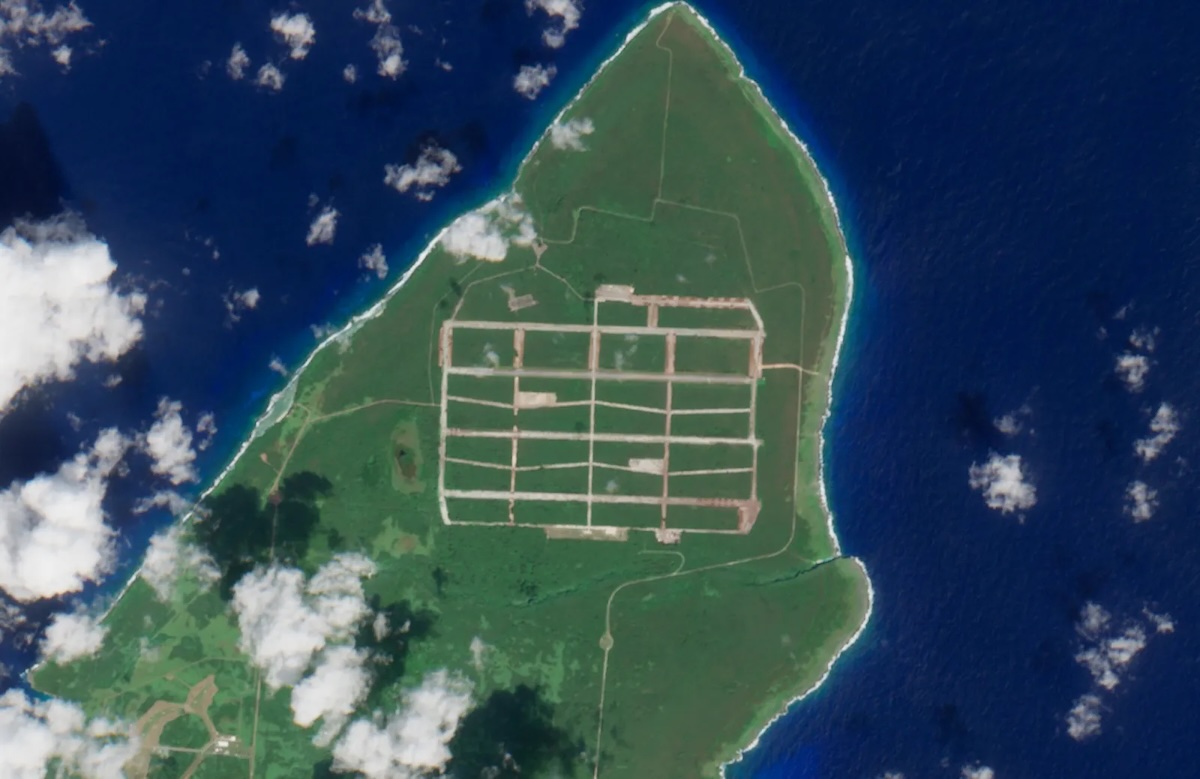
    The United States is undertaking a massive military engineering project across the Pacific theater, revitalizing World War II-era airfields in a strategic effort to counter China’s growing missile capabilities. This initiative, driven by the Air Force’s Agile Combat Employment (ACE) doctrine, seeks to disperse American airpower across numerous remote locations including Tinian, Guam, Palau, Micronesia, the Philippines, and Alaska.

    The strategic motivation stems from Pentagon assessments that China’s expanding ballistic missile arsenal could overwhelm critical US bases in Guam and Okinawa during the initial phases of a Taiwan conflict. By creating multiple operational airfields with pre-positioned fuel, munitions, and repair equipment, US planners aim to complicate Chinese targeting calculations and maintain combat operations even after initial attacks.

    However, military analysts express concerns about the viability of this dispersal strategy. China has tripled its intelligence, surveillance, and reconnaissance (ISR) satellite constellation since 2018, now operating over 359 dedicated ISR satellites. This network, combined with over-the-horizon radar capable of detecting aircraft up to 3,000 kilometers away, provides China with unprecedented tracking capabilities across the Pacific.

    Simulations from the Center for Strategic and International Studies indicate devastating potential losses: approximately 300-500 US aircraft could be destroyed within the first weeks of conflict, with 90% of these losses occurring on the ground before aircraft can disperse. Chinese strikes could render Japanese airbases inoperable for up to 12 days and eliminate aerial refueling capabilities for over a month, potentially granting China a critical window of air superiority.

    Concurrently, China has been expanding its presence in Oceania through port and airfield investments in Solomon Islands, Fiji, and Samoa, enhancing its military reach and monitoring capabilities. The US response includes strengthening compacts of free association with Micronesia, Palau, and the Marshall Islands, securing exclusive basing rights across vast Pacific territories.

    The ultimate success of the ACE strategy may depend less on technical agility and more on political access, ability to disrupt Chinese ISR networks, and sustained operations across an increasingly contested battlespace.

  • Why UAE’s luxury yacht market is attracting younger, wealthier buyers

    Why UAE’s luxury yacht market is attracting younger, wealthier buyers

    The United Arab Emirates is witnessing a profound demographic shift in its luxury yacht market, with a new generation of affluent buyers driving unprecedented growth. According to Ferretti Group executives, entrepreneurs, athletes, and entertainers in their early 40s are increasingly choosing the UAE as their primary yachting destination rather than a seasonal stopover.

    This transformation is fueled by several key factors: unparalleled connectivity demands where reliable Wi-Fi and Starlink have become as crucial as mechanical performance; exceptional security that allows owners freedom not always available in European destinations; and world-class infrastructure encompassing luxury hotels, restaurants, and logistics.

    Alberto Ferretti, Founder and CEO of Ferretti Group, emphasized that modern yacht ownership represents more than maritime luxury—it signifies entry into an exclusive lifestyle club. ‘We sell privacy and freedom,’ Ferretti noted. ‘On a boat, you can be alone and private. That is increasingly important for this generation.’

    The UAE’s extended cruising season—spanning eight months from October to May compared to Europe’s four-month Mediterranean season—provides a significant competitive advantage. Proximity to major global hubs also enables owners to reach their vessels within hours for extended weekends.

    Market projections indicate explosive growth potential, with RIC Holding Group CEO Alaa Al Ali forecasting a 1,000% expansion in coming years. This growth encompasses not merely vessel sales but the development of a comprehensive marine ecosystem including maintenance centers, after-sales services, and innovative ownership models like lease-to-own arrangements previously unavailable in the region.

    The partnership between Ferretti Group and exclusive UAE/Oman dealer AAA Marine aims to position the UAE as a permanent yachting destination rather than transient stopover. This vision includes creating a ‘UAE Riviera’ supported by expanding marina infrastructure, waterfront resorts, and residential developments across Abu Dhabi and beyond.

    New models and technological innovations from Ferretti Group’s brands—including Ferretti Yachts, Pershing, Riva and Custom Line—will debut at the Dubai International Boat Show in April, featuring advances in stabilization and design that cater to this new generation of yacht owners.

  • Jacob Bethell’s first test century helps England push the fifth Ashes match to Day 5

    Jacob Bethell’s first test century helps England push the fifth Ashes match to Day 5

    SYDNEY — In a spectacular display of resilience, 22-year-old Barbadian allrounder Jacob Bethell delivered his inaugural Test century at the most critical juncture, keeping England’s ambitions alive in the fifth and final Ashes encounter at Sydney Cricket Ground. The dramatic fourth day concluded with England at 302-8, establishing a 119-run advantage and setting the stage for a tense fifth-day decider.

    Bethell’s remarkable innings of 142 not out from 232 balls commenced under immediate pressure when he entered the crease during the first over following Zac Crawley’s dismissal. The young batsman demonstrated exceptional composure while forming crucial partnerships: 81 runs with Ben Duckett (42), 32 with Joe Root (6), a substantial 102 with Harry Brook (42), and 45 with Jamie Smith (26). His performance single-handedly erased England’s 183-run first-innings deficit and maintained the possibility of consecutive Test victories in Australia.

    Australia’s bowling attack witnessed an unexpected standout performance from allrounder Beau Webster, whose occasional offspin yielded impressive figures of 3-51. Webster dramatically shifted momentum during the 52nd over by claiming two wickets in three deliveries, including the dangerous Brook and Will Jacks, who fell for a second-ball duck.

    The match took several dramatic turns, including a chaotic run-out of Jamie Smith immediately after the drinks break and the concerning injury to captain Ben Stokes, who battled right adductor problems throughout the day. Stokes managed only a single run before falling to Webster’s bowling, with Steve Smith taking a sharp catch at slip.

    Australia’s commanding first-innings total of 518 was built upon centuries from Travis Head (his third this series) and Steve Smith (138), complemented by Webster’s unbeaten 71. Smith’s century marked his 13th in Ashes history, moving him to sixth on the all-time list of Test century makers.

    Despite Australia having already retained the Ashes urn through victories in the first three Tests, both teams approach the final day with significant motivations—Australia seeking a 4-1 series triumph and England determined to narrow the margin after their drought-breaking win in Melbourne.