标签: Asia

亚洲

  • War on Iran: These are the heritage sites devastated by US and Israeli attacks

    War on Iran: These are the heritage sites devastated by US and Israeli attacks

    Iran’s cultural landscape, bearing witness to millennia of civilization through conquests, artistic renewal, and master craftsmanship, now faces unprecedented threats as its World Heritage Sites become casualties of military strikes. Over the past two and a half weeks, Israeli and American operations have targeted numerous historical landmarks across multiple Iranian provinces, damaging structures that represent both pre-Islamic and Islamic architectural traditions.

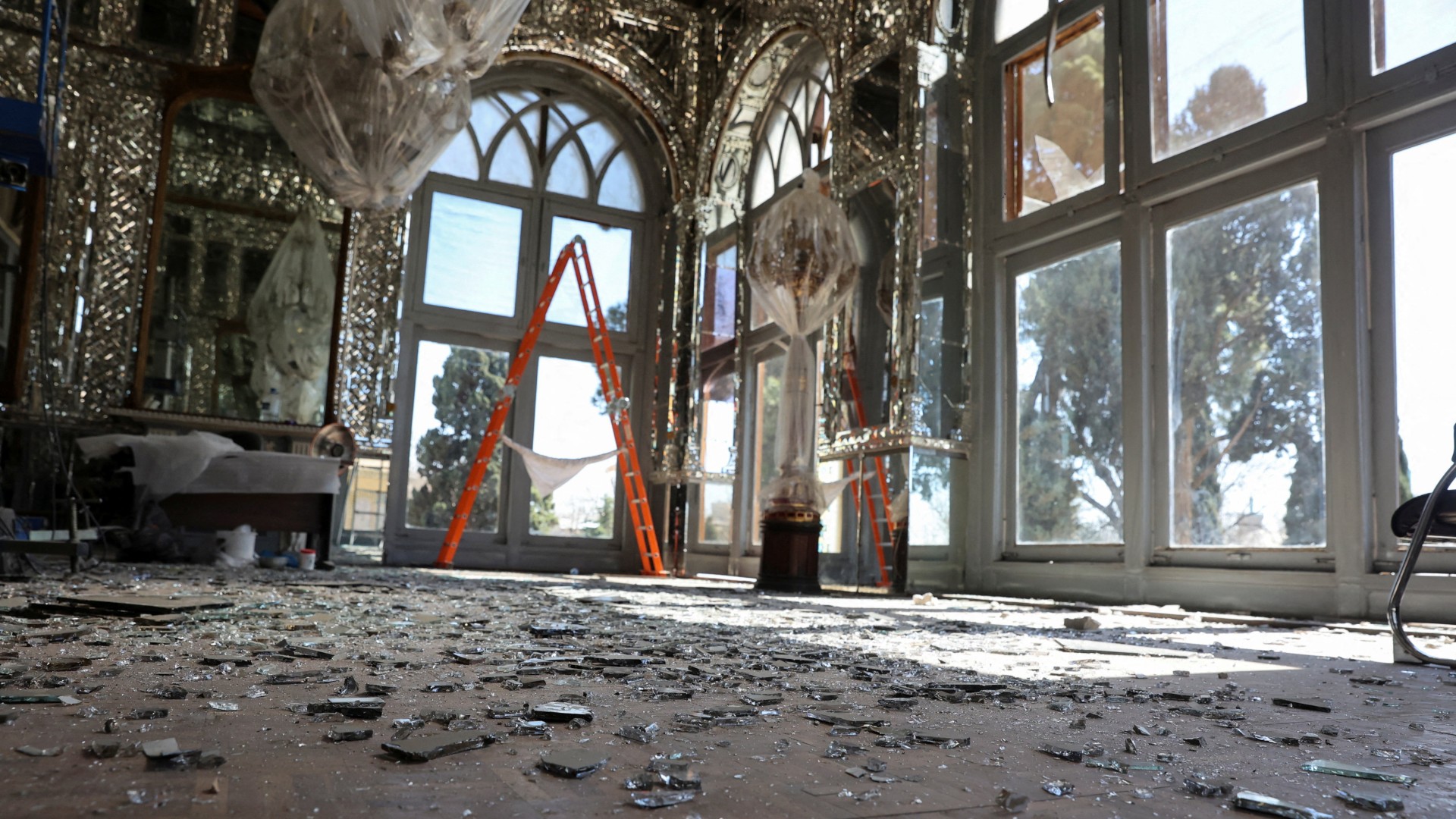
    The assault on Iran’s cultural patrimony began dramatically on March 1st when Golestan Palace, Tehran’s sole UNESCO World Heritage Site, suffered significant damage from nearby missile strikes. Iranian media documented shattered windows, compromised mirror and glasswork installations, and historically significant Orsi doors damaged by blast effects. This 14th-century Safavid-era complex, later expanded during the Qajar dynasty, serves as a museum complex representing Persia’s royal heritage.

    In Isfahan, the devastation extended to multiple protected sites within the Naqsh-e Jahan Square UNESCO designation. Chehel Sotoun Palace, commissioned by Shah Abbas I in the 17th century, sustained severe interior damage with photographs showing demolished doors, fractured windows, and debris throughout its celebrated halls. Most tragically, a 17th-century fresco depicting Safavid Shah Tahmasp welcoming Mughal ruler Humayun developed a massive crack through its center.

    The adjacent Ali Qapu palace, part of the same UNESCO designation dating to 1597, suffered similar destruction with its doors and windows shattered. Meanwhile, the historic Jameh Mosque of Isfahan, with architectural elements dating to the 8th-century Abbasid era, lost numerous turquoise tiles in a March 9th blast, with photographic evidence showing smoke plumes rising behind the structure.

    Further west, the ancient Falak ol-Aflak citadel in Khorramabad, dating to the Sassanian period (3rd-7th centuries), was struck on March 8th when Israeli air strikes targeted the adjacent cultural heritage department building. While the main castle structure survived intact, the explosion damaged archaeology and anthropology museums, barracks, and regimental buildings within the complex.

    Iranian officials have characterized these attacks as a ‘declaration of war on civilization,’ noting that the targeted sites represent not just national heritage but human history. With 29 UNESCO World Heritage Sites—the tenth highest concentration globally—Iran’s cultural treasures face ongoing risks as conflicts persist. The international community, particularly UNESCO, faces mounting pressure to respond to what heritage experts describe as an unprecedented assault on global cultural patrimony.
  • Afghanistan blames Pakistan for strike on drug rehabilitation hospital, with dozens feared dead or injured

    Afghanistan blames Pakistan for strike on drug rehabilitation hospital, with dozens feared dead or injured

    A major drug rehabilitation facility in Kabul became the epicenter of escalating tensions between Afghanistan and Pakistan following a devastating aerial attack Monday evening. The strike targeted a hospital where thousands received addiction treatment, resulting in significant casualties according to Taliban government officials.

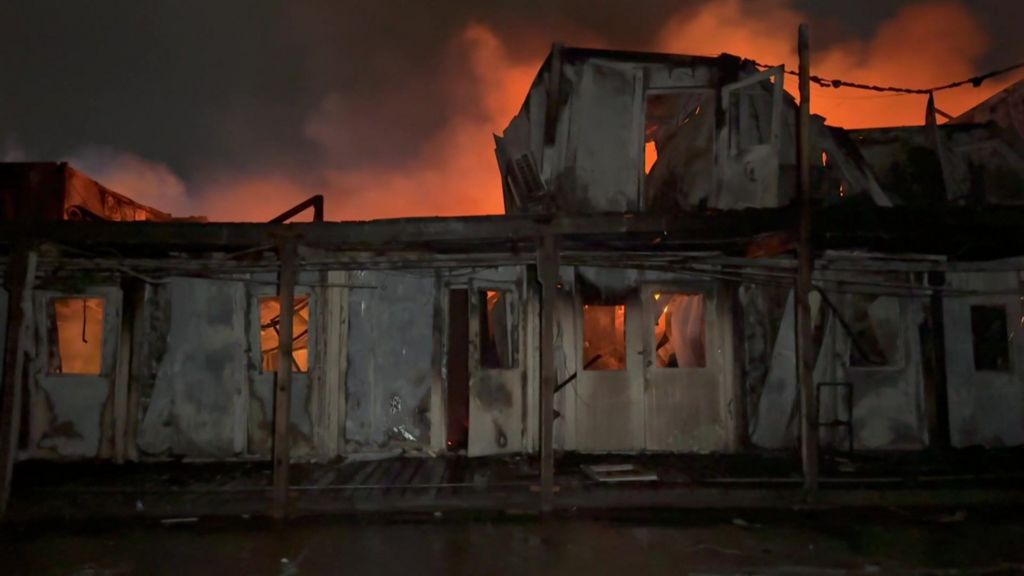
    Eyewitness accounts and BBC correspondents at the scene described chaotic conditions with sections of the medical facility still engulfed in flames hours after the incident. Rescue workers were observed transporting at least thirty fatalities on stretchers while distraught family members gathered outside seeking information about loved ones.

    The Taliban administration swiftly attributed responsibility to neighboring Pakistan, claiming the attack deliberately targeted civilian medical infrastructure. However, Pakistan’s information ministry issued a firm denial, asserting their operations exclusively targeted military installations and what they characterized as terrorist support networks in both Kabul and Nangahar province.

    Hospital administrators revealed that approximately 3,000 patients were undergoing addiction treatment at the time of the explosion. Initial estimates suggest casualty figures could reach into the hundreds given the facility’s occupancy levels and the severity of the damage.

    Afghan health ministry spokesperson Sharafat Zaman Amarkhail explicitly contradicted Pakistan’s justification, stating no military facilities exist in the hospital’s vicinity. Local residents reported hearing powerful explosions approximately at 20:50 local time, followed by aircraft activity and activated air defense systems.

    This incident represents the most severe escalation since cross-border hostilities resumed last month, ending a fragile October ceasefire agreement. The United Nations Assistance Mission in Afghanistan (UNAMA) has documented at least 75 fatalities and 193 injuries resulting from border clashes since February 26th. Pakistan maintains that Taliban-controlled Afghanistan provides sanctuary to militant organizations operating against Pakistani interests—an allegation Afghan leadership consistently denies.

  • European allies refuse US request to help open Strait of Hormuz

    European allies refuse US request to help open Strait of Hormuz

    European powers have delivered a firm rebuke to the United States’ appeal for military assistance in reopening the strategically vital Strait of Hormuz, with Germany leading the opposition by declaring the escalating conflict with Iran falls outside NATO’s defensive mandate. The diplomatic standoff emerged after Iran sealed the critical waterway last week, retaliating against joint Israeli-American offensive operations that targeted Iranian territory. This strategic chokepoint facilitates the transit of over one-fifth of global oil and gas supplies, making its closure a matter of urgent international economic concern.

    Despite President Donald Trump’s weekend appeal for allied support, European nations demonstrated remarkable unity in rejecting military involvement. German Chancellor Friedrich Merz’s administration established the tone by emphasizing through spokesman Stefan Kornelius that “Nato is an alliance for the defence of territory” and that the current crisis lacks the necessary mandate for NATO deployment. Defense Minister Boris Pistorius reinforced Germany’s position by explicitly ruling out military participation while affirming commitment to diplomatic resolution efforts.

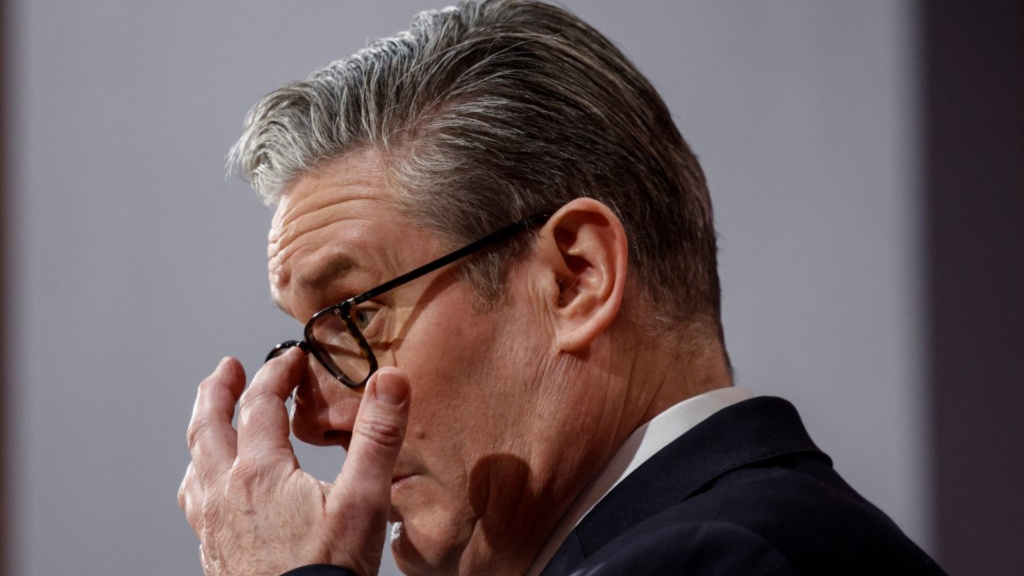
    The United Kingdom aligned with Germany’s stance, with Prime Minister Keir Starmer categorically dismissing the possibility of a NATO mission while acknowledging collaborative efforts to develop alternative strategies. “We’re working with all of our allies to bring together a viable collective plan that can restore freedom of navigation,” Starmer stated from Downing Street, emphasizing that any solution would not involve NATO deployment. Energy Secretary Ed Miliband revealed potential non-military alternatives, including the deployment of minesweeping drones instead of warships.

    France confirmed it would not dispatch naval vessels to the Strait, maintaining its defensive posture in the Eastern Mediterranean. Spain emerged as the most vocal European critic of the military approach, with Defense Minister Margarita Robles declaring Madrid was “absolutely not” considering military contributions. Poland similarly rejected participation in any naval operation to reopen the shipping corridor.

    This European consensus extended beyond the continent, with Japan and Australia earlier expressing parallel reservations about military involvement. President Trump issued a stark warning that allied refusal to assist could prove “very bad for the future of Nato,” though he provided no specific details regarding potential consequences.

    Some Scandinavian and Baltic nations indicated slightly more flexible positions, with Danish Foreign Minister Lars Lokke Rasmussen advocating for maintaining “an open mind” regarding potential contributions despite emphasizing Denmark’s preference for de-escalation. Lithuanian and Estonian officials similarly expressed willingness to discuss the situation with American counterparts while stopping short of endorsing military action.

  • US told Turkey war on Iran would end in just four days, expert says

    US told Turkey war on Iran would end in just four days, expert says

    According to Washington-based Turkey expert Asli Aydintasbas, the United States government communicated to Turkey through official channels that military operations against Iran would conclude within a mere four-day timeframe. The Brookings Institution fellow revealed these details during a recent interview with Serbestiyet news outlet, characterizing the subsequently prolonged conflict as a form of betrayal toward NATO allies and regional partners.

    The disclosure emerges amidst reports of Turkey’s extensive diplomatic efforts to prevent joint Israeli-American strikes against Iran since January. Turkish officials reportedly presented multiple proposals to both Washington and Tehran, including offers to host mediation talks in Istanbul. However, Iranian leadership reportedly declined these overtures, including a proposed trilateral teleconference involving Turkish President Recep Tayyip Erdogan, Iranian President Masoud Pezeshkian, and US President Donald Trump.

    Following several rounds of negotiations in Oman focusing specifically on Iran’s nuclear program, Washington and Israel ultimately launched unprovoked strikes against Iran last month. Aydintasbas highlighted the divergent objectives between the two allies, noting that Israel primarily sought regime change or fragmentation of Iran while the Trump administration pursued a quick victory to leverage nuclear negotiations.

    The expert criticized the administration’s approach, noting the conspicuous absence of Iran expertise in planning discussions. Instead, the strategy appeared driven by Israeli encouragement and Prime Minister Benjamin Netanyahu’s urgings, resulting in what Aydintasbas characterized as a poorly conceived ‘hit-and-run’ operation that has devolved into an open-ended conflict.

    Initial White House assumptions suggested that eliminating Supreme Leader Ali Khamenei would precipitate regime collapse. However, the emergence of Mojtaba Khamenei as successor—who lost family members in strikes—created a scenario more reminiscent of North Korea’s leadership than the Venezuela-style cooperation the administration anticipated.

    Further complicating matters, reports indicated consideration of employing Iranian and Iraqi Kurdish forces to establish border control—a plan that met with significant backlash from both media outlets and allied nations. Turkey reportedly expressed strong objections through diplomatic channels, joined by concerns from Saudi Arabia regarding the dangers of instigating civil war in Iran.

    Despite initial encouragement from President Trump toward Kurdish involvement, the administration subsequently reversed position, with the president publicly stating he did not want Kurdish forces entering Iran amid the already complex conflict.

  • China, US agree stable economic, trade ties benefit both countries, world, says China intl trade representative

    China, US agree stable economic, trade ties benefit both countries, world, says China intl trade representative

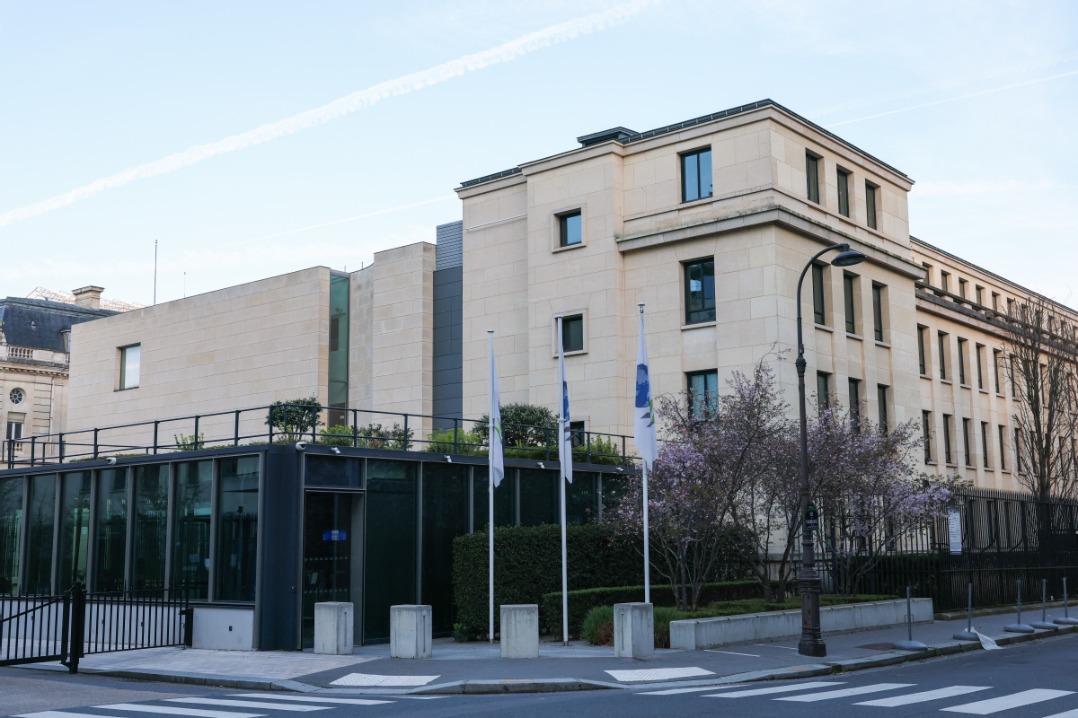
    PARIS – In a significant development for global economic stability, Chinese and American officials have reached a consensus that maintaining stable bilateral trade relations serves both nations’ interests while contributing to worldwide economic security. The agreement emerged during the latest round of economic and trade discussions held at the Organization for Economic Cooperation and Development headquarters in Paris on March 15-16, 2026.

    Li Chenggang, China’s International Trade Representative and Vice Minister of Commerce, articulated China’s consistent opposition to unilateral Section 301 investigations during a post-negotiation briefing. ‘Both nations recognize that predictable economic ties create a foundation for mutual prosperity and global market stability,’ Li stated, emphasizing the constructive nature of the dialogue despite existing trade disagreements.

    The Paris talks represent a continuing effort to navigate complex trade tensions between the world’s two largest economies. The choice of venue at the OECD headquarters signals both parties’ commitment to multilateral engagement and institutional diplomacy rather than unilateral approaches to trade disputes.

    While specific policy agreements remain undisclosed, the mutual acknowledgment of trade relationship benefits marks a positive step toward de-escalating recent tensions. The discussions occurred against the backdrop of ongoing Section 301 investigations, which China has consistently characterized as detrimental to equitable international trade practices.

    Economic analysts suggest that this diplomatic progress could pave the way for more substantive agreements in subsequent meetings, potentially affecting global supply chains, tariff structures, and international market confidence.

  • UK was an ‘active participant’ in Israeli war crimes, Corbyn tribunal finds

    UK was an ‘active participant’ in Israeli war crimes, Corbyn tribunal finds

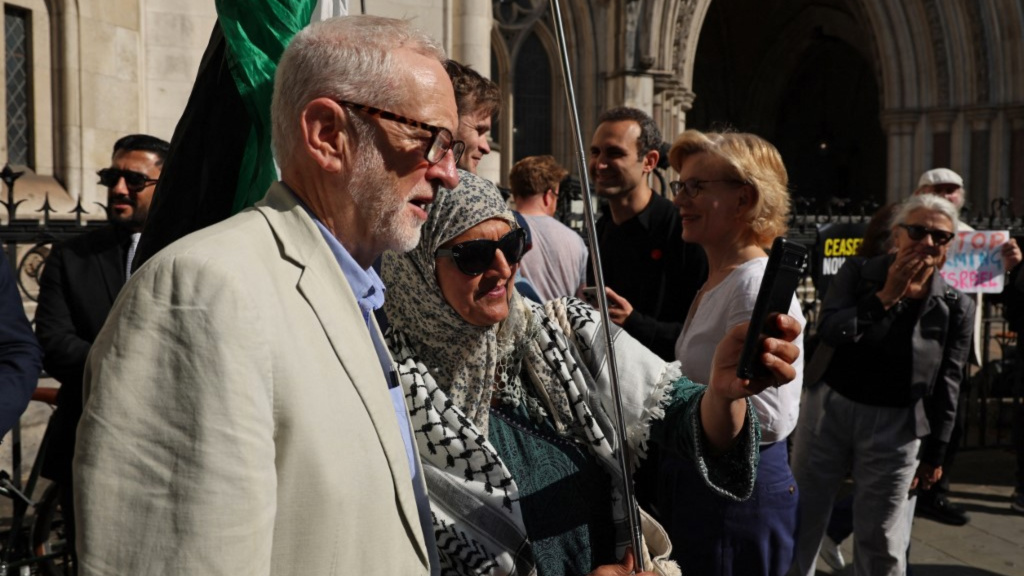
    An independent tribunal co-chaired by former Labour leader Jeremy Corbyn has concluded that Britain served as an active participant in certain Israeli war crimes during the Gaza conflict. The findings, published in a comprehensive report on Monday, emerged from last September’s highly publicized Gaza Tribunal proceedings.

    The tribunal was convened following the Labour government’s blockage of Corbyn’s proposed legislation calling for a Chilcot-style public inquiry into UK-Israel military cooperation. The proceedings gathered testimony from a diverse array of sources including eyewitnesses, United Nations rapporteurs, journalists, medical professionals, and academic experts.

    The final report presents a damning indictment of British policy, asserting that the nation “failed in its fundamental obligation to prevent genocide, has been complicit in atrocity crimes, and in some instances has even been an active participant in these crimes.” Corbyn characterized the findings as documentation of the government’s “legacy as an active participant in one of the greatest crimes of our time.

    Among the specific allegations, the report details that Britain conducted hundreds of surveillance flights over Gaza during the conflict, sharing gathered intelligence with Israeli forces despite government claims that such cooperation was exclusively for “hostage rescue” purposes. The tribunal recommends that the UK immediately provide all collected surveillance footage to both the International Criminal Court (ICC) and International Court of Justice (ICJ).

    The document further criticizes the government’s limited arms embargo as insufficient, advocating instead for a comprehensive prohibition on weapons transfers. It references the ICJ’s January 2024 genocide ruling and subsequent advisory opinion declaring Israel’s occupation illegal, arguing these decisions created binding legal obligations for states to prevent genocide and cease trade relations concerning occupied territories.

    Notably, the report cites Middle East Eye’s previous reporting that David Cameron, during his tenure as foreign secretary, threatened the ICC’s chief prosecutor with Britain’s withdrawal from the court if it pursued arrest warrants against Israeli officials.

    The tribunal’s recommendations include imposing economic sanctions on Israel, terminating all military cooperation, investigating British citizens potentially involved in war crimes, and establishing a full independent public inquiry with powers to question ministers and officials about UK-Israel cooperation since October 2023.

    Co-chaired by Dr. Shahd Hammouri, an international law lecturer at the University of Kent, and Professor Neve Gordon, a human rights law expert at Queen Mary University of London, the tribunal featured strong condemnations from both legal scholars. Dr. Hammouri accused top UK officials of “lying, manipulating the law, denying reality, and prosecuting truth-tellers,” while Professor Gordon warned that the government’s complicity “has created a very dangerous precedent.”

    In response to the allegations, the Foreign Office noted it has implemented three sets of sanctions addressing settler violence in the West Bank and opposes forced displacement. Middle East Minister Hamish Falconer recently stated there “must be accountability and justice for all crimes committed across Palestinian and Israeli territory.”

  • Companies flock to Shanghai home appliances expo

    Companies flock to Shanghai home appliances expo

    Shanghai became the epicenter of home technology innovation this weekend as the Appliance & Electronics World Expo (AWE) attracted unprecedented participation from global industry leaders. The landmark event, running since 1992, witnessed record-breaking engagement with over 1,200 companies converging to demonstrate cutting-edge smart living solutions and technological advancements.

    Marking a significant expansion from previous years, the 2026 edition occupied dual venues for the first time in its history. The Shanghai New International Expo Centre provided 140,000 square meters of exhibition space while the newly inaugurated Shanghai Eastern Hub International Business Cooperation Zone contributed an additional 30,000 square meters, creating a combined showcase area of 170,000 square meters.

    Preliminary data from organizers indicated a remarkable surge in attendance, with visitor numbers at the main venue projected to exceed last year’s figures by more than 30 percent. This substantial increase reflects growing international interest in China’s rapidly evolving home technology sector.

    The expo served as the launch platform for a groundbreaking industry initiative—the Household Service Robot Committee established under the China Household Electrical Appliances Association. This collaborative body addresses critical challenges including redundant data collection, divergent technological approaches, and standardization gaps within the robotics sector.

    According to Wan Chunhui, deputy secretary-general of the association, the committee has already attracted more than 50 founding members representing the entire robotics ecosystem. Participation spans diverse sectors including home appliances, embodied intelligence, companion robotics, artificial intelligence models, motion control systems, semiconductor chips, advanced materials, and battery technology.

    China’s dominance in the global robotics market was highlighted by Zhang Chonghe, president of the China National Light Industry Council, who revealed that the nation now produces 55 percent of the world’s robots. Statistical data showed extraordinary growth with 18.58 million service robots manufactured in 2025 alone, representing a 16.1 percent year-on-year increase.

    Specialized robotics for targeted applications demonstrated particularly vigorous expansion, with solutions designed for elderly care, automated cleaning, and social companionship emerging as the fastest-growing categories within the sector.

  • Exclusive: Israel to keep Al-Aqsa Mosque closed through Eid al-Fitr and beyond

    Exclusive: Israel to keep Al-Aqsa Mosque closed through Eid al-Fitr and beyond

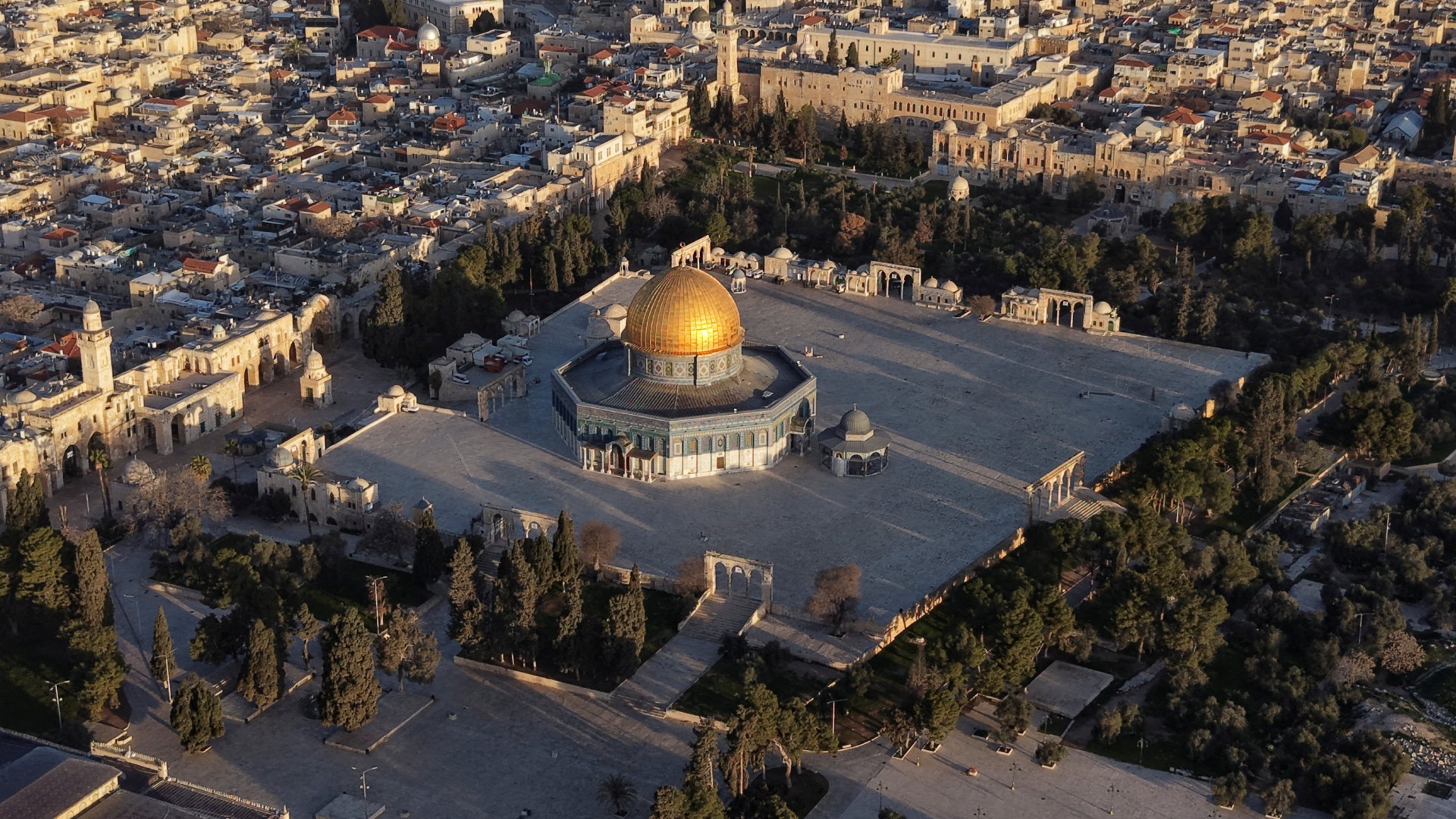
    Israeli authorities have confirmed the extended closure of Jerusalem’s Al-Aqsa Mosque through the upcoming Eid al-Fitr celebrations and beyond, according to sources familiar with the matter. Middle East Eye has learned that the Islamic Waqf, the Jordanian-appointed body administering the holy site, received official notification of this decision in recent days.

    The unprecedented shutdown of one of Islam’s most sacred sites began earlier this month citing security concerns during regional tensions. This marks the first Ramadan since Israel’s 1967 occupation of East Jerusalem that Palestinian worshippers have been completely barred from Friday prayers at the mosque.

    The closure has drawn condemnation from eight Muslim-majority nations who declared Israel holds ‘no sovereignty’ over the site and demanded immediate lifting of restrictions. Despite these calls, Israeli forces maintain a heavy presence in the Old City, continuing bans on both Friday and nightly Ramadan prayers while preventing Palestinian access to the compound.

    Currently, no more than 25 Waqf staff members are permitted inside the vast complex per shift. Sources reveal Israeli authorities even rejected a request for an additional manuscript department employee, warning that any expansion would trigger permission for Israeli settlers to resume daily incursions.

    Waqf officials suspect Israeli forces have installed surveillance cameras inside prayer halls, including within the Dome of the Rock, enabling constant monitoring. The mosque closure coincides with a near-total lockdown of the Old City, where only residents are permitted entry, leaving normally vibrant Palestinian markets deserted.

    During Laylat al-Qadr, the holiest night in Islam, hundreds of police blocked access routes, forcing worshippers to pray on streets under threat of violence. Dr. Mustafa Abu Sway of the Islamic Waqf Council noted the stark contrast between the internal lockdown and normal life continuing just meters outside the ancient walls.

    International affairs director Aouni Bazbaz expressed concerns that temporary measures could become permanent arrangements, potentially altering decades-long status quo agreements that preserve Al-Aqsa as an exclusively Islamic site under Waqf administration. Palestinians maintain that Israeli occupation has progressively eroded these arrangements while expanding control over the contested territory.

  • Britain drawn closer to Iran war as a reluctant Starmer moves to appease Trump

    Britain drawn closer to Iran war as a reluctant Starmer moves to appease Trump

    British Prime Minister Keir Starmer announced on Monday that the United Kingdom is formulating a “viable plan” to facilitate the reopening of the strategically critical Strait of Hormuz. This declaration followed a high-stakes discussion with US President Donald Trump, who had previously issued stark warnings about NATO’s future should member states decline to assist American efforts in securing the vital maritime passageway.

    The Strait of Hormuz, through which approximately twenty percent of global oil shipments transit, has become the focal point of international tension following Iran’s effective blockade in retaliation against US-Israeli military operations. President Trump’s weekend appeal to multiple nations, including Britain, China, France, Japan, and South Korea, for a collective “team effort” has placed the Starmer administration in a complex diplomatic position.

    Despite overwhelming domestic opposition to military engagement, Britain finds itself increasingly entangled in the conflict. The UK government has permitted American forces to utilize British military installations as staging grounds for bomber missions targeting Iranian missile facilities. Energy Secretary Ed Miliband revealed the government’s consideration of deploying minesweeping drones—sophisticated devices that mimic ship patterns to safely detonate underwater mines—rather than warships to the region.

    Prime Minister Starmer emphasized the economic imperative of reopening the strait to “ensure stability in the markets,” while acknowledging the considerable challenges involved. He asserted that while US-Israeli operations have “massively weakened” Iran’s military capabilities, any lasting solution would require a “negotiated agreement” to constrain Tehran’s nuclear ambitions and guarantee secure international shipping lanes.

    The evolving situation has exposed strains in the transatlantic relationship, particularly regarding Britain’s initial refusal to authorize American strikes from the joint UK-US base on Diego Garcia. Whitehall sources indicate the Starmer government views the US-Israeli offensive as lacking legal justification and contrary to British national interests.

    President Trump’s criticism of NATO as a “one-way street” and his remarks about Britain’s delayed naval contribution have been met with measured responses from UK officials. Work and Pensions Secretary Pat McFadden emphasized that Britain maintains no obligation to acquiesce to all American requests, characterizing the relationship as “enduring” beyond current political personalities.

    As military activity intensifies—with US bombers operating from British soil and Iranian drones attacking bases housing British personnel—the Starmer government faces mounting pressure to balance alliance commitments with domestic political realities while pursuing de-escalation in an increasingly volatile regional conflict.

  • Experts: too early to tell if super El Nino will hit this year

    Experts: too early to tell if super El Nino will hit this year

    Climate experts from China’s National Climate Center are advising against premature conclusions regarding the potential development of a super El Niño event this year, despite growing online speculation about record-breaking temperatures and extreme weather patterns. Current monitoring indicates that the lingering La Niña conditions are gradually weakening, with the tropical Pacific potentially transitioning toward an El Niño state later in 2026.

    Director Liu Yunyun of the climate prediction division explained that while there exists a relatively high probability of the central and eastern equatorial Pacific entering an El Niño phase during the latter half of the year, accurate predictions regarding its precise onset timing and overall intensity remain challenging. The El Niño-Southern Oscillation (ENSO) phenomenon represents a naturally recurring climate pattern that typically cycles every three to seven years, significantly influencing global weather systems through fluctuations in ocean temperatures and atmospheric conditions across the tropical Pacific.

    Scientific classification of ENSO phases relies on measuring sea surface temperature anomalies. Sustained three-month average anomalies exceeding 0.5°C for at least five consecutive months indicate El Niño conditions, while anomalies below -0.5°C signify La Niña episodes. Based on current observations and model forecasts, the ongoing La Niño episode is approaching its conclusion, expected to transition into a neutral phase in coming months before potentially evolving into El Niño conditions as early as late spring.

    Chief Forecaster Chen Lijuan emphasized that while El Niño events frequently correlate with increased global average temperatures, the actual scale of warming and extreme weather intensity depends on multiple factors including event strength, type, and regional climate responses. Historical data indicates approximately a one-third probability of entering an El Niño phase during the same year following a La Niña’s conclusion.

    Experts cautioned that climate discussions on social media platforms sometimes contain exaggerated claims or information taken out of context. They urged the public to interpret predictions carefully, noting that climate forecasting inherently involves uncertainties, particularly concerning El Niño’s timing, intensity, and regional impacts. Regardless of whether El Niño develops this year, climate specialists emphasized that increasing frequency of extreme weather events has become the new reality under global climate change, advising farmers, city planners, and the general public to maintain vigilance and prepare accordingly.