标签: Asia

亚洲

  • Science fuels farm yields in Shaanxi

    Science fuels farm yields in Shaanxi

    In the shadow of the Qinling Mountains, a quiet agricultural transformation is underway where microscopic plant tissues and genetic sequencing are replacing traditional farming methods as the primary drivers of increased productivity. Baoji, a prefecture-level city in Shaanxi province, has emerged as an unexpected epicenter of agricultural innovation through its pioneering application of advanced biotechnologies.

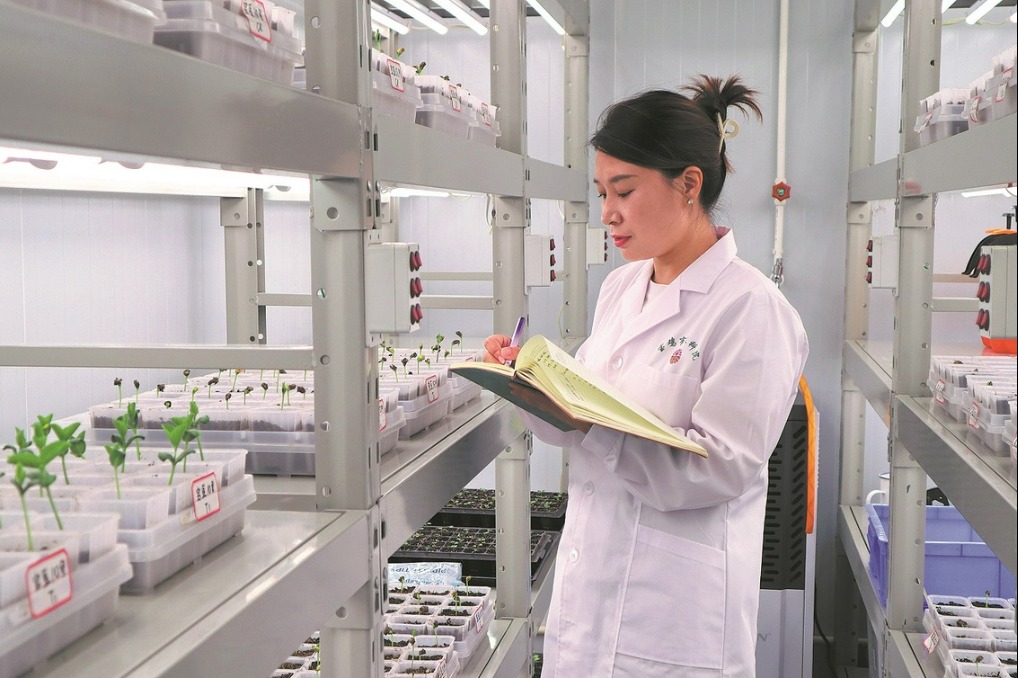
    The Baoji Academy of Agricultural Sciences serves as the nerve center for this revolution, where scientists employ cutting-edge techniques including molecular breeding, CRISPR gene editing, and shoot tip detoxification to develop superior crop varieties. In one laboratory, researchers meticulously dissect plant shoot tips measuring less than half a millimeter—a process that eliminates viral infections and can boost yields by up to 30%.

    Agricultural scientist Du Xueshi exemplifies this new approach, examining tomato seedlings for genetic markers that confer resistance to the devastating yellow leaf curl virus. ‘We’re essentially conducting genetic identification to ensure only the most resilient plants reach our fields,’ Du explained.

    The practical benefits are already transforming local agriculture. Farmer Tie Hongke reported that soybean yields in Qishan County have dramatically increased from approximately 135 kilograms per half hectare to 275 kilograms using the locally developed Baodou No. 10 variety—a high-protein strain containing 43% protein content that commands premium prices from food processors.

    Additional breakthroughs include the Baodou 1519 soybean variety, which has achieved record yields of 302 kilograms per mu (0.066 hectares), and the Qinshu 13 sweet potato strain that produces up to 6,000 kilograms per mu. A newly developed short-vine sweet potato variety enables full mechanical harvesting, significantly reducing labor requirements.

    These innovations have reduced breeding cycles from over a decade to just seven or eight years through molecular techniques. In rapeseed research, scientists now cultivate stable lines from single microspores in as little as three years.

    Baoji’s agricultural output has surged from 31.7 billion yuan in 2019 to 42 billion yuan in 2024—a 32% increase largely attributed to scientific advancements. The city has become China’s largest production base for premium kiwifruit and dwarf apple trees, while simultaneously developing as a major center for alpine vegetables and dairy production.

    The city’s biotechnology laboratory—the first of its kind in Shaanxi—operates six breeding units capable of producing three to four crop generations annually. The academy’s germplasm bank now preserves over 4,400 plant samples, each representing potential future breakthroughs.

    This scientific approach aligns with national policy directives emerging from the Fourth Plenary Session of the 20th CPC Central Committee, which emphasized accelerating agricultural modernization through technological innovation. The Ministry of Agriculture and Rural Affairs has specifically endorsed developing ‘new quality productive forces’ in farming, including bio-breeding, agricultural drones, artificial intelligence, and digital management systems.

    Wang Zhouyu, president of the Baoji Academy of Agricultural Sciences, summarized the mission: ‘Our objective remains straightforward—to cultivate better crops and put more smiles on farmers’ faces.’ As China pursues agricultural modernization, Baoji’s integration of laboratory science with practical farming applications offers a replicable model for enhancing food security through innovation.
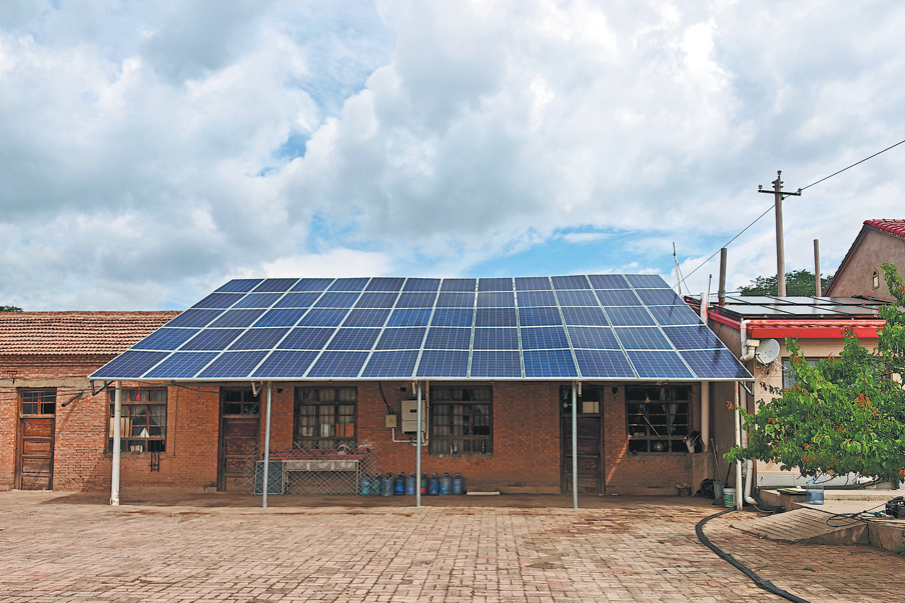

  • Ningxia’s rooftop solar panel project enriches residents

    Ningxia’s rooftop solar panel project enriches residents

    The Ningxia Hui Autonomous Region in northwest China has emerged as a national leader in renewable energy adoption through its innovative rooftop solar program, transforming ordinary households into clean power producers. With approximately 3,000 annual sunlight hours—among China’s highest solar exposure rates—Ningxia has created an economic model where residents generate income by selling surplus electricity back to the national grid.

    This pioneering initiative has reached significant scale in Tongxin County, where grid-connected distributed photovoltaic systems have achieved an installed capacity of 125.62 megawatts as of December. These installations collectively generate approximately 226 million kilowatt-hours annually, sufficient to power around 90,000 Chinese households for a full year. The program has generated roughly 40 million yuan ($5.7 million) in annual power sales revenue for local participants.

    According to Tongxin Party Secretary Chen Hua, the project delivers dual benefits of environmental sustainability and poverty alleviation. ‘Residents now wake each morning hoping to see sunshine,’ Chen noted. ‘When the sun shines, income flows directly into their households.’

    The economic impact is exemplified by farmer Ma Zhanhai from Yuhai township, who invested 200,000 yuan in rooftop panels. With an annual generation capacity of approximately 150,000 kWh, Ma is projected to recover his initial investment within five years and continue earning profits throughout the system’s expected 25-year operational lifespan. This program represents a significant advancement in China’s renewable energy strategy while simultaneously addressing rural economic development goals.

  • Hong Kong fire: Call to expedite resettlement plans

    Hong Kong fire: Call to expedite resettlement plans

    Hong Kong’s Tai Po District Council has issued an urgent appeal to the special administrative region government to accelerate resettlement plans for displaced residents of Wang Fuk Court, following the catastrophic November 26 fire that claimed 161 lives. The call for action came during the council’s first meeting since the tragedy, which also served as a solemn memorial with a moment of silence observed by all 22 councilors and government officials.

    The devastating blaze, which displaced approximately 2,000 households, has prompted serious concerns about housing solutions for affected residents, particularly elderly occupants who have expressed strong preferences to remain in their local community. District Councilor Peggy Wong Pik-kiu emphasized that many survivors wish to maintain proximity to their original homes for childcare and medical reasons, urging authorities to identify suitable land within Tai Po for replacement housing.

    Alternative proposals have emerged, including Councilor Lo Hiu-fung’s suggestion to utilize a development-ready site on Chung Nga Road, approximately 2 kilometers from the original estate. This plan could potentially complete the rebuilding process by 2030 or earlier, providing medium to long-term solutions for displaced families.

    Concurrent with resettlement discussions, the Independent Commission Against Corruption has launched an investigation into possible corruption related to Wang Fuk Court’s renovation project. In a significant administrative development, the Lands Tribunal dissolved the estate’s owners’ corporation committee at the government’s request, appointing Hop On Management Company, a Chinachem Group subsidiary, as interim administrator.

    Financial support measures have been substantial, with the government-established Support Fund reaching HK$4.1 billion (approximately $526 million) by late December, of which HK$1.2 billion has already been allocated to various assistance programs. The Hospital Authority has waived all medical fees for fire victims, with 67 of the 79 treated patients discharged by December 30, and the remaining 12 reported in stable condition.

    Secretary for Home and Youth Affairs Alice Mak Meikuen confirmed that the new management arrangement is temporary, with major decisions to be made through homeowner meetings, ensuring residents’ welfare remains protected through professional oversight.

  • Culture of reading codified into law

    Culture of reading codified into law

    China will implement its first nationwide reading promotion regulation on February 1, establishing comprehensive legal frameworks to transform reading from voluntary activity into fundamental cultural infrastructure. The groundbreaking legislation, approved by the State Council in December, mandates expanded library services, enhanced reading facilities, and systematic funding mechanisms to elevate public engagement with literature.

    The regulation designates the fourth week of April as National Reading Week, extending celebrations beyond World Book Day on April 23 into an extended nationwide campaign. This legislative move represents China’s inaugural national effort to codify reading promotion, transitioning from policy advocacy to legally guaranteed public right.

    Structured across six chapters containing 45 articles, the regulation establishes a collaborative governance model operating under Party leadership with government guidance, engaging publishers, distributors, libraries, bookstores, and social organizations. It creates comprehensive requirements for reading infrastructure, resource allocation, and promotional activities nationwide.

    Chen Mingliang, founder of Beijing’s Bright World Reading Club, hailed the regulation as “a pivotal moment in China’s commitment to promoting reading among the public, elevating it to a strategic priority.” He emphasized that the initiative transcends individual habit formation, serving crucial functions in “fostering shared understanding, strengthening social cohesion and enhancing social governance.”

    The legislation specifically addresses persistent challenges including regional disparities, uneven digital reading standards, and quality content shortages. It mandates state-level support for publishing industry development to enrich offerings and optimize catalog structures, while prioritizing assistance for underserved groups including minors, elderly citizens, people with disabilities, and rural communities.

    Writer-translator Li Yingdeng noted the legislation’s “equity core lies in its targeted reach,” explaining that “spontaneous initiatives and market forces often fail to reach rural areas and disadvantaged groups. Legislation is therefore essential to guarantee equitable access.”

    The regulation builds upon nearly two decades of progressive efforts, including Jiangsu province’s 2014 pioneering provincial regulation and reading’s inclusion in government work reports for twelve consecutive years since 2014. These sustained initiatives have elevated China’s overall reading rate from 51.7% in 2004 to 82.1% in 2024, supported by over 3,200 public libraries and 100,000 physical bookstores nationwide.

    Implementation success will depend on detailed execution, according to Zhu Bing, former director of the National People’s Congress’ Culture Office, who emphasized that “the vitality of laws and regulations lies in their implementation.” The regulation holds governments and relevant parties accountable for fulfilling specified duties to cultivate reading habits and foster a society-wide reading environment.

  • Family of Malaysian ex-leader Mahathir says broken hip serious but not life-threatening

    Family of Malaysian ex-leader Mahathir says broken hip serious but not life-threatening

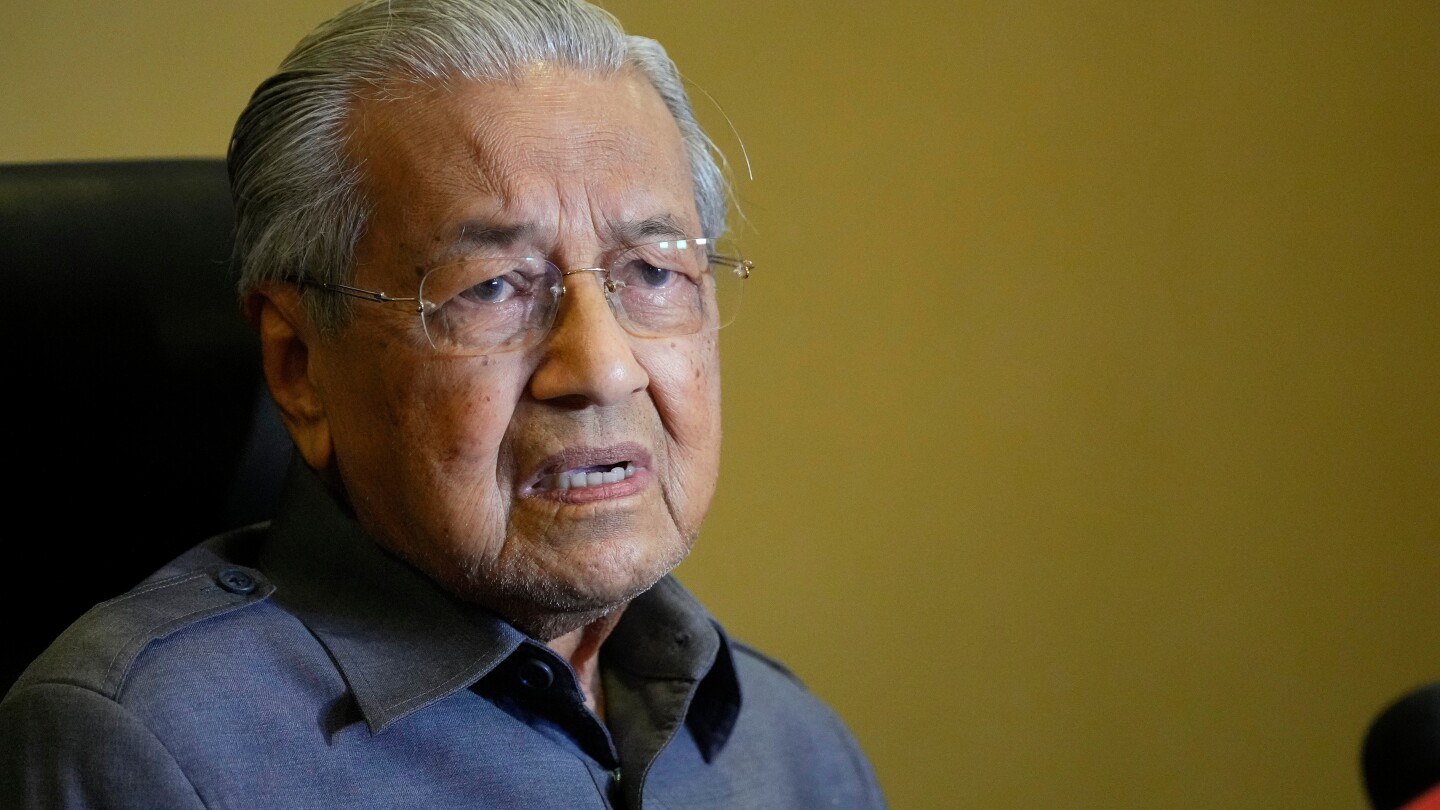
    KUALA LUMPUR, Malaysia — Malaysia’s former Prime Minister Mahathir Mohamad, who recently celebrated his centennial birthday, is undergoing medical treatment at the National Heart Institute after sustaining a fractured hip during a morning exercise session. The nonagenarian statesman was admitted on Tuesday following an accidental fall at his residence.

    Medical authorities have determined that surgical intervention is not advisable given Mahathir’s advanced age, opting instead for a conservative treatment approach that will require several weeks of hospitalization for monitoring and recovery. His daughter Marina Mahathir provided reassurance regarding her father’s condition, stating that while the injury presents serious concerns for a patient of his age, it does not constitute a life-threatening situation.

    The incident occurred during Mahathir’s regular brisk walking routine, according to family members. This latest health episode adds to the former leader’s medical history, which includes significant cardiac events requiring multiple bypass surgeries throughout his lifetime.

    Despite retiring from active politics, Mahathir remains one of Southeast Asia’s most prominent political figures. His unprecedented two-term leadership spanned from 1981 to 2003 and again from 2018 to 2020, during which he achieved the distinction of being the world’s oldest serving head of government. The former prime minister has previously attributed his longevity to maintaining both physical activity and mental engagement, famously remarking that he strives to live as if he weren’t aging.

  • Japan nuclear agency worker loses phone with confidential data in China

    Japan nuclear agency worker loses phone with confidential data in China

    A significant security breach has occurred within Japan’s Nuclear Regulation Authority (NRA) after an employee lost a government-issued smartphone containing highly sensitive information during a personal visit to China. The incident took place on November 3rd when the official misplaced the device while undergoing security screening at Shanghai Airport.

    The missing phone stored confidential contact details of personnel directly involved in Japan’s nuclear security operations, including those responsible for protecting nuclear materials against potential threats such as theft and terrorism. Despite realizing the device was missing three days later and conducting searches with airport authorities, the phone remains unrecovered.

    This security lapse comes at a particularly sensitive time for Japan’s energy sector as the country attempts to revitalize its atomic energy program, which has remained largely dormant since the 2011 Fukushima nuclear disaster. The NRA itself was established following that catastrophe to oversee nuclear safety standards and reactor restarts.

    In response to the incident, the NRA has formally reported the breach to Japan’s Personal Information Protection Commission and implemented stricter protocols prohibiting employees from bringing work phones overseas. The agency cannot confirm whether the sensitive data has been compromised, but the potential implications for national security are considerable.

    This event marks the latest in a series of security failures within Japan’s nuclear establishment. Previous incidents include the mishandling of confidential documents at the Kashiwazaki-Kariwa Nuclear Power Plant—the world’s largest nuclear facility—and recent revelations that Chubu Electric Power may have used selectively chosen data during safety assessments. The NRA has consequently suspended its review process for Chubu’s reactor restart applications due to what officials have termed ‘fabrication of critical inspection data.’

  • Polished inbound tourism sector sparkles brightly again

    Polished inbound tourism sector sparkles brightly again

    China’s inbound tourism sector is experiencing a remarkable resurgence in 2025, driven by comprehensive policy reforms and technological innovations that are reshaping the travel experience for international visitors. The industry’s revitalization represents a significant economic recovery story, combining streamlined entry procedures with enhanced digital infrastructure to create a more accessible and appealing destination for global travelers.

    The transformation is particularly evident in Shanxi province, where Singapore-based travel expert Jiang Huijun recently conducted a scouting mission. As president of Jun-Air Travel, Jiang discovered what she describes as ‘sleeping cultural gems’ including the ancient Yingxian Wooden Pagoda, Yungang Grottoes with their 50,000 Buddhist statues, and the breathtaking Xuankong Hanging Temple. ‘One glance, and you understand you’re witnessing a masterpiece of human ingenuity,’ she remarked about the wooden pagoda, highlighting how China’s cultural treasures are captivating a new generation of experience-seeking travelers.

    Policy changes have been instrumental in this tourism renaissance. China expanded its visa-free access to 48 countries in 2025, adding major tourist sources including Brazil, Argentina, Saudi Arabia, and Russia. The visa-free policy extension through December 2026 provides long-term certainty for both travelers and tour operators. Additionally, mutual visa-exemption agreements now exist with 29 countries, including recent additions Malaysia and Uzbekistan.

    Digital accessibility has undergone revolutionary improvements. The development of specialized platforms like UnionPay’s Nihao China app and Travelsky Mobile Technology’s HiChina platform has created English-friendly ecosystems for payments, transportation, ticketing, and translation services. China Eastern Airlines has further enhanced convenience with integrated air-rail booking services, allowing seamless combination of flight and high-speed train tickets.

    The civil aviation sector has achieved substantial recovery, with international passenger flights reaching over 7,000 weekly—approximately 93% of pre-pandemic levels and representing a 20% year-on-year increase. The expanded network now connects to 83 countries, with new routes to Argentina, Morocco, Seychelles, Vanuatu, and Malta, while explorations continue for services to Iceland, Chile, and Eastern European nations.

    Shopping patterns among international visitors have evolved significantly, reflecting changing perceptions of Chinese products. While traditional souvenirs remain popular, tourists are increasingly purchasing high-tech items including drones, Xiaomi phones, and Huawei gadgets. The enhanced instant tax refund service has contributed to this shift, with Hainan’s upgraded offshore duty-free policy generating measurable gains—international shopper traffic increased 3-5% following its November implementation.

    Iconic destinations have embraced technological innovation to enhance visitor experiences. The Badaling section of the Great Wall reported inbound visitor numbers surpassing 500,000 in 2025—a 33.29% year-on-year increase and a decade high. The site has transformed into what deputy general manager Yue Junfang calls ‘a living cultural salon,’ offering dawn and night tourism experiences alongside NFC smart tickets, AI guides, augmented reality interactivity, and immersive role-playing activities.

    Emerging attractions like Pop Land theme park in Beijing demonstrate China’s growing soft power appeal, with over half of visitors coming from non-family groups and international travelers comprising a significant portion. The park’s success with original Chinese IPs like the Labubu doll illustrates the cross-generational and cross-border attraction of contemporary Chinese creativity.

    Despite these positive developments, industry professionals identify challenges that require attention. A shortage of skilled, multilingual tour guides represents what China International Travel Service assistant general manager Wang Bo describes as ‘a generational gap in our talent pipeline.’ The industry is addressing this through training initiatives and competitions aimed at attracting younger professionals who can articulate China’s cultural depth to international audiences.

    As Jiang Huijun prepares marketing campaigns to introduce Singaporean travelers to Shanxi’s cultural treasures, she emphasizes the importance of creating cohesive travel experiences and year-round promotion. ‘China has become the top destination for many Singaporeans,’ she notes, particularly citing growing interest among younger generations. Her mission encapsulates the sector’s broader transformation: encouraging repeat visitors to see China anew while inspiring first-time travelers to begin their journey of discovery.

  • Trump’s Venezuela oil gambit depends on a ‘swashbuckling’ attitude the market lacks

    Trump’s Venezuela oil gambit depends on a ‘swashbuckling’ attitude the market lacks

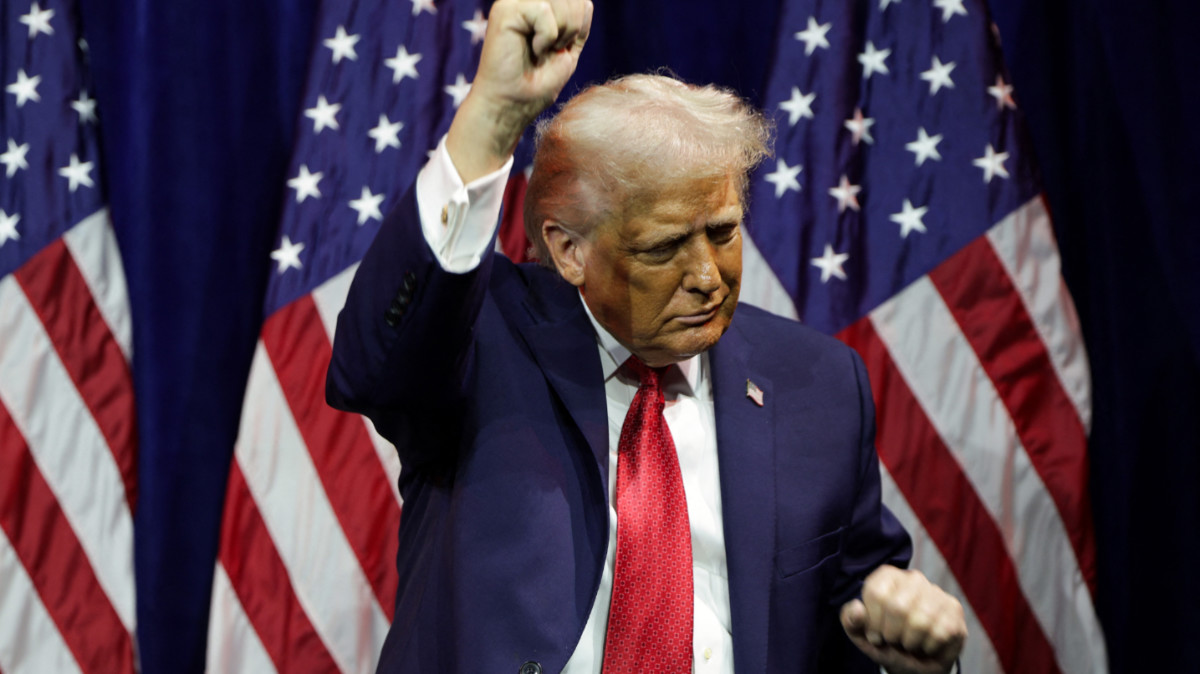
    The geopolitical strategy currently being deployed by the Trump administration toward Venezuela reflects a distinct fusion of two pivotal historical moments that transformed global oil markets: the dissolution of the Soviet Union in the 1990s and the U.S. invasion of Iraq in 2003. President Trump’s approach to seizing control of Venezuela’s substantial oil reserves demonstrates an attempt to synthesize elements from both eras while crafting a new foreign policy doctrine.

    Historical analysis reveals that following the Soviet collapse, American energy corporations, speculators, and diplomats aggressively pursued oil wealth in newly independent Caspian states like Kazakhstan and Azerbaijan. These nations, governed by former communist insiders, offered favorable terms to Western companies. The Trump administration appears to envision a similar scenario in Venezuela, proposing that U.S. energy firms would invest billions to rehabilitate the country’s crippled oil infrastructure while generating substantial profits.

    However, energy experts and industry analysts express significant skepticism about this strategy. Steve LeVine, author of ‘The Oil and the Glory,’ notes that major petroleum companies show little enthusiasm for returning to the high-risk adventurism that characterized the post-Soviet era. Despite Venezuela possessing the world’s largest proven oil reserves, the complex political reality presents formidable obstacles unlike the relatively welcoming environment that followed the Soviet disintegration.

    The administration’s plan reportedly involves collaborating with remnants of President Maduro’s government, particularly Vice President Delcy Rodríguez, to maintain stability and resume oil production. This approach notably diverges from the Iraq model where the U.S. dismantled the existing power structure through de-Baathification, which resulted in prolonged instability.

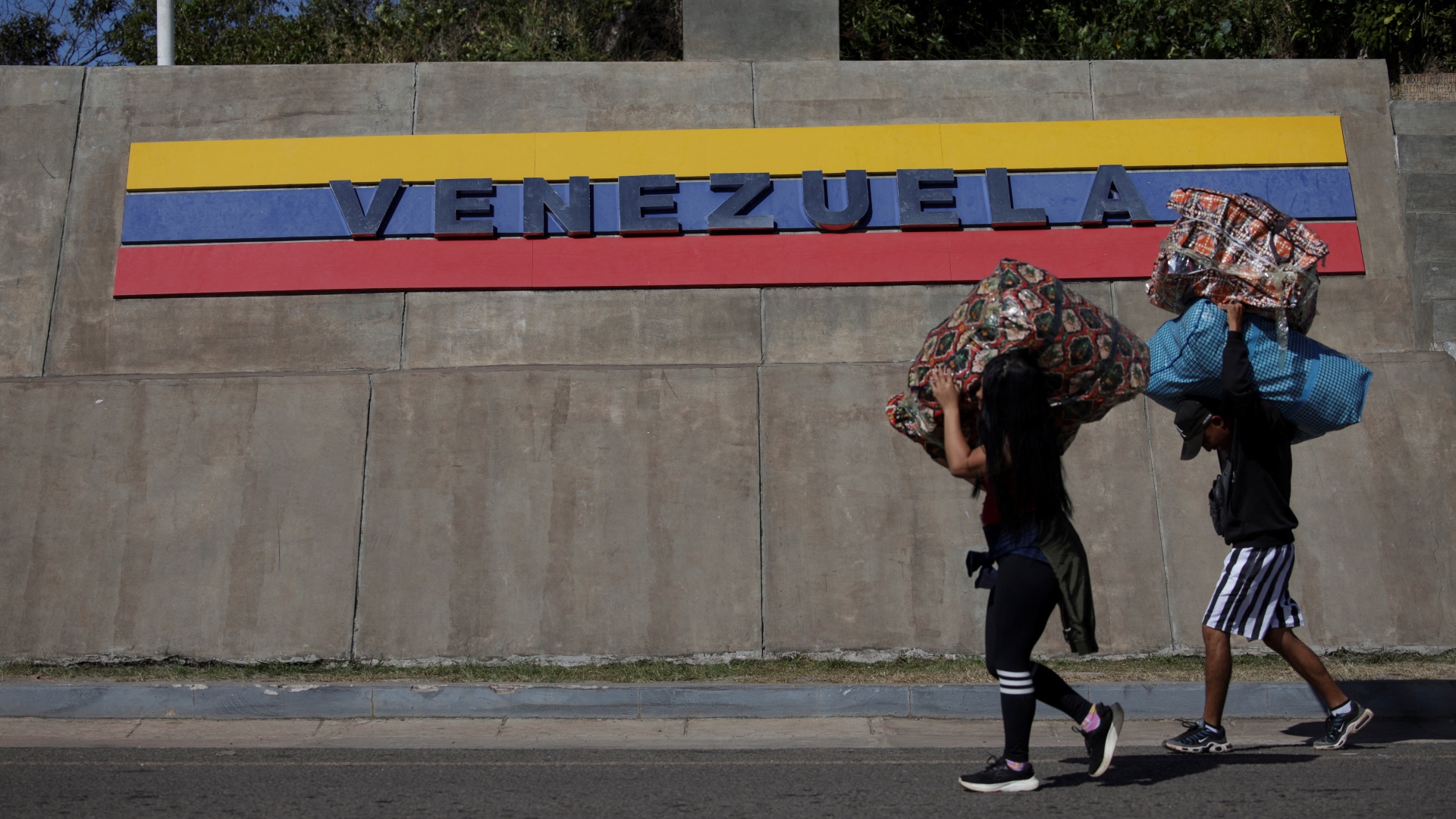
    Technical challenges further complicate Venezuela’s oil potential. The country’s heavy crude requires expensive, labor-intensive extraction and specialized refining capacity—contrasting sharply with Iraq’s light, easily accessible oil. Venezuela’s production has plummeted from approximately 3 million barrels daily in the late 1990s to just 800,000 barrels currently, following decades of underinvestment, mismanagement, and sanctions.

    Financial analysts estimate that revitalizing Venezuela’s oil sector would require approximately $100 billion in investments—a substantial commitment at a time of conservative oil demand projections and low global prices. The emergence of U.S. shale production has additionally reduced the imperative for American companies to pursue risky international ventures, as domestic opportunities offer more stable returns with fewer geopolitical complications.

    Market realities further undermine the strategy’s viability. With OPEC members increasing production and global markets well-supplied, the necessity for massive Venezuelan output remains questionable. Industry experts suggest that rather than dramatically boosting production, the administration’s primary objective may be establishing control over Venezuela’s resources as a strategic asset, with modest production increases representing a more plausible outcome.

  • Turkey edges closer to leading Black Sea mission under Ukraine security guarantees

    Turkey edges closer to leading Black Sea mission under Ukraine security guarantees

    Turkey is positioned to assume a pivotal naval leadership role in Black Sea security operations as a core component of international security assurances for Ukraine. The announcement came from Turkish Foreign Minister Hakan Fidan following a high-level Coalition of the Willing summit convened in Paris on Tuesday.

    Minister Fidan articulated that the Turkish Armed Forces have consistently advocated for assuming responsibility for any naval framework established during peacetime. ‘Considerable progress has been made on this,’ Fidan confirmed to journalists, emphasizing the natural fit for NATO’s predominant Black Sea naval power to oversee maritime security operations.

    The Paris summit yielded significant advancements in constructing robust security guarantees for Kyiv, designed to activate following a prospective ceasefire in the Russia-Ukraine conflict. French President Emmanuel Macron corroborated Turkey’s willingness to undertake this critical security role during his press conference remarks.

    According to summit agreements, the United States would spearhead a ceasefire monitoring mechanism while Britain and France formalized a declaration of intent through a trilateral agreement with Ukrainian President Volodymyr Zelensky. This arrangement envisions potential troop deployments and establishment of ‘military hubs’ on Ukrainian territory contingent upon a peace agreement.

    This strategic development follows Ankara’s diplomatic recalibration last year after Moscow’s firm opposition to NATO troop presence in Ukraine. Instead, Turkey has concentrated on leading a prospective naval mission encompassing deterrent operations, maritime demining initiatives, and supporting Ukrainian naval reconstruction.

    German representatives adopted a more circumspect approach, suggesting potential NATO-area presence while acknowledging the necessity for compromises given Russia’s staunch opposition to NATO troop deployments in Ukraine.

    Minister Fidan revealed that both conflict parties have neared potential agreement more than at any previous point, with detailed discussions addressing the region’s postwar architecture. He characterized the emerging framework as ‘a comprehensive agreement that would go on to define Russia’s regional policies as well,’ serving as a long-term structure for Russo-European peace modalities.

    Beyond military commitments, Turkey expressed strong interest in leading Ukraine’s reconstruction efforts. Fidan highlighted Turkey’s unique capabilities in economic revitalization, business expertise, and infrastructure development, positioning the nation as a primary driver of regional economic recovery post-conflict.

  • ‘Spectacle of empire’: US has no day-after plan for Venezuela, experts say

    ‘Spectacle of empire’: US has no day-after plan for Venezuela, experts say

    A panel of foreign policy experts convened by the Quincy Institute for Responsible Statecraft has sharply criticized the Trump administration’s military operation in Venezuela, characterizing it as a poorly conceived spectacle that violates international norms without strategic justification.

    According to University of Chicago political science professor John Mearsheimer, the abduction of Venezuelan President Nicolás Maduro constitutes a violation of international law that makes no strategic sense for the United States. ‘Venezuela posed no threat to the US,’ Mearsheimer stated, noting that if narcotics were the genuine concern, Mexico would represent a more logical target.

    The operation, conducted by US special forces with aerial support that reportedly killed approximately 80 security forces and civilians, has left the administration embroiled in precisely the type of nation-building exercise that President Trump previously pledged to avoid. Maduro and his wife now face trial in New York City, where he has pleaded not guilty to all charges.

    Curt Mills of The American Conservative suggested President Trump appears ‘addicted to these sort of special operations as a way of looking like a wartime commander in chief’ without calculated risks. Meanwhile, Pomona College Professor Miguel Tinker Salas described the operation as ‘performative’ and emblematic of ‘the spectacle of empire,’ noting the apparent absence of any coherent plan for Venezuela’s future governance.

    The administration has assigned Secretary of State Marco Rubio, a long-time advocate for regime change in Venezuela and Cuba, to oversee Venezuela’s administration. Surprisingly, Trump has sidelined opposition leader Maria Corina Machado, suggesting she lacks sufficient institutional support. Interim leadership has been assumed by Delcy Rodríguez, Maduro’s former vice president, who has adopted a conciliatory stance toward US cooperation.

    Experts raised multiple concerns about the operation’s broader implications. Despite Trump’s transparent interest in Venezuela’s oil reserves—the world’s largest—Mills questioned the economic rationale, noting current low oil prices and the absence of extraction plans. Geopolitically, Mearsheimer warned the intervention represents ‘manna from heaven’ for China and Russia, as US resources become diverted from Asian priorities to Western hemisphere nation-building.

    The panel further expressed alarm about deteriorating relations with European allies, particularly given Trump’s simultaneous threats to forcibly acquire Greenland from Denmark. The experts noted Europe’s ‘dramatic’ silence on Venezuela, potentially reflecting fears about abandoned Ukrainian support or retaliatory tariffs.

    Mearsheimer concluded with a stark assessment: ‘Watching the Trump administration in action, I think that they are a rogue operation. They’ve turned the United States into a rogue state.’