标签: Asia

亚洲

  • Show jumping excellence returns to the UAE with the Al Shira’aa International Horse Show

    Show jumping excellence returns to the UAE with the Al Shira’aa International Horse Show

    Abu Dhabi’s equestrian calendar reaches new heights as the acclaimed Al Shira’aa International Horse Show returns for its ninth consecutive edition from January 20-25, 2026. The prestigious event will unfold at the state-of-the-art Al Forsan International Sports Resort, marking a significant venue upgrade that promises enhanced facilities for competitors and spectators alike.

    Under the distinguished Honorary Presidency of Her Highness Sheikha Fatima Bint Hazza Bin Zayed Al Nahyan, the competition will assemble an impressive international field featuring 150 elite riders and more than 350 horses representing various nations across Europe, the Middle East, and beyond. The six-day spectacle offers a substantial €700,000 prize pool, with the climax being the Al Shira’aa Longines CSI4-W FEI World Cup™ Grand Prix—a critical qualifying event on the global show jumping circuit.

    The 2026 program demonstrates comprehensive support for equestrian development through multiple competition tiers including CSI4-W, CSI2, Young Horses, Under 25, Juniors, Children, and Amateurs categories. This structured approach provides a clear competitive pathway from youth levels to professional ranks, reinforcing the event’s commitment to nurturing equestrian talent at all stages.

    Beyond the competitive arena, the event transforms into a vibrant social destination with free general admission (requiring advance online registration), daily gates opening at 09:00, and an extensive Village area featuring culinary offerings, children’s activities, family entertainment, and equestrian lifestyle brands. For premium experiences, VIP hospitality packages ranging from AED 3,500 to AED 25,000 provide exclusive access, refined dining by ERTH catering, and premium viewing accommodations.

    The Al Shira’aa International Horse Show constitutes a cornerstone of the expanding Al Shira’aa Tour, a global initiative dedicated to elevating equestrian sports through world-class competitions while preserving the sport’s rich heritage.
  • Hundreds of tourists stranded on Yemen’s Socotra Island after flights suspended

    Hundreds of tourists stranded on Yemen’s Socotra Island after flights suspended

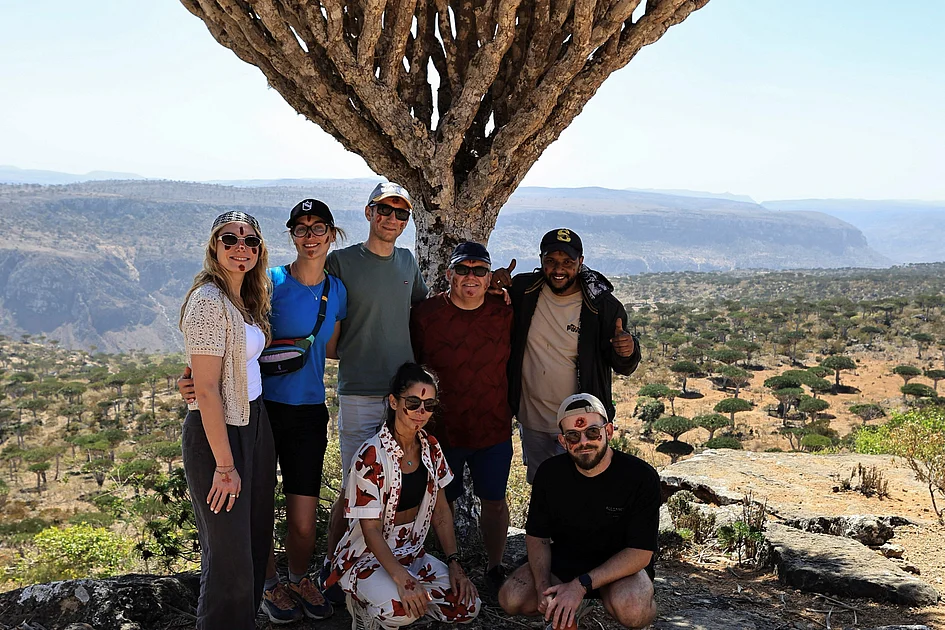
    A state of emergency declaration and subsequent flight suspensions have left hundreds of international tourists stranded on Yemen’s remote Socotra Island, as regional conflicts escalate. The exact number of affected travelers remains disputed, with estimates ranging from 416 to 700 individuals representing various nationalities including Russian, French, American, British, Polish, and Lithuanian citizens.

    Situated approximately 300 kilometers south of Yemen’s mainland in the Indian Ocean, Socotra has historically remained insulated from the country’s decade-long civil war. The island’s UNESCO World Heritage status, unique biodiversity, and pristine beaches have made it an increasingly popular destination for adventure tourism despite Yemen’s ongoing humanitarian crisis.

    The current logistical crisis stems from recent geopolitical developments, including the United Arab Emirates’ withdrawal of its military presence and counter-terrorism units from Yemen in December 2025. This power shift has created transportation vulnerabilities for the island, which is now controlled by the Southern Transitional Council (STC) that has engaged in conflicts with Yemen’s central government.

    Stranded tourists report mounting concerns regarding financial limitations and essential services. With no functioning ATMs or electronic payment systems available, visitors face imminent cash shortages that threaten their ability to secure basic necessities. Many have expressed frustration over the lack of reliable information regarding evacuation timelines.

    Potential evacuation options include risky sea transport via cargo vessels to Salalah, Oman, or awaiting uncertain airlift operations. Recent reports from airport officials suggest possible Yemenia Airways flights to Aden and onward to Jeddah, Saudi Arabia, though these arrangements remain unconfirmed.

    The United States Department of State has reinforced its travel advisory against all travel to Yemen, noting the government’s inability to provide consular services to citizens in the region. Despite current physical safety, stranded tourists experience growing uncertainty about their repatriation timelines.

    Socotra’s transformation from isolated territory to tourist destination was largely facilitated by UAE-backed infrastructure development between 2018-2025, which modernized airport facilities and introduced essential services including electricity and clean water systems. This development paradoxically occurred while Yemen mainland continued to suffer one of the world’s most severe humanitarian crises.

  • Dubai: 2,479 volunteers from 45 nationalities support crowd management on New Year’s Eve

    Dubai: 2,479 volunteers from 45 nationalities support crowd management on New Year’s Eve

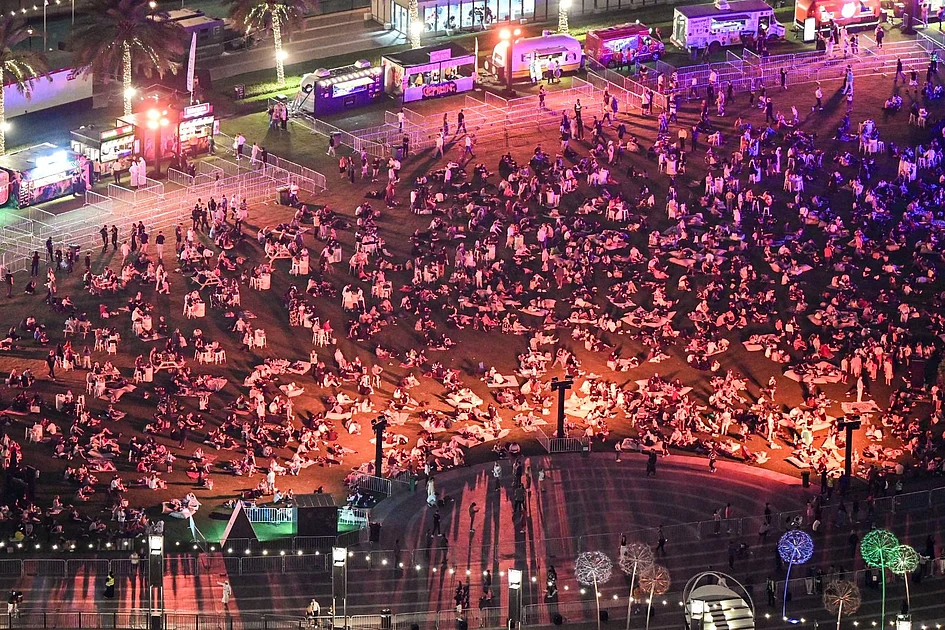
    Dubai Police have hailed the indispensable contribution of 2,479 multinational volunteers in ensuring the seamless execution of the emirate’s monumental New Year’s Eve 2026 celebrations. Responding to an official call for community support, an overwhelming 3,111 residents registered their interest, with the selected volunteers representing an extraordinary diversity of 45 nationalities.

    These civic-minded individuals were strategically deployed across 15 key locations throughout Dubai, where they performed critical functions in crowd management and operational support. Their duties extended beyond basic assistance to include submitting detailed reports and observations that will serve to refine security protocols for future large-scale events. Dubai Police authorities emphasized that this volunteer force was instrumental in maintaining both safety and order during one of the world’s most spectacular annual gatherings.

    Brigadier Ali Khalfan Al Mansouri, Director of the General Department of Community Happiness at Dubai Police, publicly commended the volunteers for their exemplary professionalism and high morale. He noted that their performance not only reflected Dubai’s civilized image but also demonstrated the powerful synergy between law enforcement and the community. This collaboration, according to Brigadier Al Mansouri, exemplifies the government’s directive to embed volunteering as a sustainable value and cornerstone of comprehensive development.

    The institutional framework supporting this effort is Dubai Police’s year-round volunteering platform, which continuously develops opportunities for community integration in security, traffic management, and public awareness initiatives. Captain Saeed Al Ketbi, Director of the Community Relations Department, highlighted the growing public consciousness regarding volunteering’s significance in achieving sustainable development goals. He further praised the volunteer teams for fostering positive citizenship, social responsibility, and constructive partnerships between public and private sectors that ultimately contribute to community safety and stability.

  • Beijing mandates helmets for e-bike users, bans scooters

    Beijing mandates helmets for e-bike users, bans scooters

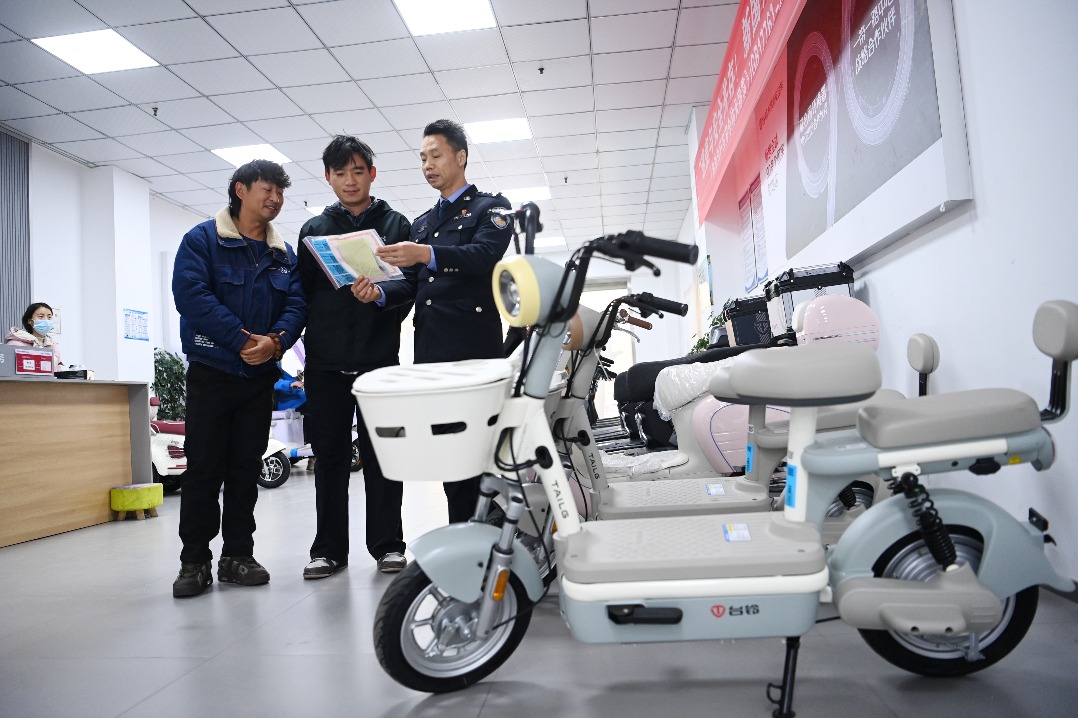
    Beijing has ushered in a new regulatory framework for non-motorized vehicles, introducing mandatory helmet usage for electric bicycle riders and passengers alongside a prohibition of scooters on public roads. The comprehensive revisions to the city’s transportation regulations, representing the first major update since 2018, will take effect on May 1st, establishing stricter safety protocols and management systems.

    The expanded regulatory framework now encompasses eight chapters with 55 articles, significantly broadening its scope from the previous seven chapters and 35 articles. The updated legislation introduces enhanced registration requirements including a decade-long validity period for electric bicycle licenses and plates, with provisions for renewal upon expiration.

    Road safety measures have been substantially strengthened with explicit bans on certain personal transportation devices. The regulations now formally prohibit scooters, balance boards, and similar devices from roadways, redirecting them to appropriate usage areas.

    Parking management receives significant attention in the updated regulations. Property developers and management entities are now required to provide adequate parking facilities for non-motorized vehicles in public buildings, spaces, and residential areas, with existing facilities mandated to undergo upgrades to meet growing public demand. These entities also bear responsibility for maintaining parking order and removing abandoned bicycles from premises.

    The regulatory changes introduce quantity control mechanisms for internet rental bicycles, including electric variants. This measure follows successful pilot programs in several Beijing districts where approximately 15,000 shared electric bicycles have been deployed with positive operational results. The legislation further stipulates that paid parking facilities must clearly display pricing information while maintaining service standards.

    Government and enterprise entities are assigned specific responsibilities under the new framework, requiring them to maintain parking order within their jurisdictions and address illegal parking occurrences. The comprehensive approach demonstrates Beijing’s commitment to creating a safer, more organized urban transportation environment through legislative refinement and enforcement mechanisms.

  • Syrian army shells Kurdish areas of Aleppo declared ‘closed military zones’

    Syrian army shells Kurdish areas of Aleppo declared ‘closed military zones’

    The Syrian military has officially designated the Kurdish-controlled neighborhoods of Aleppo as closed military zones, marking a significant escalation in the ongoing conflict. In a statement issued Wednesday, the army announced the establishment of two humanitarian corridors from areas held by the Kurdish-led Syrian Democratic Forces (SDF) to facilitate civilian evacuations, while simultaneously declaring the Sheikh Maqsud and Ashrafieh districts as prohibited military areas effective 3pm local time.

    According to AFP correspondents, artillery bombardments had already commenced in these neighborhoods by Wednesday afternoon, signaling an intensification of hostilities. This development occurs against the backdrop of heightened tensions between the SDF—which controls substantial territory in northeastern Syria—and the administration of President Ahmed al-Sharaa, who assumed power following the overthrow of Bashar al-Assad in December 2024.

    The Syrian military has accused the SDF of perpetrating civilian massacres in Aleppo and conducting artillery strikes against government-controlled areas—allegations that Kurdish forces vehemently deny. Conversely, the SDF has condemned what it characterizes as indiscriminate artillery and missile attacks against its positions, including the deployment of drone warfare, sniper fire, and heavy weaponry.

    Complicating the situation further, Turkish authorities maintain their longstanding position that the People’s Protection Units (YPG)—the dominant faction within the SDF—represent an extension of the Kurdistan Workers Party (PKK). Despite the PKK’s formal declaration ending its conflict with Turkey in May 2025, Ankara continues to demand complete disarmament of all Kurdish-affiliated groups in Syria.

    Turkish Defense Minister Yasar Guler reiterated this position Tuesday, stating: ‘The PKK and all affiliated groups must immediately cease all terrorist activity in regions where they are present, including in Syria, and lay down their weapons without condition.’

    The political landscape remains equally complex. While SDF leader Mazloum Abdi signed a landmark agreement with the Damascus government in March 2025 regarding integration, implementation has stalled over constitutional disagreements and debates concerning decentralized governance structures.

    Meanwhile, Turkey’s pro-Kurdish Peoples’ Equality and Democracy Party (DEM Party) has accused Damascus of conducting what it describes as an ‘extermination operation’ against Kurds in Aleppo, advocating instead for comprehensive democratization as the pathway to sustainable peace in Syria.

  • China rolls out festive campaign to boost sustainable agricultural consumption

    China rolls out festive campaign to boost sustainable agricultural consumption

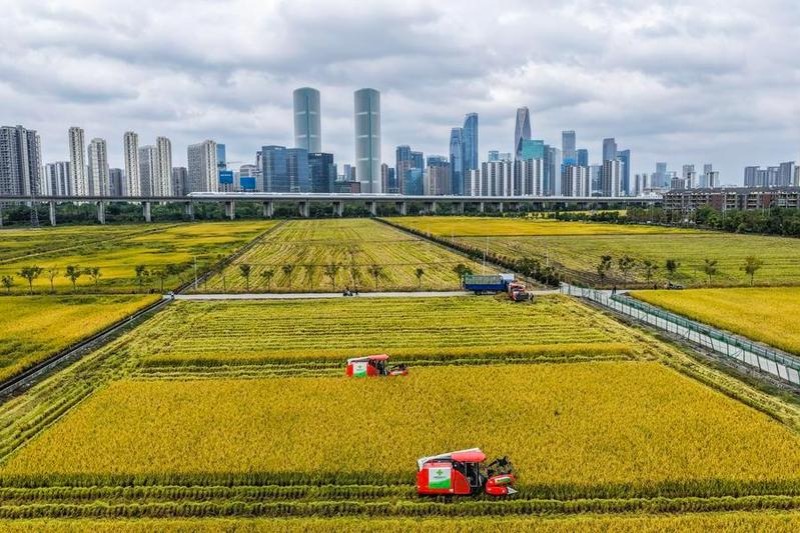
    In a strategic move to stimulate sustainable economic activity during the upcoming Spring Festival season, China’s Ministry of Agriculture and Rural Affairs has unveiled a comprehensive campaign promoting eco-friendly agricultural products. The initiative, announced in early January 2026, represents a concerted effort to transform traditional holiday consumption patterns toward more environmentally conscious choices.

    Director Lei Liugong of the ministry’s Market and Informatization Department emphasized the dual significance of the campaign, noting that festival shopping constitutes both a cherished cultural tradition and an opportune moment to advance sustainable consumption practices. The program encompasses a multi-faceted approach including the creation of a certified product catalog featuring verified green agricultural brands, the organization of nationwide holiday fairs, and the implementation of livestream shopping events to bridge the gap between producers and consumers.

    The campaign incorporates innovative elements that merge agricultural promotion with cultural experiences, featuring regional customs, intangible cultural heritage exhibitions, and community activities. Simultaneously, nutritional education programs will accompany the initiative to encourage balanced dietary choices during the festive period.

    A notable social development component encourages public and private organizations to prioritize procurement from underdeveloped regions, thereby supporting rural income growth. The launch event in Beijing showcased substantial institutional support, with financial institutions introducing 25 consumer benefit policies, major e-commerce platforms implementing 13 supportive measures, and industry associations proposing 18 dedicated initiatives to facilitate green consumption during the holiday season.

  • British columnist Melanie Phillips slammed for Palestinian ‘final solution’ comments

    British columnist Melanie Phillips slammed for Palestinian ‘final solution’ comments

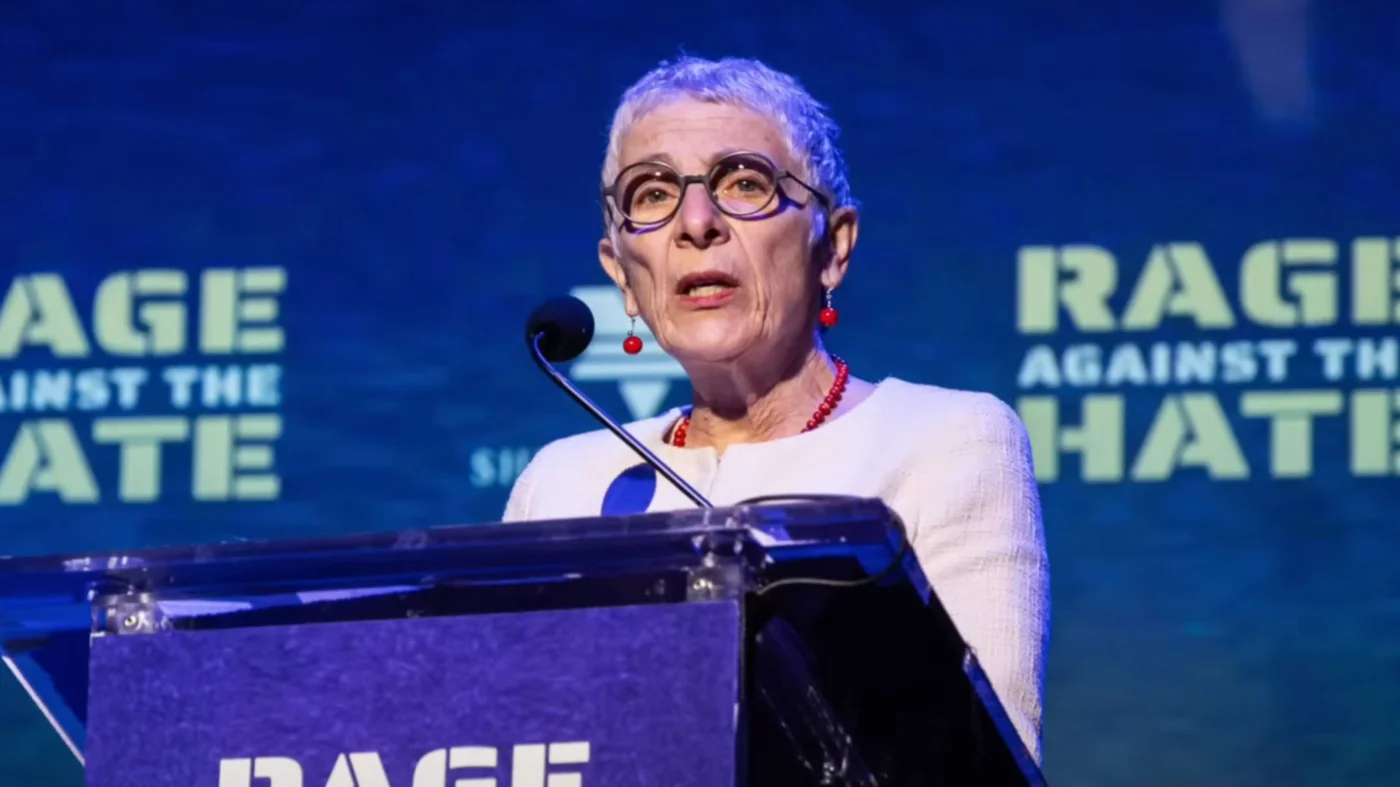
    A significant diplomatic controversy has erupted in London following inflammatory statements made by prominent British commentator Melanie Phillips regarding the newly inaugurated Palestinian embassy. The Times columnist faced immediate condemnation after characterizing the diplomatic opening as “an important moment in the UK’s shameful connivance with the Palestinian Arabs’ final solution” in a social media post.

    The phrase “final solution,” historically associated with Nazi Germany’s genocide against Jewish people during the Holocaust, triggered widespread criticism from academics and advocacy groups. Scottish historian William Dalrymple responded directly to Phillips, describing her anti-Palestinian rhetoric as “growing increasingly unhinged” and accusing her of “pure projection.”

    Chris Doyle, director of the Council for the Advancement of Arab-British Understanding (CAABU), denounced what he termed the “racism of denying a people’s very existence, their national rights and of apologising for a state that is perpetrating a genocide right now.”

    The diplomatic mission’s establishment follows Britain’s formal recognition of Palestinian statehood in September, with Palestinian Ambassador Husam Zomlot hailing the embassy as “proof that our identity cannot be denied.” Zomlot characterized the development as representing “a change of direction” that recognizes Palestinian “inalienable right to sovereign statehood.”

    Phillips’ controversial remarks represent a continuation of her established pattern of rhetoric regarding Palestinian identity. During an October speech in New York, she asserted that “there is no such thing as Palestine” and claimed “the Jews are the only people who have any entitlement to any of this land.” Her comments also included criticism of Christianity, which she described as “a Jewish sect that got slightly out of hand.”

    This incident marks another chapter in Phillips’ history of provocative statements, including her 2019 article claiming that allegations of Islamophobia were inherently antisemitic—a position that drew criticism from the Board of Deputies of British Jews.

  • Iran army chief threatens response to Trump and Netanyahu’s ‘threats’

    Iran army chief threatens response to Trump and Netanyahu’s ‘threats’

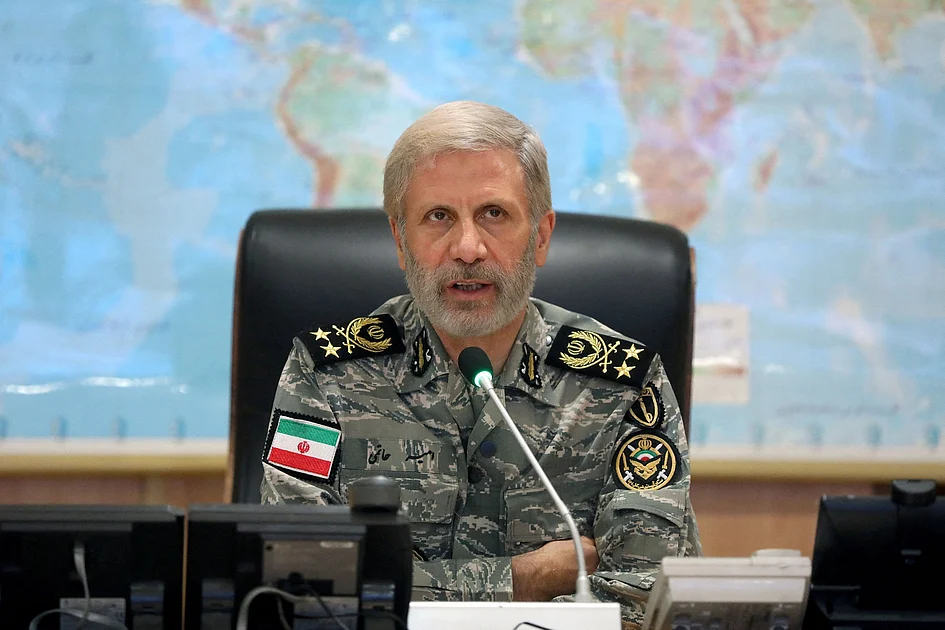
    Iran’s military leadership has issued a forceful warning to the United States and Israel regarding their statements on ongoing domestic protests within the Islamic Republic. General Amir Hatami, commander of the Iranian army, declared on Wednesday that Tehran would not tolerate continued hostile rhetoric from foreign powers and would respond decisively to any perceived threats.

    According to reports from Fars News Agency, General Hatami emphasized that Iran considers the escalating verbal attacks against its nation as a direct provocation. The military commander specifically cautioned that any hostile actions by ‘the enemy’ would trigger a more severe response than the June conflict with Israel, which spanned twelve days and involved unprecedented strikes on Iranian military and nuclear facilities.

    This warning comes amid increased international attention on merchant-led protests that began in Tehran on December 28th, initially demonstrating against economic pressures including soaring prices and the dramatic devaluation of the national currency. While these demonstrations have remained smaller in scale compared to previous protest movements in 2009 and 2022-2023, they have drawn notable comments from Western leaders.

    US President Donald Trump stated on Sunday that the United States was monitoring the situation closely and warned of potential military intervention if protesters faced violence. Simultaneously, Israeli Prime Minister Benjamin Netanyahu expressed solidarity with Iranian citizens seeking ‘freedom, liberty and justice.’

    In response, Iran’s foreign ministry has accused both leaders of attempting to incite violence and undermine national unity. The developing situation represents the latest chapter in ongoing tensions between Iran and Western powers, following last summer’s military confrontation that briefly involved American participation in strikes against Iranian nuclear facilities.

  • Senior Labour MP meets Muslim Council of Britain despite ‘disengagement’ policy

    Senior Labour MP meets Muslim Council of Britain despite ‘disengagement’ policy

    In an unprecedented diplomatic move, Labour MP Emily Thornberry has conducted a landmark meeting with the Muslim Council of Britain (MCB), directly contradicting the UK government’s longstanding policy of non-engagement with the organization. The meeting represents the first high-level contact between a senior Labour figure and the Muslim advocacy group in over fifteen years.

    Thornberry, who chairs the influential Parliamentary Foreign Affairs Select Committee, met with MCB Public Affairs Manager Lotifa Begum on Wednesday to discuss critical international issues. Their dialogue focused primarily on the ongoing humanitarian crisis in Palestine, urgent relief needs, and Britain’s role in upholding global human rights standards.

    This engagement holds particular significance given Thornberry’s previous foreign policy positions. The MP had previously advocated for banning imports from Israeli settlements in occupied Palestinian territories and pushed for UK recognition of Palestinian statehood months before the government’s official policy shift in September 2025.

    The meeting occurs despite the Starmer government’s continued adherence to the Conservative-initiated policy of avoiding official contact with the MCB. This diplomatic distancing began in 2009 when a Labour government suspended relations after an MCB official endorsed Palestinians’ “right of resistance” during Israel’s Operation Cast Lead in Gaza.

    The MCB, representing over 500 affiliated organizations including mosques, educational institutions, local councils, and professional networks, has been systematically excluded from government dialogue across multiple administrations. Middle East Eye reported in July 2024 that officials blocked the council from participating in an Islamophobia definition working group and ignored communications during widespread far-right riots.

    Previous attempts to bridge this diplomatic divide have met with resistance. Cabinet minister Sir Stephen Timms faced reprimand from Labour leadership in January 2025 for attending an MCB event, highlighting the party’s strict enforcement of its non-engagement policy.

    The meeting signals a potential shift in parliamentary attitudes toward Muslim representation in Britain, though government policy remains unchanged. Middle East Eye has reached out to Thornberry for additional commentary on the implications of this breakthrough dialogue.

  • Schools, institutions closed in Syria’s Aleppo as clashes persist

    Schools, institutions closed in Syria’s Aleppo as clashes persist

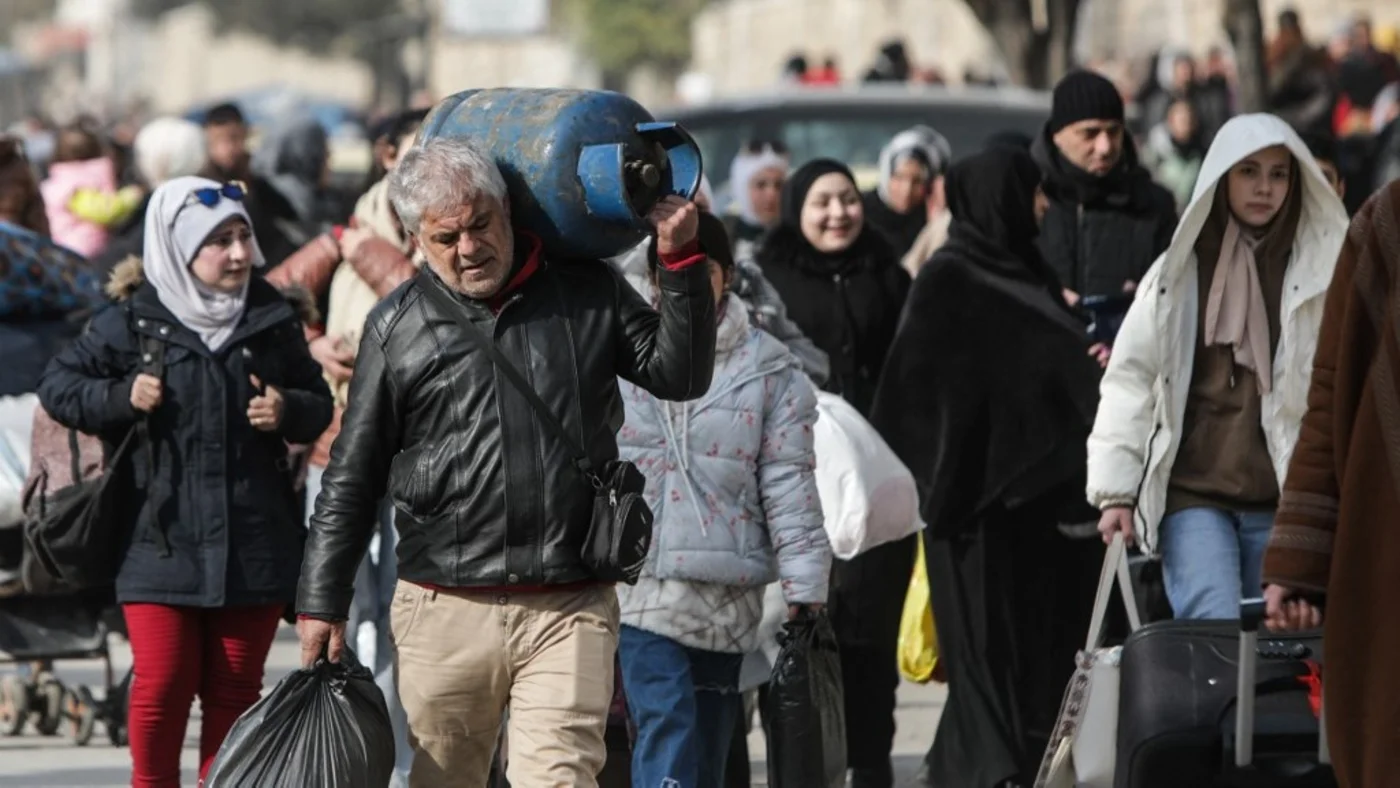
    The Syrian city of Aleppo has been plunged into a state of emergency as persistent armed confrontations between government forces and Kurdish-led factions entered their second consecutive day. The escalating violence has prompted authorities to implement widespread closures of educational institutions, government offices, and commercial establishments throughout the northern metropolis.

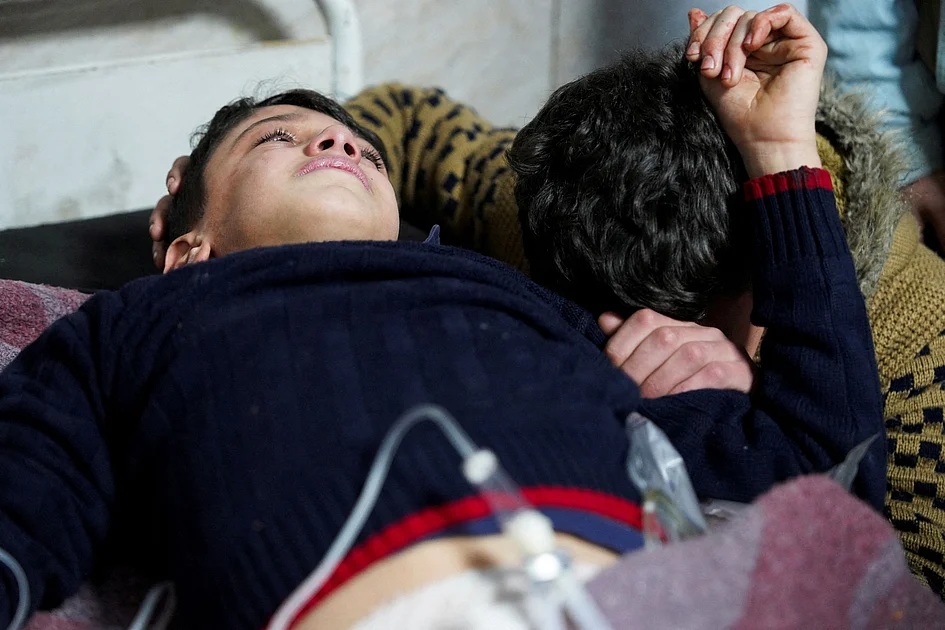
    According to state media reports, the renewed hostilities represent the most severe breach of a March 2025 agreement that envisioned the integration of Kurdish semi-autonomous administrations into Syria’s central governance structure. The conflict has already claimed nine lives, predominantly civilians, with conflicting accounts from both sides regarding responsibility for initiating the combat operations.

    Civil aviation authorities have enacted emergency measures, suspending all flight operations at Aleppo International Airport for 24 hours and diverting air traffic to Damascus International Airport. The transportation disruption compounds the city’s paralysis, with residents reporting complete blackouts in numerous neighborhoods and minimal civilian movement after dark.

    Eyewitness accounts depict a city under siege. Abdul Karim Baqi, a 50-year-old resident of one of Aleppo’s Kurdish-majority districts, described to AFP: ‘During nighttime, Aleppo transformed into an abandoned urban landscape—devoid of activity, with shuttered commercial establishments and extensive power outages creating pervasive darkness across numerous thoroughfares.’

    The Kurdish-administered neighborhoods of Ashrafieh and Sheikh Maqsud have reportedly been completely encircled by government forces. Abdul Karim Omar, representing Kurdish autonomous administration in Damascus, asserted that these areas remain under the control of Kurdish security forces possessing only light weaponry, denying allegations that shelling originated from these districts.

    The current violence evokes traumatic memories of Aleppo’s destructive role during the Syrian civil war, when the city endured devastating urban combat before government forces reclaimed control in 2016. The present conflict emerges against the backdrop of failed implementation of the integration agreement, with Kurdish advocates continuing to push for decentralized governance arrangements that Syria’s current Islamist leadership has consistently rejected.