标签: Asia

亚洲

  • How tariff disruption will continue reshaping the global economy in 2026

    How tariff disruption will continue reshaping the global economy in 2026

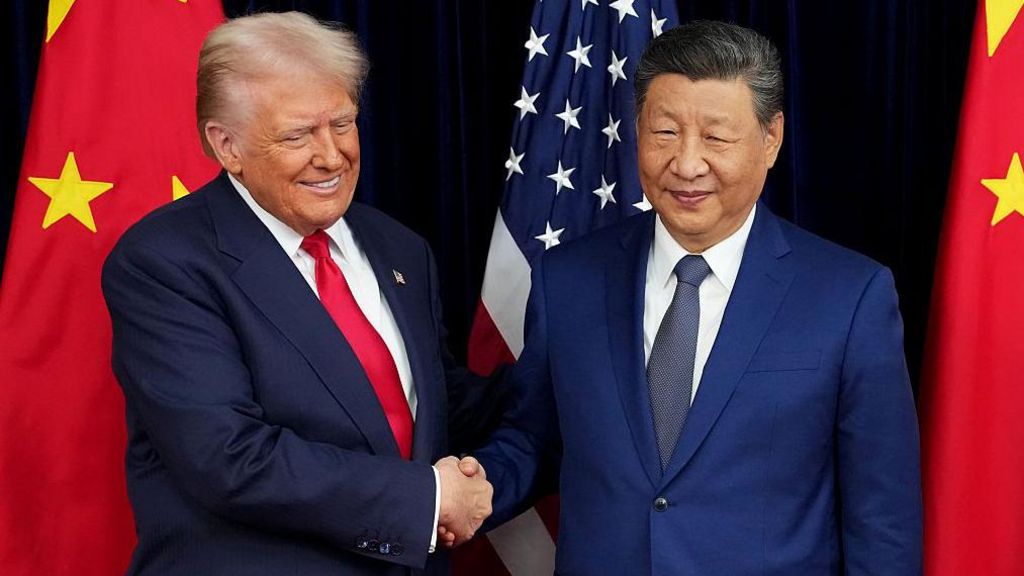
    The global economic landscape continues to be reshaped by Trump administration tariffs as the world anticipates the April summit between President Trump and China’s Xi Jinping. While Trump maintains that tariffs have boosted U.S. jobs, wages, and economic growth, international economists present a more nuanced assessment of their worldwide impact.

    The International Monetary Fund has revised its 2026 global growth forecast downward to 3.1%, citing trade tensions as a contributing factor. IMF head Kristalina Georgieva characterized the situation as “better than we feared, worse than it needs to be,” noting that current growth rates remain insufficient to meet global aspirations for improved living standards.

    According to Maurice Obstfeld, former IMF chief economist now with the Peterson Institute, the global economy avoided worst-case scenarios primarily because most nations refrained from aggressive retaliation against U.S. tariffs. China’s forceful response did prompt quick U.S. concessions, preventing full-scale trade disaster. Nevertheless, after five negotiation rounds, the world’s two largest economies maintain more trade restrictions than when Trump began his second term.

    The economic consequences have been multifaceted: increased business costs, investment uncertainty, and efficiency losses that accumulate over time. These effects have been partially offset by lower interest rates, dollar depreciation, creative corporate workarounds, and extensive tariff exemptions. This complex dynamic helps explain why UNCTAD reported global trade values reached over $35 trillion in 2025 despite the tensions.

    U.S. economic performance shows resilience with 4.3% growth in the third quarter of 2025—the strongest in two years. Bank of America senior economist Aditya Bhave attributes 0.3-0.5% of U.S. inflation to tariffs, noting that the full impact may not yet be realized in the consumer-driven economy that constitutes 26% of global GDP.

    Beyond U.S.-China relations, other significant trade developments include the potential renegotiation of the USMCA agreement, EU member states’ vote on a South American trade deal, and an impending U.S. Supreme Court ruling on tariff legality.

    Commodity markets also factor into the economic equation, with Goldman Sachs predicting an 8% decline in Brent crude prices to approximately $56 per barrel due to robust U.S. and Russian production. Meanwhile, Red Sea shipping disruptions linked to regional conflicts have forced rerouting around Africa, increasing transport costs.

    As preparation continues for the April summit, American Chamber of Commerce in China chair James Zimmerman notes that while expectations remain modest, sustained dialogue is crucial. Key issues extend beyond tariffs to include rare earth metals sourcing, semiconductor access, Chinese manufacturing overcapacity, and EU concerns about growing dependence on cheap Chinese imports.

    Despite Trump’s emphasis on reindustrialization, U.S. manufacturing employment has slightly declined to just under 12.7 million since his second term began. Obstfeld suggests that consumer resilience and massive AI investments—not tariffs—have primarily driven stock market highs and economic growth, indicating that trade restrictions will likely remain a persistent feature of policy discussions.
  • Thyssenkrupp weighs phased sale of steel unit to Jindal Steel, sources say

    Thyssenkrupp weighs phased sale of steel unit to Jindal Steel, sources say

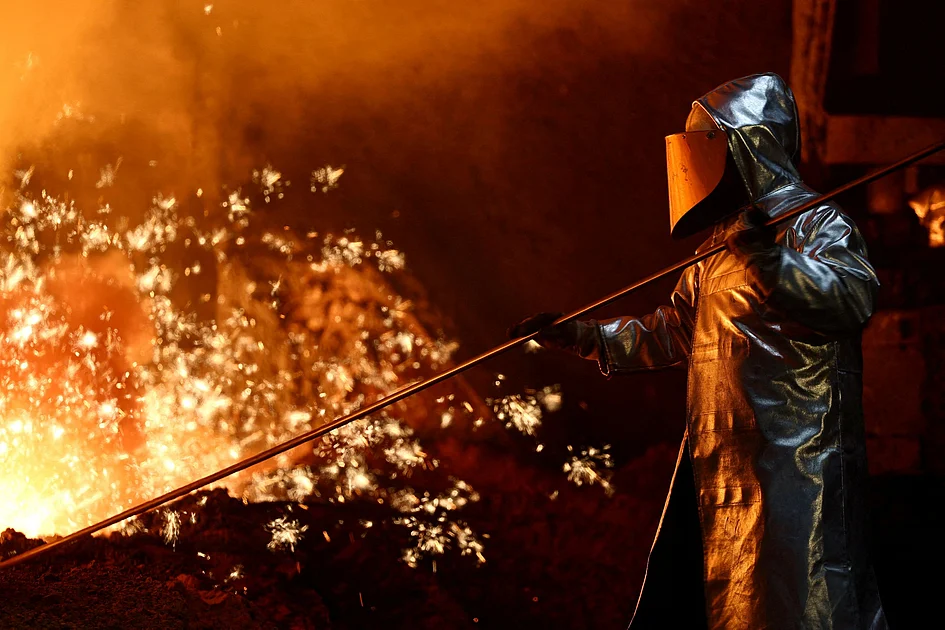
    German industrial conglomerate Thyssenkrupp is exploring a multi-phase divestiture of its steel manufacturing subsidiary to Indian steel giant Jindal Steel International, according to sources familiar with negotiation details. The potential transaction, currently under advanced discussion, would represent a significant strategic shift for both corporations within the global steel industry landscape.

    Jindal Steel International, the global steel division of the Naveen Jindal Group, initiated formal due diligence procedures in October following preliminary acquisition proposals for Thyssenkrupp Steel Europe (TKSE), currently ranked as Europe’s second-largest steel production entity. This development follows Jindal’s previous European market expansion through its 2024 acquisition of Czech steel producer Vitkovice Steel.

    The contemplated acquisition framework involves an initial transfer of majority ownership, potentially comprising 60% of TKSE equity, with subsequent phased acquisitions of the remaining stake. This incremental approach would enable Thyssenkrupp to systematically address approximately €2.5 billion in pension liabilities associated with the steel unit, historically identified as a substantial obstacle in previous divestiture attempts.

    Market response to the potential transaction manifested immediately through Thyssenkrupp’s equity performance, with shares surging 4.9% to lead Frankfurt’s midcap index following reports of the progressing negotiations. Financial analysts noted this development suggests concrete progress after years of unsuccessful attempts to identify suitable acquisition partners for the industrial asset.

    Thyssenkrupp’s corporate leadership has publicly characterized Jindal Steel as an optimal strategic partner, attributing renewed acquisition interest to comprehensive restructuring initiatives implemented at TKSE facilities. The conglomerate maintains alternative strategic options should current negotiations prove unsuccessful, though specific details regarding contingency plans remain undisclosed.

    A Jindal Steel technical delegation is scheduled for January site evaluations at TKSE’s primary Duisburg manufacturing complex, following rescheduling from originally planned December visits. Both corporations have declined to elaborate on specific negotiation terms, emphasizing the preliminary nature of current discussions and ongoing due diligence examinations.

  • UAE moves towards nationwide mandatory early cancer screening, says Minister

    UAE moves towards nationwide mandatory early cancer screening, says Minister

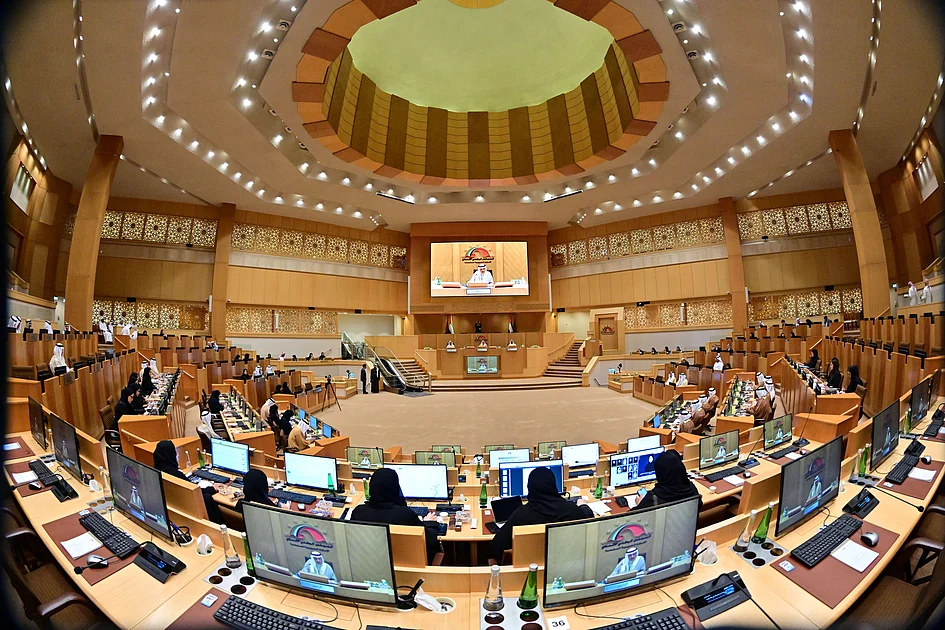
    The United Arab Emirates is advancing a federal strategy to implement compulsory early cancer detection screenings across the nation, connecting participation directly to health insurance requirements. Health Minister Ahmed Al Sayegh announced this significant healthcare policy shift during a Federal National Council session on Wednesday, January 7, 2026.

    Minister Al Sayegh emphasized that early cancer detection represents one of the most effective approaches for enhancing survival rates while simultaneously reducing both the economic burden and long-term health consequences of cancer. This initiative emerges amid increasing global cancer incidence rates.

    Abu Dhabi’s pioneering ‘Ifhas’ program serves as the model for this nationwide expansion. This comprehensive screening framework currently covers citizens from age 18, conducting evaluations every two to three years—or more frequently based on individual medical risk profiles. The program targets several prevalent cancers including breast, colorectal, cervical, and lung cancer, alongside preventive testing for chronic conditions such as diabetes, cardiovascular disease, and hypertension.

    The federal expansion involves standardizing preventive screening protocols across all emirates. The ‘Itmi’nan’ program, operated by Emirates Health Services, provides periodic screening for non-communicable diseases and certain cancers, and is being integrated into standard healthcare pathways with plans for enhanced scope and coverage.

    The UAE is increasingly employing cutting-edge diagnostic technologies including liquid biopsies, genetic testing, advanced laboratory diagnostics, and artificial intelligence-supported medical imaging. These technologies enable more accurate and rapid diagnoses, facilitating earlier clinical interventions and allowing healthcare providers to implement risk-based, personalized screening protocols rather than relying exclusively on age-based testing models.

    Looking toward the future, Minister Al Sayegh highlighted the National Genome Programme’s role in advancing preventive healthcare. This initiative will help medical teams identify genetic risk factors that might necessitate early monitoring or intervention, reflecting a broader national shift toward evidence-based, proactive healthcare supported by scientific and technological innovation.

    FNC member Naama Al Sharhan endorsed these efforts while emphasizing the need for stronger participation rates, particularly for cancers with high mortality rates. She noted that early detection not only improves treatment outcomes but also reduces the emotional and financial strain on families.

    The Ministry of Health and Prevention continues to refine its preventive health strategy in coordination with federal and local partners, aiming to protect public health and ensure the healthcare system’s long-term sustainability in alignment with international best practices.

  • 70-year old real estate group enters Middle East, names Dubai as regional headquarters

    70-year old real estate group enters Middle East, names Dubai as regional headquarters

    DUBAI – In a strategic move signaling robust confidence in the UAE’s economic landscape, the 70-year-old BCD Group has formally launched its Middle Eastern operations with Dubai as its regional headquarters. The Indian-founded real estate conglomerate, which has delivered over 155 million square feet of property across seven countries, is positioning its international expansion platform, BCD Global, to capitalize on the Emirates’ growth trajectory.

    The announcement comes amid unprecedented growth in Dubai’s property market, with the company targeting Dh300 million in revenue from its initial projects in Warsan during the first quarter of 2026. The selection of Dubai reflects the group’s assessment of the UAE’s economic stability, regulatory transparency, and future-oriented urban planning as ideal foundations for long-term expansion.

    Amit Puri, Chief Executive Officer of BCD Global, emphasized the strategic significance of this move: ‘Dubai represents the convergence of global capital, governance and long-term urban vision. Establishing our regional headquarters here reflects our conviction in the UAE as one of the world’s most resilient real estate ecosystems.’

    The expansion follows a strategic transformation under Dr. Angad Singh Bedi, Chairman of BCD Global, who has steered the enterprise into a zero-debt, vertically integrated platform aligned with global governance standards. ‘The Middle East is one of the defining growth corridors of the next decade and Dubai stands at its centre,’ stated Dr. Bedi. ‘This is not a short-term market entry – it is a generational expansion built on discipline, governance, and long-term value creation.’

    BCD Global’s entry coincides with projected population growth in the UAE to 11 million by 2030, creating sustained demand for institutional-quality developments. The company’s approach prioritizes ecosystem-led development models and long-term asset creation over speculative projects, with the broader GCC region – including Saudi Arabia – identified as a key opportunity.

    From its Dubai headquarters, BCD Global will oversee Middle East and Africa operations, leveraging seven decades of experience across residential, mixed-use, healthcare, hospitality, and data-driven urban infrastructure projects. The move represents a significant endorsement of Dubai’s status as a global business hub and its attractiveness to established international property developers.

  • Oman: Man arrested for murder; legal procedures underway

    Oman: Man arrested for murder; legal procedures underway

    Omani authorities have confirmed the arrest of an African national in connection with a homicide case that occurred at an agricultural facility in North Batinah Governorate. The Royal Police of Oman disclosed on January 7, 2026, that both the alleged perpetrator and deceased victim were determined to be working illegally within the Sultanate’s agricultural sector.

    Investigative findings indicate the violent incident resulted from an altercation between workers employed without proper documentation at the farm. Police reports confirm both individuals shared the same African nationality, though specific country origins remain undisclosed by authorities.

    This case marks the second major homicide involving migrant workers in Oman within six months. In July 2025, Omani police detained a Bangladeshi national in the Wilayat of Sur following the fatal stabbing of another Bangladeshi citizen, an incident handled by the South Al Sharqiyah Governorate Police Command.

    The Royal Police emphasized that standard legal procedures are currently being finalized for the North Batinah case. Oman maintains strict regulations regarding foreign labor, with illegal employment situations occasionally leading to tensions within migrant communities. The Sultanate has been working to balance its labor market needs with proper immigration enforcement amid growing agricultural and construction sectors that frequently employ foreign workers.

  • 180 tourists evacuated from Yemen’s Socotra to Jeddah as others await rescue

    180 tourists evacuated from Yemen’s Socotra to Jeddah as others await rescue

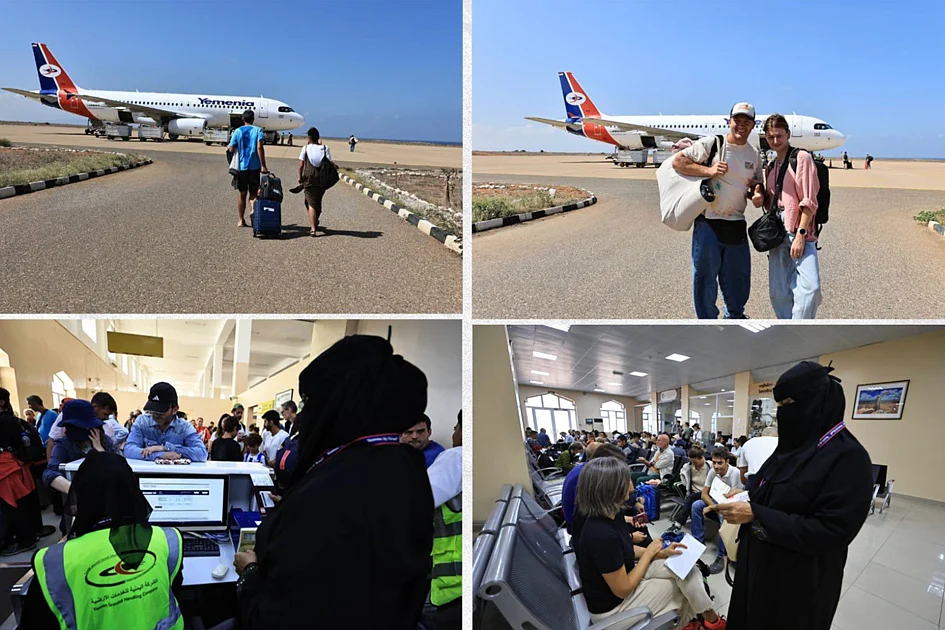
    Yemenia Airways has successfully evacuated 180 international tourists from the remote Socotra Archipelago to Jeddah, Saudi Arabia, marking a critical development in resolving the travel crisis caused by escalating regional tensions. The evacuation flight operated Wednesday represents the first major effort to restore air connectivity to the island paradise known for its unique biodiversity and pristine beaches.

    According to Moammar Al Eyrani, Yemen’s Minister of Information, Culture and Tourism, this operation signifies a pivotal step toward reestablishing international travel routes to Socotra. In an official statement, the minister praised Yemen’s national carrier for executing the evacuation and expressed hope that this would evolve into regular direct services between Socotra and Jeddah.

    The evacuation follows days of uncertainty for visitors who became trapped on the island when Yemeni authorities suspended all flights and closed exit ports due to deteriorating security conditions on the mainland. The exact number of remaining stranded tourists varies by source, with estimates ranging from 416 to approximately 600 individuals representing various nationalities including Russian, French, American, and British citizens.

    Minister Al Eyrani emphasized that future tourism development would be approached with careful consideration for environmental sustainability, prioritizing the protection of Socotra’s unique ecosystem while developing local infrastructure and economic opportunities.

    Situated approximately 300 kilometers south of Yemen’s coastline, Socotra has maintained relative tranquility throughout Yemen’s decade-long conflict. The island’s accessibility shifted significantly in December 2025 when the United Arab Emirates announced the withdrawal of its forces and the conclusion of counter-terrorism operations in Yemen, ending a military presence that had existed since 2018.

  • Yemen’s STC says delegation in Riyadh disappeared onto bus and all contact lost

    Yemen’s STC says delegation in Riyadh disappeared onto bus and all contact lost

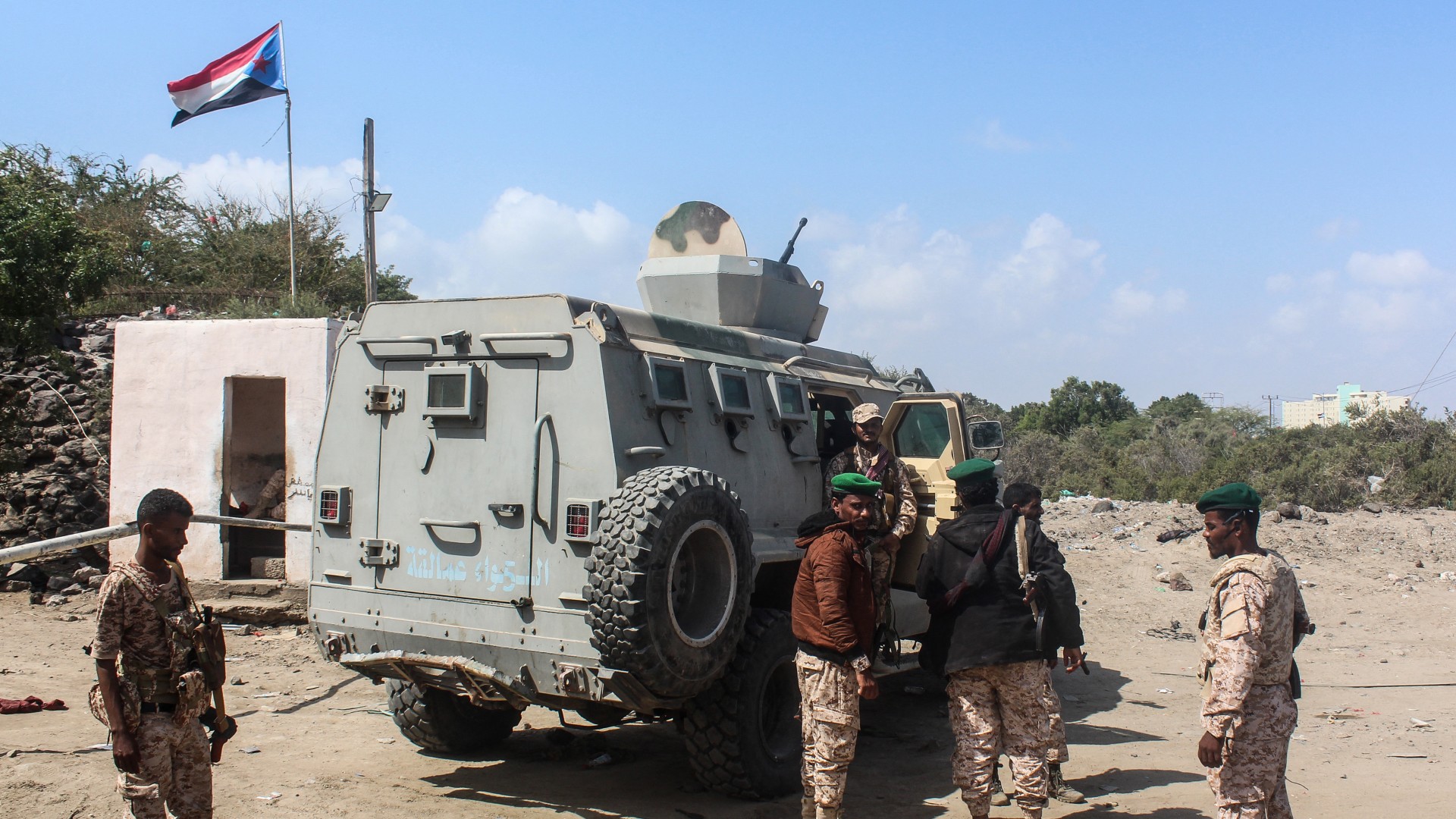
    A significant diplomatic incident has unfolded as the Southern Transitional Council (STC), a Yemeni separatist faction, reports the complete disappearance of its high-level delegation in Saudi Arabia. According to senior STC foreign affairs official Amr al-Bidh, communication was lost with over 50 officials immediately after their arrival in Riyadh at 3 a.m. local time.

    The delegation’s disappearance coincides with a severe political rupture within Yemen’s internationally recognized government. The Presidential Leadership Council (PLC) has formally expelled Aidarous al-Zubaidi, the UAE-backed head of the STC, accusing him of ‘high treason’ and initiating a formal investigation. The charges include damaging Yemen’s political standing, forming illegal armed groups, committing violations against civilians, and sabotaging military facilities.

    In a parallel military escalation, Saudi Arabia conducted a series of airstrikes, described as ‘pre-emptive,’ targeting al-Dhale province, Zubaidi’s hometown. The STC claims these strikes resulted in civilian casualties, killing two and wounding fourteen. Concurrently, Saudi-backed ground forces were reported advancing towards the port city of Aden, a key STC stronghold, though the separatists maintain they still control the city.

    The situation exposes a rare public fissure in the Gulf coalition. Saudi Arabia recently condemned the UAE’s backing of the southern separatists and even bombed an Emirati shipment at the port of Mukalla. In response, the UAE expressed surprise at the Saudi account and subsequently announced the withdrawal of all its military personnel from Yemen, citing ‘recent developments.’

    The STC, which advocates for an independent South Yemen, had recently gained significant territory in a lightning offensive before this sudden reversal. The delegation’s mysterious disappearance in Riyadh now adds a complex layer of diplomatic intrigue to an already volatile conflict.

  • Prime Minister Mark Carney to visit China next week as Canada pivots away from the US

    Prime Minister Mark Carney to visit China next week as Canada pivots away from the US

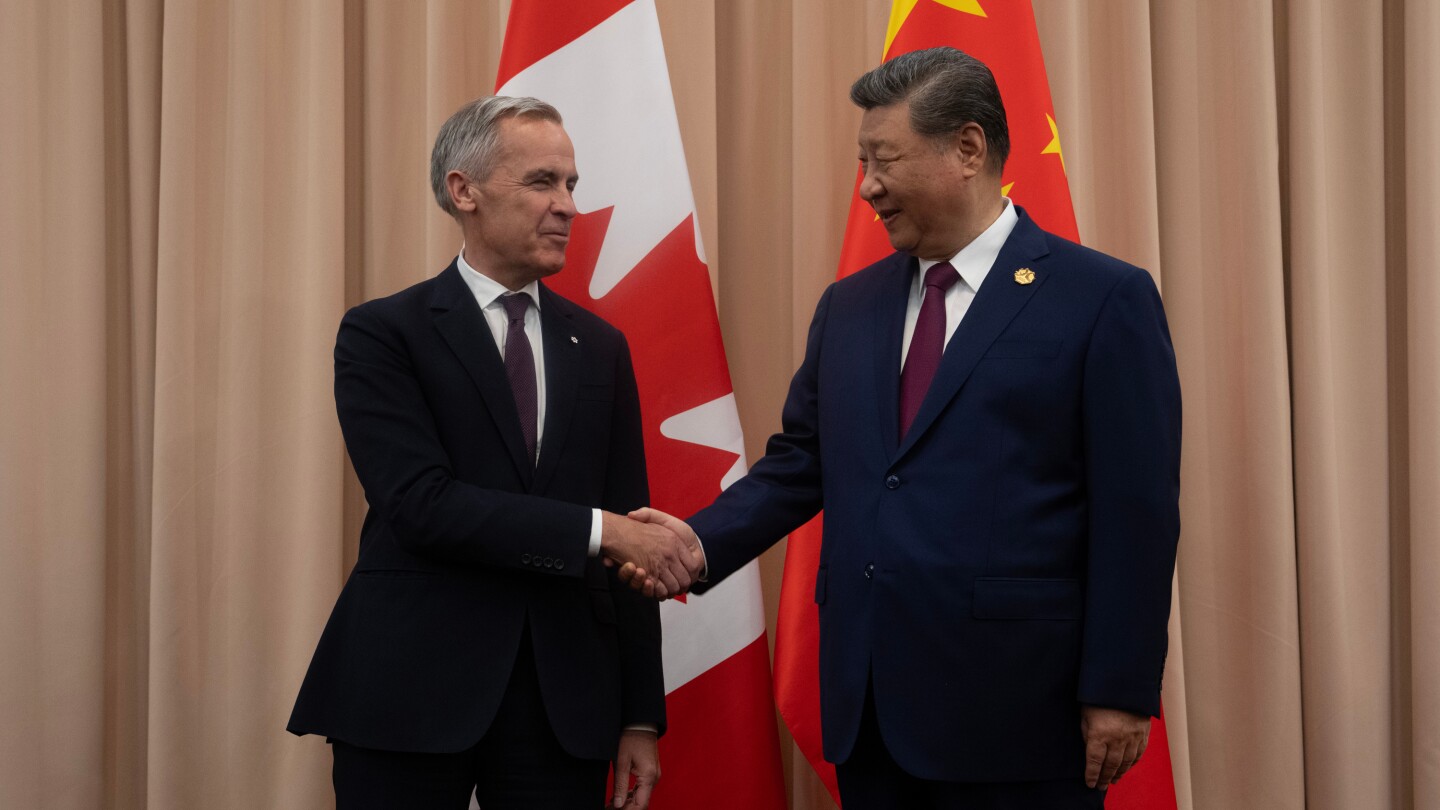
    In a significant diplomatic maneuver, Canadian Prime Minister Mark Carney will undertake an official state visit to China from January 13-17, marking the first such journey by a Canadian leader in over eight years. The visit comes at the invitation of Chinese President Xi Jinping, extending from their October encounter during the Asia-Pacific summit.

    This diplomatic initiative represents a strategic pivot in Canada’s foreign policy as the nation seeks to diversify its economic partnerships and reduce dependence on the United States. Prime Minister Carney articulated this strategic shift, stating, “We’re forging new partnerships worldwide to transform our economy from one reliant on a single trade partner to one that demonstrates greater resilience against global disruptions.”

    The timing of this rapprochement effort is particularly noteworthy given several contextual factors. Current trade tensions with the United States, including tariff threats and sovereignty concerns, have accelerated Canada’s pursuit of alternative markets. The North American free trade agreement undergoes review this year, while Canada simultaneously pursues ambitious targets to double non-U.S. exports within the coming decade.

    China currently stands as Canada’s second-largest trading partner, though the relationship has experienced significant turbulence. Bilateral relations deteriorated sharply in late 2018 following Canada’s arrest of a senior Huawei executive pursuant to its extradition treaty with the United States. China responded by detaining two Canadian citizens, creating a diplomatic standoff that lasted years.

    More recently, trade tensions have resurfaced through Canada’s imposition of 100% tariffs on Chinese electric vehicles, batteries, and related goods—a move coordinated with U.S. policy. China retaliated with targeted tariffs affecting Canadian canola, seafood, and pork producers. Beijing has proposed removing these import taxes should Canada reconsider its EV tariff policy.

    Following his China visit, Prime Minister Carney will attend the World Economic Forum Annual Meeting in Davos, Switzerland from January 19-21, further advancing Canada’s international economic diplomacy agenda.

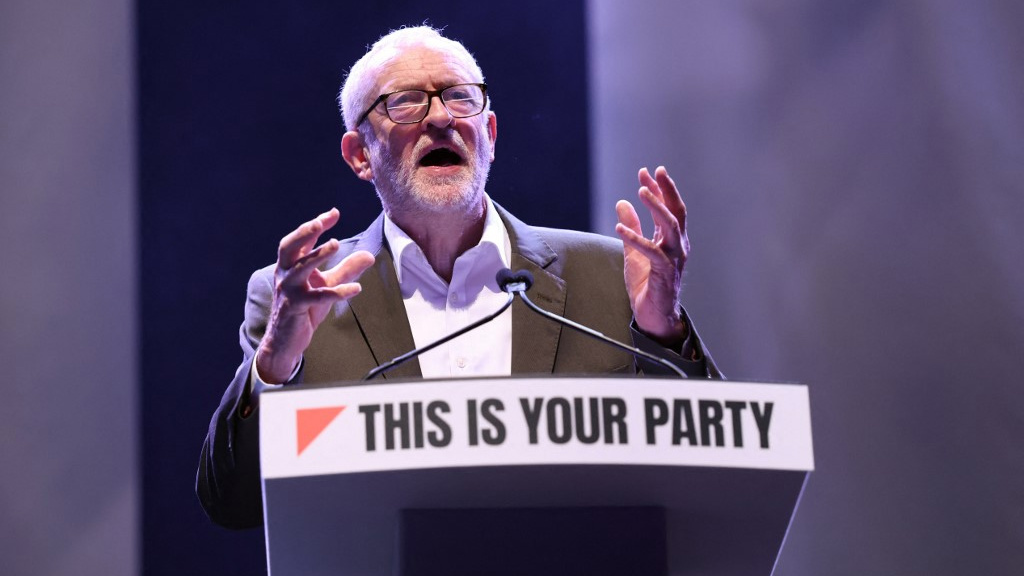
  • Corbyn slams UK for £240m deal with Israel-linked US tech giant Palantir

    Corbyn slams UK for £240m deal with Israel-linked US tech giant Palantir

    Former Labour leader Jeremy Corbyn has launched a scathing critique against the current UK Labour government for awarding a substantial £240 million contract to US technology firm Palantir, citing the company’s controversial associations with the Israeli military. The agreement, finalized by the Ministry of Defence (MoD) in December, secures Palantir’s data analytics capabilities for strategic and operational military decision-making over a three-year period.

    This new contract triples the value of a previous 2022 arrangement and positions Palantir as a key partner in modernizing Britain’s armed forces. The government has further committed to investing up to £750 million in collaborative opportunities with Palantir over the next five years.

    Corbyn, now representing the left-wing Your Party, condemned the partnership in remarks to Middle East Eye, stating: “From Trump’s anti-migrant authoritarianism to Israel’s genocide in Gaza, Palantir has enabled abominable human rights abuses worldwide. It is truly shameful that this government treats crimes against humanity as business opportunities.”

    The controversy extends beyond defense applications. Last summer, Palantir’s separate £330 million agreement to process National Health Service data drew significant criticism from medical professionals, including the British Medical Association, which warned the deal “threatens to undermine public trust in NHS data systems.”

    Palantir’s extensive government partnerships include a strategic alliance with Israel’s defense ministry established in January 2024 and ongoing collaboration with the US Immigration and Customs Enforcement (ICE) agency. The company’s technology was reportedly deployed in Israel’s September 2024 pager attacks in Lebanon, which resulted in 42 fatalities and thousands of injuries, including many civilians.

    According to UN Special Rapporteur Francesca Albanese’s July report, there are “reasonable grounds to believe Palantir has provided automatic predictive policing technology, core defence infrastructure for rapid and scaled-up construction and deployment of military software, and its Artificial Intelligence Platform, which allows real-time battlefield data integration for automated decision making.”

    The criticism transcends party lines, with former Conservative Defence Secretary Ben Wallace questioning the authenticity of the partnership, describing it as “some fake London office with a few PR people and ad campaigns abusing our Union Jack” rather than genuine defense collaboration.

    Palantir did not respond to requests for comment regarding these allegations.

  • Dubai: Al Warqa’a 1 Street expansion completed, to improve traffic flow by 30%

    Dubai: Al Warqa’a 1 Street expansion completed, to improve traffic flow by 30%

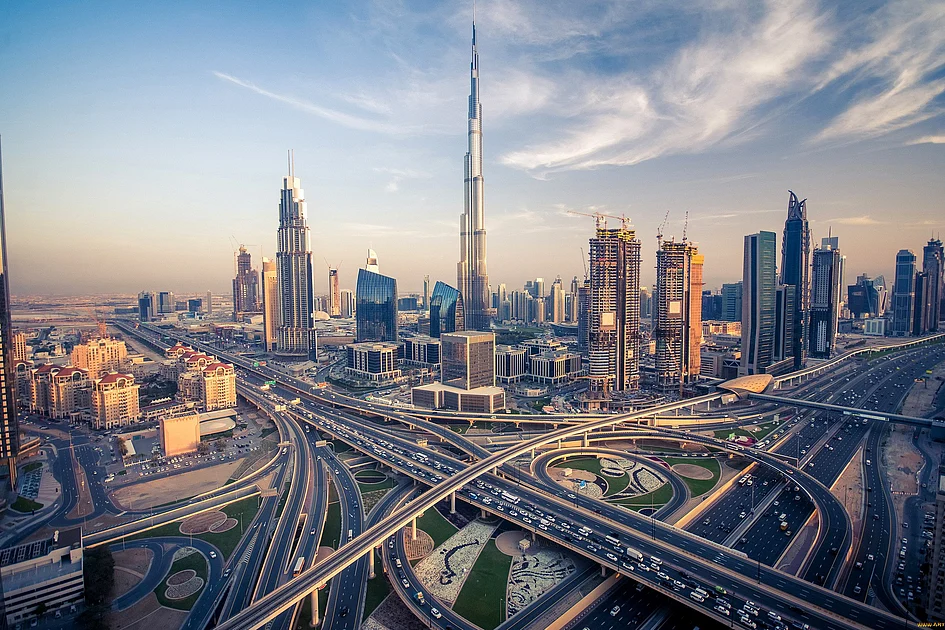
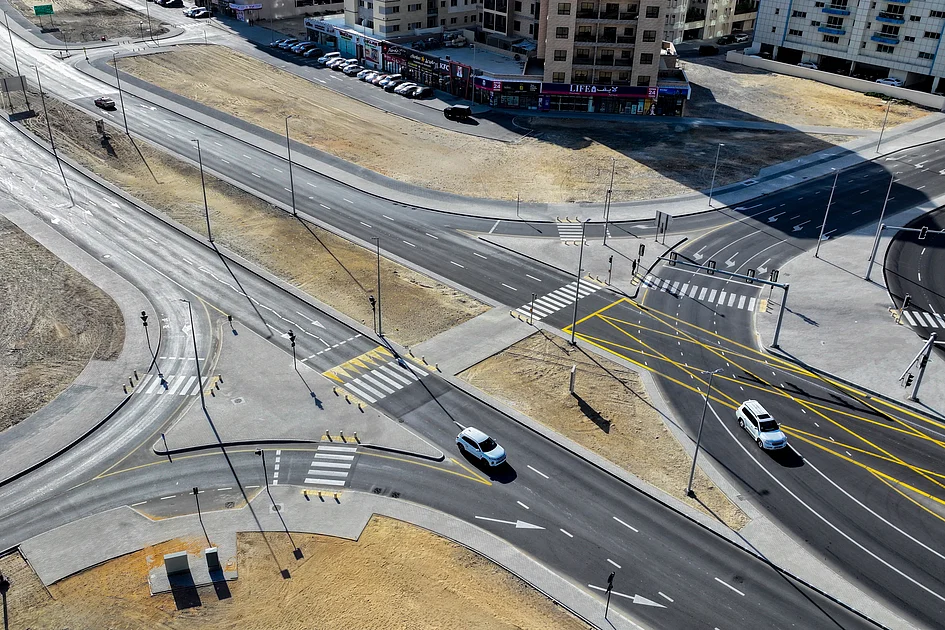
    Dubai’s Roads and Transport Authority (RTA) has officially completed a comprehensive infrastructure enhancement project along Al Warqa’a 1 Street, marking a significant milestone in the city’s ongoing urban development initiatives. The 7-kilometer expansion, stretching from Sheikh Mohammed Bin Zayed Road to Ras Al Khor Road, represents a strategic investment in the emirate’s transportation network.

    The transformative project has successfully converted four traditional roundabouts into intelligent signalized intersections, employing smart traffic management technology to optimize vehicle movement. This upgrade alone has contributed to a remarkable 30% improvement in traffic flow efficiency, substantially reducing congestion during peak hours.

    Beyond traffic management improvements, the initiative incorporated multifaceted infrastructure enhancements including the installation of 324 modern lighting poles equipped with energy-efficient illumination systems, significantly improving nighttime visibility and road safety. The project also addressed parking limitations by creating 111 new parking spaces and developed extensive pedestrian pathways spanning 41,000 square meters, ensuring safer mobility for non-vehicle users.

    Critical underground infrastructure received substantial upgrades with the construction of advanced stormwater drainage networks extending 6,600 linear meters, providing enhanced flood protection during seasonal rainfall.

    Hamad Al Shehhi, Director of Roads at RTA’s Traffic and Roads Agency, emphasized that this project builds upon previous infrastructure works completed in June 2025, which established direct access points between Al Warqa’a and Sheikh Mohammed Bin Zayed Road. “RTA remains committed to developing integrated infrastructure encompassing road networks, lighting, and drainage systems aligned with Dubai’s urban growth objectives,” Al Shehhi stated. “These efforts directly support the city’s vision as a smart, prosperous metropolis that prioritizes quality of life and resident satisfaction.”

    The authority continues to implement additional development projects in adjacent areas including Al Warqa’a 3 and 4, featuring road paving, expanded pedestrian infrastructure, and dedicated cycling tracks to promote sustainable transportation alternatives.

    RTA’s community engagement approach was demonstrated through interactive sessions held with Mirdif and Al Warqa’a residents last October, where officials discussed the upcoming Dubai Metro Blue Line project and addressed local transportation concerns. This participatory model reflects the authority’s commitment to incorporating public feedback into urban planning decisions.