标签: Asia

亚洲

  • UN confirms Gaza security force to include Kazakhstan, Indonesia and Morocco

    UN confirms Gaza security force to include Kazakhstan, Indonesia and Morocco

    The United Nations has formally disclosed the national composition of a proposed international military force intended to maintain stability in the Gaza Strip following recent hostilities. During a pivotal address to the UN Security Council on Tuesday, UN High Representative for Gaza Nickolay Mladenov confirmed that Indonesia, Morocco, Kazakhstan, Kosovo, and Albania have pledged troop contributions to the International Stabilization Force (ISF).

    This multinational force represents a central component of the Comprehensive Plan to End the Gaza Conflict, an initiative originally brokered by former US President Donald Trump in September 2025. The strategy envisions the ISF assuming security responsibilities in areas presently under Hamas control, facilitating a transitional period toward sustainable governance.

    Mladenov’s announcement marks the first high-level confirmation of participating nations, coming months after a nominal ceasefire agreement took effect in October. Despite this truce, the Palestinian Ministry of Health reports that Israeli operations have resulted in at least 673 fatalities in Gaza since the ceasefire declaration. The broader conflict has claimed over 72,000 Palestinian lives and devastated approximately 80% of Gaza’s infrastructure.

    Concurrent with military planning, Mladenov reported progress in establishing the National Committee for the Administration of Gaza—a technocratic transitional body mandated with overseeing reconstruction and governance until the Palestinian Authority can resume control. The committee has reportedly advanced in vetting thousands of civilian police candidates.

    Diplomatic challenges continue to complicate the stabilization effort. Indonesia previously threatened withdrawal from Trump’s ‘Board of Peace’ overseeing ISF creation if the arrangement fails to serve Palestinian and Indonesian interests, citing the US-Israeli tensions with Iran as an additional complicating factor. Israeli Prime Minister Benjamin Netanyahu has openly opposed Turkish participation in the force, discouraging contributions from other potential partners including Azerbaijan, Pakistan, and Saudi Arabia. Conversely, Trump expressed openness to Turkish involvement, praising Turkey’s potential contribution.

    Mladenov concluded his address by revealing that a comprehensive framework for decommissioning and reintegrating armed groups in Gaza has been developed with US, Egyptian, Turkish, and Qatari support. He urged UN members to encourage Hamas and all Palestinian factions to accept this framework promptly, emphasizing that full implementation of the Comprehensive Plan represents the only viable pathway to durable Israeli security and Palestinian self-determination.

  • Former head of UK’s MI6 says Iran has ‘upper hand’ in war with US and Israel

    Former head of UK’s MI6 says Iran has ‘upper hand’ in war with US and Israel

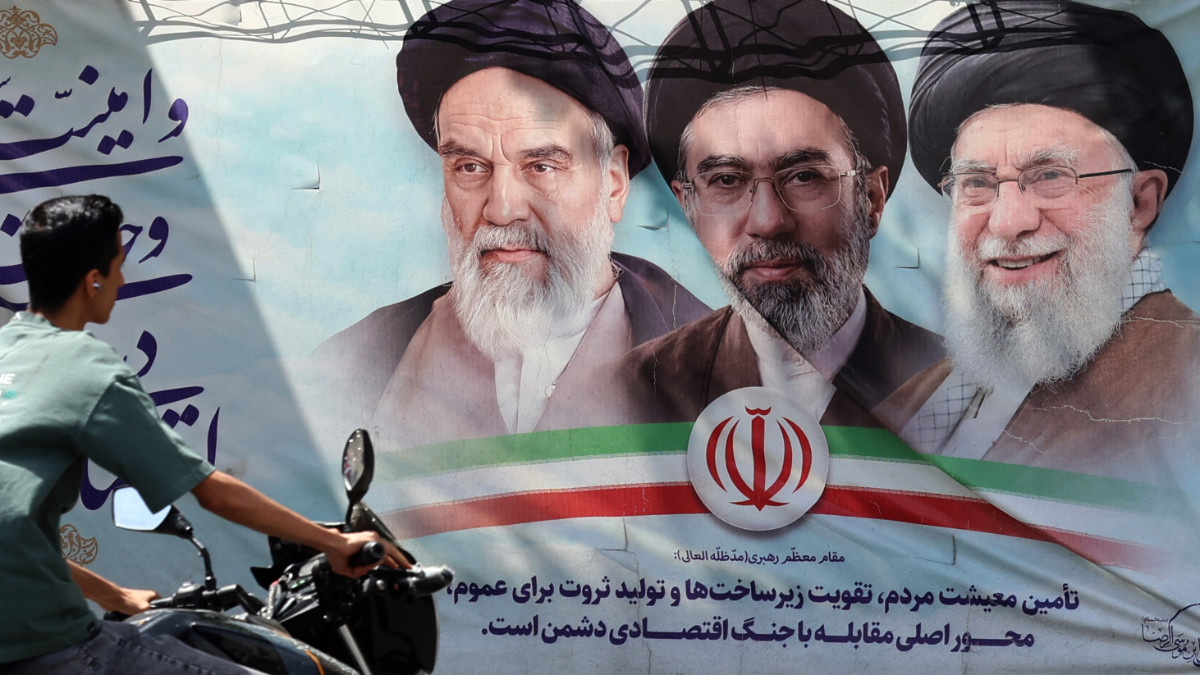
    In a striking assessment of the ongoing Middle Eastern conflict, Sir Alex Younger, former head of Britain’s Secret Intelligence Service (MI6), has declared Iran holds the strategic advantage in its confrontation with the United States and Israel. Speaking on The Economist’s podcast, the intelligence veteran who led MI6 from 2014 to 2020 revealed that Washington fundamentally underestimated the challenge and has ceded operational initiative to Tehran within the past fortnight.

    Younger articulated that the Iranian regime has demonstrated remarkable resilience beyond Western expectations. This durability stems from strategic decisions made as early as June 2023, when Iranian military leadership dispersed their capabilities and delegated weapon deployment authority—a move that has effectively countered the overwhelming air superiority of US-Israeli forces.

    The former spy chief presented a compelling analysis of the conflicting motivations driving the war. He suggested that statements from former US President Donald Trump have reinforced Tehran’s perception that they are engaged in an existential ‘civilizational war,’ while America pursues a ‘war of choice.’ This fundamental difference in perceived stakes has endowed Iran with significantly greater staying power than their American counterparts.

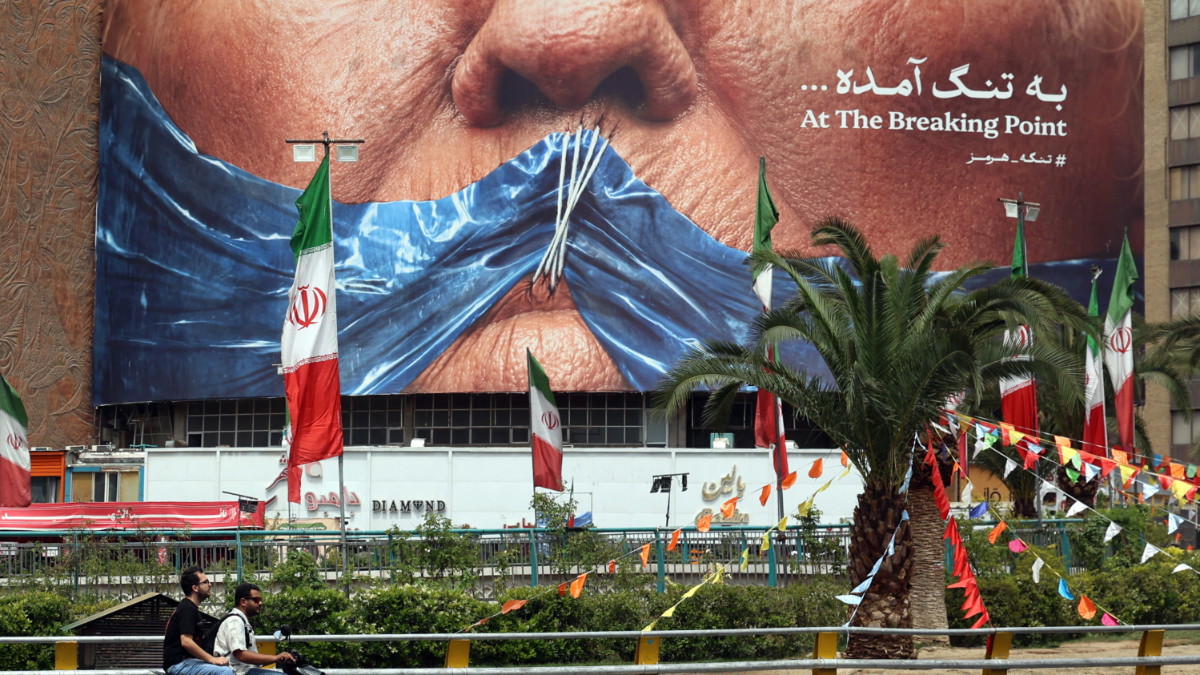
    The conflict, initiated by US-Israeli strikes on February 28th targeting Iranian facilities and officials including former Supreme Leader Ali Khamenei, has evolved into a complex regional confrontation. Iran has responded with strategic precision, launching retaliatory strikes against Gulf nations hosting US military installations and establishing firm control over the critical Strait of Hormuz—the vital maritime passage for 20% of the world’s oil supply.

    Younger described Iran’s strategy as ‘horizontal escalation,’ effectively globalizing the conflict by threatening global energy supplies and thereby gaining leverage against superior military forces. ‘They’ve played a weak hand well,’ acknowledged the intelligence veteran, noting that control of the strategic waterway has given Iran the ‘whip hand’ in the ongoing confrontation.

    The assessment comes amid revelations that Mossad, Israel’s external intelligence agency, had provided assessments about instigating regime change in Iran that helped convince the US to enter the conflict. However, Younger also highlighted significant intelligence failures, particularly regarding the October 7th, 2023 Hamas-led attacks, which he described as ‘an intelligence failure by any standard’ exacerbated by the Netanyahu government’s dismissal of warnings about Hamas capabilities.

    Despite his professional history confronting the ‘violence and brutality of the IRGC,’ Younger expressed regret at concluding that Iran currently holds the advantage in the devastating conflict that has already claimed thousands of lives through both military engagement and internal suppression of protests.

  • Confusion reigns over truce talks

    Confusion reigns over truce talks

    A significant diplomatic rift has emerged between the United States and Iran, casting serious doubt on the viability of proposed ceasefire negotiations. According to multiple media reports from March 25, the United States claimed to have presented Tehran with a comprehensive 15-point plan aimed at establishing a month-long truce. However, these assertions were promptly dismissed by Iranian officials, creating a cloud of uncertainty around the entire diplomatic process.

    A spokesperson representing Iran’s Khatam al-Anbia Central Headquarters categorically denied any knowledge of such a proposal, characterizing Washington’s position as an attempt to rebrand military setbacks as diplomatic achievements. Through statements published by Tasnim News Agency, the official mocked American claims, questioning whether the US had reached such a state of internal conflict that it was effectively “negotiating with itself.”

    The Iranian spokesperson emphasized Tehran’s unwavering position against engaging with what they termed an “aggressor,” stating: “Someone like us will not come to terms with someone like you. Not now, and not ever.” The official further warned that regional stability would remain elusive until Washington acknowledges that security in the area is fundamentally guaranteed by the strength of Iran’s armed forces.

    This diplomatic confusion extends beyond bilateral relations, affecting broader international perspectives. Al Jazeera reported considerable uncertainty within Iran regarding which entities the US was actually negotiating with, despite President Trump’s public assertions of “progress” in talks.

    International observers have highlighted structural problems underlying these negotiations. Abdul Wahed Jalal Nori, a Malaysian academic and author specializing in regional conflicts, identified the absence of a clearly defined Iranian negotiating channel as a fundamental obstacle. “Without clarity on counterparts,” Nori explained, “even a well-designed framework risks stalling at the implementation stage.”

    The situation has drawn concerned responses from global leaders. German President Frank-Walter Steinmeier condemned the US initiation of hostilities against Iran as “a politically disastrous mistake,” while Pakistani Prime Minister Shehbaz Sharif offered to host comprehensive peace talks.

    Regional stakeholders have also voiced their concerns. Omani Foreign Minister Badr Albusaidi emphasized the strong shared interest between Washington and Tehran in ending the conflict immediately. Meanwhile, Qatar’s former prime minister Hamad bin Jassim bin Jaber Al Thani asserted that Gulf Cooperation Council states must have a seat at any negotiating table where regional futures are being determined, particularly emphasizing the strategic importance of the Strait of Hormuz as an international passageway that must remain unconditionally open.

    As Nori concluded, any durable resolution will likely require a comprehensive regional security architecture rather than limited bilateral understandings, noting that initial assumptions about easily controlling the conflict have given way to unanticipated consequences.

  • Shanghai kicks off 2026 WeStart international innovation and entrepreneurship competition

    Shanghai kicks off 2026 WeStart international innovation and entrepreneurship competition

    Shanghai has officially inaugurated the 2026 edition of its prestigious WeStart International Innovation and Entrepreneurship Competition, marking a significant stride in fostering global technological advancement. The launch event on Tuesday introduced a comprehensive platform designed to bridge innovative enterprises with governmental support systems, investment opportunities, and collaborative networks.

    Huang Lihong, Director of the Shanghai Technology Innovation Center, emphasized this year’s strategic focus: “We are intensifying our commitment to technology entrepreneurship initiatives across future industrial domains. Our expanded partnerships with leading research institutions, major corporations, innovative R&D facilities, and high-caliber incubators have significantly broadened our reach into early-stage projects spanning healthcare, energy, advanced materials, manufacturing, and next-generation communications.”

    The three-day inaugural ceremony featured the unveiling of the competition’s enhanced ecological service framework and the establishment of a dedicated incubation academy. The event also integrated multiple brand initiatives including the WeStart Venture Capital Conference and the Gateway cross-border community platform, creating a unified ecosystem for innovation development.

    Demonstrating the competition’s tangible impact, previous award-winning teams formalized agreements to establish operations within Shanghai. These enterprises represent diverse sectors including semiconductor design and intermodal transportation solutions. Among them, Sailyond Technology—winner of the 2025 top prize—showcased their groundbreaking work in AI-driven automation equipment for high-end manufacturing.

    Ru Binxin, Co-founder of Sailyond Technology, elaborated on their achievement: “Our AI-powered industrial inspection machines have addressed critical challenges in manufacturing precision, representing exactly the type of innovation WeStart seeks to amplify. Shanghai’s ecosystem provides the ideal environment for transforming technological concepts into commercial realities.”

    The 2026 competition reinforces Shanghai’s position as a global innovation hub, strategically designed to attract, nurture, and scale transformative technological ventures through structured support mechanisms and international collaboration.

  • Over 100 students take part in International Youth Leadership Finance Summit in Shanghai

    Over 100 students take part in International Youth Leadership Finance Summit in Shanghai

    Shanghai served as the epicenter for emerging financial talent this past weekend as it hosted the 2025-2026 International Youth Leadership Finance Summit. Organized by the prestigious Master of Finance Program at Shanghai Advanced Institute of Finance (SAIF), part of Shanghai Jiao Tong University, the event brought together more than 100 exceptional students from leading global universities.

    The summit’s compelling theme, ‘Hunting the Next AI Unicorn,’ challenged participants to engage in rigorous analysis of real-world business cases from numerous companies. This unique format encouraged students to evaluate artificial intelligence products and technologies through dual lenses of financial acumen and business strategy, promoting unprecedented cross-disciplinary integration.

    Industry and academic experts present at the conference highlighted a significant shift in the AI landscape. They emphasized that artificial intelligence is progressively moving beyond pure technological innovation into a critical phase of engineering implementation and commercial validation. Consequently, the contemporary market demands professionals who possess a rare combination of engineering judgment, systemic comprehension, and commercial application capabilities.

    Participants universally described the experience as transformative, characterizing it as an intellectual journey that transcended traditional academic boundaries. Through intensive workshops, they explored multifaceted perspectives spanning technological development, product creation, investment strategies, and commercialization pathways. The summit provided practical training in analytical methodologies, industry trend assessment, and decision-making proficiency within a simulated AI innovation ecosystem.

    To further bridge the gap between theoretical knowledge and practical implementation, the event featured an extensive curriculum of specialized courses and interactive workshops. These educational sessions covered fundamental AI principles, current investment trends, and detailed case studies of successful unicorn enterprises, equipping attendees with enhanced capabilities in technological insight, business evaluation, and collaborative problem-solving across disciplines.

  • Karst cave in Zhangjiajie sees international tourist surge as spring unfolds

    Karst cave in Zhangjiajie sees international tourist surge as spring unfolds

    Huanglong Cave, a magnificent karst formation within China’s Zhangjiajie UNESCO Global Geopark, is witnessing a remarkable surge in international tourism as spring transforms the landscape. The cave’s recent resurgence follows a comprehensive lighting system upgrade completed in May 2025, which has fundamentally transformed the visitor experience.

    The enhanced illumination technology utilizes the cave’s natural domes and limestone walls as projection surfaces, creating an immersive spectacle that artfully merges cutting-edge light technology with ancient mythological narratives and geological wonders. This innovative approach has positioned Huanglong Cave as a premier destination for both domestic and international travelers seeking unique natural and technological experiences.

    Complementing the subterranean attractions, the surrounding terrain has erupted in vibrant displays of golden rapeseed flowers, creating a breathtaking contrast against the dramatic karst topography. This seasonal transformation has further amplified the destination’s appeal, drawing photography enthusiasts, nature lovers, and cultural explorers from across the globe.

    Located within the Wulingyuan Scenic and Historic Interest Area in Hunan Province, Huanglong Cave represents one of China’s most significant karst systems, featuring spectacular stalactites, stalagmites, and underground rivers. The recent infrastructure improvements and strategic presentation have successfully elevated its status on the international tourism circuit, demonstrating how natural wonders can be enhanced through thoughtful technological integration while preserving ecological integrity.

  • Comedy legend John Cleese attacks Muslims and Islam in online posts

    Comedy legend John Cleese attacks Muslims and Islam in online posts

    At 86 years old, British comedy icon John Cleese finds himself at the center of a mounting controversy following a series of inflammatory social media posts targeting Islam and Muslim communities. The Monty Python veteran and Fawlty Towers creator has utilized his substantial platform on X (formerly Twitter) to disseminate what critics describe as Islamophobic rhetoric and misinformation.

    Throughout March 2026, Cleese intensified his online commentary, directly responding to political figures including London Mayor Sadiq Khan and New York Mayor Zohran Mamdani. In multiple posts, the comedian asserted that ‘traditional British values are under attack from Muslim belief systems,’ specifically referencing what he characterized as ‘Koranic demands to kill infidels.’ His remarks included suggestions that Muslims should refrain from vocalizing intentions to kill non-believers and claims that Islamic doctrine forbids compromise.

    The comedian’s social media activity has shown increasing alignment with far-right accounts, including sharing content from convicted criminal Tommy Robinson and anonymous accounts promoting anti-Muslim narratives. Cleese has amplified fabricated content, including a misattributed Winston Churchill quote and false claims about Muslims demanding Easter bans. He also shared misleadingly translated Quranic passages advocating violence, which fact-checkers have identified as inaccurate or taken out of context.

    Former Scottish First Minister Humza Yousaf directly challenged Cleese’s assertions, stating: ‘Islam does not teach Muslims to kill all non-Muslims. In fact, the Quran explicitly commands kindness and justice towards those of other faiths.’ Yousaf expressed disappointment that the comedian who ‘made a career mocking the ignorant’ had now ‘joined their ranks.’

    The controversy emerges against a backdrop of rising anti-Muslim sentiment in Britain. Cleese’s comments have drawn attention to the complex intersection of free speech, religious tolerance, and responsible public discourse. While Cleese maintains that criticism of Islam should not be automatically labeled as irrational phobia, his approach has raised questions about the responsibilities of public figures in combating religious prejudice.

    Middle East Eye, which originally reported on Cleese’s posts, contacted his representatives for comment but received no response. The publication referenced a recent poll indicating British Muslims demonstrate higher loyalty to the UK than the general public, which Cleese dismissed without evidence.

  • American investors bet big on Indian cricket with two separate billion-dollar deals for IPL teams

    American investors bet big on Indian cricket with two separate billion-dollar deals for IPL teams

    In an unprecedented display of international confidence in India’s premier sporting competition, American investors have executed two landmark acquisitions within the Indian Premier League (IPL) totaling approximately $3.4 billion. These simultaneous transactions represent the largest franchise purchases in the history of Asian sports.

    The record-breaking acquisitions commenced with a consortium led by U.S. entrepreneurs Kal Somani and former Walmart chairman Rob Walton securing the Rajasthan Royals franchise for a staggering $1.63 billion. This transaction marked the first time an IPL team valuation surpassed the billion-dollar threshold.

    Remarkably, this record stood for mere hours before being eclipsed by an even more substantial deal. Reigning champions Royal Challengers Bengaluru (RCB) were acquired for $1.78 billion by a investment group including U.S. billionaire David Blitzer’s Bolt Ventures and global asset management firm Blackstone.

    These valuations demonstrate extraordinary appreciation from the franchises’ original 2008 sale prices—RCB previously sold for $111.6 million while Rajasthan commanded $67 million, representing nearly 16-fold and 24-fold increases respectively.

    The IPL has evolved into cricket’s most valuable property despite operating just three months annually. The league’s growth trajectory was previously signaled through its 2022 media rights auction, where broadcasting privileges for the 2023-2027 cycle fetched $6.4 billion from Disney Star and Reliance Viacom18.

    Cricket legend Sourav Ganguly characterized the investments as “mind-boggling numbers” while affirming their positive implications for Indian cricket’s future, drawing direct comparisons to the NBA’s commercial success.

    The new ownership structures bring significant sports management expertise. Blitzer’s portfolio includes stakes in the Philadelphia 76ers (NBA), New Jersey Devils (NHL), and Crystal Palace (English Premier League). Walton brings experience as owner of the NFL’s Denver Broncos, while Somani contributes technology entrepreneurship background through his involvement with the TGL golf league co-founded by Tiger Woods.

    Despite these historic valuations, industry analysts note continued growth potential as IPL franchises still trail other global sports giants like the Dallas Cowboys and Real Madrid in absolute valuation terms.

    The investments reflect broader strategic interests in India’s market. Walmart maintains substantial presence through its majority stake in e-commerce platform Flipkart and control of digital payments leader PhonePe. Meanwhile, the Times Group (another RCB investor) owns Willow TV, which broadcasts IPL matches throughout the United States.

    This transcontinental investment pattern extends to the emerging Major League Cricket (MLC) in the U.S., where several IPL franchises already own competing teams, creating synergistic relationships that strengthen cricket’s global commercialization.

  • China’s land geochemical conditions improve over past 30 years

    China’s land geochemical conditions improve over past 30 years

    A comprehensive national assessment reveals significant improvements in China’s land geochemical composition over the past three decades, signaling enhanced soil productivity and ecological functionality across the country. The China Geological Survey, operating under the Ministry of Natural Resources, released these findings in its landmark National Land Geochemical Monitoring Report 2025, which analyzed over 500,000 data points collected from nationwide monitoring conducted in 1995, 2016, and 2023.

    The report demonstrates that 92.6% of China’s land area now qualifies as medium grade or higher in quality—a notable increase of 0.4 percentage points since baseline measurements began in 1995. According to lead researcher Peng Min, this evaluation framework assesses critical chemical elements directly linked to soil nutrient content and ecological health.

    Scientific analysis indicates that essential mineral components—including silicon, aluminum, iron, calcium, sodium, and magnesium—have maintained remarkable stability throughout the 28-year observation period. Researchers characterize these elements as the fundamental ‘skeletal structure’ of soil, whose balance prevents degradation phenomena such as acidification, salinization, and desertification.

    More significantly, monitoring data confirms measurable increases in both macronutrients vital for plant development (nitrogen, phosphorus, and potassium) and micronutrients essential for human health (manganese, selenium, and iodine). These elevated nutrient levels suggest positive implications for agricultural productivity and food security.

    The study further documents a substantial 16.4% rise in organic carbon content, with concentrations increasing from 6.7 grams to 7.8 grams per kilogram of soil between 1995 and 2023. This enhancement strengthens soil water retention capabilities and nutrient preservation while establishing a virtuous cycle of carbon sequestration through plant photosynthesis.

    Regionally, the Qinghai-Xizang Plateau exhibited extraordinary progress with organic carbon levels surging by 141.4%. Researcher Cheng Hangxin attributes this dramatic improvement to climate change effects—specifically warmer and wetter conditions—coupled with conservation initiatives including modified grazing protocols. As one of Earth’s critical carbon sinks, the plateau’s enhanced capacity for atmospheric carbon dioxide absorption strengthens its role in mitigating global greenhouse effects.

    Looking forward, the China Geological Survey plans intensified monitoring during the 15th Five-Year Plan period (2026-2030), with 6,000 additional monitoring sites scheduled for establishment this year alone. The agency commits to continuing decadal national surveys and quinquennial regional assessments to track environmental progress and inform future conservation strategies.

  • Trump will travel to Beijing for rescheduled China trip May 14-15, after delay due to Iran war

    Trump will travel to Beijing for rescheduled China trip May 14-15, after delay due to Iran war

    WASHINGTON — The White House confirmed on Wednesday that President Donald Trump will visit Beijing for a highly anticipated summit with Chinese President Xi Jinping on May 14-15. This rescheduled meeting comes despite continuing military operations in Iran, where U.S. and Israeli forces launched attacks against Iranian targets on February 28.

    The originally planned China trip, months in preparation, was postponed as Trump focused on managing the escalating Middle Eastern conflict. The administration has been pressing Tehran to accept a ceasefire proposal while simultaneously urging China and other global powers to deploy naval forces to secure the Strait of Hormuz—a critical oil transit corridor that has seen significant disruption due to Iranian targeting of energy infrastructure.

    White House Press Secretary Karoline Leavitt struck an optimistic note regarding potential conflict resolution timing. When questioned whether the rescheduled summit suggested imminent de-escalation in Iran, Leavitt responded: ‘We’ve always estimated four to six weeks. So you could do the math on that.’

    Trump previously indicated during a meeting with Irish Prime Minister Micheál Martin that he would be ‘resetting’ his China visit for approximately five to six weeks later than originally planned. The President asserted that Chinese leadership had accommodated the scheduling change, noting: ‘We’re working with China—they were fine with it. I look forward to seeing President Xi. He looks forward to seeing me, I think.’

    The upcoming summit represents a crucial opportunity to strengthen the fragile trade understanding between the world’s two largest economies. However, diplomatic efforts have become increasingly complex as the administration seeks both economic cooperation with Beijing and military support for Middle Eastern security operations, despite Trump’s claim that the U.S. doesn’t require assistance from allies who previously declined such requests.