标签: Asia

亚洲

  • Nation’s annual parcel volume hits nearly 200 billion

    Nation’s annual parcel volume hits nearly 200 billion

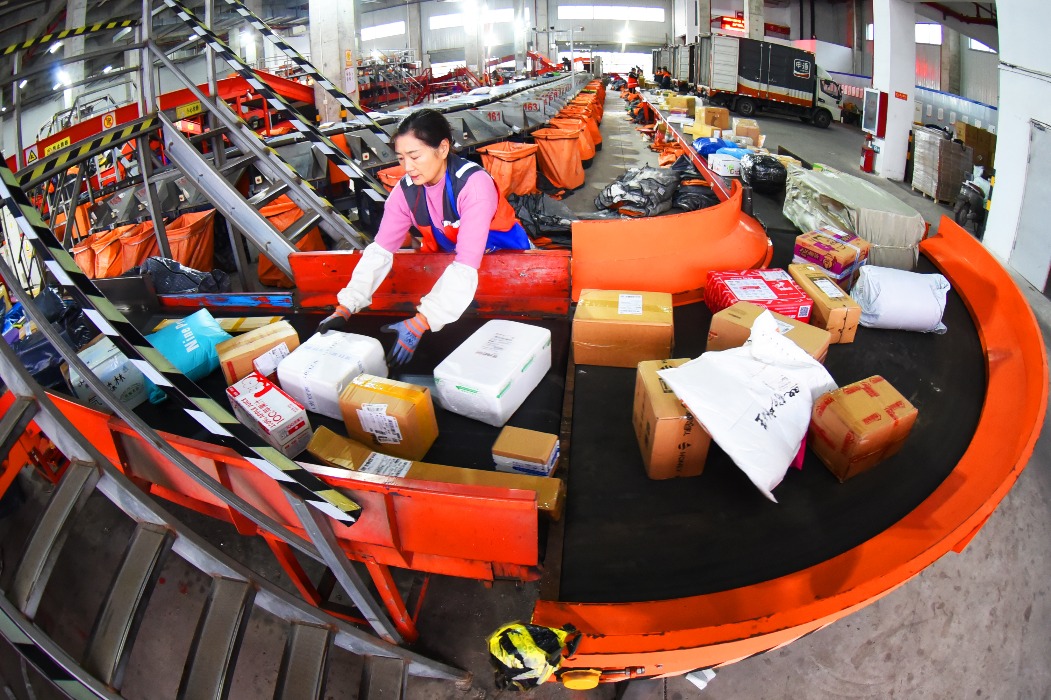
    China has reinforced its global dominance in express delivery services, achieving an unprecedented milestone of 199 billion parcels handled in 2025. This represents a substantial 13.7% year-on-year growth, while sector revenue climbed to 1.5 trillion yuan ($214 billion), marking a 6.5% increase from the previous year.

    The State Post Bureau of China, announcing these figures at its annual conference in Beijing, revealed the industry has now led global parcel volumes for twelve consecutive years. The nation has developed the world’s most extensive delivery network, serving the largest consumer base while continuously enhancing both technological capabilities and geographical coverage.

    During the 14th Five-Year Plan period (2021-2025), China’s parcel volume skyrocketed from over 80 billion to nearly 200 billion items, accounting for more than 60% of worldwide courier growth. The peak daily processing capacity reached 777 million parcels, with annual per capita parcel usage surging from 59 to 141 items between 2020 and 2025.

    Bureau head Zhao Chongjiu emphasized how the sector’s prosperity reflects both growing public demand for convenient postal services and the underlying resilience of China’s economy. “We’ve established the planet’s largest delivery network, penetrating deep into rural communities while expanding international connections to major global economies,” Zhao stated.

    Significant infrastructure expansion has brought postal services to all border villages, with nationwide service outlets increasing nearly 1.5 times. Central and western regions saw their shares of express delivery revenue and volume rise by 5.4 and 7.5 percentage points respectively, facilitating better integration into the national unified market.

    In Xinjiang Uygur Autonomous Region, daily mail and parcel deliveries increased nearly fivefold since 2020. Resident Aikeremu Tula from Gonglati village noted the transformation: “Previously we traveled to town pickup points, but now we have a local station just minutes from home.”

    Technological advancements have been equally impressive. The 180 billionth parcel milestone in November 2025—a smart learning device ordered by Shenzhen resident Li Xiaojun—was processed through fully automated JD.com facilities and delivered via unmanned vehicle. Li praised the “much faster and more precise” service, highlighting the logistics system’s growing efficiency.

    JD’s Pingshan warehouse head An Jixing reported unmanned vehicles now handle approximately 15,000 parcels daily, boosting capacity while reducing staff workload. Nationwide, over 450 drones delivered nearly 4 million parcels in 2025.

    Looking ahead, the sector anticipates handling 214 billion parcels in 2026, maintaining an estimated 8% growth trajectory. Bureau researcher Liu Jiang identified technology as “a strong engine injecting lasting vitality into the market,” while Zhao confirmed expectations for continued revenue growth across both postal and express services.

  • What’s next in AI development? A tech pro’s lens

    What’s next in AI development? A tech pro’s lens

    As China embarks on its 15th Five-Year Plan (2026-2030), technological self-reliance has emerged as a cornerstone of national strategy. The blueprint emphasizes accelerating high-level technological independence to cultivate new quality productive forces, positioning artificial intelligence as a critical driver of economic transformation.

    In an exclusive video feature, an AI enterprise founder provides expert insights into the anticipated evolution of cutting-edge technologies over the coming five-year period. The analysis delves into the development trajectories of artificial intelligence systems, large language models, and advanced robotics—technologies poised to redefine China’s innovation landscape.

    The strategic focus on AI advancement aligns with broader national objectives to establish technological leadership in core sectors. This development pathway represents a concerted effort to build domestic capabilities that reduce external dependencies while fostering indigenous innovation ecosystems.

    Industry experts suggest that the integration of AI across traditional manufacturing and service sectors will accelerate, potentially creating new industrial paradigms and productivity benchmarks. The emphasis on “new quality productive forces” indicates a shift toward technology-intensive, high-value-added economic activities that leverage China’s substantial digital infrastructure investments.

    The coming half-decade is expected to witness significant breakthroughs in AI applications, with particular emphasis on practical implementations that address real-world challenges while strengthening the nation’s technological sovereignty.

  • Australia’s leader announces a royal commission into antisemitism after Bondi mass shooting

    Australia’s leader announces a royal commission into antisemitism after Bondi mass shooting

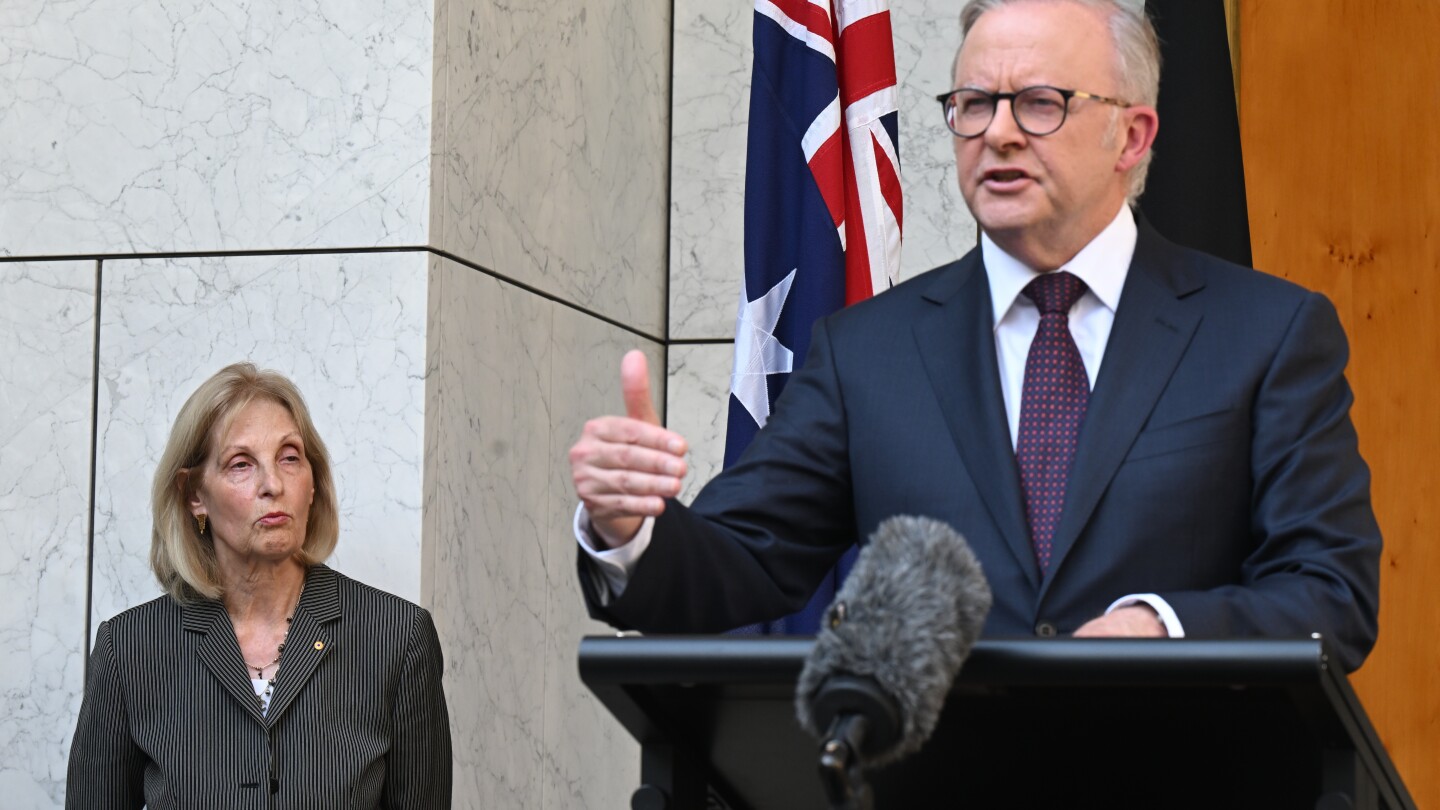
    CANBERRA, Australia — Prime Minister Anthony Albanese has established a comprehensive royal commission to investigate antisemitism in Australia, responding to growing national concerns following the deadly terrorist attack at Bondi Beach that claimed 15 lives during a Hanukkah celebration. The announcement comes after weeks of mounting pressure from political leaders, Jewish community representatives, and prominent public figures demanding federal-level action.

    The commission, Australia’s most powerful form of governmental inquiry, will conduct an extensive examination of antisemitism’s nature, prevalence, and underlying causes. Former High Court Justice Virginia Bell will lead the investigation, which possesses full authority to summon witnesses and compel document production. The probe will specifically analyze the circumstances surrounding the Bondi Beach massacre while also addressing broader societal concerns regarding extremism and social cohesion.

    Prime Minister Albanese characterized the attack as “an antisemitic terrorist attack, aimed at Jewish Australians, inspired by ISIS” and acknowledged the deadliest incident of its kind in Australian history. The commission’s mandate extends beyond investigation to providing concrete recommendations for law enforcement enhancement, counter-extremism strategies, and strengthened community relations.

    A complete report is expected by December 14, marking the one-year anniversary of the tragedy. The surviving suspect, 24-year-old Naveed Akram, currently faces multiple criminal charges including murder and terrorism offenses, while his father was fatally shot by police during the incident.

    The government’s response also includes previously initiated reviews of security agencies and proposed legislative measures to tighten gun control laws and criminalize hate speech that currently falls below prosecution thresholds.

  • Saudi Arabia and Pakistan in talks to swap loans for JF-17 warplanes: Report

    Saudi Arabia and Pakistan in talks to swap loans for JF-17 warplanes: Report

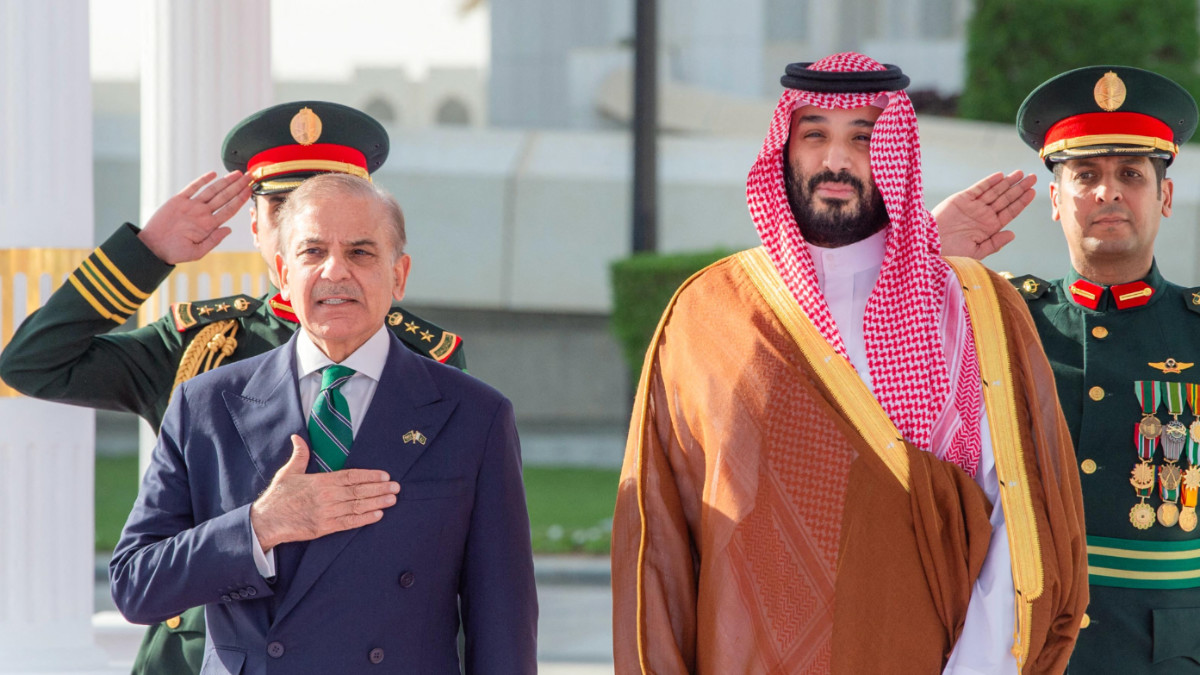
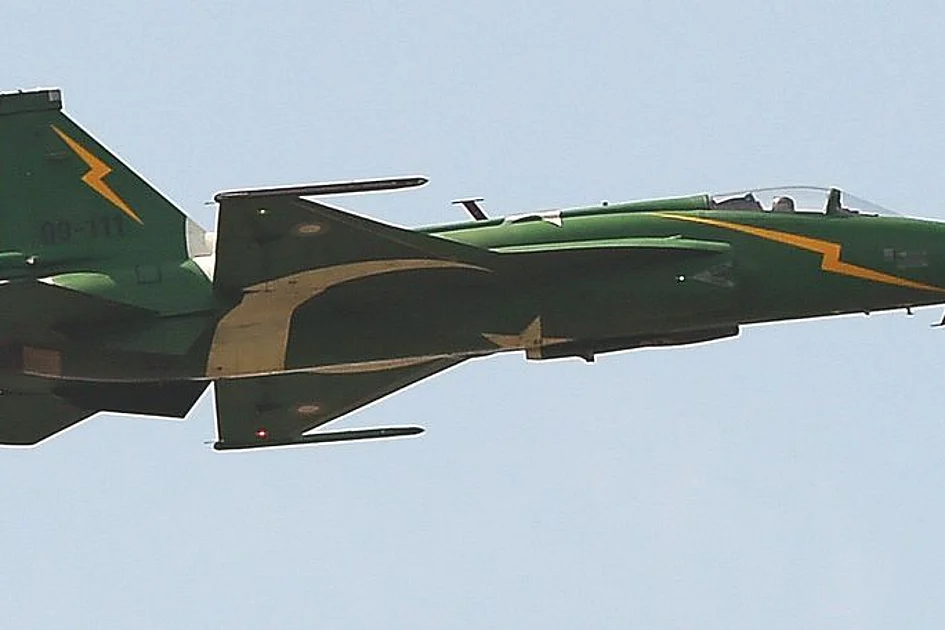
    Saudi Arabia and Pakistan are engaged in advanced negotiations regarding a significant defense arrangement that would convert approximately $2 billion in Saudi loans into a procurement agreement for JF-17 Thunder fighter jets, according to a Reuters report. This potential arms deal, valued at up to $4 billion total, represents a strategic deepening of military cooperation between the two longstanding allies.

    The discussions occur against a complex geopolitical backdrop featuring Saudi Arabia’s intensified military operations against UAE-backed forces in Yemen and Pakistan’s concerted efforts to expand its arms exports to Arab nations. The two countries formalized their defense partnership with a mutual security pact last year, strengthening their existing alliance.

    This proposed arrangement would see Saudi Arabia acquire the JF-17 combat aircraft, jointly manufactured by Pakistan and China, with an additional $2 billion potentially allocated for supplementary military equipment beyond the loan conversion framework. The negotiation highlights the symbiotic nature of the Riyadh-Islamabad relationship: Saudi Arabia provides crucial financial support to Pakistan’s economy, while Pakistan offers military expertise and hardware to the Gulf monarchy.

    Financial assistance from oil-rich Saudi Arabia has proven vital to Pakistan’s economic stability over the past decade. In 2018, Riyadh extended a $6 billion assistance package comprising $3 billion in central bank deposits and $3 billion in deferred oil payments. Saudi Arabia has consistently rolled over these deposits, providing Pakistan with essential dollar liquidity to mitigate current account pressures.

    In return, Saudi Arabia benefits from Pakistan’s professional military establishment, with Pakistani advisors historically contributing to Saudi defense capabilities and many Saudi pilots receiving training in Pakistan. The current negotiations reflect both nations’ responses to regional security dynamics, including Pakistan’s recent $4 billion arms agreement with Libya’s National Army and Saudi Arabia’s ongoing military campaign in Yemen.

    The potential deal may generate concern in Washington, where officials are simultaneously negotiating F-35 sales to Saudi Arabia. Members of the U.S. intelligence community have previously expressed apprehension about technology transfer issues involving Chinese-made military equipment in sensitive regions.

  • UAE issues recall for some Nestle infant formula products

    UAE issues recall for some Nestle infant formula products

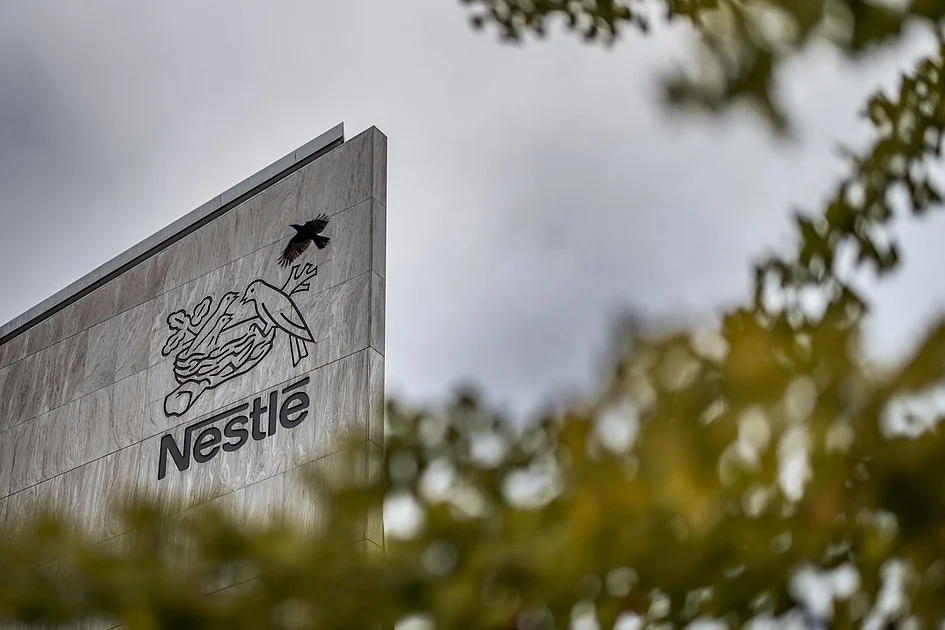
    The United Arab Emirates has enacted a voluntary product recall for specific batches of Nestlé infant nutrition formulas as a precautionary health measure. This action, coordinated between the Emirates Drug Establishment (EDE) and the global food manufacturer, follows the discovery of a potential microbial contaminant in a raw material used during production.

    The affected products include several lines of specialized infant formula: NAN Comfort 1, NAN Optipro 1, NAN Supreme Pro 1, 2 and 3, Isomil Ultima 1, 2 and 3, and the Alfamino range. The EDE emphasized that this recall is proactive and preventative, initiated after quality controls detected traces of Bacillus cereus bacteria, which can produce the toxin cereulide.

    This UAE recall forms part of a broader international response, with at least 37 countries across Europe, Africa, the Americas, and Asia having issued similar health advisories regarding these specific batches. National food safety authorities in Brazil, China, South Africa, Mexico, and Australia have all implemented comparable precautionary measures.

    Critical to public reassurance, the EDE confirmed that no illnesses or adverse health events related to these products have been reported within the UAE to date. All other Nestlé products remain unaffected and safe for consumption. The authority detailed that the identified batches have been immediately quarantined within Nestlé’s and distributors’ warehouses. A comprehensive process is now underway to ensure the complete removal of these products from all retail channels, including online marketplaces, to safeguard consumer health and safety in alignment with the nation’s stringent regulatory protocols.

  • UN rights chief calls on Israel to end ‘apartheid system’ in West Bank

    UN rights chief calls on Israel to end ‘apartheid system’ in West Bank

    In an unprecedented condemnation, the United Nations human rights chief has formally characterized Israel’s administration of the occupied West Bank as an “apartheid system” that systematically discriminates against Palestinians. The landmark 42-page report from the Office of the UN High Commissioner for Human Rights, released Wednesday, documents what it describes as intensifying violations of international law through a comprehensive system of racial discrimination and segregation.

    UN Rights Chief Volker Turk stated that Israel has created “a systematic asphyxiation of the rights of Palestinians” through decades-long discriminatory practices that have dramatically accelerated since late 2022. The report details how Israeli authorities maintain two distinct legal systems—one for Israeli settlers and another for Palestinians—creating what Turk called “a particularly severe form of racial discrimination and segregation that resembles the kind of apartheid system we have seen before.”

    The investigation documents numerous violations including unlawful killings, arbitrary detentions, torture, settlement expansion, land confiscation, movement restrictions, home demolitions, and forcible transfers. Between 2005 and September 2025, Israeli military forces killed 2,321 Palestinians in the West Bank, including 496 children, while during the same period, 205 Israelis were killed.

    Since the outbreak of the Gaza conflict in October 2023, the situation has deteriorated significantly with Israeli troops and settlers killing over 1,000 Palestinians in the West Bank alone. The report notes an alarming increase in extrajudicial killings with “almost complete impunity”—of more than 1,500 Palestinian killings recorded between 2017 and 2023, Israeli authorities opened just 112 investigations, resulting in only one conviction.

    The document provides harrowing accounts of gratuitous violence, including the shooting of an eight-year-old boy in the back of the head as he ran away and a 15-year-old shot twice in the chest while attempting to light a small device that posed no threat to armored vehicles. Soldiers provided no medical assistance as the children died.

    Economic and social impacts are equally severe. Movement restrictions have caused the loss of 306,000 jobs, with unemployment reaching 31.7% for men and 33.7% for women by early 2025. Education has been devastated—85% reduction in traffic across the West Bank affected at least 782,000 students, with girls disproportionately impacted due to safety concerns at checkpoints.

    The report also documents systematic torture and sexual violence in detention, including anal rape with objects, forced nudity, and genital beatings. Israeli authorities dismissed the report as “absurd and distorted,” claiming it reflects the UN’s “inherently politically driven fixation on vilifying Israel.”

    The UN rights office called on Israel to immediately end all discriminatory laws and practices, dismantle all settlements, evacuate settlers, and respect Palestinian self-determination rights, concluding that the separation and subordination of Palestinians appears “intended to be permanent… to maintain oppression and domination.”

  • Trump doubles down on Venezuelan oil with sales and vessels seizure

    Trump doubles down on Venezuelan oil with sales and vessels seizure

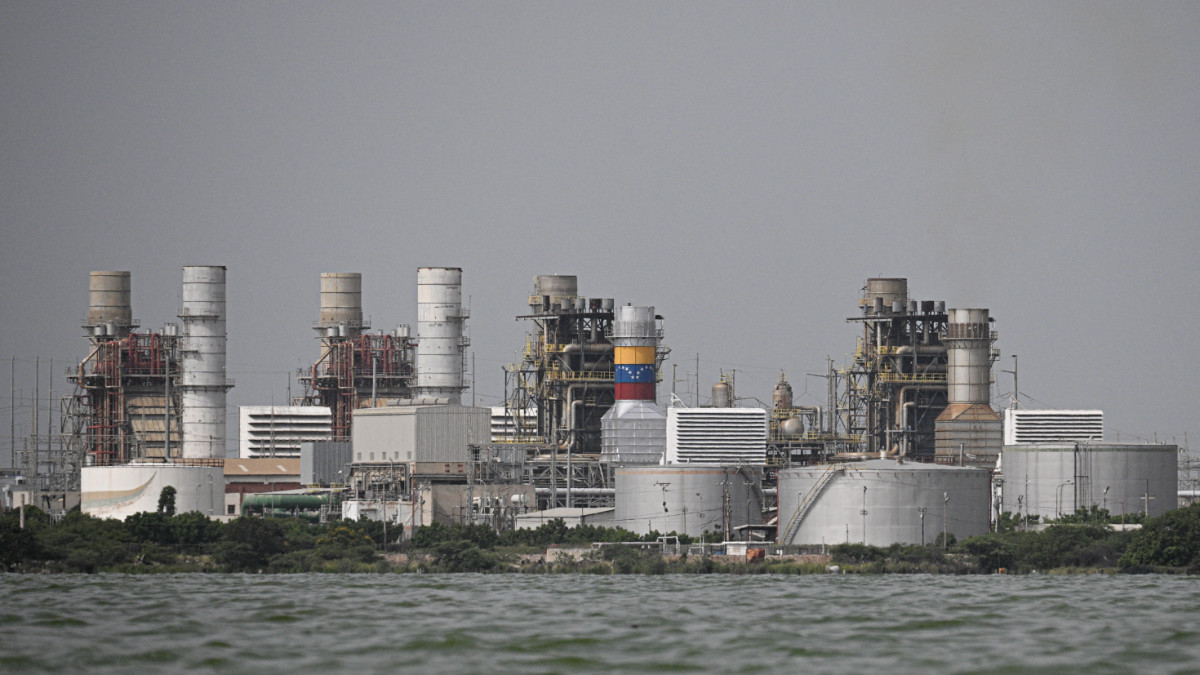
    In a significant escalation of economic pressure on Venezuela, former U.S. President Donald Trump announced he would personally oversee the proceeds from the sale of millions of barrels of Venezuelan oil. The declaration came via social media, where Trump revealed that interim Venezuelan authorities would transfer 30-50 million barrels of sanctioned, high-quality oil to the United States for market-price sale.

    Trump emphasized that the substantial revenue generated—equivalent to 30-50 days of Venezuela’s current production—would be under his direct presidential control. He stated these funds would be allocated to benefit both Venezuelan citizens and American interests. This move represents a dramatic expansion of U.S. involvement in Venezuela’s energy sector, which the administration characterizes as an ‘indefinite’ commitment.

    The U.S. Energy Department subsequently clarified that this initial seizure merely inaugurates a broader strategy. All future Venezuelan oil sales will be processed through U.S.-controlled accounts at internationally recognized financial institutions. Energy Secretary Chris Wright, speaking at a Miami conference, confirmed the permanent nature of this arrangement, stating the U.S. would market Venezuela’s oil production ‘indefinitely, going forward’ to drive necessary political changes in the country.

    The geopolitical implications are substantial. This policy has already triggered confrontations with global powers, notably evidenced by the U.S. seizure of a Russian-flagged tanker linked to Venezuela’s oil trade in the Atlantic—an operation supported by Britain’s Royal Air Force. Despite Russian naval vessels providing escort, U.S. forces boarded the tanker, escalating tensions with the nuclear-armed nation amid ongoing Ukraine negotiations.

    The White House attempted to minimize the incident’s diplomatic ramifications, characterizing the vessel as ‘stateless’ due to false flag representation and emphasizing its judicial seizure status. Meanwhile, the oil industry notes that Venezuelan heavy crude is particularly suited to U.S. Gulf refineries (which Trump renamed the ‘Gulf of America’), potentially benefiting American consumers through increased gasoline and diesel availability amid persistent inflation concerns.

    This aggressive approach recalls 20th-century ‘gunboat diplomacy’ and fundamentally alters Venezuela’s economic sovereignty over its world-leading oil reserves, which constitute approximately 17% of global supplies. The policy follows a U.S. blockade that crippled Venezuela’s already struggling energy sector and the subsequent abduction of President Nicolás Maduro, who now awaits trial in New York.

  • Trump not ruling out boots on the ground in Venezuela, Greenland

    Trump not ruling out boots on the ground in Venezuela, Greenland

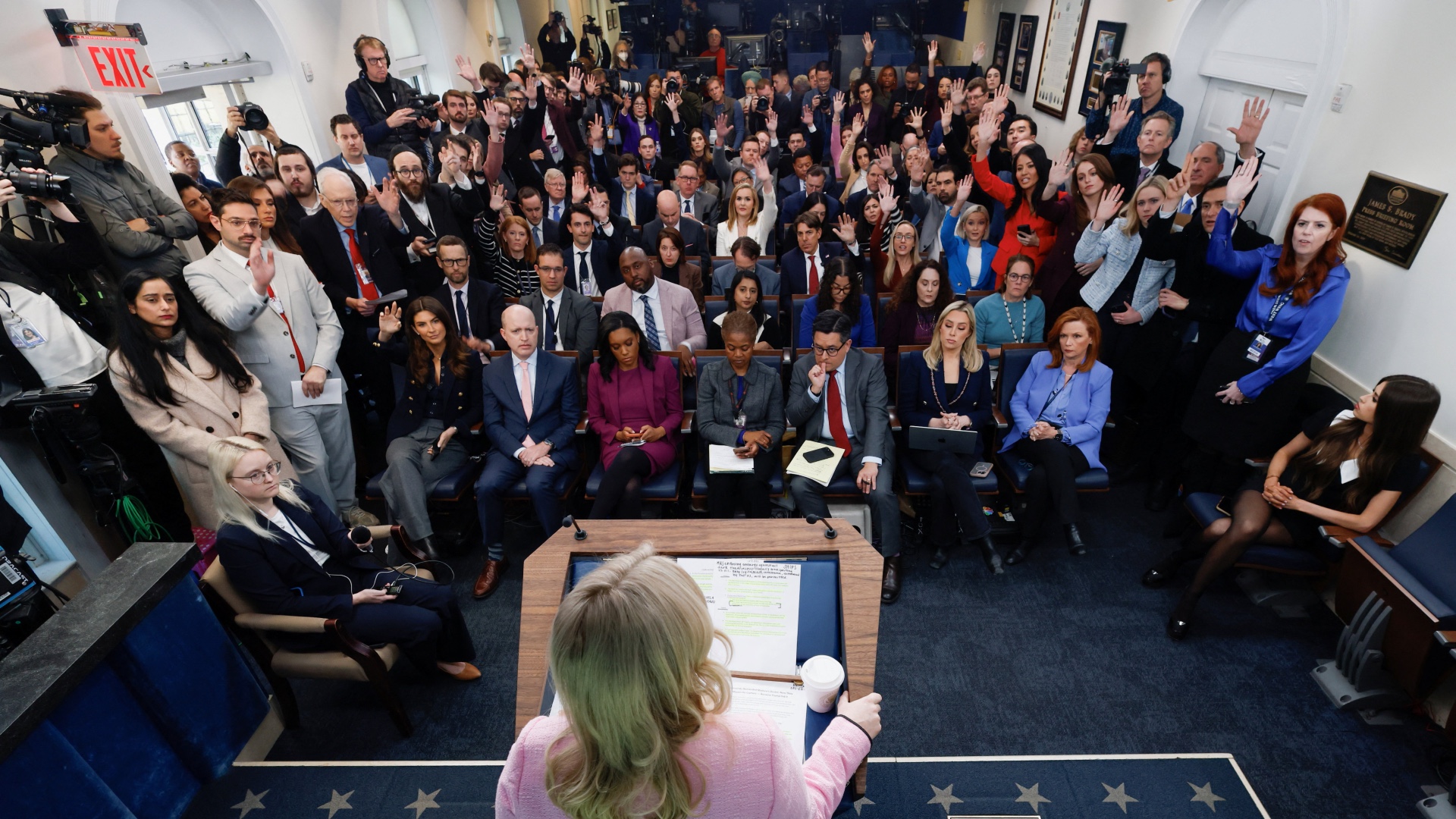
    The White House has indicated that President Donald Trump maintains an open stance on employing additional military measures in Venezuela while simultaneously pursuing strategic territorial acquisition in the Arctic region. During a press briefing on Wednesday, White House Press Secretary Karoline Leavitt articulated the administration’s position that all options remain viable for advancing U.S. interests.

    Leavitt confirmed that while diplomacy remains the preferred initial approach, the president retains the authority to deploy military force when deemed necessary. This statement follows what the administration characterizes as a successful law enforcement operation resulting in the extraction of Venezuelan leader Nicolas Maduro, who currently faces trial in New York City on federal charges. The operation, which involved U.S. special forces and airstrikes on Venezuelan military targets, reportedly resulted in approximately 80 casualties among security forces and civilians.

    Concurrently, the administration has revived historical discussions regarding the acquisition of Greenland from Denmark, framing the potential territorial transfer as a national security imperative to counter Russian and Chinese influence in the Arctic. Although European officials have expressed strong reservations about such a move, the White House maintains that this initiative aligns with strategic interests pursued by multiple U.S. administrations since the 19th century.

    In related developments, the United States and United Kingdom militaries have intercepted multiple oil tankers allegedly violating sanctions against Venezuela. The seized vessels, identified as ‘Bella 1’ and ‘Sofia,’ were described as stateless ships attempting to circumvent restrictions on Venezuelan oil exports. Administration officials emphasized that crew members face prosecution under U.S. federal law.

    The administration has also announced a controversial arrangement whereby proceeds from the sale of millions of barrels of Venezuelan oil will be managed directly by President Trump. According to Leavitt, this agreement with Venezuelan interim authorities will benefit both American and Venezuelan citizens, with funds being distributed at the discretion of the U.S. government through secured banking channels. The administration has already initiated global marketing efforts for the confiscated crude oil.

  • Pakistan, Saudi in talks on JF-17 jets-for-loans deal, sources say

    Pakistan, Saudi in talks on JF-17 jets-for-loans deal, sources say

    Pakistan and Saudi Arabia are engaged in advanced negotiations regarding a significant defense arrangement that would convert approximately $2 billion of Saudi loans into a comprehensive fighter jet procurement package, according to sources familiar with the discussions. This development represents a substantial deepening of military cooperation between the two nations following their landmark mutual defense agreement signed in September.

    The proposed arrangement, potentially valued at up to $4 billion according to one informed source, centers on the provision of JF-17 Thunder fighter jets—light combat aircraft jointly developed by Pakistan and China and manufactured in Pakistani facilities. While the JF-17 constitutes the primary component under consideration, additional military equipment options remain part of the ongoing dialogue.

    This strategic negotiation occurs against a backdrop of Pakistan’s acute financial challenges and Saudi Arabia’s broader initiative to diversify its security partnerships amid evolving geopolitical dynamics in the Middle East. The mutual defense pact, activated following Israel’s strikes on Hamas targets in Doha, formally commits both nations to treat any aggression against either country as an attack on both.

    Pakistan’s Air Chief Zaheer Ahmed Baber Sidhu recently conducted bilateral talks in Saudi Arabia focusing specifically on military cooperation, as reported by Saudi media outlet SaudiNews50. The JF-17’s combat-proven status, having been deployed during Pakistan’s conflict with India in May—the most significant hostilities between the neighbors in decades—significantly enhances its market appeal according to military analysts.

    Retired Air Marshall Amir Masood noted that Pakistan is currently negotiating with six countries regarding defense equipment provisions, including electronic and weapons systems for the JF-17 platform. The aircraft’s cost-effectiveness and combat verification make it particularly attractive to international buyers.

    This potential agreement continues a long-standing security relationship that has seen Pakistan provide military training and advisory support to Saudi Arabia, while the kingdom has repeatedly offered financial assistance during Pakistan’s economic difficulties. In 2018, Riyadh extended a $6 billion support package including central bank deposits and deferred oil payments, with subsequent rollovers including a $1.2 billion deferment last year.

    Pakistan has significantly expanded its defense export outreach recently, securing a $4 billion weapons agreement with Libya’s eastern-based Libyan National Army last month—one of its largest arms sales ever—and engaging in discussions with Bangladesh regarding potential JF-17 sales. Defense Minister Khawaja Asif stated that the success of Pakistan’s weapons industry could fundamentally transform the country’s economic prospects, potentially reducing dependence on International Monetary Fund support within six months.

  • In 24 hours, exploring Jeddah with an airline pilot

    In 24 hours, exploring Jeddah with an airline pilot

    As an experienced long-haul airline pilot with twenty years of aviation career, I have been privileged to access numerous global destinations that might otherwise remain unexplored. Jeddah, Saudi Arabia’s vibrant Red Sea coastal city, has become a monthly destination that captivates me with its unique blend of ancient heritage and contemporary energy. This port city, familiar to Mecca-bound pilgrims for nearly fourteen centuries, now increasingly attracts international tourists seeking its cultural treasures.

    My recent journey began with an overnight flight from London, tracing a route over Venice, Athens, and Alexandria before following the Nile’s illuminated settlements and crossing the Red Sea to arrive at sunrise. After brief rest at the crew hotel, I commenced my exploration at Brew92° café on Sari Road, where Jeddah’s rich coffee culture meets modern specialty brewing. The establishment’s name references their preferred 92° Celsius brewing temperature, and the space blends industrial aesthetics with traditional Arabian hospitality. Sipping a Costa Rican Hacienda Copey blend, I observed Jeddah’s cosmopolitan lunch crowd transitioning between business meetings and casual gatherings.

    The historical core of Al Balad, designated a UNESCO World Heritage site, constituted my primary destination. This seventh-century district served as Mecca’s designated port under Caliph Uthman ibn Affan and flourished as Islam expanded globally. Despite Jeddah’s transformation into a modern metropolis following oil discovery, Al Balad preserved its labyrinthine alleys, traditional roshan tower houses with intricate teak latticework, and historic merchant quarters. At the landmark Beit Nassif—a former merchant home converted into museum—I learned about the legendary neem tree that once served as the city’s informal address system during pre-irrigation times.

    My cultural immersion continued at Suq Bab Makkah market, named for the historic Mecca Gate where pilgrims traditionally began their inland journey. Following local guide Ayat Alsharif’s recommendation, I acquired golden sukkari dates—ideally complemented by tahini dipping—as culinary souvenirs for flight crew colleagues. Lunch at Minaa café featured fuul panini, the Egyptian fava bean stew ubiquitous across Middle Eastern breakfast tables, enjoyed alongside artisans preserving traditional window-making techniques.

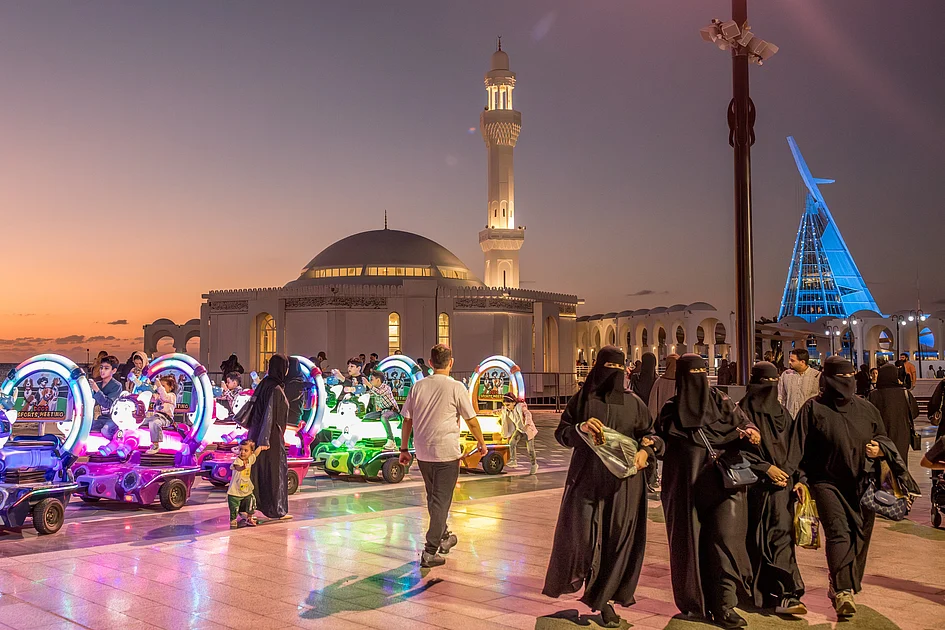
    Jeddah’s recently redeveloped corniche presented a stunning waterfront transformation featuring cycling paths, palm-lined promenades, and accessibility-enhanced beaches. The architectural marvel of Al Rahma mosque appeared to float above Red Sea waves at dusk, while practical prayer facilities dotted the coastline. Unlike Western beach culture, Jeddah’s shoreline thrives with multigenerational family gatherings and nocturnal summer activities. As sunset prayer calls echoed, I concluded my layover sharing Egyptian flatbreads and lahma bil basal stew with crewmates, reflecting on Jeddah’s remarkable synthesis of ancient heritage and contemporary vision.