标签: Asia

亚洲

  • Chinese firms sweep awards at CES

    Chinese firms sweep awards at CES

    LAS VEGAS – Chinese technology companies have emerged as the standout performers at CES 2026, capturing an unprecedented number of prestigious Innovation Awards at the world’s largest technology exhibition. The Consumer Technology Association revealed that Chinese firms secured multiple Best of Innovation designations among a record-breaking pool of 3,600 submissions across 36 product categories.

    The remarkable achievement underscores China’s transformation from manufacturing hub to innovation powerhouse, with Shenzhen-based companies leading the charge. Yingling Co. received the coveted Best of Innovation award for its advanced 8K 360 drone, while Netvue Technologies earned the same honor for its intelligent smart birdbath. Zettlab, another Shenzhen enterprise, gained recognition for its AI-driven storage solutions.

    According to Chris Pereira, CES Innovation Awards judge and CEO of iMpact, Chinese participation demonstrates a fundamental shift in technological capability. ‘What distinguishes China-based entries today is their end-to-end execution: seamless hardware-software integration, sophisticated industrial design, and accelerated iteration cycles that transform emerging components into market-ready products,’ Pereira noted.

    The data reveals staggering growth in specific sectors: robotics submissions increased by 32% compared to 2025, while AI and drone categories saw 29% and 32% growth respectively. Beyond the top winners, Chinese companies claimed over 100 of the 247 total honoree positions, representing approximately 40% of all awards.

    Notable recognitions included EcoFlow’s DELTA Pro Ultra X Whole-Home Power Solution in sustainability and Anker Innovations’ Prime Charger in computer hardware. Pereira identified three key areas where Chinese companies excel: practical robotics with enhanced perception and navigation systems, advanced energy management solutions with smarter battery ecosystems, and superior user experience design tailored for global consumers.

    The 2026 exhibition also marked a paradigm shift in artificial intelligence integration, with AI transitioning from standalone feature to foundational technology. ‘AI itself is no longer the primary selling point for leading brands – it has become the essential framework upon which products are built,’ Pereira observed.

    This year’s performance continues China’s growing influence at CES, following their 2025 participation as the largest foreign contingent with over 1,300 companies. The consistent excellence demonstrates both the scale and breadth of Chinese technological innovation on the global stage.

  • China defends curbs on dual-use goods exports

    China defends curbs on dual-use goods exports

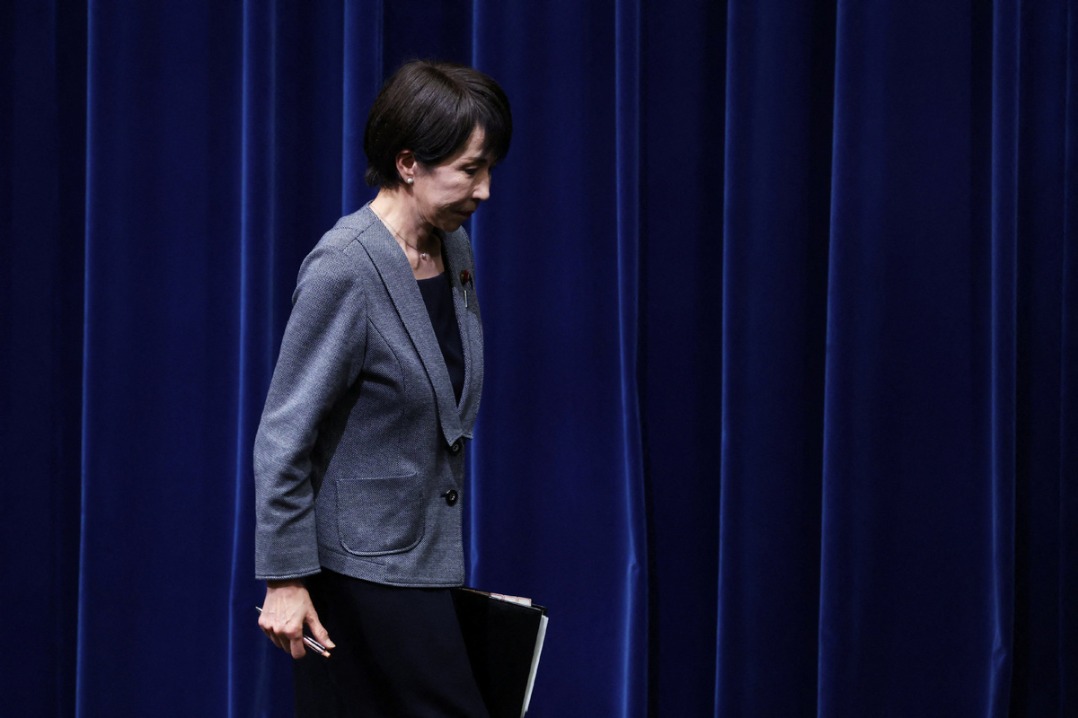
    China has formally implemented stringent export controls on dual-use goods to Japan, a move that Foreign Ministry spokeswoman Mao Ning characterized as “completely legitimate and reasonable” in response to what Beijing perceives as provocative statements from Japanese Prime Minister Sanae Takaichi regarding Taiwan.

    The diplomatic friction emerged following Prime Minister Takaichi’s November parliamentary comments suggesting that a “Taiwan contingency” could constitute a “survival-threatening situation” for Japan, language interpreted by Chinese officials as implying potential military intervention in the Taiwan Strait. Mao Ning asserted that these remarks represented both an infringement on China’s sovereignty and a blatant interference in internal affairs.

    China’s Ministry of Commerce announced the strengthened export controls effective immediately, explicitly prohibiting “the export of all dual-use items to Japanese military users, for Japan’s military use, and for any other end-users and end-use purposes that help enhance Japan’s military capabilities.” Dual-use items encompass products and technologies with both civilian and military applications.

    Economic analysts warn of significant repercussions for Japanese industry. Takahide Kiuchi, executive economist at Nomura Research Institute, identified potential restricted categories including semiconductors, electronic components, precision machinery, EV-related lithium compounds, rare earths, telecommunications equipment, and personal computers. Japanese trade data indicates these categories collectively represent approximately 42% of Japan’s total imports from China, valued at roughly 10.7 trillion yen ($49.2 billion) in 2024.

    Hidetoshi Tashiro, chief economist at Japan’s Infinity LLC, highlighted particular concern regarding rare earth elements, noting that automotive and electronics industries could face production disruptions if these materials are included in restrictions. Nomura Research Institute projections suggest three months of rare earth export restrictions could cost Japan approximately 660 billion yen, reducing GDP by an annualized 0.11%.

    The uncertainty surrounding specific controlled items has already created trade hesitancy, with Japanese firms reportedly reluctant to place or accept orders without clear definitional parameters. Tokyo’s stock market responded negatively, with the benchmark Nikkei index closing down 1.06% following the announcement.

  • Astronauts experiment on lithium-ion batteries

    Astronauts experiment on lithium-ion batteries

    In a groundbreaking orbital experiment, astronauts aboard China’s Tiangong space station have successfully completed pioneering research examining how microgravity conditions affect the internal performance mechanisms of lithium-ion batteries. The Chinese Academy of Sciences’ Dalian Institute of Chemical Physics confirmed the completion of this innovative study on Wednesday.

    The research initiative, spearheaded by payload specialist Zhang Hongzhang of the Shenzhou XXI mission crew, leveraged his specialized expertise to execute complex technical operations in the unique space environment. The experiment represents a significant advancement in understanding electrochemical processes free from Earth’s gravitational influences.

    Unlike terrestrial laboratories where gravity constantly interacts with electric fields, the microgravity environment of space provides scientists with unprecedented opportunities to observe fundamental battery processes in isolation. The research specifically investigated ion transport mechanisms, insertion dynamics, and extraction processes without gravitational interference that typically complicates ground-based experiments.

    Zhang conducted real-time monitoring and captured detailed optical observations of lithium dendrite formation—microscopic, needle-like structures that pose significant safety risks by potentially causing short circuits in battery systems. His work documented the full progression of these phenomena through comprehensive imaging techniques.

    The findings are expected to overcome critical knowledge gaps regarding coupled gravity-electric field effects and provide foundational data for enhancing current spacecraft energy systems. This research holds particular importance for developing next-generation space batteries with improved energy capacity, extended service life, and enhanced safety protocols for future space missions.

    Lithium-ion batteries remain indispensable for modern space exploration due to their high energy density, reliability, and longevity. This experiment addresses growing scientific interest in microscopic electrochemical mechanisms, particularly how chemical distribution within electrolytes affects power output and operational lifespan in space environments.

  • Guideline eases use of maritime mediation centers

    Guideline eases use of maritime mediation centers

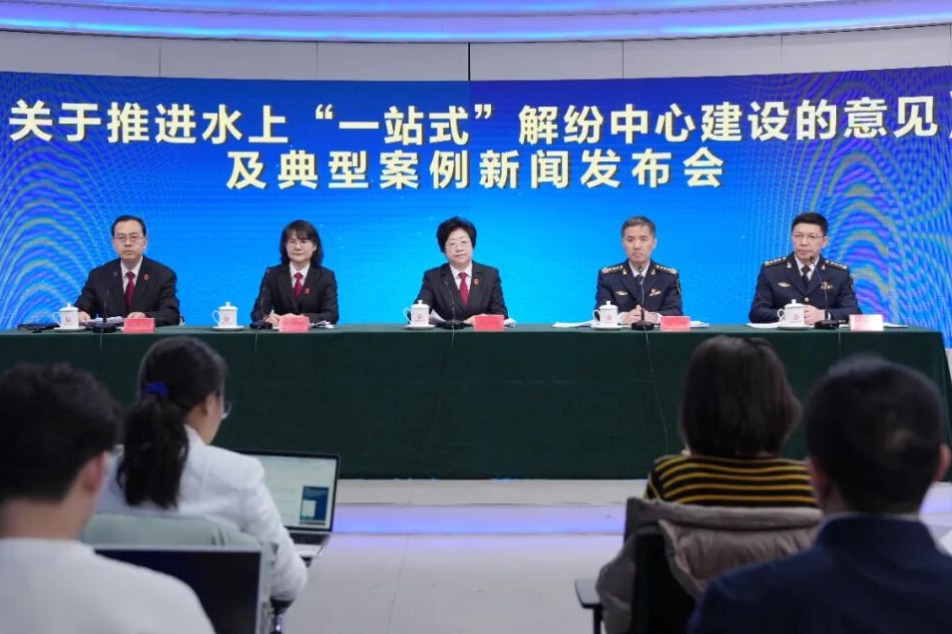
    China has launched a comprehensive national guideline to revolutionize maritime dispute resolution, creating an integrated network of mediation centers designed to handle conflicts involving sailors, shipping companies, and maritime enterprises with unprecedented efficiency. The landmark framework, jointly unveiled by the Supreme People’s Court and the Ministry of Transport on January 6, 2026, establishes standardized protocols for maritime mediation centers that have been proliferating across China’s coastal regions and inland waterways.

    By December 2025, China had already established over 60 specialized maritime mediation centers strategically located at major ports, maritime bureaus, and critical transportation hubs. These facilities operate under a collaborative model led by maritime courts working in concert with regulatory departments, forming a cohesive system that blends administrative mediation, judicial support, and social assistance mechanisms.

    The new guideline emphasizes a ‘mediation-first’ approach, recognizing the unique characteristics of maritime disputes that often involve time-sensitive matters, complex technical determinations, and frequent cross-border elements. Justice Wang Shumei of the Supreme People’s Court explained that this prioritization addresses the specialized expertise required for liability assessment in cases ranging from maritime traffic incidents to seafarer employment conflicts, personal injury compensation, vessel pollution, and administrative disagreements.

    To ensure high-quality dispute resolution, the framework mandates regular professional training for mediators, comprehensive legal interpretation services, and publication of landmark cases to establish precedents. Additionally, it requires courts and maritime authorities to share publicly accessible regulatory and judicial data, creating transparency and efficiency in dispute processing.

    Xu Wei, head of the Ministry of Transport’s Maritime Safety Administration, highlighted the transformative nature of the new system: ‘Previously, disputing parties had to navigate multiple departments seeking assistance. Now, they can access integrated administrative and judicial services through a single platform, enabling mediation, legal consultation, and judicial confirmation in one streamlined process.’

    The initiative represents a significant advancement in judicial-administrative collaboration, with Justice Shen Hongyu of the Supreme People’s Court noting that it ‘marks a new phase of cooperation between judicial and administrative authorities in resolving maritime disputes.’ The system will be further enhanced through regular interdepartmental meetings, professional exchanges, and joint training programs for maritime judges, law enforcement officers, and industry experts, with plans to expand online maritime judicial services to improve public accessibility.

  • Highs and lows mark China-US ties in 2025

    Highs and lows mark China-US ties in 2025

    The geopolitical landscape between the United States and China experienced significant volatility throughout 2025, characterized by dramatic fluctuations in diplomatic relations and trade policies. According to experts monitoring the bilateral relationship, the year presented a complex tapestry of escalating tensions followed by cautious diplomatic engagements.

    Gary Hufbauer, senior fellow at the Peterson Institute for International Economics, described the relationship as experiencing a ‘rollercoaster’ dynamic rather than the gradual decline witnessed in previous years. The turbulence stemmed primarily from calculated political maneuvers by the U.S. administration rather than accidental developments, creating periods of intense confrontation followed by gradual cooling-off phases.

    The relationship reached a critical juncture in April 2025 when the Trump administration implemented triple-digit tariff rates on Chinese imports, representing one of the most aggressive trade measures in recent history. China responded with immediate retaliatory measures, bringing both nations to the brink of a full-scale trade war. These reciprocal actions rendered cross-border trade economically challenging for numerous product categories, generating substantial market instability and creating significant uncertainty for businesses operating in both countries.

    China maintained a consistent strategic position throughout these developments, encapsulated by the widely circulated phrase: ‘Talk, our door is open; fight, we’ll respond till the end.’ This principle guided Beijing’s approach to the escalating tensions while leaving room for diplomatic resolution.

    Several factors ultimately prompted the White House to reassess its aggressive stance. Soaring consumer prices within the United States, particularly affecting middle-class households, combined with substantial losses in agricultural exports to China—especially soybean shipments—created mounting economic pressure. Additionally, China’s implementation of rare-earth export controls demonstrated Beijing’s strategic leverage in the technological supply chain, forcing a recalculation of American trade strategy.

    The latter part of 2025 saw renewed high-level trade discussions and head-of-state diplomacy, suggesting both nations recognize the mutual benefits of stability. Experts indicate that sustained dialogue remains crucial for establishing predictable relations moving into 2026, though the underlying structural tensions continue to require careful management.

  • Mayors warm to ice-and-snow economy

    Mayors warm to ice-and-snow economy

    HARBIN—Municipal leaders from winter cities across Europe, Asia, and North America converged at the Harbin Ice and Snow World this week to establish the groundbreaking Harbin Initiative, a collaborative framework for sustainable cold-climate urban development. The Global Mayors Dialogue event witnessed participation from officials representing Magdeburg (Germany), Rovaniemi (Finland), Bucheon (South Korea), Edmonton (Canada), Chiang Mai (Thailand), Erzurum (Turkey), and Chalandri (Greece).

    The initiative outlines four strategic pillars: establishing ecological civilization through sustainable ice-and-snow development, advancing technology-driven innovation in cold-region industries, creating mutual learning frameworks between cities, and modernizing urban governance systems. This cooperative effort signals a paradigm shift in how municipalities approach winter challenges, transforming climatic obstacles into economic opportunities.

    Harbin Mayor Wang Hesheng showcased his city’s credentials as China’s ice-and-snow sports birthplace and international winter tourism destination, highlighting the 27th Harbin Ice and Snow World—currently the world’s largest winter-themed park—alongside the Sun Island International Snow Sculpture Art Expo and public ice parks.

    International participants shared transformative winter strategies. Edmonton Mayor Andrew Knack described how his city reframes winter as “something to embrace rather than endure,” using festivals and sporting events as economic catalysts. Rovaniemi officials, representing Santa Claus’s official hometown, detailed how extended snow seasons become tourism assets through enhanced visitor experiences and ski infrastructure.

    Erzurum Vice-Mayor Zafer Aynalı demonstrated municipal management of ski centers located mere minutes from urban centers and airports, while Magdeburg representatives expressed interest in cross-sector collaboration extending beyond tourism to pharmaceuticals, technology, and construction.

    The event featured hands-on cultural immersion as delegates carved the dialogue’s logo into ice blocks within the specially designated sculpture zone, symbolizing their commitment to shared winter prosperity. Guided by China’s State Council Information Office and jointly hosted by Heilongjiang provincial and Harbin municipal governments, the dialogue exemplifies China’s growing role in facilitating global urban development exchanges.

  • Bringing care from afar

    Bringing care from afar

    For over a quarter century, a remarkable medical partnership has been unfolding at the B.P. Koirala Memorial Cancer Hospital in Nepal’s Chitwan district, where Chinese medical professionals have established an enduring legacy of cross-border healthcare cooperation.

    Established in 1998 through Chinese government assistance, this oncology center has evolved into a critical healthcare institution serving not only Nepalese citizens but also patients from across South Asia. The hospital represents one of the most sustained international medical aid initiatives in the region, with continuous rotations of medical teams from China’s Hebei province since 1999.

    The collaboration has progressed through multiple phases of development. Initially providing basic clinical support, Chinese medical experts have gradually implemented comprehensive capacity-building programs including specialized department co-development, standardized treatment protocols, and extensive training for local healthcare professionals. More than 250 Chinese doctors have contributed their expertise across various medical specialties, creating knowledge transfer that has fundamentally enhanced Nepal’s healthcare infrastructure.

    The current medical team, designated as the 16th Chinese medical contingent, includes specialists like anesthesiologist He Kun and gynecologist Liu Fang, who recently conducted consultations for elderly Nepalese patients. Their work exemplifies the ongoing commitment to addressing Nepal’s healthcare needs while fostering professional exchange.

    This medical diplomacy initiative has transformed healthcare accessibility in Nepal’s southern Terai plains, providing oncology services that were previously unavailable to many communities. The partnership stands as a testament to long-term international cooperation in healthcare development, demonstrating how sustained medical assistance can create lasting impact beyond immediate treatment to include systemic healthcare improvement and professional capacity building.

  • Tianjin town is top in trumpets

    Tianjin town is top in trumpets

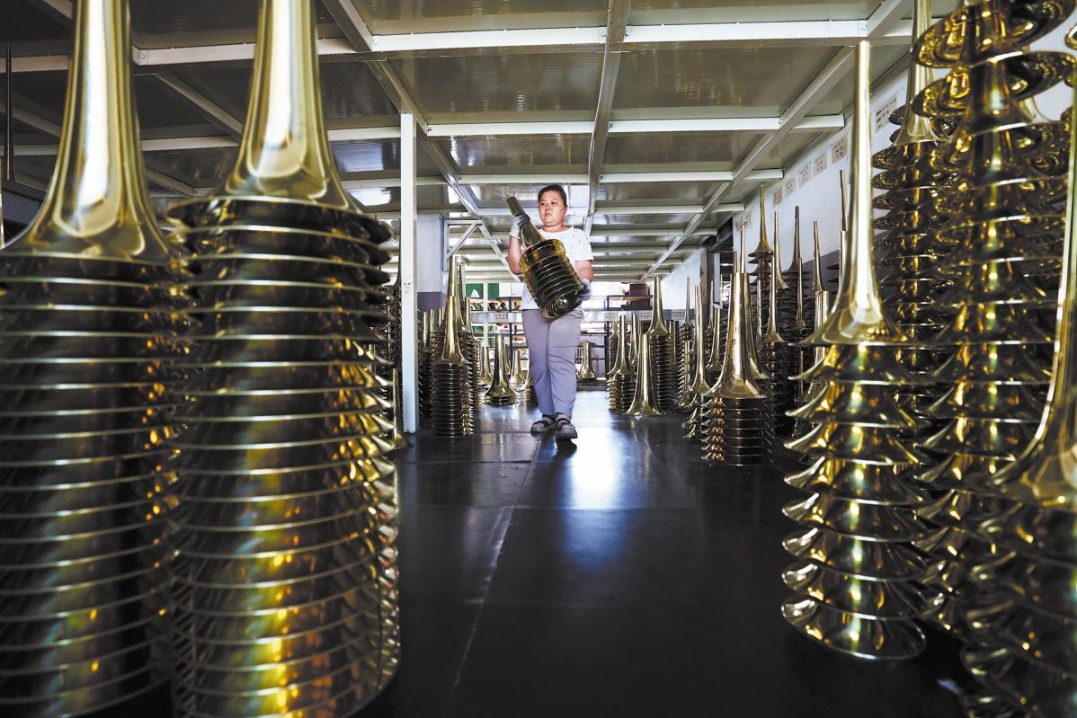
    Nestled within Tianjin’s Jinghai district, the modest town of Caigongzhuang has quietly emerged as the world’s predominant manufacturing hub for brass and woodwind instruments, accounting for over 50% of global production. This unassuming Chinese community serves as the unseen craftsmanship behind saxophones, trumpets, flutes, piccolos, and clarinets played by musicians across continents.

    The industry thrives through a unique blend of family-operated workshops and expansive manufacturing facilities that have perfected their craft over decades. Tianjin Shengyue Music Instrument, one of the established enterprises in the region, exemplifies this successful model. Manager Liu Xuehong, a veteran with extensive experience in the field, reports a significant shift toward premium international orders. “We’ve been receiving sophisticated custom requests from Germany, Spain, Singapore, and numerous other countries,” Liu revealed.

    This evolution toward high-value craftsmanship is demonstrated through collaborations with internationally recognized musicians. The town recently fabricated a custom saxophone for Jay Metcalf, the distinguished saxophonist and founder of the BetterSax educational platform, signaling Caigongzhuang’s growing reputation for excellence rather than merely quantity.

    The town’s industrial dominance remains relatively unknown to end consumers, creating an intriguing paradox where artists worldwide perform with instruments originating from this specialized Chinese manufacturing center without awareness of their provenance. This disconnect highlights both the globalization of specialized manufacturing and the silent efficiency of Caigongzhuang’s production ecosystem.

  • Why Southeast Asia’s online scam industry is so hard to shut down

    Why Southeast Asia’s online scam industry is so hard to shut down

    In an unprecedented move against transnational cybercrime, Cambodian authorities have extradited powerful tycoon Chen Zhi to China, marking a rare victory against a sophisticated criminal network accused of orchestrating massive online scams that have defrauded victims worldwide of tens of billions of dollars.

    The arrest represents merely the tip of a criminal iceberg that spans Southeast Asia, where an estimated 220,000 people across Myanmar and Cambodia alone are trapped in forced labor conditions according to UN estimates. These victims, recruited from at least 56 countries through deceptive job offers, find themselves confined to sprawling compounds where they work 12-16 hour days under threat of violence.

    These scam centers evolved from casino operations that previously catered to Chinese high-rollers. When COVID-19 travel restrictions devastated their revenue streams, criminal syndicates pivoted to digital fraud operations, utilizing existing infrastructure and trafficked labor to target victims globally. The compounds range from massive rural complexes like Myanmar’s notorious KK Park to discreet urban offices, often operating with protection from local elites.

    The global impact is staggering: Americans lost approximately $10 billion to Southeast Asian-linked scams in 2024 alone, while victims worldwide have been targeted through increasingly sophisticated methods. Scammers now employ AI-powered translation tools to overcome language barriers and create convincing fraudulent schemes ranging from cryptocurrency investments to fake romantic relationships.

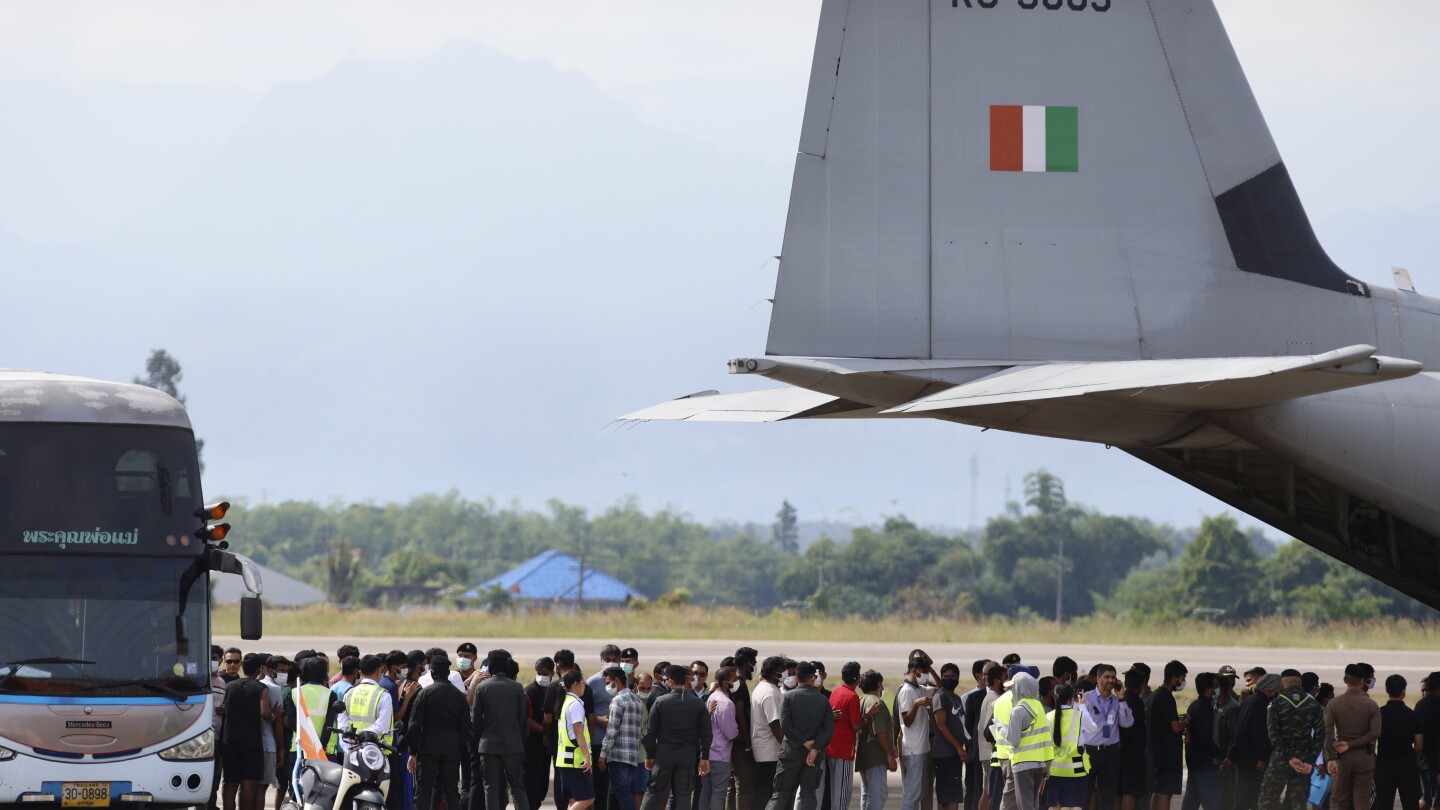
    Despite high-profile raids and rescues—such as the 1,500 workers who fled to Thailand during a Myanmar military operation—the industry demonstrates remarkable resilience. New centers continually emerge across the region and beyond, with operations reported as far as Africa and Latin America. Experts emphasize that without targeting the criminal masterminds behind these operations, rather than just rescuing victims, the scourge will continue to proliferate globally.

  • A familiar refrain as China and Japan, uneasy neighbors in East Asia, begin 2026 at odds again

    A familiar refrain as China and Japan, uneasy neighbors in East Asia, begin 2026 at odds again

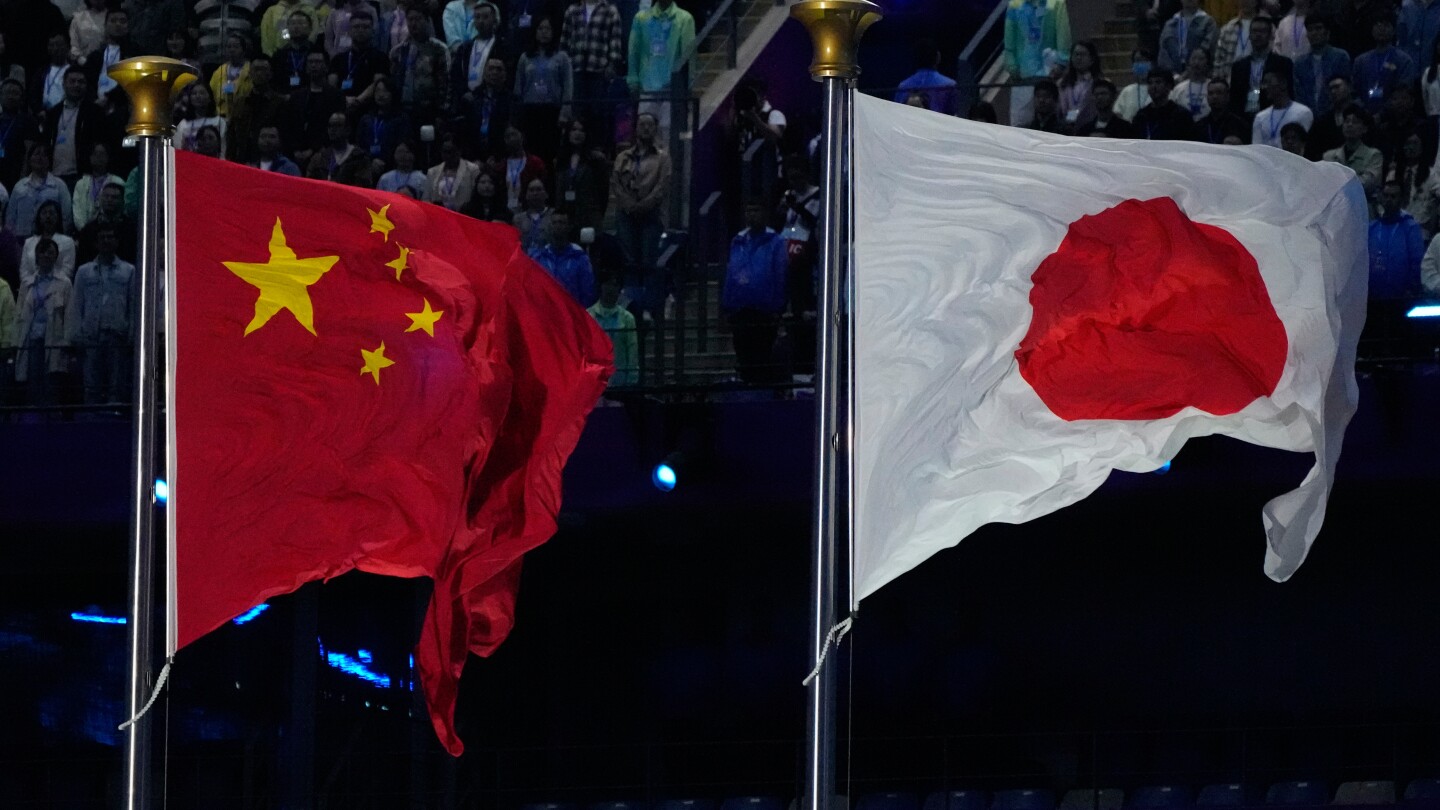
    BEIJING — Diplomatic relations between China and Japan have entered a new phase of confrontation as 2026 begins, reigniting historical grievances and contemporary geopolitical tensions. The current escalation stems from November remarks by Japanese Prime Minister Sanae Takaichi suggesting Japan might intervene militarily if China moves against Taiwan—comments Beijing characterized as a direct threat to its sovereignty.

    China’s Foreign Ministry spokesperson Mao Ning condemned Takaichi’s statements as “erroneous remarks” that “infringe upon China’s sovereignty and territorial integrity” during a Wednesday briefing. This diplomatic offensive follows recent Chinese military exercises around Taiwan and represents the latest chapter in a complex relationship marked by alternating cooperation and confrontation.

    The current tensions are deeply rooted in historical context. Japan’s colonization of Taiwan in 1895 and its brutal occupation of parts of China in the 1930s-40s created enduring resentment that continues to shape bilateral relations. Contemporary flashpoints include disputes over the Diaoyu/Senkaku Islands and Japanese officials’ visits to the Yasukuni Shrine, which honors war criminals from Japan’s imperial past.

    This week, China implemented multiple measures against Japan, including restrictions on “dual-use exports” that could be adapted for military purposes. While not specifying banned items, the move potentially affects everything from drone technology to rare earth minerals. Japan’s Foreign Ministry condemned the restrictions as “deviating significantly from international practice” and “absolutely unacceptable.”

    Additionally, China launched an investigation into alleged dumping of Japanese dichlorosilane—a chemical used in chip manufacturing—after prices dropped 31% between 2022-2024. In a more provocative move, a Chinese arms control association released a report titled “Nuclear Ambitions of Japan’s Right-Wing Forces: A Serious Threat to World Peace,” accusing Japan of failing to confront its militaristic past.

    Simultaneously, China conspicuously strengthened ties with South Korea, hosting President Lee Jae Myung for a four-day visit that produced 24 export contracts worth $44 million and agreements on trade, technology, and environmental cooperation. Chinese media highlighted South Korea surpassing Japan as the top destination for Chinese outbound flights, alongside government warnings about “significant risks” to Chinese citizens in Japan.

    Regional analysts suggest the current tensions may prove more persistent than previous diplomatic spats. Sebastian Maslow, an East Asia specialist at the University of Tokyo, noted that “with diplomatic channels in short supply and domestic political agendas paramount, an off-ramp for the current dispute is not in sight.” The situation is further complicated by the United States’ planned arms sales to Taiwan, adding another layer of complexity to already fraught regional dynamics.