标签: Asia

亚洲

  • ‘Board of Peace’ debut sparks fears for Gaza’s future

    ‘Board of Peace’ debut sparks fears for Gaza’s future

    The inaugural session of the Trump-proposed Board of Peace for Gaza convened Thursday at the newly renamed Donald J Trump Institute for Peace in Washington DC, generating immediate controversy across multiple fronts. President Trump, designated as the board’s lifetime chairman, presided over a meeting that outlined a $7 billion commitment from nine nations toward Gaza relief efforts and revealed plans for a controversial $10 billion allocation of U.S. taxpayer funds for the board’s broader operations.

    Bulgarian diplomat Nickolay Mladenov, appointed to oversee Gaza’s demilitarization, reported that police recruitment with 2,000 Palestinian enlistments was already underway, emphasizing that reconstruction would not commence until Hamas was fully disarmed. The proceedings were immediately met with fierce criticism from lawmakers and social media users who questioned the legality of allocating federal funds without Congressional approval.

    The meeting featured several controversial moments, including Jared Kushner’s assertion that no participants would “personally” profit from Gaza’s reconstruction—a statement many observers found deliberately misleading given Kushner’s unofficial role as a government volunteer. Billionaire Apollo Global Management CEO Marc Rowan raised additional concerns by quantifying Gaza’s coastline as “$50 billion of value alone” that needed “unlocking and financing.”

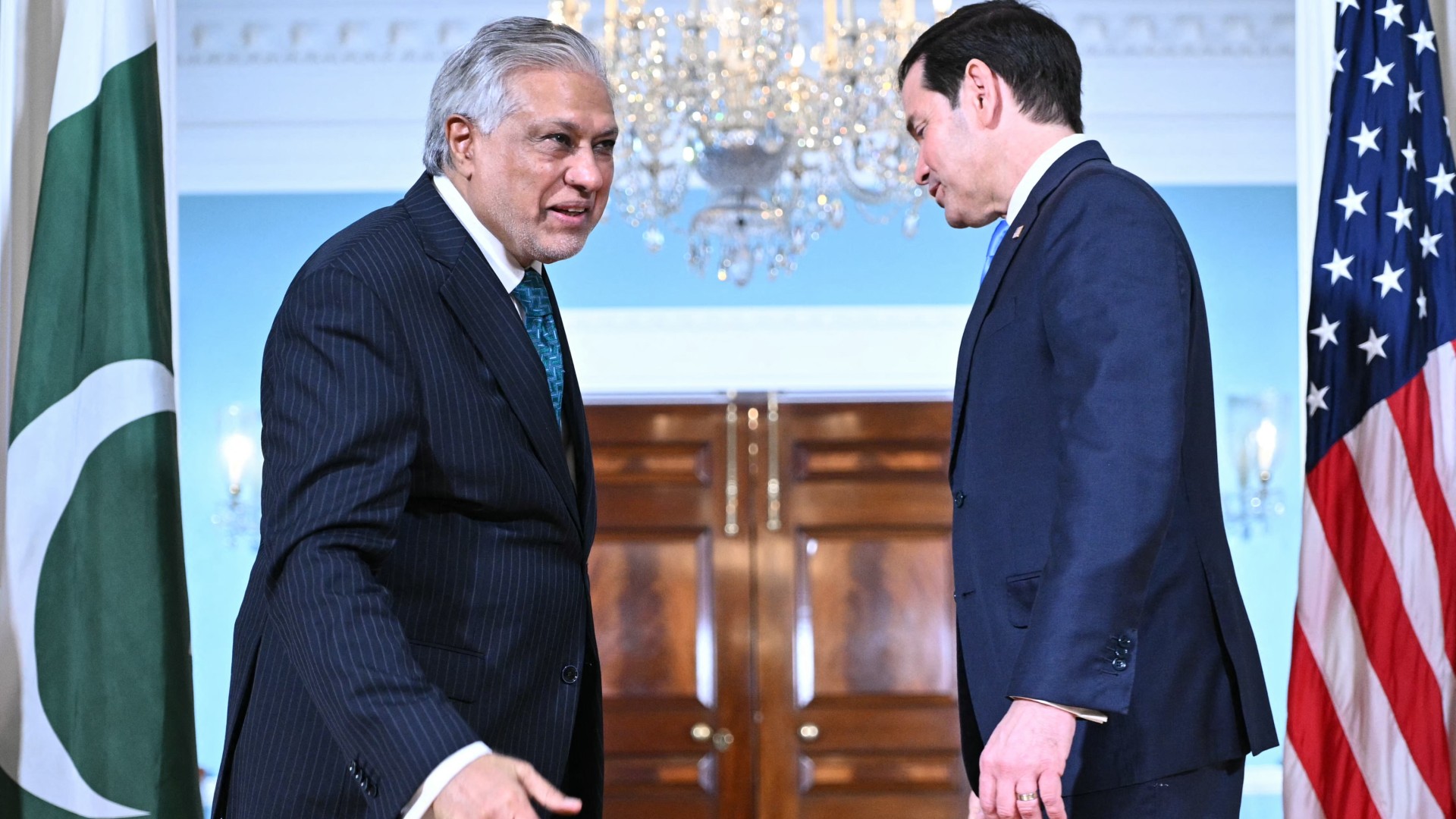
    International reactions drew particular scrutiny, with Pakistan’s Prime Minister Shehbaz Sharif labeling Trump the “saviour of South Asia” and Kazakhstan’s president presenting an award to Trump—gestures critics described as “beyond parody” and emblematic of a servile diplomatic culture. The absence of any mention of “Gaza” or “Palestinian” in the board’s charter, combined with the seating of Palestinian representative Ali Shaath without an identified title, further fueled accusations that the initiative disregarded Palestinian interests.

    Palestinian journalist Motasem Dalloul, reporting from Gaza, condemned the proceedings as primarily benefiting Israel while ignoring essential issues like ending the siege, allowing entry of food and medicine, and conducting reconstruction without “blackmail.” The meeting’s peculiarities—including Trump briefly falling asleep during speeches and the YMCA song playing during a group photo—added surreal elements to what many critics characterized as a potentially unlawful appropriation of public funds for private interests.

  • How photography helped the British empire classify India

    How photography helped the British empire classify India

    A groundbreaking exhibition titled ‘Typecasting: Photographing the Peoples of India, 1855-1920’ at Delhi’s DAG art gallery unveils nearly 200 rare photographs that reveal how the British Empire weaponized photography as a tool for social classification during colonial rule. Curated by historian Sudeshna Guha, the comprehensive display spans 65 years of visual anthropology that transformed India’s fluid social realities into fixed, knowable categories for colonial administration.

    The exhibition centers on folios from ‘The People of India,’ the influential eight-volume photographic survey published between 1868-1875, while expanding to include works by pioneering photographers including Samuel Bourne, Lala Deen Dayal, John Burke, and studio Shepherd & Robertson. These practitioners developed a visual language that both documented and actively shaped perceptions of Indian society through their lenses.

    Geographic diversity emerges as a central theme, with images ranging from Lepcha and Bhutia communities in the northeast to Afridis in the northwest, and from Todas in the Nilgiris to Parsi and Gujarati elites in western India. The colonial gaze particularly focused on those occupying society’s lower rungs—dancing girls, agricultural laborers, barbers, and snake charmers—transforming ordinary labor into ethnographic subjects.

    Women feature prominently throughout the collection, as seen in Edward Taurines’ 1890 image of Bombay women carrying cow dung cakes, deliberately repositioned outdoors from their typical domestic settings. Another striking portrait by Felix Morin captures both the ethnographic scrutiny and formal elegance characteristic of early photography.

    The exhibition also includes photographs from regions beyond direct British control, such as Sikkim, Bhutan, and Tibet, alongside images documenting Indian diaspora communities in Singapore and the Malay Peninsula. According to DAG CEO Ashish Anand, ‘This material tells the history of ethnographic photography and its effect on British administration and Indian population in a project which in size and depth has never before been seen in India.’

  • Saudi health authority summons medic for viral video with ‘misleading claims’

    Saudi health authority summons medic for viral video with ‘misleading claims’

    Saudi Arabia’s Ministry of Health has initiated disciplinary proceedings against a medical professional following the viral dissemination of a video containing dangerously misleading information about cholesterol medications. The controversial video, which circulated extensively across social media platforms, contained unsubstantiated claims regarding statin drugs that prompted numerous patients to abruptly discontinue their prescribed treatments without medical consultation.

    The health authority confirmed it has formally summoned the physician responsible for the content to provide an official statement regarding the circulated misinformation. The ministry emphasized that the unauthorized cessation of statin medications exposes patients to significant health risks, particularly those with existing cardiovascular conditions requiring consistent pharmaceutical management.

    In an official statement, the ministry reiterated that all medical decisions must be made exclusively under proper physician supervision rather than based on unverified social media content. The regulatory body further warned that legal measures will be enforced against any individual found to be distributing misleading medical information or violating established healthcare profession ethics.

    This incident represents the latest in Saudi Arabia’s ongoing efforts to combat medical misinformation online, following recent actions against individuals spreading false information about criminal cases and inciting public opinion through digital channels. The ministry’s prompt response demonstrates the government’s commitment to maintaining evidence-based medical practices and protecting public health from potentially dangerous misinformation.

  • Trump administration pursuing nuclear deal with Saudi Arabia, opening path to enrichment: Report

    Trump administration pursuing nuclear deal with Saudi Arabia, opening path to enrichment: Report

    The Trump administration has formally notified Congress of its intent to pursue a civil nuclear agreement with Saudi Arabia that notably omits stringent non-proliferation safeguards traditionally required by the United States, according to a Reuters exclusive. This proposed ‘123 Agreement’ marks a significant departure from established US policy by not explicitly prohibiting the kingdom from enriching uranium or reprocessing spent nuclear fuel.

    Unlike previous nuclear pacts with nations such as the United Arab Emirates (UAE), which made US cooperation conditional on a commitment to forgo enrichment, the preliminary document with Saudi Arabia stipulates only ‘additional safeguards and verification measures’ for the most sensitive areas of cooperation. This language leaves the door open for Riyadh to potentially develop domestic enrichment capabilities—a move analysts consider far more transformative for the region than the concurrent pursuit of advanced F-35 fighter jet sales.

    US law mandates that a 123 Agreement must be in place before significant nuclear exports can be licensed. Furthermore, lawmakers have historically insisted that partners also adopt the ‘Additional Protocol,’ which grants the International Atomic Energy Agency (IAEA) enhanced inspection powers. The UAE, the only other Gulf state with a US nuclear partnership, signed this protocol in 2009. However, the Trump administration’s November notification to congressional committee heads indicated it is not pursuing this protocol with Saudi Arabia.

    The administration’s report positions US industry at the forefront of Saudi Arabia’s civil nuclear development. The finalized agreement could be submitted to Congress as early as February 22nd, triggering a 90-day review period. During this time, both the House of Representatives and the Senate would need to pass resolutions of disapproval to block the pact in its current form.

    This diplomatic approach underscores President Trump’s deal-centric foreign policy, which often prioritizes economic exports over the non-proliferation concerns of the traditional foreign policy establishment. The concession on enrichment appears to be a key to securing the deal, aligning with Saudi Crown Prince Mohammed bin Salman’s ambition to capitalize on the kingdom’s vast uranium reserves. Energy Minister Prince Abdulaziz bin Salman has publicly stated the intent to enrich and sell uranium, framing it as both an economic imperative and a matter of national pride.

    The nuclear negotiations are part of a broader suite of potential deals with Riyadh. Concurrent discussions on F-35s have involved assurances to lawmakers regarding the maintenance of Israel’s Qualitative Military Edge (QME), with sources indicating the proposed sale involves a lower-grade variant of the jet. Simultaneously, Saudi Arabia is exploring alternative defense partnerships, including a fighter jet co-production deal with Turkey and potential investment in a UK-Italy-Japan next-generation fighter program.

  • Seven Chinese tourists, driver dead after bus sinks into Russia’s Lake Baikal

    Seven Chinese tourists, driver dead after bus sinks into Russia’s Lake Baikal

    A devastating incident on the frozen expanse of Russia’s Lake Baikal has resulted in the feared deaths of seven Chinese tourists and their local bus driver. The catastrophe occurred when the ice beneath their vehicle fractured, causing the bus to plunge into the frigid waters of the world’s deepest lake.

    According to a statement released by Igor Kobzev, the regional governor, via his Telegram channel on Friday, the accident prompted an immediate emergency response. Miraculously, one tourist managed to escape the submerged bus. Search and rescue operations are actively continuing for the remaining victims in the harsh Siberian conditions.

    The Irkutsk regional prosecutor’s office has initiated a criminal investigation to determine the precise circumstances that led to the breach of the ice road, a route commonly traversed by tourist vehicles during the winter months. Located north of Mongolia, Lake Baikal is a UNESCO World Heritage site and an immensely popular destination, particularly for adventure seekers.

    This tragedy casts a somber shadow over the rapidly growing tourism ties between China and Russia. Tourist traffic from China to Russia has seen a significant surge in recent years, a trend bolstered by deepening political alignment and a “no limits” strategic partnership formalized last year. This cooperation was further streamlined by the introduction of a mutual visa-free travel regime, facilitating easier movement between the two nations.

  • Israeli settlers kill another teenaged US citizen in occupied West Bank

    Israeli settlers kill another teenaged US citizen in occupied West Bank

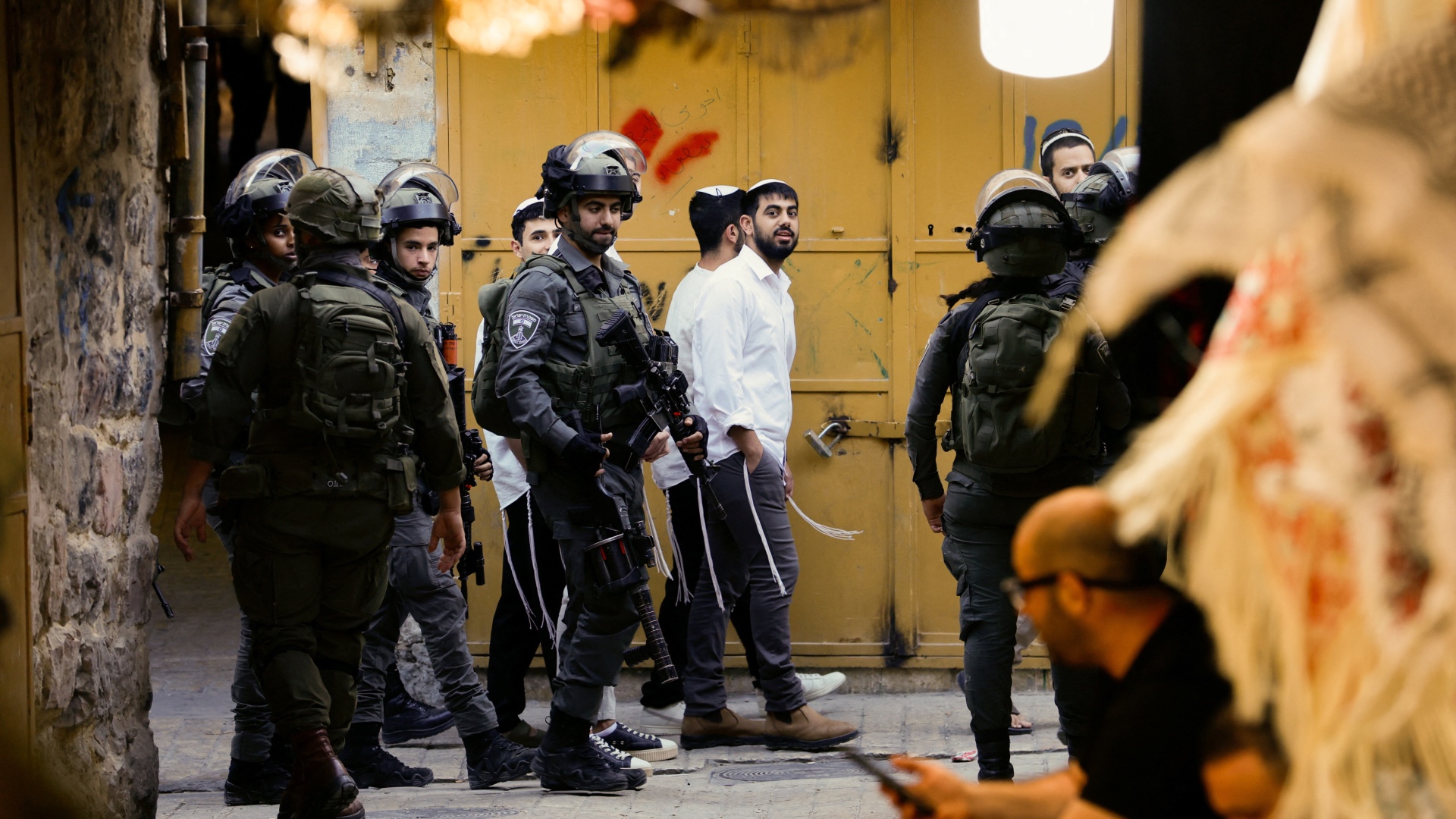
    A 19-year-old Palestinian-American citizen, Nasrallah Abu Siyam, was fatally shot by Israeli settlers during an attack on the village of Mukhmas, located east of Ramallah in the occupied West Bank. The incident occurred on Wednesday when Abu Siyam and fellow villagers intervened to protect a local farmer under assault by a group of settlers, according to an eyewitness account provided to the Associated Press.

    Raed Abu Ali, a resident of Mukhmas, reported that Israeli military forces arrived at the scene and deployed tear gas, sound grenades, and live ammunition to disperse the crowd. Social media footage circulating online appears to capture the moment Abu Siyam was shot and his body being removed from the area.

    Middle East Eye contacted the US State Department for comment but had not received a response by publication time. This killing marks the latest in a series of violent incidents targeting Palestinian communities in the West Bank, which have intensified significantly since the October 2023 Hamas-led attacks on southern Israel and Israel’s subsequent military operations in Gaza.

    Abu Siyam becomes at least the sixth US citizen killed by Israeli settlers or security forces in 2024 alone, joining Tawfic Abdel Jabbar, Mohammad Khdour, Ayşenur Ezgi, Amer Rabee, and Sayfollah Musallet. Accountability for these deaths remains largely absent despite growing international concern.

    The United Nations human rights agency released a report on Thursday suggesting that the systematic attacks by Israeli settlers and soldiers in the West Bank may constitute ethnic cleansing. The document cites systematic unlawful use of force by Israeli security forces, widespread arbitrary detention and torture of Palestinians, and extensive unlawful demolition of Palestinian homes as evidence of systematic discrimination and oppression against the Palestinian population.

  • 18 dead in Egypt after minibus carrying fish-farm workers collides with truck

    18 dead in Egypt after minibus carrying fish-farm workers collides with truck

    A devastating traffic collision in Egypt’s Dakahlia governorate has resulted in 18 fatalities after a minibus transporting fish-farm workers collided with a heavy truck on Thursday. The accident occurred along the June 30 Axis, a major northern transportation corridor, as workers were traveling from their homes near Port Said to their workplace.

    Local media outlet Al-Shorouk reported that preliminary investigations point to excessive speed combined with poor weather conditions that severely reduced visibility as primary factors behind the tragedy. While authorities have yet to release an official death toll, multiple sources have confirmed the casualty count.

    Egyptian Prime Minister Mostafa Madbouly has extended formal condolences to the families of victims and directed that financial compensation be provided to affected families. Dakahlia Governor Tarek Marzouk publicly mourned the deceased, referring to them as ‘martyrs’ in an official statement released through his office’s Facebook platform.

    This incident highlights Egypt’s ongoing struggle with road safety, where traffic accidents remain alarmingly frequent due to poorly maintained infrastructure and widespread violation of traffic regulations. Government statistics from 2024 recorded over 5,200 road fatalities nationwide, underscoring the severity of the problem.

    The Interior Ministry’s recent report of 111,583 traffic violations occurring within a single 24-hour period further illustrates the scale of traffic law non-compliance throughout the country. This tragic event represents one of the deadliest road accidents in Egypt thus far in 2026, raising renewed concerns about transportation safety measures and enforcement mechanisms.

  • Explained: Why a UN report found RSF committed genocide in Sudan’s el-Fasher

    Explained: Why a UN report found RSF committed genocide in Sudan’s el-Fasher

    A comprehensive United Nations investigation has concluded that Sudan’s paramilitary Rapid Support Forces (RSF) committed systematic atrocities during their capture of el-Fasher in October that demonstrate clear indicators of genocide. The report documents a pattern of large-scale crimes targeting specific ethnic groups in North Darfur’s capital.

    The UN mission established that the RSF’s offensive displayed three fundamental elements of genocide under international law: mass killings of protected groups, intentional infliction of severe physical and psychological harm, and deliberate creation of conditions calculated to bring about physical destruction. The investigation specifically identified the Fur, Masalit and Zaghawa communities as primary targets, noting these groups received protected status under the Rome Statute during previous ICC proceedings against former president Omar al-Bashir.

    Evidence reveals the RSF implemented a coordinated strategy of extermination through multiple mechanisms. The paramilitary forces besieged el-Fasher for eighteen months, systematically cutting off food, water, medical supplies and humanitarian assistance while conducting relentless attacks on civilian infrastructure. Drones and heavy weapons targeted communal kitchens, medical facilities and places of worship, including a dawn prayer attack on Al-Safiya Mosque that killed approximately 70 civilians, including 11 children.

    The report details how RSF fighters employed explicit genocidal language, with survivors recounting statements such as “We want to eliminate anything black from Darfur” and “We will carry out extermination against you, an extermination like what we did to Masalit.” The forces constructed earthen berms and trenches to trap civilians without adequate sustenance, leading to widespread starvation where residents resorted to eating animal fodder and tree leaves.

    During the actual capture of the city between October 24-26, the RSF engaged in indiscriminate killings, including executions at checkpoints where men were separated from women and children. Fighters recorded themselves executing civilians while chanting racist slogans and using ethnic slurs. The notorious commander known as Abu Lulu personally conducted executions, with video evidence showing him shooting a pregnant woman seven times in the abdomen after inquiring about her pregnancy term.

    The investigation further documented systematic sexual violence targeting women and girls aged 7-70 from non-Arab communities, particularly the Zaghawa. Victims reported gang-rapes, sexual slavery, and brutal physical assaults, often conducted in front of family members. The mission confirmed cases of women being abducted and subjected to repeated rape over multiple days, with many remaining missing.

    The UN has called for immediate international intervention to halt the violence and bring perpetrators to justice, emphasizing that the documented crimes represent some of the most severe violations of international law witnessed in recent conflicts.

  • Israel army says on ‘defensive alert’ regarding Iran but no change to public guidelines

    Israel army says on ‘defensive alert’ regarding Iran but no change to public guidelines

    The Israeli Defense Forces have elevated their defensive readiness while carefully monitoring escalating tensions between the United States and Iran, according to a Friday statement from military officials. Army spokesperson Brigadier General Effie Defrin confirmed in a video address that while the military remains on heightened alert, there has been no modification to public safety guidelines despite the volatile regional situation.

    “We are maintaining vigilant surveillance of regional developments and remain acutely aware of the ongoing public discourse regarding Iran,” stated Defrin. “The Israeli military is currently operating under defensive alert status, with our operational capabilities fully prepared to respond to any shifts in the security landscape.”

    The spokesperson employed vivid military terminology to illustrate the current state of readiness, noting that “our visual monitoring extends across all sectors, and our operational readiness has been intensified more than ever before to address any alterations in the tactical environment.” This declaration comes amid increasing rhetorical exchanges between American and Iranian officials, creating a tense atmosphere throughout the Middle East.

    Despite the heightened military alertness, Israeli authorities have deliberately avoided implementing changes to civilian protocols, indicating a calibrated approach that balances security preparedness with public normalcy. The military’s statement appears designed to reassure both domestic and international observers that while defensive measures are being prioritized, there is no immediate cause for public alarm.

  • Iran’s nuclear deal proposal could be ready in days, FM Araghchi says

    Iran’s nuclear deal proposal could be ready in days, FM Araghchi says

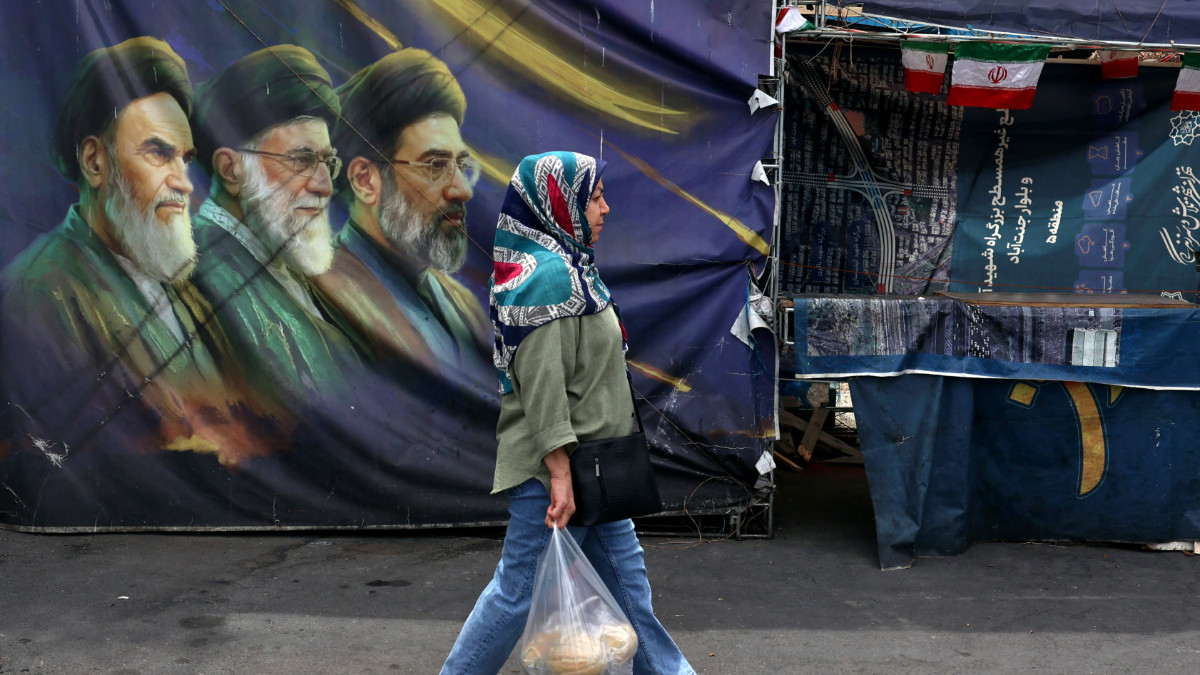
    Iranian Foreign Minister Abbas Araghchi announced on Friday that Tehran expects to finalize a draft nuclear counterproposal within days, signaling potential diplomatic progress despite escalating military tensions in the Middle East. The development comes as the United States maintains a substantial military presence in the region, with President Donald Trump having issued a 10-15 day ultimatum for Iran to reach an agreement or face severe consequences.

    In a televised interview with MS NOW, Araghchi clarified critical aspects of the ongoing negotiations, stating unequivocally that Iran had not offered to suspend uranium enrichment and that American officials had not demanded complete cessation of enrichment activities. Instead, discussions have focused on establishing verifiable safeguards to ensure the exclusively peaceful nature of Iran’s nuclear program in perpetuity.

    The Iranian diplomat outlined plans for implementing both technical and political confidence-building measures that would provide international assurance of peaceful intentions. These measures would be exchanged for specific actions regarding sanctions relief, though Araghchi declined to provide detailed specifications regarding either the safeguards or the sanctions negotiations.

    While not specifying exact timing, Araghchi indicated that additional US-Iran talks could resume within approximately one week following internal review of Iran’s forthcoming proposal by senior officials in Tehran. He expressed optimism that a diplomatic resolution remained achievable within a compressed timeframe, despite the looming American deadline.

    The White House declined to immediately comment on Araghchi’s statements. However, an unnamed Trump administration official later contradicted portions of the foreign minister’s account, asserting that US negotiators had indeed maintained the position of no uranium enrichment. According to this source, American officials communicated to their Iranian counterparts that any counterproposal must demonstrate concrete safeguards ensuring the purely energy-oriented nature of Iran’s nuclear activities, with a detailed proposal expected within one week.

    Araghchi separately addressed the US military buildup in the region, warning that military options would significantly complicate diplomatic efforts to reach a comprehensive agreement. The situation remains tense as both diplomatic and military timelines converge in what represents one of the most critical periods in recent US-Iran relations.