标签: Asia

亚洲

  • Canadian business leader’s take: See China, know China

    Canadian business leader’s take: See China, know China

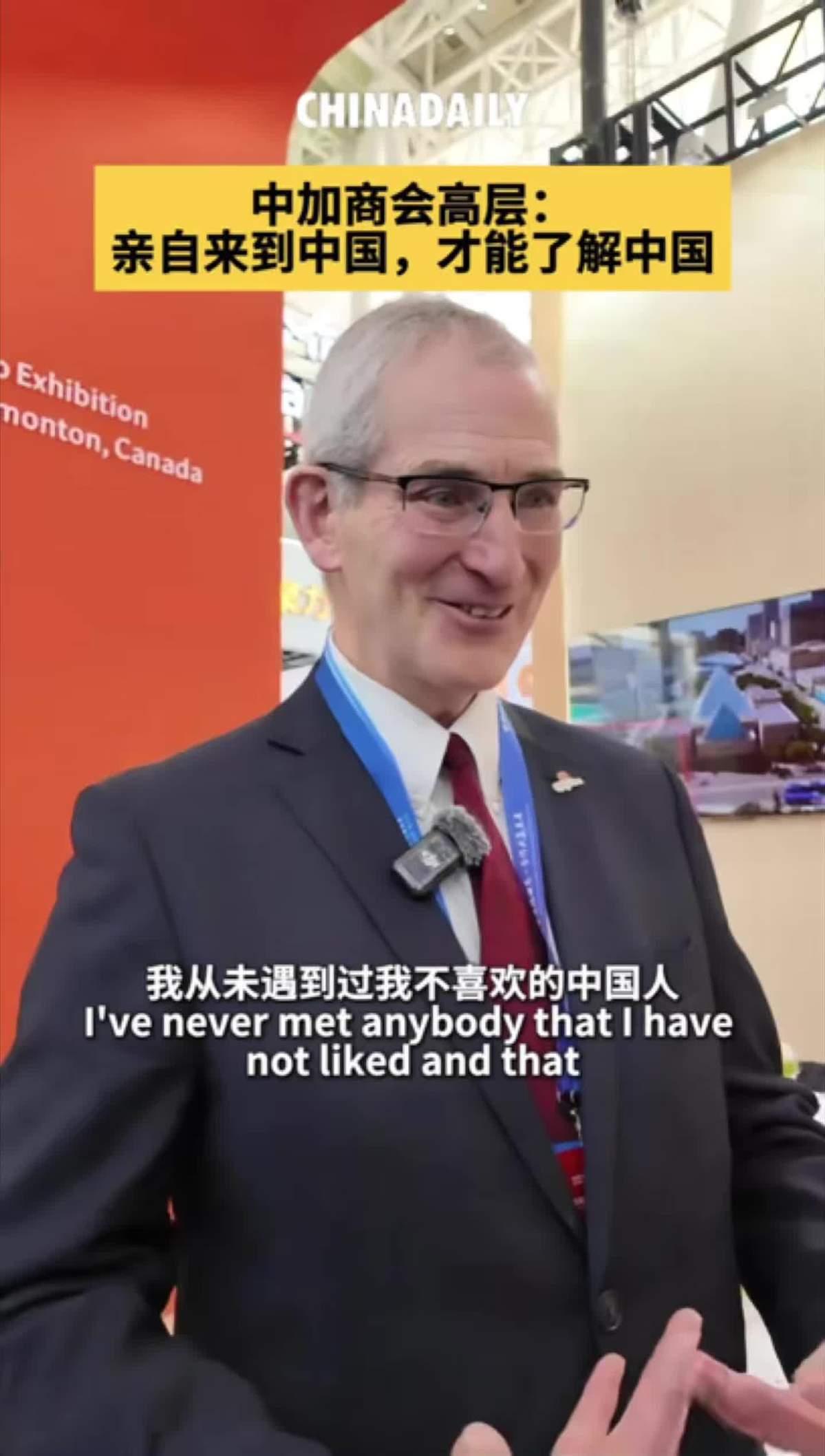
    Ron Horton, Vice President of the Canada-China Business Association, has become a prominent advocate for strengthened Sino-Canadian relations, crediting his firsthand experiences with transforming his understanding of the nation. Contrary to common perceptions formed from a distance, Horton emphasizes that true comprehension of China only emerges from direct engagement within the country.

    An avid daily reader of China Daily, Horton has developed a profound appreciation for Chinese society, which he describes as composed of intelligent, hard-working, and exceptionally friendly people. His professional advocacy extends beyond mere observation to active bridge-building between the two nations.

    Currently, Horton is channeling his efforts into reinforcing the sister city partnership between Edmonton, Canada and Harbin, China. This initiative represents a practical application of his belief that people-to-people connections and municipal-level cooperation form the foundation of stronger international business relationships. His work exemplifies a growing trend among business leaders who recognize that geopolitical complexities require grassroots engagement and cultural understanding to foster successful economic partnerships.

  • Edmonton mayor’s China debut: A 40-year sister-city bond

    Edmonton mayor’s China debut: A 40-year sister-city bond

    In a significant diplomatic engagement marking four decades of international friendship, Edmonton Mayor Andrew Knack completed his inaugural visit to Harbin, China, characterizing the experience as “one of the most spectacular” of his life. The milestone journey celebrated the 40th anniversary of the sister-city relationship between the Canadian metropolis and its Chinese counterpart in Heilongjiang province.

    Despite confronting harsh subzero temperatures reaching minus 20 degrees Celsius, Mayor Knack expressed profound admiration for Harbin’s renowned Ice and Snow Festival, a world-class winter celebration that transforms the city into an elaborate frozen masterpiece. The timing of his visit coincided with the festival’s peak season, providing a perfect backdrop for cross-cultural exchange.

    The two municipalities, though geographically separated by vast distances, share remarkable climatic similarities that have fostered a unique bond. Both cities experience extreme winter conditions, creating common ground for collaboration in cold-climate technologies, winter tourism, and climate adaptation strategies.

    Looking toward future cooperation, both cities have committed to expanding their partnership beyond cultural exchanges into substantive economic and tourism initiatives. The renewed agreement paves the way for enhanced business connections, educational exchanges, and joint development projects that leverage each city’s unique strengths and resources.

    This diplomatic mission represents a strengthening of international municipal relationships at a time when city-to-city diplomacy continues to grow in importance within global governance frameworks. The enduring partnership between Edmonton and Harbin demonstrates how local governments can foster international understanding and cooperation despite differing national contexts.

  • Extended visa-free transit program fuels surge in China’s inbound visitors

    Extended visa-free transit program fuels surge in China’s inbound visitors

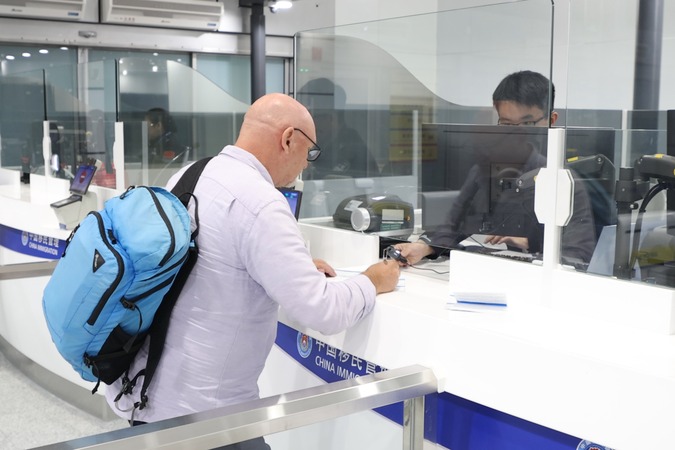
    China’s innovative visa facilitation measures have yielded remarkable results, with inbound arrivals soaring to 40.6 million travelers during the first year of its expanded 240-hour visa-free transit program. The policy revision implemented in December 2024 has triggered a substantial 27.2 percent year-on-year increase in international visitors, according to official data released by Ministry of Public Security spokesperson Zhang Ming on Thursday.

    The comprehensive transit program, now accessible to citizens from 55 eligible countries, has demonstrated exceptional effectiveness in boosting China’s tourism sector and international connectivity. Zhang Ming highlighted that utilization of the visa-free scheme has skyrocketed by 60.8 percent compared to pre-policy implementation levels, indicating strong global response to China’s border facilitation initiatives.

    This strategic immigration policy overhaul represents China’s commitment to fostering global mobility while maintaining robust border security protocols. The extended transit window allows international travelers ample opportunity to explore multiple Chinese destinations during their stopovers, effectively positioning China as a premier transit hub within global travel networks.

    The program’s success coincides with China’s broader efforts to enhance international relations and cultural exchanges through streamlined travel procedures. By reducing bureaucratic barriers, China has not only stimulated its tourism economy but also strengthened its position as an increasingly accessible destination for global citizens seeking business opportunities, cultural experiences, and academic exchanges.

    Law enforcement authorities have concurrently implemented advanced biometric screening technologies and real-time monitoring systems to ensure national security remains uncompromised throughout this period of enhanced border accessibility. The Ministry of Public Security continues to refine these procedures based on ongoing evaluation of passenger flow patterns and security assessments.

  • ‘Calm yet powerful’: Harbin leaves lasting impression on Belgian guest

    ‘Calm yet powerful’: Harbin leaves lasting impression on Belgian guest

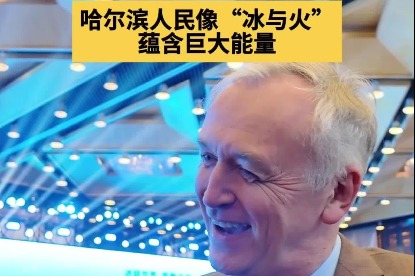
    Harbin has made a profound impression on Belgian diplomatic officials, with Didier Denayer, Economic and Commercial Counsellor at the Belgian Embassy in China, characterizing the Chinese city as possessing a unique duality of being “calm yet powerful.” This endorsement comes as Belgium prepares to significantly expand its participation in the upcoming Harbin Beer Festival following its role as guest country at last year’s event.

    The Belgian diplomat’s perspective offers international recognition of Harbin’s distinctive urban character, which combines historical tranquility with emerging economic influence. The city’s ability to blend traditional charm with modern development appears to have created a lasting impact on European representatives experiencing Northeastern China’s cultural and commercial landscape.

    Belgium’s decision to enhance its involvement in the 2026 Harbin Beer Festival signals growing bilateral cultural and economic exchanges between China and European nations. The expanded presence will likely feature increased Belgian beer varieties, cultural exhibitions, and business networking opportunities, building upon the foundation established during their previous participation.

    This development occurs within the broader context of strengthening China-Europe relations, with cultural diplomacy serving as a bridge for deeper economic cooperation. The beer festival, beyond its recreational aspects, functions as an important platform for international business dialogue and cultural understanding between Chinese and European entities.

  • Chinese vice-premier stresses importance of wheat field management

    Chinese vice-premier stresses importance of wheat field management

    During a comprehensive inspection tour of Central China’s Henan province from Tuesday to Wednesday, Chinese Vice-Premier Liu Guozhong underscored the critical importance of enhanced wheat field management to safeguard agricultural product stability. The high-ranking official, who also serves on the Political Bureau of the Communist Party of China Central Committee, conducted field visits to Anyang and Neihuang counties to evaluate winter wheat conditions firsthand.

    Vice-Premier Liu personally assessed crop fields and agricultural service centers, examining winter wheat seedling development, cold and drought prevention measures, and agricultural supply availability. While acknowledging that the national winter wheat sowing area has maintained stability, Liu identified concerning weaknesses in seedling conditions across certain regions, urging immediate and continuous monitoring of crop health and soil moisture levels.

    The agricultural inspection extended to vegetable cultivation bases and wholesale markets, where Liu investigated the supply chain stability of essential ‘vegetable basket’ products. With the approaching Spring Festival creating peak seasonal demand, the Vice-Premier emphasized the necessity of enhanced price surveillance and information transparency for vegetables, fruits, meat, eggs, dairy products, and aquatic supplies.

    This agricultural mobilization forms part of broader strategic preparations to ensure food security foundations align with the impending launch of China’s 15th Five-Year Plan (2026-2030), representing a crucial initiative to stabilize domestic food supplies during a period of significant economic planning.

  • WhatsApp panic vs reality: Will health insurance really jump 25% for UAE residents in 2026?

    WhatsApp panic vs reality: Will health insurance really jump 25% for UAE residents in 2026?

    Amid circulating WhatsApp messages forecasting substantial health insurance premium increases of 18-25% for UAE residents starting January 2026, industry authorities have moved to clarify the situation, characterizing the alarm as largely unfounded. According to insurance specialists, the notion of a blanket price surge is misleading, with actual adjustments expected to reflect individual circumstances rather than arbitrary calendar-year hikes.

    Toshita Chauhan, Chief Business Officer for General Insurance at Policybazaar.ae, emphasized the personalized nature of premium calculations, stating: “Health insurance pricing in the UAE is individualized and depends on factors such as age, claims history, benefits chosen, and renewal timing. For most residents, premiums are expected to remain stable for now.”

    While acknowledging the reality of medical inflation, Anas Mistareehi, CEO of eSanad, placed current healthcare cost increases at approximately 4-8% annually—significantly below the panic-inducing figures circulating through digital channels. He noted that competitive market dynamics are helping moderate price adjustments, with some insurers actually enhancing policy terms to maintain customer loyalty.

    The UAE’s basic health insurance scheme remains unaffected by any increases, maintaining its fixed annual rate of Dh320 as confirmed by regulatory authorities. However, families and senior citizens may experience more noticeable adjustments due to higher healthcare utilization patterns, with potential annual increases ranging from Dh1,200-2,500 for typical families and Dh1,600-4,000+ for elderly residents.

    Industry experts caution that panic-driven decisions—such as downgrading coverage or delaying renewals—could prove more financially damaging than moderate premium adjustments. Such actions may result in reduced hospital access, compromised emergency coverage, or inadequate chronic care protection.

    For those renewing policies in early 2026, specialists recommend initiating the process well before year-end 2025 to secure optimal terms and avoid last-minute constraints. Beyond premium amounts, consumers should vigilantly monitor changes to co-payment requirements, outpatient limits, pharmacy caps, and hospital network compositions that may effectively increase out-of-pocket expenses.

    The consensus among insurance professionals underscores the critical importance of selecting coverage based on comprehensive benefits rather than price alone, as inadequate protection can ultimately generate substantially higher personal healthcare costs when medical attention becomes necessary.

  • Lee’s visit deepens Sino-ROK relations

    Lee’s visit deepens Sino-ROK relations

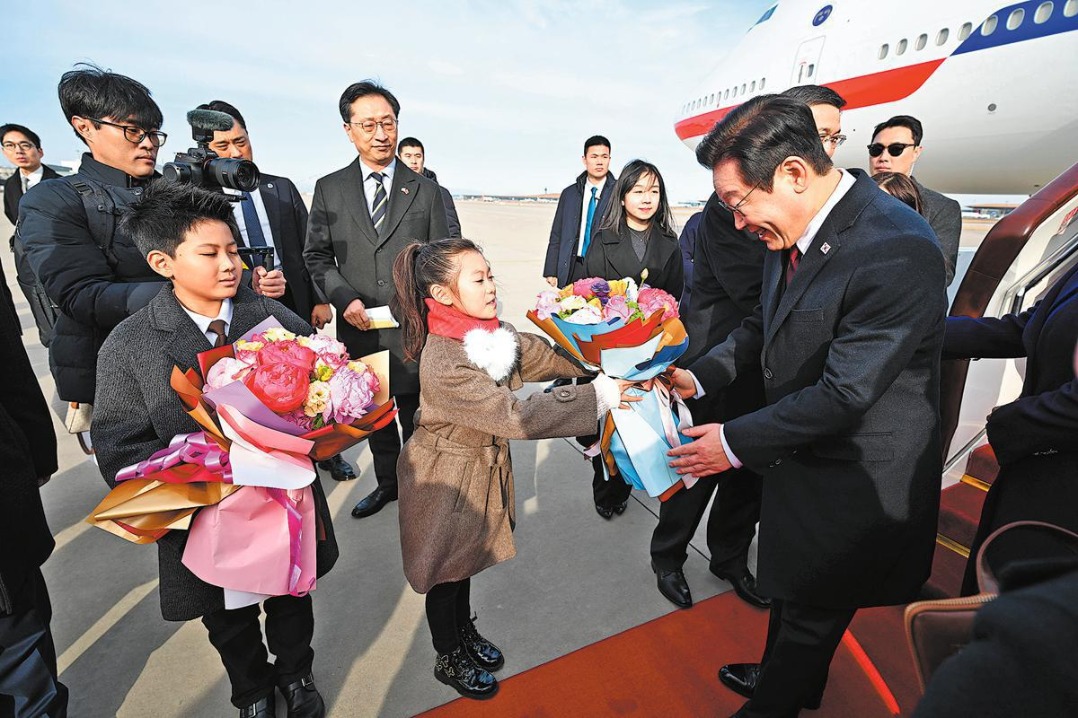
    In a significant diplomatic breakthrough, South Korean President Lee Jae-myung concluded a transformative four-day state visit to China on Wednesday, marking the first such presidential visit since 2019 and signaling a major shift toward stabilized Sino-ROK relations. The visit, which included high-level meetings with Chinese President Xi Jinping in Beijing and historical commemorations in Shanghai, produced substantial economic agreements and demonstrated both nations’ commitment to pragmatic diplomacy.

    The journey yielded unprecedented outcomes, with leaders witnessing the signing of 15 bilateral cooperation documents and numerous additional corporate agreements across technology, manufacturing, and automotive sectors. President Lee’s delegation included approximately 200 business executives from South Korea’s corporate giants including Samsung, SK Group, Hyundai, and LG, underscoring the economic dimension of the renewed partnership.

    A particularly noteworthy development emerged from the mobility sector, where South Korea’s SWM reached a preliminary agreement with Chinese technology conglomerate Lenovo to collaboratively develop computing platforms for Level 4 autonomous vehicle commercialization. This high-tech collaboration represents a milestone in bilateral technological cooperation.

    The visit’s impact extended beyond diplomacy to financial markets, with the Korea Composite Stock Price Index reaching historic highs during the presidential mission. The benchmark index surged past 4,400 points during the leadership meetings, climbing to 4,500 on Tuesday and briefly exceeding 4,600 the following day, reflecting investor optimism about improved relations.

    President Lee characterized the outcomes as exceeding expectations, noting in Shanghai that both nations had established broad mutual understanding and developed solutions to potentially contentious issues. ‘South Korea-China relations are truly essential for both sides,’ Lee stated. ‘There is no need to unnecessarily provoke, reject or confront each other.’

    The diplomatic thaw was further symbolized through personal diplomacy when President Lee shared a viral selfie with President Xi and their spouses, captured with a Xiaomi smartphone gifted during their November meeting. The image, which Lee described as ‘the shot of a lifetime,’ garnered millions of engagements on social media platforms, with one observer noting that such personal moments advance international relations more effectively than formal communications.

    Experts interpreted the visit as demonstrating President Lee’s commitment to sustainable bilateral relations rather than short-term diplomatic gains. Woo Su-keun, head of the Institute of East Asian Studies of Korea, emphasized that the restoration of stable leader-to-leader communication represents the most significant achievement, creating foundations for regular dialogue and crisis management.

    Kyung Hee University professor Choo Jae-woo noted that Lee’s pragmatic approach toward comprehensive regional relationships could significantly contribute to Northeast Asian stability, mitigate tariff challenges, and enhance supply chain resilience for both economies.

  • Israeli FM’s Somaliland visit draws criticism

    Israeli FM’s Somaliland visit draws criticism

    A recent diplomatic visit by Israeli Foreign Minister Gideon Saar to the self-declared republic of Somaliland has ignited a fierce international dispute, drawing vehement condemnation from Somalia and raising concerns among regional powers. The trip, which occurred on January 6th, 2026, follows Israel’s official recognition of Somaliland’s independence on December 26th, 2025—a move not recognized by the vast majority of the international community, including the African Union and the United Nations.

    Somalia’s Ministry of Foreign Affairs and International Cooperation issued a forceful statement denouncing the visit as an ‘unauthorized incursion’ and a ‘serious violation of Somalia’s sovereignty, territorial integrity, and political unity.’ The Somali government maintains that Hargeisa, Somaliland’s capital, is an inseparable part of its sovereign territory and that any foreign engagement there without explicit federal consent is ‘illegal, null, and void.’

    Regional experts interpret Israel’s overture as a strategic maneuver born of increasing isolation. Abdul Wahed Jalal Nori, a lecturer at the International Islamic University Malaysia, characterized the move as an ‘act of desperation,’ stating, ‘Israel is fueling regional resentment and diplomatic backlash. This move reinforces perceptions that Israel is willing to deepen geopolitical fault lines to secure strategic allies.’

    The controversy has escalated to the highest levels of regional governance. The African Union Peace and Security Council convened an emergency virtual session to address the threat to Somalia’s sovereignty. Furthermore, the Organization of Islamic Cooperation (OIC) has announced an extraordinary meeting of its Council of Foreign Ministers in Jeddah, Saudi Arabia, to formulate a unified response and reaffirm support for Somalia’s territorial integrity.

    Israeli Foreign Minister Saar, in a post on the social media platform X, defended the visit, asserting that the mutual recognition ‘are not directed against anyone’ and that ‘Only Israel will decide whom it recognizes.’ The development underscores the complex and volatile interplay of diplomacy, sovereignty, and regional power dynamics in the Horn of Africa.

  • Chinese firms sweep awards at CES

    Chinese firms sweep awards at CES

    LAS VEGAS – Chinese technology companies have emerged as the standout performers at CES 2026, capturing an unprecedented number of prestigious Innovation Awards at the world’s largest technology exhibition. The Consumer Technology Association revealed that Chinese firms secured multiple Best of Innovation designations among a record-breaking pool of 3,600 submissions across 36 product categories.

    The remarkable achievement underscores China’s transformation from manufacturing hub to innovation powerhouse, with Shenzhen-based companies leading the charge. Yingling Co. received the coveted Best of Innovation award for its advanced 8K 360 drone, while Netvue Technologies earned the same honor for its intelligent smart birdbath. Zettlab, another Shenzhen enterprise, gained recognition for its AI-driven storage solutions.

    According to Chris Pereira, CES Innovation Awards judge and CEO of iMpact, Chinese participation demonstrates a fundamental shift in technological capability. ‘What distinguishes China-based entries today is their end-to-end execution: seamless hardware-software integration, sophisticated industrial design, and accelerated iteration cycles that transform emerging components into market-ready products,’ Pereira noted.

    The data reveals staggering growth in specific sectors: robotics submissions increased by 32% compared to 2025, while AI and drone categories saw 29% and 32% growth respectively. Beyond the top winners, Chinese companies claimed over 100 of the 247 total honoree positions, representing approximately 40% of all awards.

    Notable recognitions included EcoFlow’s DELTA Pro Ultra X Whole-Home Power Solution in sustainability and Anker Innovations’ Prime Charger in computer hardware. Pereira identified three key areas where Chinese companies excel: practical robotics with enhanced perception and navigation systems, advanced energy management solutions with smarter battery ecosystems, and superior user experience design tailored for global consumers.

    The 2026 exhibition also marked a paradigm shift in artificial intelligence integration, with AI transitioning from standalone feature to foundational technology. ‘AI itself is no longer the primary selling point for leading brands – it has become the essential framework upon which products are built,’ Pereira observed.

    This year’s performance continues China’s growing influence at CES, following their 2025 participation as the largest foreign contingent with over 1,300 companies. The consistent excellence demonstrates both the scale and breadth of Chinese technological innovation on the global stage.

  • China defends curbs on dual-use goods exports

    China defends curbs on dual-use goods exports

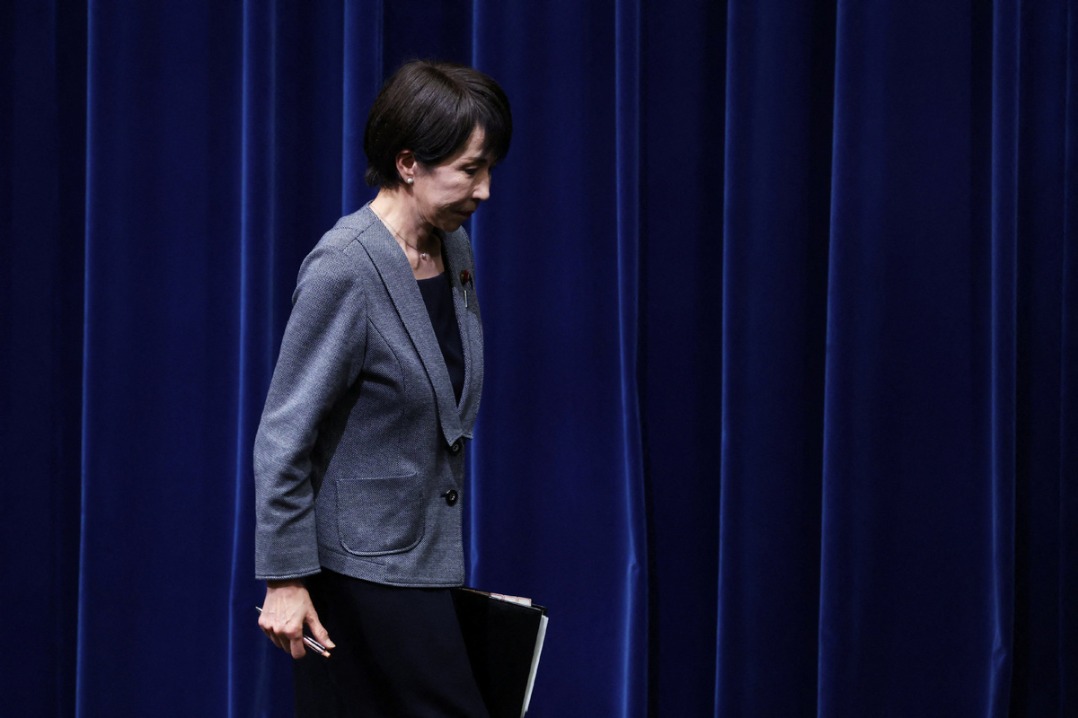
    China has formally implemented stringent export controls on dual-use goods to Japan, a move that Foreign Ministry spokeswoman Mao Ning characterized as “completely legitimate and reasonable” in response to what Beijing perceives as provocative statements from Japanese Prime Minister Sanae Takaichi regarding Taiwan.

    The diplomatic friction emerged following Prime Minister Takaichi’s November parliamentary comments suggesting that a “Taiwan contingency” could constitute a “survival-threatening situation” for Japan, language interpreted by Chinese officials as implying potential military intervention in the Taiwan Strait. Mao Ning asserted that these remarks represented both an infringement on China’s sovereignty and a blatant interference in internal affairs.

    China’s Ministry of Commerce announced the strengthened export controls effective immediately, explicitly prohibiting “the export of all dual-use items to Japanese military users, for Japan’s military use, and for any other end-users and end-use purposes that help enhance Japan’s military capabilities.” Dual-use items encompass products and technologies with both civilian and military applications.

    Economic analysts warn of significant repercussions for Japanese industry. Takahide Kiuchi, executive economist at Nomura Research Institute, identified potential restricted categories including semiconductors, electronic components, precision machinery, EV-related lithium compounds, rare earths, telecommunications equipment, and personal computers. Japanese trade data indicates these categories collectively represent approximately 42% of Japan’s total imports from China, valued at roughly 10.7 trillion yen ($49.2 billion) in 2024.

    Hidetoshi Tashiro, chief economist at Japan’s Infinity LLC, highlighted particular concern regarding rare earth elements, noting that automotive and electronics industries could face production disruptions if these materials are included in restrictions. Nomura Research Institute projections suggest three months of rare earth export restrictions could cost Japan approximately 660 billion yen, reducing GDP by an annualized 0.11%.

    The uncertainty surrounding specific controlled items has already created trade hesitancy, with Japanese firms reportedly reluctant to place or accept orders without clear definitional parameters. Tokyo’s stock market responded negatively, with the benchmark Nikkei index closing down 1.06% following the announcement.