标签: Asia

亚洲

  • Pakistanis in UAE, GCC allowed to import used cars under new rules

    Pakistanis in UAE, GCC allowed to import used cars under new rules

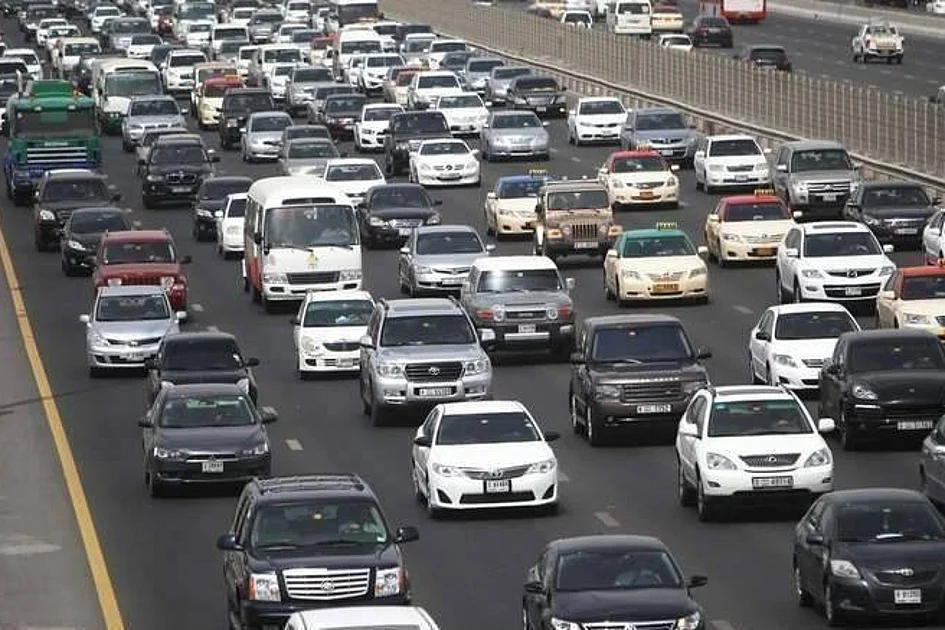
    In a significant policy shift, Pakistan has officially authorized its overseas citizens residing in the UAE, GCC nations, and other countries to import used vehicles under revised regulatory frameworks. The federal cabinet has ratified a decision from the Economic Coordination Committee, dated December 9, 2025, which specifically permits the import of cars up to three years old. This provision is exclusively available through two channels: the Gift Scheme and the Transfer of Residence Scheme.

    The Federal Board of Revenue (FBR) has issued clarifications, stating that eligibility is restricted to non-resident Pakistanis utilizing these specific schemes. A notable condition mandates that any imported vehicle cannot be sold or transferred to a new owner for a minimum period of one year after importation. Conversely, the government has explicitly excluded the Personal Baggage scheme from this new allowance, maintaining previous restrictions on that category.

    This legislative amendment addresses long-standing requests from the vast Pakistani diaspora, which includes over 1.7 million individuals in the UAE and more than 5.5 million across GCC member states. The global community of overseas Pakistanis exceeds nine million. Many families seeking to repatriate after extended periods abroad have expressed a desire to bring personal assets, including vehicles, with them. The policy revision aims to facilitate their return while mitigating concerns among some officials about potential misuse of such import facilities, which had previously led to calls for the program’s discontinuation.

  • Nigel Farage met senior UAE officials to discuss Muslim Brotherhood on funded trip

    Nigel Farage met senior UAE officials to discuss Muslim Brotherhood on funded trip

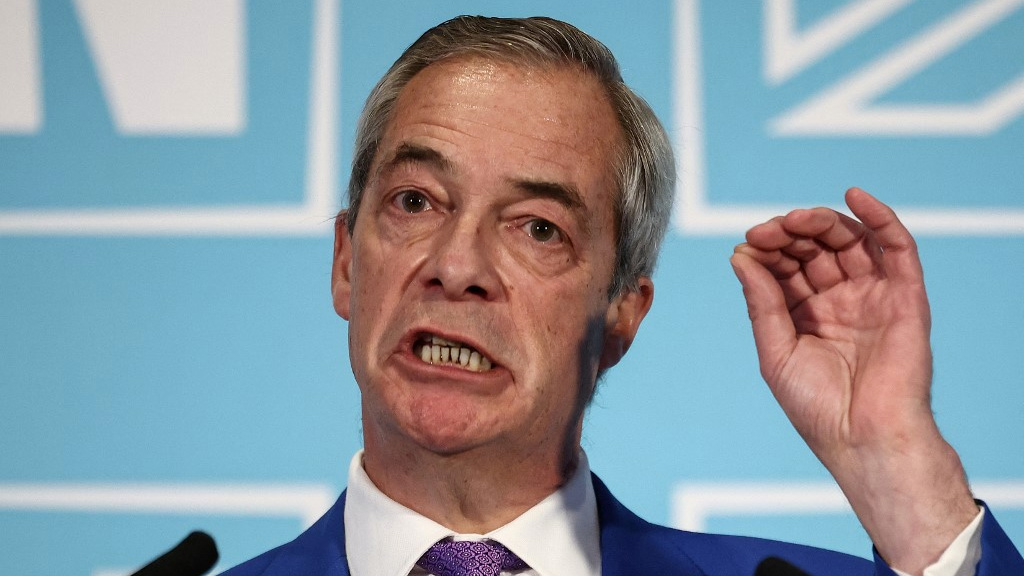
    Reform UK leader Nigel Farage accepted a fully-funded trip to Abu Dhabi in early December, with expenses covered by the United Arab Emirates government. The visit, valued at approximately £1,000 and documented in the parliamentary register of interests, included accommodation and premium access to a Formula 1 event. During his two-day stay, Farage engaged in high-level discussions with senior Emirati officials.

    The Financial Times revealed that the UAE’s outreach to Reform UK stemmed from mutual opposition to the Muslim Brotherhood. This alignment was publicly demonstrated at Reform’s September conference, where Farage pledged to proscribe the organization as a terrorist entity if elected, criticizing both Conservative and Labour parties for their perceived inaction.

    Founded in Cairo in 1928, the Muslim Brotherhood represents one of the world’s most prominent political Islam groups. While it maintains a commitment to peaceful political participation, numerous Middle Eastern autocratic regimes, including Egypt, Saudi Arabia, Bahrain, and the UAE, have banned the organization due to its electoral successes in limited democratic processes within the region.

    The relationship has drawn criticism from academic experts. Dr. Andreas Krieg of King’s College London characterized Farage as a ‘useful idiot’ for the UAE’s political influence operations in Europe, noting Abu Dhabi’s emergence as a hub for far-right European politicians.

    This development occurs alongside the UAE’s January 2025 designation of eight British organizations as terrorist groups over alleged Muslim Brotherhood connections—none of which have violated UK laws. Reform MP Richard Tice subsequently pressured the Labour government to take action against these groups.

    The controversy extends to Farage’s recent appointments, including senior advisor James Orr, who faced racism allegations in 2023 for comments about Arab immigration, and Matthew Goodwin, accused of promoting racist views regarding immigrant assimilation. The party also appointed Alan Mendoza of the Henry Jackson Society, a neoconservative think tank with internal criticism regarding its racial stance.

    Farage’s historical comments about British Muslims have further complicated the narrative. In a Sky News interview, he explicitly linked his concerns about un-British values to Muslim communities, drawing criticism from advocacy groups like the Council for the Advancement of Arab-British Understanding, which highlighted his ‘entrenched aversion to Muslims generally.’

  • Rising prices, rising anger: Inside Iran’s new wave of economic unrest

    Rising prices, rising anger: Inside Iran’s new wave of economic unrest

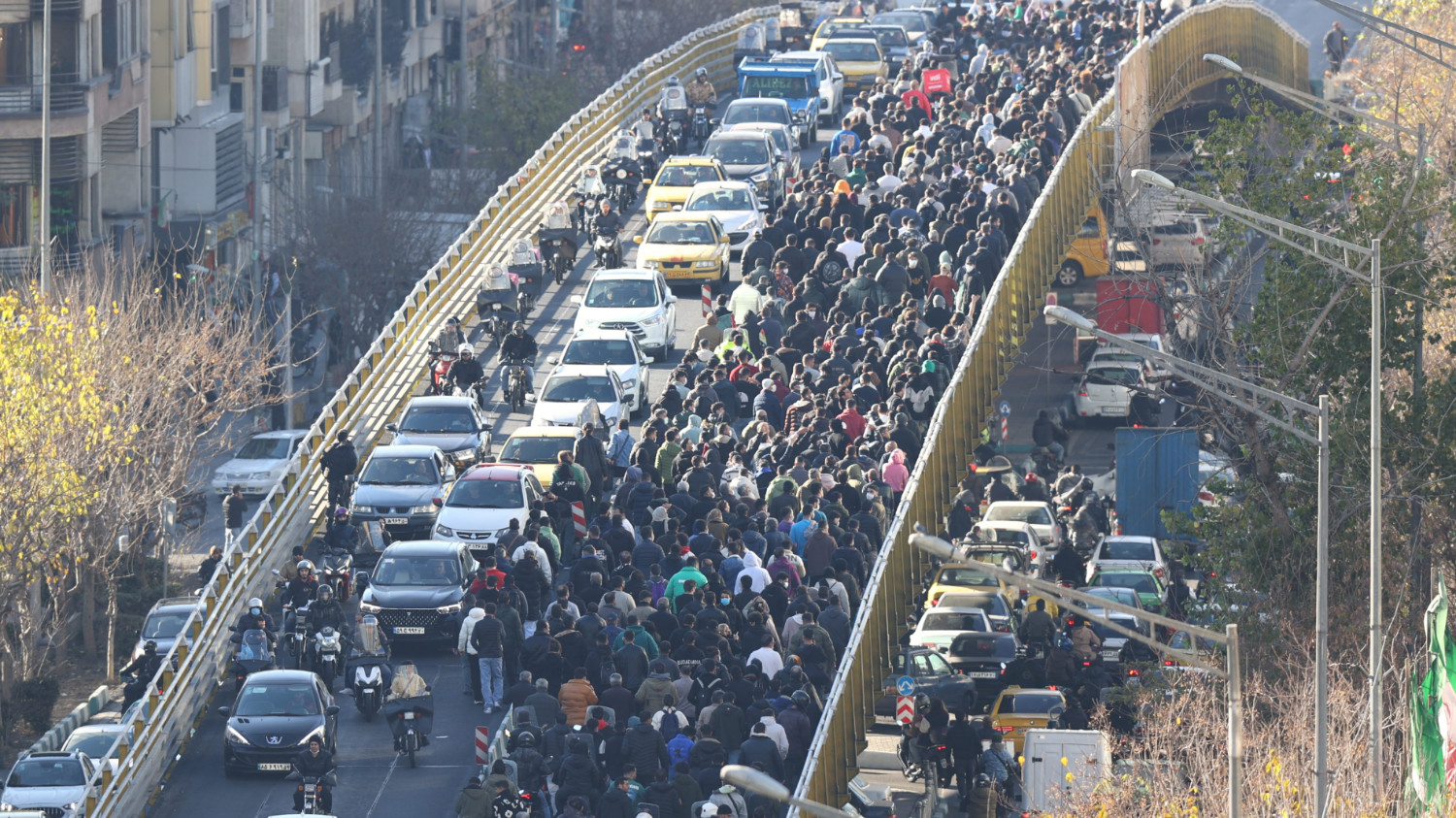
    A severe economic crisis has triggered significant civil unrest across Iran, with protests spreading to dozens of cities in the most substantial challenge to the Islamic Republic since the 2022-23 Women, Life, Freedom movement. The demonstrations originated from public fury over hyperinflation and the rial’s historic depreciation but have rapidly evolved into broader expressions of political dissent.

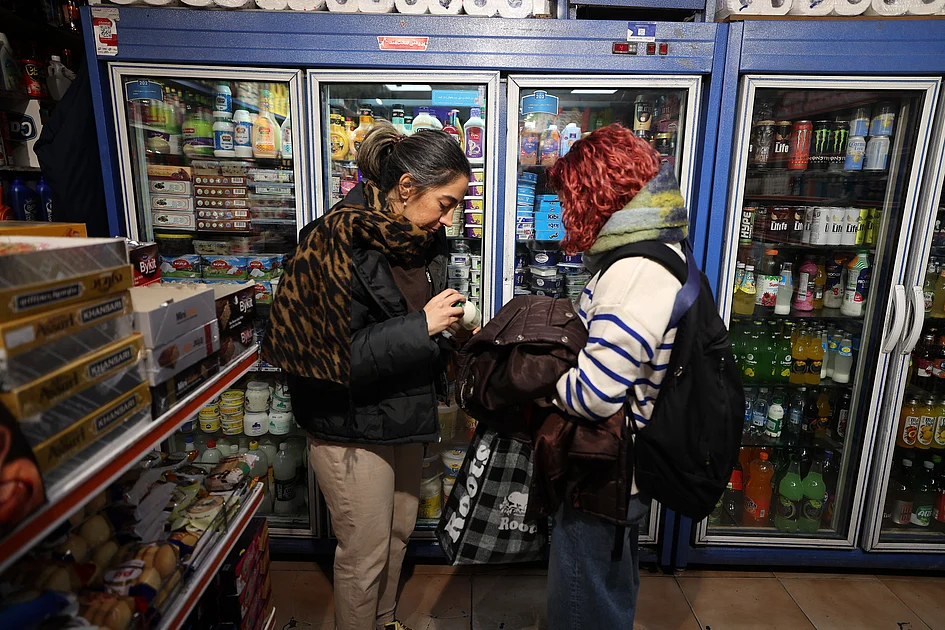
    Iranians from diverse backgrounds report an increasingly unmanageable economic reality where basic commodity prices fluctuate dramatically within days. “In just a few days, prices have multiplied. How can it be this disastrous?” questioned Mani, a 27-year-old demonstrator from Mashhad. This sentiment echoes throughout the country as routine purchases become financial uncertainties, with one Tehran resident reporting sunflower oil prices more than doubling within 72 hours.

    Government response has been characterized by suppression and attribution of blame to external forces. Security forces have employed firearms and teargas against protesters, resulting in violent clashes. Rights organizations estimate between 25-38 fatalities, including minors, with thousands detained. Iranian authorities acknowledge two security force casualties and numerous injuries.

    The political establishment has framed the unrest as foreign-instigated violence. Supreme Leader Ayatollah Ali Khamenei declared that “rioters must be put back in their place,” while Judiciary Chief Gholamhossein Mohseni Ejei accused external forces of exploiting economic grievances, specifically referencing statements from Israel and the United States.

    Protesters uniformly reject these allegations. “Every time we get tired of this situation and come out to the streets, we are suddenly called Israelis or CIA agents,” Mani countered. For many, official warnings have reinforced rather than deterred dissent. “Our lives and our youth have been wasted under the Islamic Republic. Now they threaten us. What do we really have left to lose?” expressed Mehdi, a 31-year-old from Isfahan province.

    The protests have revealed emerging political divisions regarding Iran’s future. Supporters of Reza Pahlavi, the exiled son of Iran’s last shah, have become visible at demonstrations, while others express wariness about replacing religious rule with monarchy. Despite these differences, most protesters currently prioritize immediate economic survival and opposition to the current system over specific political alternatives.

    Political observers note that while these demonstrations are generally smaller than the 2022 uprising, their geographic scope and intensity raise concerns within the establishment. The government has historically combined limited concessions with repression to weather protest waves, but some analysts warn that these scattered protests across multiple cities might coalesce into a more substantial movement capable of systemic challenge.

  • New clashes in Iran as opposition urges more protests

    New clashes in Iran as opposition urges more protests

    Iran entered its twelfth consecutive day of widespread civil unrest on Thursday as security forces deployed tear gas against demonstrators protesting the country’s severe economic deterioration. The protests, which originated in Tehran’s bazaar on December 28 following the rial’s collapse to unprecedented lows, have now expanded across all 31 provinces, presenting the most significant challenge to the clerical establishment in years.

    According to the HRANA monitoring group, demonstrations have been documented in 348 locations nationwide, with videos emerging showing protesters in Kuhchenar, Fars province, tearing down a statue of Qassem Soleimani, the Revolutionary Guards commander killed by a U.S. strike in 2020. The Norway-based Iran Human Rights organization reported security forces have employed live ammunition, tear gas, and physical violence against civilians, with at least 27 protesters confirmed dead, including five minors under age 18.

    The movement has gained momentum through calls from exiled opposition figures, particularly Reza Pahlavi, son of the deposed shah, who described Wednesday’s turnout as “unprecedented” and urged intensified demonstrations. Pahlavi warned via social media that authorities were attempting to disrupt internet connectivity to suppress organizing efforts.

    Judicial authorities have taken a hardline stance, labeling participants as “rioters” and promising “no leniency” in prosecution. The tension escalated further Wednesday when an Iranian police officer was fatally stabbed near Tehran during unrest containment operations, as reported by Fars news agency.

    The protests occur against a backdrop of economic crisis exacerbated by years of international sanctions and recovery efforts following June’s conflict with Israel. Demonstrators have adopted increasingly bold slogans including “this is the final battle, Pahlavi will return” and direct calls for the overthrow of Supreme Leader Ayatollah Ali Khamenei.

  • Syria tells civilians to leave Aleppo’s Kurdish areas

    Syria tells civilians to leave Aleppo’s Kurdish areas

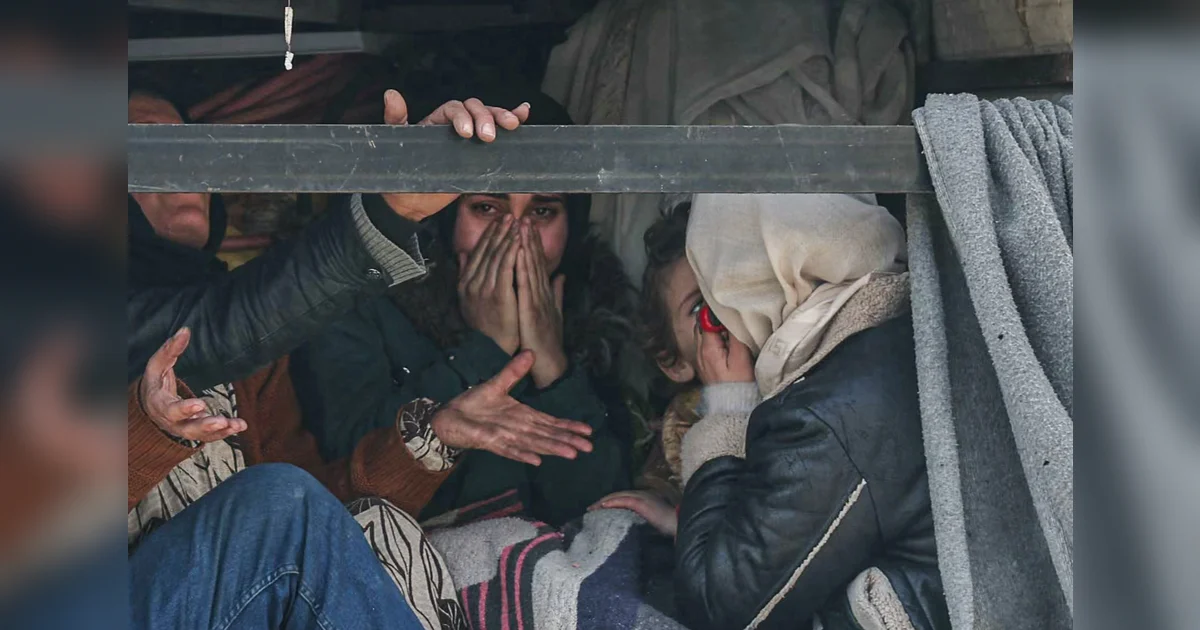
    The Syrian military has issued a formal evacuation order for civilians residing in the Kurdish-dominated neighborhoods of Sheikh Maqsud and Ashrafiyeh in Aleppo, signaling preparations for renewed offensive operations. This development follows two days of intense clashes that have resulted in at least 17 fatalities and triggered mass civilian displacements.

    The current violence represents a significant breakdown in the implementation of a March agreement designed to integrate the semi-autonomous Kurdish administration and military forces into Syria’s new Islamist government structure. The strategic city of Aleppo has effectively shut down, with educational institutions, commercial establishments, and public services remaining closed for consecutive days as security conditions deteriorate.

    Military authorities established evacuation corridors on Wednesday that enabled thousands of residents to flee before initiating artillery bombardments against Kurdish positions. A subsequent deadline was imposed on Thursday, with civilians given until 1:00 PM local time to depart before the army threatened to resume combat operations.

    A Syrian military official characterized the operation as “limited” in scope, describing its primary objective as pressuring Kurdish fighters to withdraw and enabling government forces to establish complete control over Aleppo. The situation has drawn international concern, with UN Secretary-General António Guterres urging restraint and calling for renewed negotiations to salvage the March integration agreement.

    The crisis has generated regional repercussions, with Turkey expressing willingness to support Syrian government operations against Kurdish forces if formally requested. Meanwhile, Israeli Foreign Minister Gideon Saar condemned the offensive as “serious and dangerous” targeting of ethnic minorities, drawing parallels to Israel’s previous intervention during violence involving Syria’s Druze community.

    In the northeastern Kurdish stronghold of Qamishli, hundreds of protesters demonstrated against the Aleppo offensive, carrying banners reading “no to war” and “no to ethnic cleansing” while appealing for international intervention to protect Kurdish communities.

  • ‘Close to death’: What 60 days on hunger strike is doing to Palestine Action prisoners

    ‘Close to death’: What 60 days on hunger strike is doing to Palestine Action prisoners

    Medical specialists are issuing grave warnings regarding Palestine Action activists whose prolonged hunger strikes have surpassed 60 days, entering a critical phase where physiological damage may become permanent and mortality risks escalate dramatically.

    Heba Muraisi, now on day 66 without solid nutrition, and Kamran Ahmed, at day 60, demonstrate severe physical deterioration according to family accounts. Muraisi recently described herself as ‘dying in her cell,’ while Ahmed’s relatives report his body is experiencing catastrophic decline with muscle atrophy and organ failure.

    Emergency medicine physician Dr. James Smith of University College London, who advises the families, explains the terrifying biological processes underway: ‘After exhausting fat reserves, the body begins consuming its own muscle tissue – including cardiac and respiratory muscles. This systemic breakdown affects every vital function.’

    The physiological consequences extend beyond visible wasting. Dr. Smith emphasizes the critical depletion of electrolytes and micronutrients: ‘Deficiencies in potassium, magnesium and essential vitamins create substantial risks of irreversible neurological damage and potentially fatal heart arrhythmias.’

    Legal representatives have made repeated appeals to UK Justice Secretary David Lammy, highlighting concerning symptoms including intermittent hearing loss, dangerously low pulse rates, and breathing difficulties that prevent proper attorney consultation.

    Historical data from hunger strikes indicates mortality typically occurs between 45-75 days, with survival variables including hydration levels, medical monitoring, and baseline health. Dr. Smith notes that even if nutrition resumes, long-term complications may include chronic organ disease, permanent weakness, and cognitive impairment.

    The protest, initiated against detention conditions and remand imprisonment, has reached its most precarious stage. Medical experts conclude that these activists now exist in a fragile state where catastrophic organ failure could develop with minimal warning, potentially resulting in permanent disability or death.

  • Delivery driver rescues lost child on side of road in Guizhou

    Delivery driver rescues lost child on side of road in Guizhou

    During a frigid evening in Guiyang, capital of China’s Guizhou province, a food delivery operative demonstrated extraordinary civic responsibility by abandoning his scheduled route to assist a disoriented young girl found in perilous circumstances. The individual, identified only by his surname Chen, encountered the distressed child weeping alone beside a thoroughfare, immediately recognizing the severity of the situation.

    Chen observed that the girl was positioned within the slow traffic lane with vehicles continuing to pass at considerable speed, creating an imminent threat to her safety. Disregarding his delivery commitments and potential income loss, the courier prioritized the child’s welfare by immediately contacting local law enforcement and providing comforting presence until official assistance arrived.

    Within approximately ten minutes of the emergency call, the juvenile’s parents arrived at the location following notification by authorities. Police personnel conducted standard identity verification procedures before safely releasing the girl to her familial guardians. The incident highlights how ordinary citizens can profoundly impact community safety through vigilance and compassionate intervention during critical situations.

    This occurrence represents one of numerous instances across China where gig economy workers have transitioned from their commercial roles to become unexpected community guardians, often serving as additional eyes and ears within urban environments beyond their formal employment responsibilities.

  • Tsakhor village marks earthquake recovery while preparing for Losar New Year

    Tsakhor village marks earthquake recovery while preparing for Losar New Year

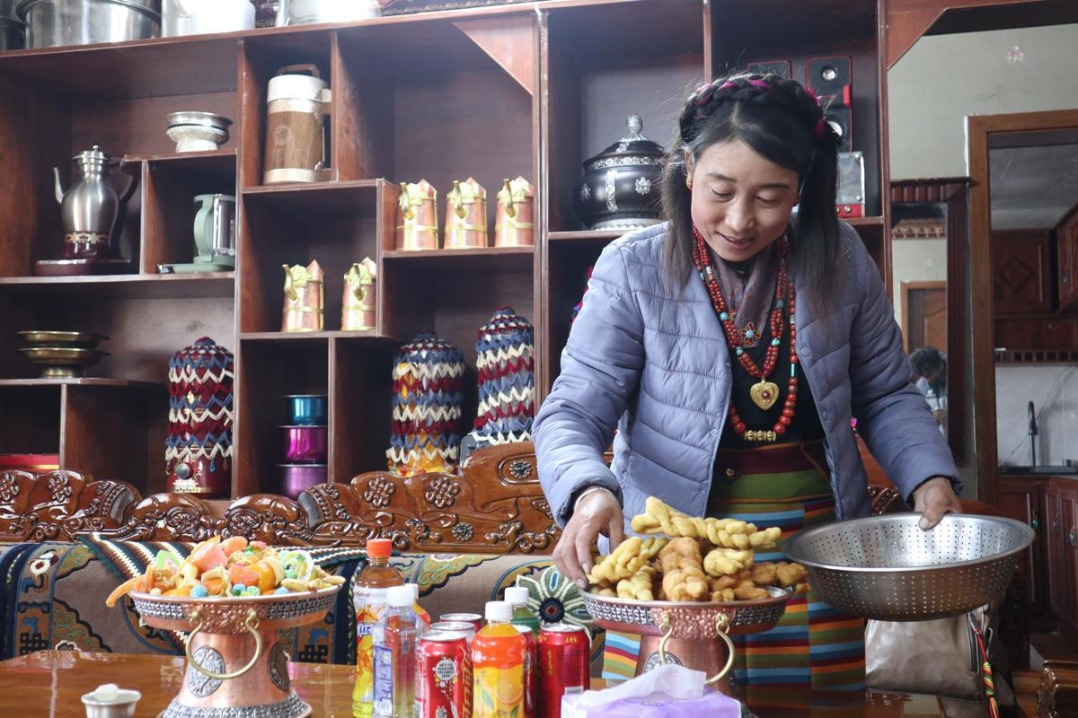
    Just one year after a devastating magnitude-6.8 earthquake struck Dingri county in China’s Xizang Autonomous Region, the resilient community of Tsakhor village has completed its remarkable recovery. As the Shigatse Losar New Year approaches, villagers are joyfully preparing traditional celebrations in their newly constructed Tibetan-style homes.

    The January 7, 2025 seismic event had left all 53 households in the village facing severe challenges with collapsed structures and damaged infrastructure. Through determined reconstruction efforts, the community has been completely transformed with architecturally authentic residences, paved cement roads, and modern solar-powered street lighting now defining the revitalized village landscape.

    Amidst the festive preparations, resident Pema Chungdak embodies the community’s renewed spirit while making golden fried dough sticks—a traditional holiday food symbolizing abundance and prosperity. “The golden color represents our harvest and embodies our aspirations for happiness in the coming year,” she explained, contrasting the current celebratory atmosphere with last year’s tragedy.

    Reflecting on the transformation, Chungdak noted: “Twelve months ago, the earthquake devastation left us without any desire to celebrate. This year, we’re fortunate to occupy these bright, spacious, and warm new dwellings. Our families have made extensive preparations for proper New Year festivities.”

    The comprehensive rebuilding initiative has not only restored physical infrastructure but has also rejuvenated cultural traditions and community morale, demonstrating impressive resilience and recovery capabilities in the Himalayan region.

  • Akshay Kumar’s horror-comedy ‘Bhooth Bangla’ gets a new release date

    Akshay Kumar’s horror-comedy ‘Bhooth Bangla’ gets a new release date

    Bollywood superstar Akshay Kumar’s anticipated return to the horror-comedy genre has encountered a scheduling shift, with his upcoming film ‘Bhooth Bangla’ now slated for theatrical release on May 15, 2026. The project marks his seventh collaboration with acclaimed director Priyadarshan, reuniting after a 15-year hiatus from their successful partnership.

    The production team officially announced the revised timeline through social media channels, accompanied by promotional posters from the film. The Instagram announcement from Balaji Motion Pictures confirmed: ‘The doors open on 15th May 2026. See you in cinemas #BhoothBangla.’

    Principal photography concluded in May 2025, with Kumar sharing behind-the-scenes footage from the set featuring his celebratory dance against a waterfall backdrop. The actor expressed enthusiasm about the completion, noting: ‘And that’s a wrap on #BhoothBangla! My seventh madcap adventure with the ever-inventive Priyan sir, my second outing with the unstoppable Ekta, and my first but hopefully not the last, magical journey with the ever-surprising Wamiqa.’

    The ensemble cast features notable talents including Tabu, Paresh Rawal, Rajpal Yadav, Jisshu Sengupta, Asrani and Wamiqa Gabbi. Production spanned multiple locations across Rajasthan, Jaipur and Hyderabad, showcasing diverse cinematic landscapes.

    Produced through a collaborative effort between Shobha Kapoor and Ektaa R Kapoor’s Balaji Telefilms alongside Kumar’s Cape of Good Films, the project boasts additional co-production credits to Faara Sheikh and Vedant Baali. The creative team includes writer Akash A Kaushik, with screenplay development by Rohan Shankar, Abilash Nair and director Priyadarshan himself.

  • DeepSeek’s AI gains traction in developing nations, Microsoft report says

    DeepSeek’s AI gains traction in developing nations, Microsoft report says

    A new Microsoft research report indicates that Chinese artificial intelligence firm DeepSeek is significantly accelerating AI adoption across developing nations, potentially narrowing the technological gap with advanced economies. The findings reveal that global generative AI tool adoption reached 16.3% of the world’s population by December, marking a notable increase from 15.1% in the previous quarter.

    The comprehensive study, released Thursday by Microsoft’s AI for Good Lab, documents a concerning divergence in AI integration rates between developed and developing regions. While adoption rates in the global north continue to expand at nearly double the pace of southern hemisphere nations, DeepSeek’s innovative approach is creating new pathways for digital inclusion.

    According to Juan Lavista Ferres, Chief Data Scientist at Microsoft’s AI for Good Lab, “We are observing a concerning divide that threatens to widen without intervention.” The research utilized anonymized telemetry data to track global device usage patterns.

    The report identifies early digital infrastructure investors including the United Arab Emirates, Singapore, France, and Spain as leaders in AI adoption rates. These findings align with recent Pew Research Center survey data mapping global attitudes toward artificial intelligence.

    DeepSeek, founded in 2023, has driven substantial AI penetration across price-sensitive markets through its free and open-source model architecture. The company’s January 2025 release of its R1 advanced reasoning model—described as more cost-effective than OpenAI’s comparable offering—generated significant attention within the technology sector. The startup’s credibility was further enhanced when leading journal Nature published peer-reviewed research co-authored by DeepSeek founder Liang Wenfeng, characterizing it as a “landmark paper” from China’s AI community.

    Microsoft’s analysis notes that DeepSeek operates differently from Western models on certain topics, particularly political subjects, reflecting China’s internet accessibility framework. Despite this, the platform has demonstrated strong performance in mathematical and coding applications.

    The company’s business model, which eliminates subscription fees and provides developers with global access to modify its core engine, has dramatically reduced accessibility barriers. This approach has proven particularly effective in regions where Western platforms face restrictions or limited availability, including Russia, Iran, Cuba, and Belarus.

    DeepSeek achieved remarkable market penetration in China (89%), with substantial presence in Belarus (56%), Cuba (49%), Russia (43%), Iran (25%), and Syria (23%). African nations including Ethiopia, Zimbabwe, Uganda, and Niger recorded adoption rates between 11-14%.

    The report concludes that open-source AI models like DeepSeek’s can function as geopolitical instruments, extending technological influence into markets where Western platforms encounter operational challenges. Despite security concerns that prompted developed nations including Australia, Germany, and the United States to restrict DeepSeek’s usage—and Microsoft’s own internal ban on the platform—the Chinese startup continues to reshape global AI adoption patterns through accessibility and affordability.