标签: Asia

亚洲

  • Celtic fans urge club to cancel proposed £2m transfer deal with Israeli club

    Celtic fans urge club to cancel proposed £2m transfer deal with Israeli club

    Scottish football powerhouse Celtic FC is confronting significant supporter backlash over a reported £2 million transfer deal for Maccabi Netanya striker Jocelin Ta Bi. The controversy stems from the Israeli club’s connections to military suppliers and the ongoing conflict in Gaza, creating a direct challenge to Celtic’s historical pro-Palestinian stance.

    Fan organizations and human rights advocates have intensified calls for the club to abandon the transaction, framing it as financial support for Israel’s military operations. The Palestinian Campaign for the Academic and Cultural Boycott of Israel (PACBI) emphasized that Israeli clubs cannot be considered neutral sporting entities given the current geopolitical context.

    Further complicating the matter, investigative research reveals that Maccabi Netanya is owned by Aliya Capital Partners, whose leadership maintains board positions at Xtend Defense—an Israeli drone manufacturer supplying military technology to the Israeli army. This corporate linkage has amplified concerns that transfer funds could indirectly support military operations.

    Social media platforms and fan forums have erupted with criticism, with many supporters threatening boycotts and accusing club management of betraying Celtic’s foundational values. The club’s distinctive historical position, particularly through the activism of the Green Brigade ultras group, has established strong symbolic connections with Palestinian causes through numerous solidarity displays.

    Despite growing pressure, Celtic FC’s management has remained silent on the controversy, offering no public statements regarding the proposed transfer or addressing the ethical concerns raised by supporters and advocacy groups. A rapidly circulating petition has gained substantial traction among the fanbase, reflecting widespread opposition to conducting business with Israeli institutions during the ongoing conflict.
  • UAE cuts funds for citizens to study in UK over refusal to ban Muslim Brotherhood

    UAE cuts funds for citizens to study in UK over refusal to ban Muslim Brotherhood

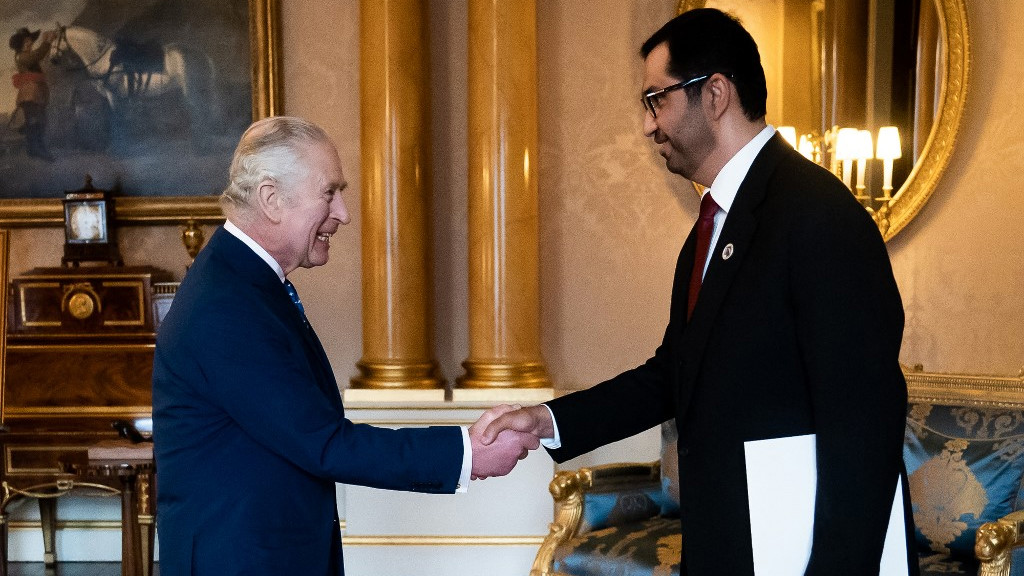
    A significant diplomatic rift has emerged between the United Arab Emirates and the United Kingdom, culminating in Abu Dhabi restricting state scholarships for its citizens to study at British universities. This policy shift, reported by the Financial Times, excludes UK institutions from the list of approved foreign universities while maintaining funding for programs in Israel, France, and the United States.

    The core of the dispute centers on the UK’s refusal to designate the Muslim Brotherhood as a terrorist organization, a long-standing demand from Emirati officials. The tension is reflected in visa statistics, showing a stark 55% decline in UAE students granted UK study visas between September 2022 and September 2025, dropping from 475 to just 213.

    Emirati authorities, quoted by the FT, expressed concerns about potential radicalization on British campuses. In response, UK officials reiterated their commitment to academic freedom. The disagreement has escalated through unusual diplomatic channels, including the UAE’s funding of a December trip to Abu Dhabi for Nigel Farage, leader of the right-wing Reform UK party, to discuss shared opposition to the group.

    Founded in Cairo in 1928, the Muslim Brotherhood is one of the world’s most prominent political Islamist groups. It maintains a self-proclaimed peaceful and democratic mission, yet it is banned as a major threat by several Middle Eastern autocracies, including Egypt, Saudi Arabia, Bahrain, and the UAE itself. The group’s affiliates have demonstrated significant electoral success in the rare free elections held in the region.

    The UK’s stance has been more nuanced. A 2017 parliamentary inquiry, reportedly initiated after lobbying by the UAE, concluded that engaging with political Islamists acts as a ‘firewall’ against violent extremism. The current Labour government states it keeps the issue of proscription under ‘close review.’

    This is not the UAE’s first attempt to influence UK policy on this matter. In January 2025, it designated eight British organizations as terror groups due to alleged Brotherhood links, though none have breached UK law. Furthermore, a 2023 revelation showed the UAE paid a Geneva-based intelligence firm to smear the UK’s largest Muslim charity, Islamic Relief Worldwide, by attempting to link it to extremism.

    The political pressure within the UK is growing. Reform UK, now leading national opinion polls, has vowed to ban the Brotherhood if elected, with Farage criticizing both Conservative and Labour parties for being ‘gutless’ on the issue. The situation presents a complex clash between international diplomacy, domestic security policy, and academic exchange.

  • Beijing issues first sandstorm alert of the year

    Beijing issues first sandstorm alert of the year

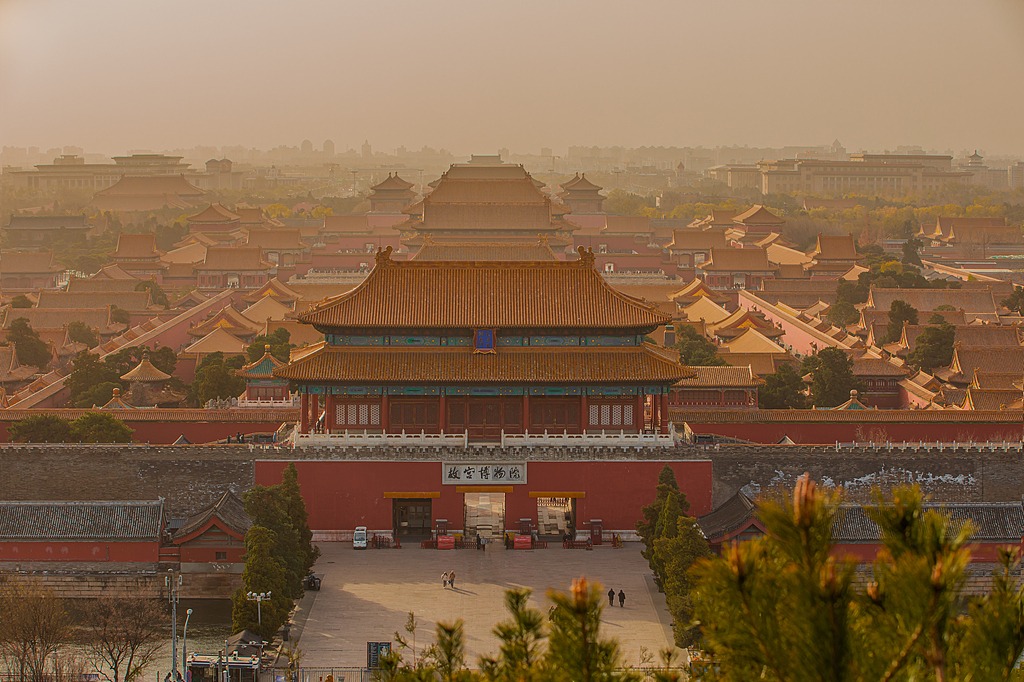
    Beijing initiated its inaugural sandstorm alert of the year on Friday, issuing a blue-level warning as meteorological authorities anticipated deteriorating air quality and visibility across the capital. The alert coincided with a comprehensive weather advisory for multiple northern provinces, where a potent cold front is triggering widespread atmospheric disturbances.

    According to the Beijing Meteorological Service, the sandy conditions developed from dust origins in Inner Mongolia, where intense winds lifted particulate matter into the upper atmosphere before transporting it southeastward. China Weather Network analyst Xin Xin documented via social media that several Inner Mongolian cities had already reached severe pollution indexes, creating concerns about particulate concentration spikes in downstream regions.

    The national meteorological authority simultaneously issued dual blue warnings for both sandstorms and high-intensity winds across northern territories, attributing the phenomenon to an aggressive cold air mass. Forecast models indicate sustained northerly winds through Saturday, with temperatures expected to drop significantly while carrying residual dust particles across the region.

    Beijing residents experienced cloudy skies transitioning to partial clarity overnight, with localized blowing sand and persistently strong winds. Meteorological officials project continuing windy conditions throughout Saturday alongside noticeable temperature declines, advising vulnerable populations to minimize outdoor exposure and utilize protective measures against airborne particulates.

  • Village Gran Turismo held in Guizhou

    Village Gran Turismo held in Guizhou

    Nestled in the mountainous terrain of Southwest China’s Guizhou province, Qinglong County has transformed into an unexpected hub for motorsport enthusiasts through its innovative Village Gran Turismo event. The recently held competition attracted participants and spectators from across the nation to this previously obscure region, showcasing how niche sporting events can drive regional development.

    According to Yan Jiao, Deputy Director of Qinglong’s Publicity Department, the initiative aims to ‘create a platform that enables automotive culture enthusiasts from throughout the country to express themselves freely within a safety-conscious environment.’ This strategic approach balances sporting excitement with responsible event management.

    The county’s connection with motor racing runs deeper than many realize. Local media reports indicate Qinglong has maintained a motorsport tradition for over two decades, centered around its challenging 24-Zig hill climb course renowned for dramatic hairpin turns. The regularity of these events has established a stable sporting culture that continues to gain momentum annually.

    What distinguishes Qinglong’s approach is the seamless integration of high-adrenaline competition with rural tourism development. The Village Gran Turismo represents more than just a racing event—it serves as an economic catalyst that introduces visitors to the county’s unique landscape and cultural offerings. This model demonstrates how specialized sporting events can effectively promote regional identity while stimulating local business opportunities.

    The successful execution of these events highlights how traditionally urban-focused motorsport competitions can find innovative expression in rural settings, creating new possibilities for economic development through sports tourism in China’s less-developed regions.

  • Iran’s rulers face legitimacy crisis amid spreading unrest

    Iran’s rulers face legitimacy crisis amid spreading unrest

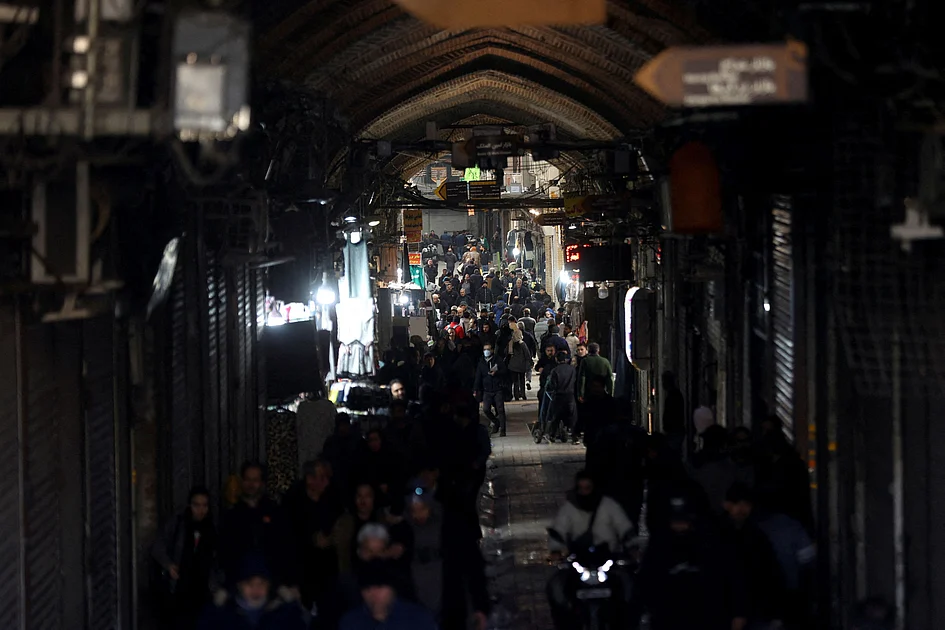
    Iran’s clerical establishment faces a profound crisis of legitimacy as anti-government demonstrations that originated in Tehran last month have now expanded across all 31 provinces, creating the most significant challenge to the Islamic Republic in recent years.

    The current unrest, while not yet reaching the scale of the 2022-2023 protests triggered by Mahsa Amini’s death, represents a broader coalition of dissent. Initially sparked by economic grievances among Tehran’s Grand Bazaar merchants angered by the rial’s sharp depreciation, the movement has evolved to include predominantly young men—a demographic shift from the previous female-led protests.

    According to the U.S.-based Human Rights Activists News Agency (HRANA), the turmoil has resulted in at least 34 protester fatalities, four security personnel deaths, and approximately 2,200 arrests. Analysts interpret these developments as evidence of deepening disillusionment with the Shi’ite establishment.

    Alex Vatanka, director of the Iran Program at the Middle East Institute in Washington, D.C., observed: ‘The collapse is not just of the rial but of trust.’

    Authorities have adopted a dual strategy, acknowledging the legitimacy of economic protests while employing tear gas and forceful measures during street confrontations. This approach highlights the regime’s struggle to reconcile its revolutionary priorities with the aspirations of a youthful population.

    Mina, a 25-year-old unemployed university graduate from Kuhdasht in Lorestan province, expressed a common sentiment: ‘I just want to live a peaceful, normal life… Instead, they insist on a nuclear programme, supporting armed groups in the region, and maintaining hostility toward the United States. Those policies may have made sense in 1979, but not today.’

    Verified videos from Mashhad show protesters tearing down the Iranian flag, while clashes occurred in Tehran’s Grand Bazaar. Additional footage from Gonabad depicted young men abandoning a seminary mosque to join cheering crowds in what appeared to be a symbolic revolt against the clergy.

    Vatanka suggests the clerical system’s survival strategy—combining repression with tactical concessions—may be reaching its limits. ‘Change now looks inevitable; regime collapse is possible but not guaranteed,’ he noted.

    The geopolitical dimension intensified when U.S. President Donald Trump hinted at potential intervention, stating on January 2: ‘We are locked and loaded and ready to go.’ This followed a 12-day military conflict seven months prior involving Israeli and U.S. bombing of Iranian nuclear sites.

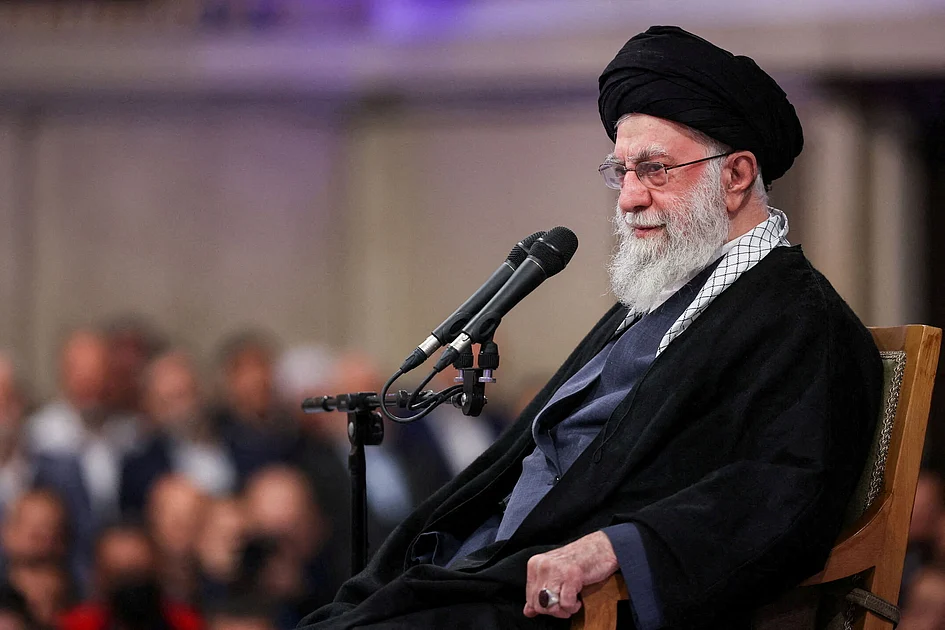
    Supreme Leader Ayatollah Ali Khamenei, facing one of the most precarious moments of his decades-long rule, vowed Iran ‘will not yield to the enemy.’ However, analysts note the 86-year-old leader’s policies—including proxy network development, sanction evasion, and nuclear advancement—appear to be unraveling.

    Within Iran, opinions remain divided regarding foreign intervention. A 31-year-old Isfahan resident captured the ambivalence: ‘Enough is enough. For 50 years this regime has been ruling my country. Look at the result. We are poor, isolated and frustrated.’ When asked about foreign military support, he responded: ‘No. I don’t want my country to suffer military strikes again. Our people have endured enough.’

    Exiled opposition groups, though deeply fragmented, sense an opportunity to overthrow the establishment but face uncertainty regarding their domestic support base.

  • Iran’s Khamenei says ‘arrogant’ Trump will be overthrown, tells him to focus on problems in US

    Iran’s Khamenei says ‘arrogant’ Trump will be overthrown, tells him to focus on problems in US

    In his first public address addressing nationwide unrest, Iranian Supreme Leader Ayatollah Ali Khamenei delivered a scathing condemnation of former U.S. President Donald Trump while confronting escalating domestic protests. Speaking on January 9, 2026, Khamenei characterized Trump as “arrogant” and predicted his political downfall, drawing parallels to Iran’s pre-revolution monarchy.

    The supreme leader’s remarks came amid sustained demonstrations triggered by economic grievances and rising living costs. Khamenei accused “vandals” and “saboteurs” of damaging public property to curry favor with American leadership, asserting Iran’s resilience against such actions. Despite government-imposed communication restrictions aimed at quelling dissent, protests continued with reported incidents of government buildings being set ablaze.

    Simultaneously, Reza Pahlavi—son of Iran’s deposed shah and now U.S.-based opposition figure—called for reinforced demonstrations following what he described as successful protests on January 8. Pahlavi claimed visible retreats by security forces and urged expanded Friday rallies to further weaken governmental control.

    Khamenei’s dual-front address combined familiar anti-American rhetoric with direct confrontation of domestic discontent, highlighting the regime’s challenge in balancing ideological opposition to Western powers with addressing internal economic dissatisfaction.

  • Kurdish forces refuse to withdraw from Aleppo after ceasefire

    Kurdish forces refuse to withdraw from Aleppo after ceasefire

    In a significant defiance of Syrian government authority, Kurdish-led forces have rejected ceasefire terms requiring their withdrawal from Aleppo. The political councils governing the Ashrafieh and Sheikh Maqsoud districts declared the evacuation demand equivalent to “a call to surrender,” instead pledging to defend their neighborhoods against what they described as intensive government shelling.

    The initially proposed truce, announced by Syria’s defense ministry, established a six-hour window for the US-backed Syrian Democratic Forces (SDF) to exit the Kurdish-majority districts with only personal light weapons. The arrangement aimed to prevent further civilian casualties in Syria’s second city, where recent fighting has claimed at least 22 lives and displaced over 140,000 residents.

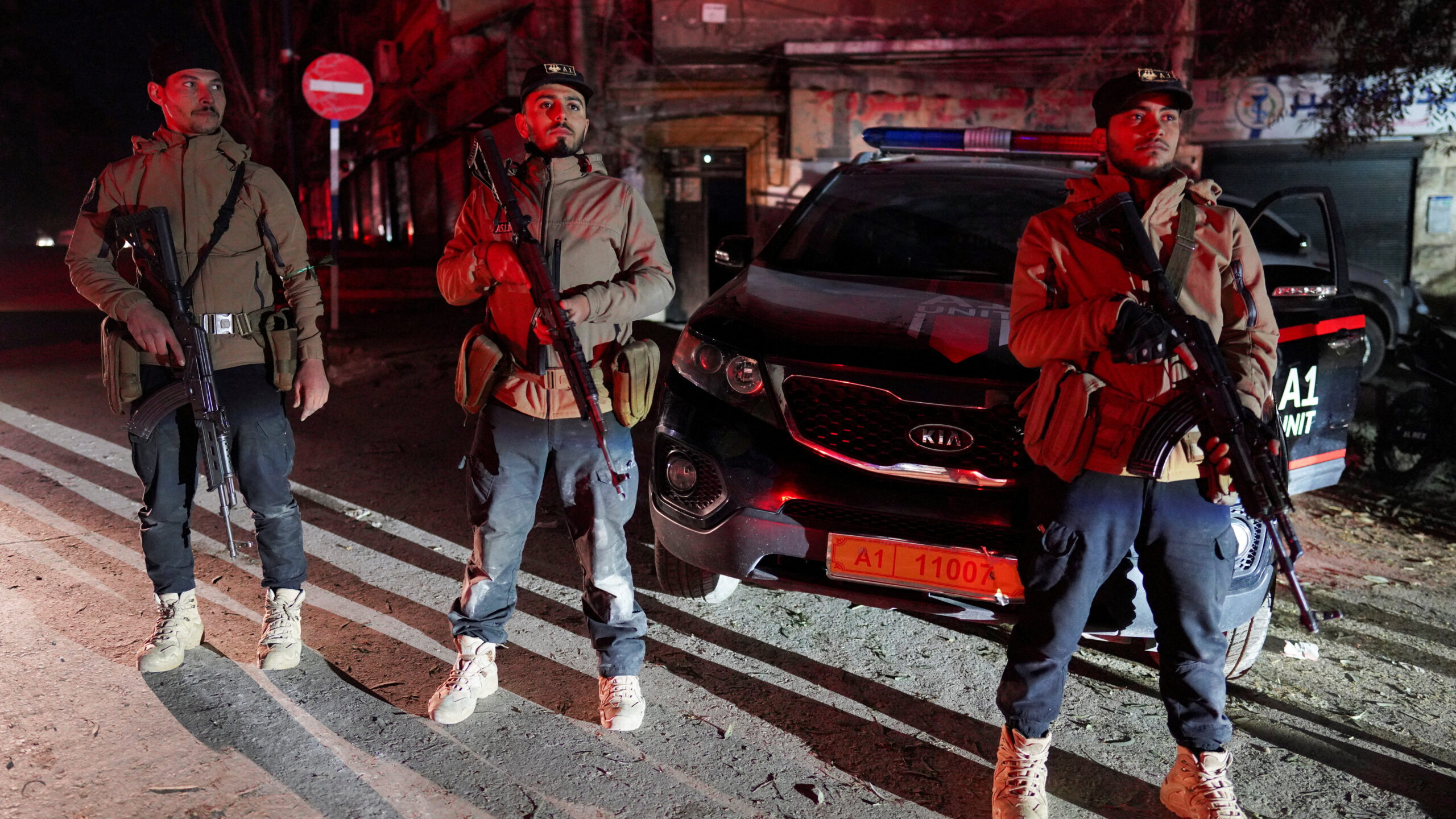
    Despite the expired ceasefire window, relative calm prevailed as Syrian security forces advanced into sections of Ashrafieh, securing key thoroughfares and structures. State media reported the seizure of weapons and ammunition while broadcasting footage showing military positioning and the arrival of transport buses intended to relocate fighters to eastern Kurdish-held territories.

    The humanitarian situation remains critical with Aleppo’s hospitals operating beyond capacity and entire neighborhoods evacuated virtually overnight. Syrian authorities have cautioned displaced families against returning due to unexploded ordnance and ongoing security operations.

    International dimensions complicate the conflict: Damascus accuses SDF forces of shelling a university housing complex, while Turkey—viewing the SDF as linked to the outlawed PKK—has threatened military action if integration agreements aren’t honored. The United States, through envoy Tom Barrack, welcomed the temporary ceasefire and advocated for its extension.

    Concurrently, in Damascus, President Ahmed al-Sharaa met with European Commission President Ursula von der Leyen—the highest-ranking EU official to visit since Sharaa’s 2024 inauguration—who pledged Europe’s support for Syria’s recovery despite the ongoing tensions.

  • Five Palestinian children among 14 killed by Israel in heavy Gaza bombing

    Five Palestinian children among 14 killed by Israel in heavy Gaza bombing

    Israeli military forces launched a severe aerial bombardment across the Gaza Strip on Thursday, resulting in the deaths of at least 14 Palestinians, among them five children. The attacks targeted multiple locations including displacement tents in Khan Younis, educational facilities converted into shelters in northern Gaza, and residential buildings within the Nuseirat refugee camp and Gaza City.

    This military escalation occurs precisely three months after Israel and Hamas formalized a ceasefire agreement designed to terminate hostilities and alleviate the humanitarian siege. Despite this accord, documentation indicates Israel has committed nearly 1,200 violations over the past three months, encompassing airstrikes, artillery shelling, and home demolitions that have collectively claimed 439 Palestinian lives. The longstanding blockade remains predominantly enforced, with border crossings persistently closed and critical humanitarian aid severely constrained.

    Philippe Lazzarini, Commissioner-General of UNRWA, confirmed to Anadolu Agency that assistance efforts “is still not at scale,” describing inadequate living conditions where populations reside in non-waterproof tents and suffer from comprehensive deprivation of basic necessities.

    Hamas authorities issued a formal condemnation of Thursday’s operations, alleging Israeli violation of the truce agreement and deliberate obstruction of the US-supported transition plan for Gaza. The group appealed to international mediators and guaranteeing nations to denounce these actions, which they attribute to Israeli leadership under false pretenses.

    Israel’s military justification cited a reportedly failed projectile launch from Gaza City that allegedly fell within Palestinian territory, though no substantiating evidence was provided. The military stated its strikes specifically targeted Hamas infrastructure and combatants.

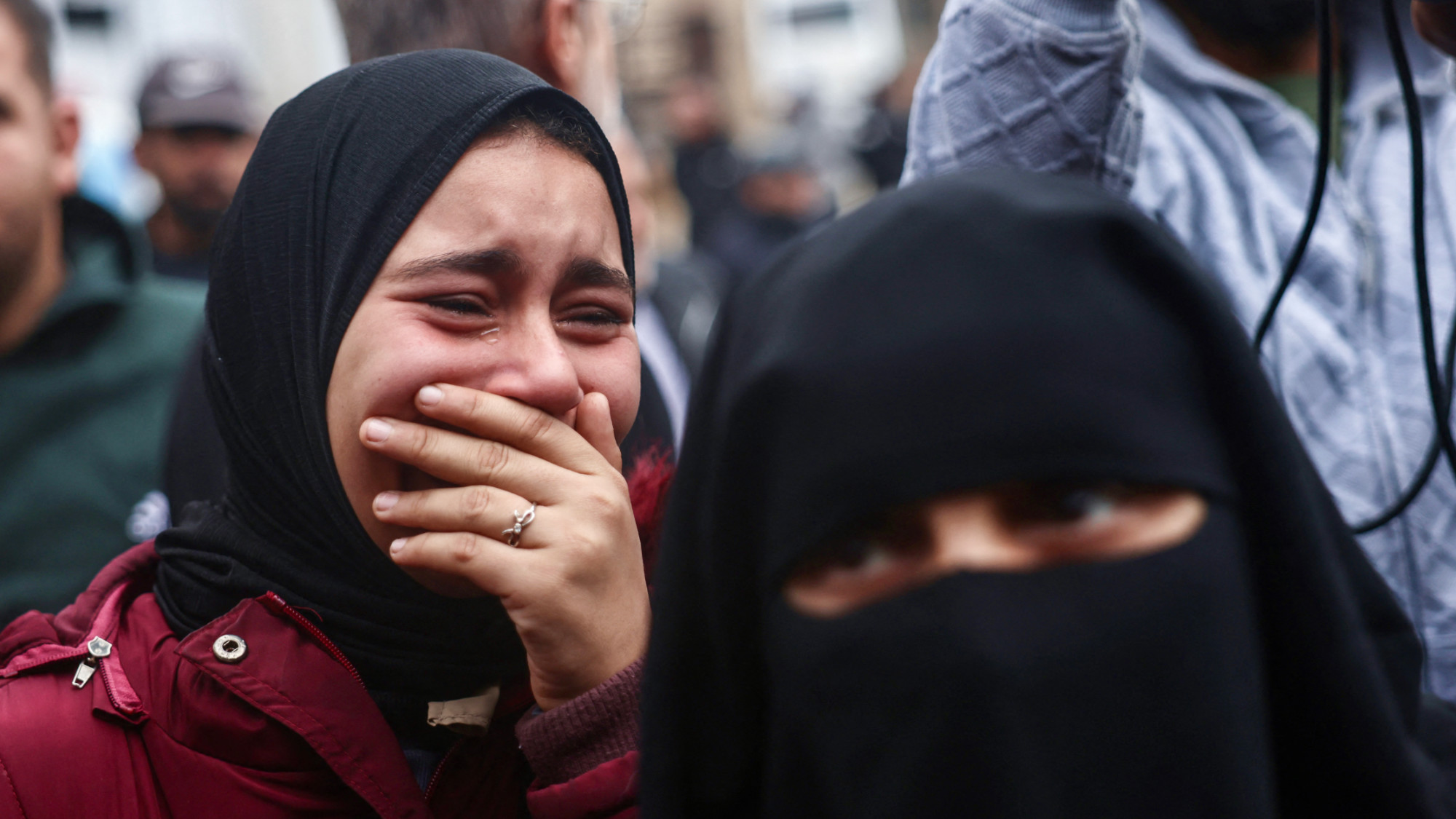
    Among the victims was 11-year-old Hamsa Nidal Hawso, whose uncle expressed profound anguish to local media, questioning the continued violence despite the supposed ceasefire. According to Palestinian health authorities, Israeli military operations since October 2023 have resulted in over 71,400 Palestinian fatalities, including at least 20,000 children.

  • Yemen’s STC denies disbanding and says it cannot be done ‘under duress’

    Yemen’s STC denies disbanding and says it cannot be done ‘under duress’

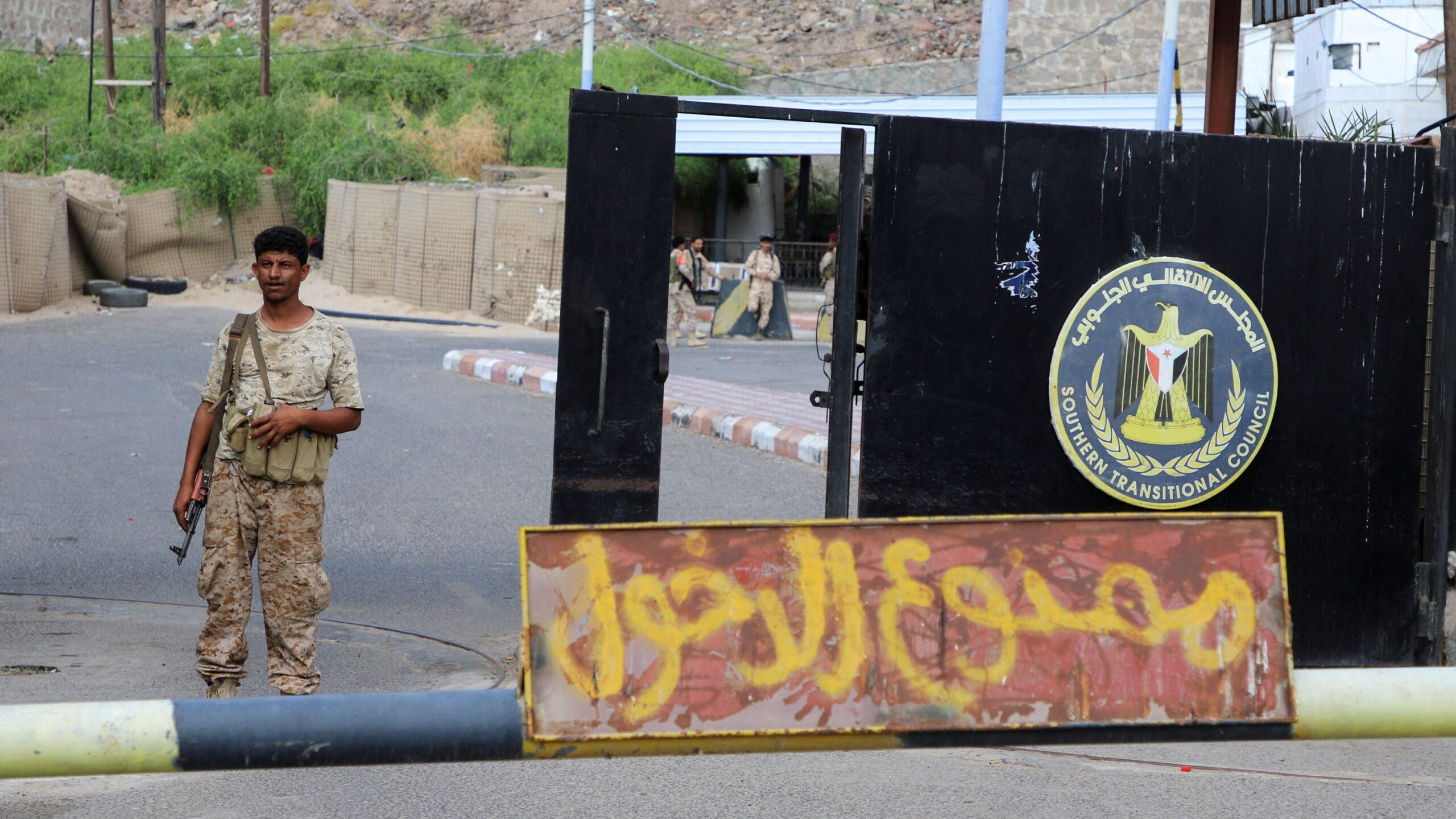
    A significant diplomatic dispute has erupted between Yemen’s Southern Transitional Council (STC) and Saudi Arabia following contested claims about the separatist group’s dissolution. Saudi state media announced on Friday that STC delegates in Riyadh had agreed to disband the organization, a report immediately rejected by STC representatives who allege their members are being held under duress.

    Mohamed Alsahimi, the STC’s UK representative, explicitly denied the dissolution reports to Middle East Eye, stating that any legitimate disbandment would require formal approval from both the council and its UAE-backed leader Aidarous al-Zubaidi, who has reportedly fled Yemen. Alsahimi asserted that the delegation in Riyadh had been effectively detained since Wednesday, with their communication devices confiscated.

    “This cannot be done under duress. This will be done when the STC delegation in Riyadh is released,” Alsahimi declared, adding that the group remains committed to constructive political engagement regarding southern Yemen’s future.

    The controversy emerges amid dramatic shifts in southern Yemen’s power dynamics. STC forces have recently lost control of their Aden stronghold to Saudi-backed Giants Brigades, who have raised Yemen’s national flag over government buildings for the first time in years. Saudi Defense Minister Khalid bin Salman Al Saud praised the alleged dissolution as a “brave decision” that would facilitate inclusive talks about southern Yemen’s future through an upcoming Riyadh conference.

    Meanwhile, Abu Dhabi-based STC spokesman Anwar al-Tamimi dismissed the Saudi announcement as “ridiculous,” highlighting the deepening complexities of the Yemen conflict where competing Gulf powers support different factions within the anti-Houthi alliance.

  • China invests 5.68 trillion yuan in water conservancy over past five years

    China invests 5.68 trillion yuan in water conservancy over past five years

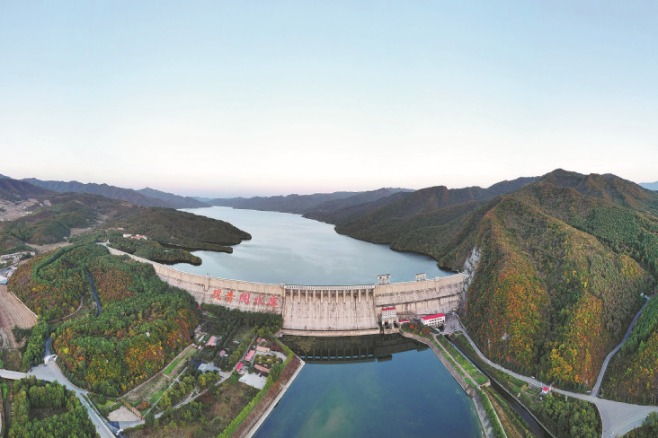
    China has channeled an unprecedented 5.68 trillion yuan ($800 billion) into water conservancy projects throughout its 14th Five-Year Plan period (2021-2025), marking a transformative investment in national water security and economic stabilization. The substantial funding represents four consecutive years of exceeding the trillion-yuan threshold in annual water management investments.

    Vice-Minister of Water Resources Chen Min, speaking at a State Council Information Office press conference in Beijing, highlighted the dual economic and infrastructural benefits of this massive undertaking. The investments have served as a powerful economic stabilizer while simultaneously addressing critical water security challenges across the nation.

    In 2025 alone, water conservancy initiatives generated 3.15 million employment opportunities through 1.28 trillion yuan in allocated funding. This job creation aspect has proven particularly valuable in maintaining employment stability during periods of economic transition.

    The strategic allocation of resources has yielded tangible improvements in China’s water infrastructure network. Authorities have successfully reinforced 17,998 aging and high-risk reservoirs while implementing comprehensive river management programs across 3,741 small and medium-sized waterways.

    These enhancements have produced measurable results: a 31.8 billion cubic meter expansion in national water supply capacity, 22.3 billion cubic meters in additional reservoir storage, and irrigation access extended to over 3.5 million hectares of agricultural land. The improvements significantly bolster China’s flood control capabilities while addressing water scarcity concerns in various regions.

    The sustained investment reflects China’s commitment to building climate-resilient infrastructure and ensuring water security amid increasing climate volatility. The comprehensive water network development aligns with broader national strategies for agricultural stability, urban water supply reliability, and disaster prevention.