标签: Asia

亚洲

  • Trump announces immediate global tariffs increase from 10% to 15%

    Trump announces immediate global tariffs increase from 10% to 15%

    In a dramatic escalation of international trade policy, former US President Donald Trump has declared an immediate increase of worldwide tariffs from 10% to 15%. The announcement was made via his Truth Social platform on February 21, 2026, marking a significant hardening of his protectionist economic stance.

    The decision follows what Trump characterized as a comprehensive review of a recent Supreme Court ruling that struck down his previous sweeping tariff measures. He described the judicial decision as “ridiculous, poorly written, and extraordinarily anti-American,” expressing profound disappointment with the 6-3 ruling delivered just days earlier.

    Citing decades of perceived economic exploitation, Trump asserted that numerous nations have been systematically “ripping off” American interests without facing appropriate consequences. The administration maintains that this tariff adjustment operates within legal boundaries, having been “legally tested” under Section 122 of the Trade Act of 1974. This legislation permits the executive branch to implement duties of up to 15% for 150-day periods against countries experiencing substantial balance of payments complications.

    The White House indicated that this measure represents merely the initial phase of a broader strategy, with additional legally permissible tariffs under consideration for implementation in coming months. These actions form part of Trump’s renewed commitment to his “Making America Great Again” platform, which he now promises to exceed “GREATER THAN EVER BEFORE.”

    This development occurs against the backdrop of recent diplomatic assertions from Trump regarding the effectiveness of tariff threats in international relations, including claims that proposed 200% tariffs compelled India and Pakistan to establish a ceasefire agreement.

  • How football is helping girls fight against forced marriage

    How football is helping girls fight against forced marriage

    In the arid landscapes of Rajasthan, a powerful social transformation is unfolding through the unlikely medium of football. Nisha Vaishnav, a 15-year-old from Padampura village, has become an emblem of resistance against entrenched child marriage practices by pursuing her athletic ambitions against formidable cultural odds.

    The journey began when Nisha’s sister Munna introduced her to Football for Freedom in 2022, a grassroots initiative under the Mahila Jan Adhikar Samiti organization that uses sports empowerment to combat systemic gender inequality. The program faced immediate cultural challenges, with villagers criticizing the girls for wearing shorts instead of traditional modest attire. Munna, now 19, recalls the initial stigma: “Village women would point to us saying ‘Look at those girls exposing their legs.’ We ignored them and continued wearing shorts.”

    Nisha’s athletic prowess quickly became apparent as she ascended to Rajasthan’s state football team by 2024, simultaneously defying gender norms by cutting her hair short—a symbolic act of rebellion in a community where long hair represents traditional femininity.

    The football pitch became an unexpected battleground for marital autonomy when, during practice sessions, Nisha attracted unwanted attention from families seeking child brides. In one notable incident, five adults including prospective in-laws photographed her during training. When her mother instructed her to touch their feet as a gesture of respect to marriage proposers, Nisha refused—a radical act in a region where UNICEF reports child marriage rates exceed national averages.

    Her resistance proved successful when, after sustained opposition, the marriage proposal was withdrawn. The sisters later collectively rejected another joint marriage proposal involving their younger brother in 2025. When their father questioned if Nisha had a romantic interest at football practice, she defiantly responded: “There is no lover. I am going to play football – that is my love.”

    The structural challenges remain deeply entrenched. Poverty and tradition perpetuate the practice, with girls often viewed as financial burdens. The sisters’ mother Laali, herself a child bride, represents the generational divide, expressing concerns about daughters being “exposed to bad influences” without early marriage. She acknowledges the illegality of child marriage while explaining how communities circumvent detection: “We do it quietly, without wedding invitations or decorations.”

    Legal frameworks prescribe severe penalties—up to two years imprisonment and 100,000 rupee fines for facilitators—yet enforcement remains inconsistent. While reported cases have increased from 395 in 2017 to 1,050 in 2021, this represents a fraction of the estimated 1.5 million underage marriages occurring annually.

    Football for Freedom coordinator Padma Joshi emphasizes the program’s strategic approach: “We never explicitly stated we were introducing football to stop child marriage.” Instead, they highlight tangible benefits like public sector job reservations for athletes—a powerful incentive in economically marginalized communities.

    The initiative has trained approximately 800 girls across 13 villages since 2016, creating alternative pathways through education and athletic achievement. Munna now pursues a university degree while coaching younger participants, aspiring to become a sports teacher. Nisha aims for the national team or government employment, recognizing that sustained athletic performance until university completion could secure financial independence.

    Their triumphs extend beyond personal success—the team secured first place in the October 2025 under-17 State Level School Games, demonstrating how athletic excellence can redefine traditional expectations. As Munna articulates the program’s philosophy: “Whether I can stop their marriages or not, I want to help these girls become something in life, realize their dreams.”

  • Once mocked for being tacky, this Korean music genre is making a comeback

    Once mocked for being tacky, this Korean music genre is making a comeback

    A curious digital phenomenon is breathing new life into South Korea’s traditional trot music, a genre that predates the global K-pop explosion. Through the innovative use of generative artificial intelligence, content creators are transforming contemporary K-pop hits into the distinctive two-beat rhythm of trot, pairing these AI-generated tunes with synthetic images of idols sporting the genre’s iconic glittering suits and dramatically teased hairstyles.

    This technological revival has captivated social media audiences, with platforms like YouTube, Instagram, and Line hosting viral videos that have accumulated hundreds of thousands of views. The trend represents a remarkable turnaround for trot—whose name derives from the American “foxtrot”—which enjoyed decades of popularity as Korea’s dominant musical form before being overshadowed by newer sounds.

    Music critic Jung Minjae traces trot’s origins to the 1930s during Japan’s colonization of Korea, noting its development from Korean folk traditions while incorporating influences from Japanese enka and Western jazz. The genre is distinguished by its exploration of “han”—a profound cultural concept encompassing sorrow, resentment, and longing shaped by Korea’s history of foreign subjugation. Lyrically, trot songs typically revolve around themes of love, separation, and nostalgia for home, delivered through a distinctive vocal style marked by heavy vibrato and kkeokgi (note-bending techniques that heighten emotional expression).

    Despite its rich heritage, trot had been largely relegated to older demographics, with younger generations dismissing it as tacky and outdated until recent years. The current revival has been fueled by reality television trot competitions that attract tens of thousands of applicants, with winners like 34-year-old Lim Young-woong achieving household name status. His successful solo concerts at Seoul’s World Cup Stadium placed him among an elite group of Korean performers including Psy and major K-pop acts.

    Yet the AI-driven trend has sparked copyright concerns and questions about its authenticity. Critics argue that these technological reinterpretations stray too far from trot’s essential character, while creators acknowledge legal uncertainties surrounding AI-generated content. Some participants report that the process has changed their perception of the genre, discovering depth in lyrics and melodies that reflect the Korean experience through decades of social upheaval.

    While experts like Jung suggest the trend may be driven more by fascination with AI technology than genuine appreciation for trot itself, the phenomenon has undoubtedly introduced the traditional genre to new audiences and sparked conversations about its place in modern Korean culture.

  • Pezeshkian says Iran will not bow to pressure amid US nuclear talks

    Pezeshkian says Iran will not bow to pressure amid US nuclear talks

    In a nationally televised address on Saturday, Iranian President Masoud Pezeshkian delivered a firm declaration of resistance against what he characterized as coordinated international pressure tactics during ongoing nuclear negotiations with the United States. The president’s speech, broadcast live across state media channels, presented a narrative of Iranian resilience against external forces.

    Pezeshkian articulated a position of steadfast opposition to perceived coercion attempts by global powers, stating that despite concerted efforts to compel Iranian submission, the nation would maintain its sovereign stance. The president’s rhetoric emphasized national pride and determination, suggesting that external pressures would only strengthen Iranian resolve rather than achieve their intended effect.

    This public statement comes amid renewed diplomatic engagement between Tehran and Washington regarding Iran’s nuclear program, though specific details about the current stage of negotiations remain undisclosed. The address appears strategically timed to reinforce Iran’s bargaining position while demonstrating domestic political strength to both international observers and the Iranian populace.

    The presidential message consistently framed the nuclear discussions within the context of national sovereignty and resistance to foreign intervention, echoing long-standing themes in Iranian political discourse. This positioning suggests continuity with previous administrations’ approaches to nuclear diplomacy while establishing Pezeshkian’s own leadership credentials on the international stage.

  • Indian cricket legends Gavaskar, Kapil join appeal for jailed Imran Khan in Pakistan

    Indian cricket legends Gavaskar, Kapil join appeal for jailed Imran Khan in Pakistan

    In an unprecedented display of sporting solidarity, cricket icons from across the globe have united to demand improved prison conditions for Pakistan’s former prime minister and legendary all-rounder Imran Khan. The movement gained significant momentum when Indian cricket greats Sunil Gavaskar and Kapil Dev joined forces with over a dozen former international captains to address concerns about Khan’s deteriorating health and detention circumstances.

    The 73-year-old cricketer-turned-politician has remained incarcerated since August 2023 following multiple convictions that he claims are politically motivated, stemming from his ouster through a parliamentary vote in 2022. The petition emerges amid troubling reports about Khan’s health condition, particularly regarding significant vision loss in his right eye while in custody, though recent medical examinations indicate some improvement after treatment.

    This cross-border advocacy is particularly noteworthy given the historically tense relations between India and Pakistan, including recent military conflicts. The petition, signed by cricketing royalty from multiple Test-playing nations, emphasizes the values of fair play, honor, and respect that transcend political boundaries and national rivalries.

    Among the distinguished signatories are Australian legends Greg Chappell, Ian Chappell, Allan Border, Steve Waugh, Belinda Clark, and Kim Hughes; English captains Mike Atherton, Nasser Hussain, Mike Brearley, and David Gower; West Indies great Clive Lloyd; and New Zealand’s John Wright. Their collective statement highlights Khan’s monumental contributions to cricket, including captaining Pakistan to their only ODI World Cup victory in 1992.

    The cricketing community’s appeal respectfully urges the Pakistani government to ensure immediate medical attention, dignified treatment, and unimpeded access to legal processes for Khan. The initiative underscores how sporting camaraderie can bridge political divides, with the signatories noting that their shared history on the field reminds everyone that respect endures long after competitive rivalries conclude.

  • Philippines arrests 3 Chinese nationals for overstaying, use of false identity

    Philippines arrests 3 Chinese nationals for overstaying, use of false identity

    Philippine immigration authorities have detained three Chinese citizens in a targeted enforcement operation for significant violations of immigration statutes. The arrests occurred during a raid conducted at a residential condominium in Barangay Tambo, following intelligence reports connecting the individuals to suspected unlawful activities in the region.

    The primary individual apprehended, identified as Fang Li, initially entered the Philippines under temporary visitor status in 2022. Investigation revealed her failure to regularize her immigration status by applying for a mandatory visa extension following her most recent arrival. Authorities further uncovered that she was allegedly utilizing identification documents belonging to another Chinese national, constituting identity fraud.

    A second detainee, Chen Youliang, was already subject to an active Blacklist Order and an existing Order to Leave due to previous breaches of his visa conditions. At the time of apprehension, he could not produce a valid passport or any legal immigration documentation.

    The third individual, Xu Yuxiang, was taken into custody after verification confirmed the expiration of his visa extension, rendering his presence in the country unlawful.

    All three individuals currently remain in the custody of the Philippines Bureau of Immigration (BI) while facing formal deportation proceedings. BI Commissioner Joel Anthony Viado issued a stern warning that foreign nationals attempting to circumvent Philippine immigration laws through aliases, fraudulent identities, or expired visas will face apprehension and subsequent deportation.

    This enforcement action follows a larger deportation operation in November, wherein 23 Chinese nationals were expelled for involvement in illegal Philippine Offshore Gaming Operations (POGO) and associated cyberfraud schemes. Those individuals were found to have violated multiple immigration laws and were reportedly wanted for criminal activities in their home country.

  • Jordan and Egypt slam US ambassador remarks that Israel can take over all Middle East

    Jordan and Egypt slam US ambassador remarks that Israel can take over all Middle East

    A significant diplomatic crisis has erupted across the Middle East following inflammatory statements made by US Ambassador to Israel Mike Huckabee, prompting unified condemnation from multiple Arab governments and international organizations. The controversy stems from Huckabee’s appearance on The Tucker Carlson Show, where he endorsed the concept of Israeli territorial expansion across the entire Middle East region.

    Jordan’s Ministry of Foreign Affairs led the diplomatic charge, characterizing Huckabee’s comments as “irresponsible, escalatory and absurd” in an official statement. Ministry spokesperson Ambassador Fuad Al-Majali explicitly rejected these “provocative statements,” noting they constitute both a violation of diplomatic norms and a flagrant breach of international law and the United Nations Charter. The Jordanian government emphasized that such rhetoric directly contradicts the stated position of the Trump administration regarding West Bank annexation.

    The Palestinian foreign ministry issued parallel condemnation, labeling the remarks an “explicit call to infringe on the sovereignty of states” that effectively endorses Israel’s displacement of Palestinians and annexation of internationally recognized occupied territories. They urgently called upon the United States to provide explicit clarification regarding these comments, which they argue fundamentally undermine President Trump’s vision for Middle East peace.

    The Organization of Islamic Cooperation (OIC) joined the growing chorus of criticism, condemning the ambassador’s statements as a “clear call to violate international law” that risks fueling extremism and encouraging continued illegal measures by Israel. Simultaneously, the Arab League denounced Huckabee’s rhetoric as defying “all basic principles and established norms of diplomacy, as well as logic and reason.”

    The controversial exchange occurred when Carlson pressed Huckabee to identify the biblical borders referenced in Genesis 15, which describes territory “from the Euphrates to the Nile” – encompassing approximately five nations and occupied Palestinian territories. When asked whether Israel had divine rights to this expansive territory, Huckabee responded: “It would be fine if they took it all.”

    This endorsement aligns with the “Greater Israel” project previously espoused by Prime Minister Benjamin Netanyahu and other senior Israeli officials. Huckabee, a prominent evangelical Christian leader and former Arkansas governor, has historically rejected the two-state solution, instead advocating for aggressive Jewish immigration to maintain demographic majority in a single state.

  • Saudi apprehends over 19,000 illegal residents in one week

    Saudi apprehends over 19,000 illegal residents in one week

    Saudi authorities have launched a significant nationwide operation targeting violations of residency, labor, and border security regulations, resulting in the apprehension of 19,101 individuals during a single week of intensified enforcement actions from February 12-18, 2026.

    The comprehensive crackdown, coordinated through joint security campaigns, revealed distinct categories of violations: 12,153 individuals were detained for residency regulation breaches, 2,845 for labor law violations, and 4,103 for border security infractions. Additionally, security forces intercepted 1,663 persons attempting illegal border entry into the Kingdom.

    Demographic analysis of those apprehended indicates Yemeni nationals constituted 54% of the total, followed by Ethiopian citizens at 45%, with various other nationalities comprising the remaining 1%. The operation also identified 31 individuals attempting to exit the Kingdom through unauthorized channels.

    The Saudi Ministry of Interior emphasized that enforcement extends beyond direct violators to include those facilitating illegal activities. Authorities detained 28 persons implicated in transporting, harboring, employing, or concealing individuals violating residency, labor, and border security protocols.

    Significant enforcement measures have been implemented, including the deportation of 14,893 violators, while 1,389 individuals were directed to finalize their travel arrangements. Furthermore, 15,585 persons were instructed to obtain proper travel documentation.

    Saudi legislation imposes severe penalties for border security violations, including potential 15-year imprisonment terms and fines reaching one million Saudi riyals for those facilitating illegal entry, transportation, shelter, or assistance to violators. The government also mandates confiscation of vehicles and properties used to shelter unauthorized individuals.

    The Ministry characterized these violations as “major crimes warranting arrest and representing breaches of honor and trust,” while encouraging public reporting through designated emergency numbers (911 in major regions, 999 and 996 elsewhere) with guaranteed confidentiality and protection for informants.

  • Pakistan says it struck militant hideouts along Afghan border after surge in deadly attacks

    Pakistan says it struck militant hideouts along Afghan border after surge in deadly attacks

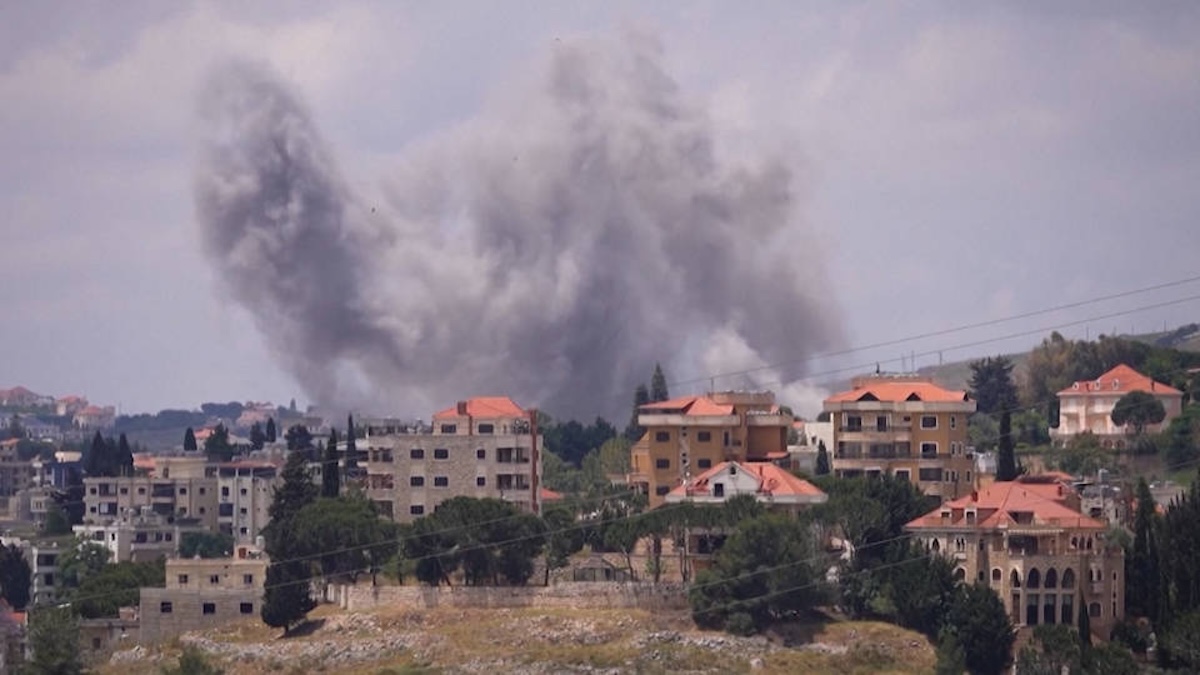
    ISLAMABAD — Pakistan’s military launched precision strikes along its volatile border with Afghanistan in the early hours of Sunday, targeting what it described as militant sanctuaries responsible for recent attacks within Pakistani territory. The operation marks a significant escalation in regional tensions between the neighboring nations.

    Information Minister Attaullah Tarar confirmed via social media platform X that Pakistani forces executed “intelligence-based, selective operations” against seven camps operated by the Pakistani Taliban (Tehrik-e-Taliban Pakistan, or TTP) and affiliated militant organizations. The minister further disclosed that an Islamic State affiliate was also neutralized during the border region offensive.

    The strategic military action follows a devastating suicide bombing in Bajaur district, where assailants detonated an explosives-laden vehicle against a security post, resulting in the deaths of 11 soldiers and one child. Authorities subsequently identified the perpetrator as an Afghan national. Hours preceding the border strikes, another suicide attack targeted a security convoy in Bannu district, claiming the lives of two soldiers including a lieutenant colonel.

    Minister Tarar presented what he termed “conclusive evidence” connecting recent attacks—including the massacre of 31 worshippers at a Shiite mosque in Islamabad earlier this month—to militant leadership operating from Afghan soil. The minister asserted that Pakistan had repeatedly urged Afghanistan’s Taliban administration to implement verifiable measures preventing cross-border militant activities, but alleged no substantive action had been taken.

    Pakistan’s military command issued a stern warning following Saturday’s violence, declaring it would not “exercise any restraint” and that counterterrorism operations would continue “irrespective of their location”—a clear indication of potential further cross-border actions.

    Bilateral relations have remained severely strained since October, when deadly border clashes resulted in numerous casualties among military personnel, civilians, and suspected militants. Although a Qatar-mediated ceasefire has generally maintained tenuous stability, diplomatic negotiations in Istanbul failed to produce a formal agreement, leaving tensions simmering.

    Pakistan has experienced a alarming surge in militant violence in recent years, primarily attributed to TTP and outlawed Baloch separatist groups. The TTP maintains close ideological and operational ties with Afghanistan’s Taliban government, which returned to power in 2021. Islamabad consistently alleges that the TTP operates with impunity from Afghan territory—accusations both the militant group and Kabul authorities deny.

    The Pakistani government is now urging the international community to pressure Taliban authorities in Afghanistan to honor commitments made under the Doha Agreement, particularly provisions prohibiting the use of Afghan territory for attacks against neighboring nations.

  • China issues blue alert for cold wave

    China issues blue alert for cold wave

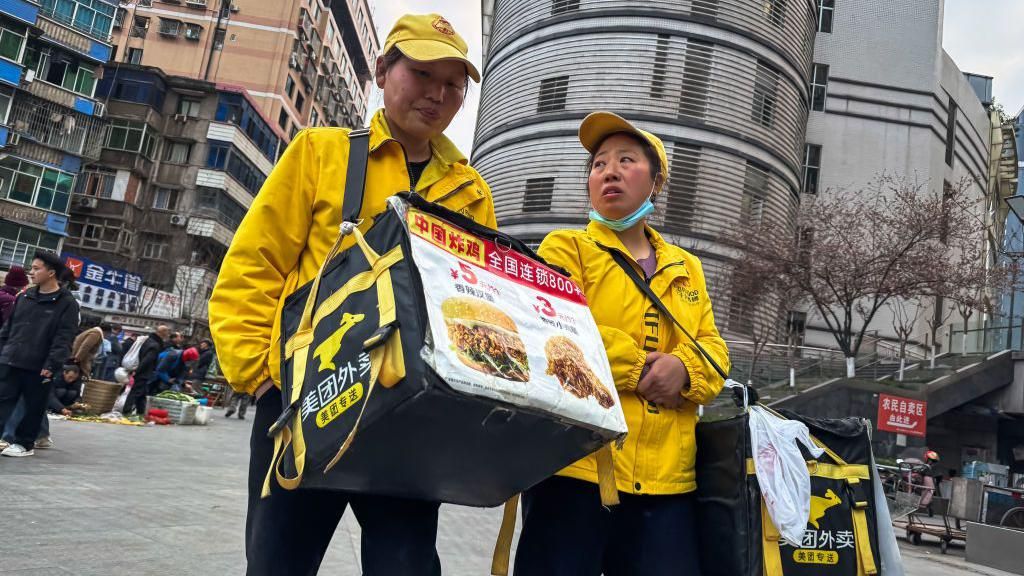
    China’s National Meteorological Center has initiated a blue alert status in response to an advancing cold wave expected to impact vast portions of the country’s northern territories. The meteorological authority announced the temperature advisory on Saturday, warning residents and authorities across affected regions to implement appropriate protective measures.

    According to official forecasts, the arctic air mass will sweep across northern and northeastern China between February 21st and 23rd, triggering substantial temperature declines ranging from 6°C to 10°C. Particularly severe conditions are anticipated in sections of Inner Mongolia Autonomous Region along with the provinces of Heilongjiang, Jilin, and Liaoning, where mercury levels could drop dramatically by 12°C to 14°C.

    The national weather service has urgently advised relevant government departments and agricultural operators to strengthen preparedness initiatives. These precautionary steps specifically aim to safeguard vulnerable crops and aquaculture installations from potential freeze damage during the prolonged cold spell.

    China operates a four-tier color-coded meteorological warning mechanism with blue representing the lowest severity level in this hierarchy. The system progresses through yellow, orange, and red alerts, with red indicating the most extreme weather emergencies requiring maximum precautionary responses.