标签: Asia

亚洲

  • UAE: Dh5-million fund announced for social media creators focused on family content

    UAE: Dh5-million fund announced for social media creators focused on family content

    The United Arab Emirates has unveiled a substantial Dh5 million (approximately $1.36 million) funding initiative specifically designed for social media content creators who specialize in family-oriented programming. The announcement was made during the ongoing 1 Billion Followers Summit in Dubai, marking a strategic move to position the UAE as a global hub for positive digital content creation.

    The innovative fund, a collaborative venture between Creators HQ and Alfan, arrives as the UAE government designates 2026 as the ‘Year of the Family.’ This thematic focus emphasizes the crucial role of family cohesion as the fundamental pillar for building a strong and prosperous society. The initiative directly supports this national priority by incentivizing content that strengthens family values and promotes healthy social dynamics.

    Comprehensive support packages will include advanced education and training programs, cutting-edge filming equipment, access to state-of-the-art production facilities, and strategic social media platform support. Additionally, the program will facilitate valuable brand partnership opportunities for participating creators.

    The primary objective extends beyond financial support, aiming to attract international creative talent to relocate to the UAE. By providing these substantial resources, the initiative seeks to cultivate a sustainable ecosystem for creators who produce meaningful content that aligns with the nation’s social values and cultural vision.

  • Bangladesh plans to join international stablization force in Gaza

    Bangladesh plans to join international stablization force in Gaza

    Bangladesh has formally expressed its intention to participate in the proposed international stabilization force for Gaza during high-level diplomatic discussions in Washington. The development emerged from meetings between Bangladeshi National Security Adviser Khalilur Rahman and U.S. diplomats Allison Hooker and Paul Kapur on Saturday.

    According to an official government statement, Rahman conveyed Bangladesh’s ‘interest in principle’ to contribute to the multinational peacekeeping initiative, though specific details regarding troop numbers or operational capacity remain undisclosed. The U.S. State Department has not yet issued an official response to Bangladesh’s proposal.

    This potential deployment stems from a UN Security Council resolution adopted in mid-November that authorized the creation of a temporary International Stabilization Force. The force would operate under a ‘Board of Peace’ framework in coordination with participating nations.

    The diplomatic movement occurs against a backdrop of stalled ceasefire negotiations. The initial truce agreement, implemented in October, has failed to progress beyond its first phase, with both Israeli and Hamas leadership accusing each other of violations. Since the ceasefire began, conflict monitoring groups report over 400 Palestinian fatalities and three Israeli soldier deaths.

    Gaza’s humanitarian situation remains critical, with nearly all of the territory’s 2.3 million residents living in temporary shelters or structurally compromised buildings within confined areas where Israeli forces have withdrawn and Hamas has resumed administrative control.

    The broader context includes Israel’s military campaign launched in late 2023 following Hamas attacks that killed approximately 1,200 Israelis and resulted in 250 hostages. The subsequent offensive has generated widespread international concern, with multiple UN experts and human rights organizations characterizing the response as disproportionate and potentially constituting genocide under international law—allegations Israel strongly denies while maintaining its actions represent legitimate self-defense.

  • Why Dubai’s property boom is built to last for a long time

    Why Dubai’s property boom is built to last for a long time

    Dubai’s property market continues to demonstrate remarkable resilience with inflation-adjusted home prices surging approximately 11% in 2025, significantly outperforming most major metropolitan markets globally according to UBS Group AG’s latest Global Real Estate Bubble Index. This growth trajectory, while drawing comparisons to overheated housing markets worldwide, is fundamentally supported by structural demand drivers rather than speculative excess.

    The emirate’s extraordinary demographic expansion serves as the primary differentiator from other global cities. Since 2020, Dubai’s population has grown by nearly 15%, surpassing four million residents for the first time in 2025, with over 208,000 new residents added last year alone. This rapid population growth—characterized by a youthful demographic with 60% under age 35 and nearly 90% expatriate composition—continues to generate sustained household formation and rental demand.

    UBS analysts note that while bubble risks have increased globally for the second consecutive year, Dubai’s risk profile remains below that of cities like Miami, Zurich, and Tokyo. Claudio Saputelli, Head of Swiss and Global Real Estate at UBS Wealth Management, explains: ‘Dubai’s population growth has tightened available supply and pushed rents higher. Over the past five years, rent increases outpaced home price gains, though property prices have recently begun to overtake rent growth as investment demand strengthens.’

    Despite accelerating new supply with approximately 100,000 residential units scheduled for completion in 2026, market participants argue that historical delivery patterns show 30-40% of forecast supply typically experiences delays. When adjusted for construction slippage and matched against unprecedented population growth, supply remains broadly aligned with absorption rates.

    Policy interventions have further reshaped market foundations. The Golden Visa program, issuing over 250,000 long-term residencies since 2021, has accelerated a strategic shift from short-term ownership toward permanent settlement. Transaction data from Betterhomes indicates cash buyers accounted for 49% of Q3 2025 transactions, while end-users represented approximately half of all transactions earlier in the year—signaling growing participation from residents purchasing primary homes rather than speculative investors.

    International demand remains broadly diversified with buyers from India, the UK, Pakistan, Europe, Russia, North America, and sustained inflows from Gulf and MENA regions. This diversity contrasts sharply with overheated global markets where price growth has increasingly decoupled from income growth.

    While UBS notes exposure to oil price volatility and rising regional competition from Abu Dhabi’s expanded investor incentives and Saudi Arabia’s planned international buyer zones under Vision 2030, Dubai’s first-mover advantage, regulatory clarity, and deep liquidity provide resilience that newer markets lack. Economic diversification across tourism, logistics, finance, and technology continues to support employment and wage expansion, helping cap speculative excess even as prices climb.

    The challenge for Dubai’s market moving forward is less about abrupt correction risks and more about successfully managing growth—maintaining disciplined supply delivery, ensuring infrastructure development outpaces demand, and aligning policy with long-term residency objectives rather than short-term speculation.

  • SEF 2026 leads youth empowerment with launch of ‘Sharjah’s Little Founders’

    SEF 2026 leads youth empowerment with launch of ‘Sharjah’s Little Founders’

    The Sharjah Entrepreneurship Festival (SEF 2026) has unveiled a groundbreaking initiative titled ‘Sharjah’s Little Founders’ (SLF), specifically crafted to cultivate entrepreneurial capabilities among children aged 7 to 12. This innovative program represents a strategic expansion of SEF’s commitment to fostering comprehensive entrepreneurial development from childhood through adulthood.

    SLF introduces an immersive, age-appropriate educational experience that enables young participants to explore business fundamentals through hands-on learning, creative ideation, and pitch development within an engaging and supportive environment. The initiative forms one of ten specialized zones at SEF 2026, each addressing distinct aspects of the entrepreneurial ecosystem, thereby reinforcing the festival’s status as the region’s premier platform for innovators and future change-makers.

    Sara Abdelaziz Al Nuaimi, CEO of Sheraa (the Sharjah Entrepreneurship Center organizing SEF), emphasized the program’s significance: ‘Entrepreneurship originates from early curiosity and self-assurance. By incorporating Sharjah’s Little Founders into our curated zones, we deliberately create opportunities for young minds to investigate ideas, develop problem-solving capabilities, and interact with entrepreneurial concepts through accessible and inspiring methodologies. SLF demonstrates our commitment to building a genuinely inclusive ecosystem by strategically investing in tomorrow’s innovators.’

    The selection process involves online applications from which judges will identify ten exceptional candidates. These selected Little Founders will receive exhibition booths within the SLF zone and participate in preparatory workshops before competing in the main SLF Pitch Competition. Each participant will deliver a five-minute presentation followed by a five-minute question-and-answer session with judges.

    A grand prize winner will receive AED 10,000 and a family staycation at Shurooq properties, with winners announced during SEF’s closing ceremony. Additionally, three participants will receive special recognition trophies for their booth presentations, while all contributors will obtain certificates of participation.

    Prospective applicants can submit entries through the dedicated SLF landing page (https://sharjahslittlefounders.com) until January 18, 2026. The ninth edition of SEF, themed ‘Where We Belong’, will convene from January 31 to February 1 at Sharjah Research Technology and Innovation Park (SPARK), anticipating approximately 14,000 attendees and featuring guidance from 300 industry leaders for startups, professionals, and graduates.

  • CATL opens Middle East’s largest new energy aftermarket facility in Riyadh

    CATL opens Middle East’s largest new energy aftermarket facility in Riyadh

    In a strategic move to bolster the Middle East’s clean energy infrastructure, Contemporary Amperex Technology Co. Limited (CATL) has inaugurated the region’s largest new energy aftermarket facility in Riyadh. The NING SERVICE Experience Center, spanning over 7,000 square meters, represents CATL’s first and most comprehensive service hub outside China, marking a significant milestone in the company’s global expansion strategy.

    The facility’s establishment aligns directly with Saudi Arabia’s Vision 2030 objectives, which include converting 30% of Riyadh’s vehicles to electric and reducing capital city emissions by 50% before the decade’s end. The center confronts regional challenges including oil dependency, extreme climate conditions, and insufficient charging infrastructure through its full-lifecycle service approach.

    NING SERVICE offers comprehensive solutions across seven product categories, including passenger vehicles, commercial transportation, and energy storage systems. The facility features advanced diagnostic capabilities, maintenance zones, refurbishment workshops, and dedicated training spaces designed to develop local technical expertise. Through its specialized training programs, CATL has already certified over 9,700 new energy professionals globally.

    The Riyadh center operates as both a service hub and an ecosystem connector, facilitating partnerships between CATL and major regional stakeholders. The company is currently engaging with fuel network operators to deliver green electricity to gas stations, infrastructure corporations seeking to electrify vehicle fleets, and energy companies implementing solar-plus-storage solutions.

    Ahmed Ibrahim, Assistant General Manager For Procurement of Al Drees, noted: ‘As a leading energy company in Saudi Arabia, we see tremendous opportunities in energy transformation. We plan to deploy solar-plus-storage solutions at our gas stations and electrify forklifts to reduce oil reliance. We look forward to collaborating with top players like CATL.’

    CATL’s global service network encompasses 1,200 professional stations across 76 countries and 73 spare-part warehouses totaling 370,000 square meters. The company maintains the world’s largest inventory of genuine new energy components, having supported over six million electric vehicles worldwide.

    Bruce Li, President of Quality System and Aftermarket Business at CATL, emphasized the long-term commitment: ‘Our decision to establish this center in Riyadh is not only a commercial choice but a strategic partnership with the region’s sustainable future. This hub connects advanced technology, professional training, and industry collaboration to foster deeper synergy across the Middle East.’

    The facility’s launch signals CATL’s confidence in the Middle East’s evolving energy landscape and demonstrates how technological partnerships can accelerate regional decarbonization efforts while creating skilled employment opportunities and knowledge transfer.

  • Iran warns it will strike Israel and US bases in response to attack on Tehran

    Iran warns it will strike Israel and US bases in response to attack on Tehran

    Iran has issued a stark warning that it will target Israeli territories and US military installations if its sovereignty is violated by foreign strikes, escalating tensions amid the nation’s most severe civil unrest in three years. The warning was delivered by Mohammad Baqer Qalibaf, Speaker of Iran’s Parliament and a former Revolutionary Guard commander, who stated that any attack on Iran would make “occupied territories and all US bases and ships legitimate targets.”

    The threat emerges against a backdrop of intense domestic protests that have reportedly resulted in at least 192 fatalities, according to Iran Human Rights, a Norway-based NGO. The organization cautioned that the actual death toll may be significantly higher, with difficulties in verification due to a nationwide internet blackout exceeding 60 hours, as reported by internet monitor Netblocks.

    US President Donald Trump has amplified tensions through social media, declaring that Iran is “looking at FREEDOM, perhaps like never before” and asserting that the “USA stands ready to help.” This statement followed his earlier warnings to Iranian leadership against using force on protesters.

    Iranian President Masoud Pezeshkian accused the US and Israel of attempting to “sow chaos and disorder” by instigating what he termed “riots,” urging citizens to distance themselves from “rioters and terrorists.” Meanwhile, security chief Ali Larijani distinguished between economically motivated protests, which he called “understandable,” and actions resembling “terrorist group methods.

    Israeli security forces have been placed on high alert, according to three sources present at security consultations, though specific measures remain undisclosed. This development follows a recent 12-day conflict between Israel and Iran in June, during which US forces joined Israeli strikes on Iranian territory.

    A senior US intelligence official described the situation as an “endurance game,” with opposition forces maintaining pressure until key government figures defect, while authorities attempt to clear streets without provoking US intervention. Despite discussions between Israeli Prime Minister Benjamin Netanyahu and US Secretary of State Marco Rubio regarding potential intervention, Israel has not expressed desire to directly involve itself in Iran’s internal affairs.

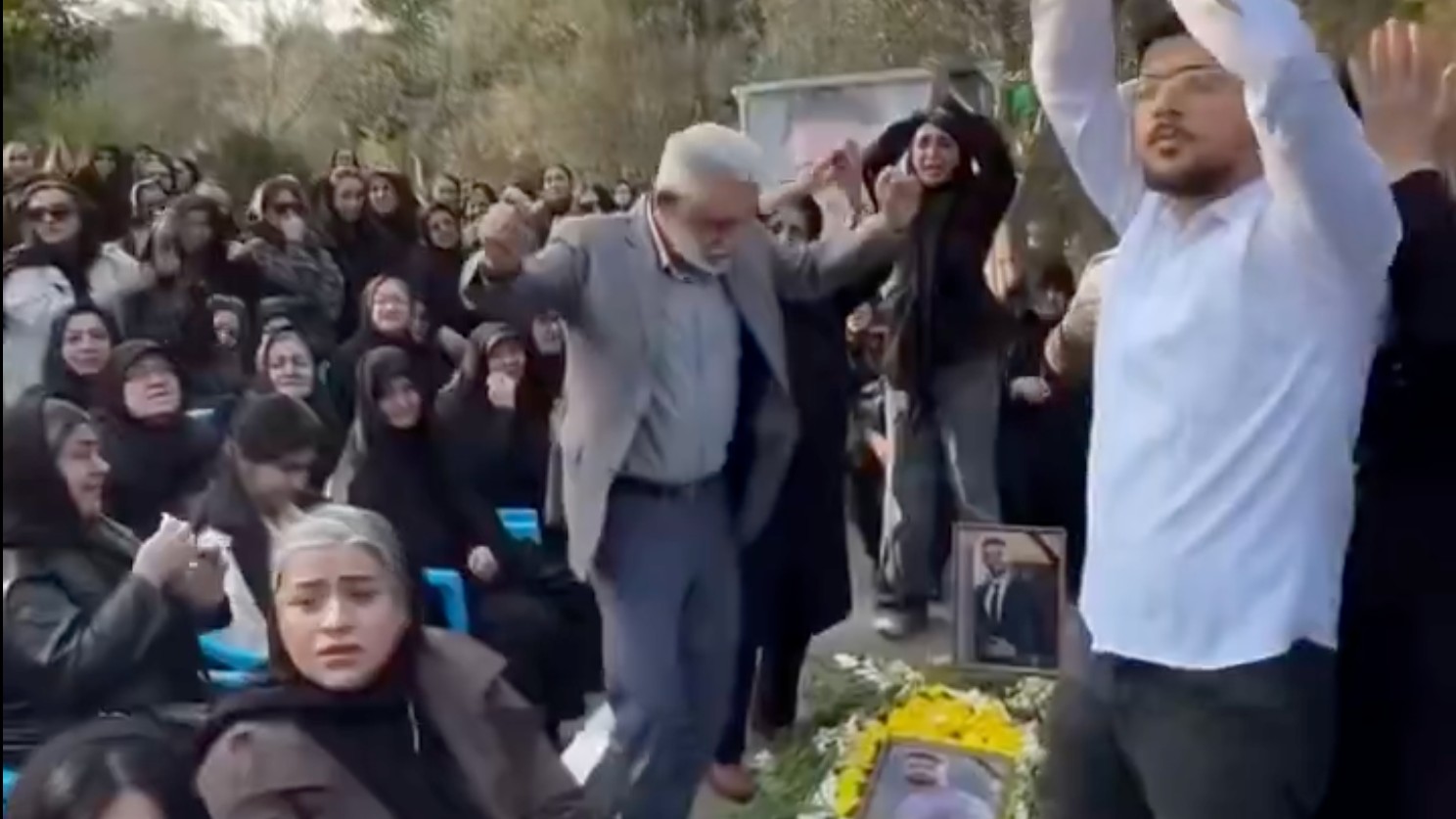
    The protests, initially sparked by economic grievances and rising inflation, have evolved into a broader movement challenging the Islamic Republic’s authority. Despite communication blackouts, videos emerging from Tehran and other cities show sustained demonstrations, including incidents of vehicle arson and mosque burnings according to state media.

    Human rights organizations report critical situations in medical facilities, with hospitals overwhelmed, blood supplies diminishing, and accounts of protesters being deliberately targeted in the eyes. The US-based Center for Human Rights in Iran warned that “a massacre is unfolding” and urged international action to prevent further casualties.

  • Sudanese government announces return to capital Khartoum

    Sudanese government announces return to capital Khartoum

    In a significant political development, Sudan’s transitional administration has declared its intention to reestablish operations in the national capital of Khartoum after relocating to Port Sudan in 2023 due to escalating military conflicts. Prime Minister Kamel Idris formally announced the governmental return on Sunday, pledging enhanced public services for Khartoum’s residents during a press briefing in the city.

    The Prime Minister, who previously served as a United Nations official, proclaimed that ‘the government of hope is returning to the national capital,’ emphasizing the symbolic importance of this transition. Idris had previously dissolved Sudan’s caretaker government in June, replacing it with a technocratic administration that he characterizes as focused on national recovery. However, the unelected leader faces criticism from some quarters who view him as a civilian representative for the Sudanese Armed Forces (SAF).

    This governmental relocation occurs against the backdrop of a devastating civil war that erupted in April 2023 between the SAF and the paramilitary Rapid Support Forces (RSF). The conflict forced the SAF-aligned government to abandon the capital and establish temporary headquarters in Port Sudan, which has since functioned as the primary hub for humanitarian aid distribution and commercial maritime activities.

    The human cost of the conflict has been staggering, with approximately 13 million people displaced nationwide. Current territorial control shows the RSF maintaining dominance over five states in the Darfur region, while the Sudanese army controls the remaining 13 states across southern, northern, eastern, and central regions, including Khartoum.

    These opposing factions previously collaborated in 2019 to overthrow Omar al-Bashir’s three-decade regime but fractured in 2023. The RSF faces serious allegations of genocide and war crimes, including mass killings in el-Fasher last November, with reports indicating military support from the United Arab Emirates. Simultaneously, the SAF confronts accusations of human rights violations and wartime atrocities, creating a complex humanitarian and political crisis that continues to unfold.

  • First lady of Philippines, Louise Araneta-Marcos, visits Dubai, discusses trade ties

    First lady of Philippines, Louise Araneta-Marcos, visits Dubai, discusses trade ties

    In a significant diplomatic engagement, Philippine First Lady Louise Araneta-Marcos conducted a high-level meeting with Dubai Chambers leadership on January 11, 2026, to explore enhanced economic collaboration between the two regions. The delegation, led by Eng. Sultan bin Saeed Al Mansoori, Chairman of Dubai Chambers, and President/CEO Mohammad Ali Rashed Lootah, presented Dubai’s strategic advantages as a global business hub.

    The comprehensive presentation detailed Dubai’s exceptional infrastructure, strategic geographical positioning, and pro-business regulatory environment designed to facilitate international trade. Both parties identified multiple sectors with substantial potential for mutual economic cooperation, building upon already robust bilateral relations.

    Current trade metrics demonstrate flourishing economic ties, with non-oil bilateral trade reaching AED 3.1 billion in 2024. The partnership has seen remarkable growth, with 653 Philippine companies joining Dubai Chamber of Commerce in just the first three quarters of 2025, bringing total active Philippine member companies to 2,508 by September 2025.

    This visit builds upon previously established cooperation frameworks, including a successful trade mission to Manila featuring 17 Dubai-based companies across diverse sectors. The earlier mission facilitated 180 bilateral business meetings and culminated in the signing of a Memorandum of Understanding between Dubai Chamber of Commerce and the Philippine Chamber of Commerce and Industry. The agreement established formal mechanisms for continued commercial collaboration and knowledge exchange between the business communities of both nations.

  • Iran president to address ‘people’s demands’, economic situation in interview

    Iran president to address ‘people’s demands’, economic situation in interview

    Iranian President Masoud Pezeshkian is set to deliver a nationally televised address on Sunday evening addressing mounting public discontent over economic conditions and outlining governmental responses to ongoing protests. The presidential interview comes after two weeks of sustained demonstrations triggered by escalating living costs and economic pressures throughout the country.

    According to state broadcaster IRIB, President Pezeshkian will detail his administration’s comprehensive economic strategy, particularly focusing on proposed reforms to Iran’s subsidy infrastructure. The broadcast will also cover the government’s position regarding recent civil unrest and its approach to addressing citizen demands.

    The announcement follows a period of significant social unrest marked by public demonstrations expressing frustration over inflation and economic hardship. Simultaneously, the Iranian government has declared three days of national mourning for unspecified ‘martyrs,’ though official statements have not elaborated on the circumstances surrounding these casualties.

    This confluence of events—economic protests, presidential response, and national mourning—creates a complex socio-political landscape in Iran. The administration’s communication strategy appears designed to acknowledge public grievances while maintaining governmental authority and control over the narrative.

    The upcoming address represents a critical moment for President Pezeshkian’s administration as it attempts to balance economic policy announcements with responses to civil discontent. The effectiveness of this communication approach in addressing both immediate public concerns and long-term economic planning remains to be seen as Iran navigates this period of economic challenge and social tension.

  • Bahrain opposition leader Ebrahim Sharif given six-month sentence for Israel criticism

    Bahrain opposition leader Ebrahim Sharif given six-month sentence for Israel criticism

    Bahrain’s political landscape faces renewed scrutiny as prominent opposition figure Ebrahim Sharif receives a six-month prison sentence for his vocal criticism of the kingdom’s diplomatic relations with Israel. The sentencing by Bahrain’s Lower Criminal Court on Thursday marks the latest development in a case that has drawn international condemnation from human rights advocates.

    Sharif, a secular leftist activist and head of the National Democratic Action Society (Wa’ad), was convicted on charges of “spreading false news on social media” and “making offensive remarks against sister Arab states and their leaders.” The court specifically cited an interview Sharif gave to LuaLuaTV in Beirut where he condemned Arab nations for their perceived failure to support Palestinians and their increasing ties with Israel.

    According to the Public Prosecutor’s office, Sharif’s statements contained “false and offensive information about Arab countries, accusing them of collusion and conspiracy” while encouraging citizens to “resist and rise up against their governments.” The court additionally imposed a fine of 200 Bahraini dinars ($530).

    This case represents the tenth instance since 2011 that Bahraini authorities have arrested, interrogated, or prosecuted Sharif, who emerged as a significant figure during the 2011 pro-democracy protests. His sentencing occurs against the backdrop of Bahrain’s 2020 normalization of relations with Israel through the US-brokered Abraham Accords, a move that has generated substantial domestic criticism that intensified following Israel’s military operations in Gaza.

    Human rights organizations have condemned the verdict as emblematic of Bahrain’s deteriorating free expression environment. Sayed Ahmed Alwadaei of the Bahrain Institute for Rights and Democracy described the sentence as setting “a chilling precedent” where “a prominent public figure is being criminalized for standing with Palestine.”

    The case unfolds amid ongoing concerns about Bahrain’s prison conditions. Recent reports from UN committees and organizations like Human Rights First have documented consistent allegations of torture and mistreatment of political prisoners, despite Bahrain being a signatory to the UN Convention Against Torture. Last month, Human Rights First submitted a dossier to the US administration recommending sanctions against Bahrain’s Interior Minister for alleged oversight of torture practices.

    The UN Committee Against Torture’s November assessment expressed deep concern about “consistent reports indicating that persons in custody are subjected to torture or ill-treatment” and noted “the reported lack of accountability, which contributes to a climate of impunity.”