标签: Asia

亚洲

  • Jilin—1 GF07 satellite transmits high-resolution photo of Harbin’s winter wonderland

    Jilin—1 GF07 satellite transmits high-resolution photo of Harbin’s winter wonderland

    In a groundbreaking technological achievement, China’s Jilin-1 GF07 satellite has successfully captured the nation’s first ultra-high-resolution color nighttime remote sensing image, featuring the spectacular Harbin Ice and Snow World Park during New Year’s Eve celebrations. This remarkable image provides unprecedented clarity of the winter wonderland illuminated against the night sky.

    The Jilin-1 GF07 represents the cutting edge of China’s commercial space technology, developed by Changguang Satellite Technology based in Changchun, Jilin province. As part of China’s first domestically developed commercial remote-sensing satellite constellation, this advanced technology demonstrates exceptional capabilities in environmental monitoring and data collection.

    Beyond capturing stunning imagery, the satellite system serves critical practical functions including forest fire detection, desertification monitoring, offshore rescue operations, and ocean conservation efforts. Its sophisticated sensors can detect artificial light sources across the Earth’s surface during nighttime hours while simultaneously imaging low-light areas, generating valuable data for socioeconomic and environmental analysis.

    This technological milestone underscores China’s growing capabilities in space-based observation systems and their practical applications for both commercial and environmental purposes. The successful imaging of Harbin’s iconic winter festival demonstrates the satellite’s precision and the expanding potential of commercial space technology in documenting and monitoring planetary phenomena.

  • UAE removing its military from Bosaso after angry Somalia ends agreement

    UAE removing its military from Bosaso after angry Somalia ends agreement

    The port city of Bosaso in Somalia’s Puntland region has witnessed an unprecedented surge in military air traffic, with an average of six IL-76 cargo aircraft arriving and departing daily in what appears to be a hurried evacuation operation. According to flight-tracking data and eyewitness accounts, these massive transport planes have been exclusively focused on removing United Arab Emirates security personnel and heavy military equipment from Somali territory.

    The accelerated airlift operation represents a dramatic escalation in the ongoing diplomatic crisis between Somalia and the UAE. This development follows Somalia’s federal government revoking agreements that permitted Emirati use of Bosaso airbase and other facilities. The decision came after Mogadishu accused the UAE of secretly facilitating the transit of Aidarous al-Zubaidi, head of the UAE-backed Southern Transitional Council in Yemen, who was wanted by Saudi Arabia for peace talks.

    This incident has exposed the complex geopolitical tensions playing out in the Horn of Africa. The UAE has cultivated close ties with regional administrations in Puntland and Somaliland, often bypassing the federal government in Mogadishu. These relationships have drawn controversy, particularly after Israel’s recognition of Somaliland as an independent state in December—a move seen as bolstered by Emirati influence.

    Analysts suggest the evacuation indicates UAE compliance with Somalia’s suspension order, but warn of potential retaliation. Khalif Abdullahi, a researcher at the London School of Economics, predicts the UAE will likely cut funding to Mogadishu, support opposition figures, and encourage formation of a parallel government when President Hassan Sheikh Mohamud’s mandate expires in May.

    The situation has prompted Somalia to move closer to Saudi Arabia, which has actively supported Somalia’s territorial integrity. Saudi Arabia recently flexed its diplomatic muscles by hosting an Organisation of Islamic Cooperation conference on Somalia and rallying Arab League support for Mogadishu following Israel’s recognition of Somaliland.

    Despite the military withdrawal, the UAE maintains significant economic influence in Somalia through strategic investments including the nearly $500 million Berbera port project. However, researchers note that Mogadishu retains jurisdictional leverage to potentially suspend Emirati operations in these strategic assets.

    The escalating Saudi-UAE rivalry in the region now presents both challenges and opportunities for Somalia’s fragile government as it navigates complex international alliances and domestic political tensions ahead of upcoming elections.

  • AMIS GPD Development partners with Jacob & Co to create ultra-luxury villa community in Meydan

    AMIS GPD Development partners with Jacob & Co to create ultra-luxury villa community in Meydan

    In a landmark fusion of haute horology and architectural excellence, AMIS GPD Development has announced a strategic partnership with iconic luxury brand Jacob & Co. to conceive an exclusive villa community within Dubai’s prestigious Meydan district. The collaboration was formally cemented during a signing ceremony at the AMIS Sales Centre on Sheikh Zayed Road, attended by key figures including Jacob Arabo, Founder of Jacob & Co., and Neeraj Mishra, CEO of AMIS GPD Development.

    This venture aims to establish a new paradigm for luxury living by integrating the meticulous artistry synonymous with high watchmaking into residential design. The development promises to deliver an unparalleled standard of sophistication through the utilization of premium materials, refined aesthetic principles, and cutting-edge technology. Each villa is envisioned as a testament to exclusivity and contemporary elegance, designed to cater to the most discerning global clientele.

    Jacob Arabo emphasized the shared philosophy driving the project, stating the collaboration represents a fusion of two brands united by a passion for excellence, destined to create a beacon of sophistication in Dubai. Neeraj Mishra highlighted the partnership as a critical milestone in amplifying AMIS’s footprint within the emirate’s high-end real estate landscape, ensuring an offering unmatched in design and innovation. Shareholder Shah Azim Hameed echoed this sentiment, framing the initiative as a reflection of long-term confidence in Dubai’s property market, combining robust development fundamentals with world-class design excellence to create a future-focused residential legacy.

  • Dubai businessman decries ‘language of war’, says world does not need ‘new battles’

    Dubai businessman decries ‘language of war’, says world does not need ‘new battles’

    Prominent Dubai billionaire and philanthropist Khalaf Al Habtoor has issued a stern critique of U.S. President Donald Trump’s escalating international tactics, denouncing what he describes as a dangerous reliance on “exaggeration and the language of force” in global diplomacy. The comments come in direct response to a recent unprecedented U.S. military operation that resulted in the capture of Venezuelan President Nicolas Maduro, an event that has ignited intense global political debate.

    Al Habtoor expressed profound concern over Trump’s subsequent threats toward multiple sovereign nations and territories, including Mexico, Colombia, Cuba, Iran, and Greenland. The Emirati business magnate questioned the strategic wisdom of creating international enmities, particularly with traditional NATO allies, arguing that such aggressive posturing prioritizes populism over sustainable peace. He emphasized that while the “language of war and escalation may seem more populist, peace is the best option.”

    The billionaire advocated strenuously for diplomatic solutions, stating that legitimate U.S. security concerns should be addressed through negotiation and joint action with international partners rather than military confrontation. He warned that current approaches risk “opening doors to military confrontations that the world does not need today” and could sow “the seeds of conflict in more than one region.”

    Al Habtoor specifically referenced Trump’s assertion that the U.S. would “run” Venezuela and his claim of being “not afraid of boots on the ground” as particularly destabilizing rhetoric. He further highlighted the concerning declaration by Trump on January 12th that he was the “acting president of Venezuela,” despite the absence of any legal framework or official documentation supporting such a role.

    Calling for European nations to act as “an impregnable barrier against any rush that could lead to dangerous escalation,” Al Habtoor framed true leadership as the ability to manage differences and build consensus rather than ignite crises. The noted philanthropist, who has frequently provided aid to conflict zones, concluded that while peace may not be the easiest path, it remains the safest route to a stable and just global future, urging for “reason, wisdom, and self-control in addressing sensitive issues.”

  • Israel’s recently appointed UK ambassador banned from leaving state

    Israel’s recently appointed UK ambassador banned from leaving state

    Israel’s newly appointed ambassador to Britain, Tzachi Braverman, finds himself unable to assume his diplomatic post after being detained and questioned by Israeli police regarding allegations of obstructing an investigation into a classified military document leak. The incident, which occurred on Sunday, has triggered significant political repercussions and legal challenges.

    Braverman, who also serves as Prime Minister Benjamin Netanyahu’s chief of staff, faces accusations related to the unauthorized disclosure of sensitive information during the September 2024 Gaza conflict. The leaked document, purportedly from Hamas, suggested the group’s reluctance to release Israeli captives and end hostilities. Critics allege the leak was strategically timed to bolster public support for Netanyahu’s negotiation stance.

    The investigation took a dramatic turn when former Netanyahu spokesman Eliezer Feldstein publicly claimed that Braverman had offered to ‘shut down’ the leak inquiry in 2024. Both Braverman and the Prime Minister’s office have vehemently denied these allegations, counter-accusing Feldstein of fabrication.

    Following his release after a day of interrogation, Braverman was subjected to stringent restrictions including a 30-day travel ban preventing his departure to Britain and prohibitions on contacting officials at the Prime Minister’s office. His legal team has filed an appeal against these conditions, describing them as ‘extreme and exceptional’ given his imminent ambassadorial assignment.

    The political fallout has been immediate and divisive. Netanyahu’s Likud party decried the police action as a ‘persecution campaign’ against the prime minister and his associates. Opposition leader Yair Lapid has called for suspending Braverman’s diplomatic appointment, while Foreign Minister Gideon Saar cautioned against prejudicial actions that might violate fundamental rights to fair trial.

    This incident marks the second time Braverman has faced police questioning, having been investigated previously for allegedly altering timestamps related to Netanyahu’s initial response instructions during the October 2023 Hamas attack. The ambassador-designate’s predicament leaves Israel without representation in London following the conclusion of Tzipi Hotovely’s term in September.

  • UK: Starmer asked to sit on Gaza ‘Board of Peace’ by Trump administration

    UK: Starmer asked to sit on Gaza ‘Board of Peace’ by Trump administration

    British Prime Minister Keir Starmer has been formally invited to participate in a Gaza ‘Board of Peace’ initiative spearheaded by U.S. President Donald Trump, according to reports from The Times. This development signals strengthening diplomatic relations between the newly elected UK leader and the American administration.

    The proposed board, which Trump described as ‘being formed’ during recent press remarks, aims to oversee reconstruction efforts in the conflict-devastated Gaza Strip. The President characterized the body as comprising ‘the most important leaders of the most important nations,’ with approximately fifteen world leaders expected to participate, including those from the UK, Germany, France, Italy, Saudi Arabia, Qatar, Egypt, and Turkey.

    Notably, former UK Prime Minister Tony Blair, initially considered for a leadership role on the board, was reportedly removed from consideration late last year following pressure from several Arab and Muslim states. Blair’s legacy remains controversial due to his role in the 2003 invasion of Iraq alongside the United States.

    According to Financial Times reports, the board’s structure will include a smaller executive committee featuring Blair alongside Jared Kushner, the President’s son-in-law, and Trump adviser Steve Witkoff, though membership will be restricted to serving world leaders for the primary board.

    Substantial uncertainties surround the board’s operational framework and priorities, particularly regarding post-war governance structures for Gaza and the composition of an international security force. Israeli Prime Minister Benjamin Netanyahu’s opposition to Turkish participation in such a force has reportedly discouraged several potential partner nations, including Azerbaijan, Pakistan, Saudi Arabia, and Indonesia, from contributing troops.

    The initiative emerges against a backdrop of continued violence. Israeli forces have reportedly violated ceasefire agreements nearly 1,200 times over three months, resulting in 439 Palestinian fatalities through airstrikes, shelling, and home demolitions. A stringent blockade persists on Gaza, with closed border crossings severely restricting humanitarian aid access.

    According to Palestinian health authorities, the conflict has claimed over 71,400 Palestinian lives in Gaza since October 2023, including at least 20,000 children, highlighting the urgent humanitarian crisis confronting the region.

  • Photo showcase puts Sino-Thai student ties in focus

    Photo showcase puts Sino-Thai student ties in focus

    Bangkok’s prestigious Iconsiam shopping complex is currently hosting a remarkable photography exhibition that underscores the strengthening educational partnership between Thailand and China. The showcase, which opened on January 10th, features 43 compelling photographic works created by 50 Thai students who participated in an innovative summer program at China’s Huazhong University of Science and Technology (HUST).

    The exhibition represents the culmination of the Outstanding Development Opportunity Scholarship (ODOS) Summer Camp, a six-week educational initiative that took place in October and November 2025. This timing held special significance as it coincided with the 50th anniversary of diplomatic relations between the two nations. The program emerged from a collaborative effort between HUST and Thailand’s Digital Economy Promotion Agency (Depa), focusing on cutting-edge technological research in artificial intelligence and metaverse development.

    Beyond technical education, the curriculum incorporated immersive cultural experiences including traditional Chinese calligraphy and tea ceremonies. Participants also visited multiple research institutions and technology companies, providing comprehensive exposure to both China’s technological advancements and rich cultural heritage.

    The opening ceremony attracted distinguished guests including Ni Yang, Counselor at the Chinese Embassy in Thailand, who remarked that the photographs ‘vividly reflect the deep friendship between China and Thailand that is as close as one family.’ Representatives from Thailand’s Ministry of Education, the National Broadcasting and Telecommunication Commission, and several Thai educational institutions also attended the event.

    Hatsadin Kampiranond, Director of Depa’s Asset Management Office, emphasized the exhibition’s significance beyond academic achievement: ‘Each work embodies the voice of the students, documenting their transformation from program participants to cultural ambassadors.’

    The exhibition’s opening day strategically aligned with Thailand’s Children’s Day, highlighting the program’s focus on youth development. Student representative Natrada Promnak, who received an award at the exhibition, attended with her family and expressed how the photographs transported her back to her educational experience in China: ‘The summer camp, combining technology and humanity experience, has built a bridge of friendship for the students through imagery.’

    The exhibition, collaboratively organized by HUST, Depa, and Chinese technology company Vivo with support from the Hubei Youth Chamber of Commerce in Thailand, remains open to the public free of charge at Iconsiam’s Napalai Terrace until January 18th.

  • Displaced northerners ‘feel safer’ in south Yemen after STC withdrawal

    Displaced northerners ‘feel safer’ in south Yemen after STC withdrawal

    A significant shift in southern Yemen’s political landscape has created a fragile sense of optimism among displaced northern families following the collapse of separatist control in Aden. The withdrawal of Southern Transitional Council (STC) forces has alleviated years of systematic pressure on northern migrants who faced detention, movement restrictions, and widespread suspicion under the separatist administration.

    The STC, which advocates for southern Yemen’s independence, had consistently viewed northern residents as obstacles to their political objectives. Their forces regularly conducted eviction campaigns, transporting accused individuals toward Taiz under allegations of espionage for either the internationally recognized government or the Houthi movement. Although many detainees were eventually released, the constant threat of arbitrary detention created an atmosphere of pervasive insecurity.

    December 2025 marked a critical escalation when separatist fighters blockaded Aden against northern entrants following clashes with government forces in eastern governorates. This prompted Saudi-backed air strikes against advancing STC units and a forceful warning from Presidential Leadership Council chief Rashad al-Alimi against movement restrictions. The subsequent collapse of STC authority enabled government troops to reclaim control of Aden and surrounding territories, with reports indicating STC leader Aidarous al-Zubaidi had fled Yemen and the separatist group had dissolved.

    For Yemen’s estimated 4.8 million displaced persons, these developments represent potential improvement in their precarious existence. Many live in makeshift shelters with minimal protection from harsh weather and limited access to basic services, according to UN and International Organization for Migration reports.

    Gaber, a 47-year-old farmer who fled Hodeidah six years ago, described his experience in a Lahj governorate camp: ‘Whenever there was an escalation against the STC, they came to the camp and arrested us. We live a hard life in this desert, but we have no choice. If we go home, there is no work.’ His account reflects the cyclical detention patterns that affected northern migrants during political tensions.

    Elderly camp resident Zainab revealed additional challenges: ‘They call us ‘invaders’ rather than displaced families fleeing war. They arrest our men, and if anyone tries to negotiate, they beat them.’ She noted that many families couldn’t obtain identification cards increasingly reserved for southerners, and men were frequently forced to sign pledges to leave the region.

    The complex social dynamics include lingering distrust among southern residents. STC supporter Saif al-Yafei expressed caution: ‘Many street vendors and labourers turned out to be Houthi fighters in 2015. How can I trust northerners during an escalation?’ While acknowledging northerners’ right to reside anywhere, he emphasized wartime precautions.

    Despite these challenges, displaced northerners now express cautious optimism about collaborating with local communities to rebuild the south, recognizing that returning north remains unlikely in the immediate future. As government forces theoretically fight for a unified Yemen, the most vulnerable populations prioritize daily survival over political outcomes, seeking merely to work and return home safely each day.

  • India: Rocket launch loses control after liftoff in fresh blow to ISRO

    India: Rocket launch loses control after liftoff in fresh blow to ISRO

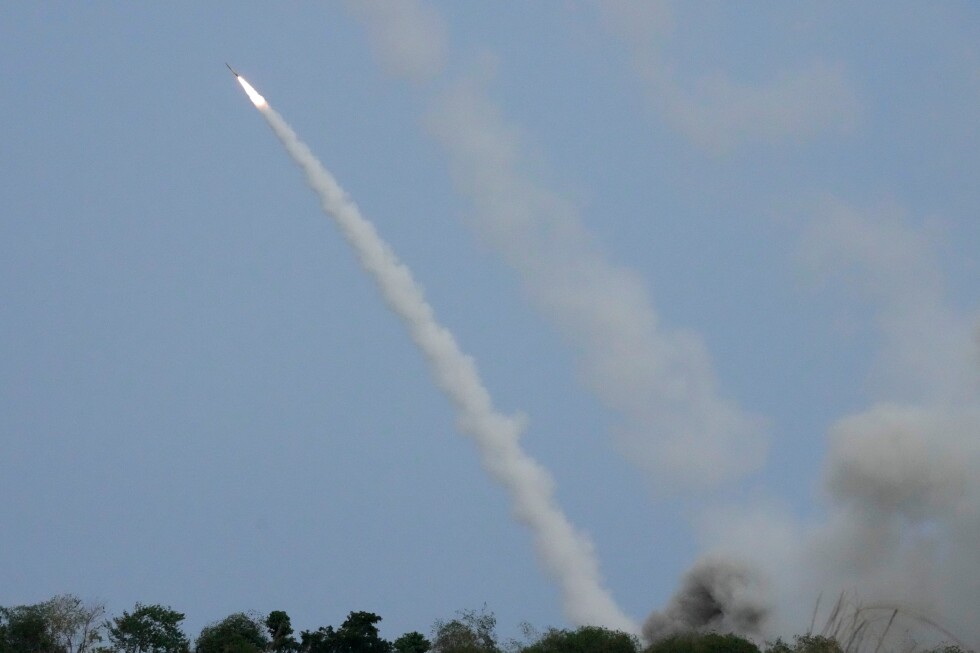
    India’s space program encountered a significant setback on Monday when its Polar Satellite Launch Vehicle (PSLV-C62) deviated from its intended trajectory shortly after liftoff. The mission, which launched from the Satish Dhawan Space Centre in Sriharikota at 10:18 a.m. local time, carried sixteen payloads including the primary EOS-N1 earth observation satellite and fifteen additional experiments developed by Indian and international startups and academic institutions.

    The Indian Space Research Organisation (ISRO) reported that the rocket performed nominally during initial flight phases before experiencing an unexpected disturbance during the final segment of its PS3 stage. Mission control observed abnormal deviations from the planned flight path, prompting ISRO to initiate comprehensive analysis of the anomaly. The space agency has not disclosed specific technical details regarding the malfunction or the ultimate disposition of the vehicle and its payload.

    This incident marks the second failure for the PSLV platform within an eight-month period, potentially impacting its established reputation for reliability. The workhorse launch vehicle has historically maintained an impressive 90% success rate across approximately sixty missions, including landmark achievements such as the Chandrayaan-1 lunar mission and the Aditya-L1 solar observatory deployment.

    The PSLV series represents a cornerstone of India’s space ambitions, serving both governmental scientific objectives and the nation’s growing commercial space sector. This latest anomaly occurs amid India’s concerted efforts to expand private industry participation in space manufacturing and satellite deployment services, raising questions about potential implications for the country’s competitive position in the global space market.

  • Nepal: Unemployed youth scramble for election jobs

    Nepal: Unemployed youth scramble for election jobs

    Kathmandu witnessed extraordinary scenes as tens of thousands of unemployed Nepalese youth queued for temporary police positions ahead of March elections, revealing the Himalayan nation’s profound economic distress. Over 27,000 applications flooded police stations during the first two recruitment days alone, with queues spanning all 77 districts including on public holidays.

    The massive turnout follows September’s youth-led uprising that toppled the government after protests initially sparked by social media restrictions evolved into widespread demonstrations against systemic corruption and economic hardship. The violent crackdown resulted in approximately 77 fatalities and parliamentary arson, with economic losses estimated at $586 million and nearly 15,000 jobs vanished.

    Police spokesman Abinarayan Kafle reported unprecedented enthusiasm among applicants, mostly young adults seeking the 149,090 temporary positions offering $280 for 40 days of service. This compensation represents significant earnings in a nation where per capita income stagnates at $1,404 annually.

    Applicants like 20-year-old Sarika Karki expressed hopes to ‘earn some pocket money’ while contributing to electoral security. Thirty-year-old former cook Nischal Poudel, currently jobless, echoed the desperation: ‘Only God knows if I will be selected, but now that I’ve applied I am sure something good will happen.’

    The recruitment drive highlights Nepal’s severe employment crisis, with 82% of workers in informal employment and over 839,000 citizens leaving abroad for work in the past year from the 30-million population nation. Successful applicants will perform logistical duties including queue management and ballot transportation during the pivotal polls.