标签: Asia

亚洲

  • Dubai’s University of Wollongong halts 100% parking fee hike after student feedback

    Dubai’s University of Wollongong halts 100% parking fee hike after student feedback

    In a significant victory for student advocacy, the University of Wollongong in Dubai has suspended its planned 100% parking fee increase following substantial backlash from its student body. The institution had initially announced that underground parking rates would double from Dh10 to Dh20 per hour, a decision that prompted immediate student mobilization including petitions and social media campaigns.

    University President Professor Mohamed-Vall M. Salem Zein confirmed the reversal, stating that student feedback regarding parking arrangements had been taken seriously. The university is collaborating with its facility partner, Dubai Knowledge Park (DKP), to develop a revised parking model that prioritizes student needs. DKP has assured that students will be categorized separately from general visitors to create more favorable parking arrangements.

    The proposed increase would have dramatically impacted student finances. Engineering student Ahmed illustrated the potential burden, noting his current Dh20 daily parking expense would have quadrupled to Dh80. Parents expressed similar concerns, with one mother calculating that her son’s weekly parking costs would have reached Dh380 for three days of classes.

    While an alternative parking option exists near the tram station at Dh5 per hour, students noted the limited capacity and crowding issues that would have been exacerbated by the price changes. The university’s initial plan included only 160 students receiving two hours of free parking on a first-come, first-served basis, a provision that students found insufficient.

    The decision to maintain current parking arrangements represents a successful case of institutional responsiveness to student concerns, highlighting the power of collective action in addressing campus accessibility issues.

  • UK Home Office graph reveals shocking scale of Palestine Action arrests

    UK Home Office graph reveals shocking scale of Palestine Action arrests

    A dramatic escalation in UK counterterrorism operations has emerged following the government’s controversial proscription of Palestine Action in July 2025, with Home Office statistics revealing an unprecedented 660% year-on-year increase in terrorism-related arrests. The data shows 1,886 individuals were detained for alleged terrorism offenses between January and September 2025, with approximately 1,630 arrests directly linked to activities associated with the banned protest organization.

    The statistical surge gained legal context on Friday when the High Court delivered a landmark ruling declaring the government’s ban on the direct action group ‘discriminatory and unlawful.’ Despite this judicial finding, the prohibition remains temporarily in effect pending the government’s appeal, which Home Secretary Shabana Mahmood confirmed would be pursued through the Court of Appeal.

    Analysis of arrest patterns reveals a significant demographic shift in UK terrorism enforcement. Unlike previous years where arrestees were predominantly male, nearly half of those detained in connection with Palestine Action activities were female. Most arrests occurred during demonstrations in London and other urban centers, where participants displayed placards stating ‘I oppose genocide. I support Palestine Action.’

    Legal documents indicate the majority faced charges under Section 13 of the Terrorism Act 2000, which prohibits displaying symbols supporting proscribed organizations. The 237 Section 13 charges brought in the first nine months of 2025 nearly equal the total number of such charges (271) brought since the legislation’s inception following the September 2001 attacks.

    Human rights organizations celebrated the High Court’s decision, which resulted from a judicial review initiated by Palestine Action co-founder Huda Ammori. In a statement outside the courthouse, Ammori characterized the ruling as ‘a monumental victory both for our fundamental freedoms here in Britain and in the struggle for freedom for the Palestinian people.’

    The advocacy group Defend our Juries estimates that approximately 2,787 arrests may now be considered unlawful following the court’s determination. A spokesperson for the organization stated: ‘Thousands of people of conscience saw that branding protest as terrorism was a move straight out of the dictator’s playbook. Together we took action at great personal risk.’

    Of those arrested in connection with Palestine Action activities, 1,362 individuals were released on bail while remaining under investigation. The cases continue to develop as the government prepares its appeal against the High Court’s ruling.

  • Indian man pleads guilty in assassination plot against prominent Sikh separatist leader in New York

    Indian man pleads guilty in assassination plot against prominent Sikh separatist leader in New York

    In a significant development in international security and diplomatic relations, Nikhil Gupta, a 54-year-old Indian national, has pleaded guilty to conspiracy charges in a high-profile assassination plot targeting Gurpatwant Singh Pannun, a prominent Sikh separatist leader and American citizen residing in New York. The admission came during proceedings at Manhattan federal court on Friday, revealing a complex transnational conspiracy allegedly orchestrated with the involvement of an Indian government operative.

    U.S. Attorney Jay Clayton issued a stern warning following the plea, declaring: “Our message to nefarious foreign actors should be clear: steer clear of the United States and our people.” The case has escalated into a major diplomatic concern, highlighting foreign interference on American soil.

    According to court documents, Gupta, while in India during 2023, transferred $15,000 through digital channels to an individual he believed to be a contract killer. Unbeknownst to him, this supposed assassin was actually an undercover federal agent. FBI New York Field Office Director James C. Barnacle Jr. stated that Gupta “coordinated with an Indian government employee, who directed him to carry out the killing,” describing it as an attempt by a “foreign adversary to silence a vocal critic of the Indian government.”

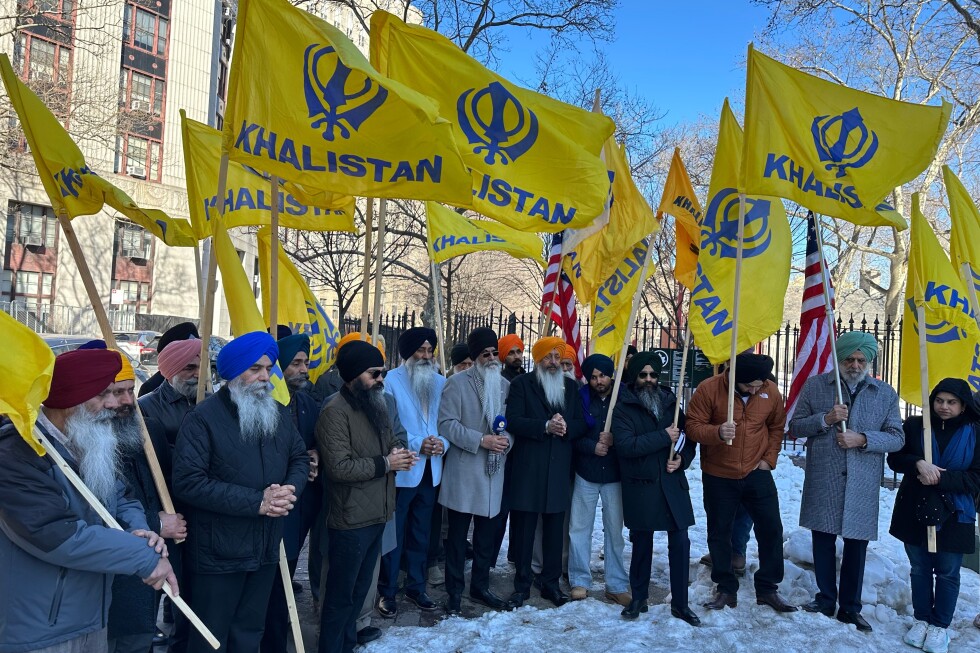
    The courtroom proceedings drew approximately two dozen Sikh supporters from both the United States and Canada, who share Pannun’s vision of establishing an independent Sikh state called Khalistan in India’s Punjab region. Following the hearing, attendees conducted prayer services outside the courthouse, displaying yellow Khalistan flags alongside American flags.

    Pannun, who India designates as a terrorist but describes himself as a human rights lawyer advocating for religious equality, stated in a post-hearing interview: “I’m not a terrorist. I am ready to take India’s bullet rather than take a step back and live like a slave.” He characterized Gupta as “just a foot soldier” and called for investigation into higher-ranking Indian officials allegedly behind the plot.

    Court records indicate Gupta connected the plot to the June 2023 killing of Hardeep Singh Nijjar outside a Sikh temple in British Columbia, suggesting both operations were coordinated by the same individuals. Gupta has been detained without bail since his extradition from the Czech Republic in June 2023 and faces a potential sentence of at least twenty years imprisonment under his plea agreement, with sentencing scheduled for May 29.

  • Philippines moves to abolish 50-year-old travel tax and cut cost for Filipino travellers

    Philippines moves to abolish 50-year-old travel tax and cut cost for Filipino travellers

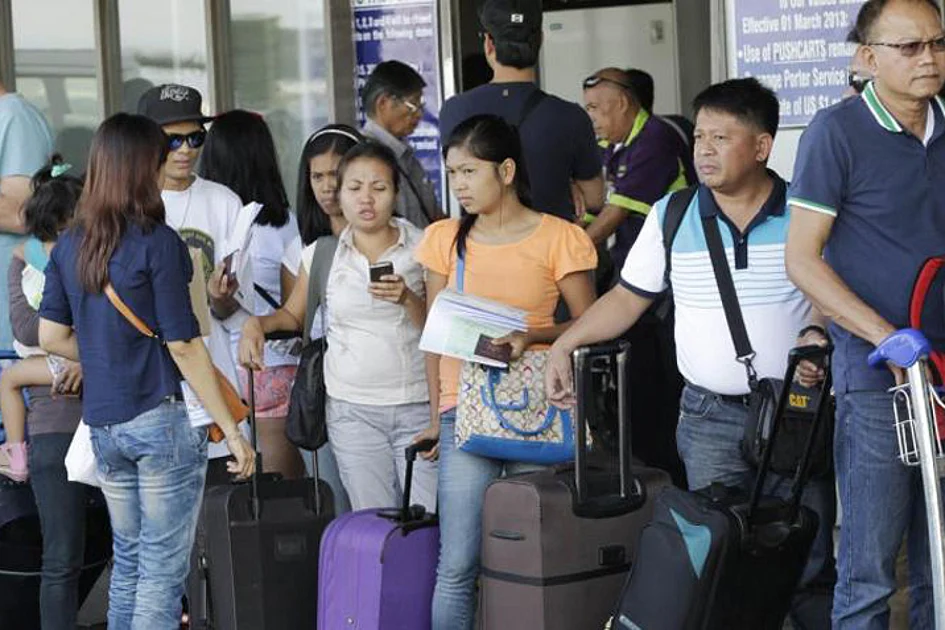
    In a significant policy shift, the Philippine administration under President Ferdinand ‘Bongbong’ Marcos Jr. has formally proposed the abolition of the nation’s long-standing travel tax. This landmark initiative, included among 21 priority legislative measures endorsed by the government this week, aims to alleviate financial pressures on citizens traveling abroad for diverse purposes including employment, leisure, and urgent family matters.

    Palace press officer Claire Castro emphasized the administration’s recognition that contemporary travel patterns extend beyond tourism, with many Filipinos requiring international mobility for work and emergency situations. The current tax structure imposes a levy of ₱1,620 (approximately Dh102.50) for economy class passengers and ₱2,700 (Dh170) for business and first-class travelers, creating substantial financial barriers for families. A family of four, for instance, currently faces combined travel tax and terminal fee expenses exceeding ₱10,280 (Dh650) before departure.

    Historically implemented in 1977 during the presidency of Ferdinand Marcos Sr., the tax originally functioned as an economic mechanism to regulate foreign currency outflow and finance tourism infrastructure. Initially conceived as a ‘luxury tax’ during an era when international travel was predominantly accessible to affluent segments of society, the levy currently allocates 50% of revenues to tourism projects through the Tourism Infrastructure and Enterprise Zone Authority (TIEZA), with 40% supporting educational assistance programs and 10% dedicated to cultural preservation.

    The proposed abolition acknowledges fundamental changes in global mobility patterns and economic conditions since the tax’s inception nearly five decades ago. Should the measure pass into law, the government has committed to securing alternative funding through the national budget to maintain support for previously tax-funded initiatives, with detailed revenue impact assessments to be conducted during legislative deliberations.

  • Pentagon to move world’s largest carrier to Middle East, US officials say

    Pentagon to move world’s largest carrier to Middle East, US officials say

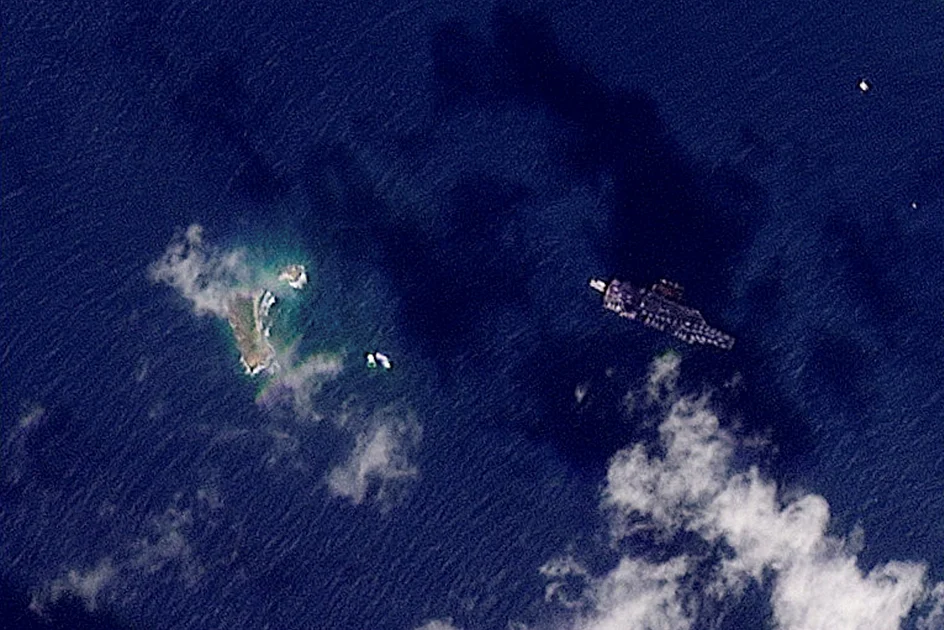
    In a significant military repositioning, the Pentagon is deploying the USS Gerald R. Ford—the world’s largest and most advanced aircraft carrier—from the Caribbean to the Middle East, according to two U.S. officials speaking anonymously to Reuters on Friday. This strategic movement will place two American carrier strike groups in the region simultaneously as diplomatic tensions with Iran intensify.

    The nuclear-powered Gerald R. Ford, accompanied by its escort vessels, has been operating in Caribbean waters where it participated in operations near Venezuela earlier this year. The carrier’s transition to Middle Eastern waters is expected to require at least one week of transit time.

    This deployment represents a substantial commitment of military resources, particularly given that the U.S. Navy maintains only eleven aircraft carriers total, with schedules typically planned far in advance. The Ford will join the USS Abraham Lincoln carrier group, which recently arrived in the region alongside multiple guided-missile destroyers, fighter aircraft, and surveillance platforms.

    The decision follows statements from President Donald Trump, who indicated earlier this week that he was considering deploying additional carrier support to the Middle East if diplomatic progress with Iran stalled. However, on Thursday, Trump suggested a potential breakthrough, noting that an agreement with Iran might be achievable within the coming month. ‘We have to make a deal, otherwise it’s going to be very traumatic,’ the president told reporters.

    The Ford’s extended deployment—continuously at sea since June 2025—highlights the operational strain on naval assets. Originally slated for European operations, the carrier was unexpectedly redirected to the Caribbean in November. While standard carrier deployments typically span nine months, extensions during periods of heightened military activity are not uncommon, though Navy officials have repeatedly warned that prolonged sea duty can adversely affect crew morale.

    Administration officials reportedly considered deploying the USS Bush instead, but certification requirements would have delayed its arrival by over a month. The Ford’s advanced capabilities include capacity for more than 75 military aircraft, sophisticated radar systems for air traffic control and navigation, and the escort support of cruisers and destroyers equipped with comprehensive surface-to-air, surface-to-surface, and anti-submarine warfare systems.

  • Digital Gravity joins Shopify Plus partnership, bringing enhanced e-commerce solutions

    Digital Gravity joins Shopify Plus partnership, bringing enhanced e-commerce solutions

    Digital Gravity, a prominent digital marketing and web design agency based in the UAE, has achieved significant industry recognition by becoming an official Shopify Plus Partner. This strategic partnership represents a major advancement in the company’s mission to deliver structured, performance-driven e-commerce solutions to businesses across multiple sectors.

    The agency, which boasts over a decade of experience in digital transformation, has established an impressive portfolio serving clients in real estate, healthcare, hospitality, government, public sectors, and education. Their expertise focuses on enhancing business performance and maximizing return on investment through comprehensive digital solutions.

    According to Danish Mehtab, Director of Digital Gravity, the company’s philosophy centers on transforming innovative ideas into reliable revenue streams for clients. “Our approach emphasizes clear strategy, measurable goals, and partnerships that convert digital investments into sustained growth,” Mehtab stated, highlighting the agency’s commitment to long-term success rather than short-term traffic spikes.

    Existing Shopify merchants can now leverage Digital Gravity’s certified expertise to enhance their e-commerce strategies. The agency specifically addresses common challenges retailers face when implementing new advertising technologies, offering structured implementation processes and scalable solutions tailored to commerce-focused businesses.

    Operational excellence forms the cornerstone of Digital Gravity’s service delivery. Kamran Shahid, COO, explained: “We transform promise into predictable delivery through streamlined processes, reduced team friction, and repeatable quality checks. This ensures all projects launch on schedule, perform reliably, and scale seamlessly with business growth.

    The agency has designed, developed, and optimized hundreds of e-commerce websites for clients throughout the UAE and international markets. Their clientele ranges from emerging e-commerce brands to large GCC enterprises and major organizations. Digital Gravity’s methodology integrates conversion-focused user experience design with comprehensive conversion rate optimization, supported by advanced A/B testing, heatmap analysis, and sophisticated analytics.

    A notable case study includes their work with By Shams, a personalized fragrance e-commerce brand, where the agency led website design and development to create a more immersive and responsive online shopping experience.

    Umair Khan, CTO of Digital Gravity, emphasized the balance between innovation and stability: “We build both resilient architecture and performance-first engineering, complemented by data-driven experimentation. This approach ensures clients receive fast, secure experiences that continuously improve over time.”

    The agency’s capabilities receive external validation through independent third-party platforms like Clutch, where verified client reviews consistently highlight their on-time delivery and exceptional website development expertise. This independent recognition further reinforces the company’s reputation for successful project execution and outstanding outcomes.

  • Xi’an workshop lets tourists hand-make their own Terracotta Warriors

    Xi’an workshop lets tourists hand-make their own Terracotta Warriors

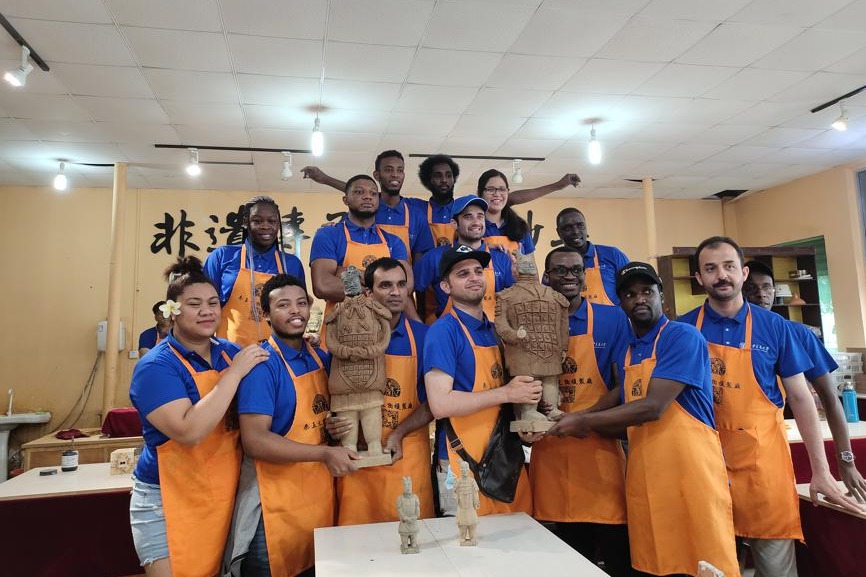
    A unique cultural workshop in Xi’an, Shaanxi province, has emerged as a major tourist attraction, particularly during the recent Spring Festival period. Located near the UNESCO World Heritage Site of the Terracotta Army, this specialized facility enables visitors to create their own miniature terracotta figurines through hands-on pottery sessions.

    The workshop provides an immersive historical experience where tourists learn ancient pottery techniques to craft personalized replicas reminiscent of the original Qin Dynasty (221-206 BC) warriors. Participants engage in the entire creative process, from molding the clay to applying finishing touches, under the guidance of skilled artisans.

    This innovative approach to cultural tourism has gained significant popularity among both domestic and international visitors seeking more interactive experiences beyond traditional sightseeing. The workshop’s timing during Spring Festival proved particularly strategic, as many travelers look for meaningful activities during the holiday season.

    The experience not only offers entertainment but also serves as an educational opportunity, providing insights into China’s rich historical heritage and ancient craftsmanship techniques. Visitors leave with not just photographs but tangible, self-created souvenirs that represent a deeper connection to Chinese history.

    Tourism experts note that such interactive experiences represent a growing trend in cultural tourism, where visitors seek active participation rather than passive observation. The workshop’s success demonstrates how historical sites can develop complementary attractions that enhance visitor engagement while promoting traditional arts.

  • BNP wins majority in first free and fair Bangladesh election for two decades

    BNP wins majority in first free and fair Bangladesh election for two decades

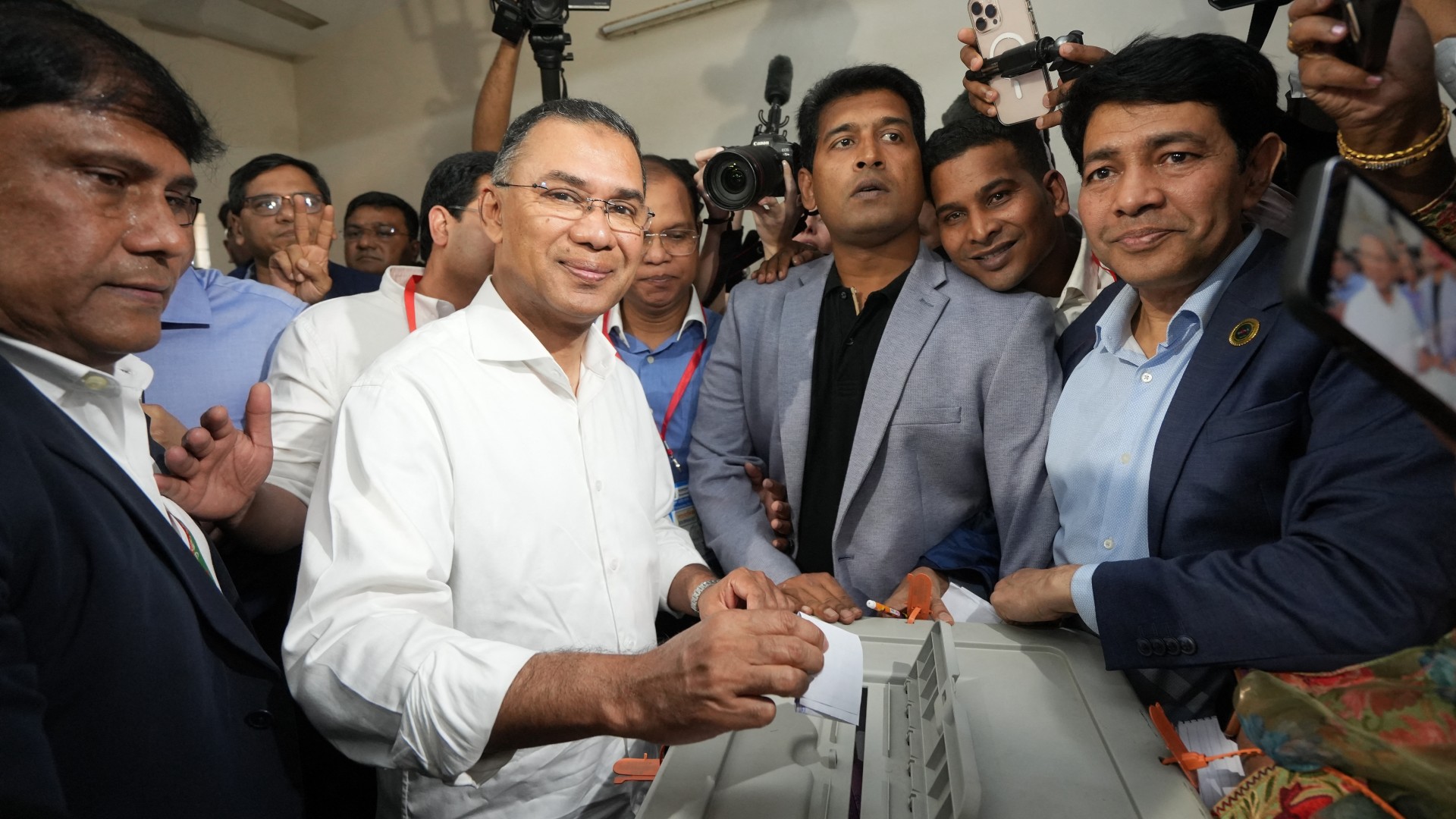
    Bangladesh has witnessed a historic political transformation with the Bangladesh Nationalist Party (BNP) achieving a decisive victory in parliamentary elections, marking the nation’s first genuinely free and fair electoral process in nearly two decades. According to official results released by the election commission on Friday, the BNP secured a commanding majority with at least 212 of the 299 parliamentary seats.

    The opposition coalition, spearheaded by Jamaat-e-Islami, obtained 77 seats in the newly constituted parliament. This electoral outcome positions BNP leader Tarique Rahman to assume national leadership, continuing a powerful political dynasty as the son of former Prime Minister Khaleda Zia and assassinated former President Ziaur Rahman.

    In a remarkable demonstration of restraint, the victorious BNP explicitly prohibited celebratory processions or rallies despite their substantial margin of victory, instead encouraging supporters to offer prayers in acknowledgment of their success.

    This political shift concludes a period of significant turbulence that began with the ousting of long-serving Prime Minister Sheikh Hasina in August 2024 following widespread student-led protests. Hasina, currently residing in exile in India, presided over an administration widely criticized for suppressing political opposition, silencing dissent, and committing human rights violations during her tenure from 2009 until her removal. In November, an absentia court verdict sentenced her to death for crimes against humanity related to lethal crackdowns on student protesters, resulting in her Awami League party’s exclusion from the electoral process.

    Since Hasina’s departure, Bangladesh has been governed by an interim administration under Nobel Peace laureate Muhammad Yunus. Although Jamaat-e-Islami’s coalition, which included youth activists from the National Citizen Party, anticipated stronger performance, the party acknowledged defeat while expressing dissatisfaction with vote counting procedures in certain constituencies. Despite this setback, Jamaat achieved its highest parliamentary representation with 70 seats, marking its return to electoral politics after being banned by Hasina’s government in 2013.

    Rahman’s impending leadership represents a significant milestone as Bangladesh prepares to welcome its first non-interim male prime minister in over 35 years. His return from a 17-year exile in London last December preceded a campaign focused on job creation, protection for low-income households, and ensuring fair pricing structures for agricultural producers. For many observers, Rahman’s ascendancy perpetuates the dynastic political tradition that has characterized Bangladeshi governance since the nation’s independence in 1971.

    International responses have begun emerging with India, Pakistan, and the United States extending congratulations to the BNP. The relationship between Bangladesh and India, traditionally close allies, has experienced recent strain primarily due to New Delhi’s refusal to extradite the exiled Hasina.

    Voter participation was reported at approximately 60 percent during the elections, which coincided with a constitutional referendum advocating significant political reforms. Championed by interim leader Yunus, these proposed amendments include implementing two-term limits for prime ministers, enhancing judicial independence, increasing female representation in government, establishing neutral interim administrations during election periods, and creating a new second parliamentary chamber. Although official results remained pending by Friday afternoon, media projections indicated comfortable passage with over 65 percent approval for these measures designed to prevent future autocratic leadership and government overreach.

  • Valentine’s Day gifts in UAE priced up to Dh40,000; sales set to grow up to 40%

    Valentine’s Day gifts in UAE priced up to Dh40,000; sales set to grow up to 40%

    The United Arab Emirates is witnessing an extraordinary surge in Valentine’s Day expenditures, with premium gifts reaching unprecedented price points of nearly Dh40,000 and online sales projected to grow by 35-40% year-on-year. Market analysts project the UAE’s gifting market will expand to $6.38 billion by 2030, reflecting the nation’s evolving consumer behavior during romantic celebrations.

    Retailers across the Emirates are preparing for their busiest 72-hour period leading to February 14th, characterized by a significant spike in last-minute purchases. Luxury floral arrangements have emerged as standout offerings, with one retailer featuring a spectacular 2-meter heart-shaped bouquet comprising 5,000 red roses priced at Dh39,999—the highest-priced item in their Valentine’s collection.

    According to Flowwow, an online marketplace specializing in flowers, cakes, and gifts, the average UAE consumer is expected to spend between Dh410 and Dh430 per gift—approximately 1.5 times higher than typical January order values. The platform reported a remarkable 100% increase in Valentine’s gift orders last year, with peak demand occurring on Valentine’s Day itself.

    Akshay Sardana, Vice President of Strategy & International Development at the Continental Group, notes that while this spending surge isn’t structural to the economy, it generates substantial profitability for well-positioned businesses. “The perceived downside of ‘under-delivering’ emotionally outweighs the financial premium,” Sardana explained, highlighting how emotional considerations frequently surpass budgetary concerns.

    Marketing experts observe a significant transformation in gifting psychology, where thoughtfulness increasingly defines luxury rather than mere expense. Tatiana Laudati, Marketing Consultant and Board Member of the Middle East Social Media Digital Association, emphasizes that “‘luxury’ doesn’t always mean expensive. It means thoughtful.”

    The contemporary Valentine’s celebration in the UAE has expanded beyond romantic partnerships to include self-gifting, friendships, and family relationships. Successful retailers are capitalizing on this trend through ready-to-gift bundles, limited editions, and personalized offerings that create deeper emotional connections.

    Anis Abdul Razak Kalsekar, Founder of fragrance brand Canéza, observes that consumers are increasingly purchasing experiences rather than mere products. “Consumers are not simply buying a product; they are buying a moment, a memory, or a statement of intent,” Kalsekar noted, adding that strategic value creation through curated gift sets and experiential positioning naturally reduces price sensitivity.

    Digital marketing strategies have become crucial for capitalizing on the last-minute demand surge, with targeted campaigns, retargeting efforts, and clear same-day delivery messaging driving substantial results during the critical final week before Valentine’s Day.

  • Xinjiang’s Changji welcomes visitors with festive Spring Festival flavors

    Xinjiang’s Changji welcomes visitors with festive Spring Festival flavors

    The Changji Hui Autonomous Prefecture in Xinjiang Uygur Autonomous Region has transformed into a vibrant hub of cultural celebration during the Spring Festival period, offering both culinary delights and traditional festivities to visitors nationwide. The region’s night markets and snack streets have become central attractions, where the authentic flavors of local cuisine merge with joyful communal activities.

    At the heart of this festive atmosphere lies Changji’s renowned snack street, where Ma Dianying’s cake shop draws crowds seeking authentic fried cakes—a local specialty that has become a culinary landmark. ‘Many travelers specifically visit our prefecture to experience these traditional flavors,’ Ma explained, emphasizing her commitment to preserving the genuine taste that has characterized the region’s cuisine for generations.

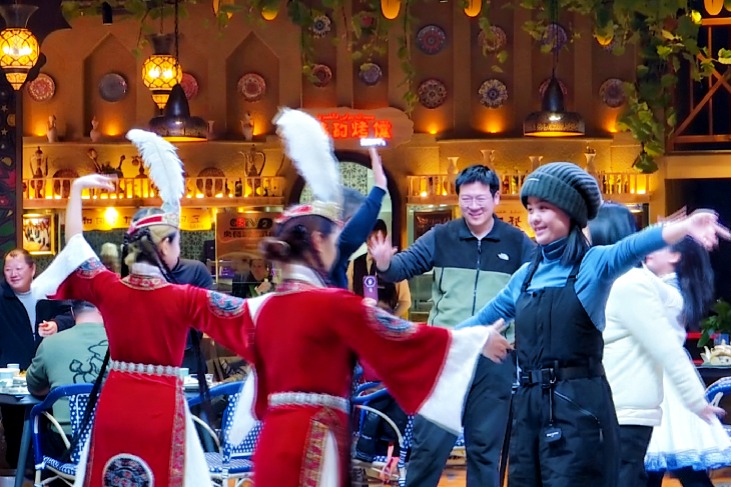
    Evening festivities come alive with cultural performances that invite active participation. Dancers at the night market enthusiastically welcome visitors to join traditional dances, creating spontaneous cross-cultural exchanges between locals and tourists. These interactions showcase Xinjiang’s rich ethnic heritage while fostering communal harmony during the holiday season.

    The Spring Festival celebrations in Changji demonstrate how traditional Chinese holidays serve as bridges between diverse cultures, with food acting as a universal language that transcends regional differences. The prefecture’s successful integration of culinary tourism with cultural preservation offers a model for sustainable cultural promotion that benefits both visitors and local communities.

    This festive environment not only boosts regional tourism but also strengthens local pride in traditional customs and cuisine. The ongoing celebrations highlight how China’s ethnic autonomous regions maintain their unique cultural identities while participating in national traditions, creating a multifaceted tapestry of cultural expression during important holidays.