标签: Asia

亚洲

  • Iran’s Revolutionary Guards begin military drills in Strait of Hormuz

    Iran’s Revolutionary Guards begin military drills in Strait of Hormuz

    Iran’s Islamic Revolutionary Guard Corps (IRGC) initiated a comprehensive series of military exercises in the strategically vital Strait of Hormuz on Monday, according to official state media reports. The intensive naval drills, conducted under the direct supervision of the IRGC’s top commander, represent a significant show of force in one of the world’s most critical maritime chokepoints.

    The exercises commenced following the United States’ deployment of a substantial naval contingent to the Gulf region, creating a backdrop of heightened military posturing. The Strait of Hormuz, a narrow waterway connecting the Persian Gulf with the Gulf of Oman and ultimately the Arabian Sea, serves as a crucial transit route for approximately 21 million barrels of oil daily, representing about 21% of global petroleum consumption.

    State television coverage detailed that the Guards’ naval forces were conducting multifaceted operations including rapid deployment exercises, coastal defense simulations, and advanced weapons testing. The drills appear designed to demonstrate Iran’s military capabilities and strategic readiness in response to perceived external threats.

    This development occurs amidst ongoing regional tensions and follows recent incidents involving Iranian gunboats approaching US vessels in the same waterway. The timing of these exercises suggests a deliberate response to increased US naval presence in the region, reflecting the continuing geopolitical friction between Tehran and Washington.

    The strategic significance of these drills extends beyond bilateral relations, potentially affecting global energy security and maritime trade routes. Neighboring Gulf states and international observers are closely monitoring the situation, recognizing that military activities in this constrained waterway could have far-reaching implications for regional stability and international commerce.


  • Viral beach proposal: UAE creator Cedra Ammara says yes to fellow influencer Ramy Hamdan

    Viral beach proposal: UAE creator Cedra Ammara says yes to fellow influencer Ramy Hamdan

    In a digital-age romance captivating millions worldwide, UAE-based content creator Cedra Ammara has accepted a marriage proposal from fellow influencer Ramy Hamdan during a dramatically simple beachside moment. The engagement, which occurred against Dubai’s iconic sunset backdrop on February 15th, 2026, rapidly became a viral sensation, amassing an astonishing 55 million views within just 17 hours of being posted.

    The footage captures an authentically raw moment as the couple, dressed in coordinating white outfits, runs along the shoreline before Hamdan drops to one knee. Dispensing with prepared speeches or elaborate staging, he delivers a heartfelt declaration: ‘I don’t have any words prepared. I love you so much. I’m ready to protect you and our future with my soul.’ The emotional proposal culminates with Ammara’s tearful acceptance, after which their concealed friends and family emerge from hiding to transform the intimate moment into a joyous celebration.

    This engagement represents the latest chapter in a relationship that has fascinated followers since the couple first appeared together on social media platforms throughout 2025. Ammara, boasting 7.3 million Instagram followers and 3.54 million YouTube subscribers, and Hamdan, with approximately 4.5 million Instagram followers, rank among the Middle East’s most observed digital personalities.

    The Syrian-born Ammara, who relocated to the UAE in 2019 after spending her formative years in Sweden, has cultivated a dedicated audience through beauty, fashion, and lifestyle content that increasingly incorporates personal milestones. In previous interviews with Khaleej Times, she emphasized her appreciation for the UAE as ‘an Arab Muslim country’ where she feels both safe and at home.

    Notably, this proposal continues the Ammara family’s pattern of capturing digital attention during significant life events. Cedra forms part of the renowned Amara sisters trio alongside siblings Narin and Sherin, both substantial social media figures in their own right. The family’s milestones have repeatedly captivated online audiences, including Narin’s widely-covered April 2025 beach wedding in Fujairah and Sherin’s June 2025 marriage to content creator Osama Marwah.

    Following the engagement, Narin Ammara shared a photograph featuring all three sisters with their respective partners, captioned ‘Our family is getting bigger.’ The image promptly accumulated comments praising them as ‘the prettiest family on social media’ and celebrating what admirers perceive as a genuine influencer fairy tale. With millions of followers tracking their every development, the Ammara family has established itself as one of the region’s most closely-followed digital dynasties, where personal milestones consistently transform into trending phenomena.

  • Can Ramadan fasting slow ageing? UAE doctor says break from food helps body

    Can Ramadan fasting slow ageing? UAE doctor says break from food helps body

    Medical experts are increasingly recognizing Ramadan’s distinctive fasting pattern as a potential catalyst for healthier aging, moving beyond its traditional spiritual significance. Dr. Rahat Ghazanfar, Family Medicine Consultant and Clinical Director of the Longevity Clinic at Sheikh Shakhbout Medical City, explains that the extended daily abstinence from food enables the body to transition from constant digestion into a repair-focused state.

    According to Dr. Ghazanfar, the physiological shift occurs after several hours without food consumption. “When we fast, the body finally gets a break from constant digestion and repeated sugar spikes,” she states. “It switches from using sugar as its main fuel to using stored fat. That shift is important because it activates repair processes inside the body.” This metabolic transition triggers what she describes as cellular “spring cleaning,” where damaged cells are cleared, inflammation reduces, and the body prioritizes repair over continuous growth.

    In longevity medicine, aging is measured through internal biomarkers rather than external appearance. Doctors track blood sugar control, cholesterol balance, inflammation levels, muscle strength, bone health, cardiac fitness, and hormonal equilibrium to assess biological aging rates. “From a longevity point of view, anti-ageing really means staying strong, mobile and mentally sharp for as long as possible,” Dr. Ghazanfar emphasizes.

    The Ramadan fasting pattern closely resembles time-restricted eating, a clinical approach where food consumption is limited to a specific daily window. This method has demonstrated benefits for blood sugar regulation and inflammation reduction without requiring extreme calorie restriction. “The key message is simple,” notes Dr. Ghazanfar. “Consistency matters far more than intensity.”

    Fasting differs fundamentally from simple calorie reduction, as even brief daily fasts activate repair mechanisms that don’t fully engage with continuous small meals throughout the day. “Timing matters just as much as quantity,” she explains, cautioning that chronic restriction can be harmful, particularly for women and older adults.

    The practice influences several aging-related hormonal processes. Insulin levels decrease during fasting, potentially protecting against diabetes and age-related diseases, while growth hormone production increases, supporting muscle maintenance and tissue repair. Chronic inflammation, a significant driver of aging and long-term disease, also appears to diminish during fasting periods.

    Dr. Ghazanwar stresses that fasting should be viewed as a reset rather than a cure, and its benefits vary significantly among individuals. Factors including age, gender, stress levels, and existing health conditions all influence how someone responds to fasting. Warning signs of counterproductive fasting include persistent fatigue, poor sleep, irritability, dizziness, hormonal disruption, or muscle loss.

    While Ramadan provides an annual reset opportunity, lasting benefits depend on maintaining elements of the rhythm beyond the holy month. Simple habits such as avoiding late-night eating, allowing regular breaks between meals, mindful consumption, and prioritizing sleep can help sustain improvements in digestion, blood sugar control, and inflammation reduction.

    Ultimately, fasting’s most significant impact appears to be on healthspan—the period of life spent in good health—rather than simply extending lifespan. When approached with awareness and purpose, fasting becomes a long-term ally in maintaining independence, resilience, and mental acuity throughout the aging process.

  • ‘We will discriminate’: Elon Musk-backed Restore Britain party launches with hard-right vision

    ‘We will discriminate’: Elon Musk-backed Restore Britain party launches with hard-right vision

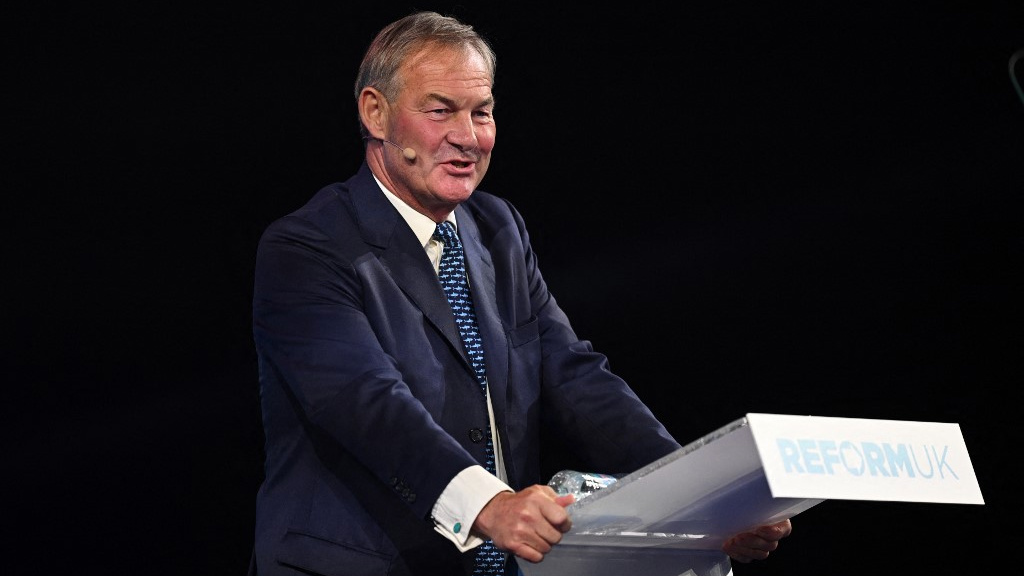
    A new far-right political force has emerged in the United Kingdom with an explicitly anti-immigration platform that promises mass deportations and bans on religious slaughter practices. The Restore Britain party, launched formally on Friday night in Great Yarmouth by former Reform UK MP Rupert Lowe, has already garnered significant attention through its endorsement by tech billionaire Elon Musk.

    Lowe, a millionaire businessman and former chairman of Southampton Football Club, unveiled what he termed “deportation poetry” as his immigration policy framework. The platform calls for immediate closure of visa routes for numerous countries including Albania, Pakistan, Somalia, Eritrea, and Afghanistan, with Lowe openly stating: “We will discriminate. We will look at the facts, and then discriminate.”

    Elon Musk amplified the party’s message to his massive following on X, writing: “Join Rupert Lowe in Restore Britain, because he is the only one who will actually do it!” This endorsement came as the party claimed to have already recruited over 50,000 members.

    The party’s agenda extends beyond immigration to include banning non-stun halal and kosher slaughter methods, with Lowe asserting that “In Britain, we treat our animals with care – we do not brutally butcher them alive.” This position comes despite controversy surrounding Lowe’s own animal treatment practices, having previously revealed he ordered his gamekeeper to shoot his 17-year-old dog in the head.

    Additional proposed policies include outlawing cousin marriages, implementing selective spouse visa regulations that would exclude applicants from specific countries, and instituting a “total ban on all foreigners voting, or standing in elections.” Lowe explicitly promised that “Restore Britain will not be putting forward any Bangladeshi candidates.”

    The party’s emergence has already created friction within right-wing political circles. Reform UK parliamentary candidate Matt Goodwin accused Restore Britain of advocating “blatant racism” and housing “white supremacists, antisemites, racists and conspiracy theorists” in its ecosystem. Meanwhile, Advance UK, another far-right group led by former Reform deputy leader Ben Habib, has expressed interest in a potential merger.

    Political analysts suggest Restore Britain could fragment the anti-immigration vote in upcoming elections, potentially creating challenges for Nigel Farage’s Reform UK. Lowe himself described the party’s mission as “incredibly painful” but necessary, declaring: “This is going to be the fight of our lives.”

  • Australian families released by SDF forced to ‘head back’ to camp in Syria

    Australian families released by SDF forced to ‘head back’ to camp in Syria

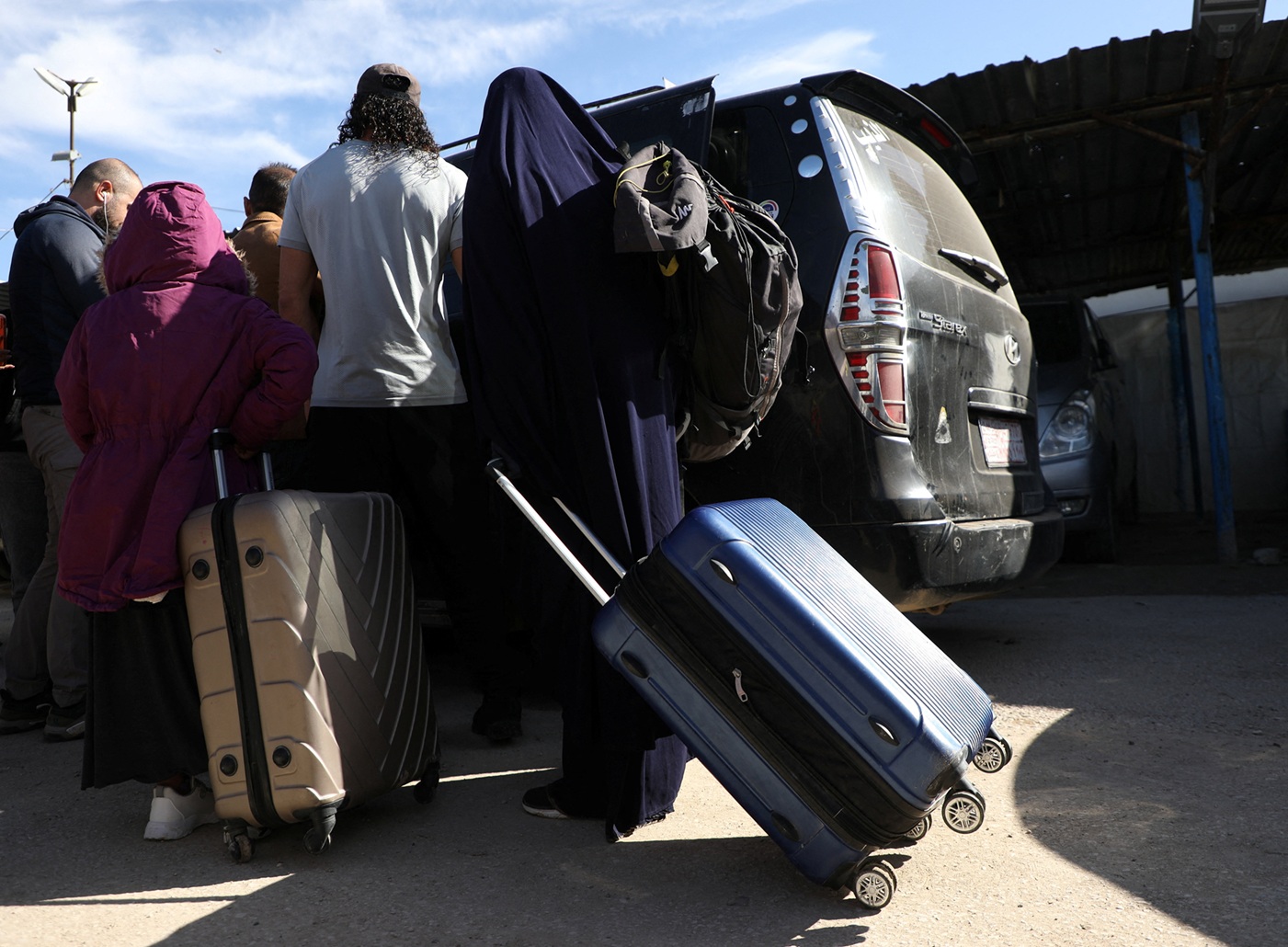
    A planned repatriation of Australian citizens from a Syrian detention camp was abruptly halted this week following intervention by Syrian authorities, creating a complex international standoff. According to ABC News reporting, the Kurdish-led Syrian Democratic Forces (SDF) had initially released thirty-four Australians—comprising women and children—from the al-Roj camp in northern Syria. The group was being escorted toward Damascus for eventual travel to Australia when Syrian government forces intercepted the transfer, compelling their return to the controversial facility.

    The Australian federal government swiftly distanced itself from the operation, issuing an official statement denying any involvement in the attempted repatriation. Authorities emphasized they ‘are not and will not repatriate people from Syria,’ while simultaneously confirming that security agencies continue to monitor the situation. The statement contained a stark warning: ‘People in this cohort need to know that if they have committed a crime and if they return to Australia, they will be met with the full force of the law.’

    This incident occurs against the backdrop of a fragile January 30th ceasefire agreement between the SDF and the Syrian government, which stipulates that all detention camps and prisons should be handed over to Syrian authorities. The al-Roj camp, which currently holds over 2,000 individuals from approximately 40 nations—mostly women and children—has become a focal point in this transition. Notably, none of the Australian detainees have been formally charged with crimes, with some children having been born within the camp’s confines and others brought to Syria at a young age.

    Tensions escalated in January when the Syrian government, having recaptured significant territory from the SDF, accused the Kurdish-led forces of deliberately releasing detained IS members as ‘political blackmail’—a claim the SDF denies. Meanwhile, disturbing allegations have emerged from within al-Roj camp, with female detainees reporting to Middle East Eye that they endured mistreatment including beatings, forced removal from tents, and being doused with water in freezing temperatures during nightly security raids ahead of the planned handover.

    This failed transfer marks the latest in a series of chaotic releases involving individuals with suspected IS affiliations from SDF-administered facilities. The development coincides with recent US military operations that successfully transferred 5,700 male IS detainees from Syria to Iraq, highlighting the ongoing international challenges surrounding the disposition of IS-linked individuals in the region.

  • Air India flight 171 crash: Gov’t rejects claim pilot cut fuel line, says report not yet final

    Air India flight 171 crash: Gov’t rejects claim pilot cut fuel line, says report not yet final

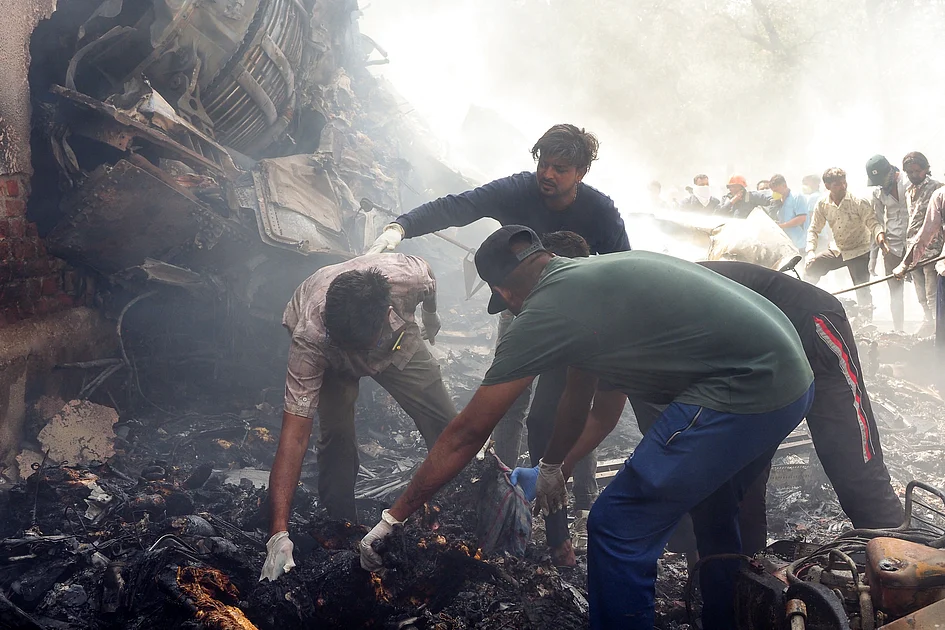
    The Indian government has formally dismissed international media speculation regarding the cause of the tragic Air India Flight 171 crash that occurred in June 2025. This rebuttal comes in response to claims published by Italian newspaper Corriere della Sera suggesting pilot intentionality behind the disaster that claimed 260 lives.

    India’s Civil Aviation Ministry, through Junior Minister Murlidhar Mohol, has emphatically rejected the foreign publication’s assertions that Captain Sumeet Sabharwal deliberately switched off the aircraft’s fuel switches. Minister Mohol challenged the credibility of external sources, stating: “Should we have faith in our own agencies or outsiders? Our agencies are working on it. Once the final report is finalised, then only will it be justifiable to comment on it.”

    The Aircraft Accident Investigation Bureau (AAIB) has issued an official clarification addressing the growing speculation surrounding the Ahmedabad crash. The agency emphasized that the investigation remains ongoing and that no conclusions have been reached regarding causation or responsibility. “It would be inappropriate to assign blame to any individual or factor before the inquiry is fully completed,” the Bureau stated.

    AAIB officials outlined the comprehensive nature of air crash investigations, which require meticulous technical analysis including examination of flight data recorders, cockpit voice recordings, and complex aircraft systems. The Bureau specifically denied reports that the probe had been finalized and urged both media and the public to rely exclusively on official updates.

    The investigation agency confirmed that all findings will undergo transparent review before public release, with the final report encompassing technical determinations and contributing factors behind the catastrophic incident. This process ensures thorough examination of all available evidence before reaching definitive conclusions about the circumstances that led to the Boeing Dreamliner’s crash.

  • UAE banks to stay resilient despite real estate slowdown, says report

    UAE banks to stay resilient despite real estate slowdown, says report

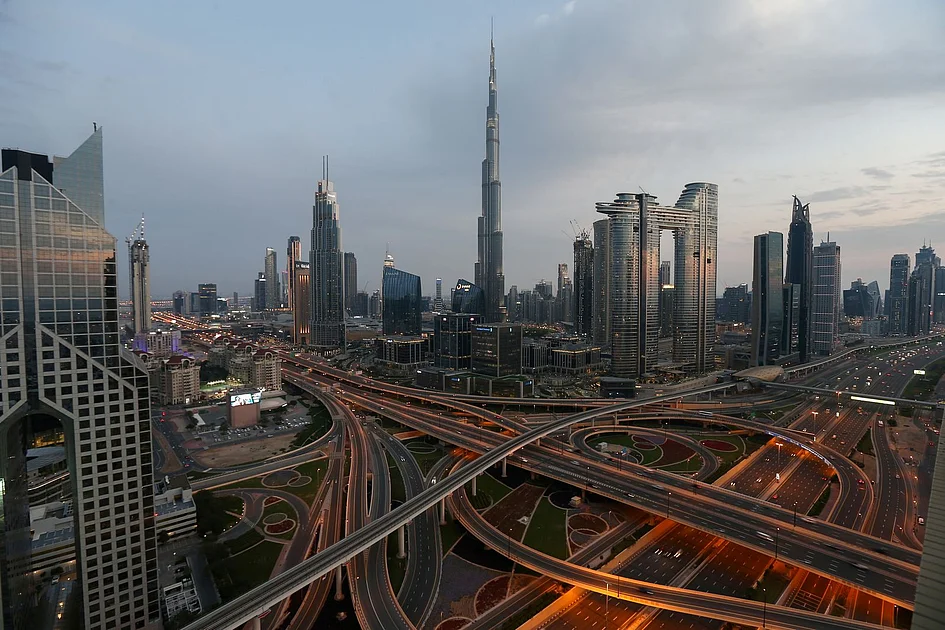
    The UAE banking system maintains robust stability despite emerging headwinds in the property sector, according to a comprehensive assessment by Moody’s Ratings. While financial institutions maintain significant exposure to real estate through corporate lending and mortgage portfolios, multiple protective mechanisms have effectively contained systemic risks.

    Regulatory interventions have played a pivotal role in safeguarding the financial ecosystem. The Central Bank of the UAE’s 2022 mandate capping construction and real estate exposure at 30% of credit risk-weighted assets has proven particularly effective. Current aggregate exposure remains comfortably below this threshold at approximately 18.3%, providing substantial capacity for additional sector financing if required.

    The composition of bank lending has undergone notable transformation since 2021. Real estate and construction financing declined consistently through 2024 before experiencing a modest 4% year-on-year increase by September 2025, largely attributable to declining interest rates. This sector now constitutes 12% of total loans, significantly reduced from 19% in December 2021.

    Concurrently, personal consumption loans have expanded substantially, growing approximately 18% year-on-year by December 2024 and maintaining similar momentum through September 2025. These loans, representing 23% of total gross lending, include mortgage components that maintain indirect property market exposure.

    Developer financing patterns have evolved considerably, with increased diversification away from project-specific bank loans. Since 2023, real estate entities have issued nearly $12 billion in sukuk, bonds, and hybrid debt instruments, with maturities averaging around $2 billion annually between 2027 and 2030.

    Financial metrics indicate strong fundamental health across the banking sector. Core liquidity ratios stood at 23% of total assets by June 2025, while non-performing loans reached a record low of 2.9% during the same period. Provision coverage remains robust at well above 100%, providing additional buffers against potential market softening.

    Although net interest margins may face pressure as monetary policy eases, solid non-interest income and cost discipline are expected to mitigate impacts on overall profitability. The return on assets, while potentially moderating from the record 1.9% achieved between December 2023 and June 2025, is projected to remain at solid levels.

  • ‘Blurring the green line’: Israel advances plan to expand boundary into West Bank

    ‘Blurring the green line’: Israel advances plan to expand boundary into West Bank

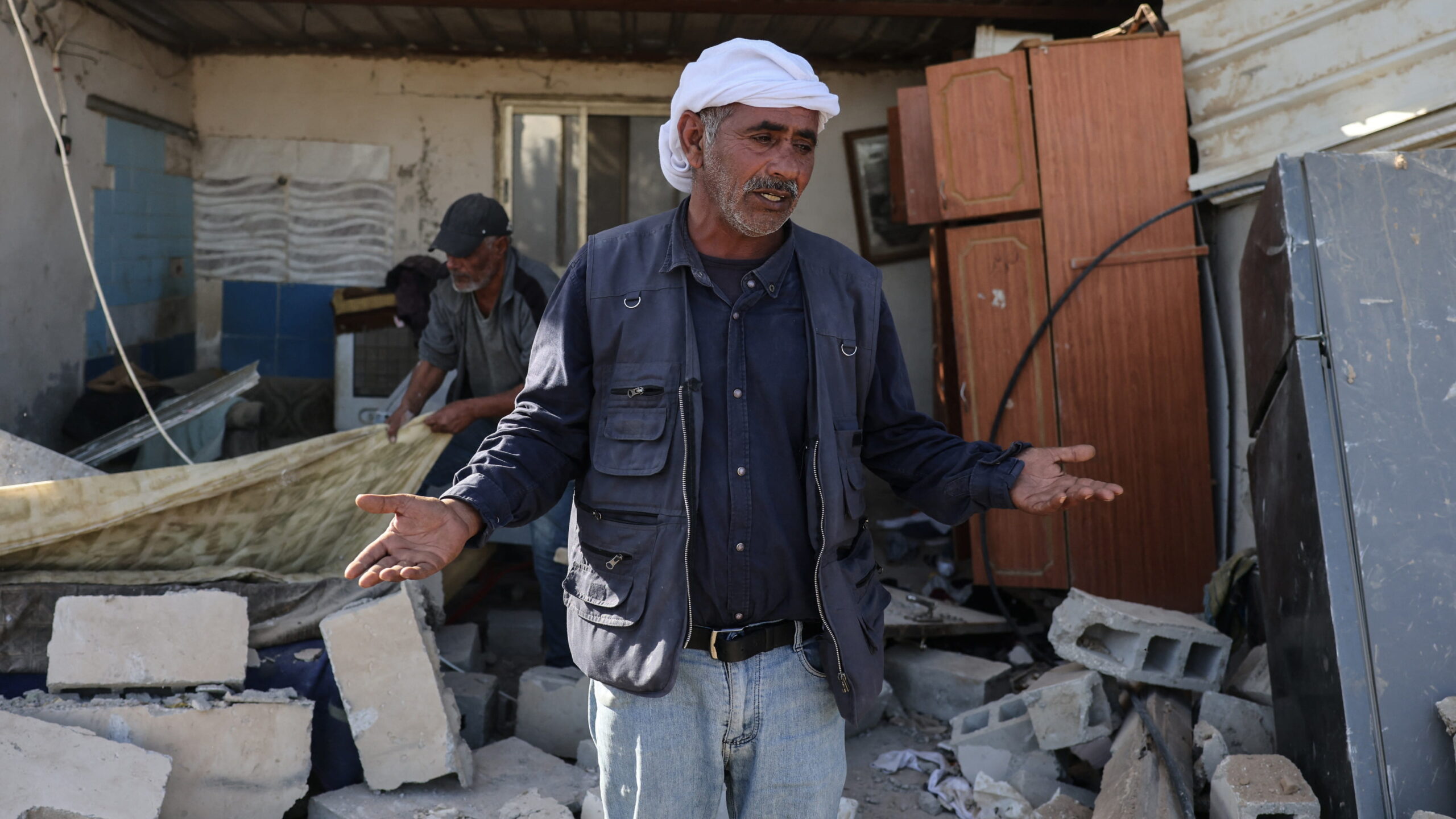
    Israeli authorities have greenlit a contentious settlement expansion project that would effectively extend Jerusalem’s municipal boundaries deeper into the occupied West Bank, a move critics are labeling as de facto annexation. The plan, approved last week according to Israeli anti-settlement organization Peace Now, involves constructing a new neighborhood for the Adam settlement (also known as Geva Binyamin) northeast of occupied East Jerusalem.

    Despite being presented as merely an expansion of the existing Adam settlement, the project would actually establish a disconnected enclave with no physical connection to the main settlement. This strategic placement would mark the first formal extension of Jerusalem’s boundaries into West Bank territory since Israel’s occupation began in 1967.

    Peace Now condemned the move, stating: ‘Under the guise of establishing a new settlement, the government is carrying out de facto annexation through the back door. The new settlement will function in every way as a neighborhood of Jerusalem, with its designation as part of Adam settlement serving merely as a pretext to conceal applying Israeli sovereignty to West Bank areas.’

    Israeli newspaper Yedioth Ahronoth described the plan as part of a broader strategy of ‘blurring the boundaries of the Green Line’—the 1949 armistice line separating Israel from the West Bank and Gaza Strip. The proposal includes hundreds of housing units intended for Israel’s ultra-Orthodox community, to be built on land separate from the main settlement, with previous discussions including possible bridge construction to connect them.

    The blueprint indicates construction would begin from the Neve Yaakov settlement in East Jerusalem, effectively enlarging Jerusalem’s jurisdiction for the first time in over five decades. Final approval is expected soon, with implementation possible within few years amid intensified efforts to expand Israeli control over Palestinian lands.

    Knesset member Gilad Kariv has submitted an urgent inquiry to Housing Minister Haim Katz regarding potential annexation intentions, warning the move would ‘exacerbate friction between Israelis and Palestinians’ and create unnecessary tensions. Kariv added that the plans contradict Israel’s international commitments and reflect Prime Minister Netanyahu’s ‘complete capitulation to his extremist partners.’

    This development coincides with other far-reaching measures approved recently that critics say entrench annexation and weaken the Palestinian Authority’s limited self-rule. These include a proposal allowing authorities to legalize confiscation of unregistered ‘abandoned’ land by reclassifying it as ‘state land’—a process prohibited under international law for occupying powers due to its irreversible nature and use as a sovereignty assertion tool.

    The approval follows last week’s measures expanding Israel’s civil control in Areas A and B, where major Palestinian cities are located and which have officially been under Palestinian Authority jurisdiction since the Oslo Accords.

  • From Dubai courts to world No. 1: Riyan Malhan’s badminton rise

    From Dubai courts to world No. 1: Riyan Malhan’s badminton rise

    In an extraordinary sporting achievement, 15-year-old Dubai resident Riyan Malhan has ascended to the top position in the Badminton World Federation’s Under-19 global rankings. The Indian-origin teenager has accomplished this remarkable feat while competing against older athletes, establishing himself as the first player from both the UAE and West Asia to reach such heights in junior badminton.

    Malhan’s journey to the pinnacle of youth badminton represents a significant departure from his family’s academic background. His rapid rise through the ranks has been characterized by consistent medal-winning performances at international competitions. In 2024, he made history by securing a medal at the Badminton Asia U17 and U15 Junior Championships in Chengdu, China. His success continued through 2025 with a bronze medal at the Asian Youth Games and most recently, a gold medal at an international tournament in Hungary.

    The young champion attributes his success to intensified training regimens and comprehensive skill development. ‘My training has been much more intense, my fitness has improved significantly,’ Malhan stated in an interview. ‘My coaching team has systematically addressed all my weaknesses to transform me into a more complete player.’

    Malhan has expressed profound gratitude for the support ecosystem in the UAE, specifically acknowledging the UAE Badminton Federation and its president Noura Al Jasmi. He emphasized that without the backing of his coaches and the sports talent development committee, his achievement would not have been possible.

    Dubai’s emergence as a global badminton hub has provided Malhan with unique advantages. The city regularly hosts elite players including Olympic champion Viktor Axelsen and world bronze medalist Lakshya Sen. Malhan has had the opportunity to train regularly with world number three Anders Antonsen of Denmark, whose mentorship has substantially contributed to his technical development.

    Looking ahead, Malhan has set his sights on representing the UAE at the Youth Olympic Games, with his ultimate ambition being competition at the Summer Olympic Games. Inspired by legendary Chinese player Lin Dan, Malhan recognizes that reaching these goals will require continued dedication and rigorous preparation in Dubai’s world-class training environment.

  • Indian student found dead in US took his life, says roommate at UC Berkeley

    Indian student found dead in US took his life, says roommate at UC Berkeley

    The University of California, Berkeley community is grappling with the tragic loss of Saketh Sreenivasaiah, a 22-year-old postgraduate student from Karnataka, India, whose apparent suicide has revealed troubling signs of mental health deterioration among international students.

    According to close friend and roommate Baneet Singh, Sreenivasaiah exhibited concerning behavioral changes in his final weeks, dramatically reducing food intake to survive primarily on chips and cookies while withdrawing from social engagement. Singh’s poignant LinkedIn testimony, subsequently made private, described how Sreenivasaiah had reached a state of profound indifference, exemplified by attending classes in a red bathrobe while expressing complete apathy toward his appearance and surroundings.

    The promising young scholar, an IIT Madras alumnus holding a patent for a “microchannel cooling system for hyperloop,” was pursuing his master’s degree in Chemical and Biomolecular Engineering. His professional profile revealed passions for deep-tech innovations in soft materials, semiconductors, and advanced materials, with previous research experience at Unilever India from September 2023 to June 2024.

    The tragedy has triggered cross-continental responses, with Indian authorities mobilizing support systems. The Consulate-General of India in San Francisco has extended heartfelt condolences and committed to facilitating repatriation procedures while providing comprehensive assistance to the grieving family. Meanwhile, the Karnataka government has formally requested the Indian Ministry of External Affairs to extend necessary support to Sreenivasaiah’s parents, who remain in denial about their son’s death, insisting they will only accept the reality upon seeing his body.

    This incident has reignited critical conversations about mental health support systems for international students facing academic pressure and cultural adjustment challenges. The case echoes similar mental health crises among Indian students abroad, emphasizing the urgent need for enhanced psychological support mechanisms within academic institutions worldwide.