标签: Asia

亚洲

  • China sees steady rise in copyright registrations

    China sees steady rise in copyright registrations

    China has demonstrated remarkable growth in intellectual property protection, with national copyright registrations exceeding 10 million works throughout 2025. According to official statistics released by the National Copyright Administration, this represents a modest yet significant year-on-year increase of 0.44 percent, underscoring the nation’s continuing commitment to creative rights protection.

    The data reveals striking regional variations, with Liaoning province experiencing an extraordinary surge of over 100 percent in copyright registrations compared to 2024 figures. Meanwhile, Tianjin, Shanxi, Henan, and Hainan all recorded impressive growth rates surpassing 50 percent, indicating a broadening geographical distribution of creative activity across China.

    Artistic works dominated the registration landscape, constituting more than 60 percent of all copyrighted material. Photography, literary works, and film/television programming followed in descending order of prevalence, painting a diverse picture of China’s creative output.

    In parallel developments, computer software copyright registrations reached a substantial milestone with over 3 million applications processed nationwide. This segment experienced robust growth of 12.58 percent year-on-year, significantly outpacing the overall copyright expansion. Geographically, these technological copyrights remained concentrated in China’s eastern regions, which accounted for 57 percent of all software registrations.

    The comprehensive data illustrates China’s evolving intellectual property ecosystem, where traditional creative works and digital innovations continue to flourish under enhanced protection frameworks. These trends reflect both increasing public awareness of copyright importance and the administration’s effective implementation of intellectual property rights policies across diverse regions and sectors.
  • 2026 WIC Asia-Pacific Summit to focus on digital technologies in Hong Kong

    2026 WIC Asia-Pacific Summit to focus on digital technologies in Hong Kong

    Hong Kong will serve as the host city for the prestigious 2026 World Internet Conference Asia-Pacific Summit scheduled for April 13-14. The event will concentrate on harnessing digital technologies to stimulate regional economic growth and establish inclusive governance frameworks for cyberspace.

    Ren Xianliang, Secretary-General of the WIC, announced during a Beijing press conference that this year’s gathering will emphasize ensuring artificial intelligence benefits are equitably distributed across humanity. Particular attention will be given to amplifying the representation of developing nations within global AI governance structures.

    The summit, operating under the theme “Digital Empowerment and Innovative Development: Joining Hands to Build a Community in Cyberspace,” will convene ministerial-level officials, international organization delegates, and executives from leading internet corporations worldwide. A notable first for the conference will be the introduction of ministerial-level discussions alongside six specialized sub-forums addressing intelligent agent innovation, digital finance, AI safety governance, smart public services, digital well-being, and classical text digitization.

    This marks the second consecutive year Hong Kong hosts this significant event, following last year’s successful inaugural summit that attracted over 1,000 participants from more than 50 countries.

    Sun Dong, Hong Kong’s Secretary for Innovation, Technology and Industry, confirmed the city’s alignment with China’s 15th Five-Year Plan (2026-30) science and technology innovation strategy. The government will intensify efforts to position AI as a cornerstone industry, advancing both AI industrialization and cross-sector AI integration. Supporting this initiative, the Hong Kong Artificial Intelligence Research and Development Institute is slated to commence operations in the latter half of 2026, facilitating AI project development, research commercialization, and governance framework guidance.

  • Gansu vice-governor under investigation for suspected Party discipline violations

    Gansu vice-governor under investigation for suspected Party discipline violations

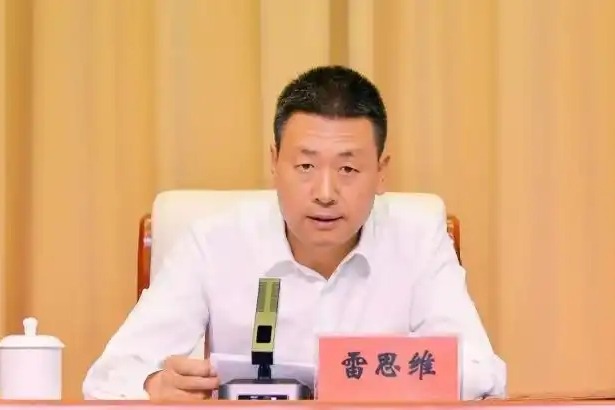
    China’s top anti-corruption authorities have launched a formal investigation into Lei Siwei, the sitting vice-governor of northwestern Gansu Province, for suspected serious violations of Party discipline and laws. The Central Commission for Discipline Inspection (CCDI) and National Commission of Supervision announced the probe on Tuesday, marking another high-profile case in China’s ongoing anti-graft campaign.

    Lei, 59, a lifelong Gansu native who began his political career in June 1989, is currently undergoing comprehensive disciplinary review and supervisory investigation. The veteran official has spent his entire career within the province, ascending through various senior positions including leadership roles in state-owned enterprises and provincial departments.

    His professional trajectory includes serving as director and general manager of Baiyin Nonferrous Group before transitioning to government service. In 2018, Lei assumed directorship of Gansu’s Ecology and Environment Department, followed by leadership of the Provincial Natural Resources Department in 2020. His political advancement continued with his appointment as Party chief of Jiayuguan City in July 2021, culminating in his promotion to vice-governor in 2023 and elevation to the Standing Committee of the Communist Party of China Gansu Provincial Committee in June 2025.

    The investigation represents another demonstration of China’s intensified anti-corruption efforts targeting senior officials, particularly those serving in strategic provincial-level positions. The case continues Beijing’s consistent approach of investigating sitting officials regardless of their administrative rank or tenure.

  • Iran war could plunge 45 million into acute hunger, says UN agency

    Iran war could plunge 45 million into acute hunger, says UN agency

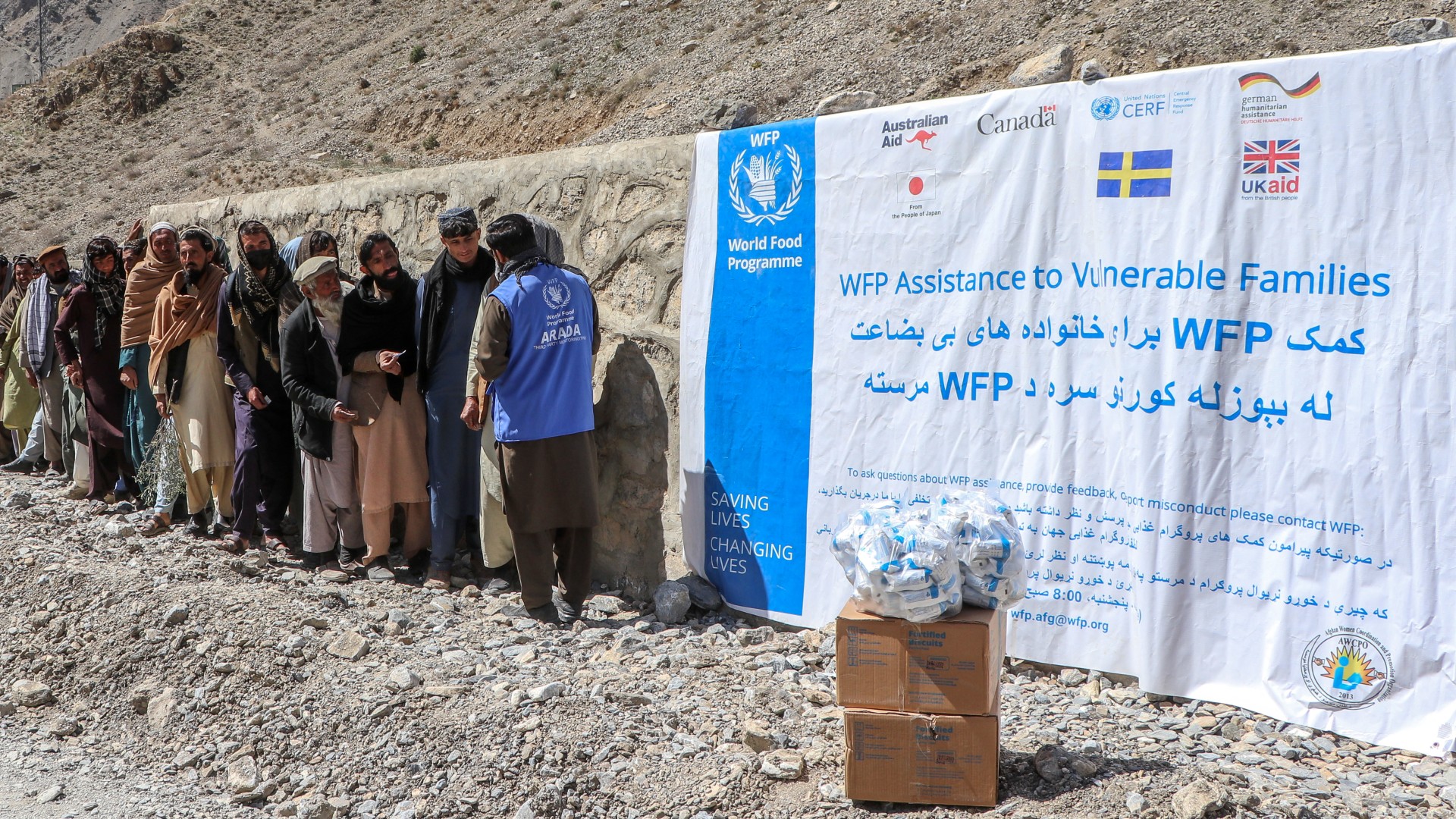
    The World Food Programme (WFP) issued a dire warning on Tuesday that prolonged military engagement in the Middle East could push global acute hunger to unprecedented levels. According to the UN agency’s projections, the number of people facing severe food insecurity might surge to 364 million by June if hostilities continue—an increase of 45 million individuals compared to pre-conflict estimates.

    Carl Skau, WFP’s Deputy Executive Director, characterized the situation as ‘a terrible, terrible prospect’ during a briefing in Geneva, noting that this would represent the highest level of global hunger ever recorded. The analysis indicates that military actions initiated in late February have severely disrupted critical aid corridors to nations already struggling with chronic food shortages, causing significant delays in humanitarian shipments.

    The conflict’s ripple effects are particularly devastating in the Middle East, where many countries depend heavily on food imports. Fertilizer prices have skyrocketed, and transportation costs have increased dramatically due to rising fuel prices, creating a perfect storm for food insecurity.

    In Lebanon, where approximately one million people have been displaced and food insecurity has been endemic for years, both the government and WFP have implemented emergency response measures including cash assistance programs and expanded food aid distributions.

    Iran, which was already experiencing economic stagnation, high food inflation, and rapid currency devaluation before the conflict, now faces even greater challenges as households have minimal capacity to withstand additional economic shocks.

    While some border crossings have reopened in Gaza following the October ceasefire, food prices remain prohibitively high, severely limiting access to affordable nutrition for the population.

    The crisis extends beyond the immediate conflict zone, with Afghanistan emerging as particularly vulnerable. The nation receives 80% of its food supply through imports, predominantly from Iran, leaving 17.4 million Afghans in urgent need of food assistance as supply chains are disrupted.

  • Is Israel already running low on missile interceptors?

    Is Israel already running low on missile interceptors?

    As the military confrontation between the US-Israel alliance and Iran enters its third week, defense analysts are raising alarms about potential depletion of Israel’s air defense interceptor inventory. Despite official denials from the Israeli Defense Forces and Foreign Ministry, strategic indicators suggest mounting pressure on defensive capabilities.

    The complexity of Israel’s multi-layered defense architecture—spanning from the renowned Iron Dome for short-range threats to high-altitude ballistic missile defenses—faces unprecedented strain. Each defensive layer operates through three critical components: trained personnel, detection radar systems, and the interceptors themselves, with the latter becoming increasingly scarce.

    Recent developments indicate serious concerns about interceptor sustainability. Israel’s emergency approval of approximately $826 million for urgent defense procurement over the weekend signals recognition of the critical situation. Meanwhile, the United States is reportedly relocating components of its THAAD missile defense system from South Korea to the Middle East, suggesting shared concerns about defensive capacity.

    The current crisis stems partly from last year’s 12-day conflict with Iran, which significantly drained interceptor stockpiles for both Israel and the US. Research indicates that during that engagement, allied forces intercepted 273 of 322 Iranian missiles—an 85% success rate that came at substantial material cost.

    Iran’s current strategy employs overwhelming numbers: over 500 missiles and 2,000 drones launched since hostilities began. The economic asymmetry favors Tehran, as inexpensive, easily replaceable drones force the expenditure of costly interceptors. Ballistic missiles present additional challenges, often requiring multiple interceptors per incoming threat, especially when equipped with cluster munitions.

    The conflict has expanded beyond Israel, with Persian Gulf states also consuming defensive resources against Iranian attacks. Compounding the problem, Iran has specifically targeted missile defense radars across the region, with reports indicating successful destruction or damage to several systems.

    Military analysts question the strategic timing of this renewed conflict given the known inventory constraints. Possible explanations include unexpected rapid stockpile replenishment, confidence in preemptive destruction of Iranian offensive capabilities, or miscalculation regarding Iran’s willingness to prolong the engagement.

    As the economic consequences mount globally, Iran appears positioned to sustain conflict longer than its adversaries, leveraging lower-cost offensive systems against the high-expense defense infrastructure of Israel and the US. The finite nature of interceptor inventories now represents a critical factor in determining the conflict’s duration and potential outcome.

  • China’s spring job drive creates 23 million openings

    China’s spring job drive creates 23 million openings

    China’s extensive post-Lunar New Year employment initiative has successfully created approximately 23 million job opportunities through a comprehensive nationwide campaign, according to official statements from employment authorities. The massive job creation effort, known as the ‘spring breeze’ employment campaign, involved the organization of 32,000 specialized job fairs across the country following the Spring Festival holiday period.

    The annual post-holiday season traditionally represents a peak recruitment period in China as millions of migrant workers seek new employment opportunities. Government data reveals that transportation assistance programs, including specially arranged buses, trains, and charter flights, have facilitated the return of approximately 430,000 workers to their positions as of March 8.

    Regional implementation of the employment drive showcased diverse approaches tailored to local economic needs. In Guangxi Zhuang Autonomous Region, industrial park-focused campaigns generated over 540 positions, with transportation services provided for prospective employees to tour manufacturing facilities. Chongqing municipality officials conducted extensive outreach to more than 3,000 corporate employers, identifying 81,000 vacancies while establishing inter-provincial cooperation agreements that secured an additional 50,000 positions from Shandong and Sichuan provinces.

    The employment initiative incorporated targeted strategies for specific demographic groups. Nanjing, capital of Jiangsu province, hosted specialized job fairs for university graduates featuring nearly 100 employers offering 2,000 positions. In Huzhou city, Zhejiang province, a weeklong recruitment drive offered average annual salaries of approximately 90,000 yuan ($13,067), with premium positions in emerging sectors such as new energy and semiconductors reaching compensation packages up to 800,000 yuan.

    Innovative approaches included vocational training programs in Henan province’s Jiaozuo city, where authorities published directories of skilled talent shortages and launched workplace-specific training courses. Shandong’s Zibo city district incorporated advanced technology into their recruitment process, utilizing AI-assisted resume optimization tools and establishing virtual reality recruitment zones that attracted over 62,000 participants through both online and physical attendance.

    This comprehensive employment stabilization effort aligns with China’s broader economic objectives, including the creation of 12 million new urban jobs in 2026. The initiative addresses complex labor market challenges arising from international trade tensions and automation impacts while preparing for the record 12.7 million university graduates expected to enter the job market this year.

  • Former Heilongjiang official gets life for bribe taking

    Former Heilongjiang official gets life for bribe taking

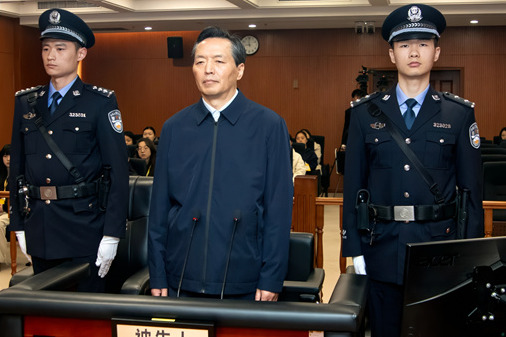
    In a landmark ruling underscoring China’s intensified anti-corruption campaign, a high-ranking former official from Heilongjiang province has been sentenced to life imprisonment for extensive bribery offenses. The Wuxi Intermediate People’s Court in Jiangsu Province delivered the verdict on Tuesday, marking a significant development in the nation’s ongoing battle against graft within its political ranks.

    Li Haitao, previously serving as Vice-Chairman of the Heilongjiang Provincial Committee of the Chinese People’s Political Consultative Conference, was convicted of systematically abusing his official authority over a twenty-year period from 2003 to 2023. Judicial authorities confirmed that Li illicitly accepted approximately 150 million yuan (equivalent to $21.78 million) in bribes from various corporations and individuals seeking preferential treatment in project development, contract awards, and corporate mergers.

    The court imposed additional severe penalties including lifelong deprivation of political rights and comprehensive confiscation of all personal assets. Authorities have already transferred substantial portions of illicit gains to state treasury holdings, with ongoing efforts to recover remaining proceeds from criminal activities.

    Presiding judges noted that while the monumental scale of corruption caused severe damage to national and public interests, sentencing considerations incorporated mitigating factors including Li’s confession, demonstrated remorse, and partial restitution of illegally obtained funds. The judicial process featured a public trial conducted in September of the previous year, during which prosecutors presented extensive evidence before the defendant delivered his final statement admitting guilt.

  • Air strike hit Kabul rehab centre as patients ate dinner, survivor tells BBC

    Air strike hit Kabul rehab centre as patients ate dinner, survivor tells BBC

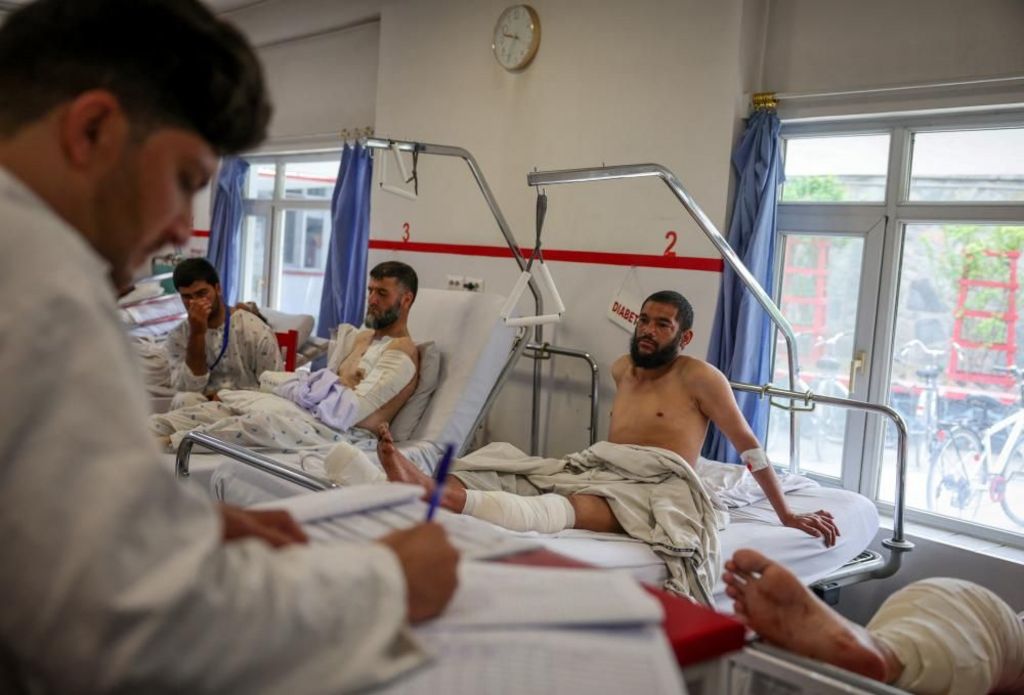
    A catastrophic aerial bombardment has reduced a drug rehabilitation facility in Kabul to smoldering ruins, marking one of the deadliest incidents in the escalating conflict between Pakistan and Afghanistan. The Omid Addiction Treatment Hospital, formerly known as Camp Phoenix during the U.S.-NATO military operations, was struck during evening hours on Monday as patients were breaking their Ramadan fast and engaging in prayers.

    Emergency response teams continue extraction operations through the debris, with Taliban officials estimating approximately 400 fatalities though official confirmation remains pending. Survivors describe apocalyptic scenes of trapped patients engulfed in flames as the single-story compound became an inferno. Mohammad Shafee, a twenty-year-old patient, recounted his narrow escape while serving dinner: “Only five of us survived after the explosion. When I returned, most colleagues and diners were hit.”

    The geopolitical context reveals deepening tensions: Pakistan maintains the strike targeted “military installations and terrorist support infrastructure,” dismissing Afghan allegations of intentional hospital targeting as “entirely baseless.” This incident occurs amid months of cross-border hostilities, with Islamabad accusing Kabul of harboring militants—a claim Taliban officials vehemently deny.

    Humanitarian consequences are severe: overwhelmed medics treated dozens of wounded amid the ruins while families desperately searched for missing relatives. One mother of nine anxiously awaited news about her husband, a seven-month resident of the facility. The Kabul Forensic Medicine Department has received at least 100 bodies, with many victims severely disfigured complicating identification.

    UN officials report this attack brings at least six Afghan healthcare facilities impacted since late February, highlighting the conflict’s devastating effect on civilian infrastructure. The rehabilitation center itself represented a complex legacy—transitioning from U.S.-NATO military training compound to addiction treatment facility under the Afghan republic government, then continuing operations under Taliban administration as they rounded up drug addicts from streets across provinces.

    The facility, designed for 2,000 occupants, recently held approximately 5,000 patients kept for six-month periods, reflecting Afghanistan’s severe opioid addiction crisis. A separate male addiction facility nearby reportedly remained unaffected by the strike.

  • Iran war’s next escalation could pit US versus Turkey

    Iran war’s next escalation could pit US versus Turkey

    As U.S.-Israeli military operations against Iran enter their third week, the Trump administration’s strategic objectives appear increasingly fluid, oscillating between degrading Iranian military capabilities and pursuing full regime change. While initial strikes eliminated Supreme Leader Ali Khamenei, defense analysts universally agree that aerial bombardment alone cannot achieve governmental overthrow in Tehran.

    The fundamental obstacle remains the absence of ground forces, an option opposed by most U.S. military and political leadership. This strategic vacuum has elevated discussion of alternative approaches, including supporting armed Kurdish factions from Iraq and Western Iran to destabilize the Islamic Republic internally.

    Despite President Trump’s March 6 declaration that “I don’t want the Kurds to go into Iran… The war is complicated enough as it is,” his documented inconsistency and the conflict’s volatile nature maintain the possibility of Kurdish mobilization. Such development could trigger consequences extending far beyond Iran’s borders.

    The Kurdish people, numbering approximately 30 million across Turkey, Iran, Iraq and Syria, represent the world’s largest stateless ethnic group. Their aspiration for autonomy dates to the Ottoman Empire’s collapse after World War I, when proposed statehood was superseded by division among newly created nations.

    In Iran specifically, Kurds constitute roughly 10% of the population, primarily inhabiting the economically disadvantaged northwestern regions bordering Iraq and Turkey. Iranian Kurdish political parties face prohibition, with periodic armed clashes occurring between separatist groups and state forces.

    The situation presents particular sensitivity for Turkey, which hosts the largest Kurdish population globally. Since 1984, Ankara has engaged in brutal conflict with the Kurdistan Workers’ Party (PKK), resulting over 40,000 casualties. Turkish leadership perceives any empowerment of Kurdish forces in neighboring territories as potentially energizing domestic separatist movements.

    Historical precedent demonstrates Turkey’s willingness to launch cross-border military operations against Kurdish strongholds in Iraq and Syria. Previous U.S. collaboration with Syrian Kurdish forces against Islamic State created significant NATO tensions, with Turkey alleging connections to PKK militants.

    Currently maintaining neutrality in the Iran conflict, Turkey and Iran have historically cooperated on Kurdish containment through intelligence sharing, military coordination, and joint opposition to Iraqi Kurdistan’s 2017 independence referendum (which received 92% approval).

    Experts identify two primary Turkish concerns regarding Iranian regime change: creation of ungoverned spaces enabling Kurdish militant operations along expanded borders, and potential refugee crises mirroring Syria’s aftermath (Turkey already hosts nearly 4 million Syrian refugees).

    While Washington may view Kurdish partnerships as expedient alternatives to American troop deployment, such strategy risks igniting secondary conflicts. Should Kurdish empowerment or border destabilization occur, Turkey could feel compelled to intervene, potentially opening another front in the expanding regional warfare.

  • Beyond the surplus: China’s 50 billion yuan-a-day buying power

    Beyond the surplus: China’s 50 billion yuan-a-day buying power

    While global attention frequently centers on China’s substantial trade surplus, a compelling counter-narrative reveals the nation’s massive import capacity that fundamentally reshapes global trade dynamics. Official data indicates China maintains an extraordinary import rhythm, purchasing approximately 35 million yuan worth of goods every minute, accumulating to nearly 50 billion yuan daily and approximately 18.5 trillion yuan annually.

    This sustained import performance has secured China’s position as the world’s second-largest import market for 17 consecutive years, demonstrating consistent and massive demand for international products and commodities. The scale of China’s importing activity represents a crucial economic engine for exporting nations worldwide, creating substantial market opportunities across diverse sectors including agriculture, technology, manufacturing, and consumer goods.

    The import figures challenge simplified characterizations of China’s trade relationships, revealing a complex economic ecosystem where China functions simultaneously as both global supplier and massive consumer. This dual role highlights the interdependence of global supply chains and China’s integral position within international trade networks.

    Recent developments including China’s continued market liberalization measures and participation in multilateral trade agreements suggest this import trajectory will likely intensify, potentially creating new opportunities for international exporters seeking access to China’s vast consumer market and industrial base.