标签: Asia

亚洲

  • 4 dead in Yunnan Spring Festival boat accident, special probe ongoing

    4 dead in Yunnan Spring Festival boat accident, special probe ongoing

    A tragic maritime incident during China’s peak Spring Festival travel period has resulted in four fatalities after a passenger vessel overturned at a resort in Yunnan province. The accident occurred at approximately 3:40 PM on Tuesday in Lianhua village, Chuxiong city, plunging 26 individuals into the water according to the Ministry of Emergency Management’s preliminary assessment.

    The Ministry has issued directives for immediate casualty verification and comprehensive medical treatment for injured survivors. In response to the severity of the incident, the Office of the State Council Work Safety Commission has elevated the investigation to special supervision status, mandating Yunnan authorities to accelerate the probe and establish legal accountability.

    Authorities have emphasized the necessity of deriving critical safety lessons from this tragedy to implement preventive measures against similar accidents. The investigation continues to determine the precise cause of the capsizing while emergency response teams complete follow-up operations at the resort location.

  • Spring festival travel sees more diverse, efficient homebound trips

    Spring festival travel sees more diverse, efficient homebound trips

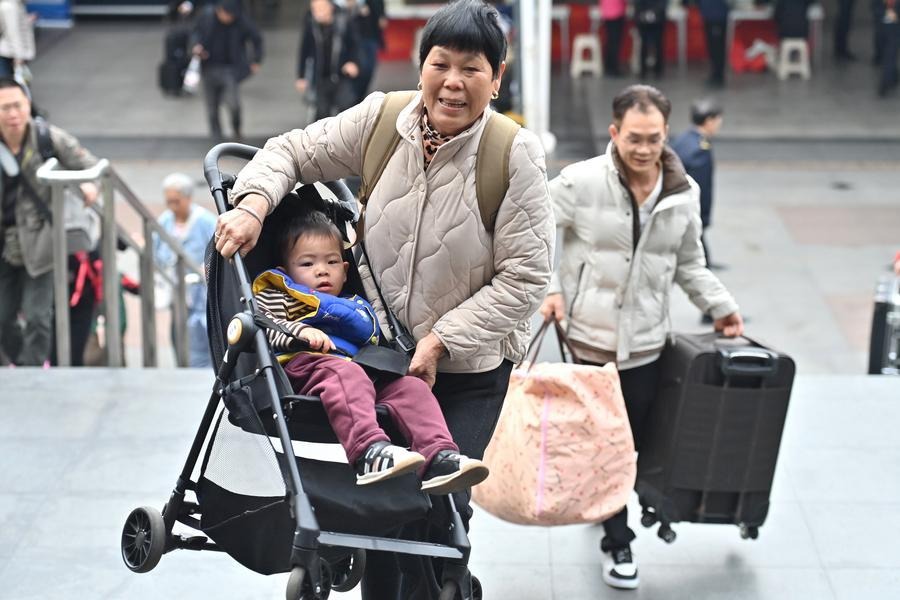
    The annual Spring Festival travel rush in China, historically characterized by arduous journeys, has undergone a remarkable transformation, evolving into a diverse and efficient transportation phenomenon. This year’s chunyun period, running from February 2 to March 13, is projected to generate an unprecedented 9.5 billion passenger trips, showcasing China’s rapidly modernizing transport infrastructure.

    The personal journey of Wei Shouyi, a 44-year-old migrant worker, exemplifies this dramatic shift. Two decades ago, Wei endured an 18-hour motorbike trek from Foshan to his Guangxi village through challenging conditions. Today, his 700-kilometer journey has been reduced to a comfortable six-hour drive in his private vehicle. “Since I bought a van in 2010, and later a car, the motorcycle has become a memory,” Wei reflects. “In my village, no one rides back from Guangdong anymore.”

    This personal transformation mirrors national trends. The once dominant sight of massive motorbike caravans has dramatically diminished. Police officer Zou Dan, stationed at a key highway checkpoint in Wuzhou, confirms: “You only see a few scattered motorcycles now. Our focus has shifted entirely to managing the massive flow of private cars on the expressways.”

    Multiple factors drive this evolution. Surging private vehicle ownership, particularly new energy vehicles (NEVs), has revolutionized road travel. According to Huang Guoxun of Guangxi’s transport department, NEV travel during this Spring Festival is expected to jump by 72.2 percent, comprising one-fifth of all highway traffic.

    Rail infrastructure has simultaneously undergone massive expansion. China’s total operating railway mileage increased by 12.8 percent during the 14th Five-Year Plan period (2021-2025), reaching 165,000 kilometers. The high-speed rail network specifically grew by 32.98 percent to 50,400 kilometers, maintaining China’s position as home to the world’s largest high-speed rail system. This expansion supports the expected 540 million rail passengers during the travel period.

    Notably, traditional “green trains” continue to operate alongside modern high-speed networks, providing affordable options for passengers traveling to smaller stations.

    The aviation sector has similarly transformed from a luxury service to a practical transportation alternative. Migrant workers like Ma Changwei now consider air travel a viable option when high-speed rail tickets are unavailable. “It’s expensive compared to the train, but it only takes two or three hours,” Ma explains. “Many of my coworkers are doing the same.”

    Industry data confirms this trend, with China’s civil aviation authorities anticipating approximately 95 million passengers during the holiday season—a historic high. China Southern Airlines’ Guangxi branch reported an 85 percent seat occupancy rate on the first day of chunyun alone, describing demand as “explosive.”

    This comprehensive transportation evolution has fundamentally reshaped the Chinese cultural tradition of returning home for the Lunar New Year, making journeys safer, faster, and more comfortable for millions of travelers.

  • How Sheikh Zayed led UAE at age of 29: Emirati businessman pays tribute in new book

    How Sheikh Zayed led UAE at age of 29: Emirati businessman pays tribute in new book

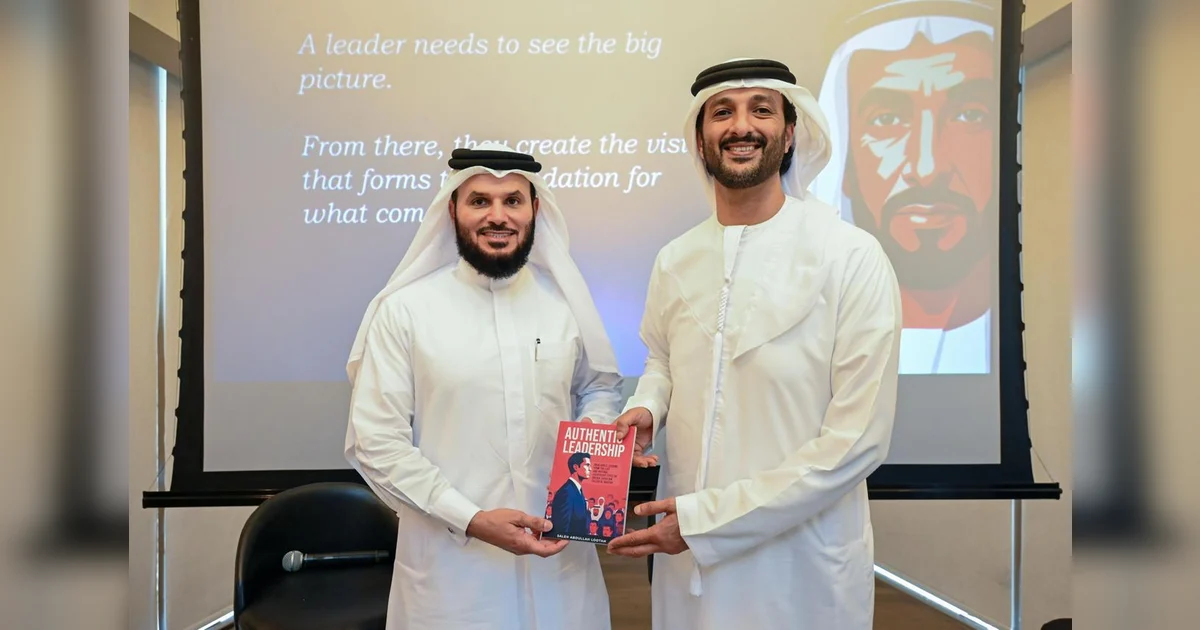
    Prominent Emirati entrepreneur Saleh Abdulla Lootah has unveiled a comprehensive literary tribute to the UAE’s founding father, Sheikh Zayed bin Sultan Al Nahyan, through his newly published work “Authentic Leadership – Invaluable Lessons from the Life and Natural Leadership Style of Sheikh Zayed bin Sultan Al Nahyan.”

    The publication, launched on Monday, represents over two years of meticulous research into the visionary leadership principles that transformed the United Arab Emirates from a region with limited infrastructure into a global hub of commerce and tourism. Lootah, chairman of diversified conglomerate Lootah Holding, emphasizes that contemporary business leaders can draw profound inspiration from Sheikh Zayed’s governance approach.

    “Without his extraordinary leadership, we would not be experiencing the quality of life we enjoy today,” Lootah stated during his book launch event, highlighting the enduring impact of Sheikh Zayed’s legacy on modern Emirati society.

    The analytical work examines multiple dimensions of Sheikh Zayed’s leadership methodology, including his exceptional team-building capabilities, strategic succession planning, unwavering dedication, and diplomatic negotiation skills. Notably, the book explores how at just 29 years old, Sheikh Zayed assumed leadership of the Eastern Region (Al Ain), demonstrating remarkable political acumen that would later enable him to unify disputing tribes and orchestrate the nation’s development.

    Lootah, whose family established the world’s first Islamic bank (Dubai Islamic Bank), expresses concern that younger generations might not fully appreciate the historical challenges overcome during the nation’s formation. He emphasizes that current challenges pale in comparison to the resource constraints and fragile conditions that characterized the pre-oil era.

    The entrepreneur’s work serves as both historical preservation and leadership manual, encouraging contemporary business leaders to adopt Sheikh Zayed’s principles of decisive action, responsibility delegation, and strategic negotiation in modern corporate contexts.

  • Umm Al Quwain ramps up inspections of roadside stalls, food safety in Ramadan

    Umm Al Quwain ramps up inspections of roadside stalls, food safety in Ramadan

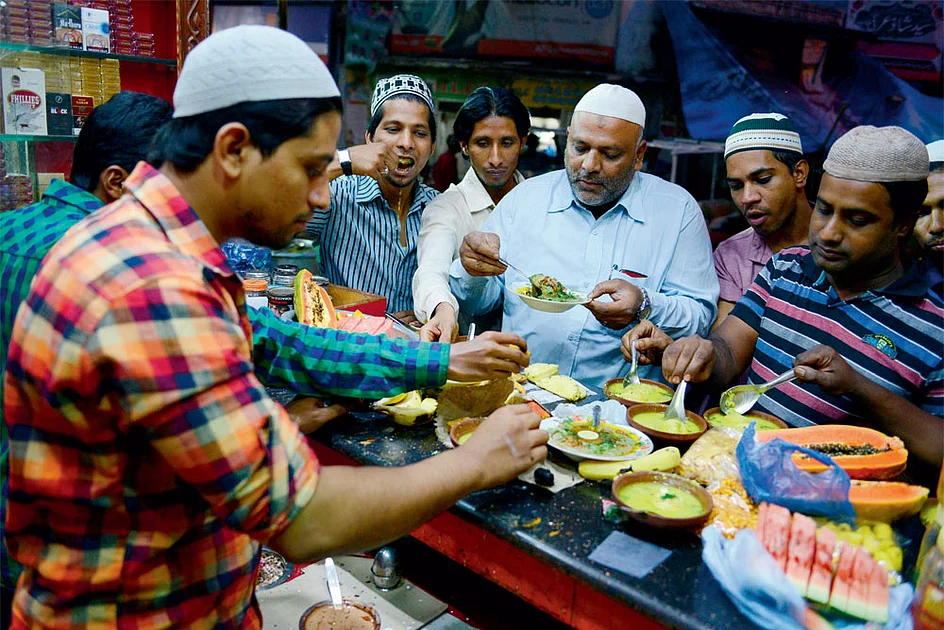
    The Municipality of Umm Al Quwain has launched an intensified inspection campaign targeting food establishments and roadside stalls throughout the holy month of Ramadan to ensure public health safety. This comprehensive initiative focuses on all aspects of food handling, from transportation and storage to preparation and cooking processes, with particular emphasis on compliance with safety standards and regulations.

    Given the significant consumption of fried foods during Ramadan, inspectors are paying special attention to the quality and validity of cooking oils used by vendors. The campaign also verifies that food storage and preparation locations meet hygiene requirements, with authorities checking that all food items are properly covered and protected from contamination.

    Roadside food vendors face additional scrutiny regarding worker hygiene practices. Inspectors are ensuring all food handlers wear appropriate protective gear including gloves and head coverings while maintaining valid occupational health cards. The municipality began preparations for this annual campaign in early January through specialized training programs for food inspection department employees.

    These training sessions covered outdoor food display regulations, common Ramadan-specific violations, and theoretical exercises to enhance inspectors’ understanding of seasonal food safety challenges. The public has been encouraged to report any food safety concerns or violations through the municipality’s dedicated call center at 800898 to support these oversight efforts.

  • Sanae Takaichi set to be reelected Japanese prime minister

    Sanae Takaichi set to be reelected Japanese prime minister

    TOKYO – In a decisive political development, Sanae Takaichi has clinched her reappointment as Japan’s Prime Minister following a conclusive parliamentary procedure on Wednesday. The leader of the ruling Liberal Democratic Party (LDP) secured an overwhelming mandate from the powerful lower house of Japan’s Diet, eliminating any requirement for a runoff election.

    The parliamentary endorsement solidifies Takaichi’s position at the helm of Asia’s second-largest economy, granting her continued authority to implement her political agenda. This victory represents a significant consolidation of power for the conservative leader, who has maintained strong support within her party’s ranks despite various global and domestic challenges.

    The appointment process unfolded through a structured vote in the House of Representatives, where the LDP maintains a substantial majority. Political analysts note that this smooth transition indicates both party unity and public confidence in Takaichi’s leadership direction, particularly regarding economic stabilization measures and national security policies.

    This political milestone occurs against a backdrop of regional geopolitical tensions and economic uncertainty, positioning Takaichi to continue her work on international diplomacy and domestic reform initiatives. Her administration faces ongoing challenges including inflation management, demographic shifts, and evolving security concerns in the Asia-Pacific region.

  • S. Korea says 3 civilians send drones to DPRK 4 times

    S. Korea says 3 civilians send drones to DPRK 4 times

    South Korea’s Unification Minister confirmed on Wednesday that three civilian individuals had conducted four separate unauthorized drone incursions into North Korean airspace. The revelation came during an official briefing, highlighting a significant breach of inter-Korean airspace protocols.

    The unmanned aerial vehicles were dispatched across the heavily fortified border that separates the two nations, though specific details regarding the drones’ capabilities, flight paths, and intended purposes remain undisclosed. Authorities have launched a comprehensive investigation into the motives behind these clandestine operations, examining whether the flights were conducted for reconnaissance, propaganda distribution, or other unauthorized activities.

    This development occurs amid ongoing tensions on the Korean Peninsula, where both nations maintain strict surveillance and security measures along the Demilitarized Zone. The incident raises serious concerns about civilian adherence to national security protocols and the potential for unintended escalation between the two technically-still-warring nations.

    South Korean officials emphasized that such unauthorized crossings violate multiple national security laws and international agreements governing the airspace between the two Koreas. The government has reiterated its commitment to preventing similar incidents through enhanced border surveillance and public awareness campaigns about the legal consequences of such actions.

  • Dubai’s Al Rowaiyah Street now open; set to link E311 with Nadd Hessa, DSO

    Dubai’s Al Rowaiyah Street now open; set to link E311 with Nadd Hessa, DSO

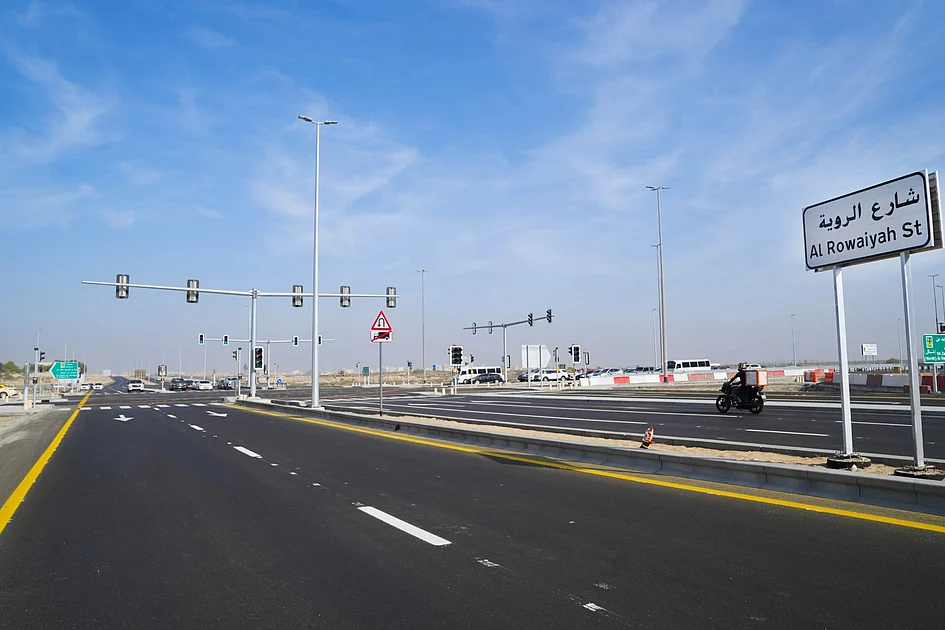
    Dubai’s Roads and Transport Authority (RTA) has officially announced the completion and opening of the transformative Al Rowaiyah Street project, marking a significant advancement in the emirate’s urban infrastructure network. The newly developed 3.5-kilometer arterial road establishes a vital direct connection between Sheikh Mohammed bin Zayed Road (E311) and Sheikh Zayed bin Hamdan Al Nahyan Street, dramatically improving accessibility to four key districts: Nadd Hessa residential area, Dubai International Academic City, Dubai Silicon Oasis, and Warsan 4.

    The comprehensive infrastructure development included the strategic conversion of the previously problematic Knowledge and Human Development Authority roundabout into a modern signalized intersection, significantly enhancing traffic safety measures at this crucial junction. In alignment with Dubai’s commitment to sustainable urban development, the project incorporated an extensive 2-kilometer dedicated cycling track network designed to promote healthy lifestyle choices and encourage the adoption of soft mobility transportation alternatives.

    The transportation enhancements deliver substantial practical benefits, with capacity on Sheikh Zayed bin Hamdan Al Nahyan Street increasing by approximately 40 percent. Commuters will experience dramatically reduced travel times, with journeys to Sheikh Mohammed bin Zayed Road now taking just 4 minutes compared to the previous 10-minute duration—representing a 60 percent improvement in transit efficiency. These infrastructure upgrades are projected to benefit over 80,000 residents by 2030 while supporting smoother traffic circulation and enhanced mobility throughout the connected districts.

  • Intl audience spellbound by gala’s Hefei presentation

    Intl audience spellbound by gala’s Hefei presentation

    The ancient city of Hefei, capital of Anhui province, achieved unprecedented global recognition on February 16th as it served as a distinguished sub-venue for China’s 2026 Spring Festival Gala broadcast. The cultural showcase transformed the typically industrial city into an international stage, mesmerizing viewers worldwide with its unique presentation that blended traditional Chinese elements with modern technological displays.

    Foreign residents and previous visitors to Hefei expressed their fascination with the city’s gala performance, noting how the event dramatically altered their perception of the regional hub. Through exclusive interviews, international audience members revealed their renewed appreciation for Hefei’s cultural depth and contemporary vibrancy as portrayed during the broadcast. The gala presentation effectively served as both entertainment and cultural diplomacy, introducing global viewers to Hefei’s distinctive charm and developmental achievements.

    The successful inclusion of Hefei in China’s most-watched television event signals a strategic effort to promote regional cities on the international stage. The gala’s producers masterfully wove Hefei’s local culture into the broader tapestry of Chinese New Year celebrations, creating a multimedia experience that resonated across cultural boundaries. This showcase not only celebrated the Year of the Horse but also demonstrated China’s ongoing initiative to highlight diverse regional identities within its national cultural narrative.

  • FS1, FS2 admissions in UAE: Schools start parent consultations under revised age rules

    FS1, FS2 admissions in UAE: Schools start parent consultations under revised age rules

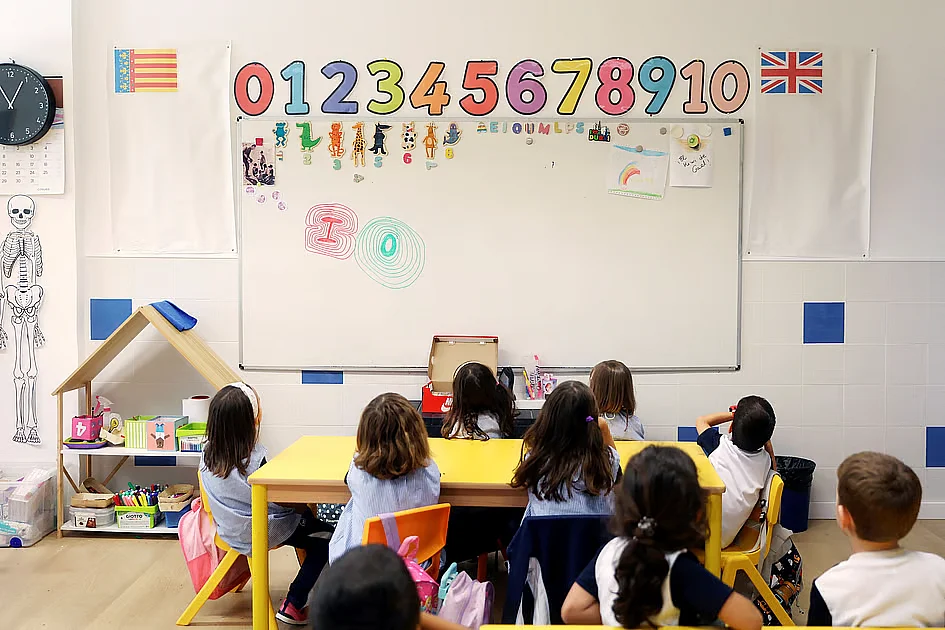
    Educational institutions across the United Arab Emirates are implementing a transformed approach to early childhood admissions following the Ministry of Education’s updated age eligibility framework. The revised guidelines, specifically addressing children born between September 1 and December 31, 2022, introduce unprecedented flexibility for the 2026-2027 academic year.

    School administrators nationwide report the new policy facilitates more transparent and productive dialogues with families concerned about developmental appropriateness rather than mere chronological placement. This paradigm shift enables educators and parents to collaboratively determine whether Foundation Stage 1 (FS1) or Foundation Stage 2 (FS2) represents the optimal educational environment for each child’s unique needs.

    Lee Hole, Principal of Dubai British School, emphasized the institutional commitment to thorough implementation: “Our admissions teams have diligently aligned our procedures with the updated framework. The essential objective remains ensuring children are positioned where they can genuinely flourish—considering educational appropriateness, developmental readiness, and family expectations collectively.”

    At GEMS Wellington Academy – Silicon Oasis, Primary Principal Michael Stewart confirmed comprehensive reviews of admission processes to maintain compliance with the new expectations. “Our established Foundation Stage structure, featuring multiple FS1 and FS2 classes, positions us advantageously to accommodate admissions pattern shifts. Placement decisions remain thoughtfully collaborative, centered on each child’s readiness and wellbeing,” Stewart elaborated.

    The policy clarification arrives as a temporary measure to ease the transition into revised age cutoff parameters, particularly comforting families apprehensive about premature advancement. Schools now employ multifaceted assessment approaches including readiness evaluations, transitional visits, and sustained communication to determine optimal placement.

    Natalia Svetenok, Principal of Woodlem British School in Ajman, highlighted the multidimensional nature of school readiness: “Chronological age alone proves insufficient for determining preparedness. We holistically examine academic, social, and emotional development through constructive dialogue with parents, implementing additional support mechanisms when necessary.”

    This progressive approach signifies a broader educational philosophy prioritizing developmental appropriateness over rigid administrative convenience, ensuring children commence their educational journeys with confidence and emotional security.

  • Can you lose weight during Ramadan? Experts say yes ‘with simple changes’

    Can you lose weight during Ramadan? Experts say yes ‘with simple changes’

    As the UAE commences the holy month of Ramadan, medical and fitness experts reveal how the traditional dawn-to-dusk fasting period can be transformed into an effective weight management strategy rather than a metabolic challenge.

    According to Dr. Jyoti Upadhyay, Specialist Internal Medicine at Aster Hospital, Mankhool, Ramadan fasting represents a structured form of time-restricted eating that can serve as a metabolic reset when approached correctly. “The extended fasting hours facilitate decreased insulin levels, enabling the body to utilize stored glucose and fat reserves more efficiently,” Dr. Upadhyay explained. “This provides the digestive system with predictable rest periods, potentially improving gut function and reducing reflux symptoms when meals are properly balanced.”

    The medical expert cautioned, however, that these benefits can be quickly negated by common practices. “The therapeutic value of fasting diminishes when followed by calorie overload, excessive sugar consumption, heavy meals, and sleep deprivation,” she noted. Common complaints during Ramadan include acid reflux, bloating, constipation, and even gallbladder symptoms resulting from excessively fatty meals.

    Fitness professional Reem Backer emphasizes that Ramadan creates a natural rhythm conducive to building sustainable health habits. “The structured eating windows and calming evenings foster increased bodily awareness,” Backer stated. She advises against extreme approaches, recommending instead consistent, moderate activity. “Short strength sessions, post-iftar walks, or light stretching performed regularly prove more beneficial than intense workouts that lead to exhaustion.”

    The growing recognition of Ramadan’s health potential has prompted fitness establishments across the UAE to offer specialized programs. Veo Fitness provides membership discounts of up to 15% for new members and 25% for renewals, while Roar Fitness has developed a six-week body transformation program specifically designed around Ramadan’s unique schedule.

    Both experts concur that Ramadan presents a dual opportunity for spiritual reflection and lasting lifestyle improvement. Dr. Upadhyay concludes: “The habits cultivated during this period—mindful portion control, reduced sugar intake, and regular meal timing—can yield health benefits extending far beyond the holy month.”