标签: Asia

亚洲

  • Modi pitches India as global artificial intelligence hub at AI summit

    Modi pitches India as global artificial intelligence hub at AI summit

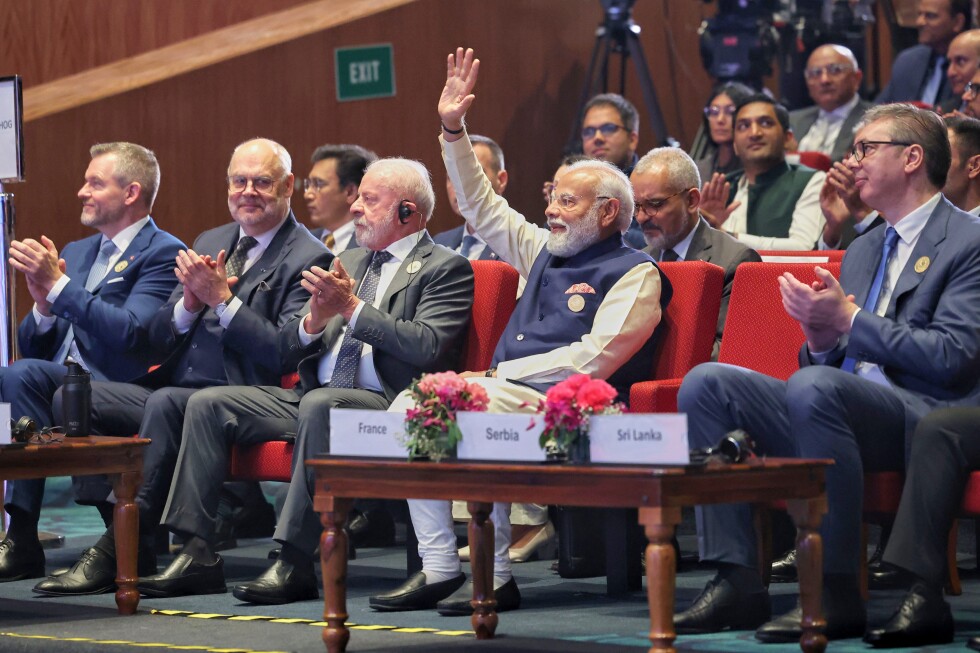
    Indian Prime Minister Narendra Modi has declared India’s ambition to become a pivotal force in the worldwide artificial intelligence landscape, emphasizing a strategy of domestic development coupled with global implementation. Addressing the India AI Impact Summit in New Delhi on Thursday, Modi articulated his vision before an assembly of international leaders, technology executives, and policy makers with the mantra: “Design and develop in India. Deliver to the world. Deliver to humanity.

    This declaration comes as the rapidly expanding digital market seeks to capitalize on its extensive experience in constructing large-scale digital public infrastructure. India aims to establish itself as an economically viable center for AI innovation, leveraging successful models like its digital identification and online payment systems as templates for affordable AI deployment, especially in developing nations.

    The high-profile gathering featured addresses from French President Emmanuel Macron, Google CEO Sundar Pichai, and UN Secretary-General António Guterres, who proposed a $3 billion international fund to enhance AI capabilities in less affluent countries. Guterres emphasized that AI development must not be dominated by a limited number of nations or wealthy individuals, asserting that the technology should “belong to everyone.”

    India is strategically positioning itself as a connecting link between advanced economies and the Global South, with Modi stressing the necessity to “democratize AI” and transform it into an instrument for inclusion and empowerment. The country’s nearly one billion internet users make it an essential market for international tech corporations expanding their AI operations.

    Significant investments have been announced, including Microsoft’s $17.5 billion commitment over four years to enhance cloud and AI infrastructure, Google’s $15 billion five-year investment featuring plans for India’s first AI hub, and Amazon’s $35 billion pledge by 2030 focused on AI-driven digitization.

    Despite these ambitions, India faces substantial challenges in developing its own large-scale AI models comparable to U.S.-based OpenAI or China’s DeepSeek. Obstacles include restricted access to advanced semiconductor chips, insufficient data center infrastructure, and the complexity of training AI systems on hundreds of local languages.

    The summit encountered organizational difficulties throughout the week, beginning with logistical problems that resulted in extended waiting times and reports of stolen items, though organizers later confirmed recovery of the missing property. Further complications emerged when a private Indian university was removed from the event after presenting a commercially available Chinese robotic dog as their own innovation. The setbacks continued with the unexpected withdrawal of Microsoft co-founder Bill Gates from his scheduled keynote address, with the Gates Foundation citing a desire to maintain focus on the summit’s primary objectives, amid ongoing questions regarding Gates’ associations with the late financier and convicted sex offender Jeffrey Epstein.


  • Bill Gates pulls out of India’s AI summit amid Epstein files controversy

    Bill Gates pulls out of India’s AI summit amid Epstein files controversy

    Microsoft co-founder Bill Gates has unexpectedly canceled his scheduled keynote address at the India AI Impact Summit in New Delhi, creating a significant disruption to the event’s programming. The Gates Foundation announced the decision hours before his appearance, stating it came after “careful consideration” to maintain focus on the summit’s core objectives, though providing no specific reasons for the withdrawal.

    This development occurs against the backdrop of renewed scrutiny regarding Gates’ associations with the convicted sex offender Jeffrey Epstein. Recently unsealed court documents from the U.S. Department of Justice have referenced Gates, though he faces no allegations of misconduct from Epstein’s victims, and the documents imply no criminal activity.
    A Gates Foundation representative has characterized the claims within these documents as “absolutely absurd and completely false.” Gates himself has previously expressed regret for his interactions with Epstein.

    Despite this last-minute change, the summit continues with substantial industry participation. Ankur Vora, president of the Gates Foundation’s Africa and India offices, will deliver the address in Gates’ place. The foundation reaffirmed its “full commitment” to its collaborative health and development initiatives within India.

    The cancellation follows days of uncertainty about Gates’ attendance. Currently in India, he recently visited Andhra Pradesh to discuss projects in health, agriculture, education, and technology. Initial reports suggested he would honor his speaking commitment.

    This withdrawal represents a setback for India’s ambition to position itself as a global AI leader through this flagship event. Nevertheless, the summit features other prominent speakers, including Google CEO Sundar Pichai, OpenAI CEO Sam Altman, and Anthropic CEO Dario Amodei.

    Prime Minister Narendra Modi, in his opening address, emphasized India’s pivotal role in the AI-driven future and urged Western nations to democratize AI technology. “AI must become a tool for inclusion and empowerment, particularly for the Global South,” Modi stated, while also highlighting the urgent need for global standards to counter deepfakes and misinformation.

    The event, attended by delegates from over 100 countries and several heads of state, has faced its share of controversies, including reports of initial mismanagement and a disputed claim by an Indian university about developing a robot dog that was allegedly manufactured in China.

    Over its five-day duration, the summit will host policy discussions, startup demonstrations, and private meetings focused on AI governance and innovation. Major companies, including Microsoft, have already announced investment pledges aimed at expanding AI infrastructure and access in India and similar markets.

  • Watch: Thai police go undercover as lion dancers to catch thief

    Watch: Thai police go undercover as lion dancers to catch thief

    In an inventive approach to law enforcement, officers from the Thai police force successfully apprehended a serial theft suspect by utilizing an unexpected disguise: traditional lion dance costumes. The operation culminated outside a temple on the outskirts of Bangkok, where the individual, wanted in connection with multiple counts of theft, was taken into custody.

    The strategic deployment of this cultural camouflage allowed police to blend seamlessly into the local environment, capitalizing on the vibrant and common sight of lion dance performances, particularly in the vicinity of temples. This method enabled close surveillance without alerting the suspect, demonstrating a significant departure from conventional police tactics.

    Authorities have highlighted the operation as a testament to adaptive policing, merging cultural understanding with crime-fighting initiatives. The suspect’s arrest marks a critical development in a series of investigations targeting theft rings in the Bangkok metropolitan area, potentially signaling a new era of innovative law enforcement strategies within the region.

  • Tokyo’s strategic US investment surge puts China on edge

    Tokyo’s strategic US investment surge puts China on edge

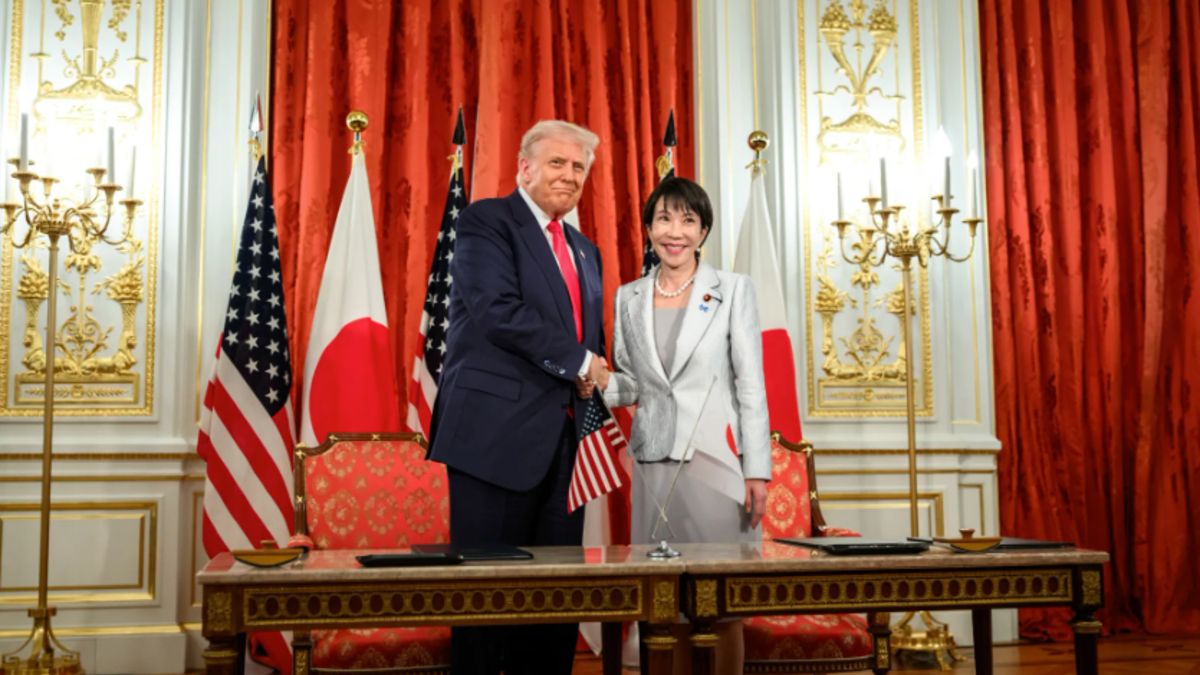
    Japan has initiated the first phase of a monumental investment initiative into the United States, marking a significant milestone in international economic relations. This development follows the decisive electoral triumph of Prime Minister Sanae Takaichi’s Liberal Democratic Party, which has paved the way for strengthened bilateral cooperation.

    The initial investment tranche, valued at approximately $36 billion, represents merely the beginning of a comprehensive commitment that could ultimately reach $550 billion. This massive financial undertaking stems from a trade agreement finalized in July, wherein Japan secured reduced US tariffs on its exports. In September, Washington lowered its reciprocal tariffs on Japanese goods from 25% to 15%, creating favorable conditions for enhanced economic collaboration.

    US President Donald Trump celebrated the development through social media, proclaiming: “Our massive trade deal with Japan has just launched! Japan is now officially, and financially, moving forward with the first set of investments under its $550 billion commitment to invest in the United States of America.” The President emphasized that this agreement would revitalize American industry, generate hundreds of thousands of jobs, and bolster national economic security.

    The initial investment portfolio includes three strategic projects: oil and gas infrastructure in Texas, power generation facilities in Ohio, and critical minerals processing in Georgia. The Ohio power plant is projected to become the largest gas-powered facility in history, while the LNG export terminal aims to strengthen America’s energy dominance. The critical minerals initiative seeks to reduce foreign dependency, though China’s global rare earth dominance remained unmentioned in official statements.

    Chinese analysts perceive this economic shift as potentially detrimental to China’s interests. Commentator Xu Sanlang argues that strengthened US-Japan ties could accelerate supply chain diversification away from China toward American allies. Since 2010, Japan has systematically reduced its reliance on Chinese manufacturing, redirecting investments toward Southeast Asia, the United States, and Europe.

    The tariff structure further incentivizes this realignment, with US tariffs on Chinese goods averaging 53.6% compared to approximately 15% on Japanese products. This differential approach appears designed to economically isolate China while strengthening alliances.

    The agreement mandates Japan to immediately increase US rice imports by 75%, purchase $8 billion in American goods including agricultural products and energy exports, acquire Boeing aircraft and defense equipment, and lift restrictions on US automotive imports.

    Geopolitical tensions have concurrently escalated, particularly following Prime Minister Takaichi’s November statement regarding Taiwan potentially constituting a “survival-threatening situation” for Japan. Beijing responded with tightened export controls on dual-use items to Japan, though recent approvals suggest possible diplomatic thaw following February discussions between Trump and Chinese President Xi Jinping.

    Analysts recommend measured response from China, emphasizing the country’s strengths in renewable energy, artificial intelligence, and quantum computing as counterbalancing factors. The evolving situation represents a complex interplay of economic strategy, geopolitical positioning, and global supply chain restructuring that will likely define international relations for years to come.

  • Former South Korean President Yoon faces verdict on rebellion charges

    Former South Korean President Yoon faces verdict on rebellion charges

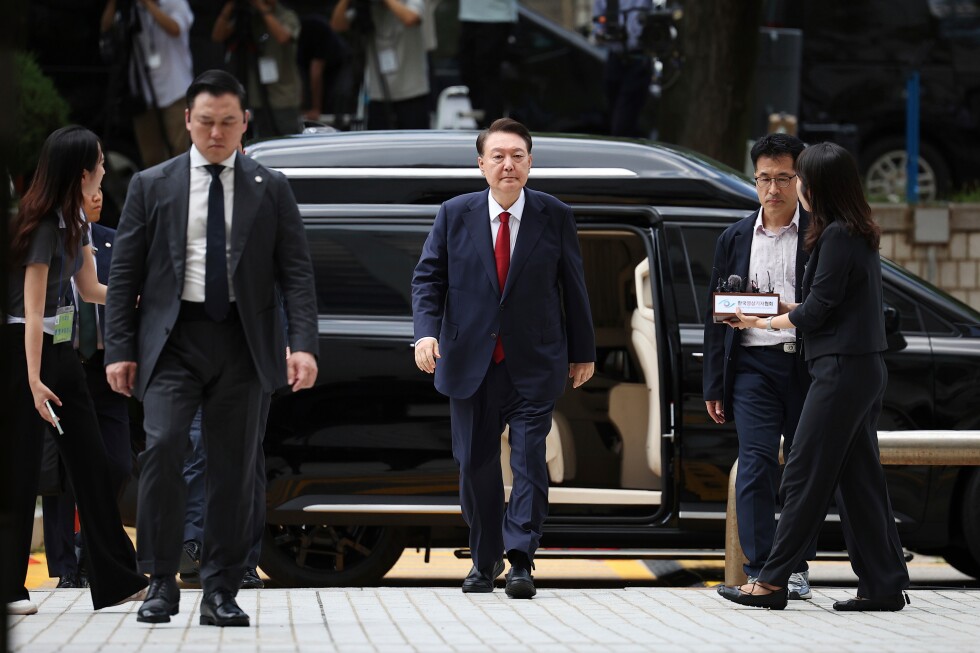
    SEOUL, South Korea — Former President Yoon Suk Yeol appeared at Seoul Central District Court on Thursday for a landmark verdict regarding rebellion charges stemming from his unprecedented attempt to impose martial law in December 2024. The ousted conservative leader arrived under heavy police security as both supporters and protesters gathered outside the judicial complex.

    The case represents the most severe political crisis in decades for South Korea, triggered when Yoon declared martial law and deployed military forces to surround the National Assembly on December 3, 2024. Special prosecutors have pursued capital punishment for the former president, arguing his actions constituted a grave threat to the nation’s democratic foundations.

    Legal experts anticipate a life imprisonment sentence rather than execution, noting that Yoon’s poorly executed power grab resulted in no casualties. South Korea maintains an unofficial moratorium on capital punishment, with no executions carried out since 1997.

    Presiding Judge Jee Kui-youn will also deliver rulings for seven former military and police officials accused of enforcing Yoon’s martial law decree, including ex-Defense Minister Kim Yong Hyun.

    Yoon has maintained that his actions were necessary to counter what he characterized as ‘anti-state’ liberal forces obstructing his governance agenda. The martial law declaration lasted approximately six hours before legislators breached the military blockade and unanimously voted to overturn the measure.

    The former president was initially suspended from office on December 14, 2024, following impeachment by lawmakers, and was formally removed by the Constitutional Court in April 2025. He has remained in custody since July facing multiple criminal trials.

    Last month, Yoon received a five-year prison sentence on separate charges including resisting arrest, fabricating the martial law proclamation, and bypassing mandatory Cabinet procedures. Former Prime Minister Han Duck-soo received a 23-year sentence for attempting to legitimize the decree through manipulated Cabinet meetings and falsified records, though he has appealed the verdict.

  • Watch: Filipina sensation Alexandra Eala’s dream Dubai run continues

    Watch: Filipina sensation Alexandra Eala’s dream Dubai run continues

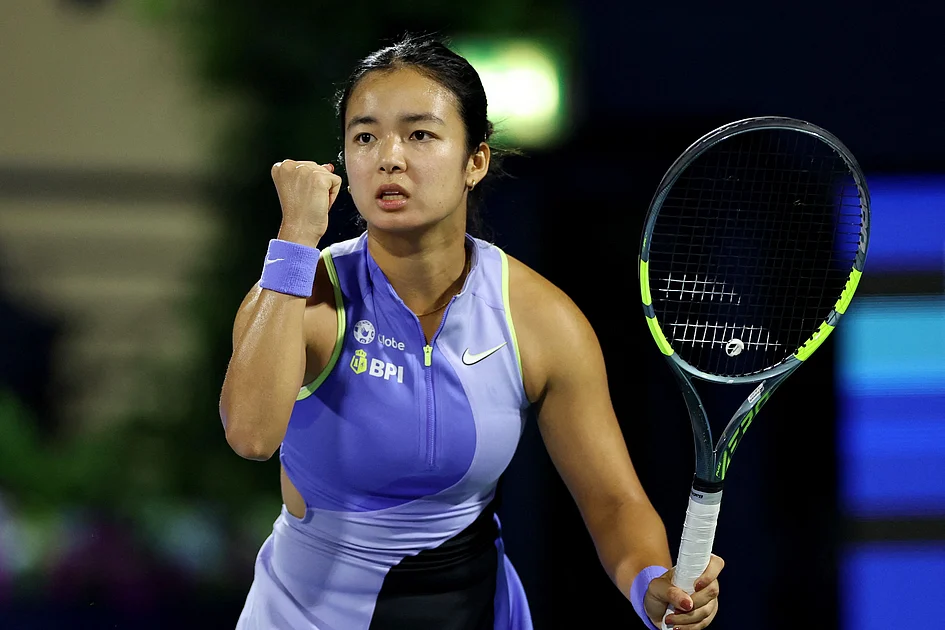
    In a stunning display of composure and skill, Philippine tennis prodigy Alexandra Eala extended her remarkable campaign at the Dubai Duty Free Tennis Championships with a decisive victory over seasoned Romanian Sorana Cîrstea. The 20-year-old sensation secured her quarterfinal berth with a 7-5, 6-4 triumph before an enthusiastic crowd that included numerous Filipino supporters.

    Eala’s performance demonstrated both tactical maturity and offensive prowess as she navigated a tightly contested opening set before dominating the second with aggressive shot-making. This victory follows her impressive upset against world number eight Jasmine Paolini in the previous round, cementing her status as a rising force in women’s tennis.

    The win propels the history-making Filipina—currently ranked 40th globally and her nation’s highest-ranked player ever—into a highly anticipated quarterfinal confrontation with American star Coco Gauff. The two-time Grand Slam champion survived her own dramatic encounter, saving three match points against Belgium’s Elise Mertens in a three-set thriller.

    Eala acknowledged the significance of facing an established champion, stating: ‘I view this as an exceptional opportunity for growth. Regardless of Thursday’s outcome, the experience against a player of Coco’s caliber in a prestigious quarterfinal represents invaluable learning for my development.’

    Gauff, recognizing both Eala’s talent and the electric atmosphere expected for their match, commented: ‘Such vibrant crowd engagement ultimately benefits our sport. Alexandra has demonstrated her capabilities by defeating top-ten opponents convincingly, ensuring our match will present considerable challenges.’

    The marquee quarterfinal is scheduled for 7 PM Thursday on Centre Court, where Eala’s supporters are expected to create a passionate, football-like environment. Other quarterfinal matchups feature defending champion Mirra Andreeva against Amanda Anisimova, Jessica Pegula versus Clara Tauson, and Elina Svitolina taking on Antonia Ruzic.

  • Turkish TV network accused of stoking social tensions with pork dinner scene

    Turkish TV network accused of stoking social tensions with pork dinner scene

    A Turkish television drama has triggered intense nationwide controversy after airing a scene depicting pork being served to conservative Muslim guests, igniting debates about cultural sensitivity and media responsibility in the country’s polarized social landscape.

    The incident occurred during the February 17th episode of ‘Aynı Yagmur Altında’ (Under the Same Rain), broadcast on ATV network. The controversial scene showed host characters serving pork to newly arrived guests who displayed visual markers of religious conservatism, including headscarves and traditional attire. While the characters weren’t explicitly identified as Muslim, viewers overwhelmingly interpreted the implication as intentional given Turkey’s predominantly Muslim population.

    Social media backlash erupted immediately, with critics arguing the scenario represented cultural implausibility rather than religious offense. The Turkish Orthodox Society highlighted the peculiarity in a viral statement: ‘Even Christian Turks rarely consume pork, and we would never serve it to Muslim neighbors. This suggests either deliberate provocation or serious lack of cultural awareness.’

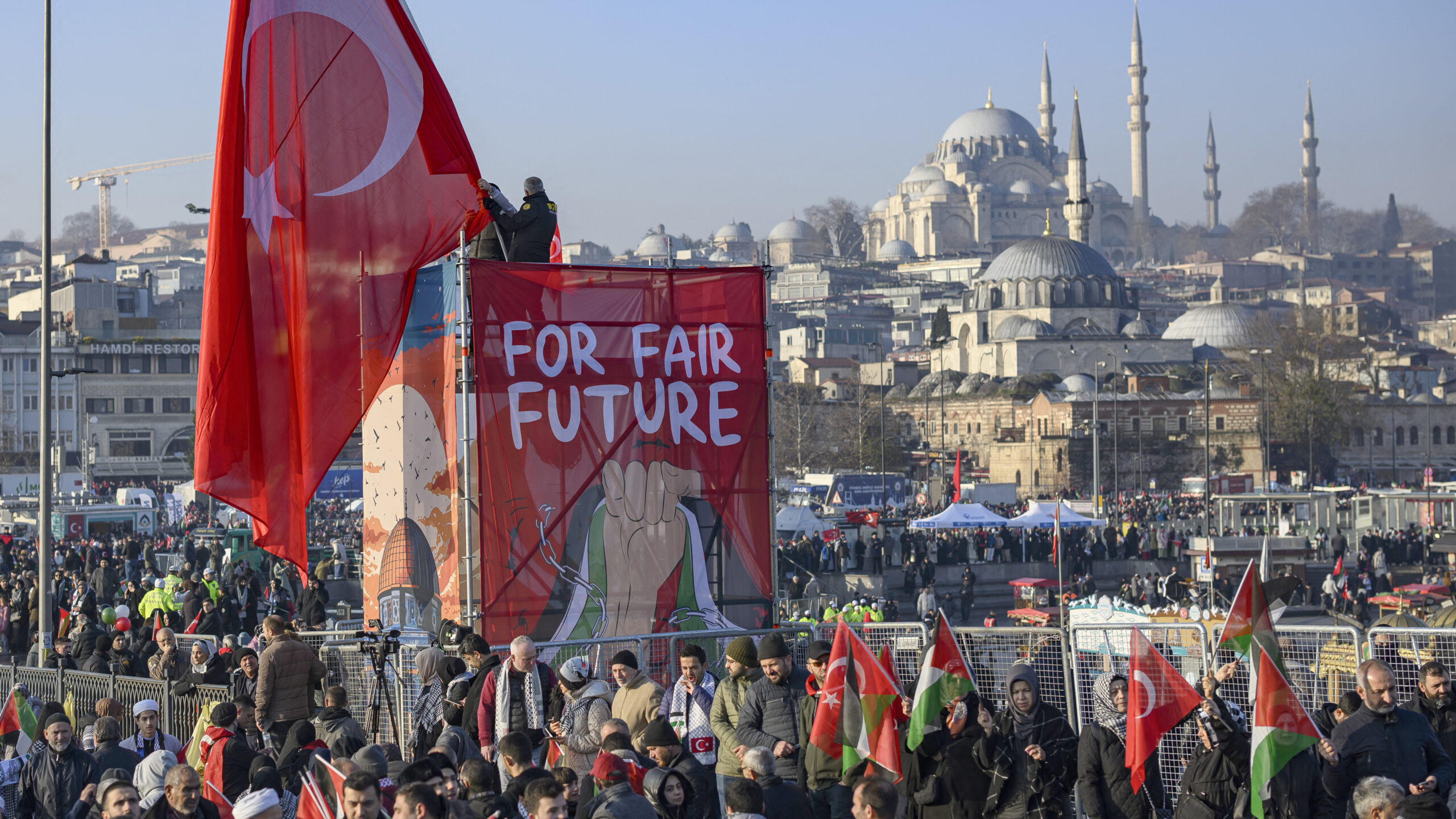
    The series, which premiered on February 9th, follows protagonist Rosa’s journey from London—where she attended pro-Palestine protests—back to Turkey, exploring themes of activism, identity, and cross-cultural relationships. However, the pork scene has largely overshadowed the intended narrative.

    Further complicating the controversy is ATV’s ownership structure. The channel operates under Turkuvaz Media Group, whose chairman Serhat Albayrak is brother to Berat Albayrak—former energy minister and son-in-law of President Recep Tayyip Erdoğan. This connection led many to question why a government-aligned network would broadcast content perceived as marginalizing religious conservatives.

    Production company Baba Yapim defended the scene in a statement to Middle East Eye, explaining: ‘The scene wasn’t designed to endorse the host’s behavior but rather to demonstrate how her actions were rejected by her own family. Our story aims to bridge differences through fundamental values of respect and human courtesy.’

    The show’s official social media account was deactivated following the episode’s airing, while discussions expanded beyond religious dietary rules to encompass media ethics, cultural polarization, and the role of entertainment in reflecting societal tensions.

  • Afghanistan faces catastrophic hunger crisis as aid cuts force the WFP to turn away 3 in 4 children

    Afghanistan faces catastrophic hunger crisis as aid cuts force the WFP to turn away 3 in 4 children

    Afghanistan is confronting the most severe malnutrition crisis in its recorded history, with approximately 4 million children facing acute food insecurity and life-threatening conditions. The situation has reached catastrophic proportions, with two-thirds of the nation experiencing serious or crisis-level malnutrition according to United Nations assessments.

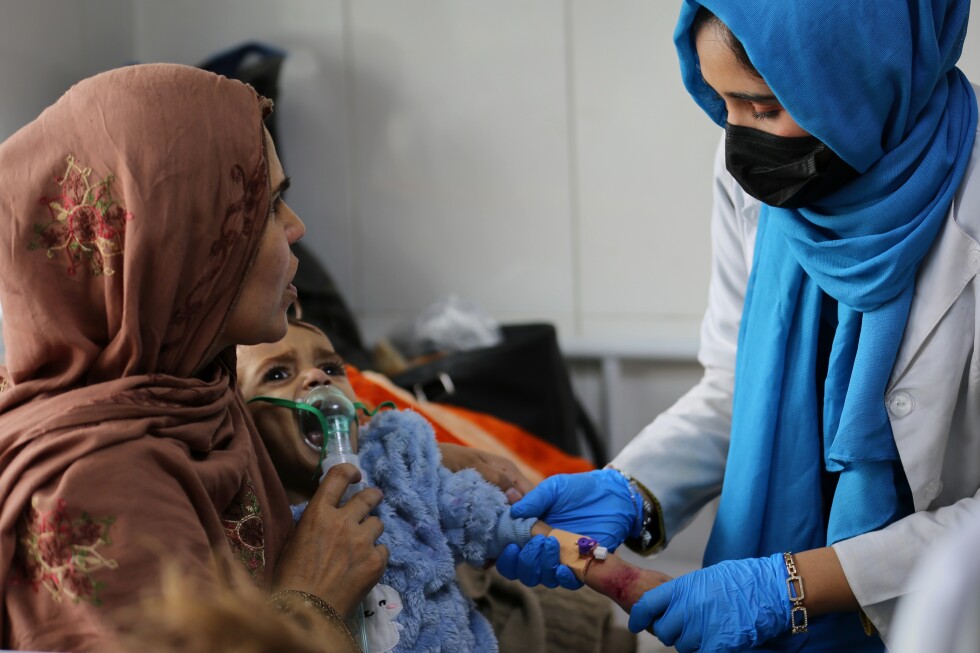
    The World Food Program’s Afghanistan Country Director John Aylieff characterizes the emergency as unprecedented in his three-decade humanitarian career. Current funding constraints force the organization to turn away three out of every four malnourished children seeking assistance. Of the 17.4 million Afghans experiencing acute hunger, only 2 million currently receive support, and even this assistance has been significantly reduced.

    This humanitarian catastrophe stems from multiple converging factors: the abrupt halt of direct foreign aid following the 2021 Taliban takeover, a crippled economy, severe drought conditions, recent devastating earthquakes, and the return of over 5 million Afghan refugees from neighboring Pakistan and Iran. Compounding these challenges, international donor budgets are increasingly stretched thin by simultaneous global emergencies including conflicts in Gaza and Ukraine, and famine conditions in Sudan.

    WFP funding has experienced dramatic reductions, dropping from $600 million in 2024 to an anticipated $200 million for the current year. This financial shortfall occurs as hunger conditions spiral out of control across the nation.

    Medical facilities like Kabul’s Indira Gandhi Children’s Hospital illustrate the human toll. Two-and-a-half-year-old Abu Bakar, weighing just 6 kilograms—half his expected weight—represents one of the fortunate few receiving life-saving care. His mother Latifa describes how critical food assistance ceased three years ago, leaving her construction-worker husband unemployed and her family without reliable meals for their five children.

    The crisis has driven a disturbing increase in child mortality, with WFP documenting over 500 child deaths in recent months—a figure officials describe as merely ‘the tip of the iceberg’ given many winter deaths in snow-bound villages go unrecorded.

    Afghanistan’s Health Ministry acknowledges the decades-long problem, reporting expansion of malnutrition treatment facilities from 800 to approximately 3,200 centers, with about 3 million malnourished children and mothers treated in 2025. Ministry spokesman Dr. Sharafat Zaman emphasizes that health services should remain separate from political considerations.

    Women bear particularly severe consequences from the crisis. Taliban restrictions banning women from employment have left widows with children especially vulnerable. WFP reports a 30% increase in acutely malnourished pregnant and breastfeeding women—a surge described as unprecedented by nutrition experts. The organization increasingly receives suicide calls from desperate women who cannot feed their children.

    Aylieff issues an urgent plea to the international community: ‘How many more Afghan children will die before the world wakes up? Don’t walk away from Afghan women who are now facing abject misery, hunger, malnutrition and watching their children die.’

  • The teacher who won $1m for turning India’s slums into open-air classrooms

    The teacher who won $1m for turning India’s slums into open-air classrooms

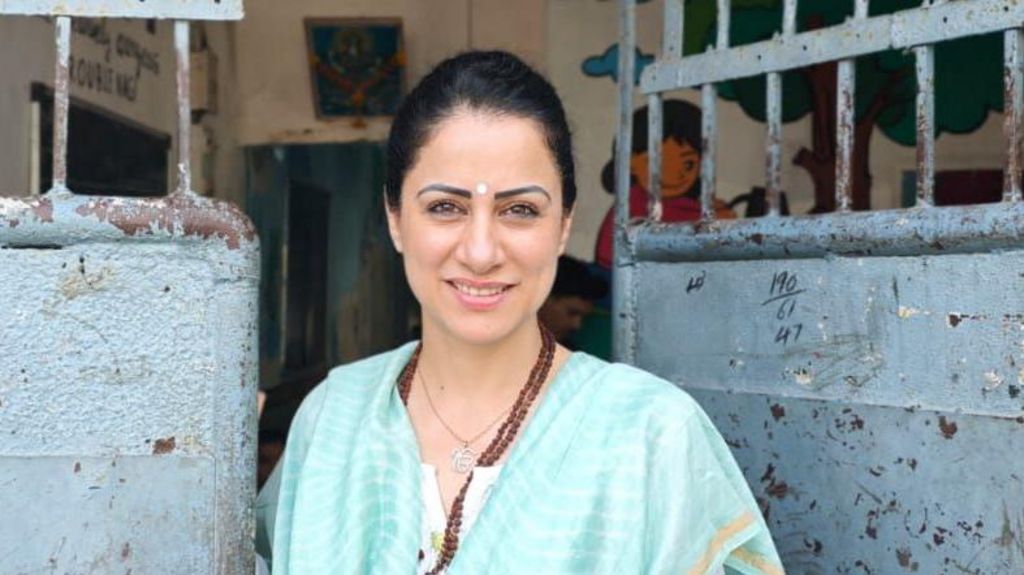
    In the dense urban landscape of Mumbai’s Colaba district, a vibrant educational revolution is unfolding within the city’s most marginalized communities. Artist and educator Rouble Nagi has been awarded the prestigious 2026 Global Teacher Prize, accompanied by a $1 million award, for her extraordinary work establishing over 800 learning centers across India’s underserved communities.

    The Varkey Foundation, in collaboration with UNESCO, selected Nagi from among 5,000 nominations spanning 139 countries for her innovative approach to education through the Rouble Nagi Art Foundation (RNAF). Her methodology transforms unconventional spaces—from laundry workers’ settlements to open slum areas—into dynamic learning environments where art serves as the primary educational catalyst.

    Nagi’s journey began three decades ago when a chance encounter with an out-of-school child during an art workshop revealed the educational disparities in Mumbai’s slums. This inspired her to initiate community engagement through mural painting, which unexpectedly attracted curious children eager to learn. This discovery evolved into a formalized educational model that combines artistic expression with fundamental academic instruction.

    The RNAF’s approach emphasizes flexibility and accessibility, with lessons conducted in open areas using mats instead of traditional classrooms. Volunteers provide skill-based instruction while addressing the complex socioeconomic challenges facing students. Teachers frequently assume additional roles as counselors and family liaisons, conducting home visits when children miss classes and holding regular parent sessions to maintain educational continuity.

    A cornerstone initiative, the ‘Misaal’ project, converts slum walls into educational canvases featuring murals that teach scientific concepts, hygiene practices, environmental awareness, and social responsibility. These visual lessons serve as both community beautification and continuous educational tools that stimulate curiosity and behavioral change.

    The foundation’s impact is evidenced by success stories like Mayur, a former student who now operates his own art classes and printing business while volunteering weekends with RNAF. Current students like seven-year-old Khushi aspire to become educators themselves, demonstrating the program’s cyclical empowerment model.

    Nagi plans to utilize the prize money to expand operations into Jammu and Kashmir, establishing a comprehensive skill-development and learning center equipped with computer technology. Her work demonstrates that educational transformation can occur anywhere—when approached with creativity, community trust, and unwavering commitment to marginalized populations.

  • Hospitality hub: Ras Al Khaimah’s tourism boom sparks hotel rush

    Hospitality hub: Ras Al Khaimah’s tourism boom sparks hotel rush

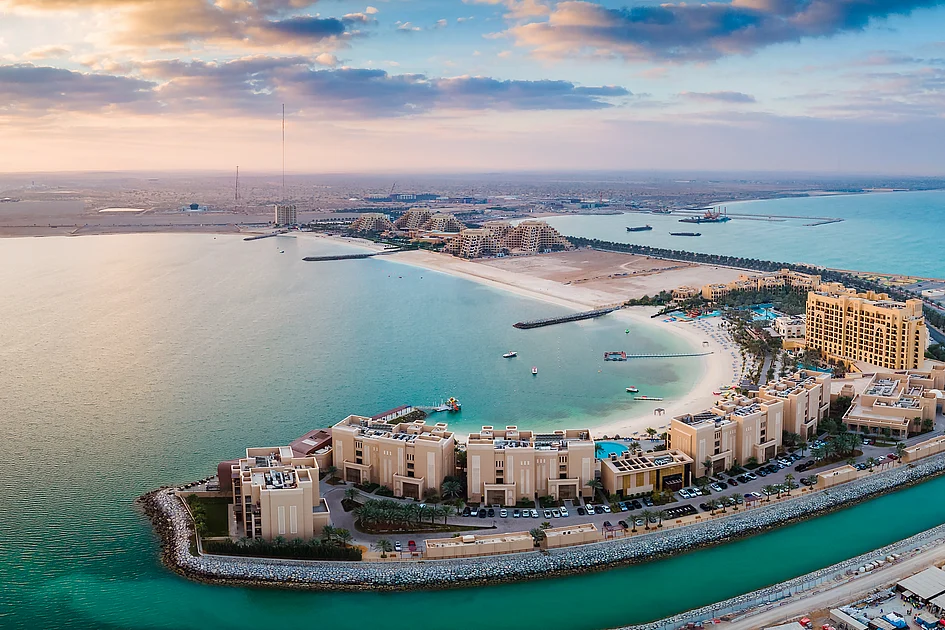
    Ras Al Khaimah is experiencing a remarkable transformation into one of the Gulf’s most dynamic tourism destinations, triggering an aggressive expansion of luxury hospitality infrastructure. The emirate achieved record-breaking visitor numbers in 2025, welcoming 1.36 million tourists with an equal distribution between domestic and international travelers, according to recent market analysis.

    CBRE Middle East research reveals extraordinary performance across key hotel metrics, with occupancy rates climbing 4.6 percentage points, average daily rates increasing by 6.6%, and revenue per available room surging 11.5% year-on-year. This robust growth reflects strengthened pricing power and sustained market demand.

    The current hotel inventory exceeds 9,000 rooms, but development pipelines indicate a dramatic expansion ahead. More than 9,500 additional rooms are scheduled for delivery between 2026 and 2030, with 92% categorized as five-star accommodations, signaling Ras Al Khaimah’s strategic pivot toward ultra-luxury tourism.

    Central to this transformation is the $5.2 billion Wynn Al Marjan Island integrated resort, representing the largest foreign direct investment in the emirate’s history. This landmark project has already catalyzed substantial increases in land values and triggered numerous branded residence launches and hotel announcements throughout the northern emirate.

    Global hotel operators are intensifying their presence, with Accor and Hilton leading expansion initiatives while new entrants including Aman Group and Wynn Resorts prepare to redefine the luxury hospitality landscape. Marriott International has significantly expanded its portfolio through new Luxury Collection and JW Marriott properties, demonstrating sustained confidence in Ras Al Khaimah’s long-term tourism prospects.

    Matthew Green, Head of Research at CBRE Mena, noted: “Ras Al Khaimah’s real estate market continues to evolve at an unprecedented pace, supported by strong macroeconomic fundamentals, record foreign investment, and a maturing property ecosystem. The hospitality sector has entered a new growth phase driven by global brand partnerships and major tourism-led projects.”

    The Ras Al Khaimah Tourism Development Authority has established an ambitious target of exceeding 3 million annual visitors by 2030, nearly triple current levels. Strategic investments in infrastructure, international events, and destination marketing are underway, complemented by expanded air connectivity with new routes from Europe, Central Asia, and key GCC markets.

    Industry analysts attribute the influx of international brands to growing investor confidence in Ras Al Khaimah’s positioning as an affordable luxury alternative to Dubai, offering competitive development costs alongside beachfront properties and natural attractions. STR Global data confirms the emirate’s hotel market ranks among the Middle East’s fastest-growing in both occupancy recovery and rate growth since 2022.

    The hospitality boom is generating significant ripple effects across the broader real estate market. CBRE data indicates residential prices increased substantially in 2025, with prime apartment values rising 32% year-on-year to Dh2,428 per square foot, largely driven by demand in coastal destinations including Al Marjan Island, Al Hamra, and Mina Al Arab. Villa prices increased 11% to an average of Dh1,211 per square foot, while apartment rents surged nearly 25% amid limited supply and growing population inflows linked to tourism and business expansion.

    Supporting this growth, Ras Al Khaimah Economic Zone added over 19,000 new companies in 2025, reinforcing the emirate’s economic diversification strategy and generating additional demand for residential and hospitality assets. The synergistic relationship between tourism growth, business expansion, and high-profile developments is creating a powerful investment cycle that establishes Ras Al Khaimah as one of the UAE’s most dynamic real estate markets.