标签: Asia

亚洲

  • Revealed: The billions given to charity by ordinary Indians every year

    Revealed: The billions given to charity by ordinary Indians every year

    A transformative study from Ashoka University’s Centre for Social Impact and Philanthropy (CSIP) has fundamentally reshaped our understanding of Indian philanthropy. Contrary to the prevailing narrative dominated by billionaire pledges and corporate social responsibility initiatives, the How India Gives 2025 report reveals that ordinary households constitute the true backbone of the nation’s generosity.

    This comprehensive research, drawing from over 7,000 interviews across 20 Indian states, documents an astonishing annual household giving total of approximately 540 billion rupees ($6 billion). The findings demonstrate that 68% of Indian households participate in some form of giving, with nearly half (48%) providing in-kind donations such as food, clothing, and household goods. Cash donations represent 44% of contributions, while volunteering accounts for 30% of household generosity.

    The study identifies religious duty as the primary motivator for more than 90% of givers, with approximately 40-45% of all donations flowing to religious organizations. A comparable portion is directed toward beggars and destitute individuals, particularly in urban settings. Rural India demonstrates a stronger preference for religious institution support.

    Professor Jinny Uppal, head of CSIP, emphasizes the cultural embeddedness of this phenomenon: “India is a profoundly generous country where ordinary households play a much larger role than commonly acknowledged. This generosity appears widespread and culturally embedded across all demographics.”

    The research methodology anchored responses to India’s National Sample Survey consumption data, enabling detailed analysis of giving patterns across income segments. Remarkably, even at low consumption levels (4,000–5,000 rupees monthly), approximately half of households report giving. This participation rate escalates to 70-80% among higher income brackets.

    The study also reveals subtle gender variations: male-headed households show slightly greater inclination toward religious giving, while female-headed households demonstrate marginally stronger support for destitute individuals.

    Despite smaller individual contributions, everyday giving constitutes approximately 15% of total Indian philanthropy while accounting for nearly one-third of private donations to the organized social sector. As India’s economy continues its rapid expansion, researchers anticipate corresponding growth in this grassroots philanthropic movement that represents not a trickle from the top, but a daily tide from below.

  • Netanyahu says India’s Modi to visit Israel next week

    Netanyahu says India’s Modi to visit Israel next week

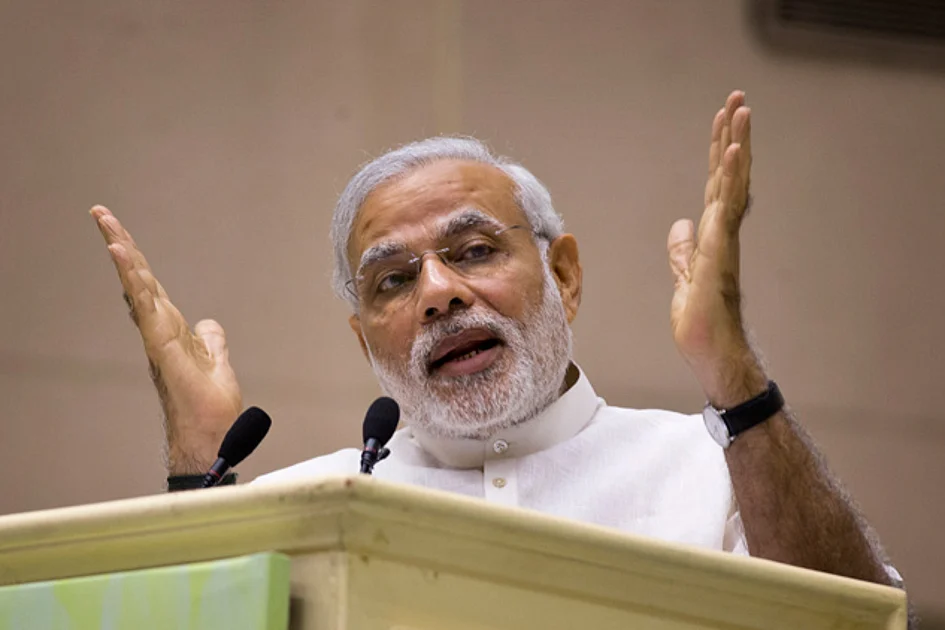
    Israeli Prime Minister Benjamin Netanyahu has officially confirmed that Indian Prime Minister Narendra Modi will undertake a significant diplomatic visit to Israel next week. The announcement came during Netanyahu’s televised address at a military ceremony on Thursday, where he emphasized the strategic importance of strengthening international alliances.

    Netanyahu referred to Modi as his ‘close friend’ and highlighted India’s status as a ‘huge global power’ in his remarks. This upcoming visit marks the second official trip by Modi to Israel since his historic 2017 visit, which was the first by an Indian prime minister to the country. That previous visit established a new chapter in bilateral relations, with Netanyahu reciprocating with an official visit to India the following year.

    Under Prime Minister Modi’s leadership, the relationship between India and Israel has experienced substantial deepening across multiple sectors. The two nations have significantly expanded their cooperation in technology exchange, agricultural innovation, and security collaboration. This growing partnership represents a strategic alignment between two democratic nations with shared security concerns and complementary economic interests.

    The timing of this visit is particularly significant given current global geopolitical dynamics and both countries’ positions on the world stage. The visit is expected to include high-level discussions on regional security challenges, economic partnerships, and technological cooperation initiatives that benefit both nations.

  • Hard work pays off for Pegula as American reaches Dubai semis

    Hard work pays off for Pegula as American reaches Dubai semis

    American tennis star Jessica Pegula extended her remarkable run of form on Thursday, securing her seventh consecutive tournament semifinal appearance with a hard-fought three-set victory over Denmark’s Clara Tauson at the Dubai Duty Free Tennis Championships. The world number five battled through a 6-3, 2-6, 6-4 quarterfinal clash against last year’s finalist, demonstrating the consistent excellence that has defined her recent performances.

    Pegula’s current semifinal streak dates back to August 2025, when she last failed to reach the final four at the Cincinnati Masters. Since that time, the 31-year-old has maintained exceptional consistency across all competitions, including deep runs at both the Australian Open and US Open, where she finished as runner-up in the latter.

    The daughter of billionaire Terry Pegula attributed her sustained success to dedicated technical and physical improvements implemented since last summer. ‘My coaches and I worked extensively on refining my strengths and addressing areas needing development,’ Pegula revealed in post-match comments. ‘I’ve significantly improved my serving performance, enhanced my movement on court, and overall elevated my physical conditioning.’

    Pegula now prepares for an all-American semifinal showdown against Amanda Anisimova, setting the stage for what promises to be a compelling encounter. ‘We’ve had numerous competitive matches in the past, including recently in Australia,’ Pegula noted regarding her upcoming opponent. ‘Our contests have typically been closely contested, making this next match particularly intriguing.’

    The Dubai championship continues to showcase top-tier women’s tennis talent, with Pegula’s consistent performance establishing her as one of the tour’s most reliable competitors heading into the critical semifinal stage.

  • UAE to donate $1.2 billion to support Gaza through Board of Peace

    UAE to donate $1.2 billion to support Gaza through Board of Peace

    The United Arab Emirates has announced a substantial $1.2 billion humanitarian contribution to support Gaza reconstruction efforts through the newly established Board of Peace. The commitment was formally declared by the UAE’s Deputy Prime Minister during the coalition’s inaugural meeting on Thursday, February 19, 2026.

    This significant financial pledge forms part of a broader regional support initiative, with neighboring Gulf states including Saudi Arabia, Qatar, and Kuwait each committing $1 billion toward Gaza’s recovery. The collective regional assistance now totals approximately $4.2 billion in pledged reconstruction funding.

    Concurrent with these announcements, US President Donald Trump revealed that $7 billion has been allocated to a dedicated Gaza reconstruction fund, contingent upon Hamas disarming. President Trump further committed an additional $10 billion American contribution to the Board of Peace initiative, significantly amplifying international support for the region’s rebuilding efforts.

    The Board of Peace represents a multinational coordination mechanism designed to oversee and implement humanitarian and reconstruction projects in Gaza. The UAE’s leadership in this initiative demonstrates its growing role in regional stability and humanitarian assistance, while the substantial financial commitments from multiple nations indicate a concerted international effort to address the ongoing humanitarian situation in Gaza.

  • ‘Board of Peace’ members commit $7bn to Gaza relief, US pledges further $10bn

    ‘Board of Peace’ members commit $7bn to Gaza relief, US pledges further $10bn

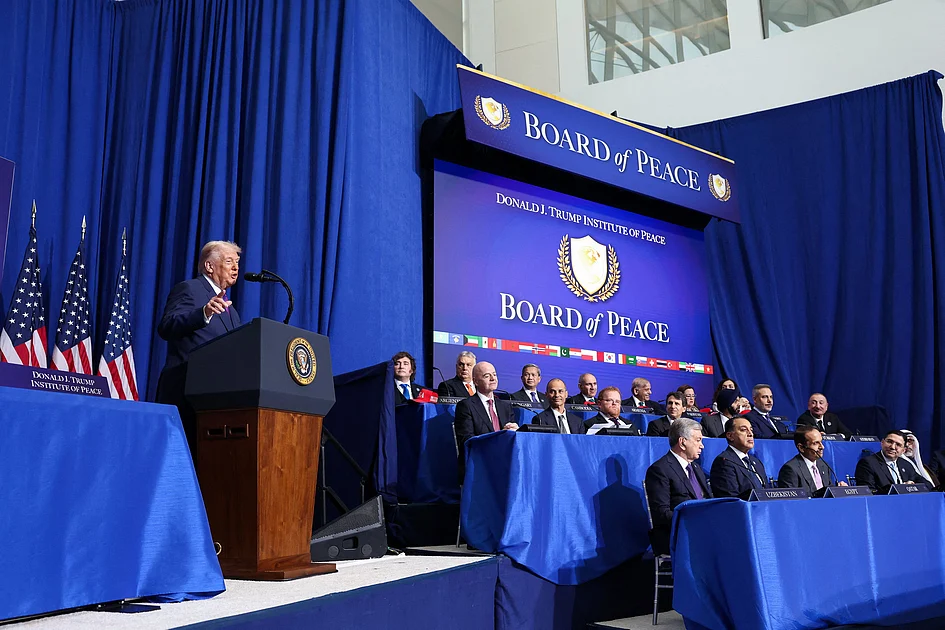
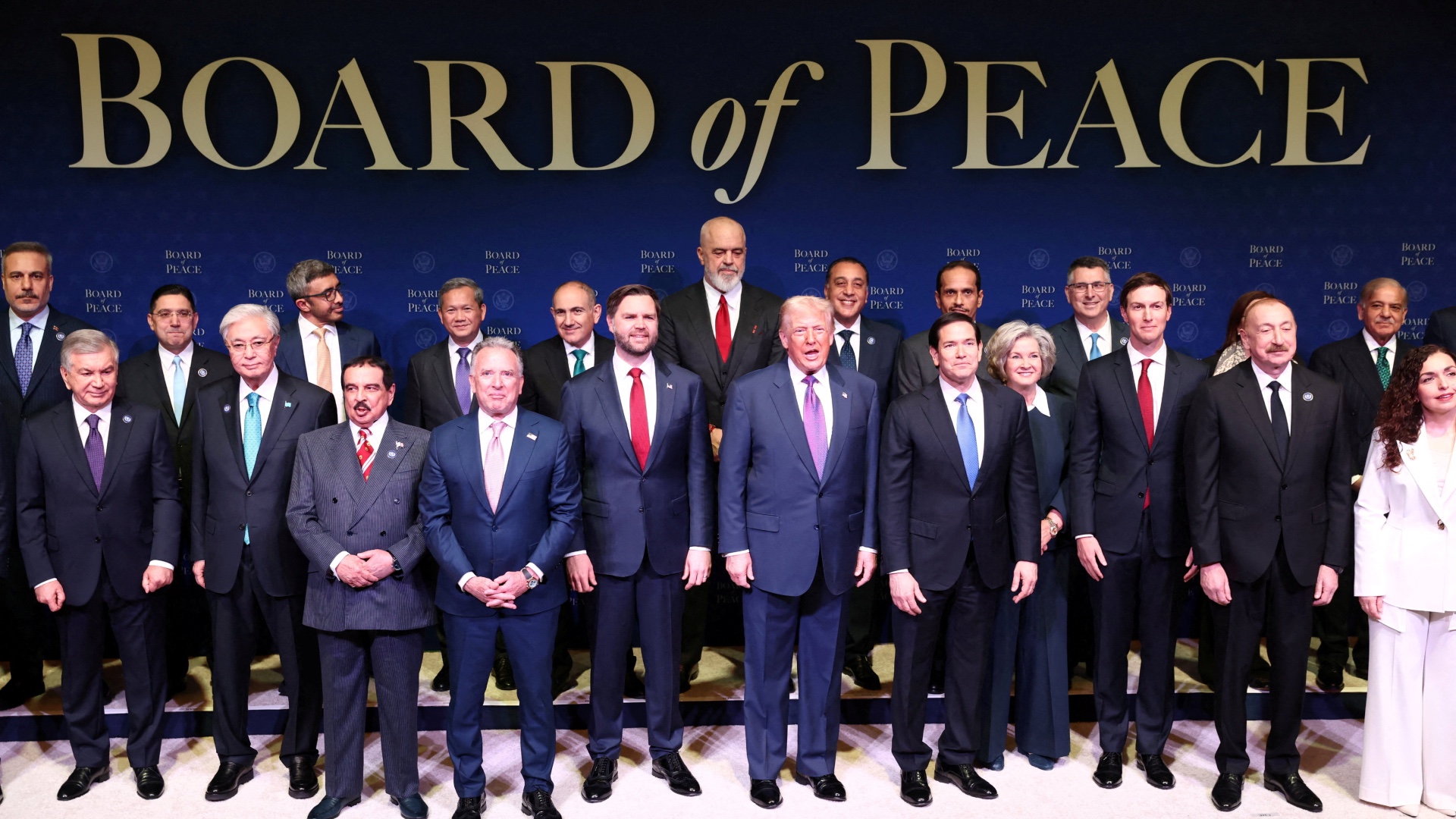
    WASHINGTON, DC – In a significant development for Middle Eastern diplomacy, nine member nations of former President Donald Trump’s newly established “Board of Peace” have collectively pledged $7 billion toward humanitarian relief and reconstruction efforts in Gaza. President Trump announced the commitments during the board’s inaugural meeting held at the Donald J Trump Institute for Peace on Thursday.

    The contributing nations include Kazakhstan, Azerbaijan, the United Arab Emirates, Morocco, Bahrain, Qatar, Saudi Arabia, Uzbekistan, and Kuwait. While a detailed breakdown of individual contributions was not immediately disclosed, Trump indicated that “many more are contributing to the numbers.” The United States is separately investing an additional $10 billion, though this allocation is understood to support the board’s overall operations rather than being exclusively designated for Gaza.

    Beyond member contributions, the international community is mobilizing substantial support. The United Nations Office for the Coordination of Humanitarian Affairs will raise $2 billion, while FIFA, the global football governing body, has committed $75 million for sports-related projects in the enclave. FIFA President Gianni Infantino, a recipient of the first-ever FIFA Peace Prize from Trump last year, attended the meeting and sits on the board. Furthermore, Japan has committed to hosting an aid fundraiser with participation expected from regional nations including South Korea, the Philippines, and Singapore, with potential involvement from China and Russia.

    World Bank President Ajay Banga, serving on the board’s executive committee, outlined the institution’s role as a “limited trustee.” The Bank will manage and disperse the pledged funds for reconstruction and development projects in Gaza, leveraging its AAA rating to attract private investment and de-risk the funding process.

    However, the initiative faces significant challenges. The security situation remains precarious. U.S. Major General Jasper Jeffers, appointed to oversee the accompanying International Stabilization Force (ISF), revealed that Indonesia, Morocco, Kazakhstan, Kosovo, and Albania will contribute troops to the force, which will be trained by Egypt and Jordan. The ISF’s mandate includes protecting civilians, training local forces, and assisting in the disarmament of factions—a point that has caused hesitation among some potential contributors. Indonesia will assume deputy command of the ISF, and deployment will begin in the Rafah sector, though no precise timeline was provided. The Trump administration confirmed no U.S. troops would be deployed on the ground.

    On the ground governance falls to the National Committee for the Administration of Gaza (NCAG), led by Palestinian technocrat Ali Shaath. He described operating in “extremely difficult conditions” with large areas “destroyed” and humanitarian needs “acute.” Bulgarian diplomat Nickolay Mladenov, appointed to oversee Gaza’s demilitarization, announced the creation of the Office of the High Representative for Gaza to guide the NCAG. A key priority is establishing security through a new 5,000-strong professional civilian police force, for which recruitment is already underway with 2,000 applicants so far. These officers will be trained in Egypt as part of a broader 20-point plan to consolidate all weapons under a single civilian authority.

    Despite the focus on Gaza, the board’s official charter notably makes no mention of either “Gaza” or “Palestinian,” reflecting the Trump administration’s break from the long-standing U.S. policy goal of a two-state solution. The board has also faced international skepticism. Spain and most European nations have refused to join, with some EU representatives attending only as “observers.” The Vatican declined its invitation, and Canada’s was rescinded. At a recent security conference, EU foreign affairs chief Kaja Kallas criticized the board for its omissions. Trump, however, positioned the board as a supplement to the UN, stating it would be “looking over the United Nations and making sure it runs properly,” while pledging to work closely with the international body.

  • North Korea opens major party congress with Kim emphasizing economy

    North Korea opens major party congress with Kim emphasizing economy

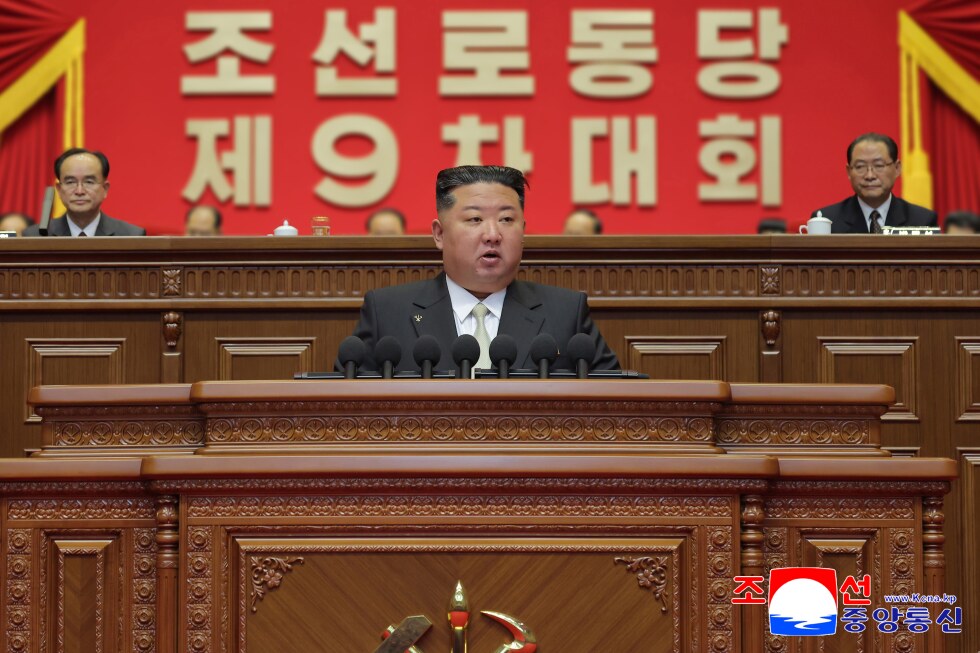
    SEOUL, South Korea — North Korea has commenced its most significant political gathering, the Workers’ Party Congress, where Supreme Leader Kim Jong Un is anticipated to outline his strategic vision for the nation’s next five-year development cycle. The event, which began Thursday in Pyongyang, marks a pivotal moment for cementing the Kim dynasty’s authoritarian governance while addressing critical domestic and international challenges.

    In his opening address, Kim emphasized economic achievements and national resilience since the previous congress in 2021, which coincided with the COVID-19 pandemic’s peak. He proclaimed substantial progress in economic development and regional positioning, characterizing these advances as an ‘irreversible’ enhancement of North Korea’s global standing. ‘This created favorable conditions and circumstances for giving a greater spur to our socialist construction,’ Kim stated, acknowledging the ‘heavy and urgent historic tasks’ of boosting economic construction and improving living standards.

    Notably absent from initial state media coverage were direct references to Kim’s nuclear weapons program or ongoing standoffs with the United States and South Korea. However, geopolitical analysts anticipate the congress will address these issues as Kim continues to leverage global tensions to advance his strategic objectives.

    Recent geopolitical maneuvers have seen North Korea deepen alliances with Russia and China. Kim has capitalized on Russia’s war in Ukraine to accelerate his nuclear and missile capabilities while providing substantial military support to Moscow—potentially in exchange for economic assistance and technological transfers. Simultaneously, he has strengthened ties with China, North Korea’s traditional ally and economic lifeline, through diplomatic visits and summits.

    While North Korea’s information blockade obscures accurate economic assessment, external experts suggest a gradual recovery fueled by post-pandemic trade resumption with China and weapons exports to Russia. The congress follows weeks of military demonstrations and inspections of industrial and housing projects, showcasing alleged achievements under Kim’s leadership.

    Approximately 5,000 delegates, including 224 central leadership members, are participating in the event expected to span several days. Experts predict Kim will outline ambitious economic targets and plans to expand his nuclear-armed military, which already possesses systems targeting U.S. allies in Asia and long-range missile capabilities potentially reaching the U.S. mainland.

    South Korea’s intelligence agency is monitoring potential signals regarding Kim’s teenage daughter, Kim Ju Ae (approximately 13), being positioned as a potential successor—a move that would formalize the regime’s fourth-generation dynastic succession.

    Diplomatic relations remain frozen since the 2019 collapse of talks between Kim and former U.S. President Donald Trump. North Korea has consistently rejected dialogue offers, demanding the U.S. abandon its denuclearization requirements as a precondition for negotiations. Relations with South Korea have similarly deteriorated, with Kim abandoning peaceful reunification rhetoric in favor of a hostile ‘two-state’ doctrine for the Korean Peninsula—a stance potentially to be institutionalized in the Workers’ Party constitution during this congress.

  • How do you modernise mango farming?

    How do you modernise mango farming?

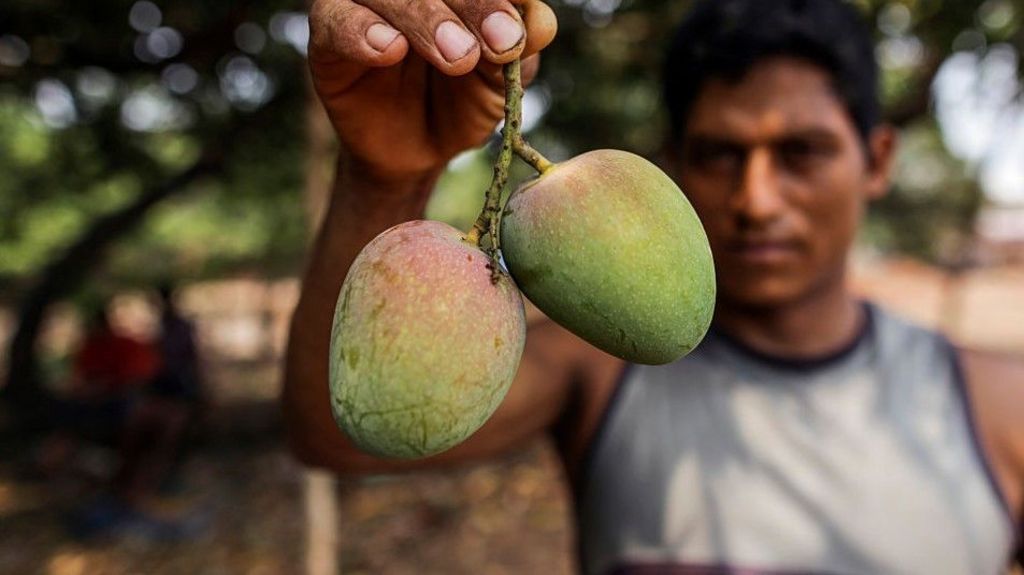
    As the world’s leading mango producer, India faces unprecedented challenges in sustaining its 23-million-ton annual harvest—approximately one-fifth of the nation’s total fruit output. The delicate cultivation process, dependent on precise climatic conditions, tree physiology, and agricultural techniques, has become increasingly precarious due to climate volatility.

    Fourth-generation mango cultivator Upendra Singh from Malihabad, Uttar Pradesh, embodies the sector’s struggles. Having worked on family orchards since age 12, the 62-year-old farmer observes: ‘Seasons no longer follow patterns. Flowering, fruiting, and harvesting shift annually due to climate change.’ Despite rising input costs for pesticides, labor, and irrigation, yields continue declining across India’s 700 regional varieties—from northern Dasheri to Maharashtra’s Alphonso and Bihar’s Langra.

    Dr. Hari Shankar Singh of the Central Institute for Subtropical Horticulture (ICAR) confirms these observations: ‘Erratic weather patterns have become the norm. Last year, premature flowering followed by strong winds damaged fruit development. This year, prolonged cold delayed flowering entirely.’

    Scientific interventions offer hope through two parallel approaches:

    Genetic research accelerated dramatically after ICAR scientists sequenced the Alphonso mango genome in 2016. ‘Genome mapping identifies genes governing fruit color, aroma, sweetness, and climate resilience,’ explains Dr. Singh. This breakthrough potentially reduces traditional breeding timelines from 10-20 years, though challenges remain due to mango trees’ heterozygous nature and 5-10 year maturation period.

    On-ground innovations include:
    – Protective ‘bagging’ techniques creating micro-environments around developing fruits
    – ‘Girdling’ methods involving controlled branch cuts to redirect tree energy
    – Canopy management and scientific pruning for size control
    – Orchard rejuvenation through strategic tree height reduction

    Progressive farmers like Neeti Goel (1,100 trees across 27 acres) employ soil and leaf analysis for precise micronutrient application. Exporters like Berrydale Foods’ Saravanan Achari experiment with greenhouse cultivation to meet international phytosanitary standards. ‘Climate change is the single biggest export risk,’ notes Achari, citing Japan and Israel’s protected cultivation models as precedents.

    While genetic science addresses long-term resilience, immediate adaptations through controlled environments and precision agriculture may determine whether India’s $2.1 billion mango industry can sustain its global dominance amid escalating climate challenges.

  • Strict warning against public eating during Ramadan in Kuwait

    Strict warning against public eating during Ramadan in Kuwait

    Kuwait’s Ministry of Interior has delivered an unequivocal warning regarding public conduct during the upcoming Ramadan season, emphasizing zero tolerance for violations of established regulations. The authorities have specifically prohibited public consumption of food and beverages during daylight fasting hours, with stringent penalties awaiting those who disregard the mandate.

    According to the official directive, individuals caught eating in public spaces during fasting hours will face substantial fines, potential imprisonment for a maximum period of one month, or both penalties concurrently. The enforcement measures extend beyond direct violators to encompass those who facilitate, encourage, or coerce others into public eating, subjecting them to identical legal consequences.

    Commercial establishments found permitting or enabling public eating violations will confront severe operational sanctions, including mandatory temporary closure for durations extending up to two months. This comprehensive approach demonstrates the government’s determination to maintain decorum throughout the holy month.

    Major General Abdulwahab Ahmed Al-Wuhaib has confirmed that all security, traffic management, and public awareness divisions within the Ministry of Interior have completed comprehensive preparations for Ramadan. The coordinated strategy focuses on enhancing public safety measures, ensuring efficient traffic circulation, and promoting positive social behavior throughout the Islamic holy month.

    Security preparations include significantly intensified patrol presence around mosques, commercial markets, shopping centers, and other high-density gathering areas. Traffic authorities will reinforce patrol operations along both primary and secondary roadways, with particular emphasis on peak traffic periods preceding iftar and following Taraweeh prayers.

    Specialized field units have been deployed to identify and address negative social activities including unauthorized begging and illicit street vending operations. Legal proceedings will be initiated against offenders to preserve public order and maintain Kuwait’s civilized urban appearance during Ramadan observances.

  • 30-year Ramadan tradition: Residents in this UAE village share suhoor each night

    30-year Ramadan tradition: Residents in this UAE village share suhoor each night

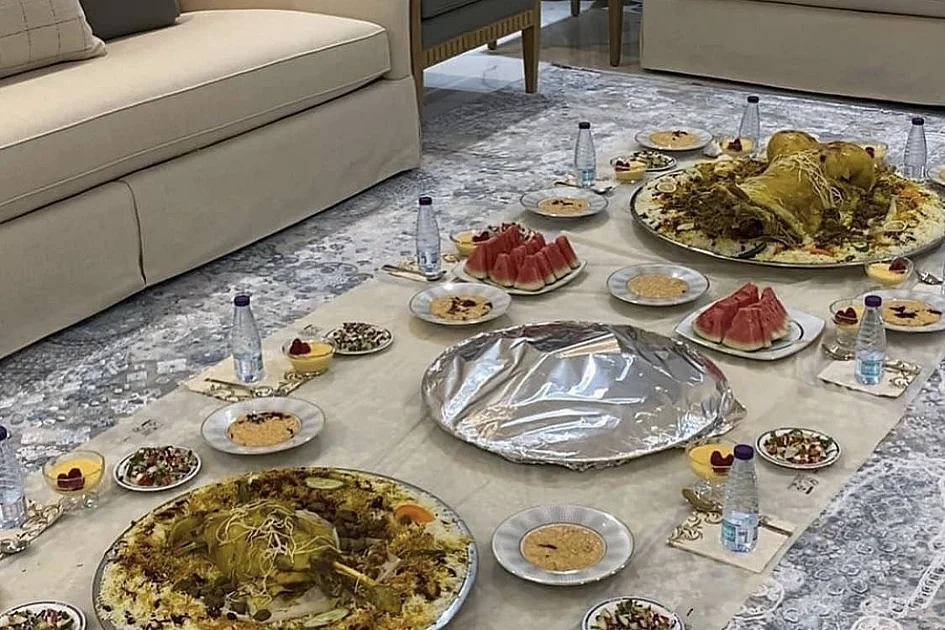
    In the tranquil village of Remah, nestled within Al Ain’s cultural landscape, a remarkable Ramadan tradition has flourished for over three decades, transforming nighttime suhoor into a powerful demonstration of community solidarity. Each night during the holy month, a different household opens its doors to host the entire village for the pre-dawn meal, creating a rotating celebration that has become the cornerstone of Ramadan’s social fabric.

    The practice, initiated in the 1990s by the village elders, continues today as a living testament to Emirati cultural values. As night deepens following iftar, families, elders, and children converge upon the designated host’s majlis, where conversations stretch into the early morning hours and laughter echoes through the communal space. The gathering represents far more than shared sustenance—it embodies the essence of village life where openness, neighborly bonds, and collective responsibility remain paramount.

    Khamis Alkhaili, a native resident, emphasizes the tradition’s intergenerational significance: “Our parents established this custom, and we are committed to preserving it for our children. This is how we demonstrate what community truly means in our village.”

    The ritual follows a carefully coordinated system where families prepare throughout the year for their hosting responsibilities. Women collaborate in meal preparation while men engage in storytelling and fellowship. Children witness firsthand the operationalization of unity, learning cultural values through participation rather than instruction.

    Beyond the communal gathering, the tradition extends into charitable action. Following each suhoor, women meticulously package untouched surplus food into distribution boxes destined for farm workers and low-income families in surrounding areas. This daily act of charity has become an integral component of the ritual, with recipients anticipating the nightly deliveries throughout Ramadan.

    Maryam Alkhaili explains the careful process: “We ensure all distributed food maintains the highest standards of cleanliness and preparation. The recipients have come to depend on this daily nourishment during the holy month.”

    For volunteers like Abeer, who participates annually in food distribution, the experience encapsulates Ramadan’s spiritual essence. “When you witness the gratitude in recipients’ eyes,” she reflects, “you understand how simple gestures forge profound connections. We cease to be separate families—we become one extended community.”

    The Remah village tradition stands as a compelling example of how cultural practices can simultaneously preserve heritage while addressing contemporary needs through structured generosity and social cohesion.

  • The Chinese AI app sending Hollywood into a panic

    The Chinese AI app sending Hollywood into a panic

    Chinese tech conglomerate ByteDance has unleashed a technological earthquake across global entertainment industries with its groundbreaking AI video generator Seedance 2.0. This revolutionary platform demonstrates unprecedented capability to transform simple text prompts into cinema-quality videos complete with synchronized audio effects and dialogue, achieving results that industry professionals describe as indistinguishable from conventional production pipelines.

    The system’s extraordinary proficiency became evident through viral demonstrations featuring copyrighted characters including Spider-Man and Deadpool, immediately triggering legal challenges from entertainment titans Disney and Paramount. These studios have issued cease-and-desist letters alleging blatant copyright infringement, while Japanese authorities have launched investigations into ByteDance following the circulation of AI-generated videos utilizing popular anime characters.

    Beyond the immediate copyright controversies, Seedance 2.0 represents a quantum leap in generative AI technology. Unlike previous Western models including OpenAI’s Sora, ByteDance’s innovation seamlessly integrates text, visual, and audio generation within a unified system. The model’s exceptional performance is being measured through its remarkably realistic rendering of the viral “Will Smith eating spaghetti” benchmark, producing clips that resemble big-budget film productions.

    AI ethics researcher Margaret Mitchell emphasizes that while the technological achievement is impressive, the development highlights critical unanswered questions regarding content authentication, intellectual property rights, and public trust in AI-generated media. The situation echoes previous legal confrontations including The New York Times’ lawsuit against OpenAI, underscoring persistent industry tensions surrounding unauthorized training data usage.

    Despite these challenges, Seedance 2.0 offers transformative potential for smaller production companies. Singapore-based Tiny Island Productions director David Kwok notes the technology enables creation of sophisticated action sequences and visual effects previously unattainable within typical micro-drama budgets, potentially revolutionizing content creation across Asia’s booming short-form video market.

    The breakthrough also signals China’s accelerating advancement in artificial intelligence. University of Melbourne computing professor Shaanan Cohney observes that ByteDance’s achievement demonstrates Chinese AI models now compete at technology’s cutting edge, raising questions about what additional capabilities Chinese tech firms may unveil following substantial government investment in AI and robotics infrastructure.