标签: Asia

亚洲

  • ‘Spurned lover’ who threatened to blow Indian court, arrested in Uttar Pradesh

    ‘Spurned lover’ who threatened to blow Indian court, arrested in Uttar Pradesh

    Indian authorities have apprehended a man who orchestrated an elaborate cyber-enabled extortion scheme targeting judicial facilities in Uttar Pradesh, revealing a disturbing case of personal vengeance disguised as terrorism threats.

    Vishal Ranjan, the accused, was arrested on February 22 from his rented accommodation in Azamgarh district following an intensive digital manhunt conducted by the Uttar Pradesh Anti-Terrorism Squad (ATS). The investigation began after the district judge of Jaunpur received bomb threats via official email channels on February 17.

    The suspect employed sophisticated evasion techniques, utilizing paid VPN services, multiple WiFi connections, and approximately 50 fabricated email accounts across Proton Mail, Gmail, and Outlook platforms. According to investigative reports, Ranjan demanded a ransom of ₹100,000 (approximately $1,200) to be delivered through the Uttar Pradesh Chief Minister’s office, threatening to detonate explosives at the Jaunpur court complex and police lines if his demands were unmet.

    Forensic examination of seized devices—including five mobile phones, a laptop, memory cards, and multiple SIM cards—uncovered draft messages targeting additional infrastructure, notably the Azamgarh bus depot. Investigators confirmed these threats would likely have been executed absent timely intervention.

    The motivation behind this complex scheme emerged as deeply personal rather than ideological. Police revealed Ranjan had developed romantic feelings for a woman whose family had arranged her marriage to a Jaunpur resident. After creating fake social media profiles to post objectionable content in the groom’s name, which resulted in a formal village mediation requiring his apology, Ranjan allegedly devised the bomb threat plot to frame both the prospective groom and other village youths.

    His methodology involved extracting contact information from a local cricket tournament pamphlet that featured attendees of the mediation meeting. Using these details, he created false digital identities to send threatening communications, apparently hoping authorities would apprehend the innocent individuals.

    The case has been registered under multiple legal provisions including India’s new Bharatiya Nyaya Sanhita criminal code and information technology statutes, highlighting the evolving challenges law enforcement faces in addressing digitally-facilitated crimes with traditional anti-terrorism frameworks.
  • Iran says students must respect ‘red lines’ after protests

    Iran says students must respect ‘red lines’ after protests

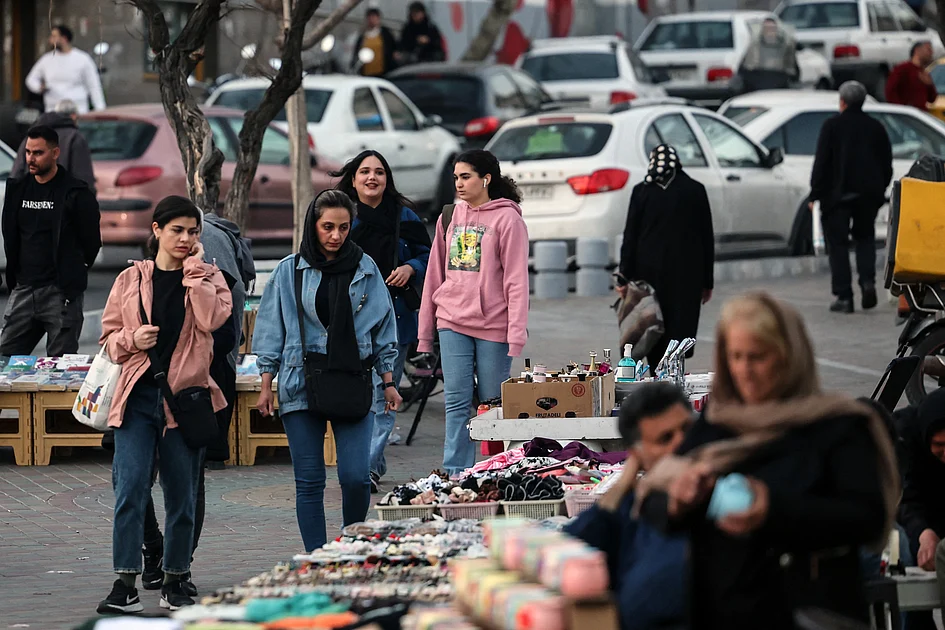
    Iranian authorities have issued a stern warning to university students participating in renewed anti-government demonstrations, emphasizing the importance of respecting national “red lines” while acknowledging their right to protest. Government spokeswoman Fatemeh Mohajerani stated Tuesday that while student anger is “understandable,” certain boundaries—including respect for the national flag and “sacred things”—must not be crossed even during periods of heightened emotion.

    The comments come as students across Iran began their new semester with protests reviving slogans from earlier nationwide demonstrations that peaked in January. Videos verified by AFP showed students at a Tehran university burning the Iranian flag adopted after the 1979 Islamic Revolution—an act that authorities consider particularly provocative.

    This latest wave of unrest follows massive protests that began in December, initially sparked by economic hardships in the sanctions-hit country but quickly evolving into broader challenges against Iran’s clerical leadership. The previous demonstrations prompted a severe government crackdown that resulted in thousands of casualties. While US-based Human Rights Activists News Agency (HRANA) documents over 7,000 deaths, Iranian officials acknowledge approximately 3,000 fatalities, attributing the violence to “terrorist acts” allegedly fueled by the United States and Israel.

    Meanwhile, tensions between Iran and the United States continue to escalate. Tehran has vowed to retaliate “ferociously” against any American attack, even a limited one, as President Donald Trump publicly considers military options. Despite Trump’s denial of reports that top military officials warned against the risks of engagement with Iran, the US has significantly increased its military presence in the Middle East to pressure Tehran regarding its nuclear program. Indirect negotiations between the two nations are scheduled to resume Thursday in Geneva, with Iran maintaining its nuclear activities are for civilian purposes while Western powers suspect weapons development intentions.

  • Western forces in Erbil relocate ahead of possible US strikes on Iran

    Western forces in Erbil relocate ahead of possible US strikes on Iran

    The Erbil Air Base in Iraq’s Kurdistan region has emerged as a potential flashpoint amid escalating tensions between the United States and Iran. This strategic military installation, co-located with Erbil International Airport, has become increasingly vulnerable as coalition forces reposition personnel anticipating possible Iranian retaliatory strikes.

    Historical precedent underscores the base’s vulnerability. Since 2018, the Kurdistan region has endured repeated attacks from Iran and its proxies utilizing drones, rockets, and ballistic missiles. A suicide drone was intercepted above the airport in July, while a January attack targeted an Iranian Kurdish opposition party, resulting in casualties.

    The current military buildup includes approximately 100 aerial refuel tankers, carrier strike groups, and fighter squadrons deployed throughout the region. This mobilization coincides with critical nuclear negotiations between Washington and Tehran, with former President Trump not excluding military action should diplomacy fail.

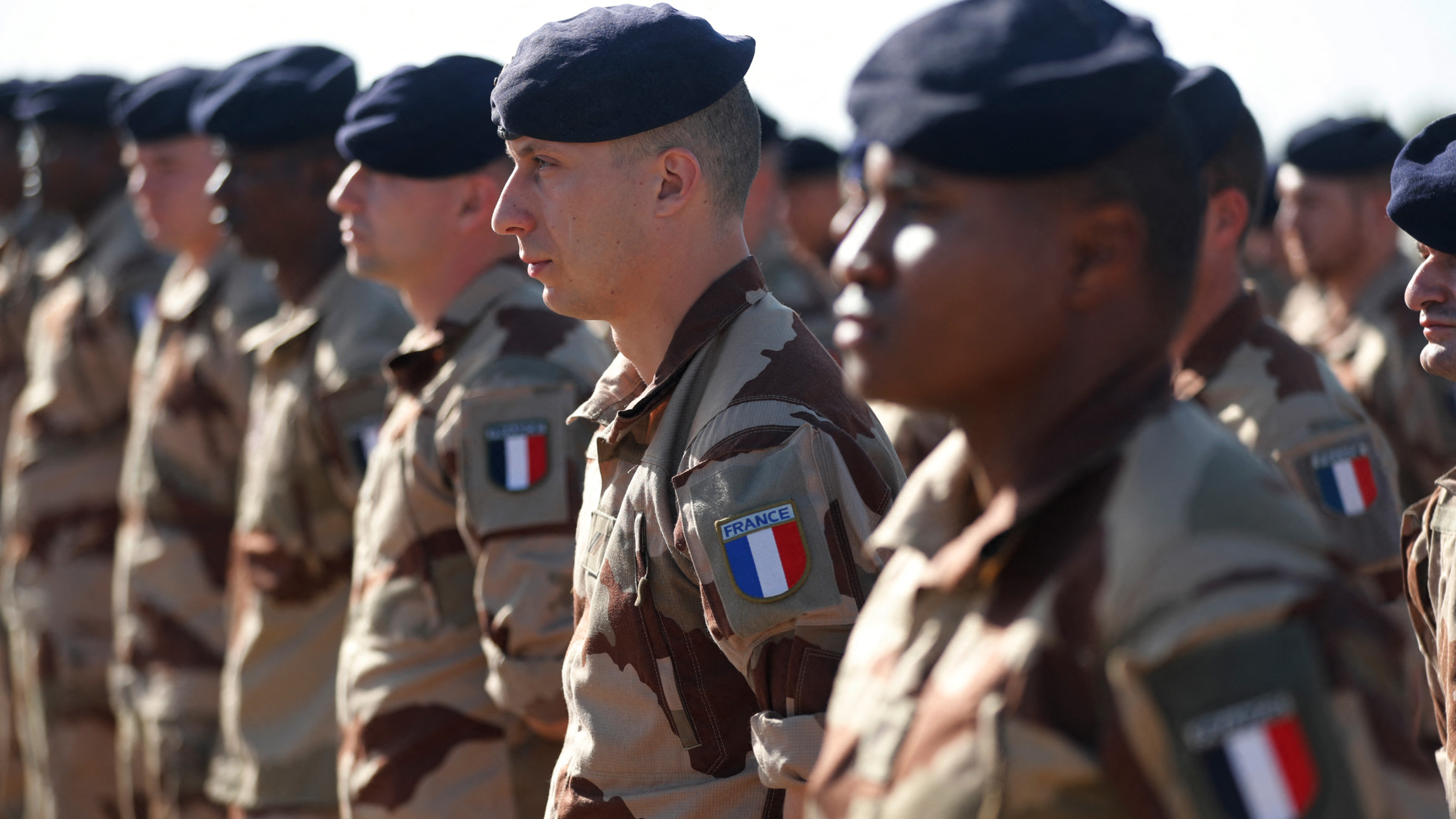
    Multiple sources confirm that nearly half of coalition forces have been withdrawn or repositioned from Erbil as a precautionary measure. While U.S. and Hungarian troops maintain their presence, Norwegian, Swedish, Italian, and French contingents have relocated. Norway and Germany have officially acknowledged withdrawing personnel, citing regional tensions and force protection concerns.

    The base’s strategic significance has intensified following the coalition’s consolidation of forces in Kurdistan. According to the Pentagon Inspector General’s report, coalition headquarters relocated to Erbil and Kuwait after transferring facilities in Baghdad to NATO and returning al-Asad Airbase to Iraqi control in late 2023. This consolidation effectively makes Erbil the sole remaining U.S. base in Iraq.

    Nicholas Heras of the New Lines Institute notes that the base represents both a strategic vulnerability and a symbolic target: ‘Attacking it provides the Iranians with an opportunity to make a declaration to local U.S. partners in the region as to the cost of working with the Americans.’

    With estimates suggesting fewer than 2,000 troops remain in Erbil, military analysts indicate the U.S. is preparing for potential conflict while minimizing personnel exposure. The situation remains fluid as diplomatic efforts continue, with regional stability hanging in the balance.

  • Ramadan in Gaza: Palestinians break fast among rubble of destroyed homes

    Ramadan in Gaza: Palestinians break fast among rubble of destroyed homes

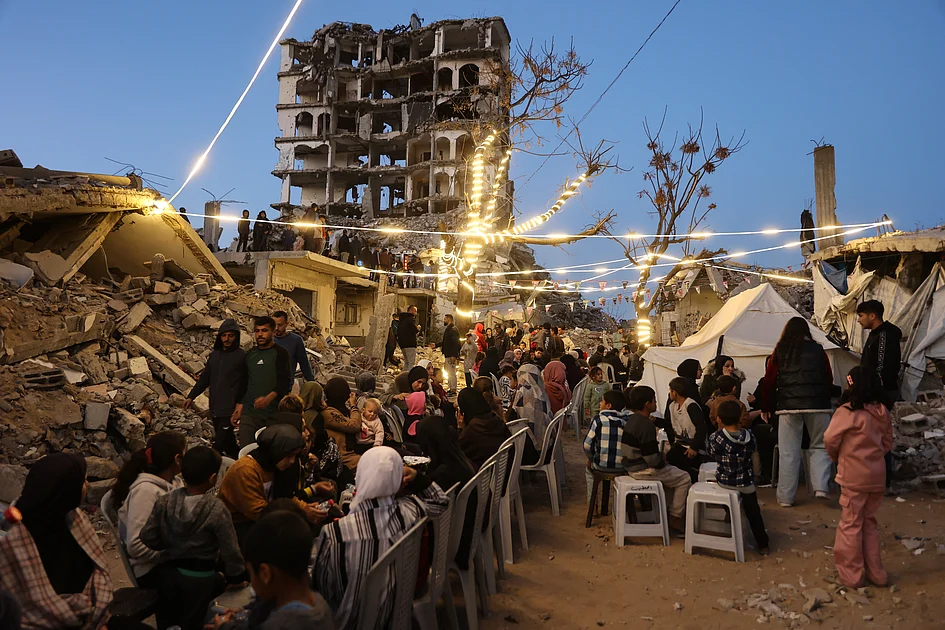
    In the war-ravaged landscape of Gaza, Palestinian families are observing the holy month of Ramadan under extraordinarily dire circumstances. Instead of gathering in comfortable homes adorned with festive decorations, many are breaking their fasts amidst the skeletal remains of their destroyed residences, creating a stark contrast between spiritual devotion and physical devastation.

    The traditional iftar meal, typically a joyful communal celebration, now takes place in bombed-out buildings and makeshift shelters. Families sit on rubble-strewn floors where their living rooms once stood, sharing whatever simple provisions they can secure amidst severe supply shortages. The sounds of prayer and Quranic recitation echo through hollowed-out structures that bear witness to recent conflict.

    Humanitarian conditions remain critically strained throughout the region, with limited access to essential supplies including food, clean water, and medical resources. International aid organizations report significant challenges in delivering assistance to those most affected by the ongoing crisis. Despite these hardships, the community demonstrates remarkable resilience, maintaining religious traditions and finding moments of unity amid the destruction.

    The psychological impact of observing this sacred period without basic security or adequate nourishment presents profound challenges for Gaza’s population. Community leaders emphasize the spiritual significance of perseverance during hardship, while medical professionals express concern about the combined effects of malnutrition, stress, and trauma on the physical and mental health of residents, particularly children and the elderly.

  • Dubai’s rental sector records strong growth in 2025

    Dubai’s rental sector records strong growth in 2025

    Dubai’s real estate sector demonstrated remarkable resilience and growth throughout 2025, with the rental market emerging as a particularly strong performer. According to comprehensive data released by the Dubai Land Department, the emirate witnessed a substantial 6% increase in registered tenancy contract volume and an impressive 17% surge in value compared to 2024 figures.

    The market activity reached unprecedented levels with 1.38 million contracts finalized, representing a total transactional value of AED126.4 billion. This robust performance underscores the market’s vitality and sustained momentum across both residential and commercial segments. New tenancy agreements saw a significant 10% uptick, exceeding 513,000 contracts, while renewed contracts increased by 3% to surpass 514,000 – clear indicators of growing tenant satisfaction and market stability.

    This exceptional rental market performance aligns strategically with Dubai’s broader economic vision, particularly the Dubai Economic Agenda D33 which prioritizes quality of life enhancement and the emirate’s positioning as a premier global destination for living, working, and investing. The sector’s stability further complements the Dubai Real Estate Sector Strategy 2033, which emphasizes creating a sustainable market equilibrium between ownership and rental options within transparent regulatory frameworks.

    Beyond the rental sector, Dubai’s real estate landscape showed comprehensive growth. Project completion rates accelerated with 124 projects finalized in 2025, marking a 7% increase with a total value of AED27.5 billion (a 23% value increase). The development pipeline expanded substantially with 937 projects under construction, representing a 25% growth that signals strong developer confidence.

    Transaction activity surged remarkably, with sold units increasing by 25% to 147,500 units valued at AED280 billion – a 30% value appreciation. Notably, villa values increased by 12% despite volume decreases, indicating a market shift toward premium property segments.

    The regulatory environment expanded dramatically with 4,122 new real estate offices registered (a 102% increase), bringing Dubai’s active real estate offices to 10,182. Licensing activity flourished with 14,364 real estate licenses issued across diverse specializations, led by sales and purchase brokerage (6,009 licenses), leasing brokerage (3,513 licenses), and transaction follow-up services (2,126 licenses).

    This integrated performance across rental markets, project development, and regulatory expansion reflects Dubai’s achievement of advanced institutional maturity within its real estate ecosystem. The market continues to demonstrate exceptional capacity for sustained growth within an environment characterized by regulatory clarity, operational efficiency, and long-term sustainability.

  • GCC calls on Iraq to withdraw UN map rejected by Kuwait

    GCC calls on Iraq to withdraw UN map rejected by Kuwait

    The Gulf Cooperation Council (GCC) has formally intervened in a renewed maritime sovereignty dispute between Kuwait and Iraq, calling for the immediate withdrawal of recently submitted United Nations documents. The diplomatic escalation follows Iraq’s submission of coordinates and maps to the UN Secretary-General on January 19 and February 9, 2026, outlining its territorial sea baselines and maritime zones in accordance with the 1982 United Nations Convention on the Law of the Sea (UNCLOS).

    Kuwait has vigorously contested these submissions, asserting that the proposed coordinates constitute an unlawful encroachment on its established maritime sovereignty and fixed water elevations. According to Kuwaiti authorities, these maritime boundaries have never previously been subject to dispute between the neighboring nations.

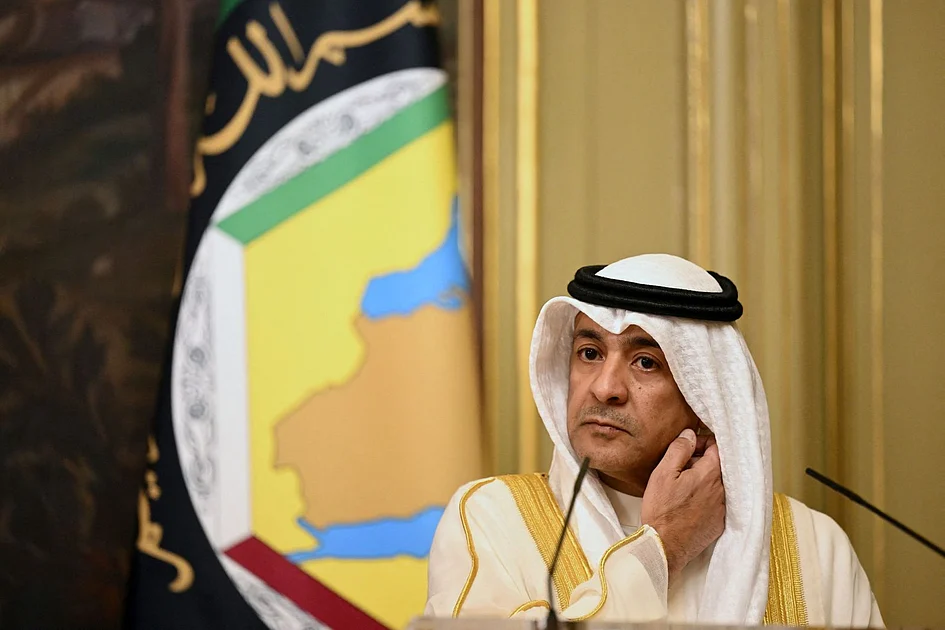
    The GCC, representing six Gulf nations including the UAE, Qatar, Oman, Saudi Arabia, and Bahrain, has unanimously voiced support for Kuwait’s position. GCC Secretary General Jasem Mohamed Albudaiwi issued a formal statement urging Iraq to retract its UN submissions, specifically highlighting concerns over claims to maritime areas including Fasht Al Qaid and Fasht Al A’aij shoals.

    Albudiawi emphasized the critical importance of adhering to international law and UNCLOS principles, particularly those aligned with existing bilateral agreements and memoranda of understanding between Iraq and Kuwait. The Secretary General referenced the GCC Supreme Council’s firm stance as articulated in the Final Statement of its 46th session, which explicitly calls for Iraq’s respect of Kuwait’s sovereignty and territorial integrity.

    The GCC statement categorically rejects any violations of Kuwait’s sovereignty over its lands, islands, associated shoals, and entire maritime zone while underscoring the necessity of upholding all relevant bilateral and international agreements, including UN resolutions.

    Despite acknowledging the deep-rooted historical relations and neighborly ties between GCC members and Iraq, Albudaiwi noted that such territorial claims undermine ongoing efforts to strengthen regional cooperation. The Secretary General concluded by expressing hope that Iraq would review and withdraw its submissions as a confidence-building measure that would reinforce mutual trust, promote stability, and demonstrate commitment to established legal and international principles.

  • VisaTop.com, fastest growing visa consulting company in the UAE

    VisaTop.com, fastest growing visa consulting company in the UAE

    In the dynamic landscape of global mobility, VisaTop.com has emerged as the United Arab Emirates’ fastest-growing visa consultancy firm, transforming how individuals and businesses navigate regional immigration processes. Founded on the principle of eliminating bureaucratic friction, the company specializes in Golden Visa services while expanding into comprehensive business establishment support across the UAE and Saudi Arabia.

    The company addresses one of relocation’s most persistent challenges: the complex, often opaque visa application procedures where minor documentation errors can result in costly rejections. Through structured guidance on required documents, formats, and procedural stages, VisaTop significantly reduces application risks, converting an traditionally uncertain process into a predictable experience.

    VisaTop’s completely digital operating model distinguishes it from traditional consultancies that rely on physical paperwork and in-person visits. Clients can complete entire processes remotely, receiving end-to-end support from initial assessment to final visa issuance. The company’s business formation service assists entrepreneurs in selecting appropriate jurisdictions (Mainland, Free Zone, or Offshore) while handling licensing, documentation, and government coordination.

    Artificial intelligence serves as the company’s technological backbone, automating internal workflows, extracting data from uploaded documents, and accelerating processing times. This AI integration translates to faster turnaround and reduced costs for clients while enabling staff to focus on high-value advisory services. The recently implemented AI-powered FAQ system provides 24/7 instant responses to common inquiries, catering to global clients across time zones.

    CEO Francesco Mattia emphasizes that clarity and trust drive the company’s competitive strategy. “We focused from day one on removing uncertainty by combining human expertise with technology,” Mattia stated. He identifies technology as fundamental to VisaTop’s operational model, enabling scalability without compromising quality.

    Looking toward future expansion, VisaTop aims to establish itself as the regional market leader for visa services throughout the MENA region, using the UAE as its foundational market while setting new standards for immigration service delivery across the Middle East and North Africa.

  • Egyptian-Chinese team unearths King Apries temple structure in Giza

    Egyptian-Chinese team unearths King Apries temple structure in Giza

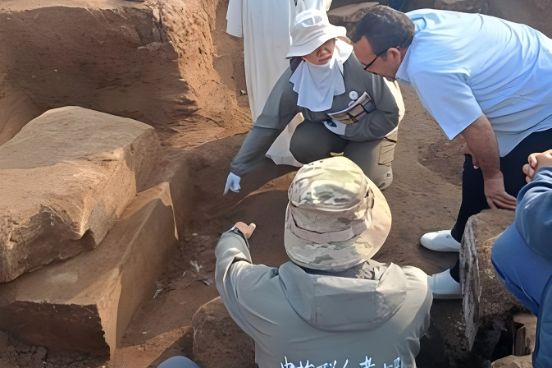
    A groundbreaking archaeological discovery has emerged from the sands of Giza, where a joint Egyptian-Chinese mission has unearthed significant structural remains of a temple dedicated to King Apries, who ruled during Egypt’s 26th Dynasty (664-525 BC). The remarkable find was announced by the Shandong Institute of Cultural Relics and Archaeology on Tuesday, marking a new milestone in international archaeological cooperation.

    The excavation at the Tell Aziz site in the Mit Rahina area revealed substantial limestone architectural elements that formed part of the previously unknown temple complex. The collaborative project brings together expertise from Egypt’s Supreme Council of Antiquities, Peking University, and the Shandong Institute of Cultural Relics and Archaeology, demonstrating the growing importance of international partnerships in archaeological research.

    Beyond the temple structure itself, the mission has recovered an impressive array of artifacts that provide valuable insights into the period. Among the most significant finds are five meticulously carved sphinx statues, numerous stone blocks inscribed with intricate hieroglyphic texts, various pottery fragments, and ancient copper coins. These discoveries offer archaeologists new material evidence to study the architectural styles, religious practices, and daily life during the reign of King Apries.

    The temple discovery provides crucial historical context for understanding the 26th Dynasty, also known as the Saite Period, when Egypt experienced a renaissance of art and culture hearkening back to earlier dynastic periods. King Apries, who ruled from 589 to 570 BC, presided over a turbulent period that eventually saw his overthrow and replacement by Amasis II, making archaeological evidence from his reign particularly valuable to historians.

    This discovery represents another success in the growing scientific collaboration between Egyptian and Chinese archaeological institutions, which have been working together at multiple sites across Egypt in recent years. The findings will undergo detailed analysis and conservation to better understand their historical significance and ensure their preservation for future study.

  • At least 4 killed as army helicopter crashes in central Iran

    At least 4 killed as army helicopter crashes in central Iran

    A military helicopter operated by the Iranian Army crashed into a bustling fruit market in Dorcheh, Isfahan province, on Tuesday, resulting in four confirmed fatalities. The deceased include both the aircraft’s pilot and co-pilot, alongside two local merchants who were present at the scene.

    Initial reports from state media indicate the crash triggered an immediate fire, which emergency response teams successfully extinguished. The incident has drawn renewed attention to Iran’s longstanding aviation safety challenges.

    Aviation experts frequently attribute Iran’s poor air safety record to an aging fleet, largely composed of aircraft procured prior to the 1979 Islamic Revolution. These older models face significant maintenance hurdles due to international sanctions that severely restrict access to original manufacturer parts and technical support.

    This tragedy follows another recent military aviation incident in Iran. Just last week, a US-manufactured F-4 Phantom fighter jet crashed during a training exercise in Hamadan province, claiming the life of one pilot. These consecutive accidents highlight persistent operational risks within the country’s military aviation branches.

  • China sees 2.8b cross-regional trips during Spring Festival holiday

    China sees 2.8b cross-regional trips during Spring Festival holiday

    China witnessed an unprecedented movement of people during the recent Spring Festival period, with official data revealing over 2.8 billion cross-regional journeys made throughout the holiday season. This staggering figure represents a new historical benchmark for travel volume during China’s most important traditional celebration, underscoring the massive scale of human mobility that characterizes the annual Lunar New Year migration.

    The Spring Festival travel rush, known as ‘Chunyun,’ typically triggers the largest annual human migration globally as millions journey to reunite with families. The 2026 period demonstrated remarkable resilience in travel demand despite various economic and logistical challenges. Transportation networks nationwide operated at near capacity to accommodate the enormous flow of passengers moving between cities and provinces.

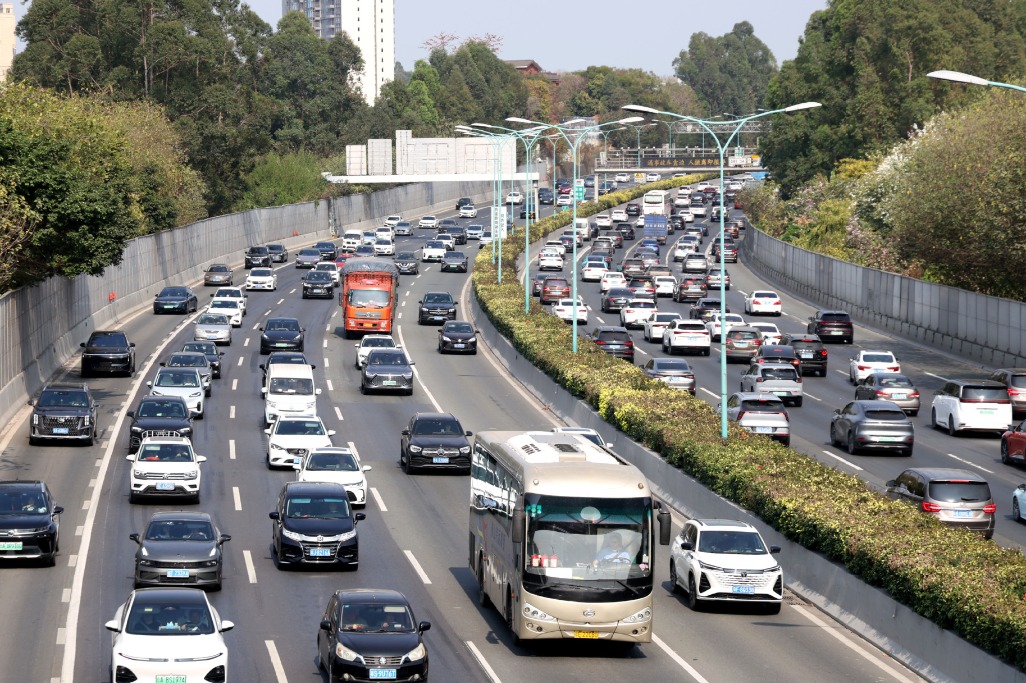
    Concurrent reports indicated China’s railway system alone handled approximately 121 million passenger trips during the same period, while nearly 17.8 million cross-border journeys were recorded. The extensive travel activity reflects both recovering economic vitality and the enduring cultural significance of family reunification during traditional holidays. Accompanying visual documentation from Guangzhou showed heavily utilized expressway networks managing substantial vehicle flows during the peak travel period.