标签: Asia

亚洲

  • Enterprise security strategies evolve as digital transformation accelerates across the Middle East

    Enterprise security strategies evolve as digital transformation accelerates across the Middle East

    The accelerating pace of digital transformation across Middle Eastern nations is fundamentally reshaping enterprise security paradigms, according to insights revealed at Intersec Dubai 2026. Government-led initiatives and private sector adoption are creating a new security landscape where traditional access control methods are rapidly giving way to sophisticated biometric authentication systems.

    Sam Cherif, Senior Director and Head of the Middle East at HID, emphasized that digital transformation is no longer a choice but a necessity driven by governmental vision programs including We the UAE Vision 2031 and Saudi Vision 2030. “The core challenge has shifted from whether to modernize to how to implement advanced security systems without introducing new vulnerabilities,” Cherif stated during the security technology exhibition.

    Biometric authentication has emerged as a cornerstone technology, particularly in high-traffic environments including corporate campuses, critical infrastructure sites, and transportation hubs. Organizations are increasingly implementing multi-factor authentication protocols that combine facial recognition with mobile credentials to secure sensitive areas.

    HID’s demonstration of its Amico biometric facial recognition readers highlighted the industry’s move toward contactless, high-throughput authentication systems. These next-generation devices represent a significant advancement over legacy biometric systems, which were often standalone devices with limited processing power and vulnerability to spoofing attacks.

    Modern biometric platforms function as secure identity endpoints incorporating real-time liveness detection, anti-spoofing measures, and hardware-based encryption. “They operate within a broader trusted identity ecosystem,” Cherif explained, “seamlessly integrating physical access control with cloud-based identity management solutions.

    The transition toward contactless access, accelerated during the global pandemic, continues to gain momentum with facial recognition and digital credentials replacing traditional authentication methods. Mobile credentials have become central to enabling fully contactless experiences, with over 60% of security leaders identifying them as the future of access control.

    This shift aligns with broader sustainability goals and the region’s digital evolution, positioning mobile and virtual credentials as key components in the Middle East’s security infrastructure. HID’s regional strategy remains focused on supporting organizations through this digital transition, with growth projections tied directly to the region’s continuing technological advancement.

  • All autonomous vehicle operations to be managed by transport authority in RAK

    All autonomous vehicle operations to be managed by transport authority in RAK

    Ras Al Khaimah has enacted groundbreaking legislation placing all autonomous vehicle operations under the regulatory oversight of the emirate’s transport authority. Sheikh Saud bin Saqr Al Qasimi, Supreme Council Member and Ruler of Ras Al Khaimah, officially issued Law No. (1) of 2026 on Monday, January 19, 2026, establishing a comprehensive regulatory framework for self-driving vehicles.

    The legislation designates Ras Al Khaimah Transport Authority (RAKTA) as the primary regulatory body responsible for establishing technical and legal standards for autonomous vehicle deployment. The law mandates stringent safety protocols including automatic transition to safe mode when autonomous operations cannot continue, secure connectivity with control centers, and maintenance of transparent operational records.

    Critical cybersecurity measures and data governance frameworks form a core component of the new regulations. The law explicitly defines operator responsibilities and ensures accessibility for all community segments, including People of Determination. Additionally, it requires public awareness campaigns and educational materials to facilitate safe public interaction with autonomous transportation systems.

    Esmaeel Hasan Al Blooshi, Director General of RAKTA, characterized the legislation as a strategic milestone that positions Ras Al Khaimah at the forefront of smart mobility innovation. The transport authority will implement continuous digital monitoring mechanisms and mandatory periodic reporting to ensure compliance with international safety and quality standards.

    The law took effect immediately upon its publication in the Official Gazette, with RAKTA assuming responsibility for issuing subsequent regulatory decisions to facilitate a structured transition toward autonomous transportation integration.

  • The full text of Trump’s ‘Board of Peace’ charter

    The full text of Trump’s ‘Board of Peace’ charter

    A newly obtained charter document reveals former US President Donald Trump’s proposed “Board of Peace” represents a direct challenge to established international institutions, particularly the United Nations. Middle East Eye has acquired the comprehensive charter outlining an alternative global governance framework that significantly centralizes power within its leadership structure.

    The initiative, originally conceptualized during Trump’s response to the Gaza conflict, has evolved into a broader institutional framework that pointedly criticizes existing peacebuilding approaches. The charter explicitly states that durable peace requires “the courage to depart from… institutions that have too often failed,” while advocating for a “more nimble and effective international peace-building body.”

    Notably, the charter establishes Donald J. Trump as the inaugural Chairman with extensive authority, treating the position as a personal role rather than one tied to the U.S. presidency. The document specifies that Trump “shall serve as inaugural Chairman” without reference to the presidential office or fixed term limits, while granting him exclusive authority to create, modify, or dissolve subsidiary entities.

    The governance structure establishes a two-tier system: a general assembly of Member States represented by their Heads of State or Government, and an Executive Board selected by the Chairman consisting of “leaders of global stature.” Decision-making power ultimately rests with the Chairman, who maintains veto authority over Executive Board decisions and final interpretation of the charter.

    Membership requires invitation from the Chairman and features unusual provisions, including three-year terms for most states except those contributing over $1 billion within the first year. The Chairman retains authority to remove member states subject to a two-thirds majority veto, while states can withdraw immediately with written notice.

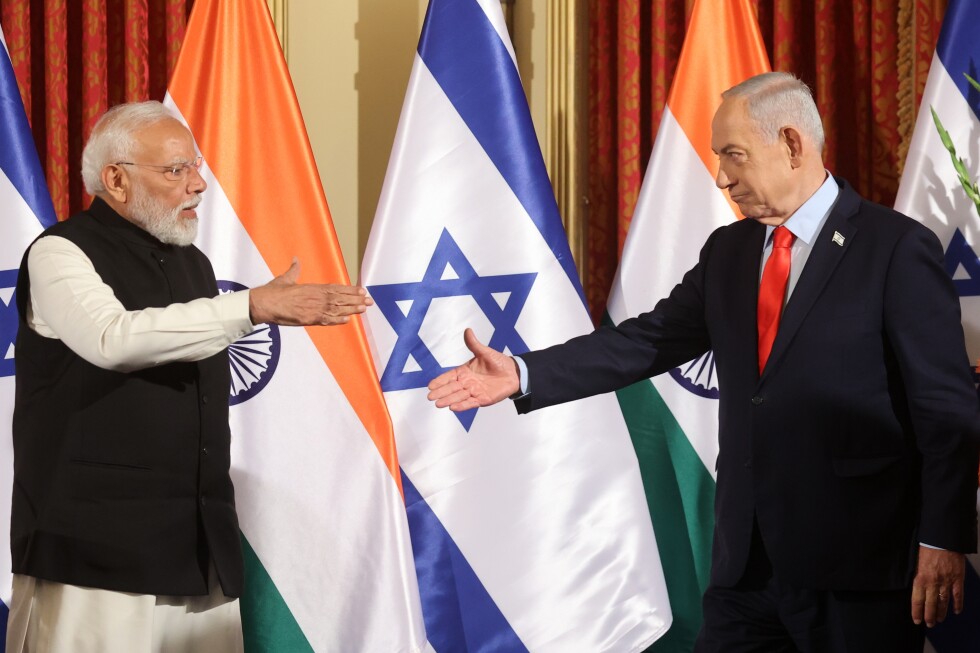
    As of January 19th, dozens of countries including Turkey, Egypt, India, Pakistan, and Saudi Arabia have received invitations, though most governments have responded cautiously. Only Hungarian Prime Minister Viktor Orbán, a known Trump ally, has confirmed acceptance of membership.

    The charter establishes English as the official language and designates the United States as depositary for all official documents. Financial provisions rely on voluntary funding from member states and other sources, while granting the organization international legal personality with capacity to enter contracts, acquire property, and institute legal proceedings.

    The Board of Peace would continue indefinitely unless dissolved by the Chairman, with automatic dissolution at the end of every odd-numbered year unless renewed by November 21st. This structure creates a potentially parallel international system with significantly different governance principles from existing multilateral institutions.

  • Cameras in some Sharjah petrol stations to be linked with police systems

    Cameras in some Sharjah petrol stations to be linked with police systems

    Sharjah authorities have announced a significant security enhancement initiative that will integrate surveillance systems at ADNOC fuel stations with the emirate’s police operations center. This strategic move aims to substantially improve emergency response capabilities and optimize report-handling efficiency throughout the city’s petroleum distribution network.

    The groundbreaking security collaboration emerged from high-level discussions between Shaikha Al Khouri, Director of Operations Assurance at ADNOC Distribution, and senior Sharjah Police officials. The meeting, attended by numerous representatives from both organizations, focused on strengthening institutional cooperation and developing integrated approaches to public safety initiatives.

    This interagency partnership represents a concerted effort to bolster Sharjah’s comprehensive security infrastructure through technological integration. By establishing direct surveillance links between retail fuel locations and law enforcement command centers, authorities anticipate significantly reduced response times to incidents and enhanced monitoring capabilities across the urban landscape.

    The initiative forms part of broader strategy to implement smart security solutions that leverage existing infrastructure while creating new synergies between private enterprise and public safety organizations. This approach demonstrates Sharjah’s commitment to innovative crime prevention methodologies that prioritize community protection through public-private cooperation.

  • Beyond consensus: How valuation, certification, and digitalisation are securing the KP’s future

    Beyond consensus: How valuation, certification, and digitalisation are securing the KP’s future

    The Kimberley Process (KP), the international mechanism governing the diamond trade, has concluded its landmark ‘Year of Best Practice’ following its November 2025 Plenary. Under the custodianship of the United Arab Emirates, the initiative has significantly advanced its operational framework through three core pillars: transparent valuation, global certification standards, and comprehensive digitalization. These measures are designed to combat the flow of conflict diamonds, close systemic loopholes, and ensure mineral wealth benefits producing nations and their local communities.

    A primary defense against illicit trade is robust and impartial diamond valuation. Accurate assessment strengthens the alignment between physical shipments and their accompanying KP certificates, creating a verifiable chain of custody. Conversely, arbitrary or weak valuation immediately creates vulnerabilities for exploitation. Practices like under-invoicing rough diamonds directly deprive producing countries of crucial tax and royalty revenues, undermining governance and perpetuating the very abuses the KP was established to prevent. Effective valuation must encompass full Run-of-Mine production, maintain complete independence from producer bias, and be driven by rigorous, market-based analytics connected to major trading hubs like Dubai. Platforms such as WWW International Diamond Consultants and DCi’s E Valuer provide critical independent benchmarks, while specialists like Mercury Diamond employ Transaction Based Valuation to derive rough prices from polished wholesale data, capturing true market value.

    Operational integrity is now measurable through international standards. The UAE KP office has set a global benchmark by becoming the only participant among the 86 represented countries to achieve and maintain ISO 9001:2015 certification, successfully renewing it three times over six years. This certification translates into tangible accountability, meaning all internal processes—from membership administration to data verification—are continuously managed, externally audited, and aligned with internationally recognized best practices. Achieving this required the documentation of 60 operational procedure manuals, which streamlined workflows and ensured consistent handling of every case, providing a proven model for other participants to strengthen their own governance.

    Digital transformation represents the third pillar of modernization. The development of the KP’s digital certification platform, Verifico, marks a pivotal shift from vulnerable paper-based certificates to secure digital records, potentially reinforced by blockchain or QR code technology. This move drastically reduces the risk of physical certificate fraud and enables faster, more reliable verification between border authorities. Furthermore, digitalization unlocks the potential for artificial intelligence (AI) to conduct real-time analysis of trade flows. AI can detect anomalies in volume, value, and routing, as well as weaknesses in operational controls connected to mining and manufacturing, transforming the KP from a reactive administrative body into a proactive compliance mechanism.

    With its ‘Year of Best Practice’ complete, the KP’s focus on operational excellence provides the essential administrative foundation for its long-term legitimacy and strength. As India assumes the 2026 Chairmanship and Ghana the Vice Chair, the KP is positioned to continue evolving with integrity, ensuring every diamond in the legitimate trade is defined by rigor and an unwavering commitment to a conflict-free future.

  • Police raid Paris bookshop over children’s colouring book about Palestine

    Police raid Paris bookshop over children’s colouring book about Palestine

    In a controversial operation that has sparked widespread debate about freedom of expression, French police conducted a raid on Violette and Co, a prominent feminist and LGBTQIA+ bookstore in Paris on January 7th. The operation targeted “From the River to the Sea: A Colouring Book” by South African author Nathi Ngubane, which explores Palestinian history, culture, and resistance movements under Israeli occupation.

    The raid involved five uniformed officers accompanied by a prosecutor, who conducted a 45-minute search of the premises while wearing body cameras. According to the Paris prosecutor’s office, the operation followed a referral from the Ministry of the Interior, which had denounced the book’s “strong historical and ideological bias.” However, no copies were seized as the bookstore had sold all available copies by September.

    This incident represents a significant escalation from previous controversies surrounding the same title, which had triggered far-right vandalism and threats against the establishment during the summer. The bookstore’s legal representative, Thibault Laforcade, condemned the operation as “illegal and disproportionate,” arguing that the October recommendation to ban the book’s import by the Commission for the Surveillance and Control of Publications for Youth lacked legal foundation.

    The raid has ignited fierce criticism across political, cultural, and online communities, with many denouncing it as an attack on cultural freedoms and an example of political policing. Several elected officials pointed to a pattern of pressure against the independent bookstore, including previous political attacks, vandalism, and attempts to cut its public funding.

    The incident has also been linked to broader legislative debates in France, particularly the proposed “Yadan bill” on combating renewed forms of antisemitism. Critics warn that such legislation could further restrict freedom of expression regarding criticism of Israeli policies, with some arguing that the raid demonstrates these constraints are already being enforced.

    Bookstore staff have been summoned for questioning later this month as part of an ongoing police investigation, while the publisher, Social Bandit Media, has rejected accusations that the children’s book incites hatred or harms moral development.

  • Iran to consider lifting internet ban; state TV hacked as arrests continue

    Iran to consider lifting internet ban; state TV hacked as arrests continue

    Iranian authorities are contemplating the reinstatement of internet services following a widespread blackout imposed during recent anti-government protests, according to a senior parliamentary official on Monday. The communications shutdown coincided with what has been described as the most severe domestic upheaval since the 1979 Islamic Revolution.

    In a striking demonstration of vulnerability, Iran’s state television network experienced a significant security breach Sunday evening. The broadcast was temporarily hijacked, displaying speeches by U.S. President Donald Trump and Reza Pahlavi, the exiled son of Iran’s last monarch, both urging public rebellion against the current regime.

    The streets have remained predominantly calm over the past week, according to both official sources and social media indicators, following three days of intensive government crackdowns on demonstrations that initially emerged in late December. An anonymous Iranian official disclosed to Reuters that the confirmed death toll exceeds 5,000 individuals, including 500 security personnel, with particularly severe violence reported in northwestern Kurdish regions. These figures substantially surpass casualty counts from previous government suppressions of dissent in 2022 and 2009.

    Independent human rights organizations based outside Iran have corroborated the scale of casualties, with the U.S.-based HRANA documenting numerous injuries resulting from pellet gun attacks to facial and thoracic regions, causing blindness, internal hemorrhaging, and organ damage among protesters.

    Authorities continue to conduct arrests across multiple provinces, including Tehran, Kerman, and Semnan, targeting individuals allegedly connected to Israeli terrorist operations according to state media. The government maintains that armed agitators, instigated by foreign adversaries, assaulted medical facilities and religious sites, while opposition groups accuse security forces of firing upon peaceful demonstrators.

    Internet monitoring collective Netblocks reported that national connectivity remains severely limited, though authorities appear to be testing a restricted ‘filternet’ system that permits controlled messaging. Ebrahim Azizi, head of parliament’s National Security Committee, indicated that security agencies would determine internet restoration timing based on appropriate conditions.

    The television intrusion featured several minutes of programming under the banner ‘the real news of the Iranian national revolution,’ including Pahlavi’s calls for clerical overthrow. While Pahlavi has emerged as a notable opposition figure claiming plans to return, his actual support within Iran remains challenging to verify independently.

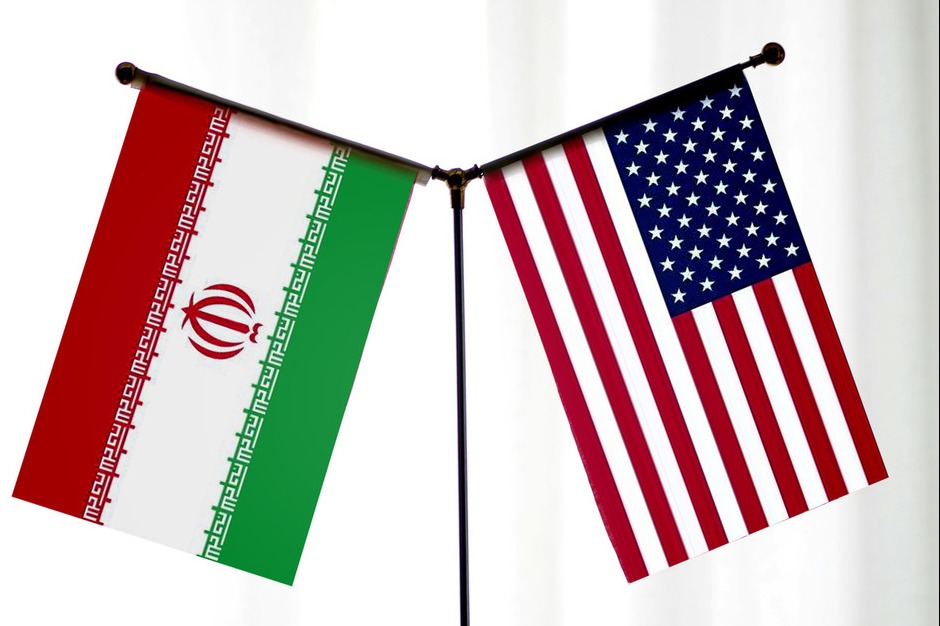
    Regional tensions escalated following President Trump’s repeated military intervention threats during the crisis, prompting intensive diplomatic efforts by Gulf Arab states to prevent broader conflict. Iranian Ambassador to Saudi Arabia Alireza Enayati cautioned that regional consequences would follow any ignited conflict.

  • Fragrance World reaches historic milestone in 150+ countries

    Fragrance World reaches historic milestone in 150+ countries

    DUBAI – Fragrance World, the international scent conglomerate, has achieved an extraordinary global footprint by establishing distribution networks across more than 150 countries worldwide. The landmark achievement was commemorated with a spectacular celebration at Expo City Dubai, attended by thousands of international partners and dignitaries.

    The company’s remarkable journey traces back to 1988 when visionary entrepreneur Poland Moosa founded Al Ghuroob in Dubai, laying the groundwork for what would become a fragrance industry powerhouse. The official establishment of Fragrance World in 2004 marked the beginning of an unprecedented expansion story that has transformed the Middle Eastern enterprise into a global phenomenon.

    Headquartered in Dubai, the corporation operates a cutting-edge manufacturing facility employing thousands of workers who produce hundreds of thousands of fragrance units daily. Their diverse portfolio includes successful brands like French Avenue (launched 2012) and the recently introduced Street Origins collection, catering to varied international market preferences.

    The celebratory event featured an awe-inspiring drone display that illuminated the Dubai skyline with a commemorative logo digitally authenticated by Founder Moosa. Distinguished attendees included CEO P V Salam, Joint CEO P V Safeer, Labeeb, and legendary film personality Mammootty, alongside global distributors and business leaders.

    Key highlights included the premiere of ‘Kunjon,’ an ambitious docu-fiction film directed by Jeevan Jose that chronicles the brand’s entrepreneurial odyssey across multiple countries with a cast exceeding 200 performers. The celebration also showcased the unveiling of ‘Fragrance of Legacy,’ a biographical work by Sebin Poulose documenting the brand’s evolution and its founder’s visionary leadership.

    The corporation honored its pioneering international partners who facilitated early global expansion, recognizing contributors from Poland, Bulgaria, Russia, and Azerbaijan. A symbolic parade involving over 1,000 factory employees demonstrated the organization’s operational strength and collective unity. The company further demonstrated its commitment to workforce appreciation by distributing gifts exceeding Dh3 million to staff members and recognizing employees with 10-30 years of service.

    This milestone positions Fragrance World among the most extensively distributed fragrance manufacturers globally, representing a significant case study in Middle Eastern brand globalization and entrepreneurial success.

  • Arab League delegation visits China-Arab Research Center on Reform and Development for 10th anniversary

    Arab League delegation visits China-Arab Research Center on Reform and Development for 10th anniversary

    A high-level Arab League delegation commemorated the 10th anniversary of the China-Arab Research Center on Reform and Development during a landmark visit to its Shanghai headquarters on January 15th. The delegation comprised permanent representatives from Arab nations to the League of Arab States alongside senior officials from the organization’s general secretariat.

    Established in 2017 and administered by Shanghai International Studies University (SISU), the center has emerged as a pivotal institution in Sino-Arab relations. During the anniversary proceedings, Yin Dongmei, SISU Party Secretary and Center Chairperson, emphasized the university’s deep-rooted expertise in Arabic language education and regional studies, highlighting its sustained commitment to advancing China-Arab cooperation through multiple channels.

    ‘Over the past decade, SISU has maintained robust exchange mechanisms with the Arab League, yielding significant achievements in professional training, talent development, think tank research, and cultural diplomacy,’ Yin stated. She expressed optimism that the current visit would catalyze more substantive collaboration, thereby reinforcing the stability and long-term progression of China-Arab relations.

    Leading the delegation, Kahtan Taha Khalaf, Ambassador of Iraq to Egypt and Permanent Representative to the Arab League, acknowledged the center’s critical function as a platform for bilateral exchange. ‘This institution provides indispensable support for deepening mutual understanding between our nations,’ Khalaf remarked, noting that Arab countries attach great importance to their relationship with China. He referenced the upcoming second China-Arab Summit in China as evidence of the relationship’s solid foundation and positive trajectory, pledging Arab support for the center’s continued development.

    Vice-President of SISU and Center Director Yi Yonggang outlined ambitious plans for 2026, including the completion of a dedicated facility that will serve as a permanent venue for governance experience sharing. The new building will feature a thematic exhibition hall documenting the history and accomplishments of China-Arab interactions, creating an important window for cultural exchange and public diplomacy.

    Additionally, SISU is accelerating the development of specialized Arab studies programs and constructing a comprehensive research model that integrates talent, academic, and technological resources. These initiatives aim to establish a high-level think tank and digital platform supporting the qualitative advancement of China-Arab relations. Arab representatives unanimously stressed the priority they place on relations with China and expressed eagerness to deepen practical cooperation in academic research, policy dialogue, and capacity building.

  • Shanghai Jiao Tong University launches Center for Studies of Global South Sustainable Development

    Shanghai Jiao Tong University launches Center for Studies of Global South Sustainable Development

    Shanghai Jiao Tong University has inaugurated a pioneering research institution dedicated to sustainable development challenges facing Global South nations. The Center for Studies of Global South Sustainable Development, launched on January 16, represents a significant academic commitment to addressing pressing global issues through interdisciplinary collaboration.

    The newly established center will concentrate on six transformative technological domains: future manufacturing, information systems, advanced materials, sustainable energy, space exploration, and health innovations. These research priorities align with the university’s existing strategic focus on marine science, health technologies, information systems, materials engineering, and energy solutions.

    Director Peng Qinglong outlined the center’s ambitious mission to conduct groundbreaking interdisciplinary research that produces both theoretical advancements and practical applications. “Our objective is to generate outcomes that are intellectually pioneering, technologically supportive, socially beneficial, and internationally influential,” Peng stated during the inauguration ceremony.

    The institution will prioritize critical global challenges including climate change mitigation, public health initiatives, and international technological cooperation. Deputy Director Cheng Lingzhi emphasized the center’s additional focus on comprehensive assessments and policy evaluations across next-generation information technology, renewable energy systems, aerospace applications, agricultural innovation, biomedical research, and advanced manufacturing.

    Beyond research, the center will serve as an international talent incubator, fostering collaborative networks and project mechanisms specifically designed for Global South development. Experts associated with the facility indicate that its research will examine sustainable modernization pathways, with particular attention to China’s development experience, while contributing to the establishment of a more equitable multipolar international order.