标签: Asia

亚洲

  • ‘Everyone was killed’: Documents shine light on ‘annihilation’ of Palestinians during 1948 Nakba

    ‘Everyone was killed’: Documents shine light on ‘annihilation’ of Palestinians during 1948 Nakba

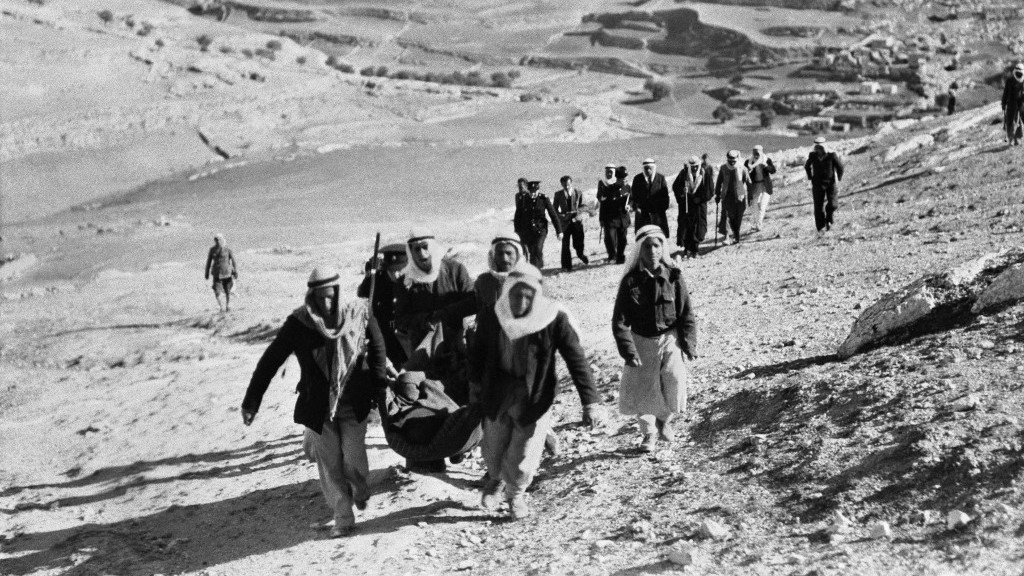
    Recently unearthed military documents from the 1948 Arab-Israeli conflict provide unprecedented evidence of systematic orders issued by Zionist commanders to eliminate Palestinian civilians. The documents, discovered near Jerusalem trash bins and obtained by Haaretz, belonged to Rafi Kotzer—a founding member of the Golani Brigade’s 12th Battalion commando unit—and include logbooks, operational notes, and official summaries from the war period.

    Among the most disturbing findings are explicit commands approved by military censors regarding the trial of Shmuel Lahis, the sole Israeli commander ever sentenced for killing Arabs during the 1948 conflict. Testimony from battalion commander Yisrael Carmi detailed the conquest of Beersheba in October 1948, stating: ‘I gave an order to annihilate anyone who appeared in the street, whether they resisted or did not resist… Everyone was killed – women and children and everyone.’

    The documents reveal operational directives from Yitzhak Broshi, commander of Golani’s 12th Battalion, including a July 1948 order titled ‘Conduct in captured villages where there is a population.’ This directive instructed company commanders to issue identification certificates to inhabitants with severe consequences: any villager transferring their certificate would result in both individuals being executed, while failure to report for military inspection would lead to execution and home demolition.

    Broshi’s orders further mandated immediate execution of any ‘outside Arab’ found in captured villages, with a chilling supplement: ‘every 10th man’ in villages where outsiders were discovered was to be shot. Specifically targeting the Arab a-Zabah Bedouin community in Lower Galilee, the order stated plainly: ‘Every Arab among the Zabahim is to be killed.’ Additional commands called for the elimination of Palestinians hiding in the Mount Turan area following its capture.

    These documents provide documented evidence supporting historical accounts of intentional population clearance operations, contradicting Israel’s long-standing position that Palestinian refugees left voluntarily following instructions from Arab officials. The materials corroborate testimonies about the systematic nature of violence that led to the expulsion of over 700,000 Palestinians and the establishment of military rule over those who remained until 1966.

  • These filmmakers know exactly how to get you hooked on bizarre one-minute dramas

    These filmmakers know exactly how to get you hooked on bizarre one-minute dramas

    On a frigid afternoon in Paju, just north of Seoul, director Kang Mi-so orchestrates theatrical chaos on set. “More anger, more anger, please!” she commands an actor portraying a villainous aunt, who unleashes a torrent of abuse unheard in conventional Korean soap operas. This is the new frontier of entertainment: micro-dramas—vertical, ultra-compact productions designed for smartphone consumption through platforms like TikTok, Instagram, and YouTube.

    Unlike traditional streaming content where viewers intentionally dedicate time, micro-dramas battle against infinite scrolling. Each episode, often as brief as 120 seconds, must immediately captivate with spectacular moments—table-flipping confrontations, dramatic slaps, or medieval fantasy sequences. The genre operates on a razor-sharp business model: the first 5-10 episodes are free, hooking viewers before transitioning to paid platforms.

    South Korea’s entertainment industry, having already conquered global markets with music and television, now aggressively targets the micro-drama sphere. Vigloo, one of Korea’s leading micro-drama apps, exemplifies this shift. CEO Neil Choi declares, “South Korea has shown the world its power to create music, TV, and films. The same content makers are now coming over [to micro-dramas] and I think they are world-class.”

    The production pace is breathtaking. During a four-hour BBC visit, crews filmed four episodes, with four more scheduled afterward. “We are the fast fashion of movie-making,” Choi explains, describing a conveyor-belt system where screenwriters, directors, and editors work in specialized sequence. Each in-house filmmaker is expected to deliver 10 titles annually.

    Artificial intelligence revolutionizes this high-volume industry. At Vigloo’s Gangnam headquarters, editors demonstrate AI’s transformative role: generating non-existent actors from screenplays, creating synthetic voices matched to digital faces, and producing realistic background scenes in mere seconds. This technology slashes production costs to just 10% of traditional filmmaking, particularly valuable for fantastical elements in popular “romantasy” genres or luxury car scenes that would otherwise require expensive rentals.

    While purists like UK fan Jen Cooper express skepticism about AI-only productions, acknowledging that real actor interactions form much of the appeal, she appreciates the rapid sequel production unavailable in conventional streaming. The genre’s unabashed escapism provides relief from what many find to be an increasingly worrisome news cycle.

    Despite technical limitations—unsophisticated sets, novice actors, and occasionally uncanny AI visuals—micro-dramas fulfill a specific need: filling life’s small time pockets. As actor An Chae-hee notes, “They are spicy and that’s what keeps grabbing our eyeballs.” Both cast and crew find joy in the exaggerated storytelling, with laughter frequently erupting after each dramatic table flip or slap.

    With content ranging from “Miracle of the dirt-poor single mum” to “Red Monster: Revenge against the devil,” the genre pushes boundaries while navigating Korea’s censorship landscape. Choi envisions micro-dramas maturing into diverse formats, potentially even Oscar-winning productions, drawing parallels to how computer graphics evolved from industry skepticism to Academy Award recognition.

    As South Korean creators embrace AI as an unstoppable trend rather than a silver bullet, they’re democratizing entertainment production while capturing a global market—particularly American women who reportedly spend more than their Korean counterparts. In an era where audiences are increasingly time-poor, micro-dramas represent both technological innovation and a fundamental shift in content consumption patterns.

  • Iran universities emerge as new battleground for anti-government protests

    Iran universities emerge as new battleground for anti-government protests

    Iranian authorities have abruptly reversed their decision to reopen universities for physical instruction, ordering a return to online learning merely five days after campuses welcomed students back. This swift reversal follows renewed waves of student-led protests and violent confrontations with state-affiliated paramilitary forces at multiple academic institutions across the country.

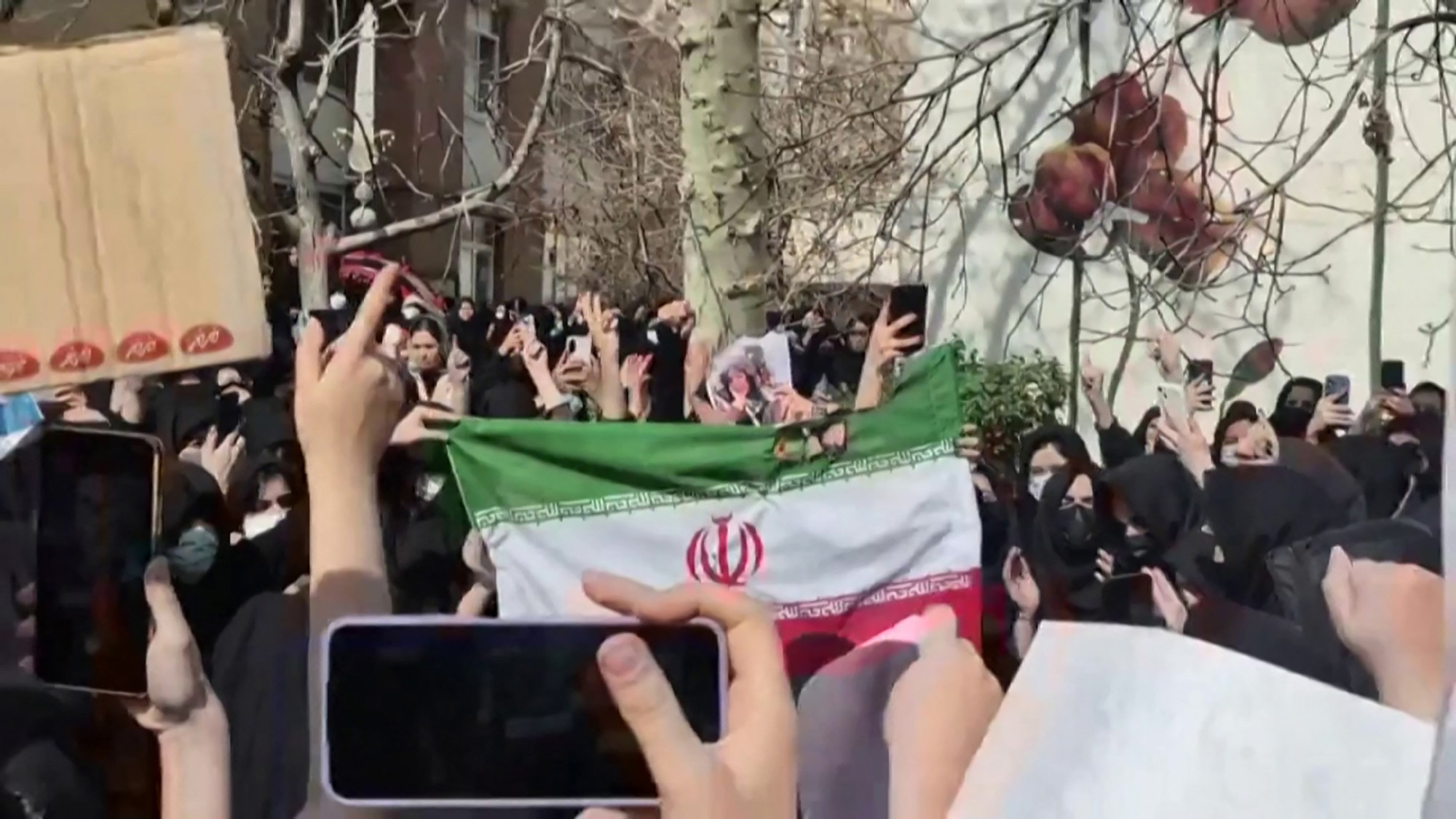
    The brief resumption of in-person classes witnessed significant turmoil, including clashes between student demonstrators and members of the Basij militia at prominent universities such as Sharif, Khajeh Nasir, and Elmo Sanat in Tehran. At Al-Zahra University, protesters tore down the official post-revolution flag while chanting anti-government slogans targeting both current Supreme Leader Ali Khamenei and the republic’s founder, Ayatollah Khomeini.

    These demonstrations largely served as memorial gatherings marking the 40th day since security forces killed numerous protesters during nationwide unrest in late December and January. A 21-year-old Tehran University student, speaking anonymously, expressed collective grief and anger over the fatalities, stating campus spaces provide one of the few remaining avenues for dissent amid widespread suppression.

    Official government figures claim 3,117 deaths during the recent protest wave, though external human rights organizations, including the US-based Human Rights Activists News Agency, estimate the actual toll exceeds 6,480 individuals. Middle East Eye could not independently verify these figures due to severe information restrictions within Iran.

    The current protest cycle initially erupted in response to drastic currency devaluation but rapidly evolved into broader anti-establishment movements. Authorities had previously shifted universities to online platforms in early January, ostensibly due to weather conditions—a move widely interpreted as an attempt to neutralize Iran’s historically potent student activism.

    Academic professionals note that universities have consistently served as critical hubs for political criticism throughout modern Iranian history, particularly when formal opposition channels are suppressed. This pattern dates to the Pahlavi era, continued through the 1980-1983 Cultural Revolution that purged dissident academics, and persists today through the Basij’s campus monitoring units.

    Despite decreased protest visibility following administrative crackdowns and student suspensions, those interviewed maintain that underlying tensions remain unresolved and anticipate further demonstrations in the future.

  • China-SCO Cooperation Center for Metabolic Diseases opens in Shanghai

    China-SCO Cooperation Center for Metabolic Diseases opens in Shanghai

    Shanghai’s Ruijin Hospital has become the hub for a groundbreaking international health initiative with the formal establishment of the China-SCO Cooperation Center for Metabolic Diseases on February 27th. This strategic medical diplomacy effort creates an institutional framework for collaborative research and public health coordination among Shanghai Cooperation Organization member states.

    The newly inaugurated center will leverage Ruijin Hospital’s renowned clinical expertise and research capabilities in metabolic disorders to establish a multinational platform addressing the growing global burden of conditions such as diabetes, obesity, and cardiovascular diseases. The initiative represents a significant advancement in cross-border medical cooperation within the SCO region.

    This multilateral health partnership aims to facilitate knowledge exchange, develop standardized prevention protocols, and accelerate innovative treatment methodologies across participating nations. By pooling resources and expertise, the center seeks to establish comprehensive metabolic disease surveillance systems and implement evidence-based intervention strategies tailored to diverse populations within the SCO community.

    The establishment of this specialized medical center underscores China’s evolving role in global health governance and demonstrates the practical implementation of the Health Silk Road concept. It marks a substantial commitment to addressing non-communicable diseases through international cooperation, potentially serving as a model for future multinational healthcare initiatives across Eurasia and beyond.

  • Labour Together: How McSweeney’s shadowy think tank went to ‘war’ against journalists

    Labour Together: How McSweeney’s shadowy think tank went to ‘war’ against journalists

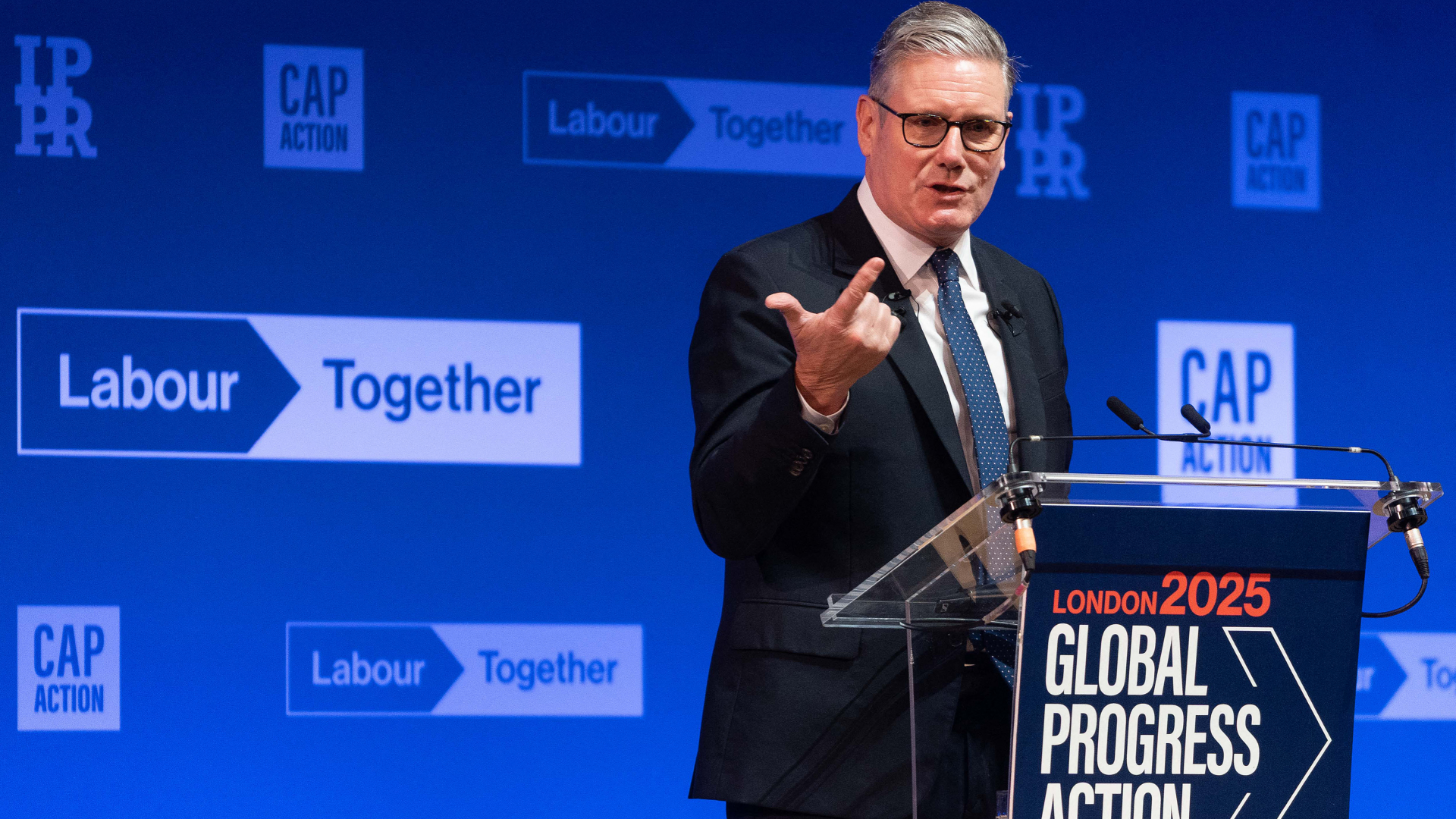
    A significant political scandal has erupted in the United Kingdom following the resignation of Cabinet Office minister Josh Simons, revealing concerning tactics employed by those close to government to suppress press freedom. The controversy centers on Simons’ alleged authorization of a £36,000 payment to American public affairs firm APCO to investigate journalists from The Sunday Times and other outlets who were examining undeclared donations funding the think tank he previously headed, Labour Together.

    The situation has drawn sharp criticism from civil liberties organizations, journalism advocates, and politicians across the spectrum. Julie Posetti, chair of the Centre for Journalism and Democracy at City St George’s, characterized these actions as representing “a threat to media freedom in the UK.” Nik Williams of Index on Censorship described the surveillance attempts as “deeply alarming” and inappropriate for any democracy.

    Labour Together, which played a crucial role in Keir Starmer’s successful campaign to lead the Labour Party, has faced previous scrutiny. During Morgan McSweeney’s leadership (2017-2020), the think tank was fined £14,250 by the Electoral Commission for failing to declare over £700,000 in political donations. Their funders included pro-Israel donor Trevor Chinn and hedge fund manager Martin Taylor, whose contributions were instrumental in Starmer’s electoral success.

    The current scandal emerged following a November 2023 Times investigation by journalists Gabriel Pogrund and Harry Yorke, based on research by investigative journalist Paul Holden. In response, Labour Together allegedly commissioned APCO to produce a report—codenamed “Operation Cannon”—that included personal details about the journalists’ faith, relationships, and upbringing. The firm reportedly used software to track down Holden’s address and partner’s identity, information that had been previously kept private.

    Simons subsequently attempted to report Holden to the National Cybersecurity Centre in January 2024, though the agency declined to investigate. Despite this, Simons continued briefing media outlets with smears about Holden, including false claims of connections to Russian intelligence networks.

    The implications extend beyond individual journalists to broader democratic concerns. Multiple sources have warned of a “chilling effect” on press freedom and a concerning pattern of anti-democratic behavior. Labour MP Clive Lewis described the situation as “structural rather than a few bad apples,” noting that the reduction in internal party democracy and opposition to transparency made current government behavior a “logical inevitability.

    The scandal has prompted calls for independent investigation from two dozen Labour MPs and the National Union of Journalists, which has demanded “stronger legislation to prevent corporate actors from targeting journalists and their sources.” While Simons and McSweeney have both resigned, neither faced disciplinary action, and key figures involved with Labour Together remain in government positions, including Prime Minister Keir Starmer.

    Baroness Sally Morgan, current chair of Labour Together, acknowledged that “the scope of the work carried out by APCO was indefensible” and stated that the board had not been shown the contract or the resulting report. She cited governance changes implemented since September 2024, including establishing an Audit & Risk committee and a whistleblower policy.

    The affair raises serious questions about the integrity of political funding, press freedom protections, and the democratic safeguards within UK governance structures as the new administration continues to face scrutiny over its commitment to transparency and accountability.

  • Supervisors blamed for blast at a steel plant that killed 10 and injured 84

    Supervisors blamed for blast at a steel plant that killed 10 and injured 84

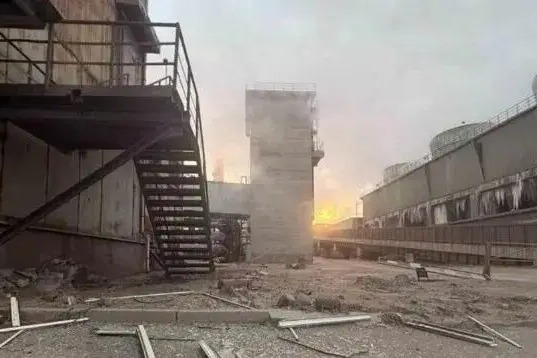
    A catastrophic explosion at a Baotou steel facility in China’s Inner Mongolia Autonomous Region, which resulted in 10 fatalities and 84 injuries this past January, has been officially attributed to severe supervisory negligence. According to Li Haowen, Director of Investigation and Statistics at the Ministry of Emergency Management, the disaster was entirely preventable.

    The incident originated from a significant leak in a steam sphere tank. Despite the clear danger, production was deliberately not halted. Li revealed at a Beijing press briefing that the tank had been leaking heavily for approximately 90 minutes prior to the explosion. Shockingly, two on-site supervisors, under pressure to maintain output, explicitly ordered work to continue. This decision proved fatal for everyone in the immediate vicinity, including the supervisors themselves.

    Li condemned the lapse in safety protocols, stating, “The supervision was not done properly. It harmed others and also harmed the supervisors.” While presenting an annual safety report, he noted that China’s overall workplace safety situation remained “generally stable” in 2025, with major accidents kept to single digits. However, he emphasized that the lessons from this and other incidents were “extremely painful.

    The official further criticized a broader pattern of corporate misconduct, citing companies that “failed to do basic work well, rushed schedules blindly, and engaged in corner-cutting, falsification, and other misconduct.” He illustrated this with another case involving the collapse of a highway bridge section in Maerkang, Sichuan, where a surveying company had falsified borehole data, planting major hidden risks. Li concluded that these tragedies underscore the fundamental principle that high-quality development must be built upon a foundation of high-level safety.

  • European nations to form atrocity prevention coalition for Sudan after UN report

    European nations to form atrocity prevention coalition for Sudan after UN report

    In a decisive response to a United Nations investigation confirming genocidal acts in Sudan’s Darfur region, five European nations have announced plans to establish an international atrocity prevention coalition. The foreign ministers of the United Kingdom, Germany, Ireland, the Netherlands, and Norway—all members of the Sudan Core Group at the UN Human Rights Council—endorsed the UN fact-finding mission’s conclusions that Rapid Support Forces (RSF) paramilitary units committed genocide against non-Arab communities during their capture of el-Fasher in October.

    The comprehensive UN report, formally presented in Geneva on Thursday, represents the first official UN documentation of genocide by the RSF, specifically targeting the Fur and Zaghawa ethnic groups through at least three genocidal acts prohibited under international law. UN investigators warned that the RSF continues employing similar tactics in Kordofan and other regions, creating acute risk of further genocidal violence without urgent preventive measures.

    While collectively endorsing the report’s findings, the UK government notably refrained from individually using the term ‘genocide’ in its official response. A Foreign Office spokesperson stated that formal genocide determination remains the jurisdiction of competent courts, mirroring Britain’s position regarding Gaza.

    The European coalition called for immediate action including civilian protection, expanded enforcement of the UN arms embargo, and removal of humanitarian access restrictions. They emphasized the legal obligation of states to prevent genocide when risks become apparent under international law.

    UN Human Rights Chief Volker Turk reported to the Human Rights Council that civilian killings in 2025 have more than doubled compared to the previous year, with impunity fueling escalating violence. He recommended referring the entire Sudan situation—not just Darfur—to the International Criminal Court (ICC), which already holds jurisdiction over Darfur from a 2005 Security Council referral.

    The ICC’s deputy prosecutor confirmed ongoing investigations into both el-Fasher atrocities and RSF massacres in el-Geneina in 2023. This follows recent sanctions against four senior RSF commanders by the UN Security Council’s Sudan sanctions committee and a separate UK sanctions package targeting six individuals including RSF field commander Hussein Barsham.

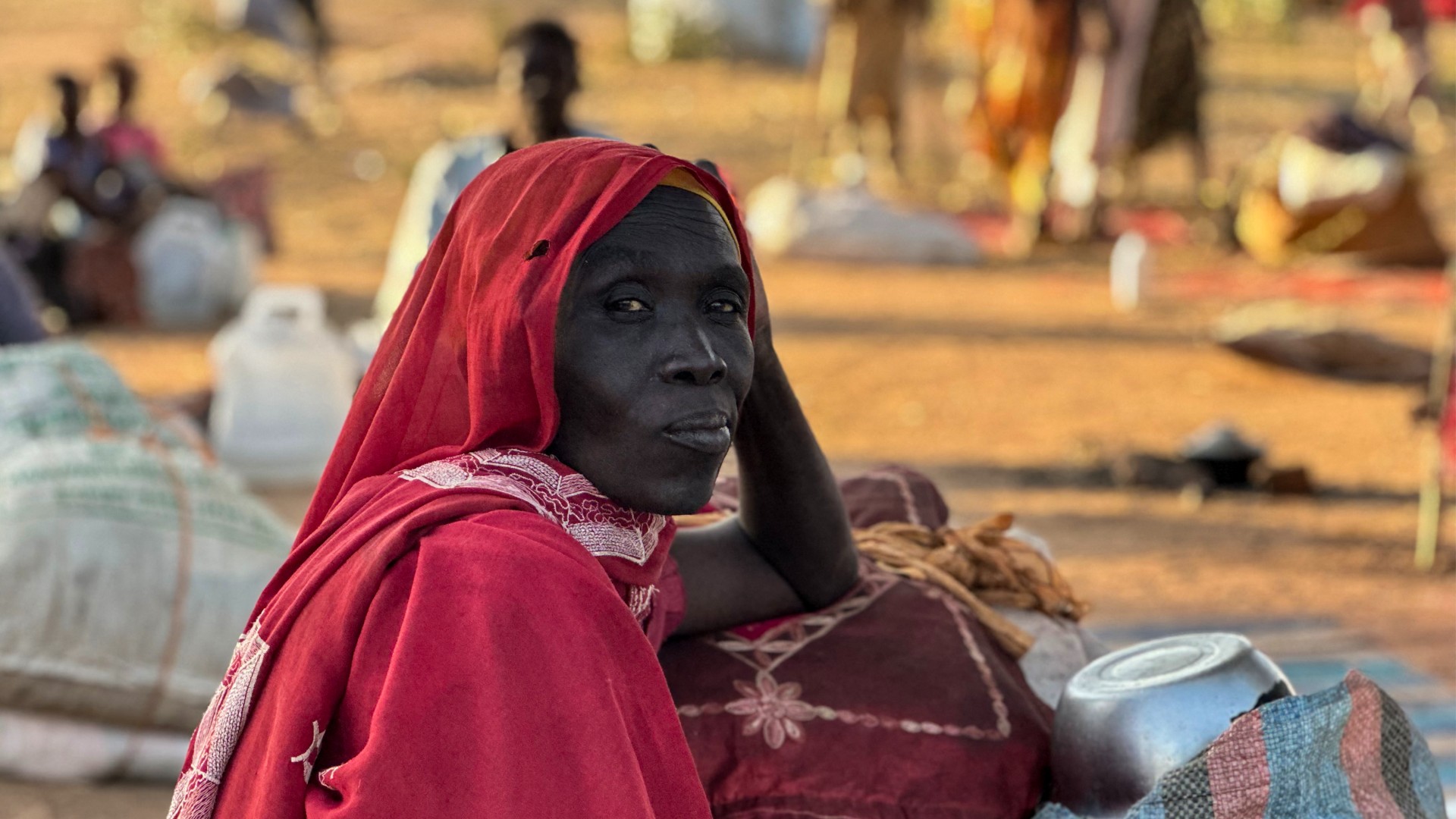
    Despite extensive evidence linking the United Arab Emirates—a key British ally—to arms supplies for the RSF, the UK has not explicitly condemned Emirati involvement in the conflict. The ongoing RSF-SAF war has killed tens of thousands, displaced over 11 million people, and created what the UN describes as the world’s worst humanitarian crisis, with all mediation efforts failing to secure a ceasefire.

  • The Green Party has been accused of sectarianism. This is why that’s wrong

    The Green Party has been accused of sectarianism. This is why that’s wrong

    A contentious political dispute has erupted in British politics following the Gorton and Denton by-election, where Green Party candidate Hannah Spencer secured a surprising victory. The outcome has triggered allegations of ‘sectarian politics’ from both the governing Labour Party and Reform UK, creating a fierce debate about Muslim voting patterns and democratic integrity.

    Prime Minister Keir Starmer, whose Labour candidate finished third, accused the Greens of embracing ‘divisive, sectarian politics’ associated with veteran firebrand George Galloway. Meanwhile, Reform’s defeated candidate Matt Goodwin declared Britain facing existential threat from ‘dangerous Muslim sectarianism,’ claiming the country has ‘only one general election left to save Britain.’

    The controversy centers on allegations of ‘family voting’ – the illegal practice of voters colluding or directing others at polling stations. Reform leader Nigel Farage specifically linked these claims to Muslim communities, calling the situation ‘deeply concerning’ for democratic integrity in predominantly Muslim areas. The party subsequently reported numerous alleged cases to the Electoral Commission and Greater Manchester Police.

    However, these allegations face substantial challenges. Manchester City Council’s acting returning officer stated that polling station staff were trained to detect undue influence and reported ‘no such issues’ during voting hours. The official expressed disappointment that election observer group Democracy Volunteers, which is funded by a Conservative peer, waited until after polls closed to raise their concerns despite having opportunity to report them in real time.

    The Green Party’s victory emerges against a complex backdrop of shifting political allegiances. Labour insiders acknowledge the party’s struggle with Muslim voters, particularly regarding the Gaza conflict. Meanwhile, Green MP Hannah Spencer emphasized her diverse constituency’s concerns about local issues like rent controls and bill reductions rather than sectarian interests.

    Political analysts note the term ‘sectarianism’ has evolved from its historical association with Northern Irish conflicts to become a weaponized term in discussions about British Muslim political participation. The controversy reflects deeper tensions within Britain’s multicultural democracy and raises questions about how political establishments respond to changing voter patterns.

    Evidence from the constituency suggests Muslim voters are not voting as a monolithic bloc, with support divided between Labour and Green candidates based on various factors including local issues and international concerns. The Greens have consistently opposed British cooperation with Israel during the Gaza conflict, a position that resonates across multiple communities rather than exclusively among Muslim voters.

    The discourse surrounding this by-election outcome highlights ongoing challenges in British political discourse regarding representation, democratic participation, and the characterization of minority voting patterns.

  • ‘As if the border never reopened’: Gaza patients die waiting under Israeli siege

    ‘As if the border never reopened’: Gaza patients die waiting under Israeli siege

    The partial reopening of Gaza’s Rafah border crossing last month offered a fleeting glimpse of hope for critically ill patients. Yet for seven-year-old Anwar al-Ashi, this reprieve came too late. He succumbed to metabolic acidosis while awaiting permission to exit for urgent medical treatment—a casualty of what medical professionals describe as a catastrophic healthcare collapse exacerbated by prolonged border closures and Israel’s comprehensive siege.

    Anwar’s father, Nayef al-Ashi, recounted to Middle East Eye how his son’s condition deteriorated dramatically due to malnutrition and contaminated water sources. “This episode was directly caused by malnutrition and unsafe drinking water,” he stated. “Repeated displacement during conflict weakened his resilience, but the absence of basic necessities proved fatal.”

    Medical authorities confirmed that nutritional deficiencies disrupted Anwar’s pH balance, resulting in critically elevated blood acidity that precipitated kidney failure. Despite emergency dialysis and intensive care, the absence of essential medications and diagnostic equipment sealed his fate. “We watched helplessly as his organs failed sequentially—first his liver, then his brain,” Nayef lamented. “The necessary resources simply weren’t available in Gaza.”

    Tragically, Anwar represents one of 1,360 patients who have died while awaiting medical evacuation since Israel’s closure of the Rafah crossing in May 2024. Current estimates indicate over 18,500 individuals—including 4,000 children—require urgent medical transfers, yet only approximately 260 patients were permitted to cross during the border’s brief operational period from February 2-18.

    The healthcare crisis extends far beyond individual cases. By December, 321 essential medicines were completely depleted in Gaza, with 710 medical consumables unavailable. Systematic targeting of medical infrastructure has destroyed dozens of hospitals, while the deliberate restriction of supplies has created insurmountable treatment barriers.

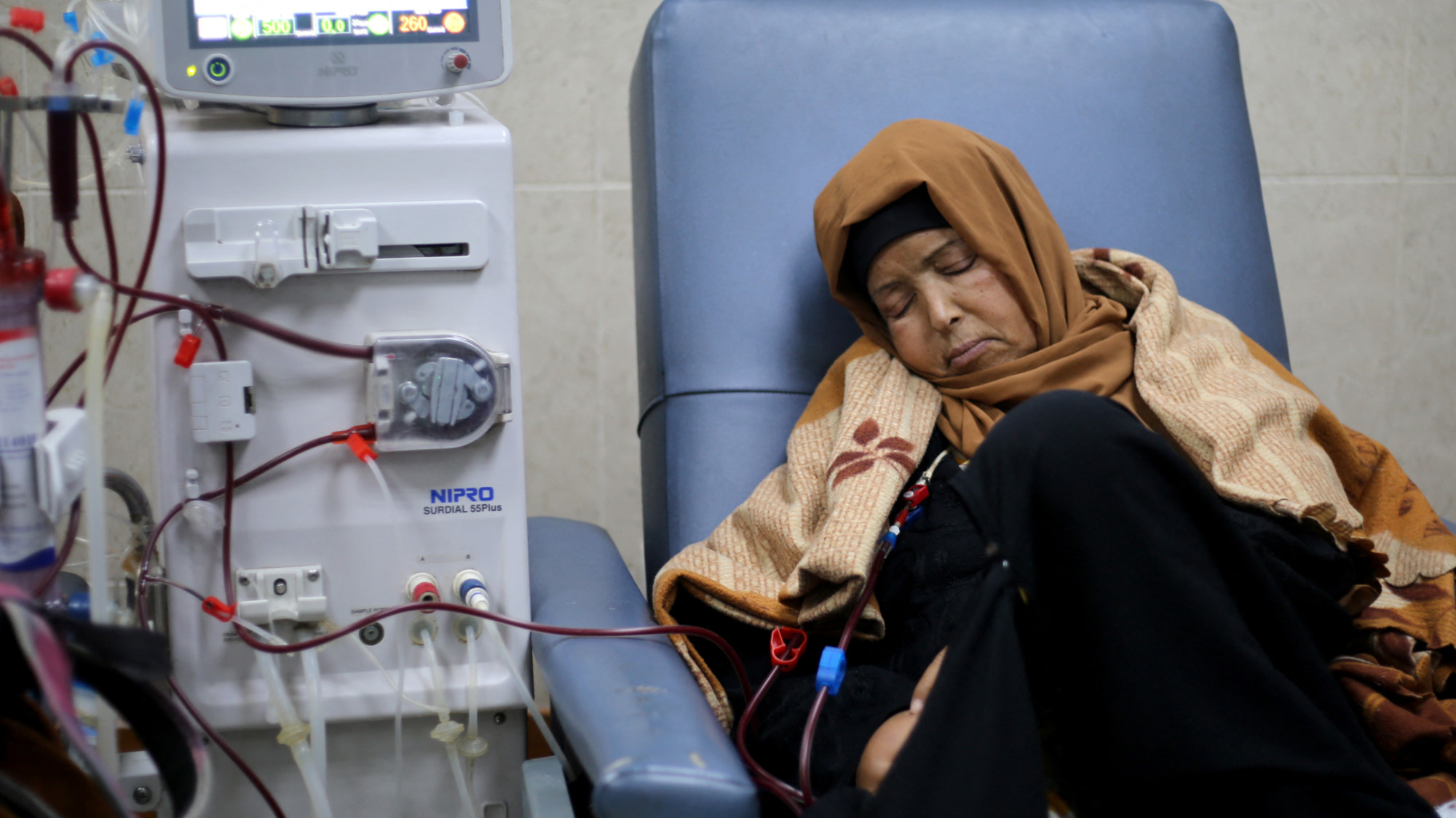
    Renal patients face particularly dire circumstances. Dr. Ghazi al-Yazji, head of dialysis at al-Shifa hospital, reports a 41% increase in mortality among kidney patients since the conflict began. “Most dialysis units were destroyed or became non-functional,” he explained. “Even with partial restoration of services, we lack sufficient machines and chairs to meet demand.”

    Cancer patients confront similarly bleak prospects. Warda al-Batrikhi has sought cancer screening for her 14-year-old son for 18 months without success. “Priority is given to already-diagnosed patients,” she noted. “We move between hospitals knowing it’s futile—proper treatment exists only outside Gaza.”

    Approximately 4,000 cancer patients hold official referrals for external treatment but remain trapped by border policies. An estimated 11,000 oncology patients lack access to specialized diagnostics or therapies, creating a hidden health timebomb within the territory.

    The recent border closure following US-Israel military actions against Iran has further compounded the crisis, leaving thousands of critically ill patients in limbo. Medical professionals describe the situation as a systematic dismantling of healthcare infrastructure that violates international humanitarian standards and constitutes a severe public health emergency.

  • Moviegoing becomes a popular new tradition during Spring Festival holiday in Xinjiang prefecture

    Moviegoing becomes a popular new tradition during Spring Festival holiday in Xinjiang prefecture

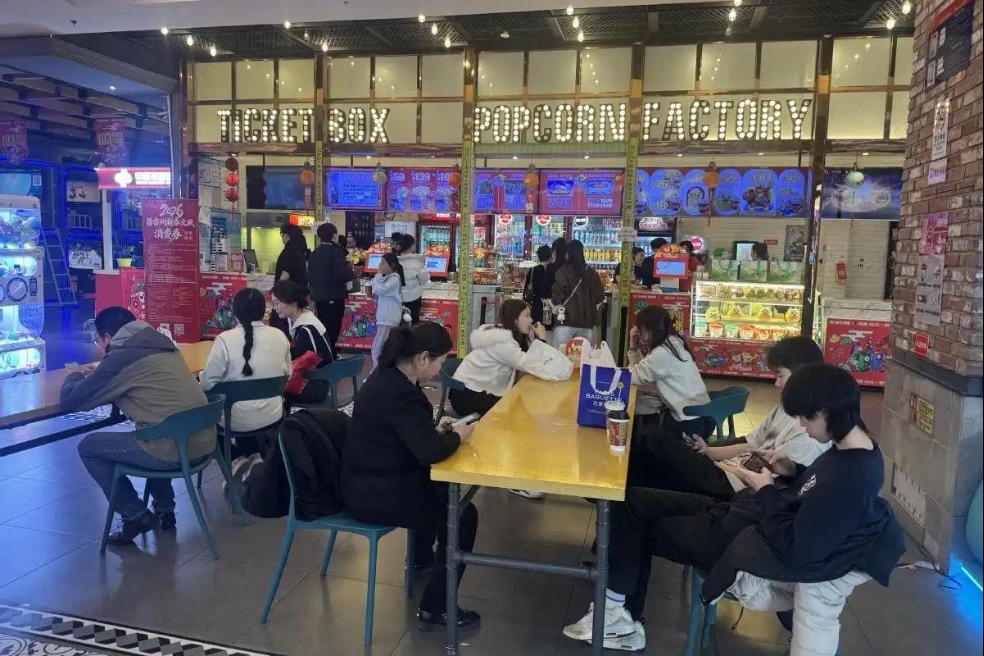
    The Changji Hui Autonomous Prefecture in Xinjiang Uygur Autonomous Region witnessed a cultural shift during the recent Spring Festival holiday as moviegoing emerged as a prominent new tradition among local communities. Theatres across the prefecture experienced unprecedented footfall, signaling evolving entertainment preferences during China’s most important annual celebration.

    Yang Zhengzhe, duty manager at a prominent Changji cinema, reported remarkable attendance figures with over 10,000 visitors during the holiday period. The theatre predominantly attracted family groups and friend gatherings, indicating that cinematic experiences have become integrated into traditional New Year celebrations. “Watching movies has transformed into a new customary practice for residents during the festive season,” Yang confirmed.

    The cinematic offerings during the holiday featured six new film releases spanning multiple genres including comedy, action, suspense, and animation, catering to diverse audience preferences. This cultural phenomenon was further bolstered by substantial government support through the distribution of consumption vouchers valued at over 3 million yuan (approximately $437,000) for travel and dining purposes. These initiatives significantly enhanced cultural consumption patterns throughout the region, demonstrating successful integration of entertainment with traditional holiday activities.

    The emergence of cinema culture as a Spring Festival tradition reflects broader societal changes in entertainment consumption and holiday practices in northwestern China. This development represents how modern leisure activities are being incorporated into traditional cultural celebrations, creating new forms of family and social bonding during important cultural periods.