标签: Asia

亚洲

  • Saudi analyst says kingdom will activate defence pact with Pakistan if it joins Iran war

    Saudi analyst says kingdom will activate defence pact with Pakistan if it joins Iran war

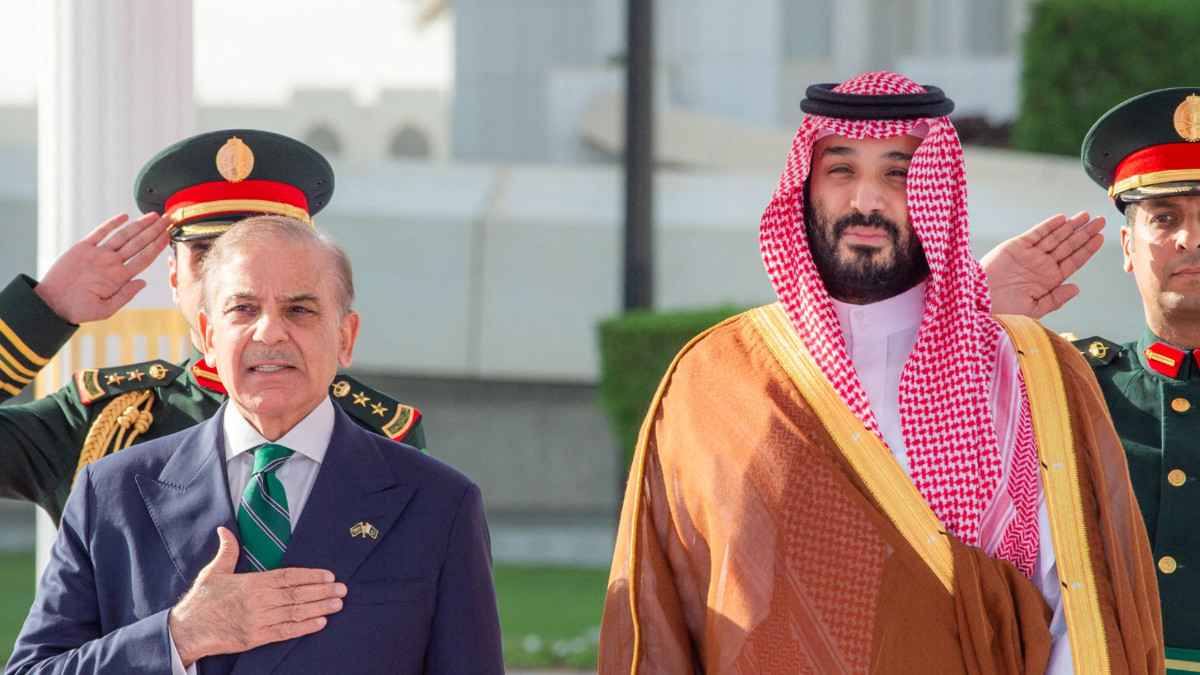
    A prominent Saudi geopolitical analyst has revealed that any direct Saudi involvement in a US-Israeli military campaign against Iran would trigger the kingdom’s mutual defense agreement with Pakistan, potentially bringing Pakistani nuclear capabilities into the regional conflict.

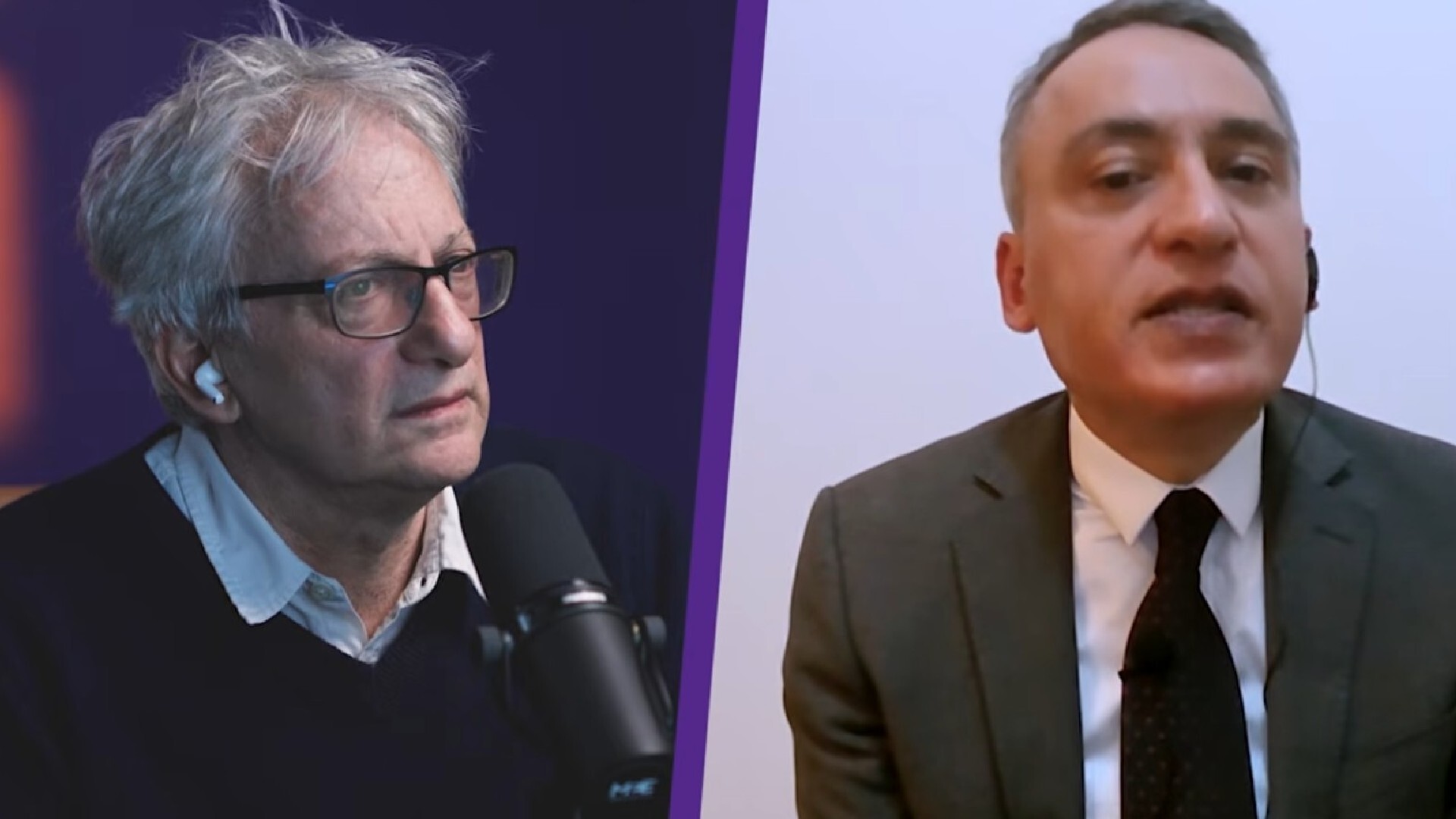
    Salman al-Ansari, a respected Saudi geopolitical researcher, stated in an exclusive interview with Canada’s CBC News that full Saudi military engagement would make Iran “the biggest loser” due to the automatic activation of the Riyadh-Islamabad defense pact. “We can say it literally that there is a nuclear umbrella over Saudi Arabia,” al-Ansari emphasized during the revealing discussion.

    The significant defense agreement, formalized last year following Israeli strikes on Hamas negotiators in Doha, establishes a collective security framework structurally comparable to NATO’s Article 5. Official documents from both governments explicitly state that “any aggression against either country shall be considered an aggression against both,” creating potential obligations for Pakistani military assistance if Saudi territory faces sustained attacks.

    This development occurs amid escalating regional tensions, with Saudi infrastructure already experiencing repeated assaults from Iranian ballistic missiles and drone attacks. Critical facilities including the US Embassy in Riyadh, Prince Sultan Air Base, and vital energy installations have been targeted, while Iran’s strategic control over the Strait of Hormuz has significantly impacted Saudi oil exports.

    Despite developing alternative energy export routes like the East-West pipeline, which maintains approximately four million barrels per day in crude sales bypassing Hormuz, Saudi leadership faces mounting pressure regarding potential direct involvement in offensive operations against Iran. The kingdom, along with other Gulf states, had previously lobbied the Trump administration against military engagement with Tehran.

    The Pakistan dimension introduces complex global implications, potentially internationalizing the conflict beyond the Middle East. Pakistani Foreign Minister Ishaq Dar recently confirmed discussing the defense pact directly with Iranian counterpart Abbas Araghchi, noting Tehran’s demand for assurances that Saudi territory wouldn’t serve as a staging ground for attacks against Iran.

    Energy dependencies further complicate the situation, with Pakistan relying heavily on Gulf crude oil and natural gas imports. In a significant development this week, a Pakistani-flagged tanker successfully transited the Strait of Hormuz with its tracking systems active—the first vessel carrying non-Iranian crude to do so—following apparent diplomatic negotiations between Islamabad and Tehran.

  • A real possum appears among plush toy animals in Australian airport gift shop

    A real possum appears among plush toy animals in Australian airport gift shop

    In an extraordinary wildlife encounter at Hobart Airport, Tasmania, a live Australian brushtail possum was discovered seamlessly blending among plush toy marsupials on a gift shop display shelf. The incident occurred Wednesday when an alert passenger noticed unusual movement from what initially appeared to be another stuffed animal.

    The possum had positioned itself strategically between kangaroo toys, with bilbies (long-eared marsupials) above and Tasmanian devil plushies alongside. Retail manager Liam Bloomfield recounted how staff initially doubted the passenger’s report before confirming the astonishing discovery themselves.

    Airport personnel documented the unusual visitor with smartphone video before the creature, growing wary of increasing human attention, voluntarily departed the premises. The possum was subsequently escorted from the airport terminal unharmed, having apparently entered the secure departure area without detection.

    Bloomfield speculated the animal might have been attracted to the plush companions, humorously suggesting it ‘decided to make its home with those’ in an attempt to camouflage. The precise entry method and duration of the possum’s retail residency remain mysteries, though authorities dismiss the possibility of a prank due to stringent security screening requirements for accessing the terminal.

  • Afghan evacuees in limbo in Qatar camp accuse US of betrayal

    Afghan evacuees in limbo in Qatar camp accuse US of betrayal

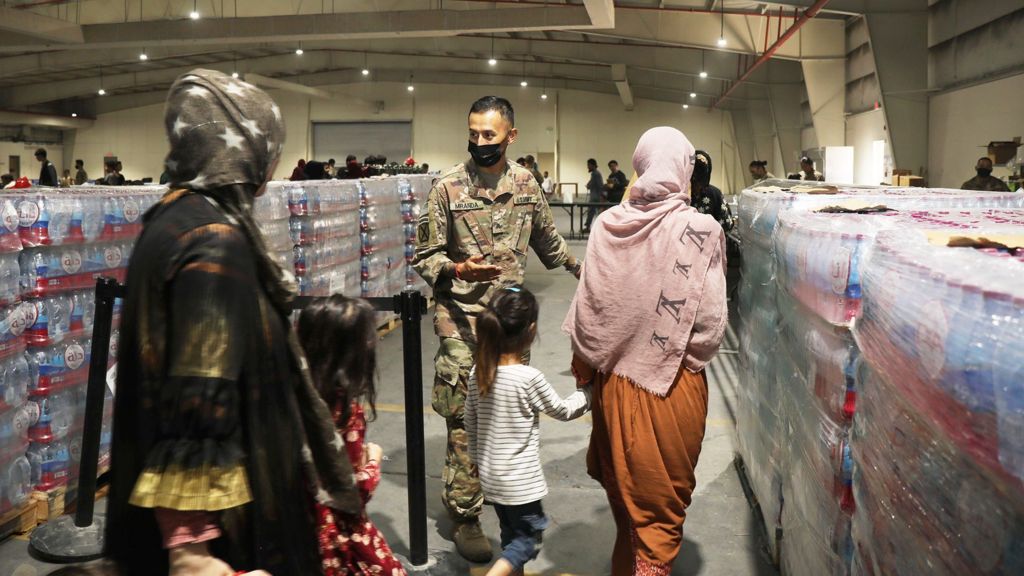
    Hundreds of Afghan evacuees face an increasingly dangerous and uncertain future at Camp As-Sayliyah in Qatar after the United States effectively terminated their promised resettlement program. Among them is Alia (pseudonym), a former lawyer who served alongside U.S. forces, now trapped in diplomatic limbo for eighteen months.

    The Trump administration’s January 2025 executive order suspending refugee processing, followed by a June travel ban targeting Afghan nationals, systematically dismantled the resettlement pathway. The final blow came with the announcement that the camp would close by March 31st, leaving approximately 1,100 evacuees without clarity on their future.

    Compounding their predicament, recent Iranian attacks on U.S. bases in Qatar—including Al-Udeid Air Base just 12 miles from their camp—have transformed their temporary shelter into a potential conflict zone. Evacuees report deteriorating mental health among children, pregnant women, and elderly residents, with many suffering from severe anxiety and stress-related illnesses.

    These individuals were originally evacuated under Operation Allies Welcome following the Taliban’s 2021 takeover and the U.S. withdrawal. Many had worked directly with U.S. missions in Afghanistan, making return to Taliban-controlled territory impossible due to fears of reprisal. Alia, who prosecuted domestic abuse cases against now-powerful Taliban figures, states: ‘The people I helped convict are now in power. They will seek revenge.’

    The U.S. State Department maintains it is negotiating with third countries for relocation, defending the camp closure as necessary to avoid indefinite detention. Officials characterized the facility as ‘the legacy of the Biden administration’s attempt to move as many Afghans to America as possible—in many cases, without proper vetting.’

    However, advocacy groups strongly dispute this characterization. Shawn VanDiver of AfghanEvac, a veteran-led resettlement charity, asserts: ‘The vetting is strong. We were at war there for 20 years, and all these people that served alongside us and their families, they got vetted over and over again.’

    With voluntary return to Afghanistan including financial incentives of $4,500 for primary applicants and $1,200 per family member, most evacuees refuse despite the deteriorating conditions. As one elderly evacuee who worked at a U.S. base for 14 years declared: ‘Either you or the Qataris can kill us and send our dead bodies back to Afghanistan but we will not go back alive.’

    The situation represents a profound breach of trust for those who risked their lives supporting American interests, now facing what Alia describes as ‘a slow death’ of hope and security.

  • Tehran vows vengeance after Larijani killing

    Tehran vows vengeance after Larijani killing

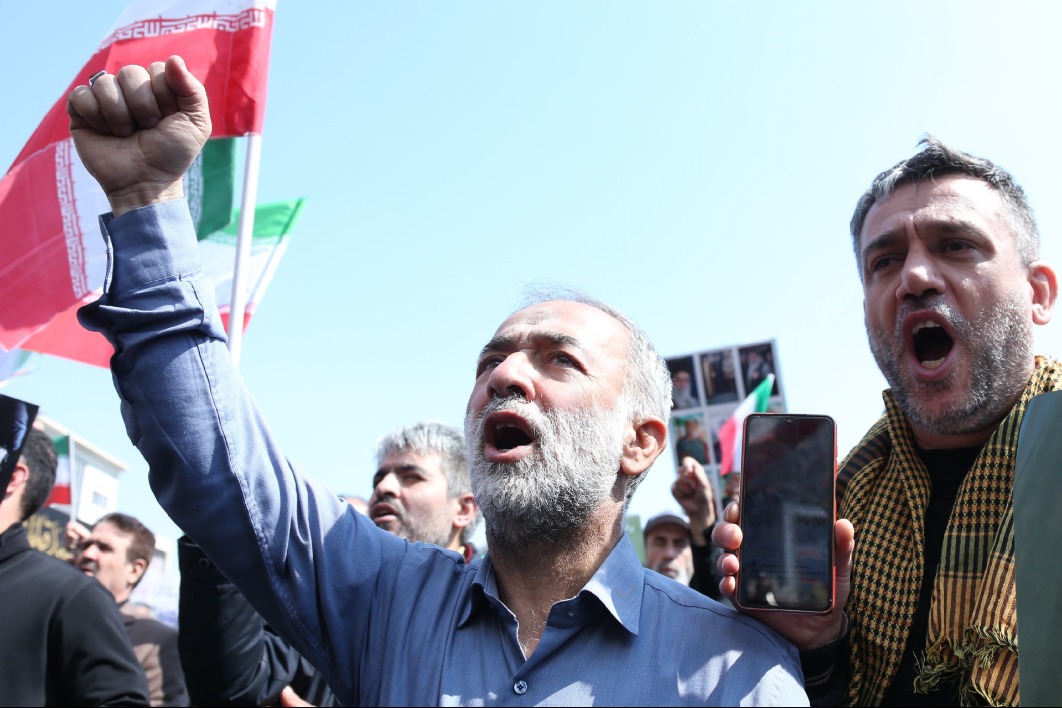
    The Middle East faces a dangerous escalation following the targeted assassination of Ali Larijani, Iran’s top security official, in an Israeli strike. Tehran has sworn vengeance for the killing, which experts warn could significantly prolong the ongoing conflict and complicate diplomatic resolutions.

    The overnight strike that eliminated Larijani, 68, represents the most prominent Iranian figure killed since Supreme Leader Ayatollah Ali Khamenei’s assassination in February, which ignited widespread regional warfare. Iranian army chief Amir Hatami declared the response would be “decisive and unforgiving” as funerals were scheduled for both Larijani and Gholamreza Soleimani, head of the Basij paramilitary force.

    Regional violence intensified dramatically with Iranian missiles striking near Israel’s capital and commercial hub Tel Aviv, resulting in two fatalities according to emergency services. Explosions reverberated across the United Arab Emirates and Qatar while Saudi Arabia reported intercepting incoming projectiles. Simultaneously, Israeli airstrikes flattened an apartment building in central Beirut, adding to earlier attacks that killed at least six and wounded 24 in residential neighborhoods.

    The human cost continues to mount with official reports indicating approximately 1,300 casualties in Iran, over 900 in Lebanon, 14 in Israel, and 13 US service members killed with about 200 injured.

    Israeli Defense Minister Israel Katz confirmed the additional killing of Iranian Intelligence Minister Esmail Khatib, promising “significant surprises” throughout the day across all fronts. Despite these targeted assassinations, Iranian Foreign Minister Abbas Araqchi maintained that operations would continue unimpeded, characterizing the Islamic republic as a robust political system independent of any single individual.

    International condemnation emerged from Turkish Foreign Minister Hakan Fidan, who denounced Israel’s “political assassinations” as “illegal activities in violation of the normal laws of war.” Al Jazeera’s senior political analyst Marwan Bishara similarly criticized Israel’s approach, stating the nation was “turning this into an industry of assassinations” that deviates from conventional warfare norms.

    Meanwhile, diplomatic efforts face growing challenges. Sultan Barakat, professor of public policy at Qatar’s Hamad bin Khalifa University, noted that Larijani’s death “will strengthen the line of the hard-liners” within Iran’s government, making diplomatic solutions “slightly more remote.” Larijani’s ability to bridge political divides had made him crucial for maintaining internal balance.

    In regional developments, the UAE considers joining a US-led effort to protect shipping in the strategically vital Strait of Hormuz, which has been largely shut down, raising global energy crisis concerns. Diplomatic adviser Anwar Gargash emphasized that “big countries” across Asia, the Middle East, and Europe share responsibility for ensuring trade and energy flow continuity.

  • World Happiness Report highlights social media’s negative impact, ranks Finland as happiest country

    World Happiness Report highlights social media’s negative impact, ranks Finland as happiest country

    The World Happiness Report 2026 reveals a concerning paradox: while Nordic nations maintain their dominance in global happiness rankings, English-speaking and Western European countries are experiencing a significant decline in youth well-being directly linked to excessive social media consumption. Published Thursday by the University of Oxford’s Wellbeing Research Centre, the comprehensive study identifies teenage girls as particularly vulnerable to the negative effects of prolonged social media engagement.

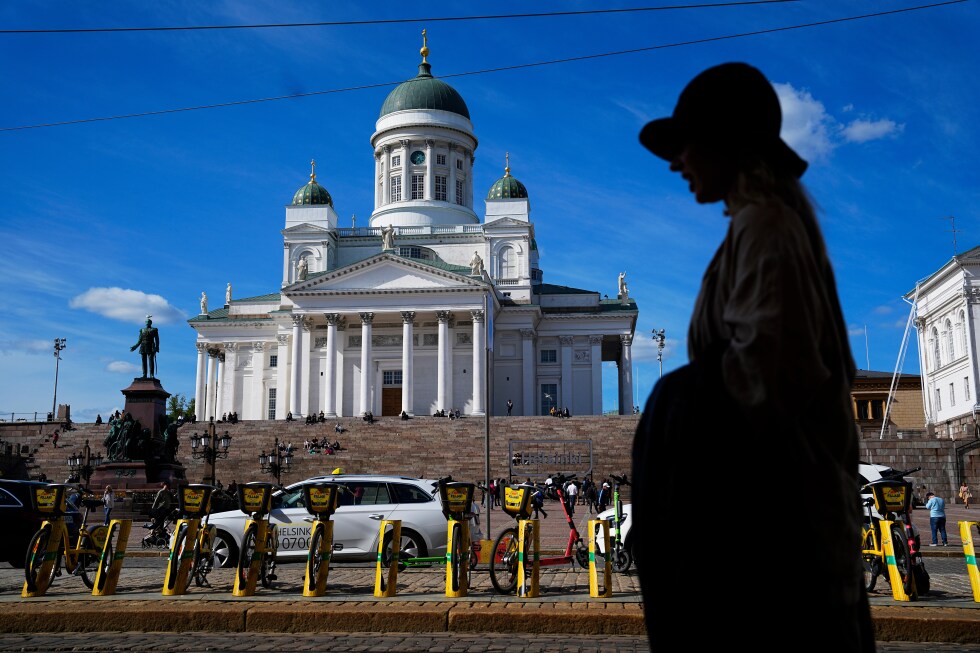
    Finland secured its position as the world’s happiest nation for the ninth consecutive year, with Iceland, Denmark, Sweden, and Norway all ranking among the top ten. The report attributes Nordic countries’ consistent performance to their combination of wealth, equitable distribution systems, robust welfare states, and high healthy life expectancy.

    In a remarkable ascent, Costa Rica jumped to fourth place from 23rd position in 2023, which researchers attribute to the Central American nation’s strong family bonds and social connections. “Latin America more generally has strong family ties, strong social ties, a great level of social capital,” explained Professor Jan-Emmanuel De Neve, director of the Wellbeing Research Centre and co-editor of the report.

    The study’s most alarming findings concern young people under 25 in the United States, Canada, Australia, New Zealand, and Western Europe, where life satisfaction scores have dropped nearly one point over the past decade. Researchers identified a clear correlation between extensive social media use and diminished well-being, particularly among 15-year-old girls who reported decreased life satisfaction after five or more hours of daily use.

    The report distinguishes between platform types, noting that visual-based networks with algorithmic feeds and influencer content—which encourage social comparison—prove most harmful. Conversely, platforms primarily facilitating communication show less negative impact. Interestingly, moderate users (less than one hour daily) reported higher well-being than both heavy users and non-users.

    Regional variations reveal a complex picture: Middle Eastern and South American youth maintained stable well-being despite heavy social media use, suggesting cultural and social factors mediate technology’s impact. Meanwhile, conflict-affected nations including Afghanistan, Sierra Leone, and Malawi ranked at the bottom of the happiness index.

    The findings arrive amid growing global scrutiny of social media’s effects on minors, with several countries implementing or considering restrictions on youth access to these platforms. For the second consecutive year, no English-speaking nation appeared in the top ten rankings, with the United States at 23rd, Canada at 25th, and Britain at 29th position.

  • India’s young are more educated than ever. So why are so many jobless?

    India’s young are more educated than ever. So why are so many jobless?

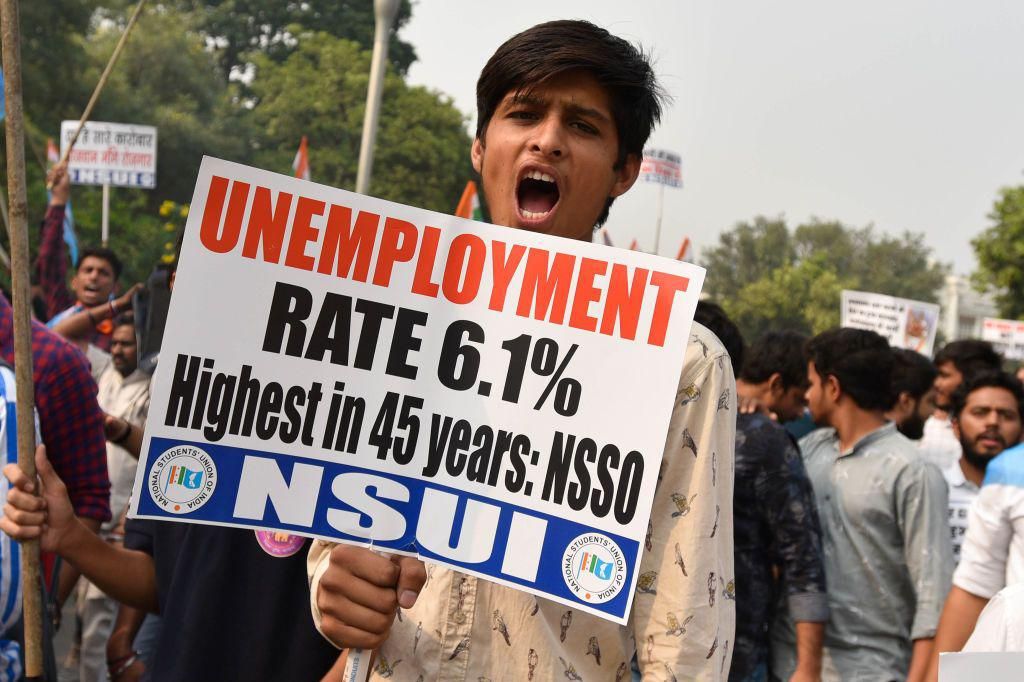
    India stands at a critical demographic crossroads, boasting the world’s largest youth population of 367 million individuals aged 15-29, yet facing a severe crisis of job availability that threatens to undermine its economic potential. According to the latest State of Working India report from Azim Premji University, this demographic advantage—similar to those that powered East Asia’s economic miracles—masks a troubling reality of widespread unemployment and underemployment among educated youth.

    While India has made remarkable educational progress over four decades, with soaring enrollment rates in high schools and colleges and significantly narrowed gender and caste gaps, the transition from education to employment remains fundamentally broken. The report reveals that approximately 40% of graduates aged 15-25 and 20% of those aged 25-29 remain unemployed—figures far higher than among less educated populations. Only a small fraction secure stable, salaried positions within a year of completing their education.

    The scale of the problem has expanded dramatically. India now produces approximately five million graduates annually, but since 2004-05, barely 2.8 million have found jobs each year, with even fewer obtaining salaried work. This represents a continuation of a decades-long trend documented as early as 1969 by British economist Mark Blaug, though the current situation involves vastly larger numbers.

    Post-pandemic employment data reveals mixed outcomes. While India added 83 million jobs in the two years following the pandemic, lifting total employment from 490 million to 572 million, nearly half were in low-productivity agricultural sectors dominated by women, indicating disguised unemployment rather than meaningful economic advancement.

    Women’s employment presents a particularly complex picture. A small but growing cohort of educated women are entering salaried roles in IT, automobile manufacturing, and business services, particularly in states like Tamil Nadu and Gujarat. However, the majority of increased female participation occurs in self-employment and unpaid or home-based work within family enterprises, signaling economic necessity rather than genuine opportunity.

    India’s educational expansion has come with significant trade-offs. The number of colleges and universities has skyrocketed from 1,600 in 1991 to nearly 70,000 today, with approximately 80% now privately operated—a dramatic shift from the evenly split public-private landscape of previous decades. While access has widened, quality remains uneven with faculty shortages and stark regional disparities. Vocational training has expanded primarily through private institutes but maintains weak connections to actual employment opportunities.

    Concerning trends are emerging beneath the surface. Since 2017, the proportion of young men pursuing higher education has declined from 38% to 34%, with more citing the need to support household incomes. Many graduates are increasingly working on family farms or businesses—work traditionally performed by women—representing a worrying regression in labor patterns.

    Migration has become a crucial coping mechanism, with young workers moving from poorer states like Bihar and Uttar Pradesh to more prosperous but aging regions such as Tamil Nadu and Karnataka. While this internal churn helps balance regional disparities, it also underscores the patchwork nature of India’s uneven opportunity landscape.

    Economists attribute these challenges to India’s growth model, which has prioritized skill-intensive services like IT and communications rather than following the export-led manufacturing approach that successfully absorbed low-skilled workers in East and Southeast Asia. This has created a lopsided labor market with opportunities for the educated elite but insufficient pathways for the broader population.

    The urgency of addressing these issues is heightened by India’s demographic timeline. With a median age of 28 and nearly 70% of the population in the working age group, the country remains one of the world’s youngest. However, this advantage is peaking and will begin declining around 2030 as the population ages, closing the window for capturing the much-anticipated demographic dividend.

    Adding to the challenge, artificial intelligence threatens to reshape entry-level white-collar work, creating additional uncertainty in India’s already fragile school-to-jobs pipeline. The report emphasizes that productive absorption of this increasingly educated and aspirational cohort into the labor market will determine whether India’s demographic advantage translates into tangible economic benefits.

    Policy prescriptions include creating more salaried jobs, better alignment between education and industry needs, smoother school-to-work transitions, and stronger social protections for informal and migrant workers. However, the fundamental question remains: what kind of economy is India building—one that matches rising aspirations with real opportunity, or one that leaves millions navigating underemployment and economic drift?

  • Labubu movie in the works as viral toys attempt film crossover

    Labubu movie in the works as viral toys attempt film crossover

    Chinese toy giant Pop Mart International Group Ltd. has partnered with Sony Pictures Entertainment to develop a feature film centered on Labubu, the immensely popular collectible doll phenomenon. The announcement was made during Labubu’s 10th anniversary global exhibition tour in Paris, signaling a major expansion of the brand into cinematic entertainment.

    The forthcoming film will blend live-action with computer-generated animation under the direction of acclaimed filmmaker Paul King, known for his work on ‘Wonka’ and the ‘Paddington’ films. Hong Kong artist Kasing Lung, who created Labubu over a decade ago as a forest elf inspired by Nordic mythology, will serve as executive producer. King will collaborate with Steven Levenson, the Tony Award-winning writer of ‘Dear Evan Hansen,’ to co-produce and develop the screenplay.

    Labubu’s remarkable commercial success has transformed Pop Mart into a $40 billion toy industry behemoth, surpassing established rivals like Mattel. The brand’s appeal stems from its blind box sales strategy and celebrity endorsements from figures like Rihanna and BLACKPINK’s Lisa, who have been photographed incorporating Labubu charms into their fashion accessories.

    Industry experts view this cinematic venture as a strategic move to capitalize on Labubu’s dedicated fanbase and the growing momentum of Chinese animation. Marketing professor Kim Dayoung from the National University of Singapore notes that for Gen Z and Millennial consumers, ‘content and commerce are closely intertwined—watching a story, connecting with a character, and then buying into that world is a seamless journey.’

    The film represents Pop Mart’s evolution from toy retailer to comprehensive entertainment brand, potentially following the success of recent Chinese animated blockbusters like ‘Ne Zha 2’ and the anticipated video game ‘Black Myth: Wukong.’ While no release date has been announced, the project marks a significant milestone in the convergence of toy manufacturing, entertainment, and global pop culture.

  • The Iran war is causing oil prices to soar – can China withstand it?

    The Iran war is causing oil prices to soar – can China withstand it?

    The escalating conflict in Iran has triggered a severe disruption in global oil supplies, placing China’s carefully constructed energy security framework under unprecedented pressure. Following Iran’s threats against vessels traversing critical trade waterways in retaliation for US-Israeli strikes, Middle Eastern energy shipments have ground to a virtual standstill.

    This blockade has created a worldwide oil shortage that has particularly impacted Gulf-reliant Asian economies. The Philippines has implemented mandatory four-day work weeks to conserve fuel, while Indonesia faces dwindling reserves that may last merely weeks. China, as the planet’s largest oil purchaser, is experiencing similar strains but enters this crisis from a position of relative strength due to years of strategic preparation.

    The global economic landscape has been destabilized since late February when US and Israeli strikes targeted Iranian assets. Subsequent attacks on shipping infrastructure and the effective closure of the Strait of Hormuz—the world’s busiest oil transit channel—have driven prices toward $120 per barrel. Approximately 20 million barrels daily, representing one-fifth of global oil production, normally flow through this critical waterway according to U.S. Energy Information Administration estimates.

    China’s energy consumption patterns reveal a complex defensive structure. The nation consumes an estimated 15-16 million barrels daily, primarily supporting its massive transportation networks. While Gulf nations historically supplied significant portions—with Saudi Arabia and Iran each contributing over 10% of imports—China has diversified its sources strategically.

    Northern regions rely predominantly on domestic production and Russian pipeline imports, which remain unaffected by Middle Eastern conflicts. Russian oil now constitutes nearly one-fifth of China’s energy imports, making Moscow Beijing’s largest supplier despite Western sanctions. Furthermore, coal—abundantly available domestically—generates most of China’s electricity, with oil and gas comprising just over a quarter of the total energy mix.

    Ole Hansen, Saxo Bank’s head of commodity strategy, notes that Beijing has capitalized on favorable crude prices and Gulf abundance to build one of the world’s largest oil reserves. Customs data shows a 16% year-over-year increase in crude purchases during January-February alone. Iran, despite U.S. sanctions, has been a key supplier of discounted crude, with reports indicating China purchases over 80% of Tehran’s oil exports.

    Analysts estimate China maintains reserves of 900 million to 1.4 billion barrels—approximately three months’ worth of imports. Current vessel-tracking data reveals over 46 million barrels of Iranian crude sitting in South China Sea tankers, providing a substantial buffer against supply disruptions.

    Nevertheless, Beijing exhibits cautionary measures, reportedly ordering refineries to halt fuel exports to stabilize domestic prices. Simultaneously, China’s aggressive renewable energy expansion has created additional insulation. Wind, solar and hydropower generated over one-third of China’s electricity in 2024, with clean sources now constituting more than half of installed capacity.

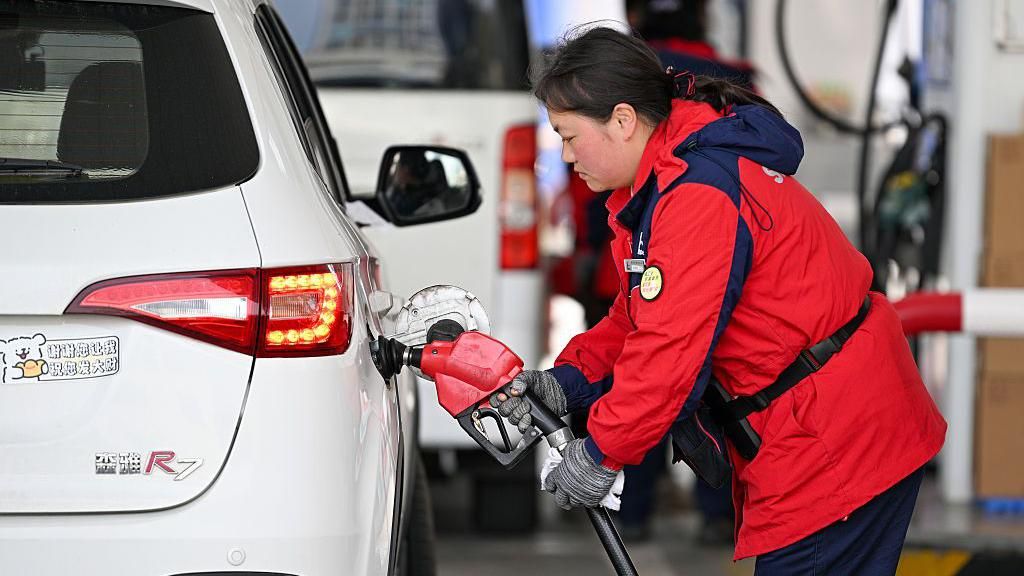
    Roger Fouquet, an energy economics researcher, characterizes China’s renewable transition as both environmentally motivated and strategically economic. The proliferation of electric vehicles—comprising at least one-third of new car sales—further decouples mobility costs from oil market volatility. As Roc Shi from the University of Technology Sydney observes, ‘An EV owner in Beijing simply doesn’t feel the pain at the pump when the Middle East flares up.’

    Despite these advantages, China remains vulnerable to broader economic impacts. Rising oil prices increase costs for petrochemical industries producing plastics and fertilizers, while electricity rates may climb during energy crises. As the world’s largest energy importer, China must accept higher-priced barrels—but does so from a position of prepared resilience rather than desperation.

  • US-Israeli war on Iran ‘unjustified and unlawful’, French ambassador tells MEE

    US-Israeli war on Iran ‘unjustified and unlawful’, French ambassador tells MEE

    In an exclusive interview with Middle East Eye, France’s ambassador to Oman Nabil Hajlaoui has delivered a sharp diplomatic rebuke of the US-Israeli military campaign against Iran, characterizing the operation as both unjustified and outside international legal frameworks. The ambassador’s remarks, recorded for The David Hearst Podcast, represent a significant public divergence between Western allies regarding Middle East military strategy.

    Hajlaoui articulated France’s position with notable clarity: ‘This military operation exists outside of international law and we cannot endorse it in any way. We see no justification, no supporting Security Council resolution, nor any situation requiring such rapid escalation to military action.’

    The timing of the offensive, launched on February 28th, proved particularly troubling according to the French diplomat. The attacks coincided with a critical juncture in Oman-mediated negotiations between Washington and Tehran that had shown promising developments. Ambassador Hajlaoui revealed that French officials had received briefings indicating substantive progress in these talks, with several elements ‘moving in the right direction.’

    This assessment aligns with recent statements from Omani Foreign Minister Badr bin Hamad Al Busaidi, who three weeks prior had announced Iran’s agreement to never stockpile enriched uranium and to degrade existing nuclear material to ‘the lowest level possible’ through an irreversible conversion process into fuel. The US-Israeli military operation commenced merely one day after these diplomatic breakthroughs.

    Hajlaoui expressed understanding regarding Iran’s anger following the attacks, noting the natural frustration when ‘you discuss and then you are attacked.’ While acknowledging that Tehran’s concessions remained ‘very far from American expectations,’ the ambassador identified broader sticking points including Iran’s ballistic missile program and regional activities that Western powers view as destabilizing.

    The French diplomat suggested Israel likely drove the momentum toward military confrontation rather than prolonged negotiations, stating: ‘I’m really not informed of the way the Israelis and Americans discussed this preparation, but we can just see that the momentum was pushed by the Israelis.’

    This military escalation has generated profound disappointment in Muscat according to Hajlaoui, who described the mood as one of ‘clear dismay’ at what he termed a ‘collective failure to prevent war.’ The ambassador warned that Gulf states are being unwillingly drawn into a conflict they did not seek, despite their recent efforts to rebuild relations with Tehran.

    Hajlaoui issued sobering warnings about the conflict’s potential expansion, noting the absence of clear limits to escalation. He highlighted the particularly grave economic implications should Iran close the Strait of Hormuz—the world’s most critical oil chokepoint through which approximately 20% of global oil output and one-third of liquefied natural gas transit.

    While France has deployed an aircraft carrier to the region as reassurance to partners, Hajlaoui emphasized that France has no intention of involvement ‘in any way in this war.’ The nation is collaborating with allies to monitor the strategic strait but will refrain from active intervention during ongoing military operations.

    The ambassador characterized potential US troop deployment as ‘a very big game changer’ that would contradict the administration’s stated policy of avoiding ‘endless wars.’ Such escalation would represent ‘an incredible political risk’ and a total policy shift according to Hajlaoui.

    Finally, the diplomat expressed concern about the undermining of multilateralism internationally, citing reduced US contributions to UN agencies and the creation of alternative forums competing with established international institutions.

  • Rebuilding Syria’s northeast: Damascus’ toughest test yet

    Rebuilding Syria’s northeast: Damascus’ toughest test yet

    In Syria’s volatile northeast, a dramatic geopolitical transformation has unfolded with unprecedented speed, marking a pivotal shift in the country’s post-Assad landscape. The region has witnessed the astonishingly rapid collapse of Kurdish-led autonomous rule, replaced by a fragile reintegration process under Damascus’ authority that now faces its most critical examination.

    The Syrian government achieved a remarkably swift reassertion of control across territories previously held by the Syrian Democratic Forces (SDF), following a comprehensive military campaign supported by tribal fighters that triggered a widespread retreat. This development culminated in a January 30 agreement establishing a permanent ceasefire and a phased roadmap for incorporating the northeast’s military and civilian institutions back into state control.

    Senior security official Abu Qasem characterized the stunning reversal, noting that “fifteen years of self-rule ended in a fortnight.” He attributed the rapid collapse to sustained coordination between Damascus and tribal elements, combined with diminished U.S. support for the SDF that quickly eroded their operational viability.

    The government of Ahmed al-Sharaa has initiated confidence-building measures, including a landmark decree recognizing Kurdish identity and language rights, restoring citizenship to previously disenfranchised Kurds, and declaring Nowruz a national holiday—Syria’s first formal acknowledgment of Kurdish national rights since independence in 1946.

    Practical reintegration steps have followed, with Hasakah governor Nour al-Din Ahmad announcing the reopening of provincial roads, reactivation of Qamishli airport, reinstatement of dismissed employees, resumption of transport links with the capital, and prisoner releases. The government simultaneously expanded governors’ administrative and spending powers, implementing a decentralized local administration model negotiated with the SDF.

    Despite these developments, Middle East Forum analyst Aymenn Tamimi believes the fundamental power dynamics favor Damascus: “The objective is clear: to build a centralized state that does not tolerate autonomous or rival political projects.”

    Significant security challenges have emerged during the transition, particularly regarding detention facilities. The chaotic transfer of al-Aqtan prison in Raqqa province—where 126 minors were reportedly abused in SDF custody—and the disorderly withdrawal from al-Hol camp, which housed thousands of Islamic State-linked families, have raised concerns about escaped detainees and security vacuums.

    The Islamic State has sought to exploit this instability, declaring a “new phase” of operations against Syrian authorities whom they’ve branded apostates. Meanwhile, the U.S. completed transferring over 5,700 adult male IS detainees from Syria to Iraq during the transition period.

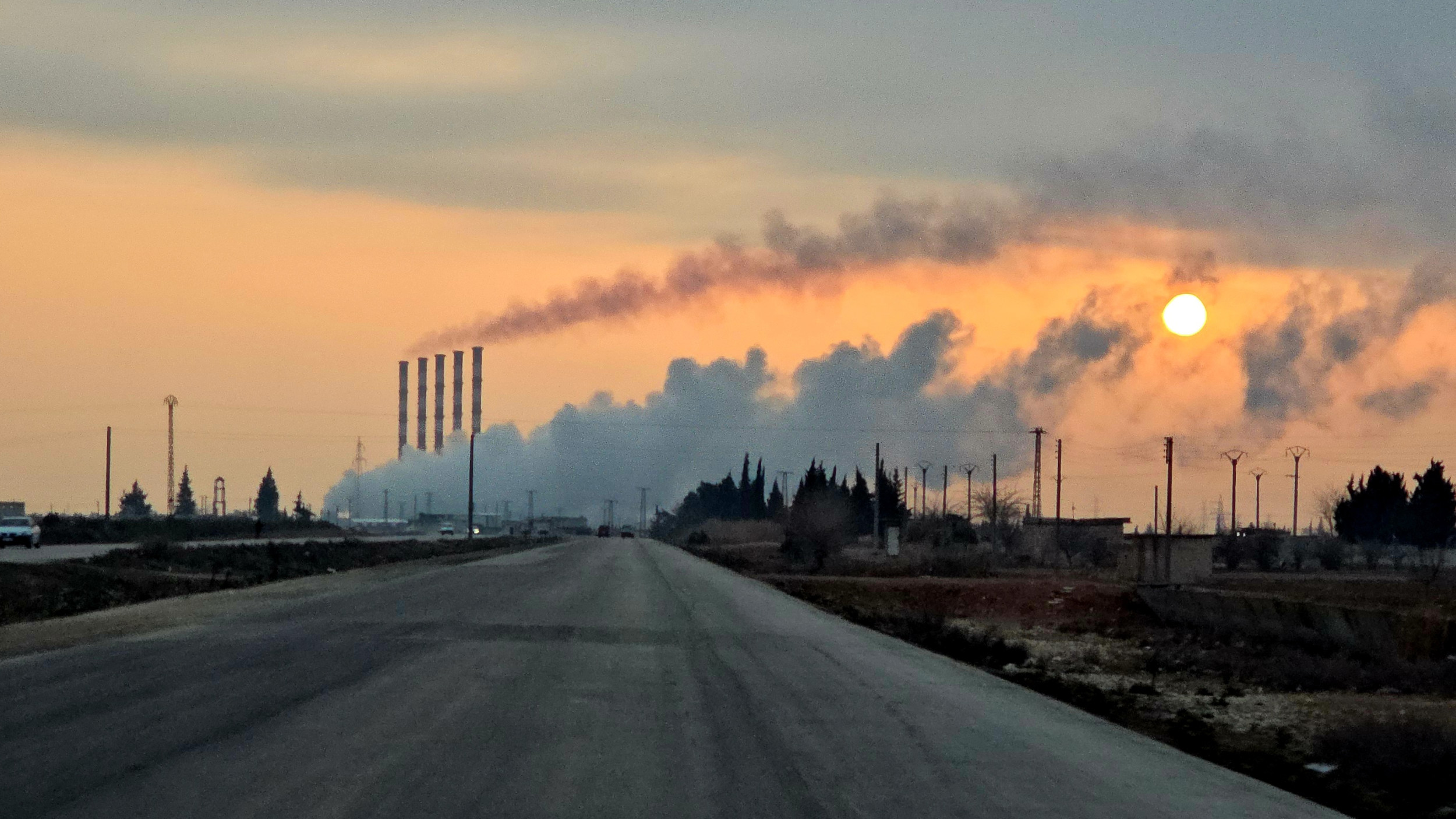
    Economically, the northeast represents both tremendous opportunity and challenge for Damascus. The region contains Syria’s most significant oil and gas resources, grain-producing land, and key cross-border routes. Syrian economist Yazan Enayeh notes that “Syria’s reassertion of control over northeast oil and gas fields is a game changer,” potentially generating substantial fiscal revenues and energy self-sufficiency.

    However, Abu Qasem observed striking underdevelopment in former SDF-controlled areas, raising questions about resource allocation. The ultimate test for Damascus will be whether reclaimed control can translate into tangible benefits for the war-weary region through security, essential services, job creation, and inclusive governance that accommodates one of Syria’s most diverse and unpredictable regions.