标签: Asia

亚洲

  • Trump announces India-US trade deal ‘effective immediately’ with reduced tariff plans

    Trump announces India-US trade deal ‘effective immediately’ with reduced tariff plans

    In a landmark diplomatic development, President Donald Trump has declared the immediate implementation of a comprehensive trade agreement between the United States and India. The announcement came following a substantive phone discussion with Indian Prime Minister Narendra Modi on February 2, 2026.

    The breakthrough agreement establishes reciprocal tariff reductions, with the United States committing to lower its tariffs on Indian goods from 25% to 18%. In a corresponding move, India has pledged to eliminate both tariff and non-tariff barriers against American imports, effectively reducing them to zero. This bilateral arrangement represents a significant departure from previous trade tensions between the two nations.

    Beyond commercial considerations, the dialogue addressed critical geopolitical matters. Prime Minister Modi committed to substantial energy purchases from the United States, totaling over $500 billion across multiple sectors including technology, coal, and energy resources. In a strategic shift with global implications, India agreed to cease purchasing Russian oil and instead source petroleum products from the United States and potentially Venezuela.

    President Trump characterized these energy agreements as instrumental to conflict resolution, stating that this collective approach ‘will help end the war in Ukraine, which is taking place right now, with thousands of people dying each and every week.’ Prime Minister Modi expressed gratitude on behalf of India’s 1.4 billion citizens, emphasizing the mutual benefits of strengthened Indo-American relations.

    This agreement marks a significant realignment in global trade dynamics and energy markets, potentially altering existing geopolitical alliances and economic partnerships across multiple continents.

  • Australian charity funnelling millions in donations directly to Israeli soldiers: Report

    Australian charity funnelling millions in donations directly to Israeli soldiers: Report

    An Australian charitable organization, United Israel Appeal (UIA) Australia, has transferred nearly $300 million in tax-exempt donations to Keren Hayesod, Israel’s official fundraising entity, since 2013 according to financial disclosures. The most recent data shows $29 million was directed in 2024 alone, despite ongoing military operations in Gaza that have resulted in significant civilian casualties.

    Keren Hayesod, established in 1920 following the World Zionist Congress, describes itself as one of four “pillar national institutions” of Israel with special protected legal status. The organization operates fundraising arms across 45 countries, with UIA Australia serving as its primary channel for Australian donations.

    The charity’s stated mission involves both short-term humanitarian relief and long-term integration support for Jewish immigrants. However, financial records indicate substantial funding supports the “Wings Lone Soldier” program, which provides assistance to diaspora Jews who voluntarily enlist in the Israeli military. According to Keren Hayesod’s 2024 impact report, the program supported 2,200 soldiers last year, with 65% choosing to remain in Israel after service.

    Controversy surrounds these transfers as they occurred during intense military conflict. Independent outlet Michael West Media first reported the figures, noting that The Jerusalem Post documented $645 million in global donations to Keren Hayesod from 2023-2025 specifically supporting Israel during the Gaza operations.

    UIA Australia’s upcoming 2026 gala will feature Ron Dermer, former Israeli ambassador to the US and top advisor to the Israeli prime minister, as headline speaker. The organization maintains offices in multiple countries, with varying beneficiary structures—UIA USA raises funds for The Jewish Agency for Israel while the Canadian branch supports Keren Hayesod directly.

    Middle East Eye attempted to contact UIA Australia for comment but received no response prior to publication.

  • Envoy calls on US to encourage more youth exchanges

    Envoy calls on US to encourage more youth exchanges

    WASHINGTON – China’s ambassador to the United States has issued a compelling appeal for strengthened educational and cultural bridges between the two nations, emphasizing youth exchanges as fundamental to stabilizing the world’s most crucial bilateral relationship. Ambassador Xie Feng delivered his remarks during the 2026 China-US Youth Spring Festival Gala at the Chinese embassy, where he highlighted the transformative impact of intercultural engagement.

  • The yachting industry searches for alternatives to teak

    The yachting industry searches for alternatives to teak

    The global luxury yacht industry is undergoing a significant transformation as it confronts the ethical and legal implications of using Myanmar teak, a prized tropical hardwood now largely prohibited in Western markets. This shift follows high-profile cases involving superyachts belonging to tech billionaires, including Jeff Bezos’s $500 million vessel Koru, built by Netherlands-based Oceanco. Both Oceanco and UK-based Sunseeker faced substantial fines in late 2024 for using this sanctioned timber, which they described as unintentional breaches of due diligence.

    Myanmar teak, renowned for its rot resistance, density, and aesthetic appeal, has long been the standard for high-end yacht decking and interiors. However, its harvest from old-growth forests is controlled by the country’s military-linked sector, leading to international trade sanctions following the 2021 coup. These sanctions, building on existing restrictions, have made imports into the UK, EU, and US illegal.

    The exhaustion of pre-sanction stockpiles and increasing regulatory scrutiny are now accelerating the adoption of alternatives. The industry is exploring a range of innovative materials, including thermally-modified woods, fully synthetic composites, and engineered teak laminates. Major players like Sunreef Yachts, based in Poland and Dubai, have announced a complete transition away from teak. The company now utilizes thermally-modified woods that not only mimic teak’s appearance but offer superior thermal performance, keeping decks cooler and reducing cabin air conditioning needs.

    New products like Tesumo, developed through a collaboration between the University of Göttingen and German shipyard Lürssen, are gaining traction. This material uses a fast-growing African hardwood that undergoes heat treatment and resin impregnation. It has already been installed on high-profile superyachts, including one linked to Google co-founder Sergey Brin.

    Despite these advances, challenges remain. Plantation-grown teak is often viewed as inferior due to shorter, narrower boards and inconsistent quality. While some smaller builders, like the UK’s Jeremy Rogers, continue to source from certified sustainable plantations in Java, the industry consensus is shifting. The driving force is a combination of regulatory pressure, supply chain sustainability concerns, and a growing recognition that modern alternatives can meet the exacting standards of the world’s most discerning yacht owners.

  • Fire breaks out in Karachi building near site of recent blaze

    Fire breaks out in Karachi building near site of recent blaze

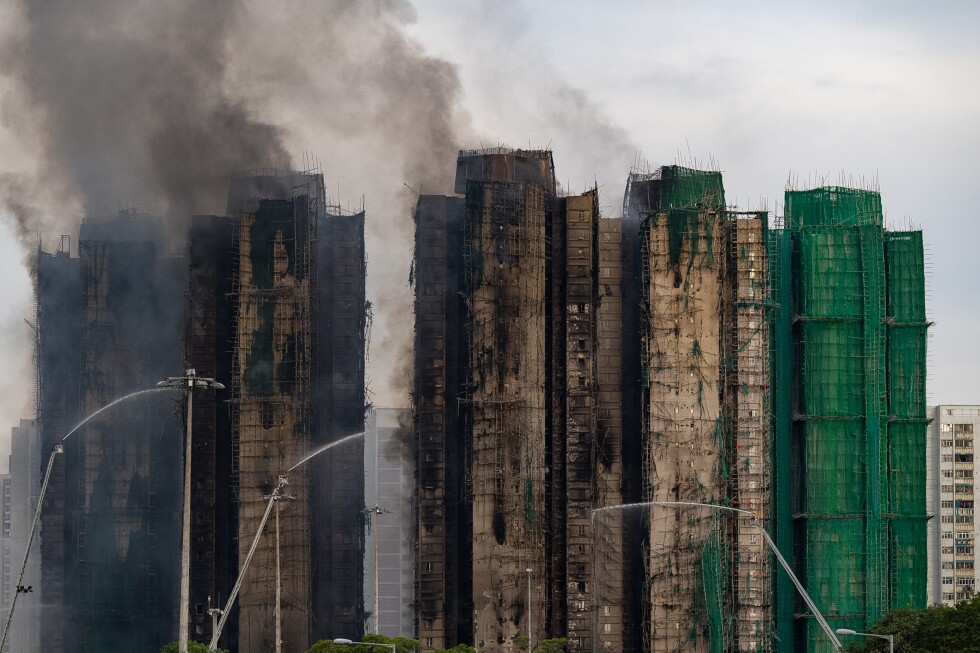
    Karachi, Pakistan – A significant fire erupted in a commercial structure within Pakistan’s largest metropolis on Monday, reigniting safety concerns as it occurred in proximity to the location of last month’s catastrophic blaze that claimed numerous lives. Provincial authorities confirmed emergency response teams were actively engaged in containment operations.

    Sukhdev Assardas Hemnani, the official spokesperson for the provincial government, communicated via text message that firefighting units were deployed to manage the rapidly spreading flames. The incident has triggered alarm among citizens and officials alike, given its unsettling geographical and temporal proximity to the Gul Plaza inferno that resulted in substantial casualties just weeks earlier.

    The latest fire emergency underscores persistent questions regarding fire safety protocols, building code enforcement, and emergency response capabilities in Pakistan’s densely populated urban centers. This developing situation occurs against the backdrop of ongoing recovery operations from the previous tragedy, where rescue workers continue to search for dozens still missing and feared deceased.

    While specific details regarding potential casualties or structural damage remain unconfirmed at this early stage, the incident has already prompted renewed calls for comprehensive reviews of commercial building safety standards throughout the city. Local authorities have yet to release official statements regarding the fire’s origin or the scale of destruction involved.

  • Egypt carrying out air strikes on RSF in Sudan from secret base

    Egypt carrying out air strikes on RSF in Sudan from secret base

    Satellite imagery, aviation data, and intelligence sources have uncovered Egypt’s clandestine military involvement in Sudan’s civil conflict. A comprehensive investigation reveals that Cairo has been conducting sustained drone operations from a concealed desert airbase against the Rapid Support Forces (RSF) paramilitary group for at least six months.

    The secret facility, camouflaged within the expansive East Oweinat agricultural development project near the Sudanese border, represents a significant escalation in Egypt’s direct military engagement. This covert campaign marks a strategic shift from Cairo’s previously diplomatic approach to the Sudanese conflict, where it has consistently supported the official Sudanese Armed Forces (SAF).

    This military escalation follows the RSF’s capture of el-Fasher in North Darfur, where paramilitary forces have been accused of perpetrating mass atrocities against civilians. Egyptian President Abdel Fattah el-Sisi subsequently declared the situation in el-Fasher a “red line,” prompting intensified operations.

    The conflict has drawn in multiple regional powers, creating a complex geopolitical landscape. The United Arab Emirates stands accused of facilitating RSF operations, despite official denials, while Turkey, Qatar, and Saudi Arabia have increased support for the Sudanese military. Recent tensions between Saudi Arabia and the UAE have further complicated the situation, with Riyadh taking an increasingly assertive stance against Emirati regional policies.

    Ironically, the very agricultural project housing Egypt’s covert drone base has received substantial investment from Emirati companies, highlighting the intricate economic and military relationships characterizing the conflict.

    The RSF has acknowledged foreign drone attacks on its positions, vowing retaliation “at the appropriate time and place.” Meanwhile, humanitarian organization Doctors Without Borders recently described el-Fasher as “largely destroyed” and resembling a “ghost town” after months of intense fighting that has decimated the civilian population.

  • Egypt carrying out drone strikes on RSF in Sudan from secret base

    Egypt carrying out drone strikes on RSF in Sudan from secret base

    A comprehensive investigation utilizing satellite imagery, flight records, and intelligence sources has revealed Egypt’s covert military involvement in Sudan’s civil conflict. According to evidence compiled by The New York Times and Middle East Eye, Egypt has been conducting sustained drone operations from a clandestine airbase concealed within the vast East Oweinat agricultural reclamation project in Egypt’s western desert, approximately 65 kilometers from the Sudanese border.

    The operations, ongoing for at least six months, represent a significant escalation in Egypt’s engagement, transitioning from diplomatic efforts to direct military action against the Rapid Support Forces (RSF). This paramilitary group, accused of perpetrating genocide and massacring thousands of civilians in North Darfur’s el-Fasher, has gained substantial territory against the Sudanese Armed Forces (SAF), which Cairo officially supports.

    The conflict has evolved into a regional proxy war with complex international dimensions. The United Arab Emirates stands accused of facilitating support for the RSF, partially through Libyan eastern military commander Khalifa Haftar, who controls the strategic al-Kufra airbase. Conversely, Egypt has aligned with Saudi Arabia, Turkey, and Qatar in backing the Sudanese government forces.

    Recent weeks have witnessed unprecedented public tensions between traditional Gulf allies Saudi Arabia and the UAE, with Riyadh adopting an assertive stance against Emirati regional policies. Cairo has reportedly shared intelligence with Saudi Arabia regarding UAE activities in Yemen, where similar proxy dynamics have unfolded.

    Ironically, the very base from which Egyptian drones target RSF positions has received foreign investment from major Emirati agricultural companies, highlighting the complex economic and geopolitical interconnections.

    The RSF acknowledged in November that foreign-based drones were striking their forces and issued warnings of retaliation at “the appropriate time and place.” Meanwhile, humanitarian organization Doctors Without Borders (MSF) described el-Fasher as “largely destroyed” and “empty” following a January assessment, revealing the catastrophic human toll of the conflict.

  • Wallabies to open the 2027 Rugby World Cup against Hong Kong in Perth

    Wallabies to open the 2027 Rugby World Cup against Hong Kong in Perth

    SYDNEY (AP) — Rugby World Cup 2027 organizers have unveiled the complete tournament schedule, confirming Australia will commence their campaign against debutants Hong Kong in Perth on October 1. The championship final is scheduled for November 13 at Sydney’s Stadium Australia.

    The comprehensive schedule released Tuesday outlines 52 matches across 19 match days, utilizing eight venues throughout seven Australian cities. The tournament structure, determined during December’s draw ceremony in Sydney, features defending two-time champion South Africa opening against Italy on October 3 in Adelaide.

    A highlight of the pool stage will be ‘Super Sunday’ on October 17, 2027, featuring five simultaneous matches concluding group play: Italy versus Georgia, Ireland against Uruguay, Scotland facing Portugal, France taking on Samoa, and South Africa meeting Romania.

    The tournament will introduce a round of 16 knockout phase for the first time, hosted across Brisbane, Melbourne, Perth, and Sydney. Quarterfinals will follow in Brisbane and Sydney, with semifinals, bronze final, and championship final all concentrated in Sydney.

    Australia faces a formidable challenge in their second match, confronting rugby powerhouse New Zealand on October 9 in Sydney. This marks the first pool stage encounter between these trans-Tasman rivals in Rugby World Cup history.

    Wallabies captain Harry Wilson acknowledged the significance of both fixtures: ‘Initiating our campaign against Hong Kong will be particularly meaningful as they make their World Cup debut, and Perth has consistently provided tremendous support for our team. The subsequent match against New Zealand in Sydney will undoubtedly represent a monumental occasion in the tournament.’

  • Jordan says will not be ‘launching pad for any military action against Iran’

    Jordan says will not be ‘launching pad for any military action against Iran’

    Jordan has formally communicated to Iranian leadership that it will not permit its territory or airspace to be utilized for military operations against the Islamic Republic. The assurance came during a diplomatic phone conversation on Monday between Jordan’s Deputy Prime Minister Ayman Safadi and Iranian Foreign Minister Abbas Araghchi.

    Safadi, who concurrently serves as Minister of Foreign Affairs and Expatriates, explicitly stated that the Hashemite Kingdom would not function as ‘a battleground in any regional conflict or a launching pad for any military action against Iran.’ The declaration arrives amidst heightened regional tensions and reported U.S. threats of potential strikes against Iranian targets.

    The Jordanian diplomat further emphasized Amman’s commitment to national sovereignty, declaring that Jordan ‘will not permit any party to violate its airspace or threaten its security and the safety of its citizens.’ This position aligns with similar statements recently issued by other regional powers, including the United Arab Emirates and Saudi Arabia, who have likewise declared their unwillingness to facilitate military actions against Iran.

    The diplomatic exchange represents a significant development in Middle Eastern geopolitics, demonstrating Jordan’s cautious approach to navigating complex international relationships while maintaining its security interests. The kingdom’s stance reflects broader regional concerns about potential escalation and the destabilizing effects of military confrontation in the already volatile Middle East.

  • Iran weighs nuclear diplomacy with US to cool fears of war

    Iran weighs nuclear diplomacy with US to cool fears of war

    Diplomatic channels between the United States and Iran show signs of reactivation as both nations demonstrate willingness to resume negotiations concerning Tehran’s nuclear program. According to a foreign ministry official speaking on Monday, Iranian authorities are currently evaluating the conditions for reengaging in dialogue with American representatives. This development emerges against a backdrop of escalating regional tensions, amplified by a substantial US naval presence near Iranian territorial waters following last month’s violent suppression of anti-government protests—the most severe domestic unrest since Iran’s 1979 revolution.

    Multiple sources indicate that US Special Envoy Steve Witkoff and Iranian Foreign Minister Abbas Araghchi may convene in Turkey within coming days, with Turkish officials reportedly facilitating de-escalation efforts. The potential meeting represents a significant diplomatic opening amid heightened military posturing from both sides. President Donald Trump, who previously abstained from direct intervention during Iran’s domestic crackdown, has subsequently intensified pressure on Tehran through both military deployments and demands for nuclear concessions.

    The negotiation framework remains contentious, with Washington historically insisting on three primary conditions: complete cessation of uranium enrichment, limitations on ballistic missile development, and termination of support for regional proxy forces. Iranian officials have consistently rejected these demands as violations of national sovereignty, though sources suggest Tehran might demonstrate flexibility regarding enrichment activities. Specifically, Iranian officials indicate readiness to transfer 400 kilograms of highly enriched uranium abroad and potentially accept zero enrichment under a consortium arrangement, provided the United States removes preconditions and reduces military assets near Iran’s borders.

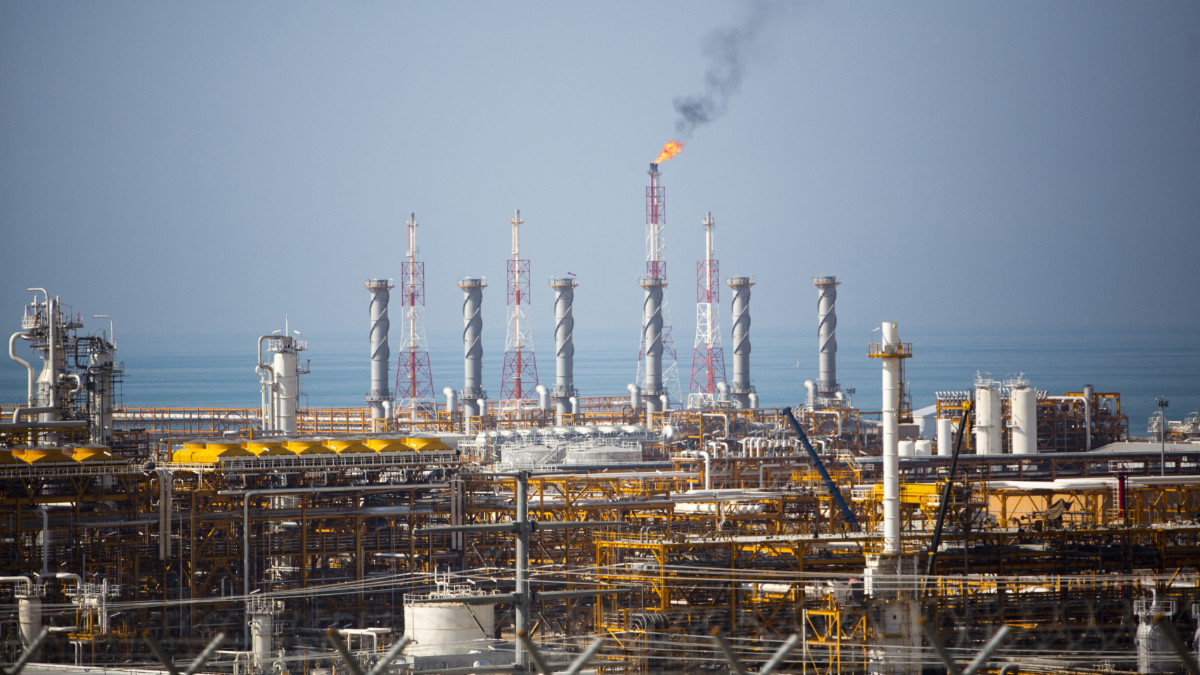
    Satellite imagery analysis reveals preliminary reconstruction efforts at nuclear facilities in Isfahan and Natanz previously damaged during joint US-Israeli airstrikes in June last year. While new roofing appears on two destroyed structures, no comprehensive rebuilding is evident. The International Atomic Energy Agency continues seeking clarification regarding Iran’s current highly enriched uranium stockpiles, with Western nations expressing concern about potential weapons development—a claim Tehran consistently denies, maintaining its nuclear program serves exclusively peaceful purposes.

    The diplomatic impasse, stalled since May 2023 after five inconclusive negotiation rounds, centers on Iran’s insistence on maintaining domestic enrichment capabilities and retaining existing uranium stockpiles. Iranian sources suggest a potential compromise involving uranium shipment abroad and temporary enrichment pause in exchange for sanctions relief, indicating that ballistic missile programs rather than nuclear activities presently constitute the more significant negotiation obstacle.