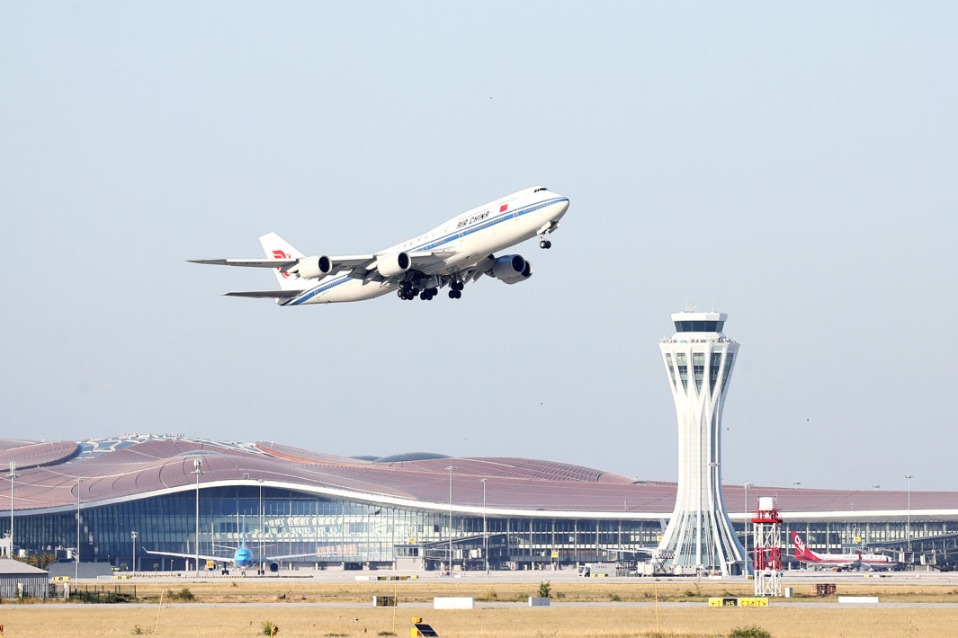
Major Chinese airlines have strongly opposed a recent US proposal to prohibit them from using Russian airspace for round-trip flights between China and the United States. The proposed ban, which could be enforced as early as November, has sparked significant backlash from the aviation industry and raised concerns about its broader implications. The US claims that Chinese carriers gain an unfair cost advantage over US airlines, which are barred from Russian airspace due to existing restrictions. In response, seven Chinese airlines, including Air China, China Eastern Airlines, and China Southern Airlines, have formally requested an extension of the comment period from two to seven business days to assess the impact and prepare a comprehensive response. Industry experts warn that the ban would disrupt travel for thousands of passengers, increase airfares, and force travelers to opt for longer connecting flights via hubs like Hong Kong, Japan, or South Korea. Qi Qi, a senior civil aviation analyst, criticized the US demand as unreasonable and unprofessional, emphasizing the need for rational and practical solutions. The proposal comes amid escalating tensions in US-China trade and economic relations. Chinese Foreign Ministry spokesman Lin Jian highlighted that the restrictions would harm people-to-people exchanges and ultimately damage US interests. As of September, Chinese airlines operated 50.73% of direct China-US flights, with US carriers accounting for the remaining 49.27%. Analysts argue that rerouting flights would increase travel time and costs, negatively impacting business and trade exchanges between the two nations. Lin Zhijie, an independent aviation analyst, suggested that Chinese airlines should be granted reciprocal rights to operate stopover routes via Tokyo, similar to US carriers.
标签: Asia
亚洲
-

Author of I Want To Die But I Want To Eat Tteokbokki dies at 35
Baek Se-hee, the acclaimed South Korean author of the groundbreaking memoir *I Want to Die but I Want to Eat Tteokbokki*, has passed away at the age of 35. Her 2018 book, which chronicled her candid conversations with her psychiatrist about her struggles with depression, became a global sensation, resonating deeply with readers worldwide. Originally written in Korean, the memoir gained international recognition following its English translation in 2022. While the circumstances of her death remain unclear, Baek’s legacy continues through her selfless act of organ donation, which saved five lives, according to the Korean Organ Donation Agency. Her sister shared that Baek’s life mission was to inspire hope and share her heart with others through her work. The memoir, which has sold over a million copies and been translated into 25 languages, was praised for its honest portrayal of mental health struggles and its ability to normalize conversations about inner turmoil. Baek’s work highlighted the duality of human emotions, as encapsulated in the book’s iconic line: ‘The human heart, even when it wants to die, quite often wants at the same time to eat some tteokbokki, too.’ Born in 1990, Baek studied creative writing and worked in publishing before dedicating herself to writing. Her decade-long battle with dysthymia, a chronic form of depression, formed the foundation of her bestselling memoir. A sequel, *I Want to Die but I Still Want to Eat Tteokbokki*, was published in Korean in 2019 and in English in 2024, further cementing her impact on mental health discourse.
-
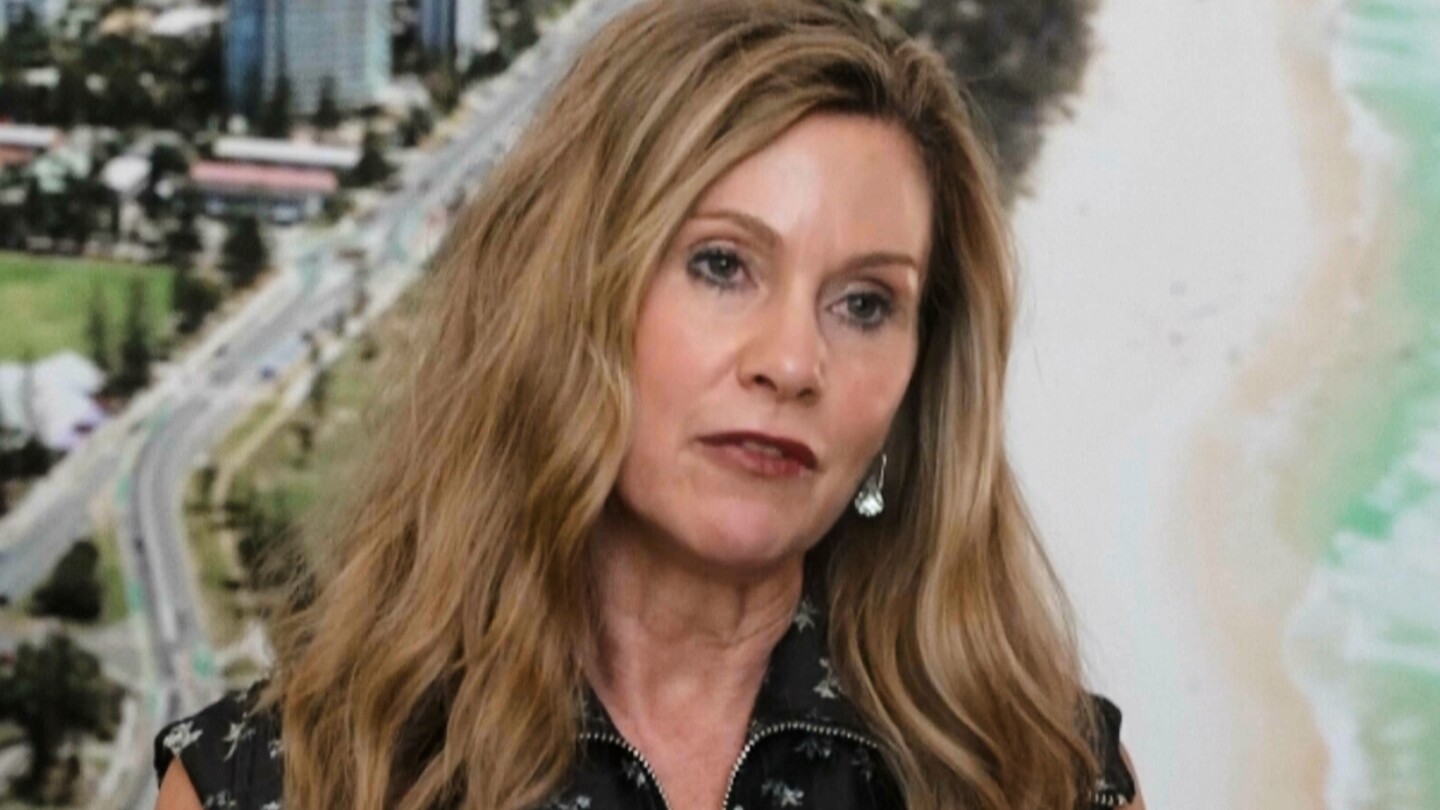
Australia sharing tips on curbing social media for children before age limit starts in December
The Australian government has initiated a comprehensive public education campaign to guide parents and children in transitioning away from social media ahead of the implementation of a groundbreaking national age restriction. Starting December 10, social media platforms such as Facebook, Instagram, Snapchat, TikTok, X, and YouTube will face fines of up to 50 million Australian dollars ($33 million) if they fail to enforce measures preventing users under 16 from creating accounts. The current de facto age limit, based on U.S. privacy laws, is 13. Australian eSafety Commissioner Julie Inman Grant emphasized the significance of this change, describing it as a “very monumental event for a lot of young people.” The campaign, which includes digital, television, radio, and billboard messages, aims to raise awareness and provide resources for families to navigate the new regulations. Communications Minister Anika Wells highlighted the goal of allowing children to experience childhood without the pressures of social media, while also giving young Australians more time to develop their identities. However, the policy has sparked debate, with over 140 academics opposing the age limit as overly simplistic. Despite these concerns, the law passed with strong support last year. Australia’s approach is being closely monitored by other nations, including Denmark, which is considering similar measures to protect children in the digital age.
-
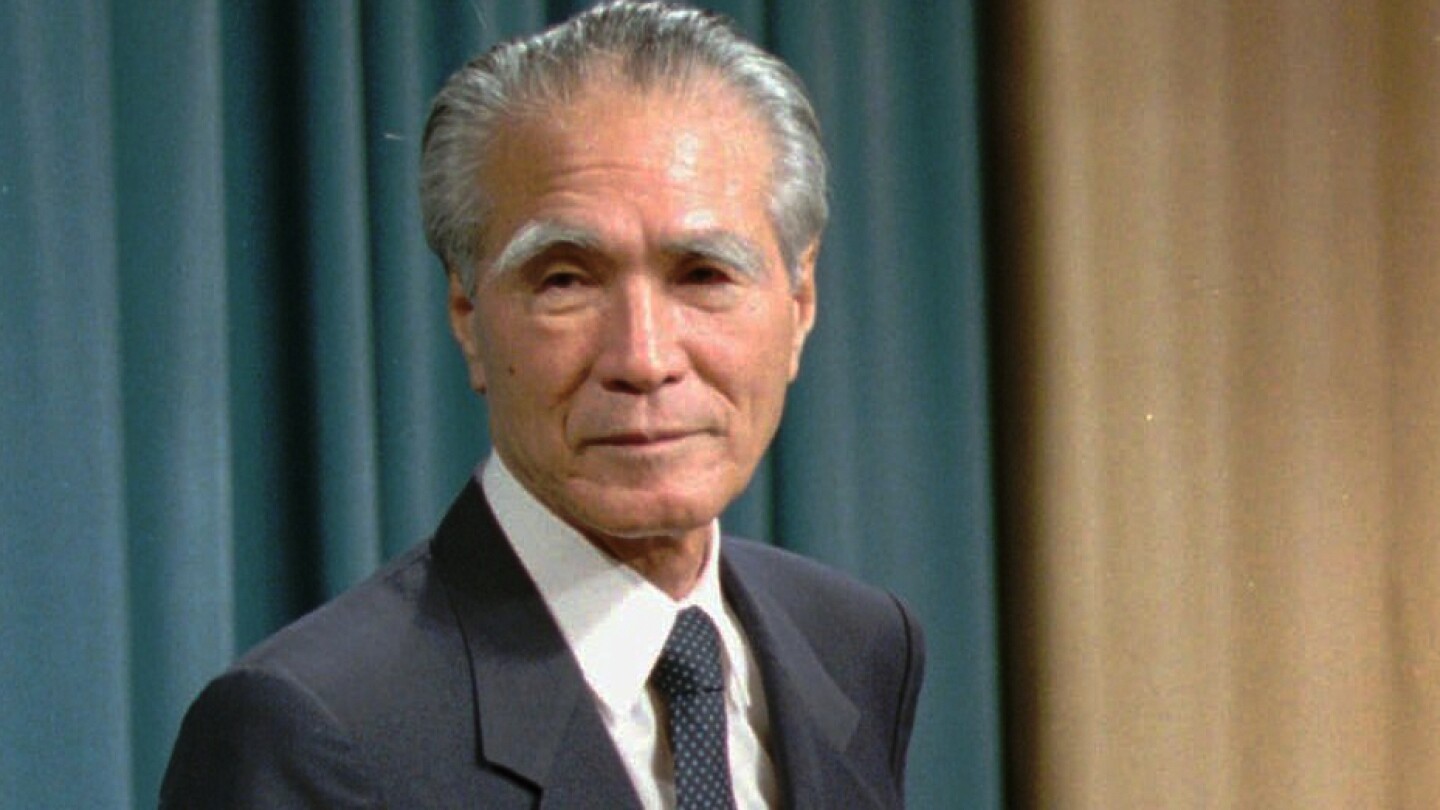
Former Japanese prime minister Murayama, known for apology over wartime aggression, dies at 101
TOKYO — Tomiichi Murayama, the former Prime Minister of Japan renowned for his distinctive bushy eyebrows and his landmark 1995 apology to Asian nations for Japan’s wartime aggression, passed away on Friday at the age of 101. Murayama succumbed to old age at a hospital in his hometown of Oita, located in southwestern Japan. The announcement of his death was made by Mizuho Fukushima, the leader of Japan’s Social Democratic Party. Murayama, who headed the Japan Socialist Party (now the Social Democratic Party), served as Prime Minister from June 1994 to January 1996, leading a coalition government during a transformative period in Japanese politics. His 1995 statement, often referred to as the ‘Murayama Statement,’ remains a cornerstone of Japan’s post-war reconciliation efforts, expressing deep remorse for the suffering caused by Japanese imperialism in Asia. Murayama’s legacy is marked by his commitment to peace and his efforts to mend historical wounds.
-
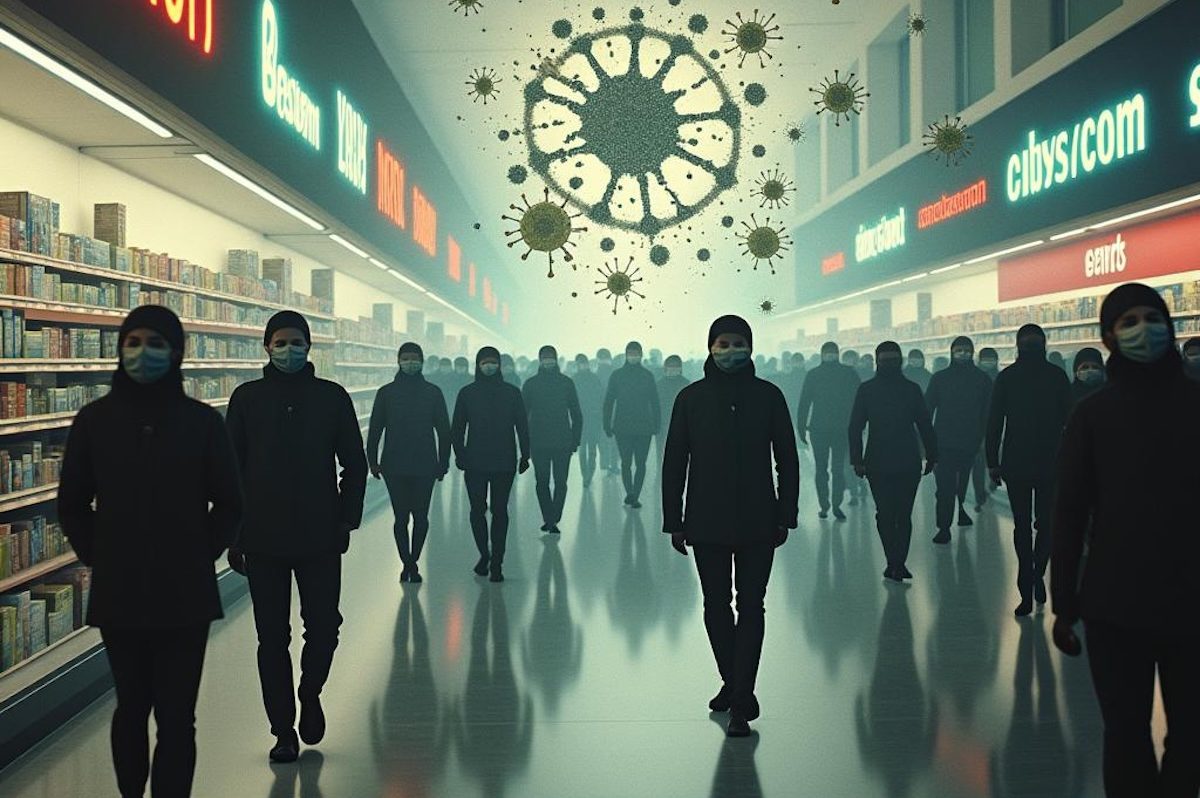
Trade, Covid, rare earths and a real danger of global recession
China has strategically positioned itself for a potential confrontation with the United States, a scenario that could precipitate a global financial collapse. Unlike China, the US appears unprepared, lacking a viable contingency plan beyond diplomatic talks. This imbalance stems from America’s recent upheaval in its alliance networks and growing distrust among its trading partners, a situation not witnessed in over three decades. Capitalizing on this perceived US vulnerability, China has initiated a preemptive counteroffensive, imposing sanctions on rare earth elements—a move that has effectively cornered the US. While the US possesses potential countermeasures, such as disrupting air traffic control services, these actions could escalate tensions to the brink of war. Conversely, other US responses, like restricting the supply of advanced chips, may prove ineffective as alternative, albeit less efficient, solutions exist. China’s rare earth sanctions, however, pose an immediate threat to global markets, potentially triggering a recession. This strategy pits global markets against US President Donald Trump, while Chinese President Xi Jinping maintains firm control over China’s largely detached markets. The COVID-19 pandemic served as a rehearsal for China, demonstrating its populace’s adaptability and trust in government directives during crises. This preparedness contrasts sharply with the US’s initial denial and subsequent struggle to manage the pandemic, which ultimately contributed to Trump’s electoral defeat. China’s strategic foresight, coupled with the US’s lack of readiness, suggests that Beijing holds the upper hand in this high-stakes geopolitical standoff. However, the situation remains fluid, with global developments, such as the Netherlands’ nationalization of a Chinese tech company, potentially complicating China’s position. As tensions escalate, the world watches closely, aware that the outcome of this confrontation could reshape the global order.
-
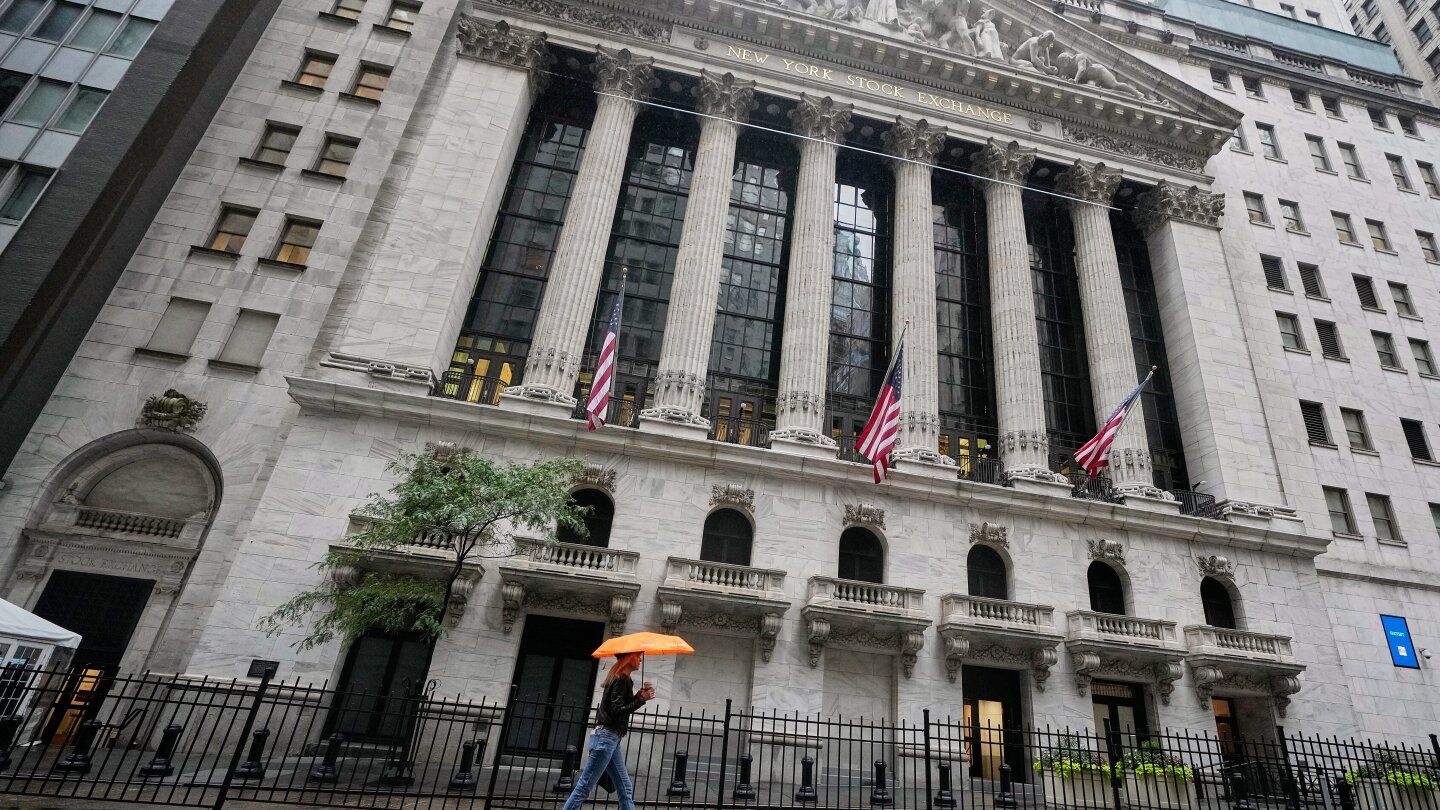
Wall Street steadies after its slide as banks recover some of their losses
The U.S. stock market showed signs of stabilization on Friday, with bank stocks recovering from significant losses earlier in the week. Despite this, Wall Street remains volatile, experiencing frequent fluctuations. The S&P 500 saw a slight decline of 0.1% in early trading, while the Dow Jones Industrial Average rose by 91 points (0.2%), and the Nasdaq composite dropped by 0.3%. Big Tech stocks, including Nvidia, faced downward pressure, dropping 0.6% amid concerns over inflated valuations driven by the artificial intelligence boom, despite strong profit growth. Meanwhile, bank stocks rebounded after several institutions, such as Fifth Third Bancorp, Huntington Bancshares, and Truist Financial, reported better-than-expected quarterly earnings. This recovery followed a sharp decline in the sector triggered by fears of bad loans affecting smaller and midsized banks. Zions Bancorp and Western Alliance Bancorp, both central to Thursday’s concerns, also saw gains, rising 3.4% and 2.9%, respectively. The market remains cautious as scrutiny intensifies over loan quality following the bankruptcy of First Brands Group, an auto parts supplier. Jefferies Financial Group, potentially impacted by the bankruptcy, rose 4.8% after a significant drop since mid-September. JPMorgan CEO Jamie Dimon warned of potential risks in the banking sector, likening them to ‘cockroaches,’ but analysts suggest the situation is not yet critical. Trading volatility persists amid geopolitical tensions, including President Trump’s tariff threats on China, though he later indicated a possible meeting with Chinese President Xi Jinping. Overseas, European and Asian markets saw declines, with Germany’s DAX dropping 1.8% and Hong Kong’s Hang Seng falling 2.5%. Treasury yields remained steady after Thursday’s sharp declines.
-
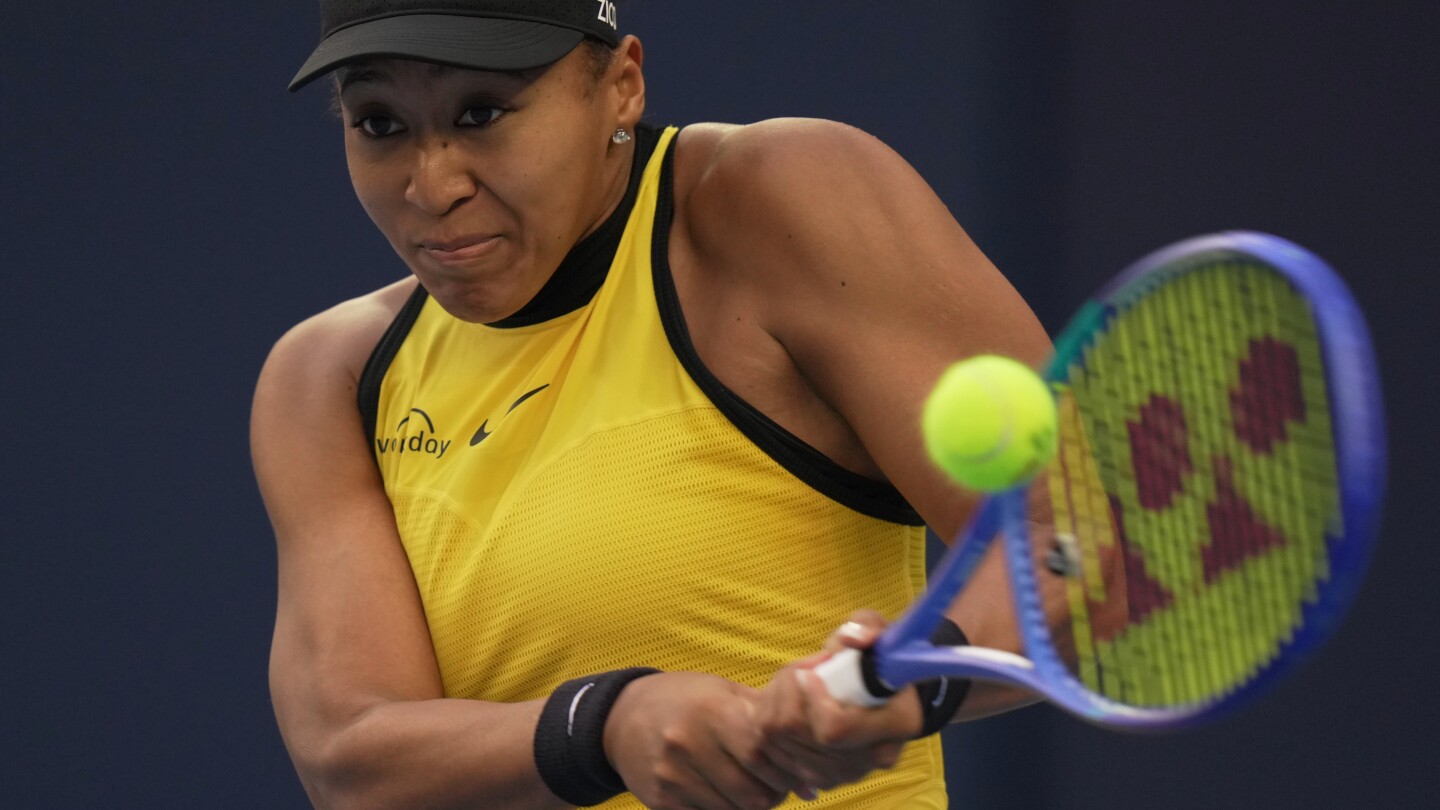
Naomi Osaka is out of the Japan Open quarterfinals with a left leg injury
OSAKA, Japan — Tennis star Naomi Osaka was forced to withdraw from her quarterfinal match at the Japan Open on Friday due to a left leg injury, paving the way for Jaqueline Cristian to advance to the semifinals via walkover. The Women’s Tennis Association (WTA) confirmed the development, marking Cristian’s third semifinal appearance this year and her first on a non-clay surface. Osaka, the tournament’s top seed, had been struggling with the injury sustained during her second-round match against Suzan Lamens. Despite the setback, Osaka managed to secure victories over Wakana Sonobe and Lamens earlier in the tournament. During her match against Lamens, Osaka took a commanding 5-0 lead in the third set but abruptly halted play after experiencing discomfort in her left leg. She returned to the court with her thigh wrapped but ultimately closed out the match on her third match point. This withdrawal adds to a challenging season for Osaka, who recently exited in the second rounds of both the China Open and the Wuhan Open. Meanwhile, in another quarterfinal match, 2021 U.S. Open finalist Leylah Fernandez triumphed over Rebecca Šramková with a 7-6 (2), 6-3 victory, continuing her strong performance in the tournament.
-
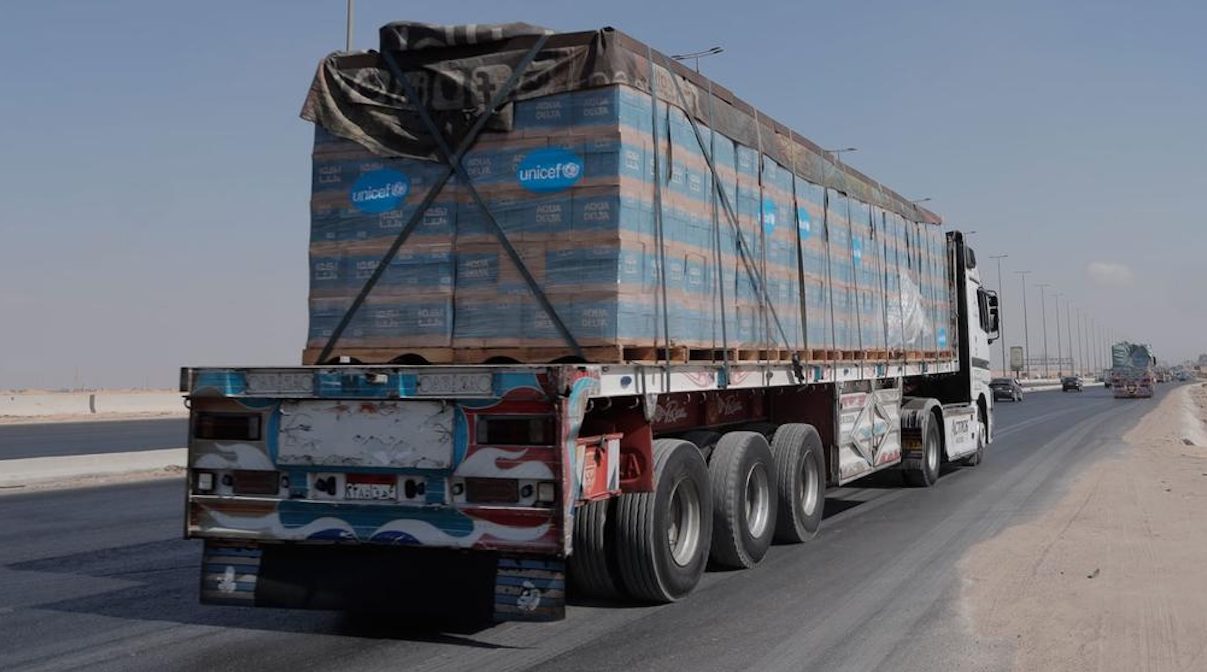
Trump gets Gaza ceasefire trophy at beginning of game
The fragile ceasefire in the Gaza Strip, brokered by former US President Donald Trump, is under strain as Israel and Hamas accuse each other of violating the agreement. The dispute threatens both the flow of humanitarian aid and the relative calm in the region. Trump’s 20-point peace plan, hailed as “historic,” aimed to end the conflict in Gaza and the broader region. Key goals included a ceasefire, the exchange of prisoners, and the resumption of aid deliveries to Gaza’s 2.3 million residents. While the first two objectives were partially achieved, aid delivery remains inconsistent, with Israel blocking supplies citing Hamas’s failure to return the bodies of 20 deceased citizens. Critics argue that Trump’s plan lacks concrete measures to disarm Hamas, ensure Israeli withdrawal, or establish a sustainable Palestinian government. Skepticism persists, with The Guardian cautiously praising the initiative while emphasizing the need for sustained pressure on both Israel and Hamas. Trump’s unorthodox diplomacy, including his handling of Israel’s missile attack on Qatar, has further complicated the situation. Despite these challenges, Trump remains committed to his vision of lasting peace, though his focus may shift as global priorities evolve.
-
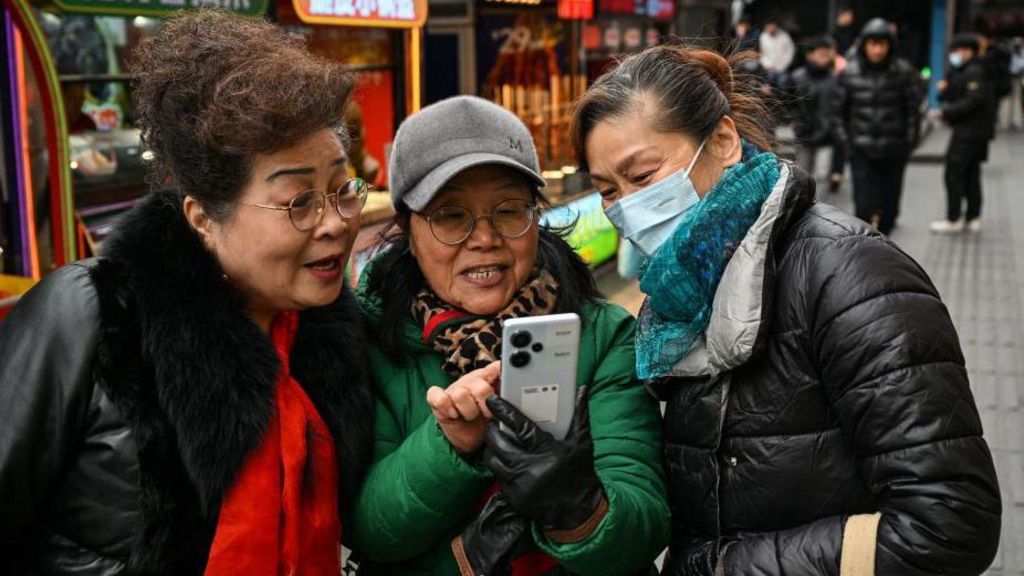
China’s biggest shopping event starts five weeks early to revive spending
China’s annual online shopping extravaganza, Singles’ Day, traditionally held on November 11, has seen an early launch this year as retailers strive to stimulate spending in a sluggish market. The event, originally created by Alibaba, has grown into a global shopping phenomenon, comparable to Amazon’s Prime Day or Black Friday. However, this year’s extended sales period, beginning in mid-October, reflects the broader economic challenges facing Chinese consumers. Issues such as rising youth unemployment, a prolonged property crisis, escalating government debt, and ongoing trade tensions with the US have led to a more cautious approach to spending. Despite government efforts to boost consumption through subsidies, wage increases, and discounts, retail sales growth continues to fall short of expectations. E-commerce giants like Taobao, JD.com, and Douyin are aggressively promoting the event, offering deep discounts and vouchers to entice shoppers. Alibaba has also integrated artificial intelligence into its platforms to enhance the shopping experience, making it easier for consumers to find relevant products. The cautious spending trend, which began during the Covid-19 pandemic, has persisted as China grapples with deflation. High-end retailers, including luxury brands like Louis Vuitton and Burberry, have been particularly affected, with sales declining in recent months. However, there are signs of optimism in the market, as shares of luxury brands such as LVMH and Moncler have risen, buoyed by indications of improved demand in the region.
-
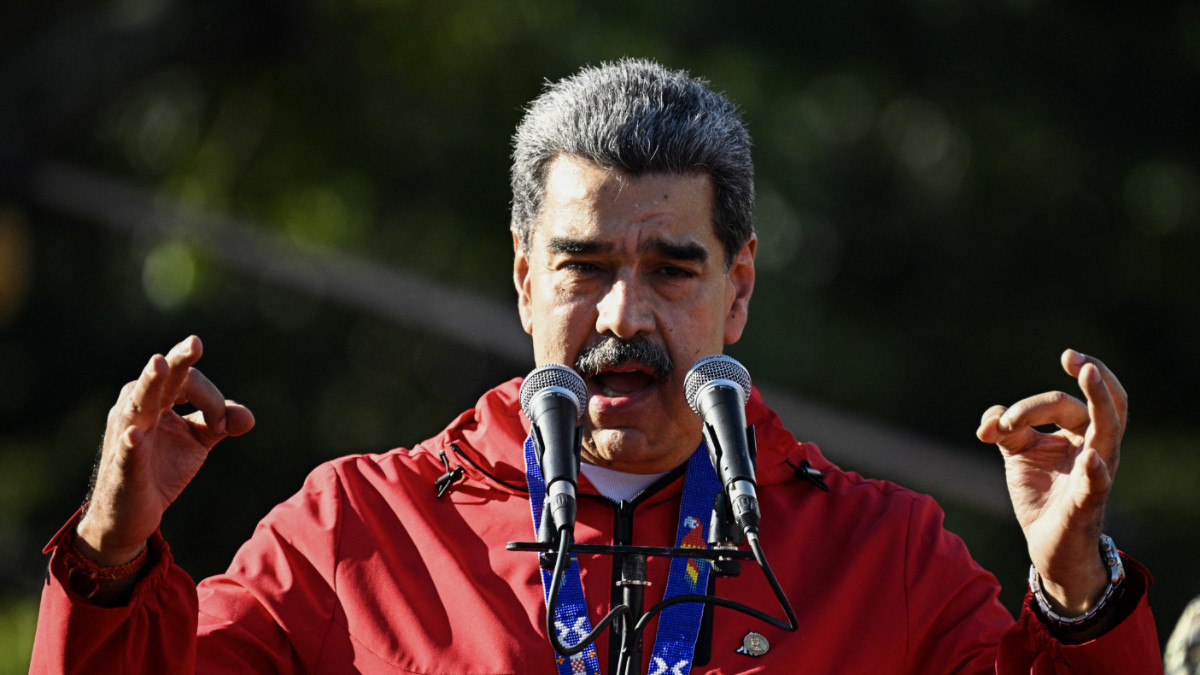
Trump authorises CIA covert operations in Venezuela, as he weighs direct attack
In a significant escalation of U.S. involvement in Venezuela, President Donald Trump has authorized the CIA to conduct covert operations aimed at destabilizing the government of leftist President Nicolas Maduro. This move, reminiscent of Cold War-era shadow wars, includes paramilitary actions, economic warfare, and media manipulation. Trump justified the decision by accusing Maduro of facilitating drug trafficking and directing Venezuelan prisoners into the U.S. Meanwhile, the U.S. has amassed a substantial military presence in the Caribbean, deploying guided-missile destroyers, F-35 jet fighters, MQ-9 Reaper drones, and special operations vessels. This buildup, the largest since the 1989 invasion of Panama, includes at least 10,000 troops and vessels capable of launching Tomahawk Cruise missiles. The U.S. has also conducted air strikes off Venezuela’s coast, targeting alleged drug-smuggling ships, which Maduro’s government denies, calling it a pretext for regime change. Trump hinted at potential land-based military action, stating, ‘We’ve almost totally stopped it by sea. Now we’ll stop it by land.’ When questioned about authorizing the CIA to ‘take out’ Maduro, Trump dismissed the query as ‘ridiculous.’ Despite running as a non-interventionist candidate, Trump has shown a willingness to deploy military force, with limited congressional opposition. The administration has invoked wartime powers, labeling Venezuelan drug cartels as ‘terrorist organizations’ and justifying strikes as self-defense. This latest intervention echoes U.S. Cold War tactics in Latin America, including coups in Guatemala and Chile and support for Contra fighters in Nicaragua. Maduro, who has governed since 2013, has ordered military exercises among civilians in anticipation of a potential invasion, vowing to resist U.S.-backed regime change.