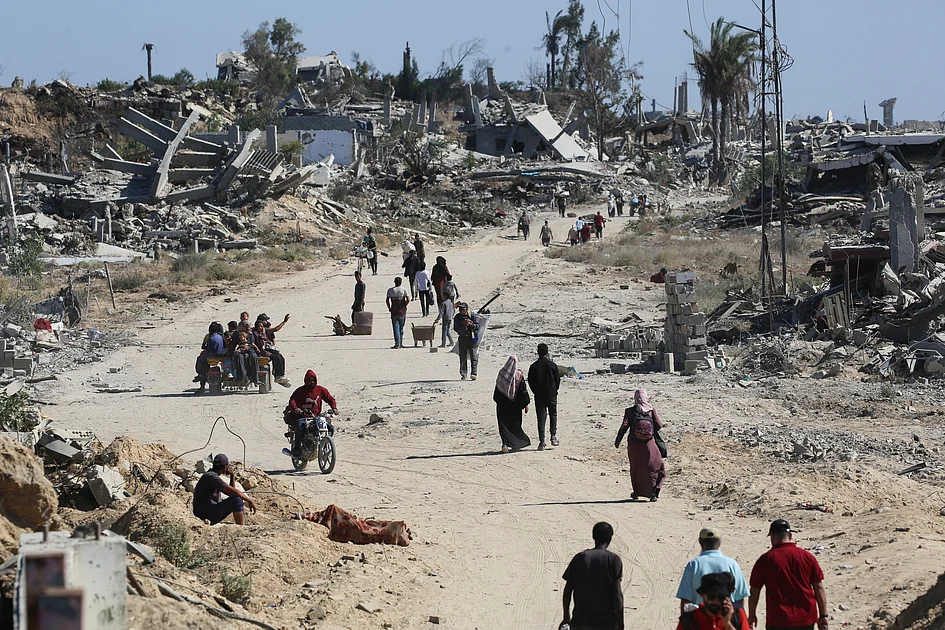
As a fragile ceasefire takes hold in Gaza, displaced residents are returning to their homes only to find them obliterated. The streets of Gaza City, once bustling with life, are now eerily empty, lined with heaps of concrete that were once apartment buildings. Many structures have completely collapsed, leaving families to confront the harsh reality of their losses. Amid the ruins, individuals like Hossam Majed, 31, are salvaging what little remains of their belongings, including essential items like a large water tank. Majed has set up a makeshift shelter to guard his possessions from potential thieves, but the challenges are immense. ‘Even food is more expensive than in the south because it’s scarce. There’s no electricity, no water, no internet,’ he lamented. Umm Rami Lubbad, who fled to southern Gaza for safety, returned to find her home reduced to rubble. ‘My heart nearly stopped when I saw the house reduced to rubble,’ she said. Now, she and her children are effectively homeless, sleeping in the streets or relying on neighbors for shelter during artillery shelling. Ahmad al-Abbasi, who fled south during the bombings, returned to find his five-storey building completely destroyed. ‘We came back north hoping to find our homes and rebuild our lives. As you can see… Gaza has turned into a ghost town,’ he said. Mustafa Mahram, another resident, found his three-storey house reduced to ashes. ‘Everything’s gone, turned to ashes… There’s no way to live here,’ he lamented. The residents are now struggling to rebuild their lives with limited resources, hoping for aid and the eventual delivery of tents to provide some semblance of shelter.
标签: Asia
亚洲
-

Gold smuggling surges in India as price spikes before festivals
Gold smuggling in India has seen a significant uptick as the nation approaches the festive seasons of Dhanteras and Diwali, occasions traditionally marked by auspicious gold purchases. Government and industry officials report that the surge is driven by record-high gold prices and a supply crunch. Despite a reduction in import taxes from 15% to 6% last year, which initially curbed smuggling, recent weeks have witnessed a resurgence in illegal activities. Customs and Directorate of Revenue Intelligence (DRI) officials have foiled several smuggling attempts at various Indian airports. A Chennai-based bullion dealer noted that the process of bringing gold into India and liquidating it has become quicker and less risky due to strong festival demand and limited supply. Gold prices in India hit a record 128,395 rupees per 10 grams, a 67% increase this year, making smuggling highly lucrative. Grey market operators can earn margins exceeding 1.15 million rupees per kilogram by evading import duties and local sales taxes. A Mumbai-based bullion dealer highlighted the increasing profitability for smugglers as gold prices continue to rise. The situation is exacerbated by banks’ inability to meet full demand, leading to high premiums on available stock. Indian dealers are quoting premiums of up to $25 per ounce over official domestic prices, the highest in over a decade. In the 2024/25 fiscal year, government agencies registered 3,005 cases of gold smuggling and seized 2.6 metric tons of the metal.
-

Dubai: Indian, Afghani expats win $1 million in draw, share investment plans
In a life-changing event at Dubai International Airport, two expatriates—an Indian and an Afghan national—emerged as the latest millionaires in the Dubai Duty Free Millennium Millionaire draw. Danny Telis, a 47-year-old Indian construction manager based in Tabuk, Saudi Arabia, clinched the $1 million prize with ticket number 0542, purchased on September 23. A long-time participant in the promotion, Telis expressed his gratitude, stating, “This is a dream come true.” He plans to invest in Dubai, a city he once called home for 13 years. Telis is the 261st Indian national to win the Millennium Millionaire promotion, highlighting the significant participation of Indians in the draw. Meanwhile, Mohammad Khan Barakzai, a 44-year-old Afghan entrepreneur residing in Dubai, secured his $1 million win with ticket number 1700, purchased online on the same day. Barakzai, who runs an interior decoration company in Business Bay, is the first Afghan national to achieve this feat since the promotion’s inception in 1999. Following the millionaire draw, the Finest Surprise draw awarded three luxury vehicles to Indian expatriates. Chinmay Joshi, a 31-year-old strategic alliance manager from Mumbai, won a Mercedes Benz S500, while Melwin Pontes and Seetaraman Venkataraman secured an Aprilia RSV4 Factory 1100 motorbike and a BMW S 1000 XR, respectively. Venkataraman, a 67-year-old business development manager in Abu Dhabi, plans to use the proceeds from selling his bike to fund his children’s education. The event underscores Dubai’s reputation as a hub of opportunity and fortune for expatriates.
-
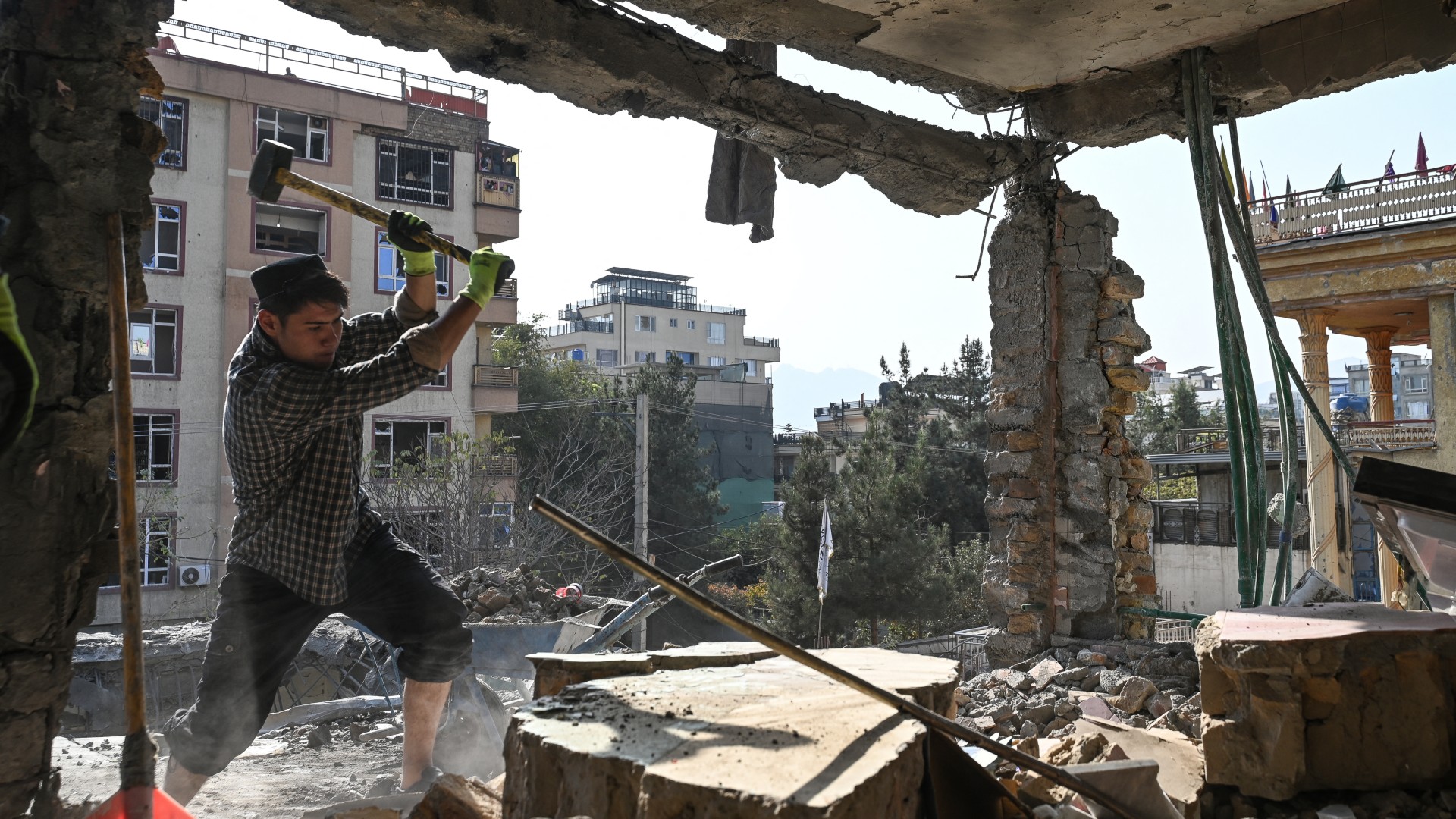
Why Pakistan and the Taliban are at war with each other
A 48-hour ceasefire between the Taliban administration and Pakistan has brought a temporary lull to one of the world’s most volatile borders, the 2,640-kilometre Durand Line. While the truce offers a brief respite from the intense fighting that has claimed dozens of lives on both sides, it is widely seen as a fragile pause rather than a step toward lasting peace. Witnesses describe the recent violence as unprecedented, with skirmishes escalating into full-scale warfare. The conflict underscores deeper systemic issues, particularly the resurgence of militancy in Pakistan, which analysts link to the Taliban’s return to power in Afghanistan in 2021. Pakistan now faces a security nightmare, with the Taliban accused of sheltering the Tehrik-e-Taliban Pakistan (TTP), a banned militant group responsible for hundreds of attacks. The Global Terrorism Index ranks Pakistan as the world’s second most terrorism-affected country, highlighting the severity of the crisis. The Taliban’s victory has emboldened various militant groups, including the TTP, Islamic State Khorasan Province (ISKP), and Baloch separatists, leading to a surge in terrorist attacks. Despite Pakistan’s military campaigns and diplomatic efforts, the situation remains dire. The Taliban administration faces a policy dilemma: curbing the TTP risks internal dissent, while inaction fuels cross-border violence. Pakistan has shifted from cautious diplomacy to coercive measures, including air strikes in Afghanistan and the expulsion of undocumented Afghans. The ceasefire, brokered by Qatar and Saudi Arabia, offers a temporary reprieve, but analysts warn that without structural changes, the border will remain a powder keg. The fall of Kabul in 2021, once celebrated in Pakistan as a strategic victory, has become the source of its most complex security crisis in decades.
-
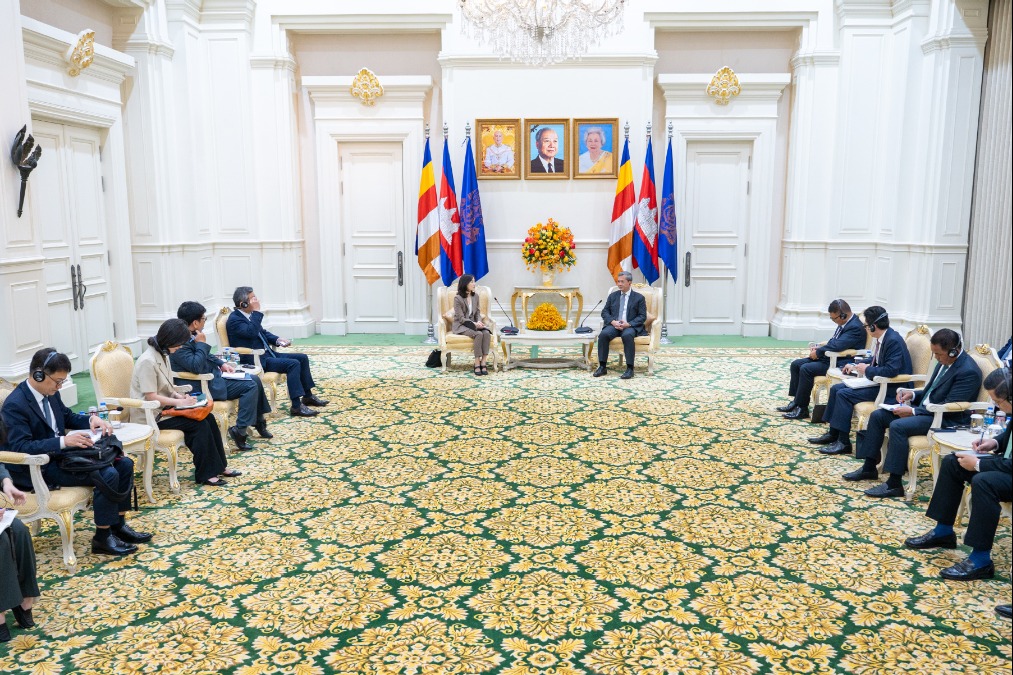
Cambodia to repatriate 59 South Korean nationals: national police
In a significant development, Cambodia’s National Police announced on Thursday that 59 South Korean nationals, including four women, will be repatriated to their home country on Friday. According to an official press release, these individuals were either rescued by Cambodian authorities or detained for involvement in various criminal activities. The repatriation process is being coordinated in collaboration with the South Korean Embassy in Cambodia. This move comes amidst reports from South Korean media, citing the South Korean Foreign Ministry, which indicated that approximately 80 South Korean nationals in Cambodia remained unaccounted for as of August. The Cambodian authorities have confirmed that they are actively conducting search and investigation operations to locate these missing individuals. This repatriation highlights the ongoing efforts by both nations to address issues of safety and legal compliance among their citizens abroad.
-

Soaked in Blood: How Gaza’s aid sites became death traps for starving Palestinians
In the early hours of a quiet morning in southern Gaza, the tranquility was shattered by the deafening roar of machine-gun fire, followed by an eerie silence. Ameen Sameer Khalifa, a 30-year-old man who had become the sole provider for his family after Israel’s military campaign in Gaza, lay flat on the ground, hiding from the chaos. His voice trembled as he whispered, ‘We’re dying for a piece of bread. God is sufficient for us, and He is the best disposer of affairs.’
On June 1, Ameen left his makeshift tent and ventured to a Gaza Humanitarian Foundation (GHF) food distribution center in Rafah, hoping to secure sustenance for his family. That day, he returned empty-handed. Two days later, he tried again. This time, instead of bringing home a box of flour, oil, and lentils, his body was riddled with bullets. Around him, scores of Palestinians screamed for help, seeking safety from the relentless violence.
A new documentary titled *Soaked In Blood*, produced by Middle East Eye, meticulously reconstructs the events leading to Ameen’s death. The investigation, utilizing forensic audio analysis, satellite imagery, and eyewitness accounts, reveals that Ameen was likely killed by a FN MAG 7.62mm machine gun mounted on an Israeli tank stationed near the ruins of the Muawiya Mosque in Rafah. The evidence suggests a deliberate targeting of civilians heading toward aid sites.
‘If I could have put him in a cage beside me and never let him go, I would have,’ lamented Ameen’s mother, Fadwa. ‘They take the tallest, the strongest, the most beautiful. They shoot them like prey. Why execute someone for bread?’
For decades, Israel has imposed strict controls on Gaza, restricting access to food, fuel, and medicine in an effort to weaken Hamas, which won the enclave’s last legislative elections in 2006. Dov Weisglass, an adviser to former Israeli Prime Minister Ehud Olmert, once described the strategy as ‘putting the Palestinians on a diet, but not to make them die of hunger.’ The blockade was so meticulously planned that the Israeli military even calculated the minimum caloric intake required to prevent malnutrition among Palestinians.
However, after the October 7, 2023, attacks on southern Israel, the situation escalated dramatically. Crossings were sealed entirely, and aid convoys were attacked by vengeful Israeli youth. The United Nations warned that Gaza was being ‘pushed toward famine by design.’ Palestinians resorted to boiling animal feed to survive, while air strikes and quadcopters targeted parents queuing for hours in search of baby formula.
Amid the widespread starvation, the GHF, a controversial organization backed by the United States and Israel, took over aid distribution in Gaza in May. Since then, the United Nations reports that over 1,300 Palestinians have been killed while attempting to access food. Gaza’s health ministry has documented at least 2,531 Palestinian deaths related to aid access since May 2025, with 743 killed and 4,891 injured at or near GHF sites since July. Many of these deaths were reportedly caused by Israeli soldiers or U.S. security contractors hired by the GHF, often acting under direct orders.
Despite the peril, thousands of Palestinians continued to brave the GHF sites daily, desperate for any food that could ensure their survival. A ceasefire was finally reached on October 9, 2025, offering a temporary respite from the violence.
The GHF has denied allegations of civilian deaths at their sites, dismissing UN figures as ‘false and misleading.’ Meanwhile, Israel’s war on Gaza has resulted in over 245,000 Palestinian casualties, the majority of whom are civilians. The conflict began on October 7, 2023, when Hamas launched a surprise attack on Israel, citing decades of occupation, increased violations against Al-Aqsa Mosque, the 16-year blockade on Gaza, and the mistreatment of Palestinian prisoners.
Recent reports based on Israeli military intelligence data indicate that more than 80% of those killed through May 2025 were civilians. Tragically, Mohamed Salama, the director of photography for the MEE documentary, was killed in a triple-tap Israeli strike on the Nasser Medical Complex after the investigation was completed.
Middle East Eye, known for its independent and comprehensive coverage of the Middle East, North Africa, and beyond, continues to shed light on the human cost of this devastating conflict. The documentary *Soaked In Blood* will be available for viewing on October 17, 2025, at 14:00 GMT.
-
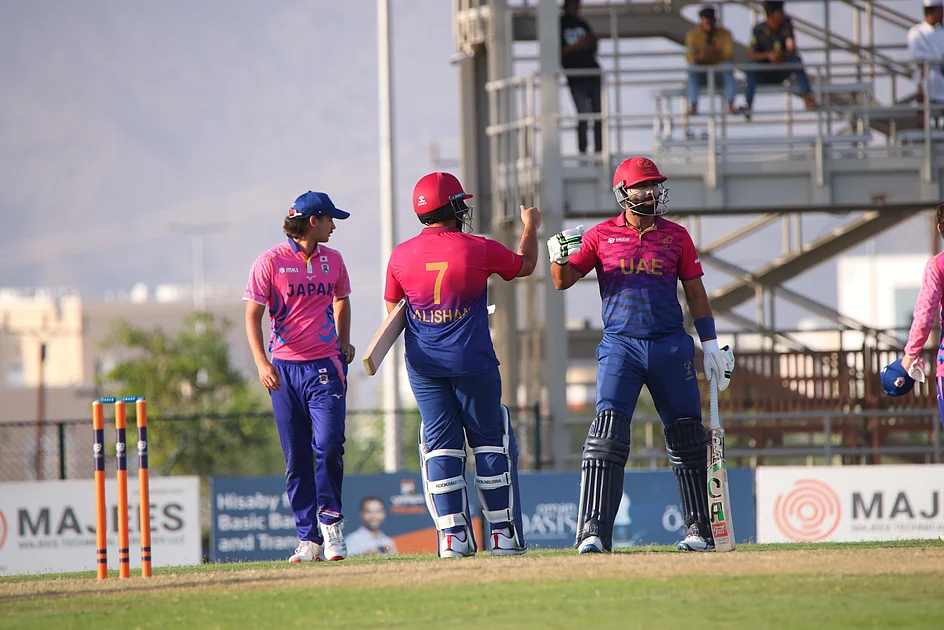
UAE seals T20 World Cup 2026 spot after defeating Japan in 8-wicket win
The UAE cricket team has clinched a spot in the ICC Men’s T20 World Cup 2026 following a commanding 8-wicket triumph over Japan. This victory ensures the Emirati squad joins Nepal and Oman, who had already secured their places in the tournament earlier in the week. The match, held on October 16, 2025, showcased the UAE’s prowess both on the field and at the crease. Muhammad Farooq set the tone early with a precise direct hit to dismiss Abhishek Anand, while Haider Ali delivered a stellar performance, claiming three crucial wickets for just 12 runs. Japan struggled to recover from a shaky start, managing only 116 runs despite a valiant 45 not out from Wataru Miyauchi. In response, the UAE’s openers, Waseem and Alishan Sharafu, launched a blistering attack, amassing 36 runs in the first three overs. Sharafu’s explosive 46 off 27 balls and Waseem’s 42 off 26 ensured a swift and comfortable chase, wrapping up the match in the 13th over. This victory not only highlights the UAE’s growing cricketing strength but also sets the stage for their participation in the prestigious global tournament.
-

Cheap oil, high stakes: Can India do without Russia?
In a complex geopolitical and economic landscape, India finds itself at a crossroads, navigating the delicate balance between its energy needs and international relations. The recent imposition of 50% tariffs on Indian goods by the United States, framed as a punitive measure for India’s continued purchase of Russian oil, has escalated tensions. US President Donald Trump’s assertion that Indian Prime Minister Narendra Modi privately agreed to cease these purchases ‘within a short period of time’ has further complicated matters. However, both Russia and India have distanced themselves from these claims, with Russia emphasizing the economic benefits of its oil for India, and India reaffirming its import policy as consumer-centric in a volatile energy market. India, the world’s third-largest oil importer, has significantly increased its reliance on Russian crude, which now constitutes 37% of its oil imports, driven by substantial discounts post-Western sanctions. This shift has come at the expense of imports from other traditional suppliers like Iraq, Saudi Arabia, and the UAE, as well as from the US, Brazil, and others. The economic rationale for India’s pivot to Russian oil is clear: it has saved the country approximately $5 billion annually, or 3–4% of its crude import bill. However, the strategic implications are profound. India’s refineries are optimized for heavier crude grades like Russia’s Urals blend, making a switch to lighter US shale oil costly and inefficient. The ongoing geopolitical tensions and the delayed India-US trade deal underscore the high-stakes nature of India’s energy policy decisions. As Washington tightens its grip, India must weigh the short-term economic benefits of discounted Russian oil against the potential long-term costs of strained bilateral relations with the US. The outcome of this balancing act will not only shape India’s energy strategy but also define the future trajectory of its international partnerships.
-
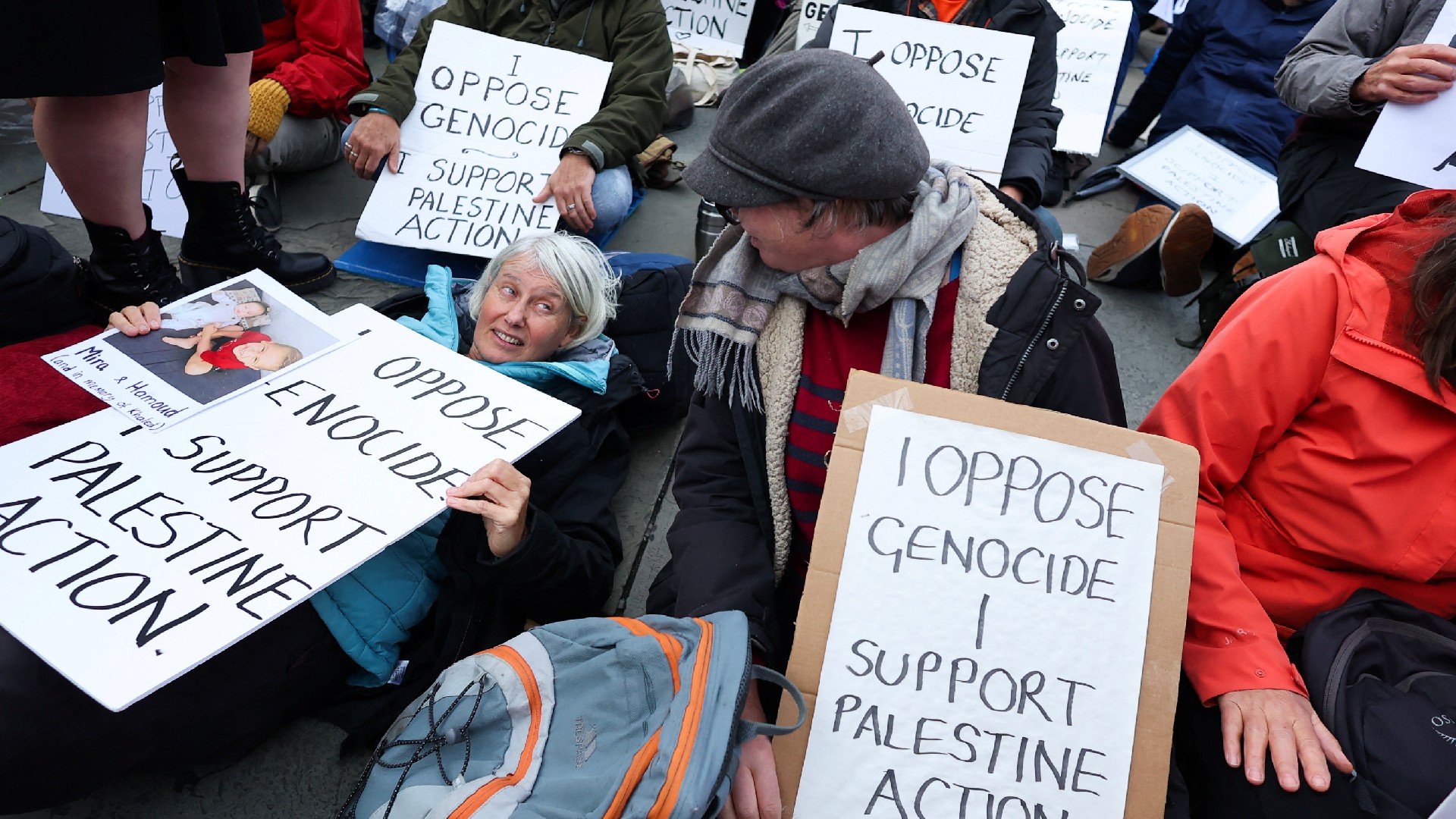
Dozens appear in court for supporting Palestine Action with thousands still waiting for trials
The Westminster Magistrates Court in London has become the epicenter of a legal storm as dozens of individuals face terrorism charges for expressing support for the proscribed group Palestine Action. The preliminary hearings, spanning two days, saw judges grappling with an unprecedented caseload of approximately 2,100 defendants. These individuals are accused of holding cardboard signs that read, “I oppose genocide, I support Palestine Action,” an act now classified as a low-level terrorism offense under UK law, punishable by up to six months in prison. The hearings on Thursday addressed 28 cases, with many defendants being elderly pensioners. Former government lawyer Tim Crosland highlighted the strain on the judicial system, stating, “You’ve got very few judges, very few courts that are equipped to deal with this very extraordinary regime.” The majority of defendants were arrested during initial protests in July, challenging the government’s decision to proscribe Palestine Action under anti-terror laws. This designation, enacted on July 4 following an incident at RAF Brize Norton, places Palestine Action in the same category as groups like al-Qaeda and the Islamic State. Support for the group is now a criminal offense, carrying a potential 14-year prison sentence. The legal proceedings have been further complicated by an ongoing challenge to the proscription, which could potentially overturn the ban and nullify many prosecutions. Judge Snow has proposed a plan to manage the overwhelming number of cases, scheduling at least two trials daily for 10 defendants starting March 23, totaling around 400 trials. However, this plan has been criticized by lawyers and defendants who argue it undermines the right to a fair trial. The situation has sparked concerns about the erosion of democratic rights, with Crosland warning, “The sorts of things that are being suggested go against yet another democratic right, which is the right to a fair trial and a fair hearing.”
-
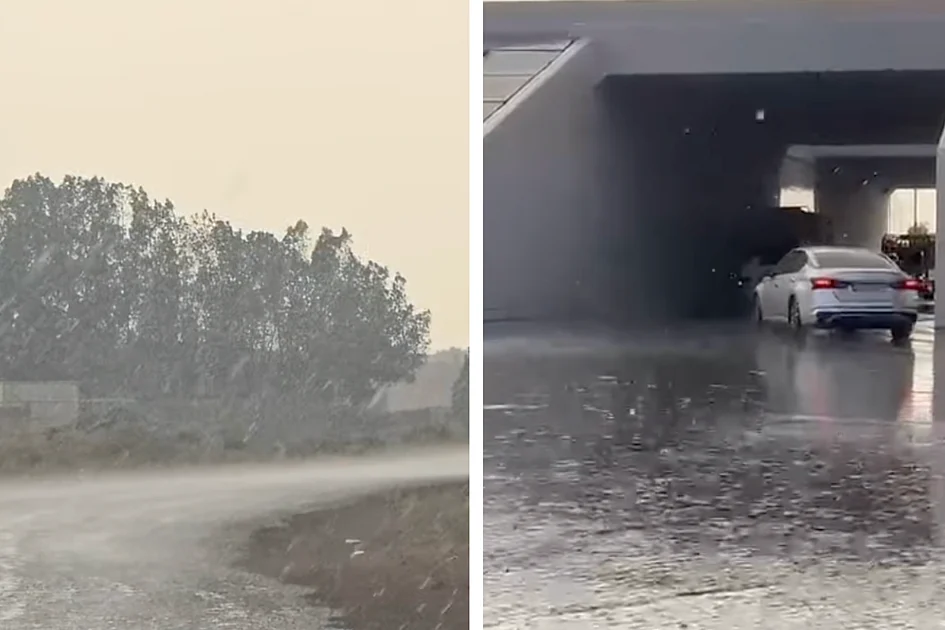
Watch: Rains cause flooding in Al Ain; authorities issue orange alert
Al Ain and its surrounding areas experienced severe rainfall on Thursday, leading to widespread flooding and hazardous driving conditions. The National Centre of Meteorology (NCM) had earlier forecasted a period of rainy weather due to a low-pressure system affecting the UAE. The downpour was particularly intense in desert and mountainous regions, creating mini waterfalls and transforming roads into streams. Videos circulating on social media captured cars navigating through waterlogged streets with windshield wipers working tirelessly against the relentless rain. The NCM issued orange and yellow alerts for the eastern parts of the country, urging residents and visitors to exercise caution and adhere to official guidance. Authorities have emphasized the importance of staying updated with the latest weather advisories to ensure safety during this challenging weather event.