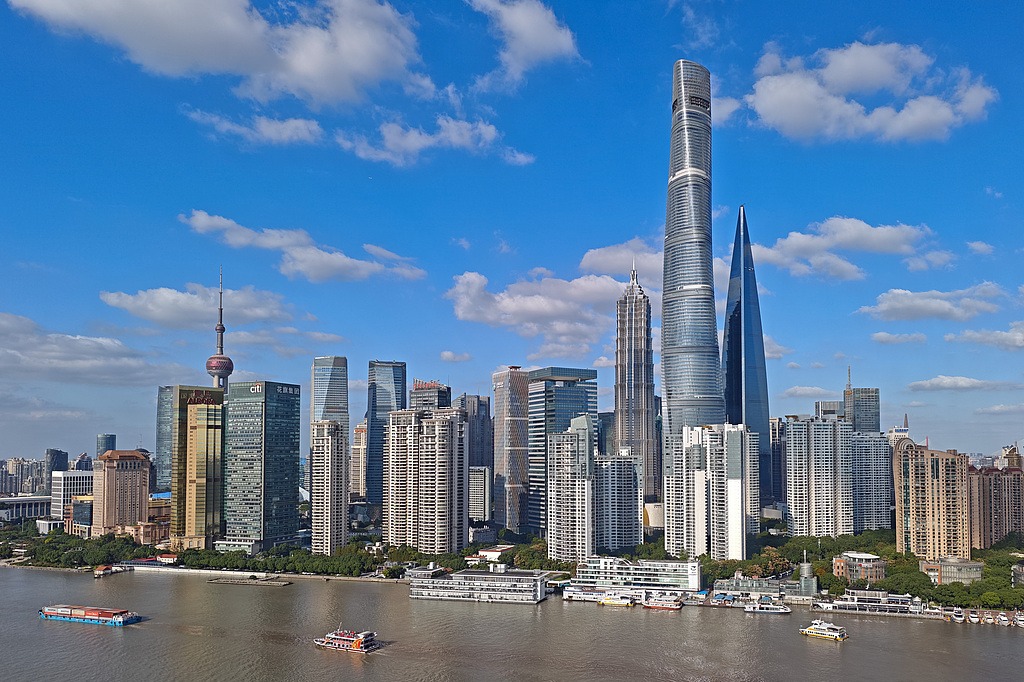
The governance philosophy of China, particularly as articulated in ‘Xi Jinping: The Governance of China,’ continues to resonate globally, with international leaders highlighting its emphasis on mutual benefit, inclusivity, and sustainable development. Ahmed Sheraz, a member of the Pakistan Tariff Commission, recently reflected on a Chinese proverb from the book, which advocates for the harmonious coexistence of all living things. He noted that this philosophy aligns with the vision of building a community with a shared future for humanity, a cornerstone of China’s governance approach. Sheraz expressed concern over the global retreat from multilateralism and emphasized that the interconnected challenges of today require collective solutions, which China’s philosophy of cooperation effectively addresses. He cited the Belt and Road Initiative (BRI) as a prime example of this approach, highlighting its role in fostering economic growth and infrastructure development in partner countries. Shaymaa Mahmoud Mahmoud Bayoumi, an Egyptian official, echoed these sentiments, praising China’s focus on people-centered development, innovation, and environmental sustainability. She shared her observations of China’s steady progress over the years, likening it to the tortoise in the fable of the rabbit and the tortoise—a metaphor for China’s long-term, determined approach to modernization. Bayoumi also highlighted the benefits of China’s investments in Egypt, particularly in the Suez Canal Economic Zone, which has created jobs and opportunities. Janeth Yovani Villegas Arteaga, an adviser to Peru’s Ministry of Women and Vulnerable Populations, expressed her admiration for China’s governance achievements, attributing its success to strong leadership and the perseverance of its people. She emphasized the importance of mutual understanding fostered by books like ‘Xi Jinping: The Governance of China,’ which serve as bridges between nations. Helio Assa-fay Varela Robalo, president of the Cape Verdean News Agency, praised China’s role as a global model for sustainable growth and social well-being, particularly in Africa, where China has been advancing skills training and technology transfer through educational and institutional partnerships. These global perspectives underscore the widespread influence of China’s governance philosophy and its potential to drive international cooperation and shared prosperity.
标签: Asia
亚洲
-

Decoding China’s five-year plan
As 2025 draws to a close, China is set to complete the implementation of its 14th Five-Year Plan (2021-25), a strategic framework that has guided the nation’s social and economic progress over the past five years. This pivotal moment also marks the beginning of preparations for the next five-year plan, which will outline China’s development trajectory from 2026 to 2030. The Five-Year Plan, a cornerstone of China’s governance model, serves as a comprehensive roadmap for achieving national goals, fostering innovation, and addressing key challenges. It plays a critical role in shaping policies, driving economic growth, and ensuring sustainable development. As China transitions to a new phase of planning, the focus remains on enhancing technological advancement, improving public welfare, and strengthening global competitiveness. This systematic approach underscores China’s commitment to long-term strategic vision and its ability to adapt to evolving global dynamics.
-

Rescuers in Nepal search for climbers’ bodies after deadly avalanche
In a devastating turn of events, an avalanche struck the base camp of Mount Yalung Ri in Nepal on Monday morning, claiming the lives of seven climbers. The incident occurred at an altitude of 4,900 meters (16,000 feet), where the climbers were caught off guard by the sudden natural disaster. Snowstorms initially hindered rescue efforts, but by Tuesday, improved weather conditions allowed a helicopter to reach the site, enabling rescuers to begin the grim task of recovering bodies from the ice and snow. Among the victims were two Nepali mountain guides, while the identities of the remaining four remain unknown. At least three bodies were recovered by Tuesday afternoon, though it remains uncertain when they will be transported from the mountain. Four injured climbers were airlifted to Kathmandu for medical treatment, including two French nationals. Isabelle Solange Thaon, 54, one of the survivors, recounted the harrowing experience, expressing gratitude for her survival but mourning the loss of her husband, Christian Manfred, who tragically succumbed to the avalanche. Mount Yalung Ri, a 5,600-meter (18,370-foot) peak, is typically considered suitable for novice mountaineers, making this tragedy all the more shocking.
-
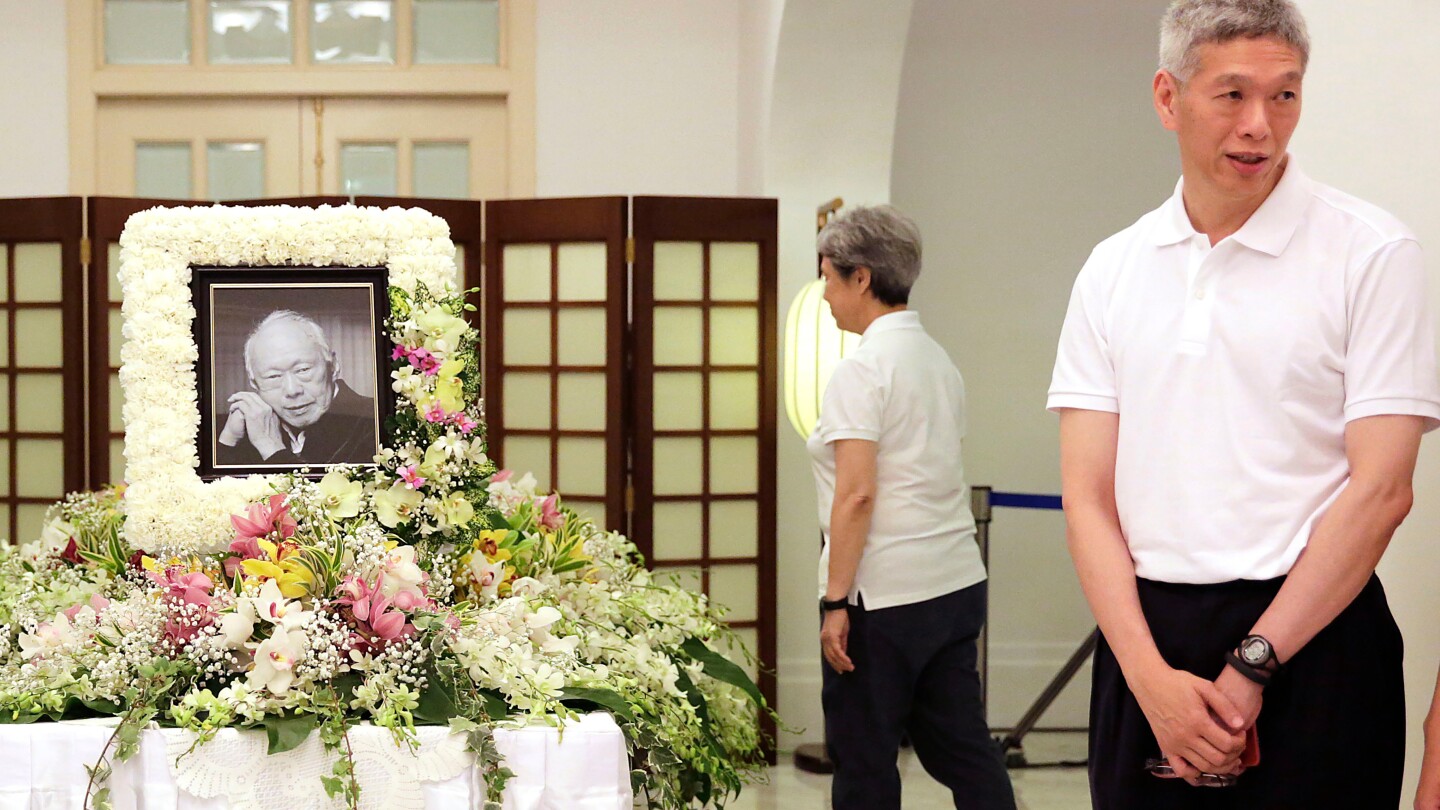
Lee Kuan Yew’s youngest son slams Singapore’s plan to preserve family home as national monument
A long-standing family dispute over the legacy of Singapore’s founding prime minister, Lee Kuan Yew, has reignited following the government’s decision to preserve his former residence as a national monument. The announcement, made on Monday, has drawn sharp criticism from Lee’s youngest son, Lee Hsien Yang, who accused the ruling People’s Action Party (PAP) of disregarding his father’s wishes. The heritage advisory body deemed the house at 38 Oxley Road to be of “national significance,” citing its role in pivotal decisions that shaped Singapore’s independence. Acting Culture Minister David Neo emphasized the importance of preserving this historic site for future generations. However, Lee Hsien Yang, who owns the property, argued that his father consistently opposed the preservation of his home as a monument, even stipulating its demolition in his final will. The younger Lee has been locked in a public feud with his older brother, former Prime Minister Lee Hsien Loong, since their father’s death in 2015. Lee Hsien Yang and his sister, Lee Wei Ling, have accused their brother of abusing his political influence to block the demolition. The government has issued a written notice of its intent to acquire the property and transform it into a public space, possibly a heritage park, while removing traces of the family’s private living spaces. Meanwhile, Lee Hsien Yang, who claims to be a political refugee after receiving asylum in the U.K., faces investigations over allegations of providing false evidence in judicial proceedings related to his father’s will.
-
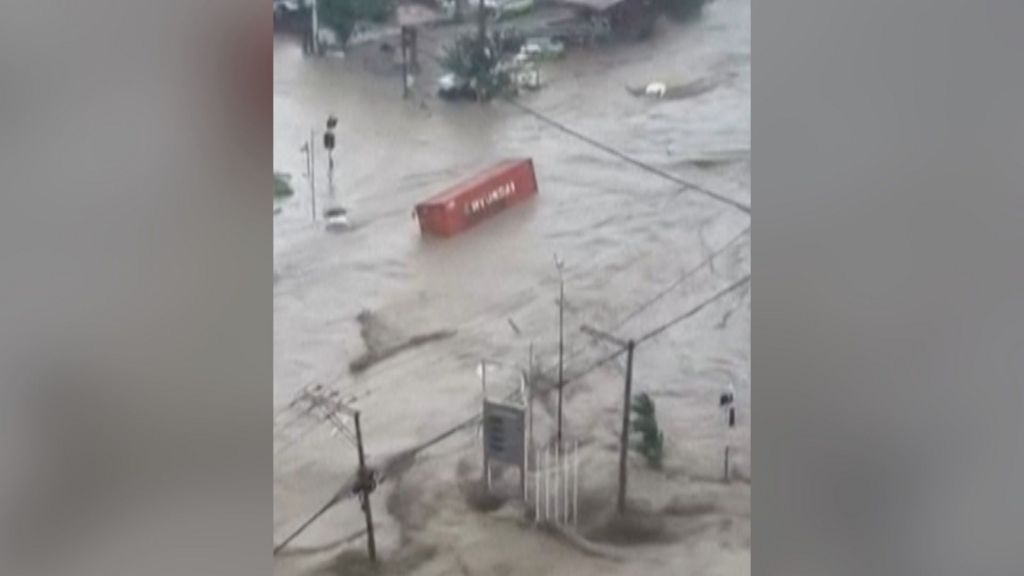
Moment Philippines floods move shipping containers
The Philippines faced severe devastation as Typhoon Kalmaegi unleashed torrential rains and powerful winds, causing widespread flooding in Cebu province. The ferocity of the storm was so intense that it displaced massive shipping containers, highlighting the destructive force of the typhoon. Residents were forced to seek refuge on rooftops as floodwaters inundated their homes and communities. Tragically, the storm claimed at least one life, underscoring the perilous conditions faced by those in its path. Emergency response teams have been mobilized to assist affected areas, but the scale of the damage poses significant challenges. This event serves as a stark reminder of the increasing frequency and intensity of extreme weather events in the region, likely exacerbated by climate change.
-
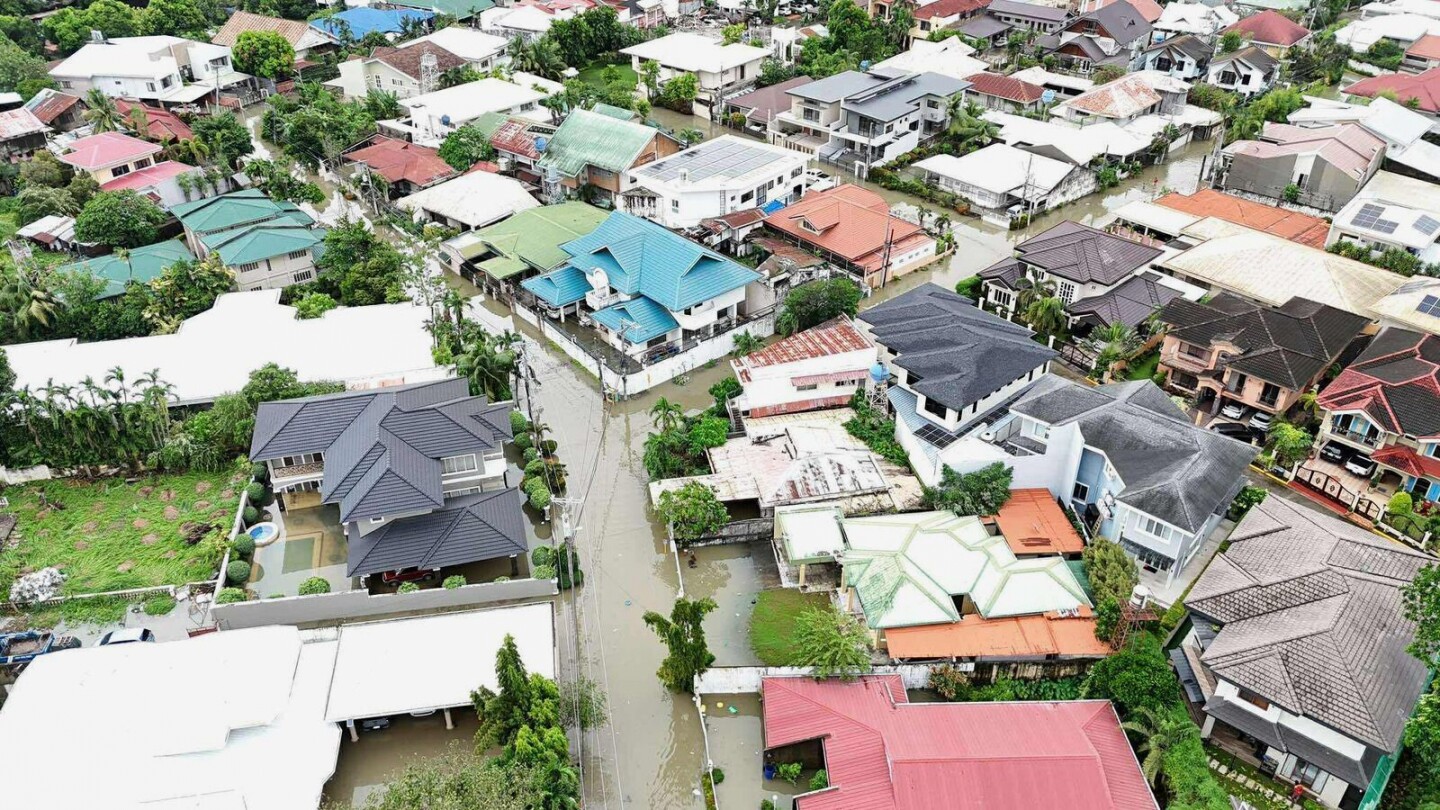
Typhoon leaves at least 2 dead, traps people on roofs and submerges cars in central Philippines
A powerful typhoon, Kalmaegi, swept through the central Philippines on Monday, leaving a trail of devastation in its path. The storm, which made landfall in the eastern province of Southern Leyte around midnight, brought sustained winds of up to 140 kilometers per hour (87 mph) and gusts reaching 195 kph (121 mph). By noon, it had reached Bacolod city in Negros Occidental province, causing widespread destruction and displacing tens of thousands of residents. Initial reports confirmed at least two fatalities: an elderly villager drowned in Southern Leyte, and another was killed by a fallen tree in Bohol province. Flash floods submerged cars and trapped residents on rooftops in several communities, including Liloan and Mandaue in Cebu province. Gwendolyn Pang, secretary-general of the Philippine Red Cross, described the dire situation, noting that rescue efforts were hampered by debris and floating vehicles. The typhoon also triggered a province-wide power outage in Southern Leyte and damaged approximately 300 rural shanties in Homonhon, Eastern Samar. Despite the destruction, no injuries or deaths were reported in the area. Kalmaegi, the 20th tropical cyclone to hit the Philippines this year, is expected to move westward into the South China Sea by Tuesday evening or early Wednesday. Authorities had evacuated over 150,000 people in anticipation of the storm, which brought torrential rains, destructive winds, and storm surges of up to 3 meters (10 feet). The Philippines, one of the world’s most disaster-prone countries, faces about 20 typhoons annually, along with frequent earthquakes and volcanic activity. The central island provinces, including Cebu, are still recovering from a 6.9-magnitude earthquake on September 30, which killed 79 people and displaced thousands. As Kalmaegi continues its path, residents remain on high alert for potential volcanic mudflows on Mount Kanlaon and other hazards.
-
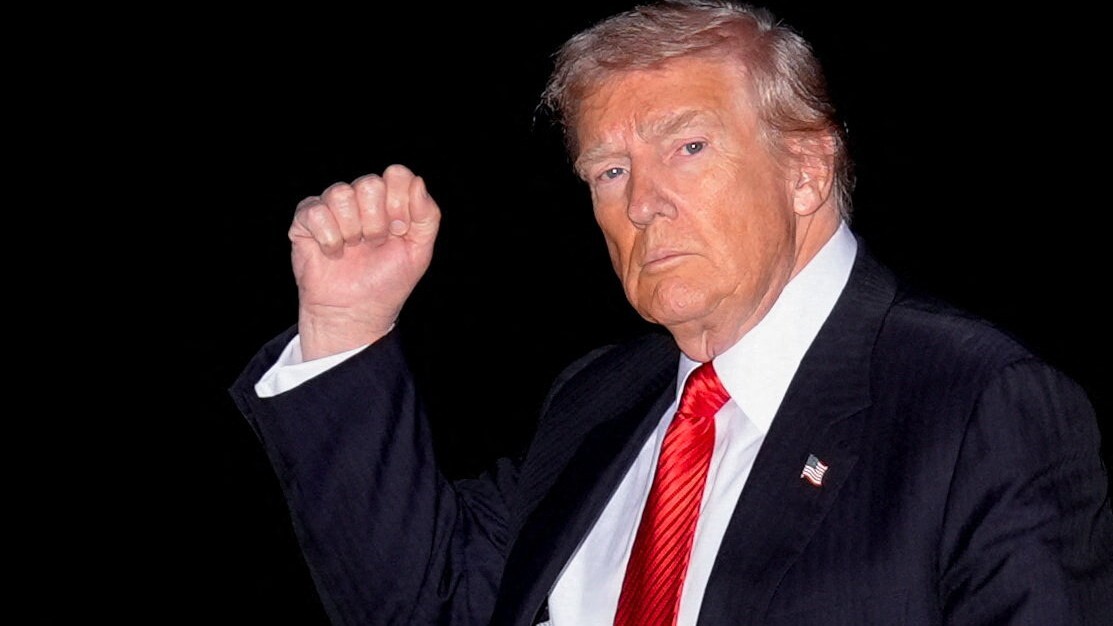
‘I think he’s going to join’: Trump says Saudi Arabia will normalise with Israel without two-state solution
In a comprehensive interview with CBS’s 60 Minutes on Sunday, former US President Donald Trump expressed confidence that Saudi Arabia would normalize relations with Israel, even without the kingdom’s longstanding precondition of a two-state solution to the Palestinian-Israeli conflict. This statement precedes Saudi Crown Prince Mohammed bin Salman’s upcoming visit to Washington on November 18, marking his first White House visit since 2018. When questioned about Saudi Arabia’s stance on the Abraham Accords, Trump dismissed concerns, asserting, ‘I think he’s going to join. I think we will have a solution.’ He emphasized the role of Israel and other stakeholders in determining the final outcome, while also highlighting the significance of neutralizing Iran’s nuclear capabilities as a prerequisite for regional stability. Trump referenced his administration’s efforts in brokering a ceasefire in Gaza and his controversial air strikes on Iran’s nuclear facilities, which Tehran denies had any lasting impact. The interview also touched on Trump’s relationship with Israeli Prime Minister Benjamin Netanyahu, whom he praised as ‘very talented’ but acknowledged pushing on certain issues, including apologies to Qatar and the Gaza ceasefire. Trump’s remarks extended to domestic politics, criticizing New York City’s mayoral candidate Zohran Mamdani as a ‘communist’ and threatening to withhold federal funding if Mamdani wins. The former president’s comments underscore his ongoing influence on US foreign and domestic policy, even after leaving office.
-
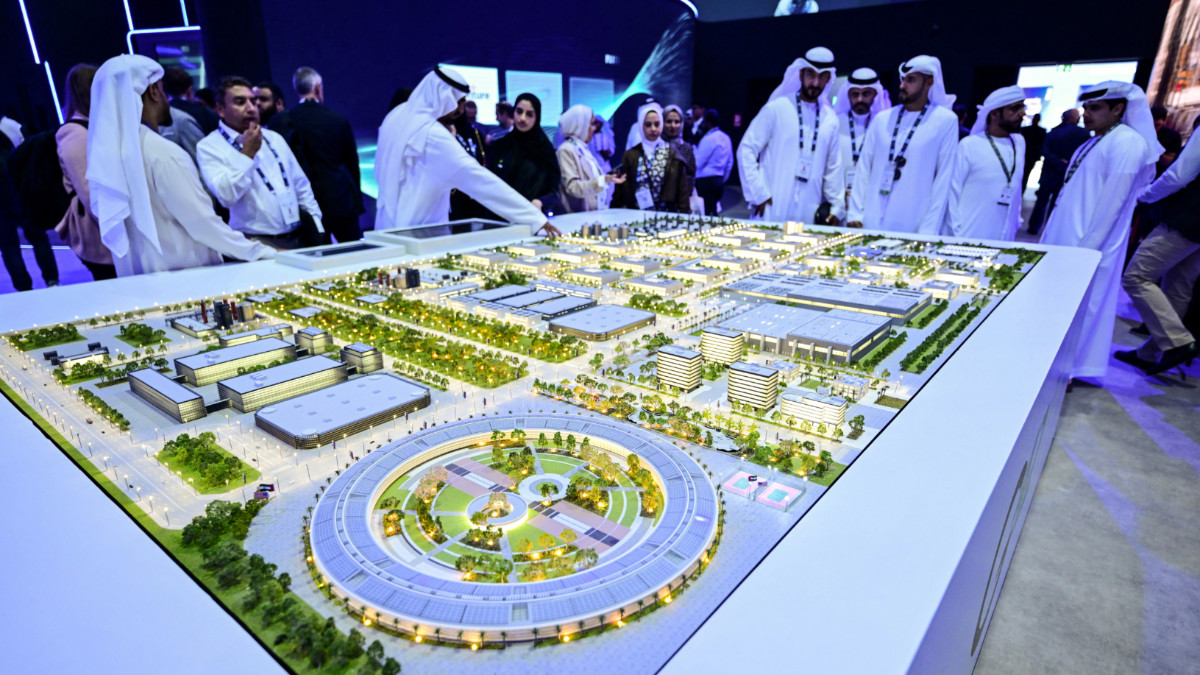
Microsoft receives licence to export thousands of AI chips to UAE
Microsoft has announced a groundbreaking development in its collaboration with the United Arab Emirates (UAE), securing approval to export tens of thousands of advanced Nvidia AI chips to the Gulf state. This move paves the way for a significant $7.9 billion investment in data centers, cloud computing, and AI projects over the next four years. The export licenses, approved during both the Trump and Biden administrations, allow Microsoft to ship the equivalent of 60,400 Nvidia A100 chips, each costing upwards of $9,000, to the UAE. These chips, designed for artificial intelligence, machine learning, and data center analytics, are manufactured primarily in Taiwan by the Taiwan Semiconductor Manufacturing Company (TSMC).
Microsoft’s investment strategy in the UAE includes a $1.5 billion equity stake in G42, an AI company managed by the UAE’s national security advisor, Sheikh Tahnoon bin Zayed al-Nahyan. Between 2023 and 2025, Microsoft plans to spend over $7.3 billion in the UAE, with an additional $7.9 billion allocated from 2026 to 2029. This includes $5.5 billion for expanding AI and cloud infrastructure and $2.4 billion for local operating expenses.
The agreement aligns with a US model where American tech companies build and manage data centers in Gulf states, ensuring controlled access to advanced technology. While the original US-UAE agreement envisioned exporting 500,000 of Nvidia’s most advanced AI chips annually starting in 2025, including 100,000 directly to G42, no such direct imports have been announced yet.
Microsoft’s ability to secure these export licenses underscores its commitment to meeting stringent cybersecurity and national security requirements. The company has already accumulated the equivalent of 21,500 Nvidia A100 GPUs in the UAE during the Biden administration. This development highlights the UAE’s growing role as a hub for AI innovation, competing with Saudi Arabia for access to cutting-edge AI chips and leveraging its abundant, low-cost energy to attract global tech investments.
-
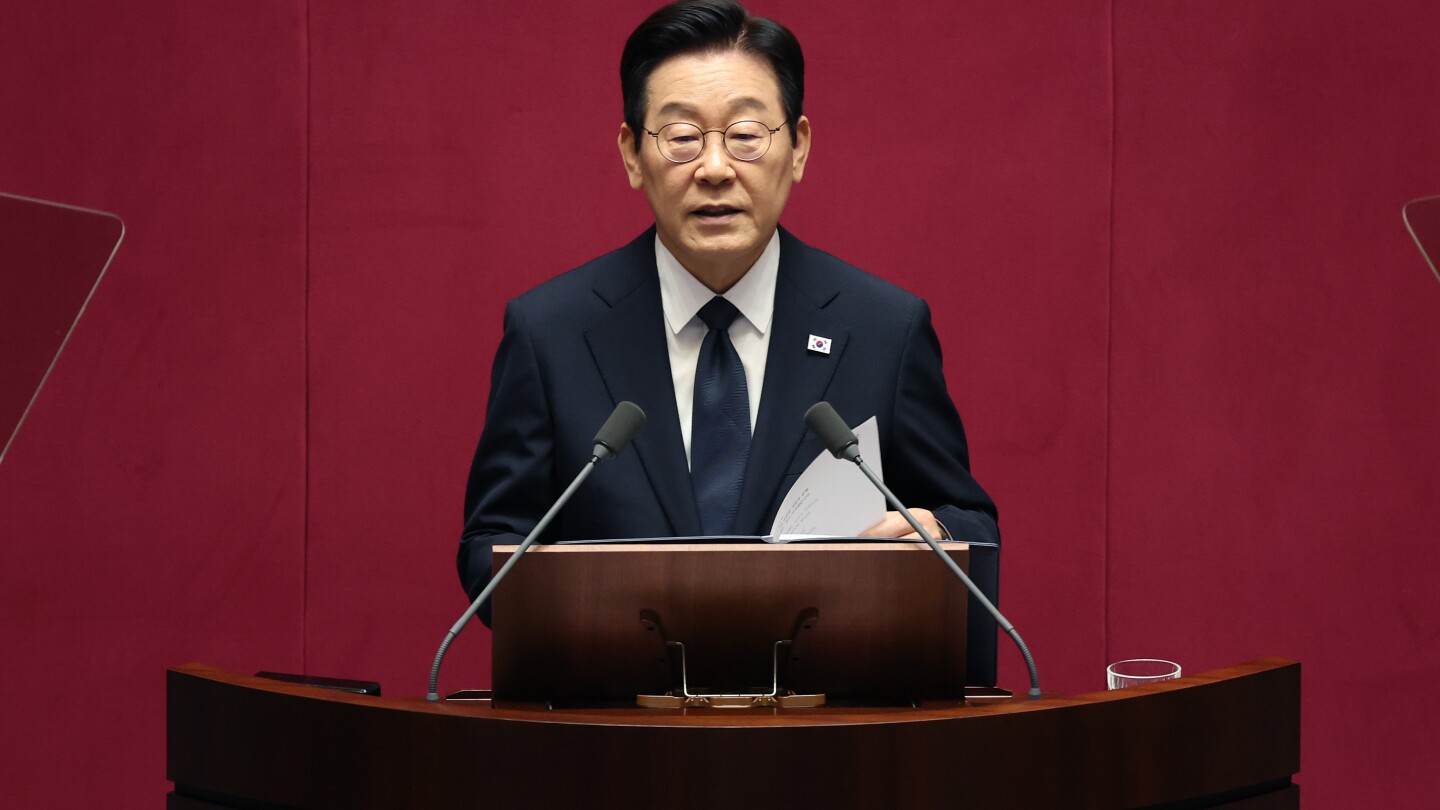
South Korean president calls for aggressive AI spending in budget speech
In a landmark budget speech delivered at the National Assembly, South Korean President Lee Jae Myung outlined an ambitious vision to propel the nation into the forefront of artificial intelligence (AI) innovation and bolster its defense capabilities. Lee called for a tripling of government spending on AI infrastructure and technology, proposing a budget of 728 trillion won ($506 billion), the highest in the country’s history. He emphasized the need for South Korea to construct the “highway for the AI era,” drawing parallels to past transformative initiatives under former presidents Park Chung-hee and Kim Dae-jung. The proposed 10.1 trillion won ($6.9 billion) allocation for AI-related projects aims to enhance computing and manufacturing capabilities, particularly in industries such as semiconductors, automobiles, shipbuilding, and robotics. Lee also highlighted a recent agreement with Nvidia to supply 260,000 GPUs for AI infrastructure projects, though uncertainties remain regarding the delivery timeline due to U.S. President Donald Trump’s remarks restricting access to Nvidia’s latest AI chips. On the defense front, Lee proposed an 8.2% increase in military spending to 66.3 trillion won ($46 billion), focusing on modernizing weapons systems and reducing reliance on the United States. He also reaffirmed South Korea’s commitment to acquiring nuclear-powered submarines, a move supported by Trump during their bilateral meeting. The speech coincided with annual security talks between U.S. and South Korean defense officials, addressing key alliance issues, including the transfer of wartime operational control to a South Korean-led command. However, Lee’s address was boycotted by most conservative opposition lawmakers amid ongoing tensions over a criminal investigation into former President Yoon Suk Yeol’s brief imposition of martial law in December.
-
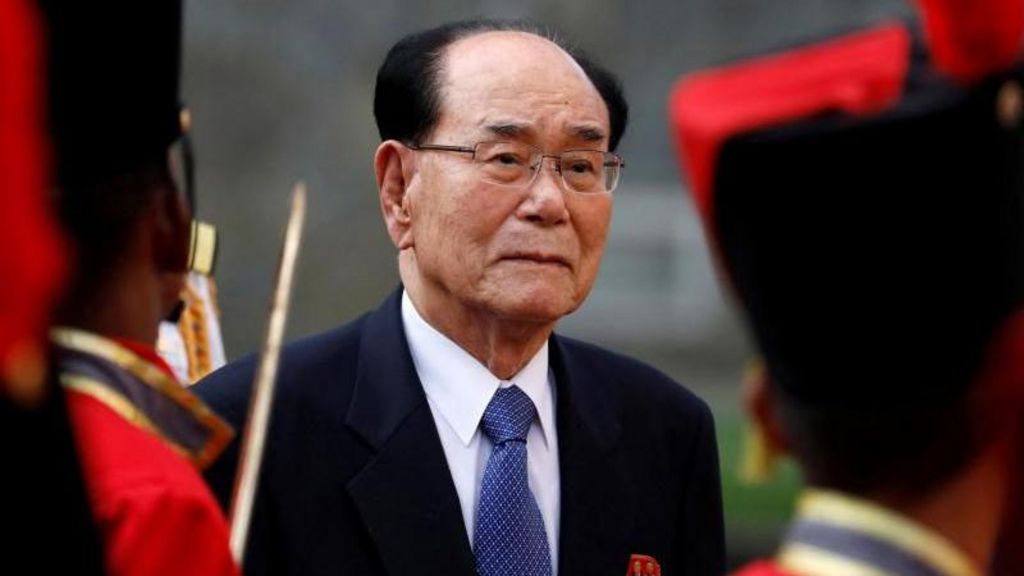
North Korea’s former ceremonial head of state dies
Kim Yong Nam, a prominent figure in North Korea’s political landscape and a lifelong supporter of the ruling Kim dynasty, has passed away at the age of 97, as reported by state media. Serving as the ceremonial head of state and president of the Supreme People’s Assembly from 1998 to 2019, Kim Yong Nam was a key diplomat under the regimes of Kim Il Sung, Kim Jong Il, and Kim Jong Un. Although not related to the Kim family, he played a significant role in representing North Korea on the international stage. According to the Korean Central News Agency (KCNA), he died of multiple organ failure on November 3. KCNA praised him as an “old-generation revolutionary” who contributed immensely to the nation’s development. A state funeral was held in his honor. Born during Japan’s colonial rule of the Korean peninsula, Kim Yong Nam hailed from a family of “anti-Japanese patriots.” He studied at Kim Il Sung University and later in Moscow, beginning his political career in the 1950s. Rising from a low-ranking official to foreign minister and eventually chairman of the Supreme People’s Assembly, he maintained a clean reputation, avoiding the purges that befell many other high-ranking officials. In 2018, he led a North Korean delegation to South Korea during the Winter Olympics, meeting then-President Moon Jae-in. He also participated in inter-Korean summits in 2000 and 2007. South Korea’s Unification Minister Chung Dong-young expressed condolences, recalling meaningful discussions about peace on the Korean peninsula. Former North Korean diplomat Thae Yong Ho described Kim Yong Nam as a model of survival in North Korea’s political system, emphasizing his ability to avoid controversy and maintain loyalty to the regime. Unlike many officials who faced demotion or execution, Kim Yong Nam retired peacefully in 2019, marking a rare end to a long and stable career in North Korea’s volatile political environment.