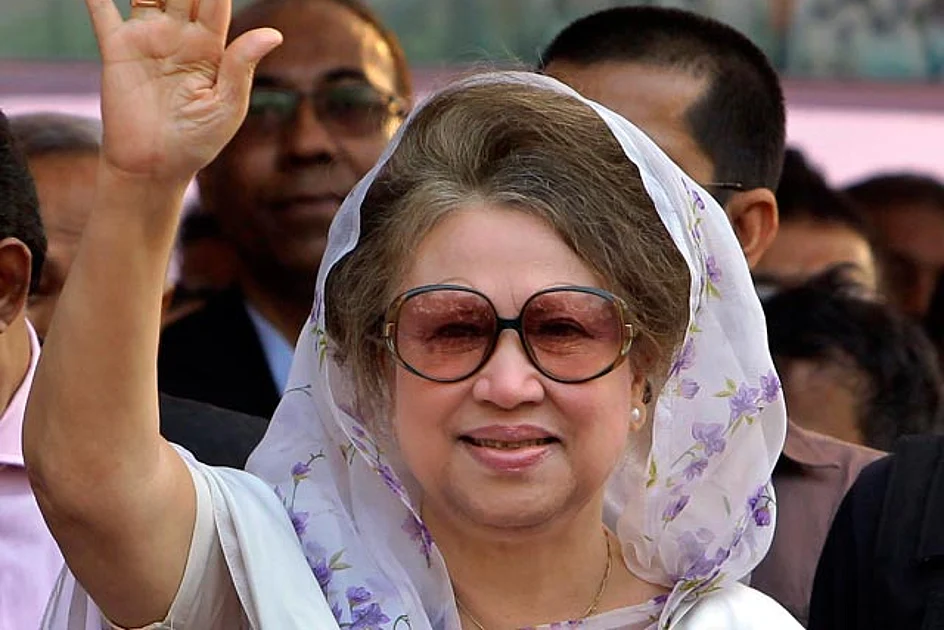
Bangladesh’s former Prime Minister Khaleda Zia, an 80-year-old political stalwart, is set to contest in the upcoming February elections, as confirmed by her Bangladesh Nationalist Party (BNP) on Monday. A dominant figure in the nation’s tumultuous political landscape, Zia’s return marks a significant moment in the country’s power struggles. Her party is widely regarded as the frontrunner in the polls. Zia will contest in three constituencies, according to Mirza Fakhrul Islam Alamgir, a senior BNP leader. Her participation comes after years of imprisonment and health challenges under the rule of her arch-rival, Sheikh Hasina, who was ousted in a mass uprising in August 2024. Zia, who served as prime minister three times, was jailed in 2018 on corruption charges under Hasina’s administration, which also restricted her from seeking medical treatment abroad. She was released last year following Hasina’s fall from power. Zia’s son, Tarique Rahman, who has been living in the UK since 2008, will also run in the elections. Rahman, acquitted of serious charges after Hasina’s departure, has long claimed political persecution. The political rivalry between Zia and Hasina, often referred to as the ‘Battle of the Begums,’ has shaped Bangladesh’s politics for decades. This feud traces back to the 1975 assassination of Hasina’s father, Sheikh Mujibur Rahman, and the subsequent rise of Zia’s husband, Ziaur Rahman, who became president in 1977 before his own assassination in 1981. Zia inherited the BNP leadership and emerged as a formidable political force, eventually alternating power with Hasina over the years.
标签: Asia
亚洲
-
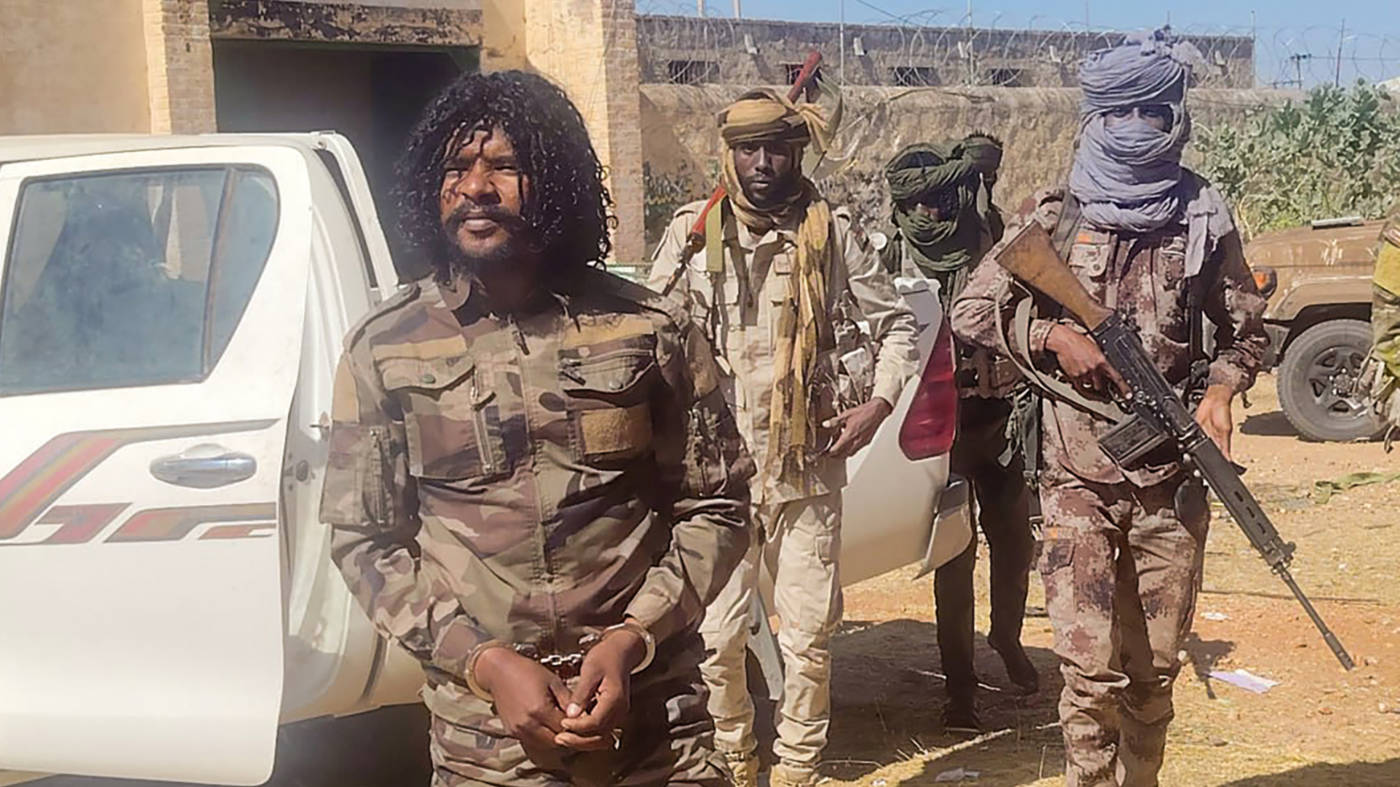
Why is the UAE involved in Sudan’s bloody civil war?
The Rapid Support Forces (RSF), a Sudanese paramilitary group, has been accused of committing mass executions and atrocities in the city of el-Fasher, which it recently seized. Satellite images and video evidence reveal widespread bloodshed, with experts likening the situation to the Rwandan genocide. This massacre is the latest in a brutal civil war between the RSF and the Sudanese Armed Forces (SAF), which has displaced over 13 million people since April 2023. Both factions have been accused of war crimes, including indiscriminate bombings, sexual violence, and torture. The RSF is reportedly backed by the UAE, which has been accused of complicity in genocide at the International Court of Justice. Sudan’s history of conflict dates back to its independence in 1956, with decades of instability under Omar al-Bashir’s regime. The current war began in April 2023, fueled by tensions over integrating the RSF into the national army. The conflict has left thousands dead and nearly 25 million facing acute food insecurity. The UAE’s involvement includes supplying weapons and financial support to the RSF, despite international arms embargoes. The UAE’s strategic interests in Sudan’s agricultural and mineral resources, particularly gold, have driven its intervention. International responses have been slow, with the ICJ dismissing Sudan’s case against the UAE due to jurisdictional issues. The UK and other nations have been criticized for their ambiguous stance on the conflict. A recent peace plan proposed by the US, Egypt, Saudi Arabia, and the UAE offers a temporary truce, but the RSF’s establishment of a parallel government complicates efforts. The situation remains dire, with no end to the humanitarian crisis in sight.
-

‘I dreamed to hug him. Now I hope to bury him’: Gaza’s missing haunt their families
In a somber hall at the Nasser Medical Complex in Khan Younis, southern Gaza, dozens of families gather, their eyes fixed on a screen displaying images of decomposed bodies. These remains, returned by Israeli authorities as part of a prisoner swap deal with Hamas, bear signs of torture and decay. Without DNA testing equipment, families are left to identify their loved ones through photographs—a harrowing process that offers little closure. Wafaa al-Aloul, a mother receiving treatment in Egypt, spends hours scrutinizing the images, searching for her son Mohammed, who disappeared in September. Her story mirrors the anguish of thousands in Gaza, where an estimated 10,000 people remain missing, many believed buried under rubble or forcibly disappeared by Israel. The World Health Organization reports that over 92% of Gaza’s health system, including forensic services, has been destroyed, further complicating identification efforts. Dr. Ahmed Dhahir of Nasser Hospital describes the primitive methods used to document remains, noting that many bodies show signs of fatal abuse. As families cling to hope, the conflict’s toll continues to devastate Gaza’s civilian population.
-
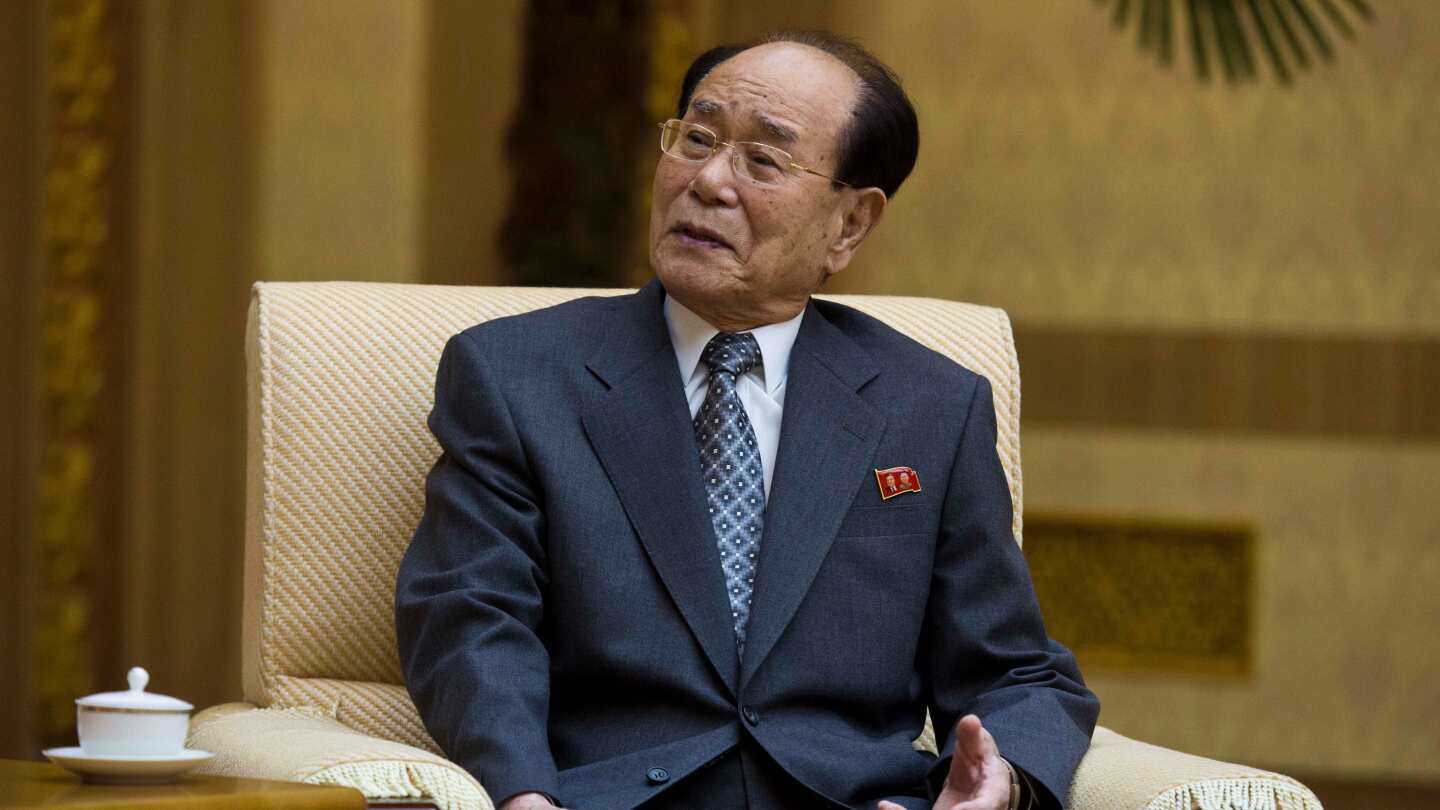
North Korea says its longtime ceremonial head of state Kim Yong Nam has died
SEOUL, South Korea — Kim Yong Nam, a steadfast North Korean official who served as the nation’s ceremonial head of state for over two decades, has died at the age of 97, as reported by North Korea’s state media on Tuesday. The Korean Central News Agency (KCNA) announced that Kim, who held the position of president of the Presidium of the Supreme People’s Assembly from 1998 to 2019, passed away on Monday. North Korean leader Kim Jong Un paid his respects by visiting Kim Yong Nam’s bier on Tuesday, expressing profound condolences.
-
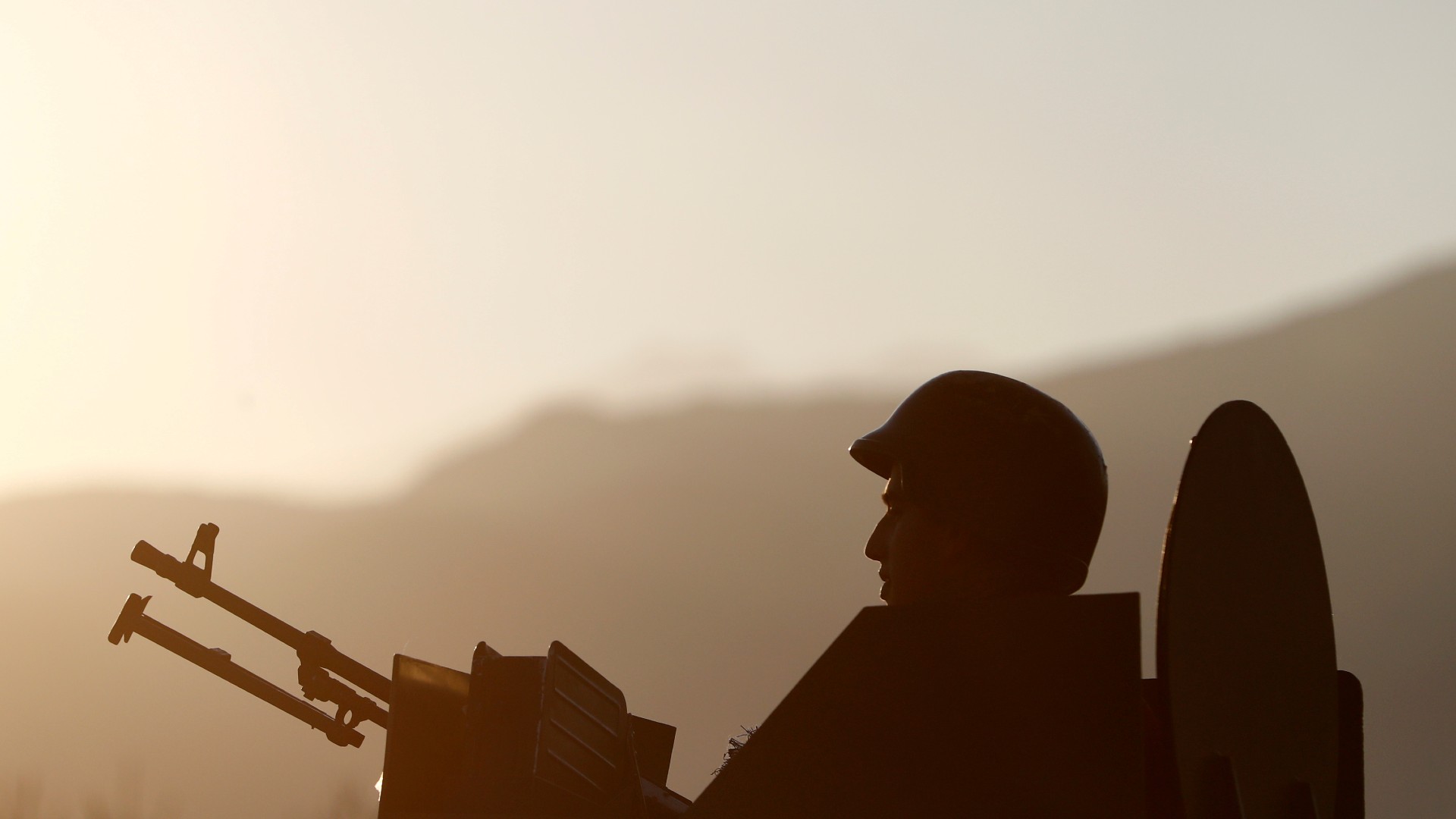
Turkey demands UN resolution before deploying troops to Gaza
Turkish Foreign Minister Hakan Fidan emphasized on Monday that a United Nations Security Council resolution is essential to authorize an international stabilization force for Gaza. He stated that Turkey’s decision to participate would hinge on this critical step. Fidan highlighted that countries considering troop deployment, as part of a US-brokered deal, are eager to first understand the mission’s parameters. ‘Countries want a UN Security Council resolution that establishes the force, defines its terms, and grants it legitimacy,’ Fidan explained during a press conference in Istanbul. This followed his meetings with foreign ministers from Indonesia, Pakistan, Saudi Arabia, Jordan, and representatives from the UAE and Qatar. Recent reports suggest Turkey is among the nations being considered for deployment, a proposal strongly opposed by the Israeli government. Turkish President Recep Tayyip Erdogan recently affirmed Ankara’s readiness to maintain the Gaza ceasefire, including potential troop deployment if necessary. Fidan stressed that participation would depend on the mission’s definition and scope, particularly its powers and rules of engagement. He also noted that countries might hesitate if the mission’s mandate conflicts with their principles. ‘We are ready to shoulder the burden for peace and make any necessary sacrifice,’ Fidan said, adding that Turkey is carefully examining the proposed framework to ensure alignment with its principles. Meanwhile, Israeli Prime Minister Benjamin Netanyahu’s government is reportedly exploring alternatives, such as Azerbaijani troops, to avoid Turkish involvement. Tensions between Turkey and Israel have escalated since Israel’s military actions in Gaza began in October 2023, with Turkey imposing a trade embargo and joining a genocide case against Israel at the International Court of Justice.
-

Starbucks sells 60% stake in China business in $4 billion deal
Starbucks announced on Monday a strategic joint venture with Chinese investment firm Boyu Capital, aimed at strengthening its retail operations in China. Under the agreement, Boyu will acquire a 60% stake in Starbucks’ Chinese retail business, valued at $4 billion, while Starbucks retains a 40% interest and continues to own and license its brand. The deal brings the total value of Starbucks’ China operations to over $13 billion, encompassing the sale proceeds, its retained stake, and future royalties.
-
PR firm ‘planted story’ about Iran funding Palestine Action in media, report says
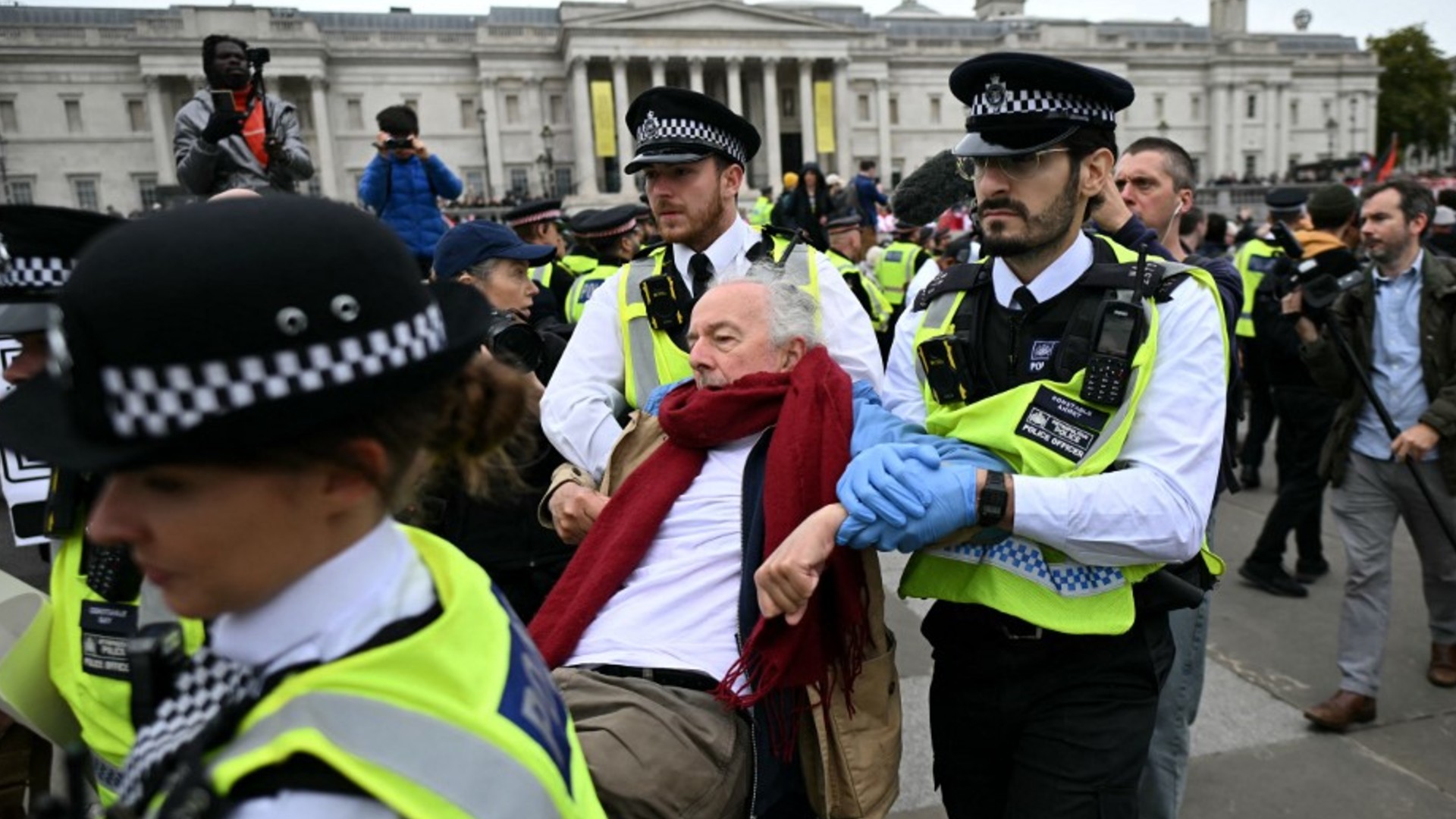
A British public relations consultancy, CMS Strategic, has been accused of orchestrating a media narrative linking Iran to the funding of Palestine Action, a proscribed direct action group. According to a report by Private Eye, Georgia Pickering, the head of CMS Strategic, allegedly claimed responsibility for placing a story in The Times about a Home Office investigation into Palestine Action’s funding sources. The article, which suggested Iranian proxies were financing the group, was published shortly before Palestine Action was banned under terrorism legislation in July 2023. The story was later amplified by outlets such as the Mail and GB News. However, the Home Office denied recognizing the claims, and Palestine Action dismissed the investigation as “baseless” and “ridiculous.” CMS Strategic also denied involvement in the Times article, contradicting Pickering’s alleged admission. The controversy emerged amid a broader campaign by pro-Israel lobbying group We Believe in Israel, which accused the Islamic Revolutionary Guard Corps (IRGC) of being the “darker puppeteer” behind Palestine Action. The group’s reports, which influenced the language of then Home Secretary Yvette Cooper’s statement on the ban, lacked concrete evidence beyond claims of ideological alignment. Palestine Action, known for targeting Elbit Systems and its affiliates, including CMS, has faced increasing scrutiny in the UK.
-

Taiwan and mainland united by goddess Mazu, common ancestral roots
The shared cultural and ancestral ties between Taiwan and mainland China were highlighted during a recent visit by Taiwan compatriots to Qingshan Temple in Hui’an county, Quanzhou, Fujian province. The event underscored the deep-rooted connections that bind people across the Taiwan Strait, emphasizing their shared belief in the goddess Mazu and common ancestry in Fujian province. Approximately 80% of Taiwan’s population traces their lineage to Fujian, which lies just across the narrow strait from Taiwan. Lin Ming-cong, head of an association of relatives of patriots in Taiwan who fought against Japanese occupation, remarked, ‘We speak the same dialect and worship the same goddess, which shows that we share the same roots and are one family.’ His family, originally from Pinghe county in Zhangzhou, Fujian, migrated to Taiwan during the Qing Dynasty (1644-1911) and later thrived there. In Taiwan, numerous groups have been established to unite descendants of Fujian, fostering mutual support and strengthening ties among clan relatives on both sides of the Strait. This cultural and familial bond serves as a powerful reminder of the unity and shared heritage that transcend political divisions.
-

First robotics debate competition holds semifinals in Beijing
The inaugural China International Robotics Debate Competition reached a pivotal stage as its semifinals were held in the Beijing Economic-Technological Development Area, commonly referred to as Beijing ETown, on Sunday. This groundbreaking event saw four teams secure their spots in the highly anticipated final round, scheduled for November 9. The semifinals introduced a unique cross-team format, pitting human debaters against robotic counterparts from other teams, determined by a random draw. A total of 10 teams participated in this innovative challenge, showcasing the capabilities of their AI-driven debate systems. Unlike traditional debate competitions, the judges refrained from declaring winners or losers. Instead, they assessed the robots across five critical dimensions: logical reasoning, language proficiency, multimodal interaction, skill demonstration, and adaptability. According to the organizers, this evaluation method provides a comprehensive assessment of the robots’ large model training and hardware calibration, highlighting the technological advancements in AI and robotics. The competition not only underscores China’s leadership in AI innovation but also sets a new benchmark for human-machine interaction in intellectual contests. The final round promises to be a thrilling culmination of this pioneering event, drawing global attention to the evolving landscape of AI and its applications.
-

Introducing CANÉZA as the visionary behind a $1bn legacy launches a new era of modern perfumery
Marking a transformative chapter in the world of perfumery, Canéza, a visionary fragrance house rooted in the legacy of Rasasi, has officially debuted at Beautyworld Middle East 2025. Founded by Anis Abdul Razak Kalsekar, co-owner of Rasasi Group and the creative force behind iconic scents like Hawas and La Yuqawam, Canéza introduces 22 meticulously crafted perfumes that blend artisanal craftsmanship with modern sophistication. The brand aims to make luxury accessible, bridging the gap between heritage and innovation. Canéza’s portfolio includes flagship fragrances such as Uomo and Gold, alongside signature collections like Iconic, Velvet, and Mezmar. Each scent reflects European perfumery excellence fused with contemporary sensibilities, offering long-lasting, ethically sourced, and IFRA-compliant compositions. Beyond its formulations, Canéza embodies a philosophy of ‘Modern Luxury, Made Accessible,’ with every detail, from weighted glass bottles to minimalist packaging, crafted with precision and sustainability in mind. As a digital-first brand, Canéza will launch globally in December 2025, with plans for expansion into Europe, India, Russia, and Southeast Asia in 2026. This debut signals a new era of perfumery, where luxury becomes a medium for personal expression.