
Zhang Tianfeng, the former deputy chief of China’s State Tobacco Monopoly Administration, has been formally indicted on corruption charges, as announced by the Supreme People’s Procuratorate on Tuesday. The charges allege that Zhang exploited his influential positions within the tobacco industry to illicitly secure benefits for others, accepting substantial bribes and gifts in return. The case has been escalated to the Intermediate People’s Court of Ganzhou City in Jiangxi Province, marking a significant step in China’s ongoing anti-corruption campaign. This indictment underscores the government’s commitment to rooting out graft within its administrative ranks, particularly in sectors with substantial economic influence like the tobacco industry.
标签: Asia
亚洲
-
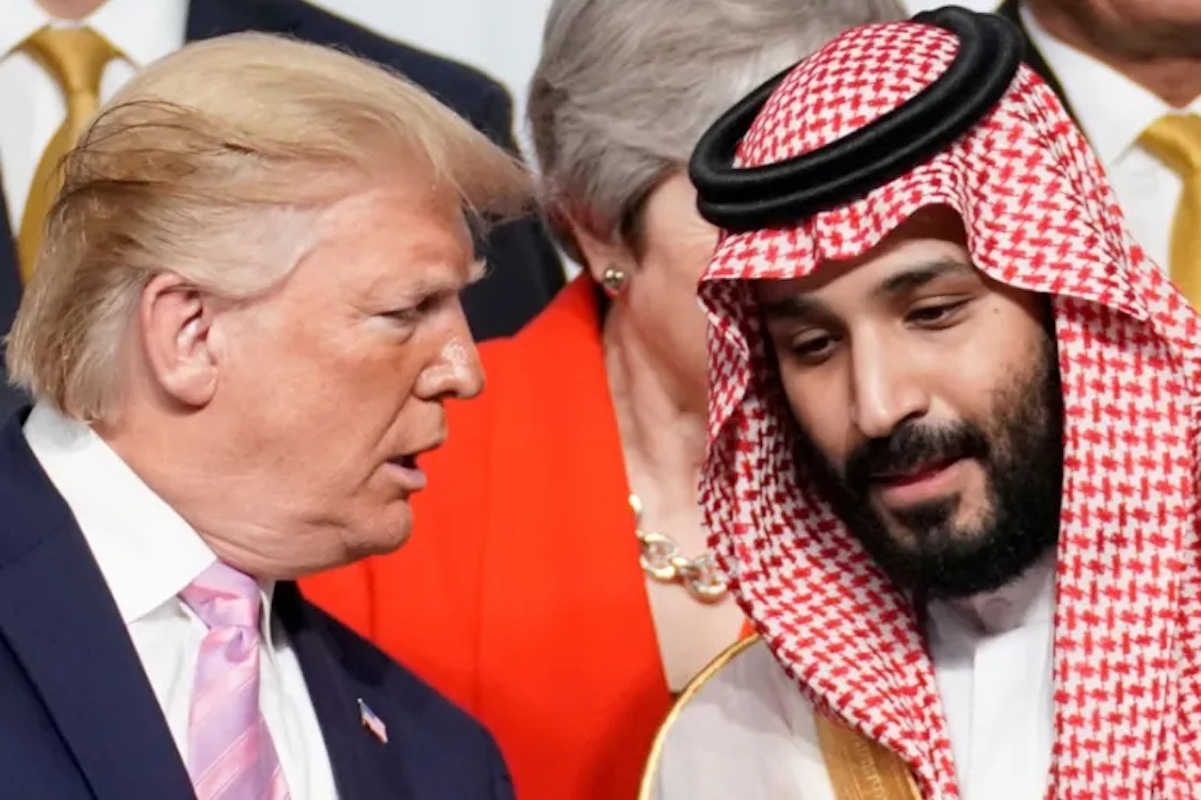
Time for US to ditch its Saudi alliance
For decades, the US-Saudi relationship has been hailed as an unshakable cornerstone of American foreign policy in the Middle East. However, this alliance, once deemed sacrosanct, has now outlived its strategic purpose. Like a marriage sustained solely for appearances, both nations have drifted apart, pursuing divergent interests while maintaining the facade of partnership. It is time to confront the undeniable truth: the rationale for this alliance has dissolved, and its continuation undermines both American interests and regional stability. The traditional pillars of the relationship—oil security, counterterrorism, and containing Iran—have either become obsolete or counterproductive. The US, now a net energy exporter due to the shale revolution, no longer relies on Saudi oil, freeing itself from dependence on a regime whose values increasingly clash with its own. Meanwhile, Saudi Arabia has signaled its independence through actions such as coordinating with Russia via OPEC+ to manipulate oil prices, often against US preferences. This shift was starkly evident when Riyadh cut oil production to boost prices, directly opposing the Biden administration’s efforts to ease economic pressures on American consumers. Further evidence of the growing rift is Saudi Arabia’s deepening ties with China, which now accounts for a quarter of its oil exports and has brokered diplomatic breakthroughs like the Saudi-Iran detente—a feat Washington failed to achieve. Riyadh is also exploring alternatives to the petrodollar system, conducting transactions in yuan, signaling a move away from American financial hegemony. Despite these changes, Washington clings to the illusion of an unchanged alliance, continuing to supply advanced weaponry to Saudi Arabia, overlooking human rights abuses in Yemen, and downplaying the murder of journalist Jamal Khashoggi. This relationship, once strategic, has become transactional, driven more by institutional inertia and the interests of defense contractors than by genuine national priorities. A recalibration of this alliance is overdue. The US should engage with Saudi Arabia on commercial terms, cooperate on specific mutual interests like counterterrorism, and cease allowing this relationship to distort its broader Middle East policy. Stepping back from this dysfunctional alliance could encourage Riyadh to pursue more pragmatic regional policies, such as diplomatic engagement with Iran and a focus on economic diversification under Vision 2030. The US-Saudi alliance served its purpose in an era defined by American oil dependence and Cold War geopolitics. That era has ended, and so too should this outdated partnership. A truly conservative foreign policy would recognize that not all relationships are worth preserving at any cost. Sometimes, the most strategic move is to let go.
-
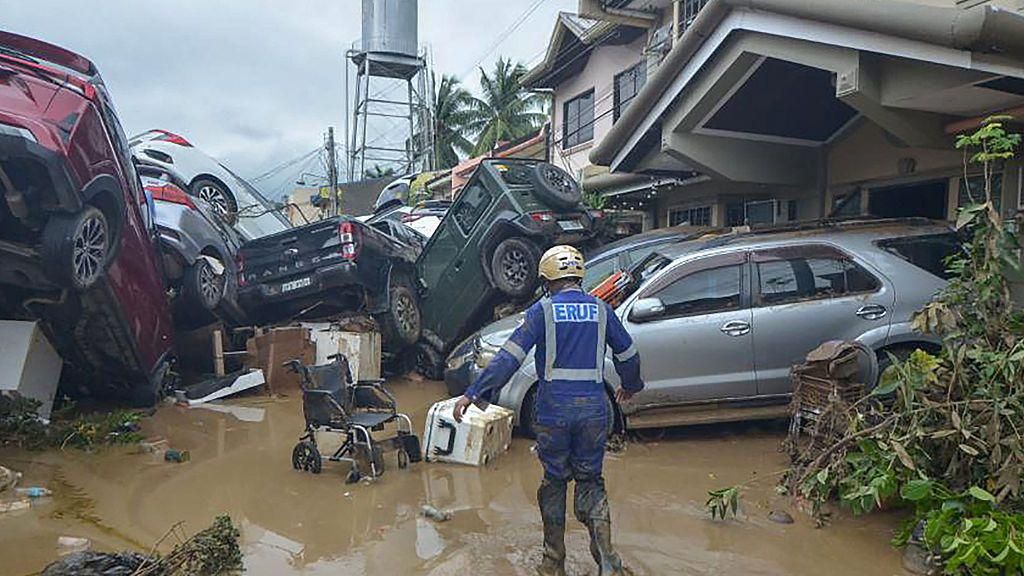
At least three dead as typhoon causes devastation in the Philippines
Typhoon Kalmaegi has wreaked havoc across the central Philippines, claiming at least three lives and displacing hundreds of thousands of residents. The storm, locally named Tino, brought catastrophic flooding to Cebu and other regions, submerging entire towns and sweeping cars and shipping containers through the streets. Videos captured the dire situation, with people seeking refuge on rooftops as floodwaters surged. A military helicopter deployed for relief operations crashed in northern Mindanao, though the fate of its crew remains uncertain. The Philippine Air Force has initiated search and rescue efforts. Despite weakening after landfall, the typhoon continues to unleash winds exceeding 80 mph (130 km/h). It is expected to move across the Visayas islands and into the South China Sea by Wednesday. Cebu’s provincial governor, Pamela Baricuatro, described the situation as unprecedented, emphasizing the deadly impact of floodwaters. Local resident Don del Rosario, 28, recounted the storm as the worst he has experienced in his lifetime. The disaster follows a series of severe weather events in the Philippines, including back-to-back typhoons in September and a devastating earthquake in late September. The country, which faces an average of 20 storms annually, has been grappling with inadequate flood control systems, sparking public outrage over corruption and mismanagement.
-
Partnerships spur regional collaborations
In a world increasingly dominated by protectionist policies, the Association of Southeast Asian Nations Plus Three (ASEAN+3) and the Asia-Pacific Economic Cooperation (APEC) forum have emerged as pivotal players in promoting an open and inclusive trading order. Analysts highlight that these regional partnerships have gained significance as Asian economies face threats from rising U.S. protectionism. Enrico Gloria, an assistant professor of international relations at the University of the Philippines, emphasized that these groupings act as economic shock absorbers and normative anchors for a stable trading environment. ASEAN+3, comprising 10 ASEAN members plus China, Japan, and South Korea, and APEC, with its 21 member economies across the Asia-Pacific and the Americas, balance national interests with regional solidarity. The ‘ASEAN Way’ allows countries to progress at different speeds while maintaining unity, and APEC’s voluntary approach reinforces inclusiveness. Both frameworks focus on pragmatic, consensus-driven economic collaboration, with many member economies being signatories to major free trade agreements like the Regional Comprehensive Economic Partnership (RCEP) and the Comprehensive and Progressive Agreement for Trans-Pacific Partnership (CPTPP). Bart Edes, a distinguished fellow at the Asia Pacific Foundation of Canada, noted that these partnerships are well-positioned to advance a counternarrative of inclusive globalization rooted in Asia’s pragmatic economic model. This ‘new Asian regionalism’ emphasizes integration, multipolarity, and regional resilience, contrasting with the U.S. government’s reliance on tariffs and aggressive transactional approaches. Julia Roknifard, a senior lecturer at Taylor’s University in Malaysia, added that ASEAN+3 and APEC members are ‘seeking development, not dominance,’ and are capable of jointly promoting inclusive globalization. Despite economic slowdowns, with APEC’s economy expected to grow at 3.1 percent and ASEAN+3’s GDP easing to 4.1 percent this year, these regional partnerships continue to stand by multilateralism and defend trade openness through collaborative dialogues.
-
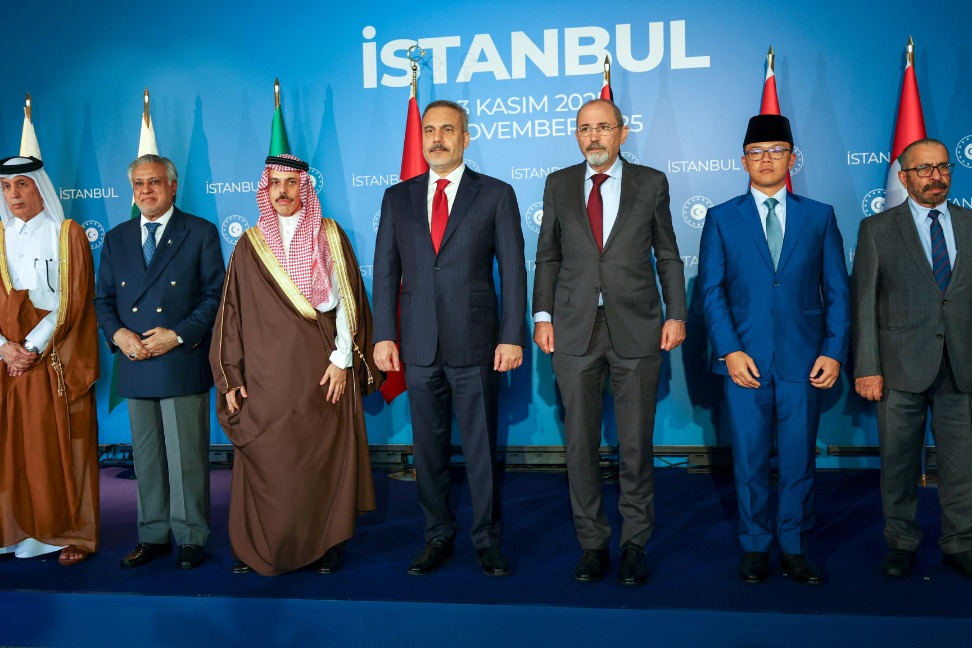
Foreign ministers from seven countries meet in Istanbul to discuss Gaza ceasefire
Foreign ministers from seven nations gathered in Istanbul on November 3, 2025, to deliberate on sustaining the Gaza ceasefire and outlining the future governance of the embattled enclave. The meeting, hosted by Turkish Foreign Minister Hakan Fidan, included representatives from the United Arab Emirates, Indonesia, Qatar, Pakistan, Saudi Arabia, and Jordan. Despite the ceasefire initiated on October 10, Israeli strikes have persisted, resulting in over 200 Palestinian casualties, according to Gaza’s health ministry. Fidan emphasized the collective agreement among the ministers to uphold the truce and prevent further violence, advocating for a two-state solution as the foundation for enduring peace. He criticized Israel for repeated truce violations and obstructing humanitarian aid, complicating enforcement efforts. Discussions on Gaza’s post-war governance remain ongoing, with Fidan stressing the necessity of a consensus-driven approach to avoid future structural issues. The ministers unanimously supported the principle that Palestine should be governed and secured by Palestinians. Earlier in the day, Turkish President Recep Tayyip Erdogan, addressing the Organization of Islamic Cooperation, accused Israel of violating the ceasefire while acknowledging Hamas’s adherence to the truce. Erdogan warned that the ongoing violence jeopardizes peace initiatives.
-

Chinese medical team performs remote 5G robotic eye surgery over 4,000 km away
In a groundbreaking medical feat, a Chinese surgical team has successfully performed a remote robotic eye surgery spanning over 4,000 kilometers, leveraging advanced 5G technology. The procedure, a retinal injection, was conducted on Sunday by surgeons in Guangzhou, who remotely controlled a robotic arm at a hospital in Urumqi, Xinjiang Uygur Autonomous Region. This marks a significant advancement in using technology to address the disparity in medical resources between China’s developed coastal cities and its remote regions. The surgery, executed with micron-level precision, involved guiding a microscopic needle to the retina, piercing it to a predetermined depth, and administering medication. The entire process was completed in under seven minutes, with the 5G network ensuring seamless communication and the robotic arm operating without tremor. Retinal sub-injection is a highly delicate technique used to treat vision-threatening conditions like submacular hemorrhage. Dr. Lin Haotian, the project lead from Sun Yat-sen University’s Zhongshan Ophthalmic Center, hailed the surgery as a pivotal step in transitioning remote high-precision ophthalmic surgery from feasibility to practicality in China. This achievement underscores the potential of 5G and robotics in revolutionizing healthcare delivery, particularly in underserved areas.
-

Dubai firm reaches India’s top court over cancelled Dharavi slum redevelopment bid
A Dubai-based consortium, SecLink Technologies Corporation, has escalated its legal battle to India’s Supreme Court after its bid for the redevelopment of Mumbai’s Dharavi slum was controversially cancelled. The project, one of Asia’s most ambitious urban transformation initiatives, aims to revitalize one of the world’s largest slum settlements, home to over one million residents. The redevelopment is estimated to generate over Dh125 billion in long-term commercial value. SecLink emerged as the highest bidder in 2019 with an offer of Dh3 billion, but the process was abruptly cancelled, and revised criteria introduced in 2022 excluded the consortium from participating again. The contract was subsequently awarded to the Adani Group. SecLink alleges that the rule changes undermined fair competition and has offered a revised bid of Dh3.6 billion, committing to meet all new obligations. The Supreme Court has ordered the state government to produce all relevant documents for scrutiny and has placed project payments under judicial supervision. The next hearing is scheduled for November 13, 2025.
-

Month-long holiday in UAE: Schools wrap up exams, field trips before winter break
As the UAE prepares for an extended winter break, schools across the nation are bustling with activity to conclude the academic term. This year, international curriculum schools will enjoy a nearly four-week holiday, longer than the usual three-week break. The holiday period begins with National Day celebrations on December 2 and 3, followed by the main break from December 8, 2025, to January 4, 2026. Classes are set to resume on January 5, providing students with ample time to rest, travel, and engage in community and national festivities. The Ministry of Education (MoE) had earlier approved a unified academic calendar for the 2025–2026 school year, which began on August 25. Asian curriculum schools, which started in April, have slightly different schedules to align with home-country board exam requirements. Schools are now focused on wrapping up lessons, assessments, and parent-teacher meetings (PTMs) while preparing for upcoming events. At Woodlem American School in Ajman, Principal Marah Kaddoura emphasized the importance of clear communication and a well-structured calendar to manage the heavy workload. Preparations are also underway for National Day celebrations at the end of November. Meanwhile, Credence High School in Dubai is organizing enriching field trips, annual concerts, and sports days to bring the school community together. Senior students, particularly those in Grades 10 and 12, are maintaining their academic momentum as they approach pre-board examinations. At Ambassador School in Dubai, Principal Sheela Menon described the period as ‘an active and dynamic time for the entire school community,’ with summative assessments, inter- and intra-school events, and training sessions happening concurrently. Preparations for Term 3 mega events are also in full swing, adding to the excitement on campus.
-

New bulk-buy to drive drug price cuts
China’s National Healthcare Security Administration has announced the results of the 11th nationwide centralized drug procurement round, selecting 55 medicines that are expected to be available at reduced prices starting February 2026. The bidding process, held in Shanghai on October 27, included a wide range of therapeutic areas such as infections, allergies, cancers, and chronic conditions like diabetes and high blood pressure. Among the selected drugs are the flu medication oseltamivir, the diabetes drug metformin, and the cancer treatment olaparib. This round saw participation from 794 products across 445 enterprises, with 453 products from 272 companies ultimately chosen. Approximately 46,000 medical institutions had pre-submitted their procurement demands, with 75% of these volumes successfully matched with winning products. The administration emphasized that the selected brands align closely with clinical needs and are produced by established manufacturers with proven supply capabilities and quality assurance. To reinforce quality control, bidding manufacturers were required to demonstrate prior experience in producing the same category of drugs and have a clean manufacturing record over the past two years. Regulatory authorities will conduct comprehensive supervision and inspections of all selected products. The competition in this round was notably more intense compared to previous rounds, prompting the administration to introduce measures to mitigate excessive competition and avoid extremely low bids. These measures included an anchor price reference, a revival mechanism, and proactive communication with companies to encourage reasonable pricing. As a result, the round maintained a relatively high selection rate, with a substantially smaller average price gap among winning drugs compared to earlier batches. The administration also emphasized efforts to prevent bid-rigging and collusion, promoting a fair and competitive market environment. Since its inception in 2018, the centralized procurement program has included a cumulative total of 490 drug varieties through 11 rounds.
-
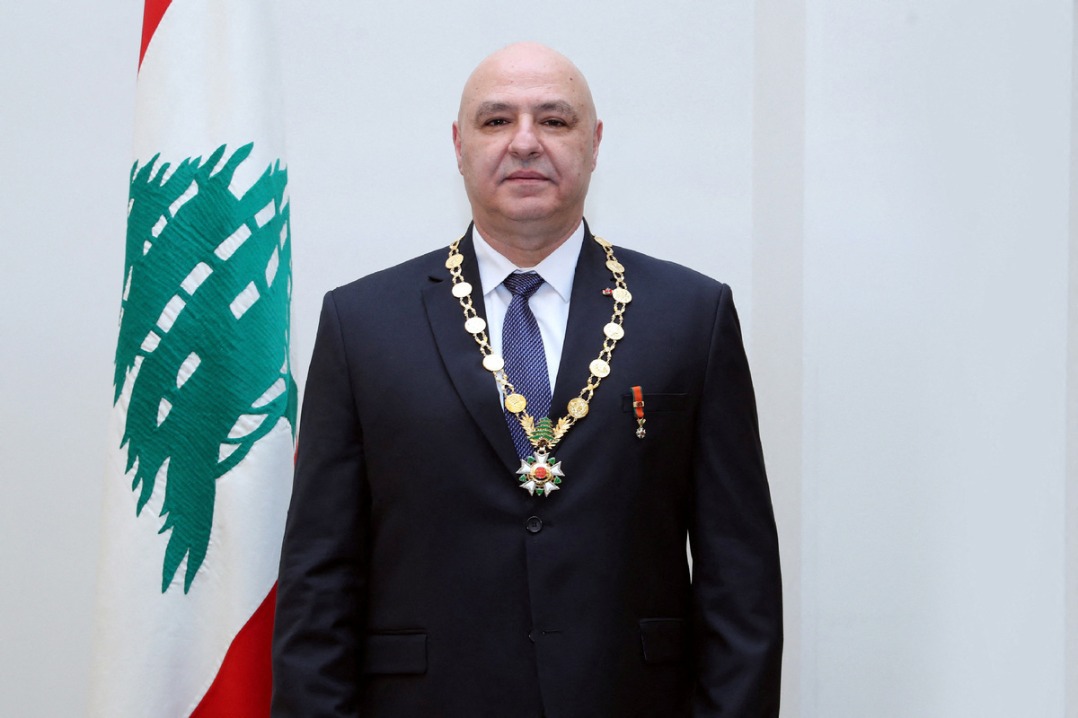
Lebanese president calls for diplomacy with Israel amid border tensions
Lebanese President Joseph Aoun has called for diplomatic engagement with Israel amid escalating border tensions, emphasizing that negotiation is the only viable path forward. Speaking at Baabda Palace during a meeting with officials on Monday, Aoun underscored the importance of diplomacy over war, stating, “In politics, there are three tools: diplomacy, economy, and war. When war leads nowhere, what else can we do? Every war in the world eventually ends with negotiations, and negotiation is never with a friend or ally, but with an enemy.” He highlighted the destructive nature of war, praising the diplomatic efforts of Lebanon’s leadership, including Parliament Speaker Nabih Berri and Prime Minister Nawaf Salam. Aoun also stressed the need for national unity, urging politicians to prioritize Lebanon’s interests over sectarian divisions and electoral ambitions. The call for diplomacy comes after a deadly raid on the border village of Blida in late October, which prompted Aoun to order the Lebanese army to respond to any Israeli incursions. While a US- and French-brokered ceasefire has been in place since late November 2024, Israel has continued occasional strikes in Lebanon, claiming to target Hezbollah threats. These actions have been condemned by Lebanon and international organizations as violations of the truce.