标签: Asia

亚洲

  • Ryan Coogler, Leonardo DiCaprio, Rose Byrne, Diane Warren react to Oscar nominations

    Ryan Coogler, Leonardo DiCaprio, Rose Byrne, Diane Warren react to Oscar nominations

    Hollywood’s brightest talents shared intimate reflections on their creative processes and emotional connections to their Oscar-nominated work following Thursday’s announcement of the 96th Academy Award nominations.

    Ryan Coogler, whose blues-infused vampire film ‘Sinners’ received a record-breaking 16 nominations, revealed the deeply personal inspiration behind his project. ‘I wrote this script for my uncle who passed away 11 years ago,’ Coogler explained in an emotional interview. The filmmaker, nominated for Best Picture, Director, and Screenplay, described his relentless dedication to the craft: ‘I was writing last night. That’s why I didn’t get too much sleep.’

    Leonardo DiCaprio, nominated for Best Actor in ‘One Battle After Another,’ emphasized the enduring power of cinematic storytelling. ‘At the end of the day it’s about trying to be in films that are memorable,’ DiCaprio stated, highlighting the communal experience of theater-going as fundamental to human connection.

    Across the globe in Australia, Rose Byrne received her Best Actress nomination for ‘If I Had Legs I’d Kick You’ in the middle of the night. Byrne detailed the intensive five-week rehearsal process that shaped her turbulent character, crediting director Mary Bronstein’s performance-driven approach. The nomination announcement triggered a joyous family celebration via FaceTime with her husband Bobby Cannavale in New York.

    Composer Ludwig Göransson, nominated for Best Original Score and Original Song for ‘Sinners,’ described the project as a ‘family affair’ that celebrates the foundational influence of blues music on Western culture. ‘Anything we’re hearing today on the radio wouldn’t exist if it wasn’t for blues,’ Göransson noted, praising Coogler’s ability to showcase this musical heritage.

    Songwriter Diane Warren received her 17th nomination for ‘Dear Me’ from the documentary ‘Diane Warren: Relentless.’ The legendary composer reflected that ‘to be nominated is winning because these are the best of the best in the fields of film, music, that vote for you.’

    Producer Liza Marshall expressed amazement at audiences’ deep emotional connection to ‘Hamnet,’ noting that viewers frequently remain seated through the credits to process the film’s impact. Marshall praised star Jessie Buckley’s ‘primal’ performance that transcends conventional acting.

    Composer Alexandre Desplat described ‘Frankenstein’ as director Guillermo del Toro’s ‘dream project’ and the completion of a thematic triptych about empathy for those who are different. Nicholas Pike expressed excitement about his nomination for the contemporary operatic aria ‘Sweet Dreams Of Joy,’ while Bryce Dessner of The National celebrated his collaboration with musical hero Nick Cave on the grief-themed ‘Train Dreams.’

  • Australian Open: Sinner overpowers Duckworth, Wawrinka wins thriller

    Australian Open: Sinner overpowers Duckworth, Wawrinka wins thriller

    Melbourne witnessed a spectacular display of tennis prowess and veteran resilience on Thursday at the Australian Open, where two distinct narratives unfolded on the courts.

    Reigning champion Jannik Sinner demonstrated why he holds the world number two ranking with a commanding performance against Australian wildcard James Duckworth. The Italian maestro needed merely one hour and forty minutes to secure a decisive 6-1, 6-4, 6-2 victory on Rod Laver Arena. Sinner’s precision and power were on full display as he extended his remarkable winning streak against Australian opponents to 27 consecutive matches. His last defeat to an Australian came against Duckworth himself in Toronto back in 2021, but there was no hint of a repeat upset. Sinner’s clinical performance featured impeccable shot placement and relentless pressure, culminating in a match-ending ace that propels him into a third-round encounter with American Eliot Spizzirri.

    Meanwhile, on Kia Arena, 40-year-old Stan Wawrinka authored one of the most memorable chapters of his storied career. The Swiss veteran, who previously announced this would be his final Australian Open before retiring in 2026, battled Frenchman Arthur Gea in an epic five-set thriller that stretched to four hours and thirty-three minutes. Wawrinka ultimately prevailed 4-6, 6-3, 3-6, 7-5, 7-6(10-3) in a match that tested both physical endurance and mental fortitude.

    The three-time Grand Slam champion, who captured his first major title in Melbourne back in 2014, became the first player aged 40 or older to reach the third round of a Grand Slam since Ken Rosewall accomplished the feat at the 1978 Australian Open. Wawrinka’s victory was particularly impressive considering he received a late wild card entry and faced an opponent nineteen years his junior. Despite visible exhaustion, the veteran tapped into the energy of a supportive crowd to overcome cramps and mounting pressure, particularly during the decisive tiebreak where he demonstrated the champion mentality that has defined his career.

  • Daughter recalls her father’s quiet role in shaping UAE before the Union

    Daughter recalls her father’s quiet role in shaping UAE before the Union

    At the Emirates Airline Festival of Literature, Ayesha Mohammed Saeed Al Mulla offered a rare personal glimpse into the life of her father, Mohammed Saeed Al Mulla, a key architect behind the formation of the United Arab Emirates. Speaking on January 22, 2026, she revealed how the prominent businessman and former minister served as a trusted diplomatic messenger between the late Sheikh Zayed bin Sultan Al Nahyan and Sheikh Rashid bin Saeed Al Maktoum during the crucial pre-Union period.

    Unlike official historical accounts, Ayesha’s narrative focused on the character and values that defined her father both as a nation-builder and family patriarch. Born in Dubai’s historic Shindagha district in 1926, Mohammed Saeed Al Mulla belonged to a generation that laid the foundation for the modern UAE. His passing in 2023 drew formal tributes from Sheikh Mohammed bin Rashid Al Maktoum and Sheikh Hamdan bin Mohammed bin Rashid Al Maktoum, acknowledging his considerable contributions.

    Ayesha described growing up in a household steeped in authenticity, poetry, and historical significance, shaped by family origins in Liwa. As the youngest daughter for 17 years, she developed a particularly strong bond with her father, who became her primary role model. ‘I was raised in the same home he was raised in, by the same values and principles,’ she reflected during the emotional session.

    The discussion centered on researcher Muayyad Al-Shaibani’s book ‘A Radiant Biography,’ which documents Al Mulla’s legacy through personal testimonies rather than conventional historical records. Ayesha highlighted her father’s exceptional diplomatic skills, noting that Deputy Prime Minister Sheikh Saif bin Zayed Al Nahyan had recently told her, ‘The only person who could calm matters down was your father.’

    Beyond his political role, Ayesha remembered her father’s strict integrity and discipline. He prohibited any of his children from working in government until after his retirement, maintaining a clear separation between public service and family interests. Among his most enduring lessons were the importance of accurately conveying messages from leadership without alteration and protecting family reputation above all else. ‘Money comes and goes,’ he taught her, ‘but reputation can never be replaced.’

    Ayesha concluded with simple pride: ‘He was a man of the Union, and I am proud to be the daughter of one of the men who helped shape it.’

  • Shanghai braces for record passenger numbers during Spring Festival

    Shanghai braces for record passenger numbers during Spring Festival

    Shanghai authorities are implementing comprehensive measures to manage an anticipated record-breaking travel period during the upcoming Spring Festival, with projections indicating nearly 49.15 million passenger journeys through China’s financial capital. The extended 40-day travel rush, officially scheduled from February 2 to March 13, is expected to establish new benchmarks in urban transportation management according to the municipal Spring Festival Transport Office.

    Transportation analysts predict a 5% overall increase in passenger volume compared to previous year’s figures, with rail travel demonstrating the most substantial growth at 6%. Air travel is forecast to experience a modest 1% increase, while road traffic is projected to decline by approximately 5%, reflecting shifting transportation preferences among travelers.

    The departure peak is anticipated around February 14, with an estimated 1.08 million passengers exiting the city as residents embark on homeward journeys, family visits, and vacation travels preceding the Spring Festival commencement on February 17, which heralds the beginning of the Year of the Horse. The return peak, projected for February 23, expects daily arrivals to reach 1.14 million passenger trips, representing an 8% surge over last year’s corresponding period.

    Highway traffic is forecast to achieve unprecedented levels, with average daily vehicle trips predicted to increase between 3-6%, reaching between 1.32 and 1.37 million vehicles. This potential record underscores the massive scale of seasonal migration characteristic of China’s most significant annual holiday period, presenting substantial logistical challenges for urban planners and transportation authorities.

  • China’s disciplinary bodies penalize over 3,700 staff in 2025

    China’s disciplinary bodies penalize over 3,700 staff in 2025

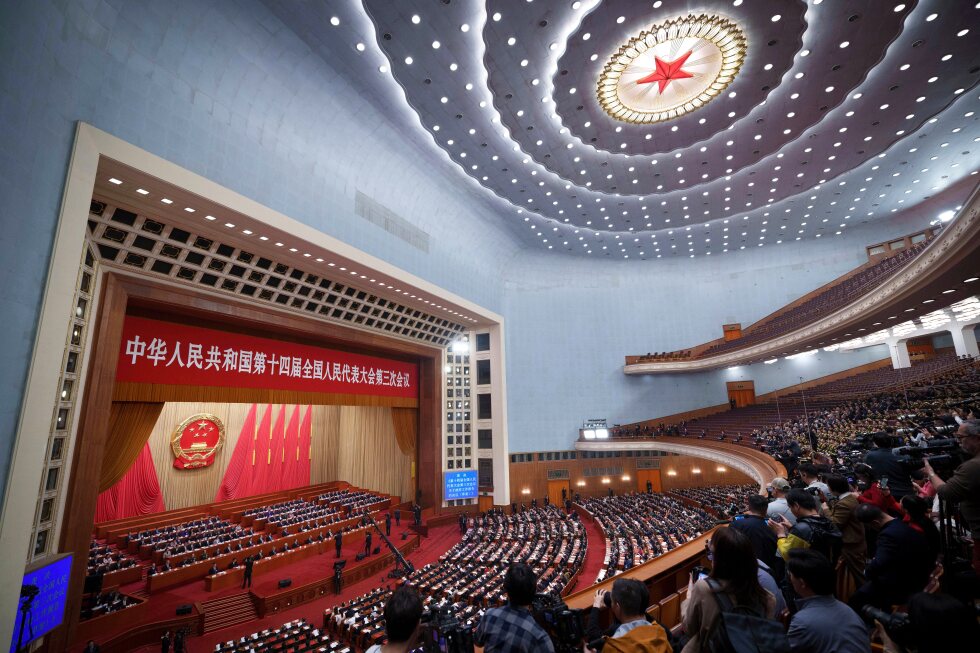
    China’s top anti-corruption authorities have demonstrated rigorous self-policing within their ranks, with latest figures revealing substantial disciplinary actions against internal personnel throughout 2025. According to official data released by the Communist Party of China Central Commission for Discipline Inspection and the National Supervisory Commission, disciplinary inspection and supervision organs nationwide initiated cases against 4,119 of their own cadres during the year.

    The comprehensive enforcement effort resulted in disciplinary and administrative penalties for 3,763 officials, while 234 cases involving serious legal violations were transferred to judicial organs for criminal investigation. The scale of public oversight was equally significant, with these bodies receiving more than 40,200 reports concerning disciplinary inspection and supervision officials, of which over 35,000 were formally processed through established channels.

    Notably, the enforcement actions reached across all administrative levels, including four provincial and ministerial-level officials, 116 prefectural and bureau-level cadres, and 746 county and division-level personnel. The disciplinary bodies employed China’s sophisticated “Four Forms” of supervision and enforcement mechanism to address approximately 13,900 cadres through graduated interventions.

    The tiered approach to discipline enforcement saw 9,937 cases handled through the first form (criticism, education and rectification), 3,217 through the second form (organizational adjustments or minor penalties), 465 through the third form (heavy sanctions or significant post adjustments), and 282 through the fourth form (transfer to judicial organs for serious criminal violations). This structured methodology reflects China’s systematic approach to maintaining integrity within its anti-corruption apparatus through preventive measures and graduated sanctions.

  • Israel president says Iran’s future ‘can only be regime change’

    Israel president says Iran’s future ‘can only be regime change’

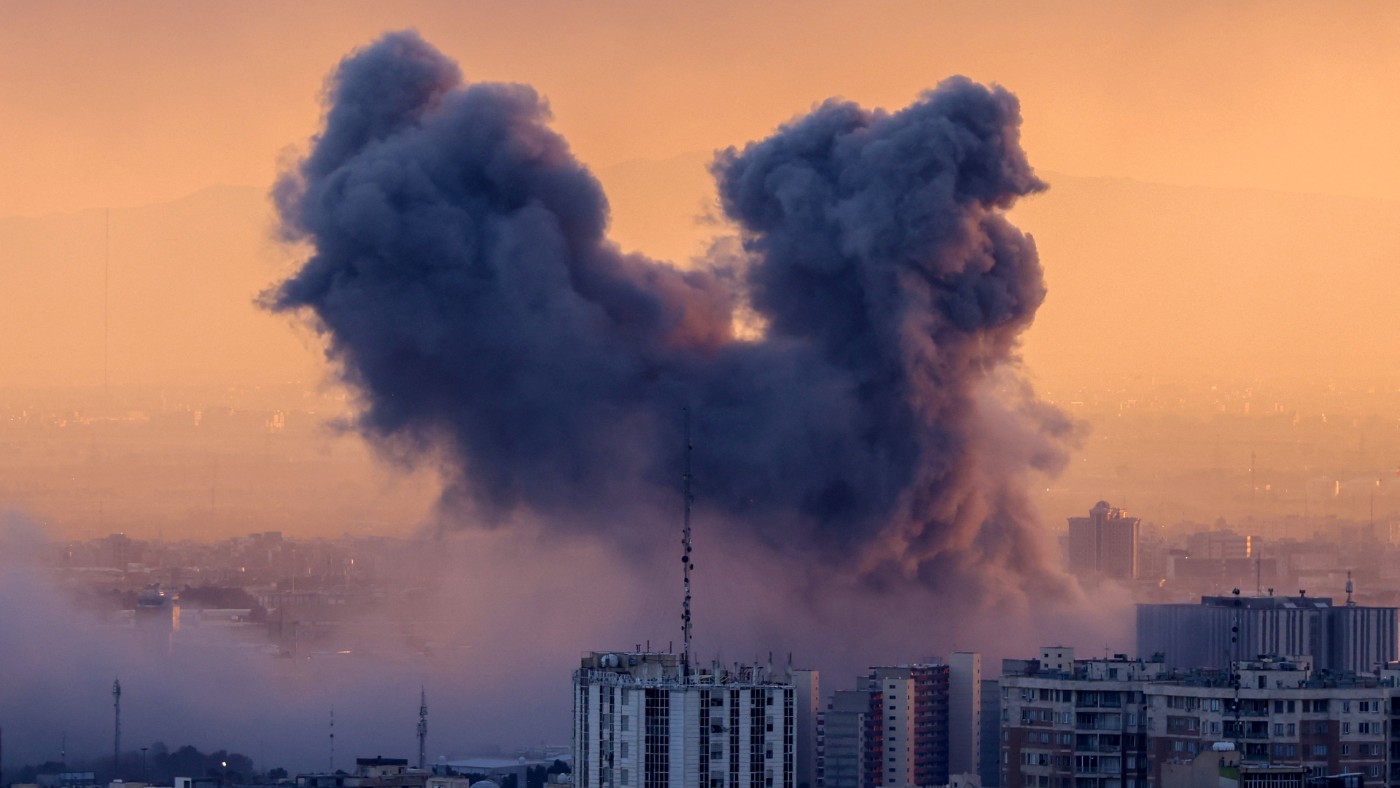
    Israeli President Isaac Herzog has declared that regime change represents the only viable future for Iran, following widespread anti-government demonstrations that faced severe suppression. Speaking at the World Economic Forum in Davos on Thursday, Herzog characterized Iran’s clerical leadership as “fragile” and expressed solidarity with Iranian citizens demanding political transformation.

    The protests, initially triggered by economic discontent in late December, rapidly evolved into a broader movement challenging the theocratic establishment that has governed Iran since the 1979 Islamic Revolution. While demonstrations peaked in early January, activists report they have since diminished due to intense security measures and nationwide internet restrictions.

    Herzog emphasized international responsibility, stating that supporting Iran’s transition must involve both the Iranian people and the global community. His comments align with Israel’s longstanding opposition to Iran’s government, though he stopped short of advocating direct intervention.

    Iranian authorities acknowledged 3,117 fatalities during the unrest, though independent activists contend the actual death toll is significantly higher. This confrontation occurs against the backdrop of renewed regional tensions, including last year’s 12-day conflict between Iran and Israel that involved Israeli strikes on Iranian nuclear facilities.

    Tehran has previously accused Israel of attempting to destabilize national unity, particularly following statements by Israeli Prime Minister Benjamin Netanyahu expressing support for Iranian protesters. The exchange highlights the deepening geopolitical rift between the two Middle Eastern powers.

  • Trump says Putin accepted to join his ‘Board of Peace’

    Trump says Putin accepted to join his ‘Board of Peace’

    In a significant geopolitical development, former US President Donald Trump announced at the World Economic Forum in Davos that Russian President Vladimir Putin has agreed to join his proposed ‘Board of Peace’ initiative. This declaration comes despite the Kremlin maintaining that it is still evaluating the invitation.

    Trump confidently stated to international media, ‘He was invited, he’s accepted. Many people have accepted,’ referencing his vaguely defined consortium of world leaders. The initiative, which has drawn skepticism from traditional U.S. allies, reportedly requires a $1 billion contribution for a permanent seat on the board.

    Contradicting Trump’s straightforward assertion, President Putin provided a more measured response during a televised government meeting in Moscow. He revealed that he has instructed the Russian Foreign Ministry to thoroughly analyze the proposal and consult with strategic partners before formulating an official reply.

    In a strategically calculated move, Putin suggested that Russia could fund the billion-dollar membership fee using assets previously frozen by the previous American administration. Furthermore, he proposed these same frozen assets could be allocated to reconstruct territories damaged by hostilities, contingent upon the successful conclusion of a peace agreement between Russia and Ukraine.

    The ‘Board of Peace,’ initially conceptualized to oversee Gaza’s reconstruction, appears to have expanded its purported scope according to its charter. The initiative now seemingly positions itself as a potential rival to established international organizations like the United Nations, drawing criticism from several European nations including France.

  • Jordan using Israeli data-gathering software to track activists: Citizen Lab

    Jordan using Israeli data-gathering software to track activists: Citizen Lab

    A groundbreaking investigation by cybersecurity research group Citizen Lab has uncovered that Jordanian authorities are systematically employing digital extraction technology developed by Israeli firm Cellebrite to surveil civil society activists without consent. The report details how Jordan’s security apparatus has utilized these forensic tools to access data from mobile devices belonging to activists and civil society members, bypassing international human rights obligations.

    The research team identified specific technical indicators on both iOS and Android devices that had been seized by Jordanian authorities and subsequently returned to their owners. These digital fingerprints provided high-confidence evidence linking the data extraction to Cellebrite’s proprietary technology. According to court documents examined by Citizen Lab, the extracted data has been utilized in criminal proceedings against activists, raising serious concerns about compliance with human rights treaties that Jordan has ratified.

    Cellebrite, headquartered in Tel Aviv with majority ownership by Japan’s Sun Corporation, has previously supplied its technology to multiple governments worldwide. The company’s products have been implicated in cases targeting dissidents in Myanmar, where they were used against Reuters journalists reporting on the Rohingya crisis, and in Russia against pro-democracy advocates.

    The revelation comes amid escalating tensions in Jordan, where hundreds of citizens have been detained over the past year, many for expressing solidarity with Palestinians in Gaza. Jordan’s General Intelligence Department (GID), commonly known as Mukhabarat, faces mounting criticism following the death of a young man in custody last year.

    Between January 2024 and June 2025, Citizen Lab forensically analyzed three iPhones and one Android device belonging to Jordanian civil society members who had been detained, arrested, or interrogated. All four devices showed clear evidence of forensic extraction using Cellebrite technology. In one particularly telling case, an activist retrieved their iPhone from Amman’s Cybercrime Unit to find their passcode written on tape affixed to the device’s back, despite never having disclosed it during interrogation.

    Cellebrite responded to inquiries by emphasizing that their software constitutes investigative technology rather than spyware, and should only be deployed with proper legal authority or consent. The company stated it strictly licenses its technology for operations conducted under valid legal frameworks, though it declined to comment on specific cases.

    The findings highlight growing concerns about the global proliferation of digital surveillance tools and their application against civil society actors, particularly in regions with fragile democratic institutions.

  • Indian expats in UAE upset over IndiGo’s plan to halt lone Dubai–Bhubaneswar flight

    Indian expats in UAE upset over IndiGo’s plan to halt lone Dubai–Bhubaneswar flight

    The Odia expatriate community in the United Arab Emirates has voiced significant distress over IndiGo Airlines’ apparent decision to terminate its exclusive direct flight connection between Dubai and Bhubaneswar. This strategic aviation link, operating tri-weekly on Mondays, Wednesdays, and Fridays, represents the only non-stop service bridging the Gulf region with the capital of Odisha in eastern India.

    Current booking data on IndiGo’s digital platforms indicates the suspension will take effect in late March, with no reservations being accepted beyond this period. This development has generated considerable anxiety among frequent travelers, families maintaining transnational connections, and business professionals who rely on this direct routing.

    The Dubai-Bhubaneswar route, inaugurated with considerable ceremony in May 2023 after nearly a decade of community advocacy, has evolved into a vital transportation artery. It dramatically reduces travel duration between the regions while eliminating the necessity for multiple transfers through other Indian aviation hubs.

    Amiya Kumar Mishra, President of Odisha Samaj UAE, characterized the potential discontinuation as profoundly disappointing. “The launch culminated seven to eight years of persistent effort and represented a monumental achievement for our diaspora,” Mishra stated. “Its termination would adversely impact families, professionals, and commercial enterprises simultaneously.”

    Contrary to the airline’s apparent rationale, passengers report consistently high demand for the service. Dubai-based media professional Sudhashisee Dash, who recently traveled on the route, confirmed the flight operated at full capacity—a pattern she described as typical. This robust passenger load appears inconsistent with the commercial justification for route termination.

    The suspension follows the recent discontinuation of the Abu Dhabi-Bhubaneswar service last month, compounding connectivity challenges for the Odia community across the UAE. Collectively, these developments have severed direct air links between Odisha and two major Emirates.

    The issue has transcended community concerns to attract political attention within Odisha. The opposition Biju Janata Dal (BJD) has formally urged state government intervention to protect international connectivity, while Odisha Samaj UAE has petitioned the state’s Chief Secretary for immediate action to preserve this critical aviation link.

  • Emirati Work Bundle introduced for UAE citizens in private sector

    Emirati Work Bundle introduced for UAE citizens in private sector

    The United Arab Emirates has inaugurated a groundbreaking digital platform designed to revolutionize the employment experience for its citizens in the private sector. The ‘Emirati Work Bundle,’ unveiled by the Ministry of Human Resources and Emiratisation (MoHRE) on January 22, 2026, represents a significant advancement in the nation’s workforce development strategy.

    This comprehensive digital ecosystem provides end-to-end services that commence with registration on the established ‘Nafis’ platform and extend through the entire employment lifecycle, culminating with enrollment in the UAE’s pension and social security frameworks. The initiative forms an integral component of the nation’s Zero Government Bureaucracy Programme, aiming to eliminate administrative obstacles and enhance operational efficiency.

    Khalil Khoori, Undersecretary of Labour Market and Emiratisation Operations at MoHRE, emphasized the platform’s capacity to streamline procedures and minimize documentation requirements for both Emirati job seekers and private sector employers. The system leverages unprecedented data integration across multiple government entities, including the Federal Authority for Identity, Citizenship, Customs, and Port Security (ICP), the General Pension and Social Security Authority (GPSSA), and several health and digital authorities.

    Senior officials from participating institutions have welcomed the initiative. Major General Saeed Salem Balhas Al Shamsi, ICP’s acting director general, noted the platform’s potential to deliver exceptional and expedited services. Feras Al Ramahi, GPSSA director general, highlighted how the integration enables real-time tracking of citizen status updates, accelerating digital service delivery. Khalaf Abdullah Rahma Al Hammadi of the Abu Dhabi Pension Fund emphasized the critical importance of early and accurate pension registration for strengthening social protection systems and safeguarding citizens’ retirement rights.