
A violent altercation broke out shortly after a tense football match between Maccabi Haifa and Bnei Sakhnin, a predominantly Arab club, ended in a 3-3 draw in Sakhnin, Israel. Dozens of Maccabi Haifa fans, clad in the team’s green and black colors, stormed the Amigo restaurant near Bnei Sakhnin’s Doha Stadium, attacking patrons with knives, sticks, and bottles. Eyewitnesses described the scene as chaotic and brutal, with several people sustaining injuries, including deep head wounds and fractures. The restaurant owner, Ayham Abu Rayya, recounted the sudden and organized nature of the attack, accusing the police of failing to intervene promptly. Despite six arrests, many criticized the authorities for their delayed response. The incident has sparked outrage among Sakhnin residents, who condemned the violence and accused Israeli media of downplaying the event due to its Arab victims. The Referees’ Association also condemned the attack, revealing that several referees attending the match were severely beaten. This incident highlights a broader trend of rising anti-Arab rhetoric in Israeli football, with a 67% increase in racist chanting reported this season. Maccabi Haifa’s management has distanced itself from the violence, expressing confidence in the police to hold those responsible accountable.
标签: Asia
亚洲
-
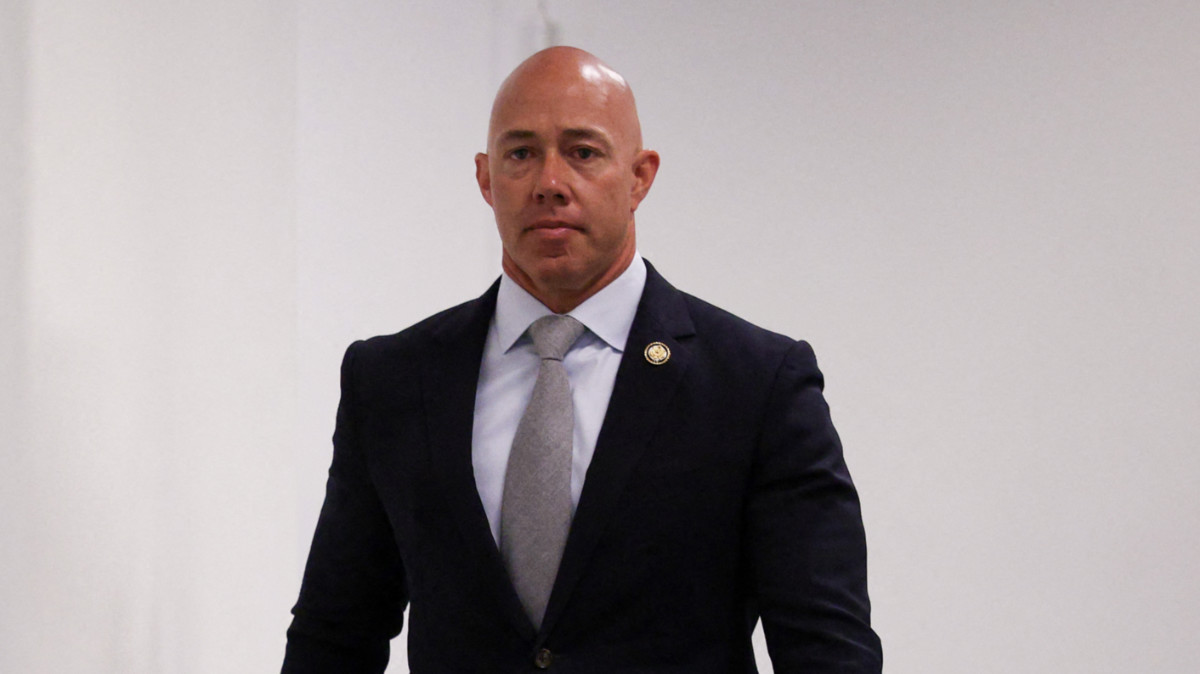
Syria’s Sharaa met pro-Israel Congressman in bid to repeal Caesar sanctions
Syrian President Ahmed al-Sharaa met with Republican Congressman Brian Mast on Sunday, intensifying efforts to repeal the US Caesar sanctions ahead of his visit to the White House. Mast, a pro-Israel representative from Florida, has become a significant obstacle to the repeal of the 2019 Caesar Act, which imposed severe economic penalties on Syria following evidence of human rights violations by a Syrian defector. Despite former President Donald Trump’s May pledge to lift sanctions and a subsequent 180-day waiver issued in June, the law remains in effect and can only be fully repealed by Congress. Business leaders and diplomats argue that the uncertain status of the sanctions is hindering investment in Syria, where the economy is struggling. The World Bank estimates Syria’s reconstruction costs at $200 billion, but Gulf states’ pledged investments have been slow to materialize due to the sanctions. Reports suggest Mast’s stance is influenced by lobbying from Israeli Prime Minister Benjamin Netanyahu’s advisor, Ron Dermer. Mast, a US Army veteran who lost both legs in Afghanistan, has a strong connection to Israel, often wearing an Israeli army uniform in Congress. Israel has capitalized on Syria’s instability, occupying a UN buffer zone and conducting air strikes reaching Damascus. Additionally, Israel has positioned itself as a protector of Syria’s Druze minority, backing Druze leader Sheikh Hikmat Salaman al-Hajri with arms. During recent Druze-Bedouin conflicts, Israel blocked Sharaa’s deployment of Sunni security forces, angering Saudi Arabia, Turkey, and the Trump administration. Sharaa’s meeting with Mast was reportedly arranged by supporters of Trump, who is pushing Congress to lift the sanctions. Although Congress is currently in recess due to a government shutdown, efforts are underway to amend the 2026 Defense Act to repeal the sanctions. Mouaz Moustafa of the Syrian Emergency Task Force emphasized the need for a “clear-cut repeal” to restore investor confidence, warning that any possibility of sanctions returning would deter companies from entering Syria.
-
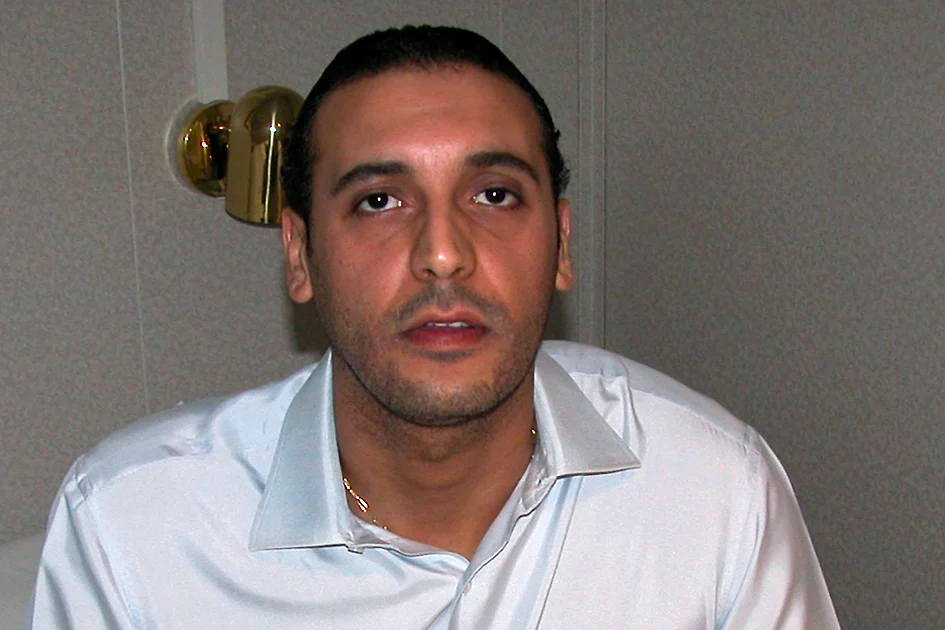
Lebanon set to free Hannibal Gaddafi after bail paid
Hannibal Gaddafi, the 49-year-old son of Libya’s late dictator Muammar Gaddafi, is poised to be freed from a Lebanese prison following the payment of his bail on Monday, according to his lawyer and a judicial official. Gaddafi, who has been in pre-trial detention for nearly a decade, was arrested in Lebanon on charges related to withholding information about the 1978 disappearance of Lebanese Shia cleric Mussa Sadr in Libya. He was only two years old at the time of Sadr’s disappearance.
Gaddafi’s French lawyer, Laurent Bayon, confirmed to AFP that the bail was paid, marking the end of a ’10-year nightmare’ for his client. Initially set at $11 million, the bail amount was reduced to $900,000 last week after an appeal by Gaddafi’s defense team. A Lebanese judicial source verified the payment and stated that Gaddafi’s legal team is finalizing the release procedures.
Bayon revealed that Gaddafi, who holds a Libyan passport, will leave Lebanon for an undisclosed destination. The lawyer criticized Lebanon’s justice system, claiming that Gaddafi’s prolonged detention was a result of a lack of judicial independence. He noted that the move toward his client’s release reflects progress under Lebanon’s reformist government, which was formed in January.
The case stems from the disappearance of Mussa Sadr, the founder of the Amal movement and an ally of Hezbollah, during an official visit to Libya in 1978. Sadr, along with an aide and a journalist, vanished under mysterious circumstances, leading Beirut to accuse Muammar Gaddafi of involvement. The incident has strained relations between Lebanon and Libya for decades.
Hannibal Gaddafi, who is married to Lebanese model Aline Skaf, fled to Syria after the 2011 Libyan uprising that led to his father’s overthrow and death. He was kidnapped in December 2015 by armed men who took him to Lebanon, where authorities later detained him. His impending release marks a significant development in a case that has drawn international attention.
-

A battle over a Chinese chip maker that rocked the global car industry
In a dramatic escalation of geopolitical tensions, the Dutch government invoked a Cold War-era emergency law in late September to seize control of Nexperia, a Chinese-owned semiconductor company operating in the Netherlands. This unprecedented move, justified by alleged ‘serious governance shortcomings’ and threats to critical technologies, has sent shockwaves through the global automotive industry, already reeling from US tariffs and China’s restrictions on rare earth exports. The Dutch Minister of Economic Affairs emphasized the necessity of this action to safeguard supply continuity and protect vital technologies for the Dutch and European economies. Beijing responded with fury, accusing the Netherlands of political interference and imposing export controls on Nexperia’s chips from its Chinese facilities to Europe. The Dutch government, in turn, froze shipments of essential supplies needed for chip production in China. This disruption has exposed vulnerabilities in the global chip supply chain, particularly for automotive manufacturers, who rely heavily on Nexperia’s ‘legacy’ semiconductors for critical components like power-steering and airbags. Despite China’s recent exemptions for civilian chip exports, tensions remain high, with Beijing demanding the Dutch government reverse its takeover of Nexperia. The incident underscores the broader struggle for digital sovereignty and the risks of over-reliance on Chinese supply chains. Analysts warn that this episode exemplifies the growing decoupling between Western and Chinese economies, with significant implications for global trade and geopolitical stability. As negotiations between China and the EU continue, the Nexperia dispute highlights the fragility of international supply chains and the complex interplay of politics, technology, and commerce in an increasingly polarized world.
-

Host for UAE’s Sky News Arabia hugs RSF officer accused of inciting rape in el-Fasher
Sky News Arabia, a UAE-owned media outlet, has ignited controversy after one of its reporters, Tsabih Mubarak, visited el-Fasher, Sudan, and met with a Rapid Support Forces (RSF) officer accused of inciting sexual violence against Sudanese women. Mubarak’s presence in the war-torn city, recently captured by the RSF, has drawn widespread criticism, particularly given the paramilitary group’s documented atrocities, including mass killings, rape, and assaults on civilians. Satellite imagery and survivor testimonies have corroborated these abuses, painting a grim picture of the RSF’s actions in el-Fasher. Mubarak’s social media posts, which included images and videos of her interactions with locals and an RSF officer, have further fueled the backlash. In one video, she is seen smiling and giving a thumbs-up alongside a female RSF commander, Shiraz Khalid, who has been accused of encouraging militiamen to rape women in other regions of Sudan. The RSF, accused of genocide against the Masalit community, has also been documented using racist slurs against Black people. Mubarak’s visit, which likely required RSF approval, has been condemned by Sudanese figures and social media users, with some calling for the International Criminal Court (ICC) to take note. Sky News Arabia, a joint venture between the UK’s Sky Group and the UAE’s International Media Investments (IMI), has faced accusations of bias and complicity in the conflict. The UAE has been implicated in arming the RSF, with reports suggesting Emirati involvement in supplying weapons and establishing bases in Sudan. The ongoing war, which began in April 2023, has resulted in tens of thousands of deaths and displaced over 13 million people, with both the RSF and Sudanese Armed Forces (SAF) accused of war crimes.
-

Seven Mayfair appoints Deja Vu Real Estate as exclusive sales partner for Mayfair Nexus
Seven Mayfair, a rising star in Dubai’s real estate sector, has announced Deja Vu Real Estate as the exclusive sales partner for its flagship residential project, Mayfair Nexus, situated in Wadi Al Safa 7. This strategic alliance underscores Seven Mayfair’s dedication to fostering communities rooted in transparency, trust, and innovative lifestyle design. Mayfair Nexus, featuring nine low-rise buildings and over 30 lifestyle amenities, epitomizes the developer’s vision of redefining modern community living in Dubai under its tagline, “Living, As You Imagined.”
Fauzaan Malkani, Managing Director of Seven Mayfair, emphasized the partnership’s alignment with the company’s core values. “Deja Vu Real Estate’s expertise and professionalism, coupled with their deep understanding of Dubai’s property market, make them the perfect partner for Mayfair Nexus. Together, we aim to deliver an unparalleled experience where every promise translates into performance,” he stated.
Established in 2007, Deja Vu Real Estate has earned a reputation as a leading property consultancy in Dubai, specializing in residential and investment advisory services. The firm will lead the sales strategy, broker engagement, and client outreach for Mayfair Nexus, leveraging nearly two decades of market insight to support Seven Mayfair’s growth trajectory.
Akif Shaikh, Executive Director and Co-Founder of Deja Vu Real Estate, expressed pride in the collaboration. “Mayfair Nexus is a testament to thoughtful design, lifestyle balance, and trust. This partnership unites our shared values of integrity and excellence, ensuring buyers experience confidence and clarity from their very first interaction,” he remarked.
Through this collaboration, Seven Mayfair reaffirms its commitment to transparency and quality, offering buyers and investors escrow-secured transactions, clear project timelines, and premium delivery standards. For further details, visit www.7mayfair.com.
-

Penthouses lead Dubai’s ultra-luxury property market
Dubai’s ultra-luxury property market is witnessing a remarkable transformation, with penthouses emerging as the preferred choice among the world’s wealthiest buyers. According to recent research data, penthouses now account for one in five homes listed for sale above Dh50 million, significantly outpacing villas and duplexes in the same elite price bracket. This trend underscores a paradigm shift in luxury living preferences, as sky-high residences redefine Dubai’s real estate narrative. The findings, released on Monday, highlight the growing allure of penthouses as the ultimate ‘trophy asset,’ combining exclusivity, panoramic views, and hotel-style amenities. eXp Dubai’s analysis reveals that 19.6% of properties priced above Dh50 million are penthouses, compared to just 4.3% for villas and 4.8% for duplexes. Dounia Fadi, Managing Director of eXp Dubai, noted that buyers are increasingly drawn to properties that offer privacy, architectural ambition, and a connection to Dubai’s iconic skyline. Developers are responding to this demand by designing high-rise projects with expansive penthouse offerings, often featuring bespoke interiors and multi-floor layouts. Industry experts predict that this focus on vertical luxury will continue, driven by land scarcity in prime neighborhoods and the city’s transformation into a global financial and cultural hub. Vidhyadharan Sivaprasad, Chairman of Condor Developers, emphasized that owning a penthouse in Dubai is now a statement of global sophistication and identity. With flexible residency rules, tax advantages, and world-class architecture, Dubai has cemented its position as a long-term lifestyle destination for ultra-wealthy investors. As the city’s skyline continues to evolve, penthouses have decisively climbed to the top of the luxury real estate hierarchy.
-

Delhi: 8 dead, several injured after explosion near Red Fort; high alert declared
A devastating explosion near the historic Red Fort in New Delhi on Monday, November 10, 2025, has left at least eight people dead and several others injured. The incident occurred in a densely populated area close to the Red Fort Metro Station, a bustling tourist hub in the Indian capital. According to reports, the blast caused multiple vehicles to catch fire, with flames and thick smoke engulfing the area. Visuals from local media depicted a chaotic scene, with debris and body parts scattered across the road. Fifteen victims were rushed to Lok Nayak Hospital, where eight succumbed to their injuries before arrival. Three individuals remain in critical condition, while one is reported to be stable. In response to the tragedy, authorities have declared a high alert across Delhi and neighboring Uttar Pradesh. Security measures have been intensified at sensitive religious sites, border areas, and key districts. The Delhi Police Special Cell and fire department swiftly responded to the scene, deploying seven fire tenders to control the blaze. Eyewitnesses described the explosion as deafening and terrifying, with one local recounting, ‘I never heard such a loud explosion in my life. It felt as if we were all going to die.’ The Red Fort, a 17th-century Mughal-era monument, is a significant cultural landmark and a popular tourist destination. The incident has raised concerns about public safety and security in the region, with investigations underway to determine the cause of the explosion.
-
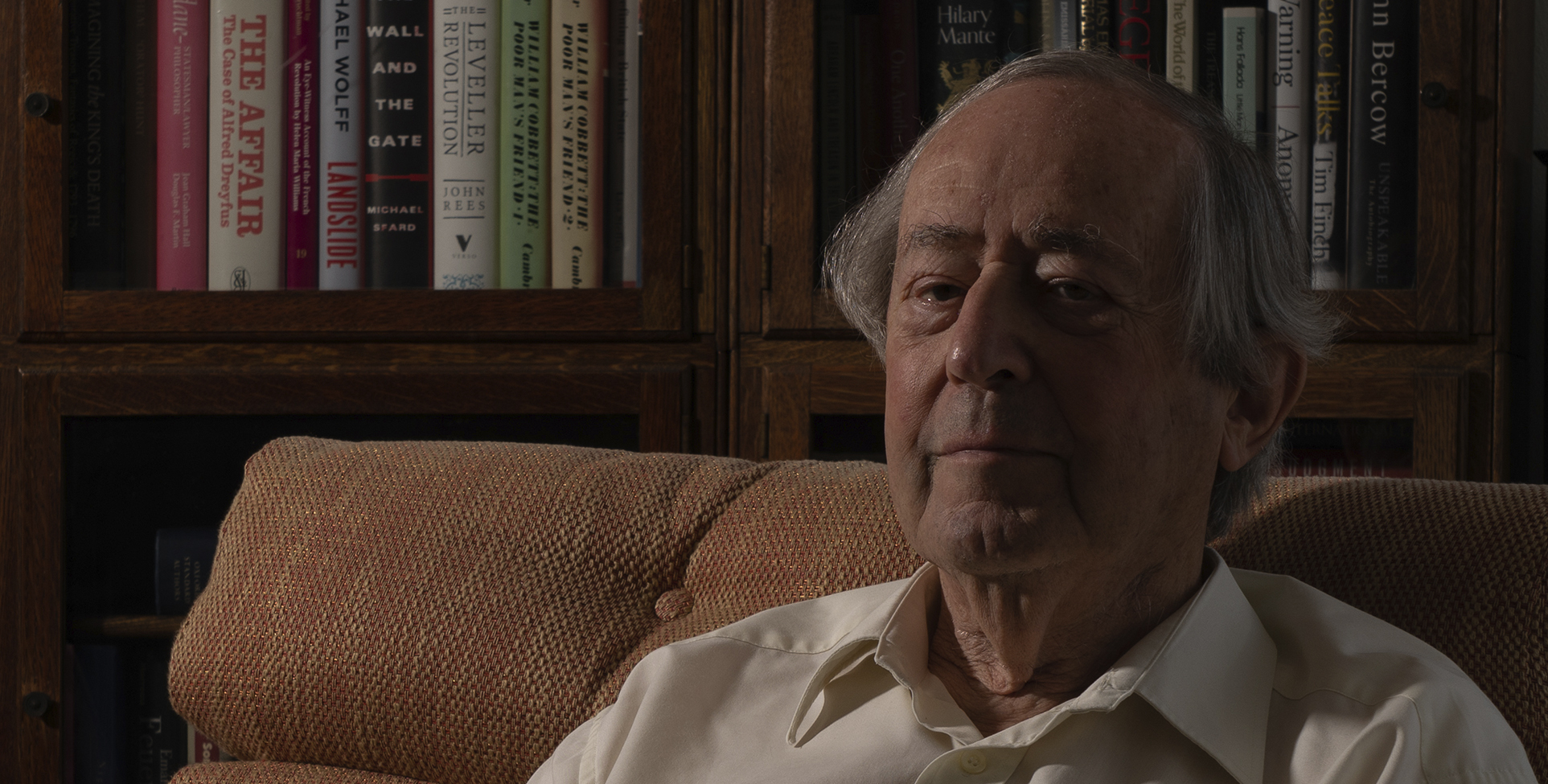
Tributes pour in for Geoffrey Bindman, legal ‘titan of human rights’
The legal and political communities are mourning the loss of Sir Geoffrey Bindman KC (Hon), a towering figure in human rights law, who passed away on November 4 at the age of 92. Bindman, the founder of Bindmans LLP, was celebrated for his unwavering commitment to justice, equality, and the defense of marginalized communities. His career spanned decades, leaving an indelible mark on UK equality and human rights legislation. Born in the north-east of England, Bindman faced antisemitism early in his life, an experience that shaped his dedication to combating discrimination. He co-founded Bindmans LLP in 1974 with a mission to represent the powerless and advocate for progressive causes. The firm’s statement highlighted his extraordinary impact, not only as a litigator but also as a pioneer in shaping human rights law. Bindman’s legacy includes his work as a legal adviser to the Race Relations Board and the Commission for Racial Equality, as well as his role in the landmark case against Chilean dictator Augusto Pinochet, which established the principle of universal jurisdiction in UK law. He was knighted in 2007 for his services to human rights and received a Lifetime Contribution Award in 2023. Tributes poured in from colleagues, politicians, and activists, who praised his integrity, brilliance, and tireless advocacy. Labour MP John McDonnell described him as “a brilliant lawyer who devoted his life to championing human rights,” while the International Centre of Justice for Palestinians hailed him as “a champion of Palestinian people’s rights and a titan of human rights law.” Bindman’s passing marks the end of an era, but his legacy of justice and equality will endure.
-
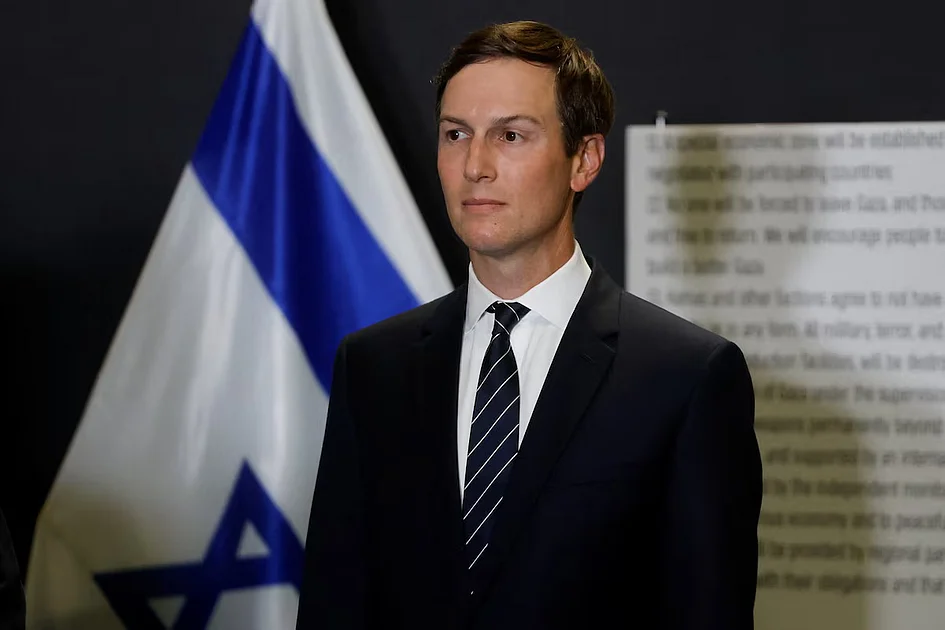
US envoy Kushner, Netanyahu discuss phase two of Gaza plan: Israel PM office
In a pivotal meeting held in Jerusalem on Monday, US envoy Jared Kushner and Israeli Prime Minister Benjamin Netanyahu deliberated on the progression of the US-mediated ceasefire agreement in Gaza. The discussions centered on the implementation of the second phase of the plan, which aims to disarm Hamas, demilitarize Gaza, and ensure that Hamas is permanently excluded from any future governance in the region. Shosh Bedrosian, a spokesperson for the Prime Minister’s Office, emphasized that the second phase also involves the formation of an international stabilization force, with specific details still under negotiation. The first phase of the ceasefire, currently in effect, was also reviewed during the talks. This meeting underscores the ongoing efforts to achieve long-term peace and stability in the region, with both parties committed to advancing the plan’s objectives.