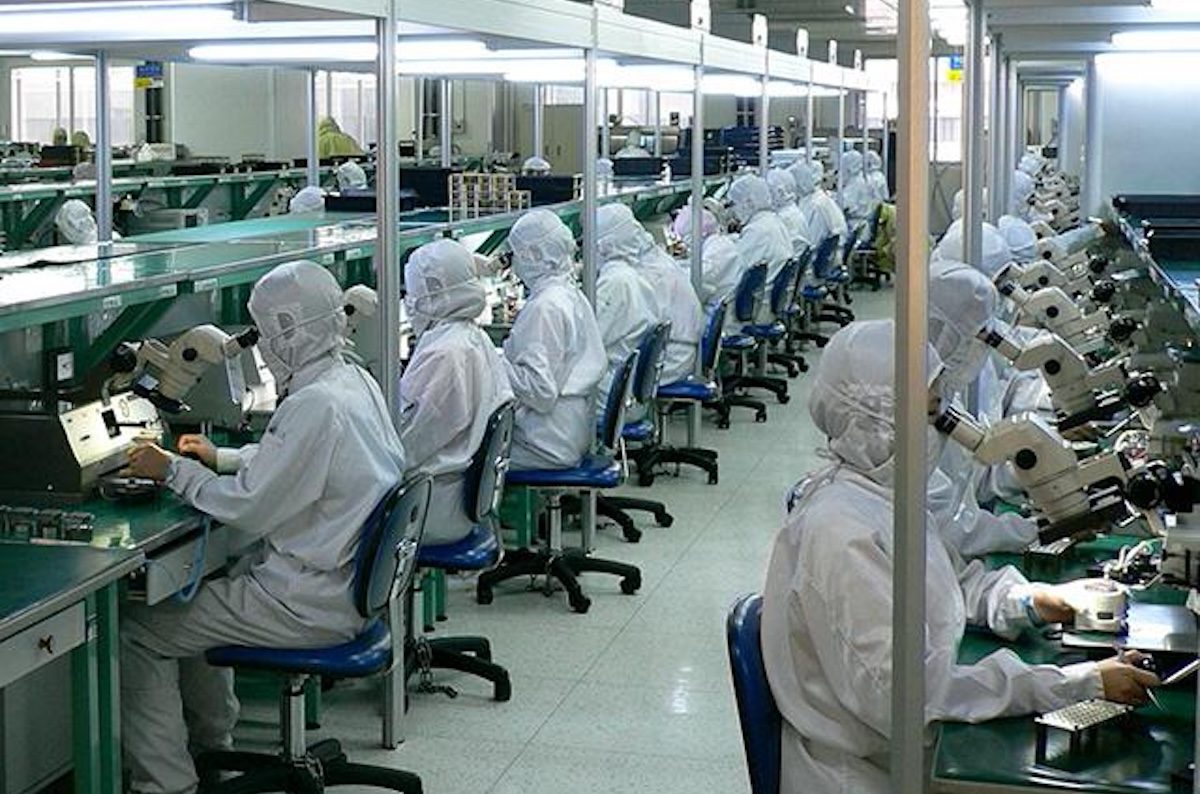
The United States finds itself in a precarious position due to its excessive reliance on China, a dependency that spans both agriculture and manufacturing sectors. American soybean farmers, for instance, have long depended on Chinese purchases, which account for nearly half of U.S. soybean exports. This reliance gives China significant leverage, as demonstrated earlier this year when it curtailed imports in response to trade tensions. However, the issue extends far beyond agriculture. U.S. manufacturers are equally vulnerable, as China dominates the global supply of critical materials and components essential for producing high-tech goods. Rare-earth minerals, which are indispensable for manufacturing cellphones, computer hard drives, and advanced defense systems, are a prime example. China controls 97% of global rare-earth production, and recent export restrictions highlighted the risks of this monopoly. While a temporary truce in the U.S.-China trade war has suspended these restrictions, the broader problem remains unresolved. China’s dominance extends to other critical materials like graphite, gallium, germanium, and tungsten, which are vital for industries ranging from electronics to pharmaceuticals. Even the active ingredients in many common medications, such as ibuprofen and antibiotics, are sourced from China. This overdependence is not accidental but the result of China’s deliberate industrial policies, which include subsidies, tax breaks, and protectionist measures to dominate global supply chains. The U.S. has attempted to counter this through initiatives like the Chips Act and tariffs, but China’s economies of scale pose a formidable challenge. Experts argue that international cooperation among like-minded nations is essential to mitigate this dependency. However, current U.S. trade policies, which impose tariffs on allies, complicate such efforts. While soybean farmers can seek alternative markets, manufacturers face a far more complex dilemma. The path forward requires strategic diversification and coordinated industrial policies to reduce reliance on China and safeguard America’s economic security.
标签: Asia
亚洲
-
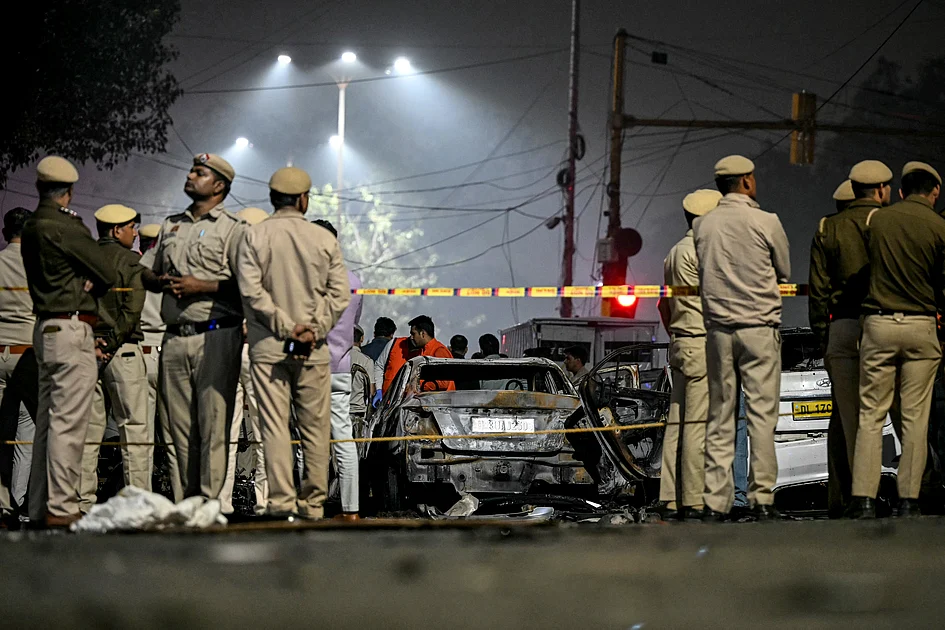
Terror link suspected in Delhi Red Fort blast; PM Modi, President Murmu offer condolences
A devastating car explosion near Delhi’s iconic Red Fort has left 13 dead and numerous injured, with preliminary investigations pointing to a potential terrorist attack. Delhi Police sources, cited by IANS, revealed that the high-intensity blast may be connected to a module previously seized in Faridabad, involving a mix of explosives and chemicals. Security agencies are currently interrogating suspects Dr. Muzzamil and Dr. Adil, who were reportedly arrested prior to the incident. The owner of the vehicle involved in the explosion has also been detained, as per NDTV reports. The tragic event has drawn widespread condemnation and condolences from India’s top leadership. President Droupadi Murmu expressed deep sorrow, offering sympathies to the victims’ families and praying for the swift recovery of the injured. Prime Minister Narendra Modi assured the public that all necessary assistance is being provided to those affected. He confirmed that the situation has been reviewed with Home Minister Amit Shah and other officials. In response to the incident, security measures have been intensified across multiple states and major cities. Chandni Chowk Market will remain closed on Tuesday as a precautionary measure, while Uttar Pradesh has been placed on red alert. High alerts have also been issued in Uttarakhand, Haryana, Odisha, Kerala, and Kolkata. Mumbai Police have released precautionary advisories, and Bihar has tightened its security protocols. The nation remains on edge as investigations continue to uncover the full extent of the attack and its perpetrators.
-
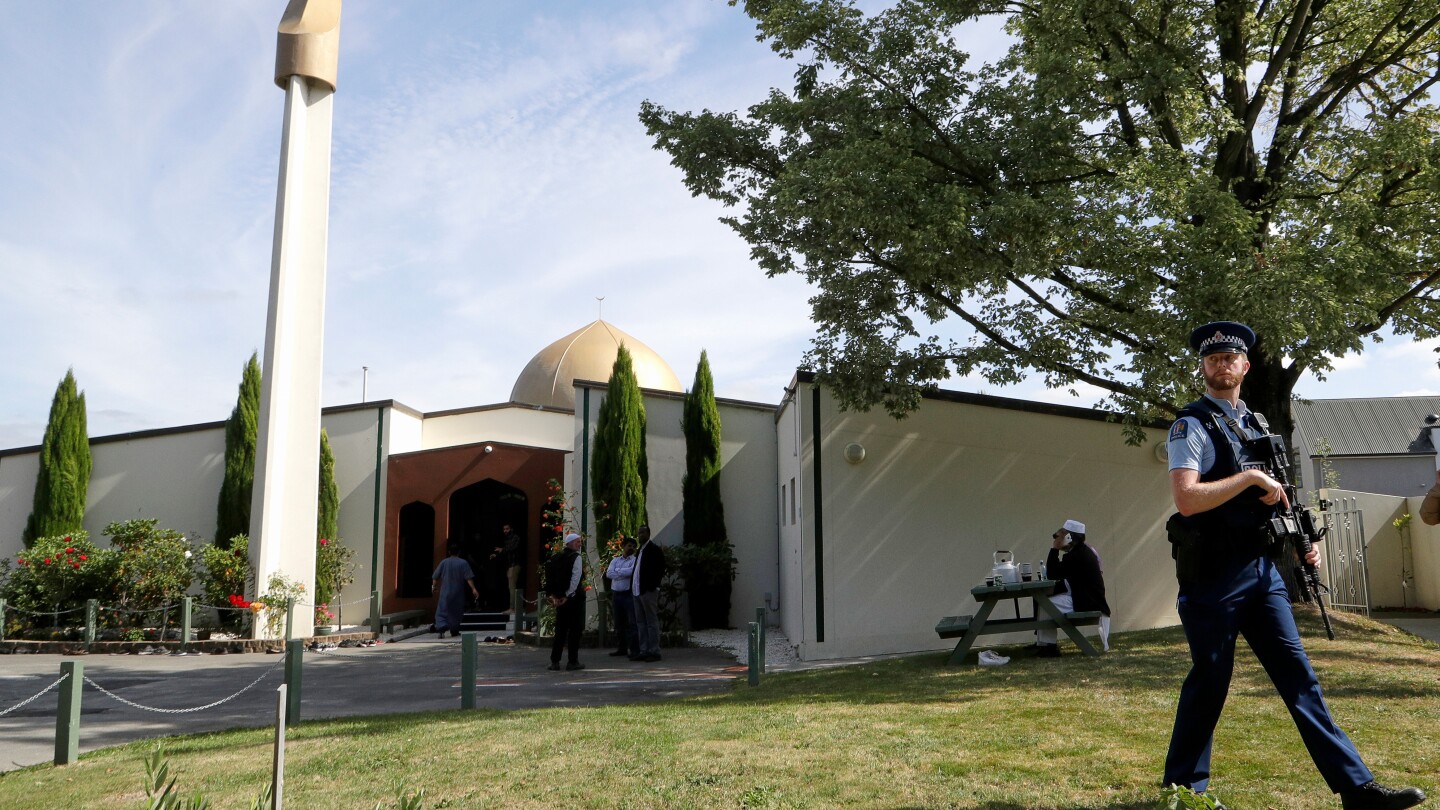
New Zealand will remove police from gun licensing but near-total semiautomatics ban to remain
In a significant shift in firearms policy, the New Zealand government has announced sweeping reforms aimed at restructuring the regulation of gun ownership. Associate Justice Minister Nicole McKee revealed on Tuesday that uniformed police officers will no longer be involved in the Firearms Safety Authority (FSA), a move designed to ease tensions between the regulator and gun owners. This decision follows years of strained relations, exacerbated by the 2019 Christchurch mosque shootings, where a white supremacist legally amassed semiautomatic weapons before killing 51 people. The FSA, established in 2022, will now report directly to the government instead of the New Zealand Police, though it will retain access to law enforcement databases. McKee emphasized the need to rebuild trust within the firearms community, which has felt unfairly scrutinized since the tragedy. The reforms also include extending license renewal periods, allowing more flexible storage options, and introducing a ‘red flag’ system for information sharing among agencies. However, the near-total ban on semiautomatic firearms, enacted after the Christchurch attack, remains intact. McKee’s proposals, which aim to simplify regulations for law-abiding gun owners, are expected to be introduced to Parliament by the end of 2024 and passed by mid-2026. Gun owners have cautiously welcomed the changes, though some expressed disappointment over the lack of clarity on eligibility criteria for firearm ownership.
-
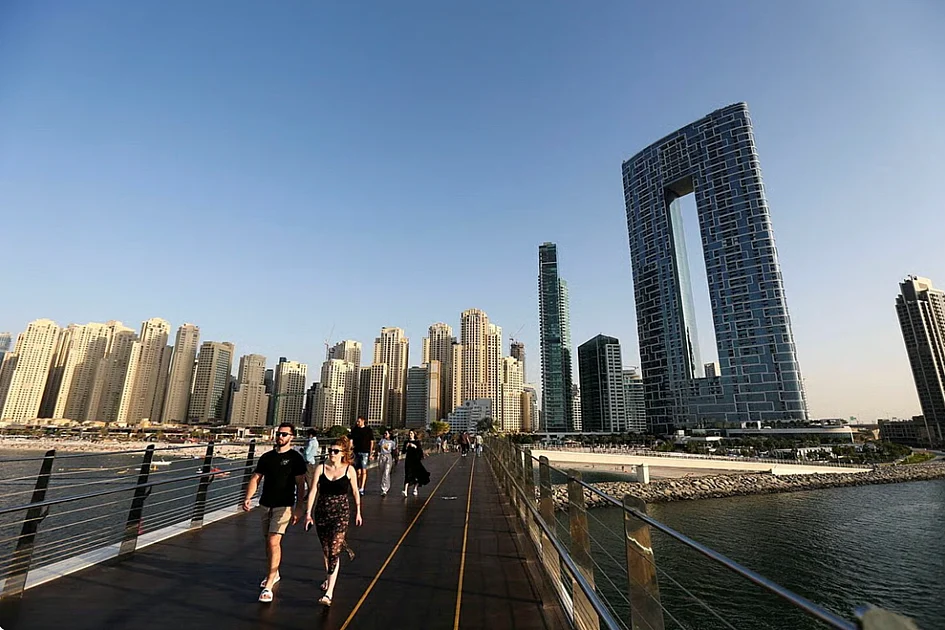
Dubai residents can help shape the city’s future through new community initiative
Dubai residents now have a unique opportunity to actively participate in shaping the city’s future through the newly launched ‘Future Signals’ initiative by the Dubai Municipality (DM). This innovative programme invites residents to provide feedback on urban development projects and suggest new amenities that could enhance the city’s infrastructure. The initiative, which leverages artificial intelligence (AI), aims to create a more responsive and inclusive urban environment. Residents can submit their ideas and reports via the Dubai Municipality WhatsApp channel, ensuring their voices are heard in real-time. Khulood Mustafawi, a future foresight specialist at DM, emphasized the importance of community engagement in designing a city that truly meets the needs of its people. The programme was unveiled during the Urban Future Week, an event held at the Museum of the Future (MOTF) in Dubai, which brought together global thought leaders and decision-makers to discuss the transformative role of innovation in urban governance. In addition to the ‘Future Signals’ initiative, the event highlighted ‘Circle Dubai,’ a new waste management programme designed to reduce the emirate’s waste generation. Mohammed AlNuaimi, a senior waste management engineer at DM, stressed the need for behavioural change and education to promote waste segregation at the source. The programme will target households, schools, and public spaces like Global Village, where segregated waste bins will be introduced for the first time. These efforts underscore Dubai’s commitment to sustainable development and community-driven innovation.
-

Dynamic duo Hussain & Mahoney clinch victory at the Emirates Mixed Amateur Open
The 2025 edition of the Emirates Mixed Amateur Open concluded with a thrilling display of skill and teamwork at the prestigious Majlis Course of the Emirates Golf Club. The event, which attracted 83 pairs of male and female amateur golfers, was played in a greensomes format, applying a 60% handicap allowance to the lower-handicapped partner and 40% to the higher. This innovative format highlighted the club’s commitment to fostering inclusivity and competitive spirit in golf. The dynamic duo of Raza Hussain and Linda Mahoney emerged as the overall champions, delivering a stellar performance with a net score of 63 (-9). Their exceptional teamwork, consistency, and strategic course management set them apart from a fiercely competitive field. In the gross division, Ian Scott and Adele McKelvey claimed the Best Gross honours with a score of 74 (+2), showcasing their precision and resilience on the challenging Majlis Course. The tournament, a hallmark of the Emirates Golf Club’s mixed amateur events, continues to grow in stature, promoting creative formats and mixed-gender participation. Other notable achievements included Suk Chang Jung and Yang Sook Jung as runners-up with a net 64 (-8), and Andrej Podgorsek and Veronika Podgorsek securing third place with the same score. The event also featured individual accolades in the Nearest the Pin category, with Priyanka Gupta, Naima Maya, Suk Chang Jung, and Andrej Podgorsek earning recognition for their accuracy. The 2025 edition of the Emirates Mixed Amateur Open was a celebration of teamwork, skill, and the enduring appeal of golf.
-

Mena Biofuels advances UAE’s first commercial sustainable aviation fuel plant in Fujairah
Mena Biofuels, a subsidiary of the Mercantile & Maritime Group, has officially initiated the construction of the UAE’s first commercial Sustainable Aviation Fuel (SAF) production facility in the Fujairah Oil Industry Zone (FOIZ). This groundbreaking project, unveiled at Adipec 2024, aims to convert used cooking oil and waste-based feedstocks into certified SAF, meeting stringent international standards. The facility’s Phase I, with a $200 million investment, will produce 125 million litres annually, accounting for approximately 18% of the UAE’s 2030 SAF target. Phase II, with an additional $100 million investment, will double the capacity to 250 million litres, contributing up to 36% of the nation’s SAF goal and supporting regional exports. The project aligns with the UAE’s Sustainable Aviation Fuel Roadmap 2030 and Net Zero 2050 Agenda, marking a significant milestone in the country’s clean energy transition. Over the past year, Mena Biofuels has completed a comprehensive feasibility study, secured land leases, appointed key project managers, and selected an internationally recognized technology provider. The company has also signed strategic offtake agreements with Emirates Petroleum Company PJSC (Emarat) and plans to finalize additional agreements at the upcoming Dubai Air Show. The first Engineering, Procurement, and Construction (EPC) tender has been launched, covering feedstock storage and distribution facilities, with the second tender for refinery process units set for Q1 2026. This project positions Fujairah as a regional hub for sustainable aviation fuel production, driving economic and environmental resilience while fostering innovation and industrial capacity.
-
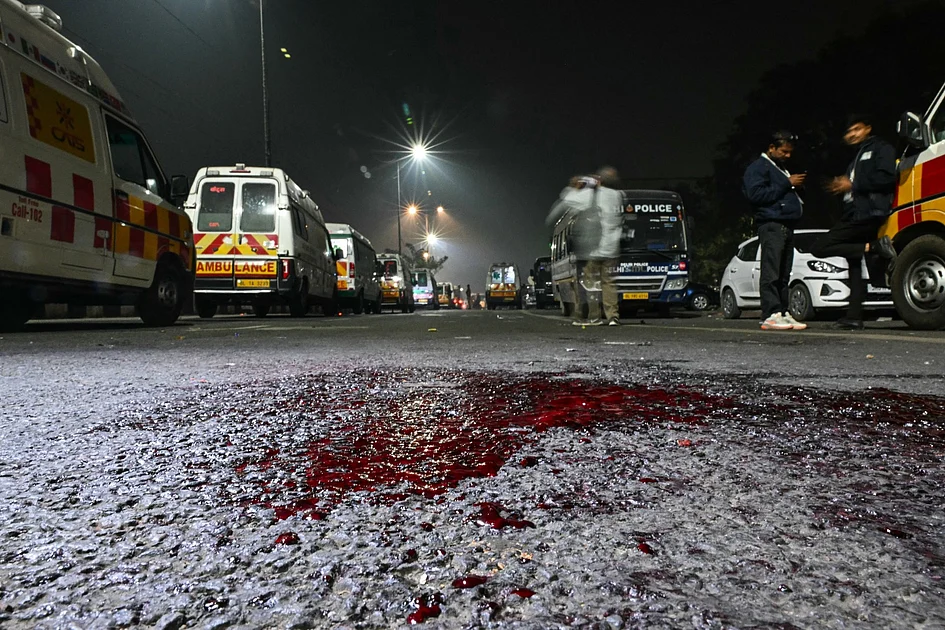
Photos of Delhi blast: Charred cars, bloody streets near Red Fort explosion site
A devastating explosion near Delhi’s historic Red Fort on November 10, 2025, has left 13 people dead and several others injured, with early investigations suggesting a possible terror attack. The blast, which occurred in the city’s old quarters, caused widespread destruction, including charred vehicles, shattered windows, and blood-stained streets. Emergency services, including police and fire crews, responded swiftly to the scene, cordoning off the area and extinguishing the flames. Authorities have heightened security across multiple states, with Uttar Pradesh placed on red alert and high alerts issued in Uttarakhand, Haryana, Odisha, Kerala, and Kolkata. Mumbai Police have also issued precautionary advisories, while Bihar has tightened security measures. Chandni Chowk Market will remain closed as a precautionary measure. Investigators are working to determine the cause of the explosion, while emergency services continue to assess the damage and treat the injured. The incident has raised concerns about public safety, with security personnel intensifying efforts to prevent further threats. Photos from the scene depict the grim aftermath of the explosion, highlighting the scale of the devastation.
-
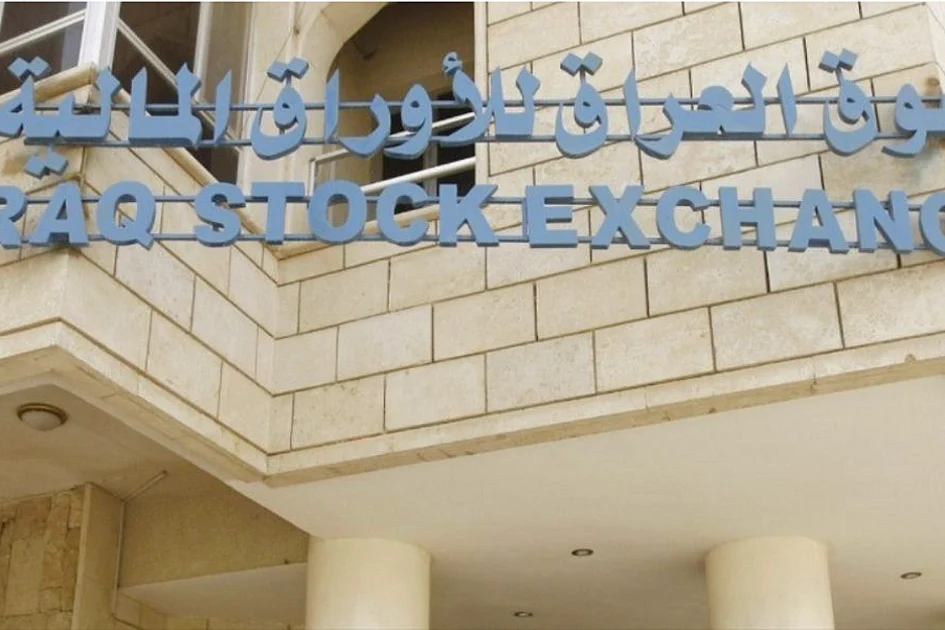
RSISX index posts modest 0.6 per cent growth ahead of Iraq’s parliamentary elections
The Rabee Securities Iraq Stock Exchange Index (RSISX Index) experienced a modest 0.6 per cent growth in October 2025, reflecting cautious investor sentiment ahead of Iraq’s parliamentary elections on November 11. Key contributors to this performance included National Bank of Iraq, Baghdad Soft Drinks, Asiacell, and Al-Mansour Hotel. The total trading volume on the Iraq Stock Exchange (ISX) surged by 87 per cent to $40.2 million, driven by cross transactions. Excluding these, trading still grew by 28 per cent to $19.1 million. The banking sector dominated trading activity with a 61.6 per cent share, followed by industry (28.5 per cent), telecom (4.8 per cent), and other sectors. Meanwhile, the over-the-counter (OTC) market saw a 15 per cent decline in trading volume to $177,700. Among the 27 companies that saw share price increases, Modern Construction Materials led with a 61.4 per cent rise, followed by Electronic Industries at 23.9 per cent. Tugba Tan Karakaya, Equity Analyst at Rabee Securities, noted that the rise in trading volume indicates improved market activity and stronger local investor participation. Significant developments in October included the Iraqi Securities Commission’s approval of membership requirements for brokerage firms to trade on the Tabadul platform of the Abu Dhabi Securities Exchange (ADX) and the launch of a €40 million Credit Guarantee Fund by the International Labour Organization (ILO) to support small and medium enterprises (SMEs). According to the World Bank’s MENAAP Economic Update, Iraq’s real GDP is projected to grow by 6.7 per cent in 2026, the highest among Arab countries, driven by energy sector recovery, rising oil exports, and government efforts to diversify income sources.
-

Fritz overpowers Musetti to start with a win at ATP Finals
In a commanding performance at the ATP Finals in Turin, Taylor Fritz secured a decisive victory over Italian Lorenzo Musetti, winning 6-3, 6-4 in their opening round-robin match on Monday. Musetti, who stepped in as a late replacement following Novak Djokovic’s withdrawal, initially showed promise but struggled to maintain momentum against Fritz’s relentless play. The American’s strong serve and strategic gameplay proved too much for Musetti, who despite the support of a partisan crowd, couldn’t turn the tide. The match’s pivotal moment came early when Fritz saved four break points and subsequently broke Musetti’s serve to take a 3-1 lead. Fritz’s dominance continued throughout the match, with nine aces in the second set alone, sealing the win with two final aces. Musetti, though defeated, showcased moments of brilliance with clever drop shots and lobs, keeping the audience engaged. Fritz’s victory marks a strong start to his campaign at the season-ending championships, where he aims to build on his semifinal appearance in 2022. Meanwhile, top seed Carlos Alcaraz also began his tournament with a win, defeating Alex de Minaur in the Jimmy Connors Group. The round-robin format ensures intense competition, with the top two players from each group advancing to the semifinals. Italian fans will look forward to Jannik Sinner’s match later in the day as he begins his title defense against Felix Auger-Aliassime.
-

Cryptoqueen who fled China for London mansion to be sentenced over £5bn Bitcoin stash
Qian Zhemin, a 47-year-old woman accused of orchestrating one of the largest cryptocurrency frauds in history, is set to be sentenced this week in the UK. The case, which involves billions of pounds in stolen funds from over 100,000 Chinese pensioners, has drawn international attention. Qian fled China in 2017 under a fake passport and settled in a luxurious mansion in Hampstead, London, where she lived a lavish lifestyle funded by her ill-gotten gains. Her company, Lantian Gerui, promised investors high returns from cryptocurrency mining and high-tech health products, but in reality, it was an elaborate Ponzi scheme. The Metropolitan Police raided her property in 2024, seizing tens of thousands of Bitcoin—the largest cryptocurrency haul in UK history. Qian’s assistant, Wen Jian, was sentenced to six years in prison for money laundering, while Qian herself pleaded guilty to illegally acquiring and possessing cryptocurrency. Investors, many of whom lost their life savings, are now hoping to reclaim at least a portion of their funds through a civil case. However, the process is fraught with challenges, as many victims did not directly transfer money to Qian’s company but to local promoters. The case has also raised questions about the fate of the seized cryptocurrency, which has multiplied in value since Qian’s arrest. Any unclaimed funds could default to the UK government, prompting speculation about a potential windfall for the Treasury. The emotional toll on victims has been immense, with some losing not only their financial security but also their families. Qian’s audacious plans, including aspirations to become the queen of Liberland, a microstate on the Croatian-Serbian border, have added a surreal dimension to the case. As the sentencing hearing unfolds, the victims’ hopes for justice remain intertwined with the complexities of international law and cryptocurrency regulation.