标签: Asia

亚洲

  • Pakistani experts warn of serious economic ripples

    Pakistani experts warn of serious economic ripples

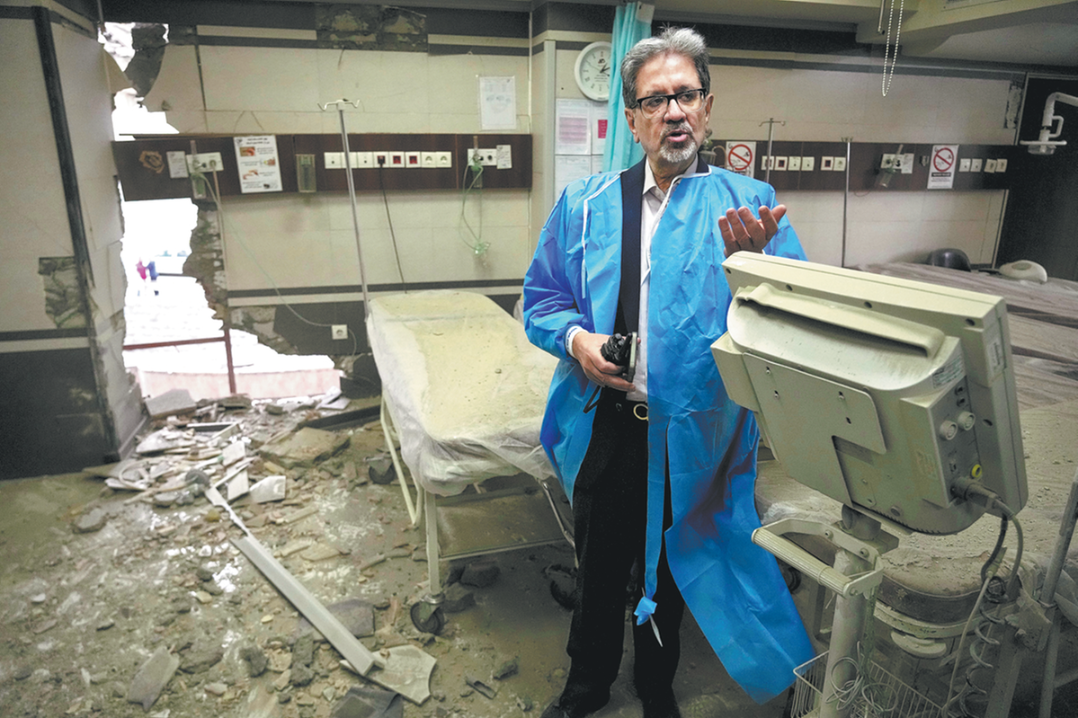
    Pakistan faces significant economic vulnerability amid escalating Middle Eastern tensions following the targeted assassination of Iran’s Supreme Leader Ali Khamenei in joint US-Israeli military operations, according to security and economic analysts. The geopolitical shockwaves have triggered violent demonstrations across Pakistani cities, resulting in at least 25 fatalities and widespread unrest directed at US diplomatic facilities.

    Former Pakistani Foreign Secretary Salman Bashir characterized the situation as intensifying conflict with potential global economic ramifications. “It could reshape the entire Middle East, affect the world economy, and could last a long time. Its geopolitical consequences could be severe,” Bashir stated, reflecting official concern within Pakistan’s diplomatic circles.

    The assassination has provoked substantial civilian backlash, with protesters attempting to storm US consulates in Karachi and Lahore over the weekend. Pakistani security forces have responded with heightened protective measures, including barricading diplomatic compounds with containers.

    Prime Minister Shehbaz Sharif formally expressed condolences to Iran while condemning the violation of international law norms regarding protection of heads of state. The government’s statement emphasized solidarity with Iran during what it termed a period of “martyrdom” for the slain leader.

    Economic analysts project multidimensional impacts on Pakistan’s already fragile economy. Khalid Taimur Akram, Executive Director of the Pakistan Research Center for a Community with Shared Future, warned that regional escalation could trigger energy price surges through potential Strait of Hormuz closures. “Electricity will be more expensive, making the daily lives of people more difficult,” Akram noted, highlighting direct consequences for Pakistani households.

    The crisis threatens Pakistan’s substantial labor export economy, with millions of workers in Gulf countries potentially facing employment instability and reduced remittance flows. As one of the largest trading partners with Gulf nations, Pakistan’s commercial interests face immediate jeopardy according to economic assessments.

    Independent economic analyst Shujaat Ahmed projected short-term inflationary pressures with long-term consequences dependent on conflict duration. The compounded economic challenges arrive as Pakistan navigates existing financial difficulties, potentially exacerbating social and political instability throughout the region.
  • High admission scores witness to institution’s appeal

    High admission scores witness to institution’s appeal

    China’s emerging class of specialized research universities has demonstrated extraordinary appeal among top-performing students, with several institutions matching or surpassing admission scores of established elite universities in their inaugural undergraduate enrollment cycles.

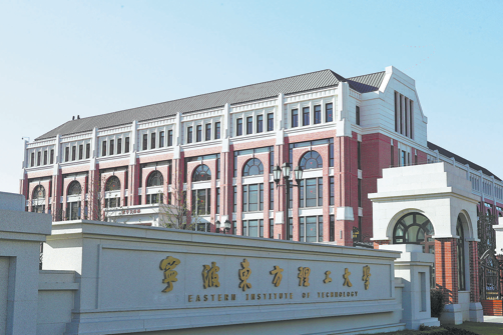
    The Eastern Institute of Technology in Ningbo (EIT) exemplifies this trend, achieving the second-highest minimum admission score in Zhejiang province during fall 2025 enrollment—trailing only the prestigious Zhejiang University by a mere two points. This accomplishment appears particularly remarkable given the institution’s extremely compressed timeline: provincial authorities granted official approval for EIT’s establishment as a private undergraduate institution just ten days before students finalized their college applications on June 30, 2025.

    University President Chen Shiyi described the achievement as an “opening-at-the-peak enrollment miracle” accomplished within merely eleven days. At EIT’s founding ceremony on November 28, Chen expressed gratitude to the 74 pioneering undergraduate students who demonstrated “foresight and courage” in selecting the nascent institution.

    The university’s rapid success stems from multiple strategic factors. EIT has assembled an exceptional academic team comprising 16 academicians, 68 nationally recognized high-level talents, and 111 founding professors. According to President Chen, this concentration of intellectual capital, combined with a shared sense of national service and institutional commitment to educational excellence, has proven instrumental in attracting top-tier students.

    EIT’s establishment originated from semiconductor industry leader Yu Renrong, chairman of OmniVision Integrated Circuits Group, who proposed creating a high-level university in his hometown in June 2020. Yu described university establishment as a long-held dream, inspired by Ningbo’s tradition of educational philanthropy. His approach distinguishes between business operations, which require respect for market principles, and university management, which demands adherence to educational laws.

    Academic programming strategically aligns with regional industrial strengths, focusing on integrated circuits, artificial intelligence, intelligent manufacturing, unmanned technology, new energy, and advanced materials. The institution emphasizes applied research, technology transformation, and entrepreneurial cultivation through industry partnerships and jointly established research institutes.

    President Chen articulated ambitious aspirations for the institution to nurture both groundbreaking scientists like Nobel laureate Tu Youyou and transformative entrepreneurs like Yu Renrong. The university aims to accelerate laboratory-to-production transitions, address critical technological bottlenecks, and become a significant force in global industrial transformation.

    The educational model has garnered recognition from established academic leaders. Chang Jin, President of the University of Science and Technology of China and Chinese Academy of Sciences member, noted EIT’s forward-looking vision and reform momentum, particularly praising its modern governance system and internationally aligned talent structures that foster an open, inclusive academic environment.

  • Asia-Pacific outlook darkens as tensions jolt markets

    Asia-Pacific outlook darkens as tensions jolt markets

    The economic horizon across the Asia-Pacific region is rapidly deteriorating as escalating Middle Eastern tensions send shockwaves through global markets, triggering widespread concerns about energy security and inflationary pressures.

    Analysts warn that persistent hostilities have created unprecedented risks for energy-import dependent Asian economies. The critical situation intensified when Iran’s Revolutionary Guards declared the strategic Strait of Hormuz “closed” on Monday, threatening attacks on vessels attempting passage through this vital maritime corridor that handles approximately 21 million barrels of oil daily.

    Energy market expert Vandana Hari, founder of Singapore-based Vanda Insights, projected that sustained blockage of the strait could propel oil prices to $90 per barrel, necessitating substantial strategic reserve releases to curb market volatility. While benchmark Brent crude traded at $81.05 during Asian hours on Tuesday, analysts anticipate further price surges.

    The regional economic implications are profound. Malaysia’s Maybank research division noted that although “war premiums” typically elevate oil prices, sustained increases require prolonged tensions. Iran contributes roughly 3% of global crude output, ranking as OPEC’s third-largest producer. In response to supply concerns, OPEC+ members agreed Sunday to increase production, potentially mitigating some disruption.

    Financial markets reflected the anxiety, with South Korea’s KOSPI plunging over 7% and Japan’s Nikkei closing 3% lower. Manav Modi, commodity analyst at Motilal Oswal Financial Services, highlighted that energy supply disruptions risk imported inflation through elevated crude and freight costs, potentially spilling into food, transport, and core inflation metrics.

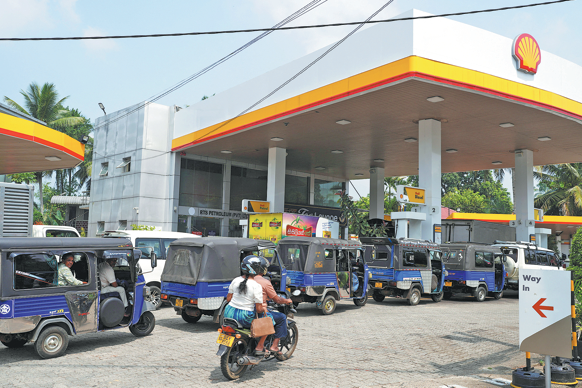
    BMI’s Asia country risk head Darren Tay identified several Southeast and South Asian nations as particularly vulnerable due to their combination of heavy net energy import dependence, current account deficits, and limited policy buffers. Pakistan and Sri Lanka sit at the apex of risk exposure.

    The human dimension adds another layer of complexity. Rizal Commercial Banking Corp chief economist Michael Ricafort noted that travel disruptions could deter Filipino workers from migrating to Gulf Cooperation Council countries—a primary destination for South and Southeast Asian migrant workers—potentially reducing crucial remittance flows that underpin many regional economies.

    Tay observed the remittance channel creates a dual dynamic: “Higher oil prices often support Gulf spending and maintain migrant labor demand, which can cushion recipient economies even as their energy bills rise. However, prolonged conflict disrupting Gulf activity or payments could rapidly diminish inflows and worsen external balances.”

  • China’s UN envoy calls for protection of children

    China’s UN envoy calls for protection of children

    In a powerful address to the United Nations Security Council on Monday, China’s Permanent Representative Fu Cong issued an urgent appeal for enhanced protection of children caught in armed conflicts worldwide. The high-level session, chaired by U.S. First Lady Melania Trump, convened amidst growing international concern over escalating violence against educational institutions and minors in conflict zones.

    Ambassador Fu condemned in the strongest terms all actions targeting children, emphasizing that such violations represent a breach of fundamental humanitarian principles. “China vehemently denounces all acts that victimize children and demands that conflict parties honor their obligations under international humanitarian law,” stated Fu, adding that protecting children from warfare’s devastation represents “the minimum bottom line of human conscience.”

    The diplomatic gathering occurred against the backdrop of recent military actions in Iran, where reports indicated a girls’ elementary school in Minab suffered devastating strikes resulting in significant child casualties. Iranian state media alleged these attacks involved U.S. and Israeli forces, though these claims remain subject to international investigation.

    Fu specifically highlighted attacks on educational facilities as among the UN’s identified “six grave violations against children,” warranting universal condemnation. He called for strengthened investigative mechanisms and accountability measures for incidents harming children and damaging schools, urging collective action to prevent further atrocities.

    The Chinese envoy characterized children as “the most vulnerable population in armed conflicts,” noting with deep concern that violations against minors have increased annually amid proliferating global conflicts. Fu connected educational deprivation to broader stability issues, stating that when conflict disrupts schooling, it not only impairs healthy development but undermines national stability foundations.

    Fu proposed a comprehensive approach involving immediate ceasefires, political solutions to hotspot issues, and enhanced mediation efforts. He identified sustainable development as the long-term path to breaking cycles of violence, while advocating technology’s proper application to empower education in conflict zones—provided it remains people-centered and avoids politicization.

    The session revealed diplomatic tensions, with Iran’s UN Ambassador Amir Saeid Iravani criticizing what he termed American “hypocrisy” in hosting protection talks while conducting airstrikes. The meeting underscored the complex interplay between geopolitical conflicts and humanitarian protection efforts at the highest international levels.

  • Experts caution against weight-loss injections

    Experts caution against weight-loss injections

    Medical professionals across China are raising serious concerns about the growing public appetite for pharmaceutical weight-loss solutions following holiday periods. The trend has seen a significant spike in patient visits to nutrition and endocrinology departments, with over half now seeking guidance on weight management according to Dr. Zhou Qunyan of Wuxi People’s Hospital.

    The phenomenon follows a predictable seasonal pattern, with consultations typically increasing before warmer weather when people anticipate wearing lighter clothing. However, major holidays like Spring Festival create additional demand as both holiday weight concerns and available free time drive appointments. Provincial reports from Hubei confirm similar patterns at major hospitals, where inquiries about weight-loss injections surged following the recent February holiday period.

    These injections, originally developed for diabetes and obesity treatment, have gained global popularity with both international and domestic products entering the Chinese market since 2023. While they function primarily by suppressing appetite and reducing cravings, experts emphasize they require professional medical supervision and proper administration cycles.

    Dr. Zhou stresses that comprehensive physical assessments are essential before considering such treatment, noting that individuals with thyroid disorders or other preexisting conditions should avoid them entirely. The medications carry potential side effects ranging from vomiting and complete appetite loss to more severe complications including acute pancreatitis.

    The medical consensus maintains that these injections should only serve as辅助工具 for weight loss rather than standalone solutions. They may be most appropriate for severely obese individuals with related complications like high uric acid or gout who genuinely struggle with dietary control.

    Ultimately, physicians advocate for sustainable lifestyle changes as the only reliable long-term approach. Dr. Yang Aiming of Peking Union Medical College Hospital emphasizes that healthy weight management requires dietary balance, portion control, regular physical activity, and consistent monitoring. Both experts concur that breaking unhealthy habits—including late nights, junk food consumption, and sedentary behavior—remains fundamental to lasting results.

    This medical guidance comes as China’s National Health Commission works to expand weight management services, aiming to equip all tertiary-level public general hospitals with such capabilities by year-end to address the nation’s growing health challenges.

  • Strikes over Middle East widen

    Strikes over Middle East widen

    The Middle East witnessed a severe escalation of military conflict on Tuesday as airstrikes expanded across multiple Gulf nations, with Israel authorizing offensive operations in Lebanon. This development follows Iran’s retaliatory attacks against US and Israeli assets throughout the region.

    Israeli Defense Minister Israel Katz confirmed that Prime Minister Benjamin Netanyahu had approved military operations to “advance and seize additional controlling areas in Lebanon” to protect Israeli border settlements. This announcement came in response to Hezbollah’s drone swarm attack on the Ramat David air base in northern Israel, which targeted radar installations and control rooms.

    The conflict rapidly spread beyond the Israel-Lebanon border. Saudi Arabia’s Ministry of Defense intercepted and destroyed eight drones near Riyadh and Al-Kharj, while a limited fire broke out at the US embassy in Riyadh following a drone attack. The critical Ras Tanura oil refinery, one of the Middle East’s largest with a capacity of 550,000 barrels per day, suspended some operations after being struck.

    The United Arab Emirates reported engaging a “barrage” of ballistic missiles from Iran, with debris from intercepted drones causing a fire in Fujairah’s Oil Industry Zone. Australia’s Defense Minister confirmed their Al Minhad Air Base near Dubai had been hit over the weekend.

    Qatar made history as the first Gulf nation to shoot down Iranian Sukhoi Su-24 bombers, while QatarEnergy, a major global LNG exporter, suspended production following drone strikes on two facilities. In Tehran, Israeli strikes targeted the state broadcaster and other areas.

    A Revolutionary Guards commander declared the Strait of Hormuz “closed,” threatening attacks on vessels attempting passage through the vital shipping lane. Meanwhile, Egypt and Iraq called for de-escalation to prevent the region from descending into “total chaos.”

    International law experts highlighted the complexities of targeting under International Humanitarian Law. Hadi Rahmat Purnama of Universitas Indonesia explained that civilian infrastructure loses protected status when used for military purposes, but attackers must still observe principles of proportionality and distinction, regardless of whether military installations are placed near civilian populations.

  • Protecting Yungang Grottoes in focus

    Protecting Yungang Grottoes in focus

    The Yungang Grottoes, a UNESCO World Heritage Site in China’s Shanxi province, are confronting unprecedented preservation challenges as visitor numbers reach record highs and climate change intensifies conservation concerns. According to recent data, the ancient Buddhist monument attracted 5.28 million visitors in 2025, representing an 18.87 percent year-on-year increase, partly driven by China’s expanded 240-hour visa-free transit policy covering travelers from over 50 countries.

    Hang Kan, director of the Yungang Research Institute and a deputy to the National People’s Congress, highlighted the pressing issues facing cultural preservation efforts nationwide. “China’s archaeological achievements are becoming increasingly abundant, but the construction of artifact storage facilities is lagging behind,” Hang stated in an interview with China Daily. He noted that preservation conditions at small and medium-sized museums remain inadequate, prompting his proposal for establishing regional archaeological artifact storage facilities tailored to national conditions.

    The 1,500-year-old grottoes, carved during the Northern Wei Dynasty (386-534) and designated a World Heritage Site in 2001 for their extraordinary artistic and historical significance, are now protected through innovative technological approaches. Authorities are advancing the Digital Yungang project, employing 3D laser scanning and hyperspectral imaging to overcome data collection challenges presented by the site’s high-relief sculptures.

    In a groundbreaking preservation effort, technicians have created an exact replica of Cave 12—known as the Music Grotto—using 3D printing technology. This replica has been exhibited across China, allowing public access to the ancient heritage without requiring physical visitation that could potentially damage the fragile originals.

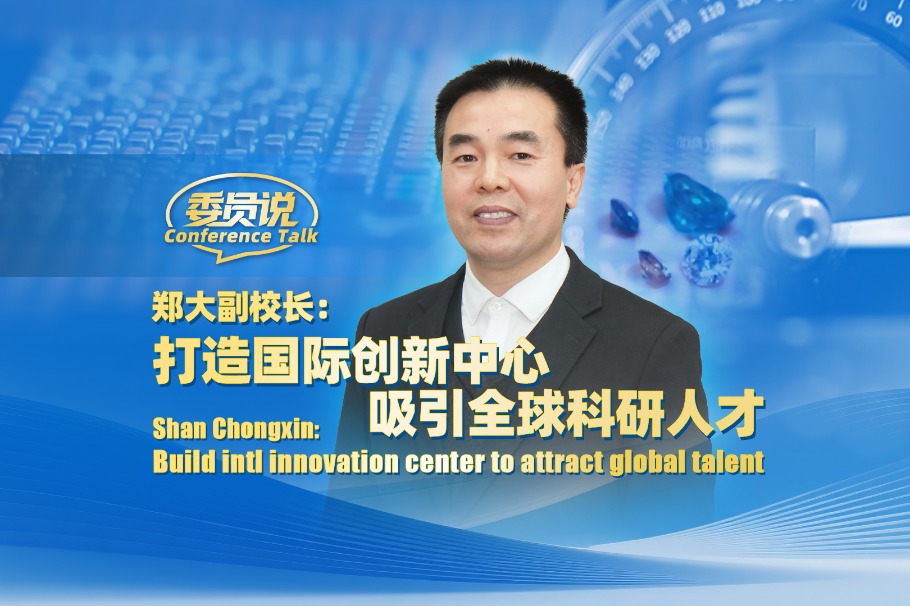
  • Shan Chongxin: Build intl innovation center to attract global talent

    Shan Chongxin: Build intl innovation center to attract global talent

    In an exclusive interview with China Daily, Shan Chongxin, Vice-President of Zhengzhou University and member of the 14th CPPCC National Committee, outlined ambitious plans to transform the institution into an international innovation center designed to attract elite research talent from across the globe.

    Speaking during China’s annual Two Sessions political gatherings, Professor Shan revealed the university’s strategic vision to significantly deepen international collaboration frameworks. The initiative aims to position Zhengzhou University as a premier destination for world-class researchers and innovators seeking cutting-edge research environments.

    Beyond global expansion, the university is strengthening industry-academia partnerships to accelerate the practical application of research findings. This industry-oriented approach seeks to bridge the gap between theoretical research and real-world implementation, ensuring academic work delivers tangible societal and economic benefits.

    Professor Shan also emphasized his legislative focus on educational equity, particularly advocating for enhanced youth education programs in China’s underdeveloped regions. His dual approach combines advancing top-tier international research capabilities with addressing fundamental educational disparities within the country.

    The proposed innovation center represents China’s growing emphasis on developing world-class research institutions that can compete globally for scientific talent while addressing domestic development needs through practical research applications.

  • In pics: Lunar eclipse in China

    In pics: Lunar eclipse in China

    Skygazers across China were treated to a breathtaking celestial spectacle on Tuesday as a total lunar eclipse painted the moon a dramatic crimson hue. The astronomical event, visible throughout much of the country, reached its peak during evening hours when the Earth’s shadow completely enveloped the moon.

    In Yan’an, Northwest China’s Shaanxi province, photographers captured stunning images of the blood moon suspended against the night sky. The phenomenon occurs when sunlight passing through Earth’s atmosphere gets filtered and scattered, casting the lunar surface in reddish-orange tones rather than the complete darkness one might expect.

    This particular eclipse marked a significant astronomical event for 2026, drawing both amateur stargazers and professional astronomers to observation points across the nation. The clear weather conditions in many regions provided optimal viewing opportunities for those equipped with telescopes and cameras.

    The lunar spectacle attracted widespread public interest, with many Chinese citizens sharing their photographs and experiences on social media platforms. Educational institutions and astronomy clubs organized viewing events to help the public understand the science behind the phenomenon while enjoying its visual grandeur.

    Such celestial events continue to foster scientific curiosity and appreciation for astronomy among China’s population, demonstrating how natural phenomena can bridge gaps between scientific communities and the general public.

  • Five-year plans the ballast for stable growth

    Five-year plans the ballast for stable growth

    For over seventy years, China’s systematic approach to national development through five-year planning has provided the foundational framework for the country’s remarkable economic transformation and social advancement. These comprehensive blueprints have evolved into sophisticated governance instruments that effectively translate strategic leadership vision into actionable national policy.

    The upcoming legislative review of China’s national development planning law represents a significant milestone in institutionalizing this proven governance model. The proposed legislation, comprising six chapters and 37 articles, establishes comprehensive legal procedures for the formulation, review, approval, and supervision mechanisms for national development plans. This legal framework aims to enhance macroeconomic governance while maintaining the planning system’s adaptive capacity.

    International observers recognize China’s five-year plans as critical windows into the nation’s medium to long-term policy direction. According to Zamir Ahmed Awan of the Global Silk Route Research Alliance, these documents represent more than mere policy prescriptions—they constitute a disciplined governance approach that strategically aligns national objectives with market mechanisms and local implementation. The plans provide macroeconomic guidance while preserving market vitality, identifying priority sectors, and establishing clear performance metrics that ensure policy coherence across ministries and regions.

    The historical significance of China’s planning system cannot be overstated. Since the inaugural Five-Year Plan in 1953, the country has progressed from an impoverished agricultural society to the world’s premier manufacturing hub and second-largest economy. Each successive plan has reflected evolving national priorities—from industrialization and economic reform to sustainability and innovation—while maintaining consistent focus on national development and prosperity.

    The planning process itself exemplifies meticulous consensus-building, incorporating expertise from diverse disciplines, multiple governmental levels, and public consultation mechanisms. This comprehensive approach ensures that strategic goals transform into operational realities, with institutional designs that maintain development continuity across political cycles.

    As China prepares to implement its 15th Five-Year Plan (2026-2030), international attention focuses on how the world’s second-largest economy will navigate contemporary challenges. The new plan signals a strategic emphasis on technological self-reliance, green transformation, and institutional modernization—critical priorities for sustaining development amid global geopolitical tensions and domestic structural evolution.

    President Xi Jinping has emphasized that China’s planning system represents both a crucial governance experience and a distinctive advantage of socialism with Chinese characteristics. The system’s stability and predictability provide confidence to businesses and citizens alike, particularly during periods of global uncertainty. Moreover, China’s development planning increasingly carries global significance, offering international partners stable expectations and cooperative opportunities as the nation further integrates with the world economy.