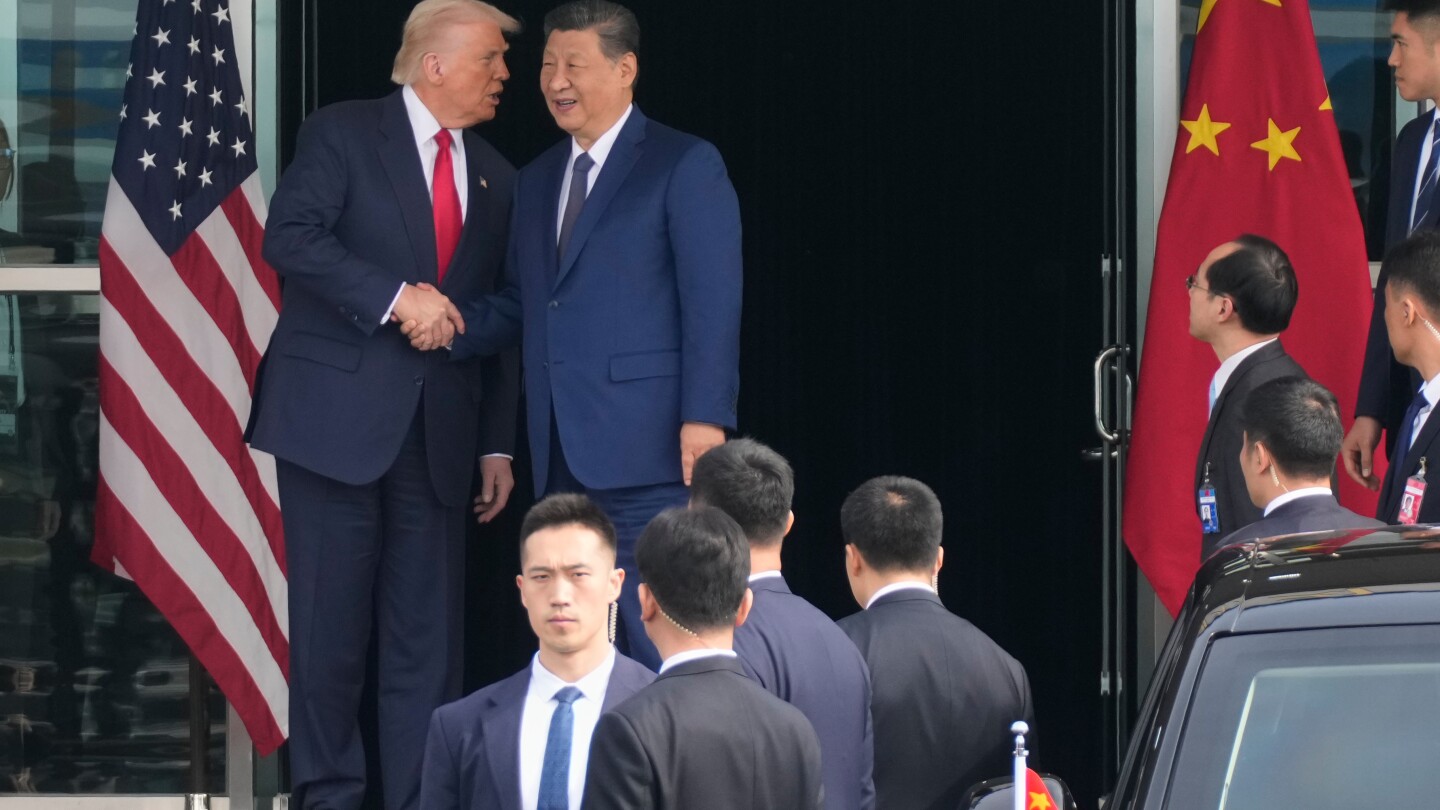
In a surprising revelation, a new report by AidData, a research lab at the College of William & Mary, has uncovered that the United States is the largest beneficiary of loans from Chinese state banks, despite Washington’s longstanding warnings against such financial ties. Over the past 25 years, China’s state lenders have channeled approximately $200 billion into U.S. businesses, often through opaque routes involving shell companies in jurisdictions like the Cayman Islands, Bermuda, and Delaware. This secrecy has obscured the origins of the funds, raising alarms about the implications for U.S. national security and critical technologies. Much of the lending has facilitated Chinese companies in acquiring stakes in U.S. firms tied to robotics, semiconductors, and biotechnology—sectors vital to both economic and military strength. The report highlights a sophisticated and far-reaching lending network that extends beyond developing nations to wealthy countries, including the U.K., Germany, Australia, and the Netherlands. Former White House investment adviser William Henagan described the situation as a strategic game where China has gained a significant advantage, stating, ‘Wars will be won or lost based on whether you can control products critical to running an economy.’ The U.S. has historically welcomed foreign investment, but Chinese financing has drawn heightened scrutiny due to its alignment with Beijing’s strategic goals. The AidData report found that China has lent over $2 trillion globally since 2000, with a significant portion targeting critical minerals and high-tech assets in advanced economies. The lack of transparency in these transactions, often masked by Western-sounding shell companies and confidentiality agreements, has made it challenging to fully assess the extent of China’s influence. While U.S. screening mechanisms, such as the Committee on Foreign Investment in the U.S., have been strengthened in recent years, China has adapted by establishing over 100 overseas banks and branches to further obscure its financial activities. The report underscores a shift in China’s use of state credit from promoting economic development to securing geo-economic advantages, raising global concerns about its intentions to control critical economic and technological sectors.
标签: Asia
亚洲
-

How a top New Zealand police officer’s downfall provoked public fury and scrutiny of police powers
WELLINGTON, New Zealand — A high-profile scandal involving former Deputy Police Commissioner Jevon McSkimming has shaken New Zealand’s law enforcement community, reigniting debates about police accountability and integrity. McSkimming, who nearly secured the top police position last year, is now facing charges for possessing and viewing illegal sexual content, including child abuse material, on his work computer. The case has sparked widespread public outrage and raised questions about the handling of sexual misconduct allegations within the police force.
-
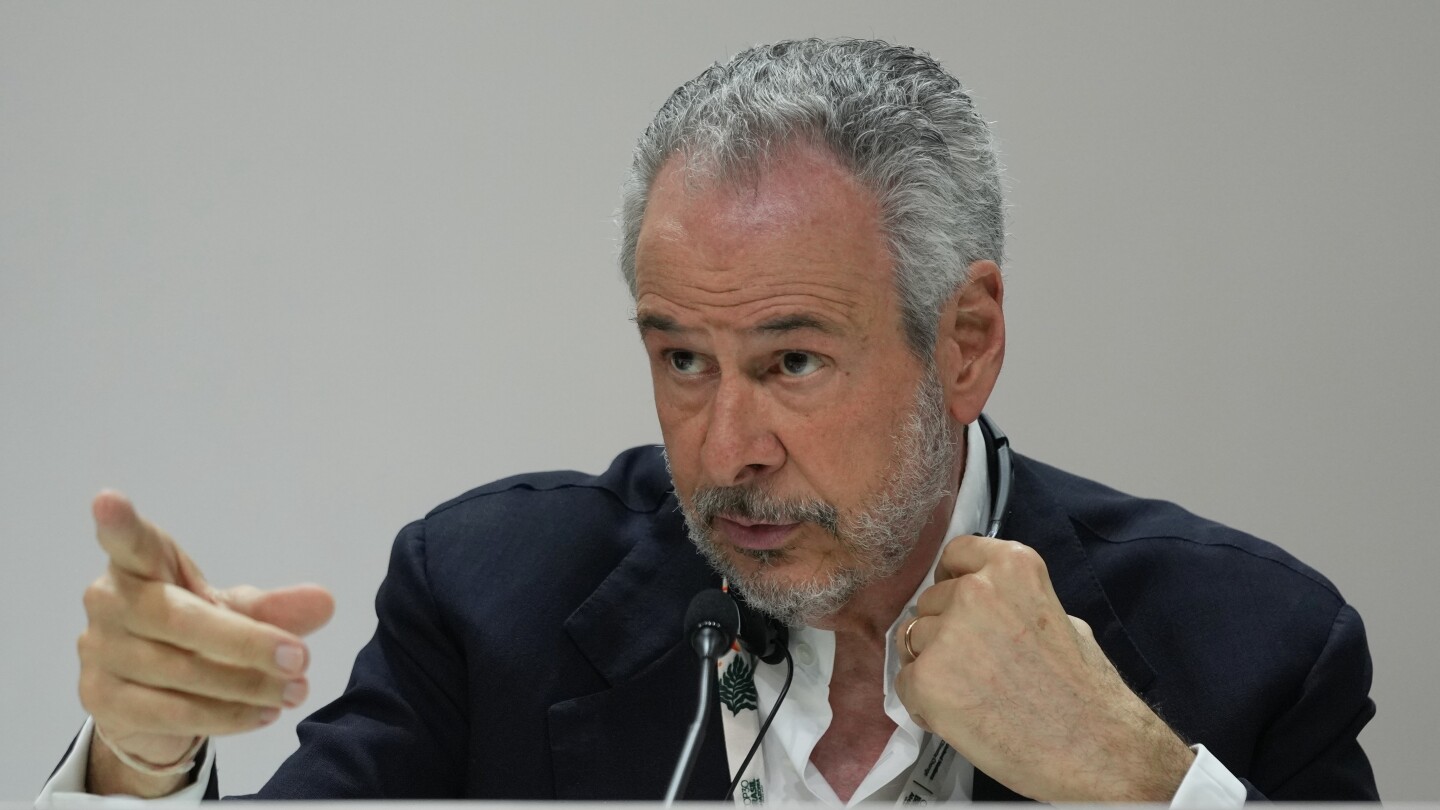
UN climate conference host Brazil urges nations to negotiate and find solutions to global warming
As the United Nations COP30 climate summit in Brazil reaches its pivotal final week, host nation Brazil has issued a direct appeal to participating countries to accelerate negotiations. The letter, dispatched late Monday, underscores the urgency of reaching consensus on key issues before the summit concludes on Friday. This historic gathering, the first of its kind in the Amazon rainforest, highlights the region’s critical role in climate regulation through its vast carbon-absorbing forests.
-

US lawmakers, citing security issues, want TP-Link routers banned
A bipartisan group of US lawmakers has called on the Commerce Department to investigate and potentially ban the sale of TP-Link Technologies’ networking products by the end of November, citing significant national security risks. In a formal letter to Commerce Secretary Howard Lutnick, the legislators expressed concerns that TP-Link’s routers and internet-connected cameras, produced by a company with alleged ties to the Chinese Communist Party (CCP), could be exploited for espionage against US military personnel, critical infrastructure, and households. They emphasized the rapid expansion of TP-Link’s market share in internet-connected security cameras and the potential for CCP-linked entities to misuse these devices for surveillance, blackmail, or extortion. The lawmakers urged the Commerce Department to assess the risks and determine whether existing information and communications-technology security measures are adequate. They also requested recommendations on adding TP-Link to the Federal Communications Commission’s Covered List, conducting a broader study on CCP-linked camera manufacturers, and issuing public advisories through the FBI and Department of Homeland Security. This potential ban could mark the largest removal of Chinese telecommunications equipment from the US market since the 2019 crackdown on Huawei. TP-Link has denied the allegations, asserting its commitment to providing secure products and resolving concerns through measures like onshoring development functions and enhancing cybersecurity. The company also highlighted its restructuring efforts, including the establishment of TP-Link Systems in California, which operates independently from its China-based counterpart. The controversy follows a multi-agency investigation into TP-Link’s routers, which dominate 65% of the US home and small-business market, amid evidence of their involvement in cyber campaigns traced to China-backed threat actors.
-
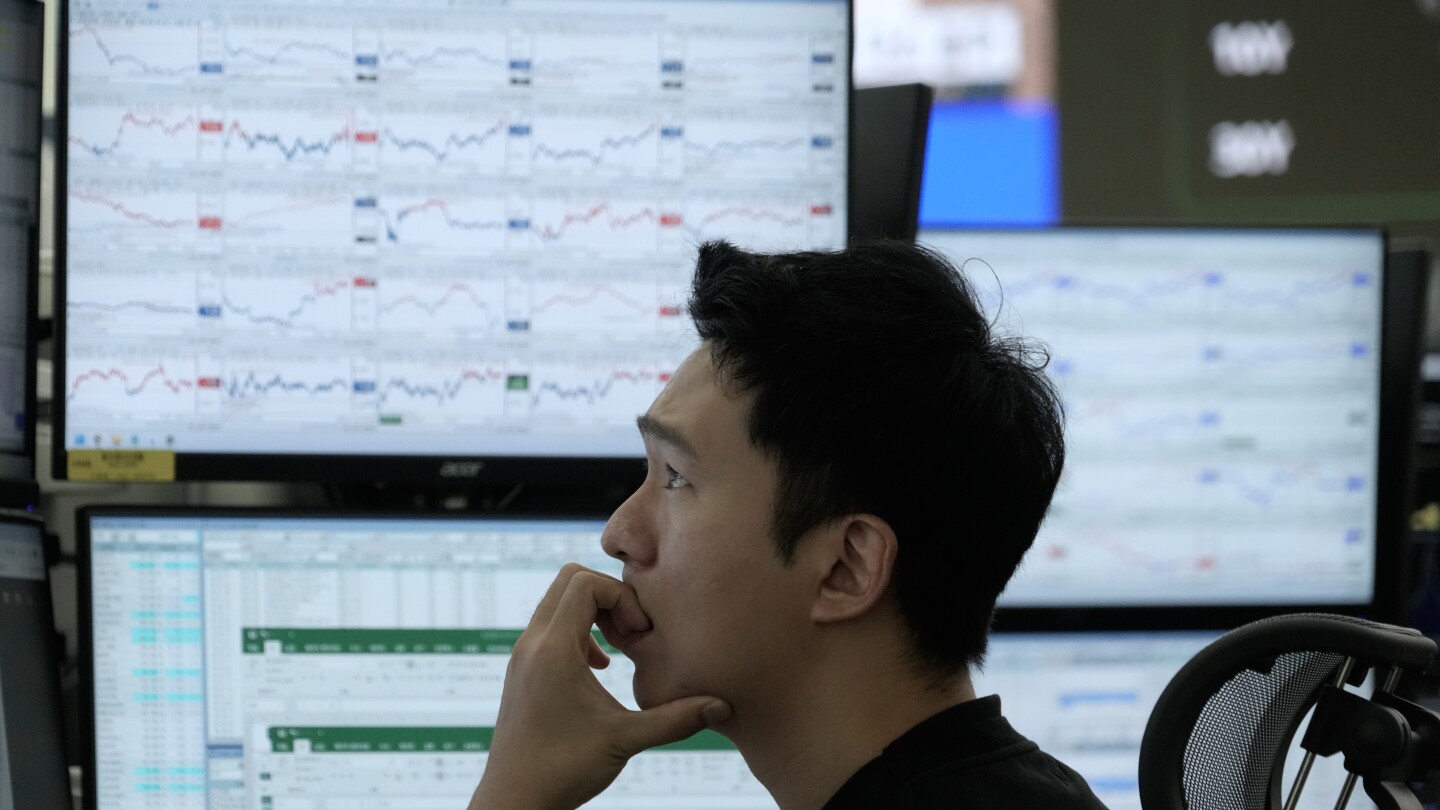
Asian shares sink, tracking a tech-led sell-off on Wall Street
Asian stock markets experienced significant declines on Tuesday, with major indices in Tokyo and Seoul plummeting over 3%, mirroring a broader sell-off in U.S. markets driven by artificial intelligence (AI)-related stocks. The downturn was fueled by concerns over inflated valuations of tech companies, particularly Nvidia, which is set to release its earnings report on Wednesday. U.S. futures also dipped, with the S&P 500 contract down 0.6% and the Dow Jones Industrial Average futures falling 0.4%.
-

US will sell F-35 warplanes to Saudi Arabia, Trump says
The United States has confirmed its intention to sell F-35 fighter jets to Saudi Arabia, as announced by President Donald Trump. This decision marks a significant arms deal ahead of Crown Prince Mohammed bin Salman’s visit to Washington. Trump emphasized Saudi Arabia’s status as a key ally, stating, ‘They want to buy. They have been a great ally.’ The deal, potentially involving up to 48 F-35s, follows a $142 billion defense agreement signed during Trump’s visit to the kingdom in May 2023. However, the sale faces opposition from two major groups: Israel and certain US defense and intelligence officials. Israel has historically opposed such sales, fearing a compromise of its military edge, while US officials worry about the potential for China to access sensitive technology. Despite these concerns, experts suggest that the US can mitigate risks by limiting the technology included in the sale. Saudi Arabia, undergoing economic diversification, remains a lucrative market for US defense exports, even as it scales back ambitious projects like the Neom mega-city. The kingdom’s sovereign wealth fund has also reduced its stakes in several US companies, signaling a strategic shift in its investment priorities.
-

Chinese ship jams communications as Filipino forces deliver supplies to Philippines-occupied shoal
In a tense maritime operation, Philippine forces successfully transported essential supplies and personnel to the Second Thomas Shoal, a disputed territory in the South China Sea, despite interference from Chinese government ships. The mission, conducted on Friday, saw the Armed Forces of the Philippines deliver food, fuel, and a fresh batch of navy personnel to the BRP Sierra Madre, a grounded warship serving as a territorial outpost. Chinese Coast Guard vessels, which have long guarded the periphery of the shoal, reportedly jammed communications during the operation, ostensibly to prevent potential drone surveillance by the United States or other foreign forces. Philippine officials confirmed the mission was completed without incident, though they spoke anonymously due to the sensitivity of the issue. China, which claims sovereignty over the shoal and much of the South China Sea, has repeatedly demanded the removal of the Sierra Madre. The two nations had previously signed a temporary nonaggression agreement in July 2024 to avoid confrontations in the area. However, tensions have persisted, with China deploying additional coast guard and militia ships to the shoal in August, some equipped with advanced weaponry. The Philippines has conducted 12 such supply missions since last year, all without incident. The South China Sea remains a flashpoint for regional disputes, with Vietnam, Malaysia, Brunei, and Taiwan also laying overlapping claims. The U.S., while not claiming the waters, has pledged to defend the Philippines, its oldest Asian ally, in the event of armed conflict.
-

Murderer sues for right to eat Vegemite in prison
A convicted murderer in Australia is taking legal action against the state of Victoria’s ban on prisoners consuming Vegemite, arguing that the prohibition violates his human right to embrace Australian culture. Andre McKechnie, 54, has filed a lawsuit in the Supreme Court of Victoria, targeting the Department of Justice and Community Safety and Corrections Victoria. The case, set for trial next year, seeks a declaration that the ban breaches the Charter of Human Rights and Responsibilities Act and the Corrections Act, which mandates adequate food for prisoners’ well-being. McKechnie also demands the court overturn the Vegemite ban, asserting it should be reconsidered in accordance with the law. Vegemite, a yeast-based spread iconic in Australian cuisine, has been prohibited in Victorian prisons since 2006 due to concerns it interferes with narcotic detection dogs and its potential use in alcohol production. Inmates have reportedly used Vegemite to mask the scent of illicit drugs, prompting the ban. Despite its polarizing taste, Vegemite holds cultural significance in Australia, often marketed as a source of vitamin B and a staple in breakfast meals. The lawsuit has sparked controversy, with victims’ rights advocates criticizing it as frivolous and insensitive to crime victims and their families. McKechnie, serving a life sentence for the 1994 murder of Otto Kuhne, has spent the past decade in maximum-security Port Phillip Prison. His legal team has not commented on the case.
-
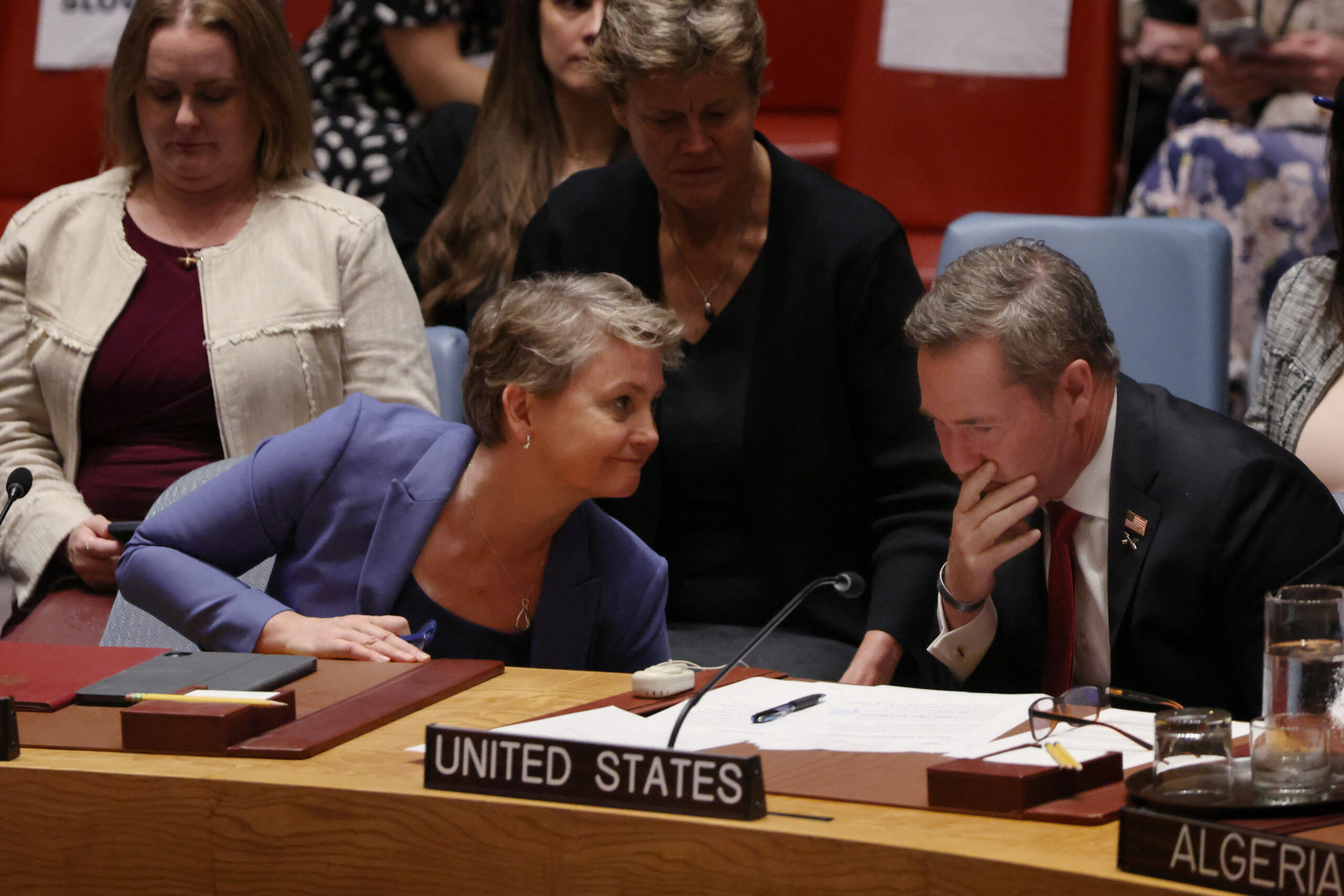
UN adopts US plan for Gaza, including line on Palestinian statehood
The United Nations Security Council (UNSC) has approved a US-backed resolution outlining President Donald Trump’s vision for Gaza’s future, including a contentious reference to the possibility of a Palestinian state. The resolution, UNSC 2803, passed with 13 votes in favor and abstentions from Russia and China. Israel, though present at the meeting, was not eligible to vote. The resolution suggests that Palestinian self-determination and statehood could be achievable if the Palestinian Authority (PA) implements reforms and Gaza’s redevelopment progresses. Despite Israel’s last-minute efforts to remove references to Palestinian statehood, the US maintained the language, signaling its commitment to maintaining ties with key Muslim allies. The resolution also proposes the creation of an ‘International Stabilisation Force’ for Gaza, modeled after the UN-backed force in Haiti. However, the plan has faced criticism for excluding Palestinian participation and imposing foreign governance. Russia had proposed an alternative resolution, emphasizing the formation of a Palestinian state encompassing Gaza and the West Bank. The US resolution builds on Trump’s 20-point plan for Gaza, with a ‘Board of Peace’ chaired by Trump overseeing the security force. Critics argue that the resolution perpetuates occupation rather than fostering self-governance. The adoption of the resolution marks a significant shift for the Trump administration, which has historically been hostile toward the UN. Arab and Muslim states view this as a victory, as they seek to avoid being seen as occupiers on Israel’s behalf. The resolution’s implementation remains uncertain, with Israel already accused of breaching the ceasefire over 250 times.
-

Naomi Osaka withdraws from the Auckland WTA event to play for Japan at the United Cup
Tennis star Naomi Osaka has announced her withdrawal from the ASB Classic in Auckland, New Zealand, scheduled for January 2026. The four-time Grand Slam champion, who had previously committed to the event in September, has decided to represent Japan in the United Cup instead. Osaka informed Auckland tournament director Nicolas Lamperin of her change in plans, opting to begin her preparations for the Australian Open in Australia. Osaka, a former world No. 1, will team up with Shintaro Mochizuki for Japan in the United Cup, which runs from January 2 to 11 in Perth. Japan is set to face Britain and Greece in the group stage. The Australian Open, the year’s first Grand Slam tournament, will commence on January 18 at Melbourne Park. Osaka’s decision marks a strategic shift in her early-season schedule as she aims to balance national representation and Grand Slam preparation.