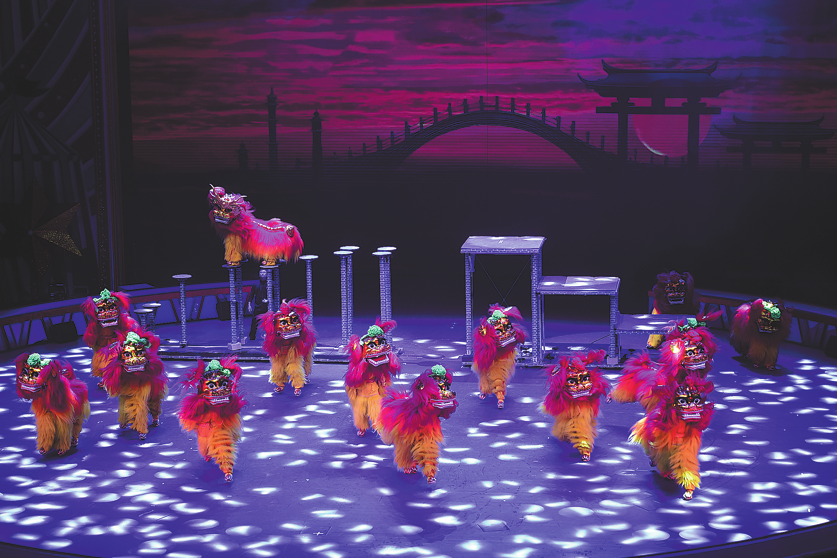
The 20th China Wuqiao International Circus Festival, held in Wuqiao county, Hebei province, has once again proven itself as a cornerstone of global acrobatic culture. Jasmine Straga, an Australian acrobatics expert and long-time participant, shared her reflections on the festival’s evolution since her first involvement in 1998. From her initial roles as a contortionist and ring performer to her current position as a judge, Straga has witnessed the festival’s transformation into a world-class event. ‘It’s like watching a child grow up,’ she remarked, highlighting the festival’s journey from a local gathering to an international cultural exchange platform. Straga’s personal connection to Wuqiao deepened in 2007 when she attended the festival with her 4-year-old daughter, who was affectionately nicknamed ‘Wuqiao Baby’ by Bian Faji, president of the China Acrobats Association. Now 22, her daughter frequently visits China, symbolizing the enduring bond formed through the festival. The event has not only elevated Wuqiao’s status as the ‘hometown of Chinese acrobatics’ but also showcased China’s commitment to preserving and innovating this ancient art form. With the establishment of the new Oriental Acrobatics Center and the expanded Wuqiao Acrobatic Art School, Wuqiao has become a global destination for acrobatics enthusiasts. The festival’s success underscores the importance of cross-boundary integration and constant innovation in keeping acrobatics vibrant and relevant in the modern era.
标签: Asia
亚洲
-
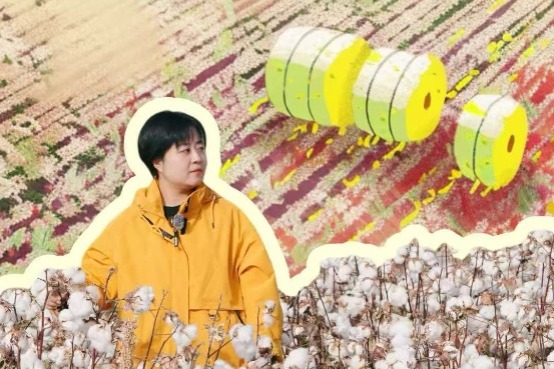
Science helps ‘dead land’ bloom
In the arid deserts of Dunhuang, Gansu province, a remarkable transformation is underway. Once barren and saline-alkali soil, deemed unsuitable for agriculture, now yields bountiful cotton crops, thanks to decades of scientific innovation. Local technician He Shengbing proudly refers to the 1,000-kilogram cotton bales as ‘golden eggs laid by what was once dead land.’
For years, nearly 95% of Dunhuang’s 25,000 hectares of farmland suffered from high salinity, low organic matter, and extreme alkalinity, making it nearly impossible for crops to thrive. However, through the efforts of researchers from China Agricultural University and local agronomists, the region has seen a dramatic turnaround.
Since May, Dunhuang has served as a pilot base for saline-alkali land management. Professor Hu Shuwen’s team developed a comprehensive soil improvement plan, combining organic fertilizers, biobased soil conditioners, microbial agents, and pH regulators. These are delivered through a precise drip irrigation system, which not only conserves water but also reduces soil salinity.
‘We’re not changing the cotton. We’re changing the earth it grows in,’ explained Yang Xu, a graduate student on Hu’s team. The drip irrigation system, with its tiny holes spaced every 30 centimeters, delivers water and nutrients directly to the roots, creating a ‘wet bulb’ effect that protects plants from salt buildup.
The results are undeniable. The organic content of the topsoil has increased to 1.35%, salt concentration has dropped to 0.12%, and cotton yields have risen by up to 20%. Additionally, the region saves 20% of its agricultural water annually.
Dunhuang’s success has garnered international recognition. Its ‘Five-in-One’ model, which unites the United Nations Food and Agriculture Organization, research institutes, local governments, enterprises, and farmers’ cooperatives, was highlighted at the Global Conference on Scientific Utilization and Development of Saline Soil as a replicable example of sustainable land management in arid regions.
With plans to invest 17 million yuan ($2.4 million) in 2025 to expand the program, Dunhuang is proving that even the harshest land can flourish with the right care. ‘Every drop counts here,’ Yang said. ‘We’re proving that even the harshest land can bloom with the right care.’
-
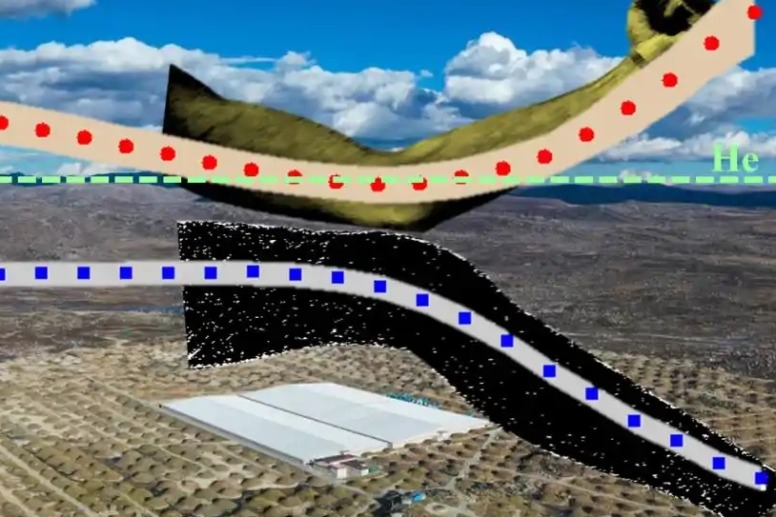
Mystery of ‘knee’ formation solved
A groundbreaking discovery by Chinese and international scientists has shed light on the enigmatic ‘knee’ structure in the energy spectrum of cosmic rays. This phenomenon, characterized by a sharp decline in particle numbers at higher energies, has puzzled researchers for over seven decades. The breakthrough came through data from China’s Large High Altitude Air Shower Observatory (LHAASO), which identified powerful jets from black holes as the source of ultra-high-energy gamma rays in five ‘microquasar’ systems. These findings, published in the journals National Science Review and Science Bulletin, reveal that cosmic rays from these sources can reach energies exceeding 10 peta-electronvolts, surpassing the ‘knee’ threshold. The research, conducted by teams from the Institute of High Energy Physics of the Chinese Academy of Sciences, Nanjing University, the University of Science and Technology of China, and Italy’s Sapienza University of Rome, marks a significant advancement in understanding cosmic ray origins. LHAASO’s multi-parameter measurement capabilities enabled the collection of high-purity proton samples, allowing for unprecedented precision in mapping the proton energy spectrum. The discovery of a distinct ‘high-energy component’ suggests the existence of multiple cosmic accelerators in the Milky Way, each with unique energy limits. Cao Zhen, LHAASO’s chief scientist, emphasized the importance of continued observations to identify more sources and study the energy spectra of different cosmic-ray nuclei. This research not only deepens our understanding of black hole systems as natural accelerators but also holds potential for improving the design of future man-made particle accelerators. Located in Daocheng county, Sichuan province, LHAASO has become a global leader in cosmic ray research since its operation began in July 2019, reshaping scientific understanding of extreme cosmic processes.
-

In Macao, heritage sites provide a stellar background for games
In Macao, the fusion of cultural heritage and sports has created a vibrant synergy, enhancing the city’s appeal as a tourist destination and cultural hub. The 15th National Games, co-hosted by Macao, has become a catalyst for this integration, with historic sites serving as stunning backdrops for sporting events. The Tap Seac Multi-sports Pavilion, located near the Jardim de Vasco da Gama, a garden dating back to 1898, exemplifies this blend. Visitors and athletes alike have been captivated by the unique combination of sports and heritage, with tourists snapping photos and exploring nearby historic landmarks. Ieng Weng-fat, a member of the Cultural Development Consultative Committee of the Macao Special Administrative Region, emphasized the importance of this ‘cultural-heritage-plus-sports’ model in sustaining the relevance of historic sites. The torch relay, which incorporated numerous heritage spots, successfully brought Macao’s world heritage into the national spotlight. The strategic layout of competition venues, including the Macao Forum and Cotai’s integrated resorts, ensures a seamless ‘event-and-sightseeing’ experience. Creative expressions, such as co-branded blind boxes featuring the games’ mascot and heritage themes, have also gained popularity. This innovative approach not only attracts domestic visitors but also has the potential to draw international audiences fascinated by Macao’s historical significance. In the long term, this model could foster cross-cultural understanding and present a unique opportunity to share China’s cultural narrative with the world.
-

China tackles N2O emissions, leading change
China has emerged as a global leader in addressing nitrous oxide (N2O) emissions, showcasing a successful blend of pollution control and climate action. Since 2013, the country has managed to stabilize and subsequently reduce the growth rate of anthropogenic N2O emissions, a greenhouse gas significantly more potent than carbon dioxide. This achievement underscores that economic growth does not inevitably lead to increased emissions of heat-trapping gases. Han Yinghui, an associate professor at the University of Chinese Academy of Sciences, emphasized the critical role of N2O in achieving global temperature goals during a recent event at the Chinese pavilion at COP30 in Belem, Brazil. N2O, with a global warming potential nearly 300 times that of CO2, remains in the atmosphere for over a century, making its control essential for mitigating severe climate impacts. While agriculture is the largest source of N2O emissions globally, industrial sources present the greatest potential for reduction. Han highlighted that while developed countries have historically contributed the most to cumulative N2O emissions, recent increases have been driven by emerging economies in Asia, necessitating global cooperation. China’s progress in N2O control is attributed to ‘synergistic governance,’ integrating climate goals into environmental management. The country has widely adopted selective catalytic reduction (SCR) technology in coal-fired power plants, achieving a 70 to 90 percent reduction in N2O emissions. Additionally, China has introduced an action plan targeting industrial N2O emissions and is incorporating N2O data into its national carbon trading system. Proven technologies, such as exhaust gas purification in adipic acid production, are already in use, removing over 95 percent of N2O emissions while recovering the gas as a useful industrial product. China’s validated industrial technologies are scalable and ready for global sharing, helping other nations avoid carbon-intensive development pathways.
-
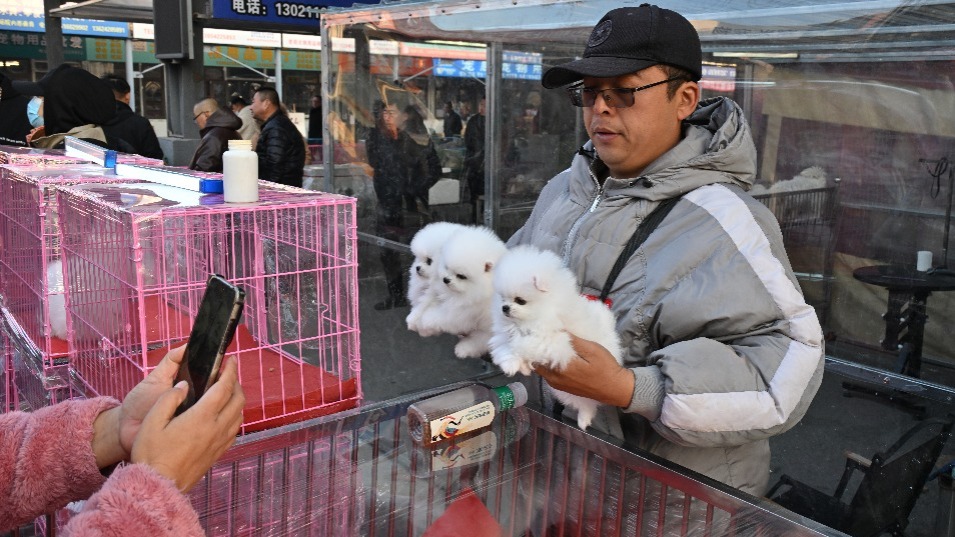
Former steel town purrs ahead on tail of ‘pet economy’
Once synonymous with the steel industry, Anshan, a city in Northeast China’s Liaoning province, is now forging a new identity as the nation’s pet breeding capital. This transformation is driven by the booming ‘pet economy,’ which has reshaped the city’s economic landscape and provided new opportunities for its residents. As China prepares for the 15th Five-Year Plan (2026-30), Anshan is positioning itself as a leader in the pet industry, leaving behind its industrial past. The city’s shift began in the 1980s when the steel industry faced overcapacity, declining demand, and fierce competition, leading to widespread layoffs. Many displaced workers, like Han Zongli, turned to alternative livelihoods. Han, a former steelworker, ventured into pet breeding after a chance encounter with a customer’s dog. His success inspired others, and soon, a thriving pet-related industry emerged, offering a lifeline to thousands of unemployed workers. Today, Anshan’s pet breeding sector is a major economic force, with over 30,000 residents involved in breeding, trade, and services for purebred dogs and cats. The city supplies approximately 70% of China’s pet dogs, with an annual output of 1.5 million animals in 2024, expected to rise to 2 million this year. The industry has also expanded to other cities in Liaoning, creating a comprehensive ecosystem that includes breeding, pet products, healthcare, and cultural activities. Employing over 150,000 people and generating more than 30 billion yuan annually, Anshan’s pet industry is a testament to the city’s resilience and adaptability.
-
Confucius Institutes gain ground internationally
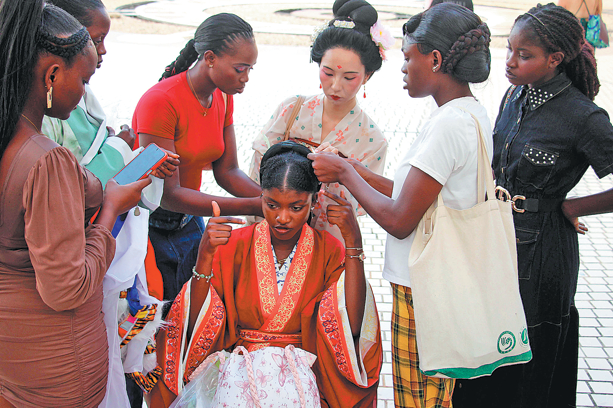
The Confucius Institute network has achieved remarkable growth this year, with the establishment of 15 new institutes and one Confucius Classroom across 14 countries, including Algeria and Guinea-Bissau. This expansion marks the first presence of Confucius Institutes in these two African nations, bringing the total number of institutes to 510 across 164 countries and regions as of October 31. The ceremonial awarding of plaques to 10 of these new institutions took place in Beijing during a sub-forum of the World Chinese Language Conference, celebrating the 21-year legacy of Confucius Institutes as a cornerstone of international Chinese education and cultural exchange. Assia Kaced, vice-rector of the University of Algiers 2, highlighted the growing demand for Chinese language learning in Algeria, driven by strengthened economic ties with China and the presence of major Chinese companies. She emphasized that the institute will not only enhance language skills but also foster mutual understanding and trust between Algerian and Chinese youth. In Kenya, the Confucius Institute at Egerton University has adopted an innovative model, integrating Chinese language education with agricultural technology transfer. The institute has established eight teaching points, enrolling nearly 3,000 students annually, and has conducted 45 training sessions for farmers, benefiting 2,413 individuals. Ren Youqun, China’s vice-minister of education, underscored the importance of improving teaching systems and exploring the use of artificial intelligence to enhance Chinese language education. He also stressed the need to align with the career development needs of trainees and the requirements of overseas Chinese enterprises. Duan Peng, president of Beijing Language and Culture University, highlighted the institute’s role in providing resources and support for young people passionate about Chinese language and culture, embodying the spirit of mutual learning and win-win cooperation.
-
Japan bears blame for worsening China ties
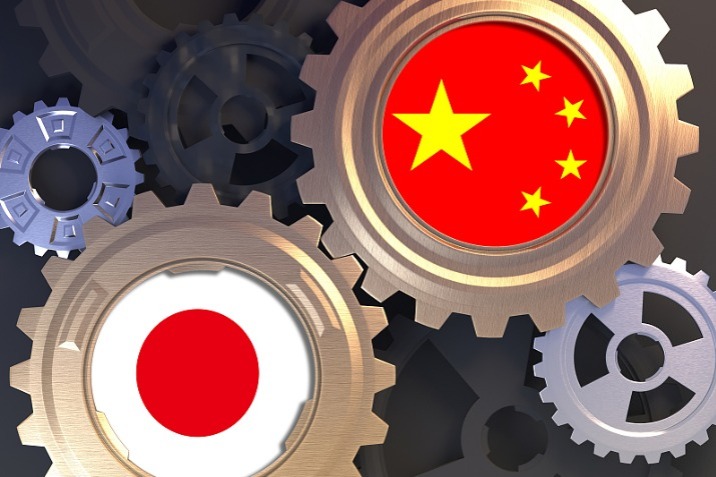
Tensions between China and Japan have escalated following Japanese Prime Minister Sanae Takaichi’s controversial comments on Taiwan, leading to a significant diplomatic rift. China’s Foreign Ministry confirmed that Premier Li Qiang will not hold a one-on-one meeting with Takaichi during the upcoming G20 Summit in South Africa. This decision underscores Beijing’s disapproval of Takaichi’s remarks, which suggested Japan’s potential military intervention in Taiwan Strait affairs—a statement that has been widely condemned as provocative and destabilizing. Foreign Ministry spokeswoman Mao Ning emphasized that Takaichi’s comments ‘seriously contradict the spirit of the four political documents between China and Japan,’ which form the foundation of bilateral relations. Mao reiterated that Japan must adhere to its commitments on the Taiwan issue and urged Tokyo to act responsibly. Meanwhile, Japanese officials have defended Takaichi’s stance, claiming that her remarks align with the 1972 China-Japan Joint Statement. However, Chinese experts argue that Tokyo is downplaying the gravity of the situation and failing to address the damage caused to bilateral ties. The postponement of a joint opinion poll and the Beijing-Tokyo Forum further highlights the strained relations. As Masaaki Kanai, head of Japan’s Asian and Oceanian Affairs Bureau, visits Beijing for talks, analysts remain skeptical about the prospects of resolving the impasse. The incident underscores the fragility of China-Japan relations and the broader implications for regional stability.
-
India’s US exports jump despite 50% tariffs as trade tensions ease
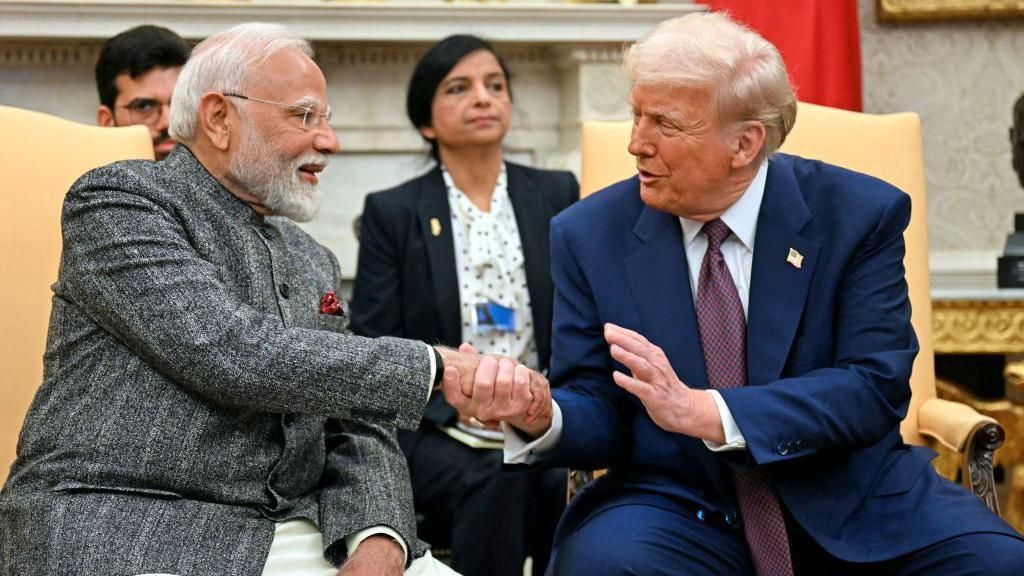
India’s exports to the United States experienced a significant rebound in October, rising to $6.3 billion, a 14.5% increase from September’s $5.5 billion. This marks the first uptick in five months, despite the continued imposition of steep tariffs by the Trump administration, including a 25% penalty on Indian purchases of Russian oil. The resurgence in trade comes as Indian state-run oil companies agreed to import more liquefied petroleum gas (LPG) from the US, and the Trump administration exempted several agricultural products from reciprocal tariffs, benefiting Indian exporters. Trade negotiations between the two nations are progressing, with key aspects of the deal nearing closure, according to an Indian official. However, India’s overall goods exports fell by 11.8% year-on-year in October, with 15 of its top 20 markets witnessing declines. Analysts suggest that tariff-exempt sectors like smartphones and pharmaceuticals may have contributed to the improved performance. Despite the October rebound, India’s exports to the US have dropped by 28.4% between May and October, erasing over $2.5 billion in monthly export value. Trade tensions appear to be easing, with India finalizing a major deal to source 10% of its annual LPG needs from the US. The Trump administration has been pushing India to reduce its reliance on Russian oil, which has become a significant market for India amid Western sanctions. While India has not officially confirmed plans to cut Russian oil imports, trade talks are advancing rapidly. Additionally, the US’s decision to roll back reciprocal tariffs on certain agricultural products is expected to benefit India’s exports by exempting approximately $1 billion worth of goods from duties.
-
Australian murderer sues for right to eat Vegemite behind bars
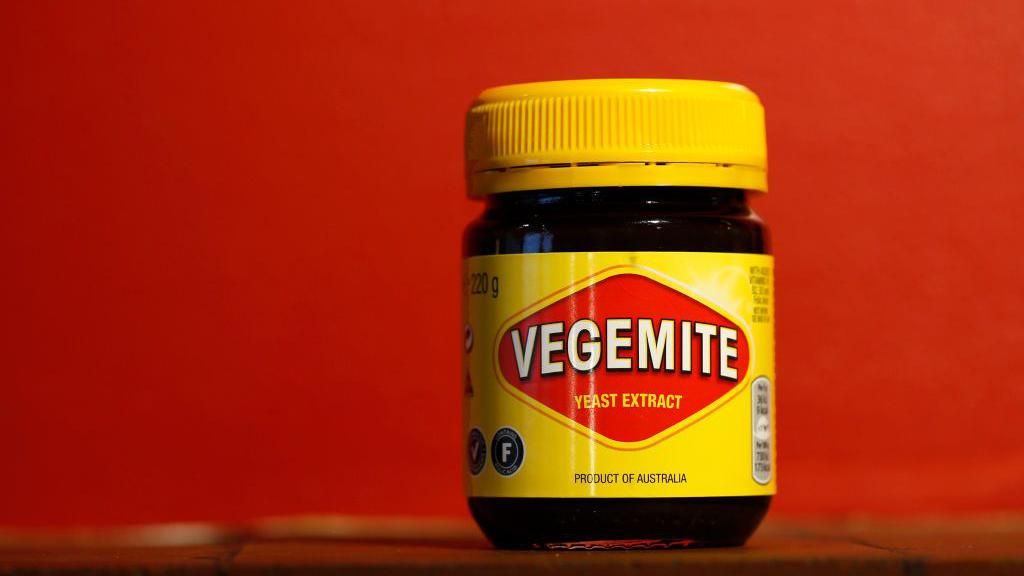
A convicted murderer serving a life sentence in Australia is taking legal action against a ban on Vegemite consumption in Victoria’s prisons, arguing it infringes on his cultural rights as an Australian. Andre McKechnie, 54, claims the prohibition, enforced since 2006, denies him the ability to ‘enjoy his culture.’ State authorities justify the ban by citing concerns that inmates might use the strong-smelling spread to mask contraband or brew alcohol. McKechnie, who was convicted for the 1990s murder of a Queensland property developer, is suing Victoria’s Department of Justice and Corrections Victoria, seeking to overturn the ban and alleging inadequate food provisions for his well-being. The case is set for trial next year. Vegemite, a yeast extract-based spread invented in Melbourne in 1923, is a cultural icon in Australia, despite its polarizing taste. In 2022, Melbourne recognized the aroma from a local Vegemite factory as part of the city’s cultural heritage. However, its divisive flavor has also earned it a spot in Sweden’s Disgusting Food Museum. Earlier this year, Vegemite sparked an international dispute when a Canadian cafe owner was ordered to remove it from shelves due to non-compliance with local health regulations. Australian Prime Minister Anthony Albanese intervened, leading to the reversal of the decision.