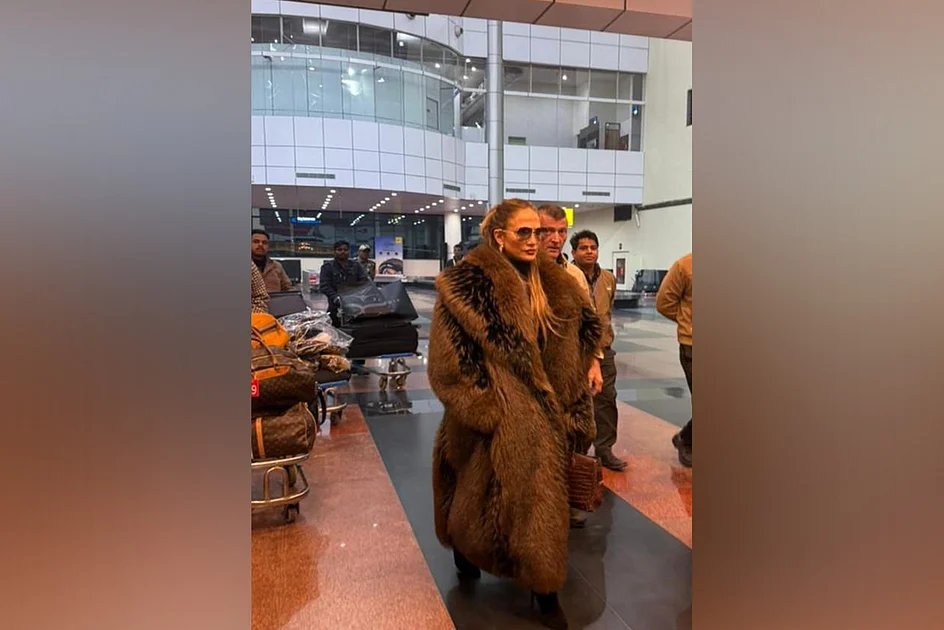
The city of Udaipur has been transformed into a hub of glitz and glamour as the wedding festivities of Indian billionaire Netra Mantena and AI entrepreneur Vamsi Gadiraju unfolded over the past few days. The event, a grand celebration of love and opulence, attracted a constellation of celebrities from across the globe, including global music icon Jennifer Lopez, Bollywood heavyweights like Karan Johar, Varun Dhawan, Janhvi Kapoor, Shahid Kapoor, Ranveer Singh, Kriti Sanon, and Sophie Choudry, and even international figures such as Donald Trump Jr. and his girlfriend, Bettina Anderson. Jennifer Lopez, who arrived in Udaipur on Saturday, was greeted by the Indian paparazzi, with her warm interactions captured and widely shared on social media. The wedding, a blend of traditional Indian customs and modern extravagance, featured electrifying performances, with Ranveer Singh stealing the show. The Bollywood star delivered a high-energy rap of ‘Apna Time Ayega’ from the film ‘Gully Boy’ and even managed to get Trump Jr. and Anderson to groove to his hit track ‘What Jhumka’ from ‘Rocky Aur Rani Kii Prem Kahaani.’ Netra Mantena, the daughter of Orlando-based billionaires Padmaja and Rama Raju Mantena, and Vamsi Gadiraju, co-founder of AI company Superorder, tied the knot in a ceremony that has set social media abuzz with clips and images of the lavish celebrations. The event not only highlighted the couple’s prominence but also underscored Udaipur’s status as a preferred destination for high-profile weddings.
标签: Asia
亚洲
-
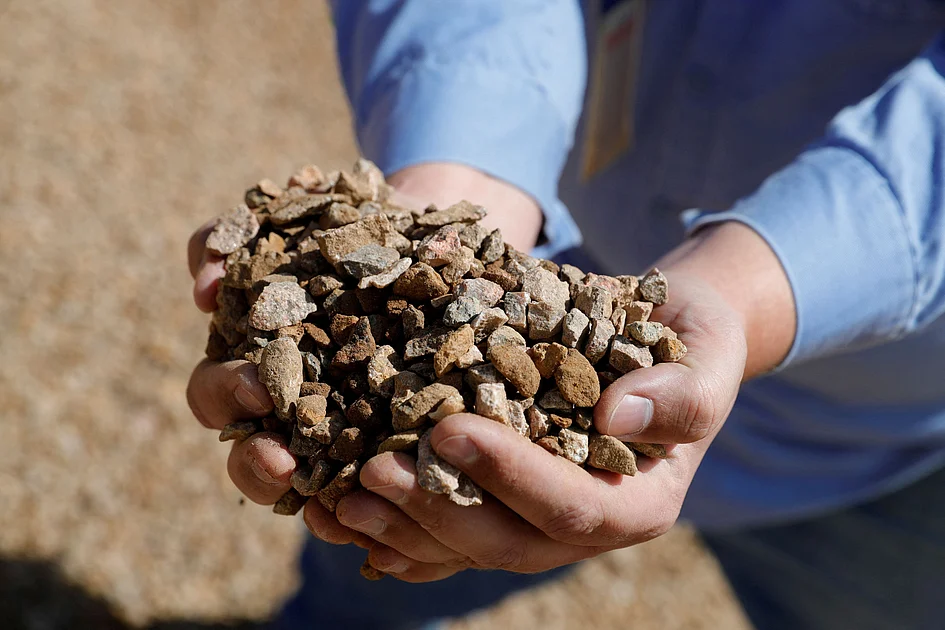
US EXIM to invest $100 billion to secure critical mineral supplies, FT says
In a strategic move to bolster U.S. and allied supply chains for critical minerals, nuclear energy, and liquefied natural gas, the U.S. Export-Import Bank (EXIM) has announced a $100 billion investment initiative. This groundbreaking decision was revealed by EXIM Chair John Jovanovic in an exclusive interview with the Financial Times on Sunday. The first wave of projects under this initiative will span Egypt, Pakistan, and Europe, addressing what Jovanovic described as the West’s over-reliance on ‘unfair’ critical material supplies. ‘Without secure, stable, and functioning raw material supply chains, we cannot achieve our broader goals,’ Jovanovic emphasized. Among the initial deals is a $4 billion credit insurance guarantee for natural gas deliveries to Egypt by Hartree Partners, a New York-based commodities group, and a $1.25 billion loan for the Reko Diq mine in Pakistan, developed by Barrick Mining. The bank has $100 billion remaining from the $135 billion authorized by Congress, signaling a robust commitment to reshaping global energy and mineral supply dynamics. This initiative aligns with former U.S. President Donald Trump’s energy-dominance agenda, which prioritized increasing U.S. energy output and rolling back energy and environmental regulations. EXIM has yet to respond to requests for comment outside regular business hours.
-

Middle East recalibrates amid global uncertainty as UAE bets big on AI and tech sovereignty
As global trade faces uncertainty and energy revenues decline, the Middle East is undergoing a significant recalibration, with the United Arab Emirates (UAE) emerging as a regional leader in artificial intelligence (AI) and digital infrastructure. According to S&P Global’s latest outlook, the region is navigating a dual challenge: mitigating the impact of softer oil prices while seizing opportunities in technology and supply chain diversification. The UAE, in particular, is doubling down on its ambition to become a hub for AI innovation and tech sovereignty. The Middle East’s economic trajectory in 2026 is shaped by volatile global trade, elevated conflict risks, and unpredictable shipping costs, particularly through critical chokepoints like the Suez Canal. While post-conflict reconstruction in countries like Iran and Syria offers some resilience, oil-exporting economies are bracing for headwinds from declining crude prices. Resource nationalism is intensifying as the U.S. and China compete for control over critical minerals, prompting Gulf states to tighten regulatory frameworks and demand technology transfers. Amid these shifts, the UAE is crafting a hybrid regulatory model that blends the EU’s emphasis on data protection with the U.S.’s innovation-driven flexibility. Central to the UAE’s strategy is the development of Arabic large language models (LLMs), designed to assert cultural and technological independence in a domain dominated by English and Mandarin. The UAE’s investments in AI infrastructure, cloud services, and advanced manufacturing are expected to deliver economic diversification and resilience against commodity price swings. The global backdrop of trade tensions and technological disruption adds complexity, but the UAE’s strategic pivot toward tech sovereignty positions it to capitalize on regional supply chain shifts and AI-driven productivity gains. Financial innovation, including the adoption of stablecoins for cross-border payments, aligns with the UAE’s broader digital economy strategy. As S&P Global concludes, agility will be the defining trait of successful economies in 2026, with the UAE’s bet on tech sovereignty serving as a strategic imperative in shaping the emerging global order.
-
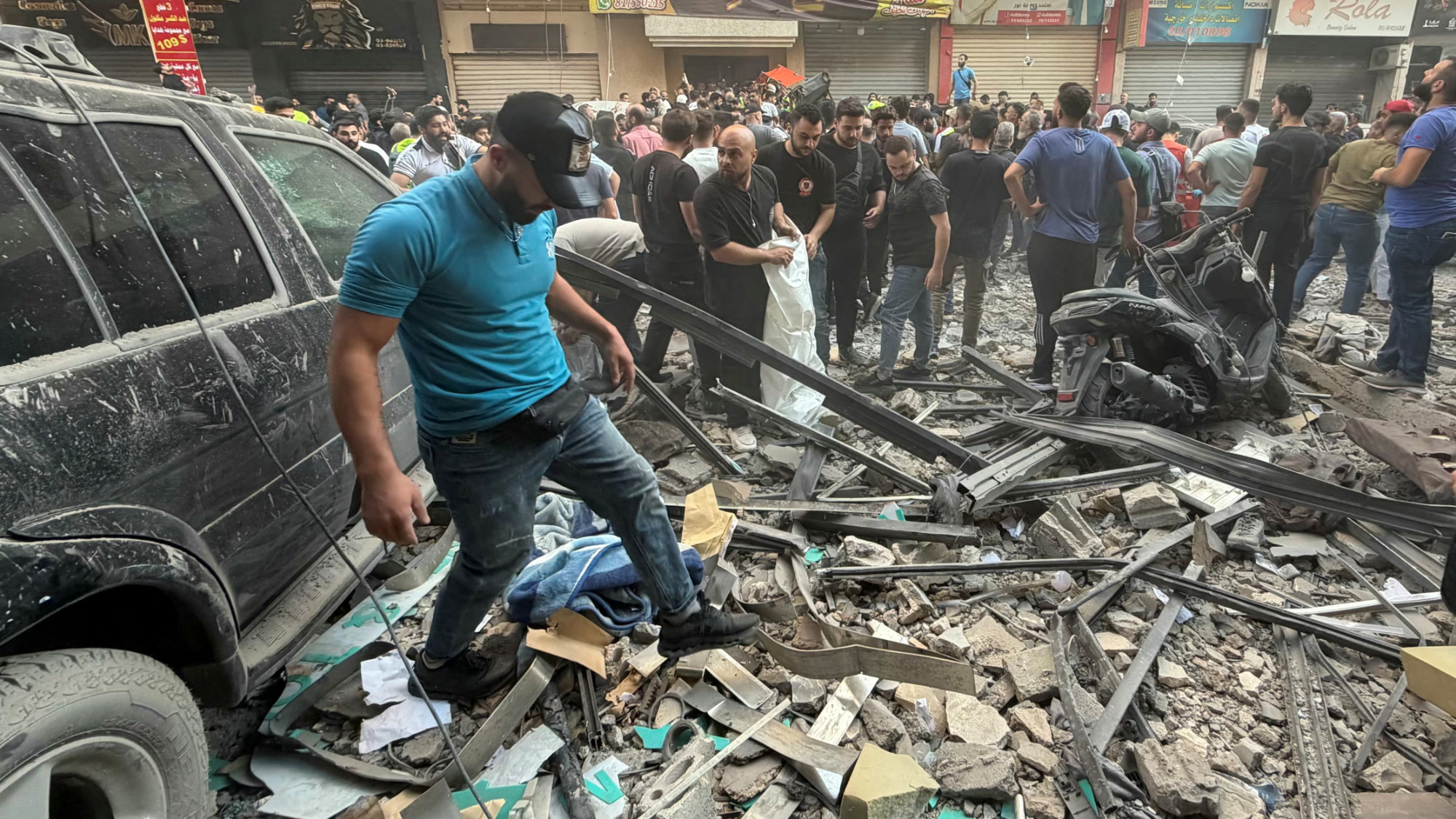
Lebanon: Israel targets key Hezbollah leader in Beirut strike
In a significant escalation of tensions, an Israeli air strike targeted a high-ranking Hezbollah leader in Beirut on Sunday, marking the first such attack without prior warning since the ceasefire agreement last year. The strike occurred in the densely populated Haret Hreik area of Dahiyeh, a southern suburb of the Lebanese capital. According to the Lebanese health ministry, the attack resulted in one fatality and 21 injuries, though the identities of the victims remain undisclosed. Israeli Prime Minister Benjamin Netanyahu confirmed that the operation aimed at what he described as ‘Hezbollah’s chief of staff.’ Israeli media identified the target as Haytham Ali Tabatabai, the group’s de facto military leader and second-in-command after Secretary General Sheikh Naim Qassem. Hezbollah has yet to issue an official statement, but a source from the group acknowledged that a senior figure was targeted, without providing further details. The strike comes amid ongoing violations of the November 2024 ceasefire, which ended months of intense conflict between Israel and Hezbollah. Since the ceasefire, Israel has conducted numerous air strikes in Lebanese territory, resulting in at least 331 deaths and around 1,000 injuries, according to Lebanese authorities. While most strikes have targeted southern Lebanon, this attack in Dahiyeh is notable for its lack of prior warning. Israeli media and officials have recently hinted at a potential new offensive against Lebanon, citing concerns over Hezbollah’s efforts to rebuild its capabilities. Conflicting reports emerged regarding whether the United States was informed of the strike, with some suggesting Washington was aware of Israel’s plans but not the specifics of the operation.
-
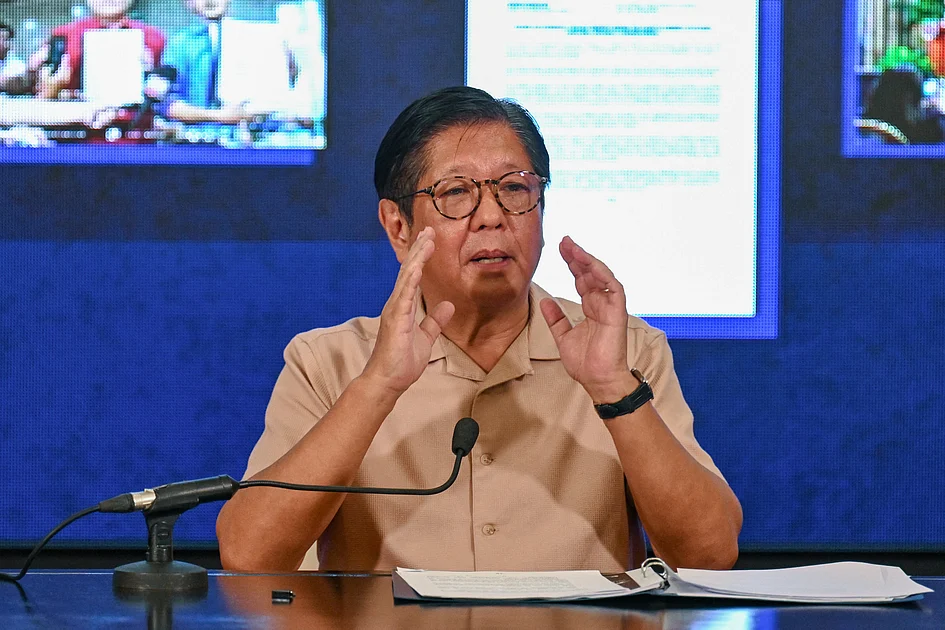
Philippine President office hits back as VP Sara Duterte challenges Marcos to drug test
The Philippine Presidential Office, Malacañang Palace, has firmly responded to Vice President Sara Duterte’s call for President Ferdinand Marcos Jr. to undergo a hair follicle drug test. The challenge arose amidst allegations from Senator Imee Marcos, the President’s sister, who claimed during a November 17 rally that Marcos and his family were involved in illegal drug use.
-
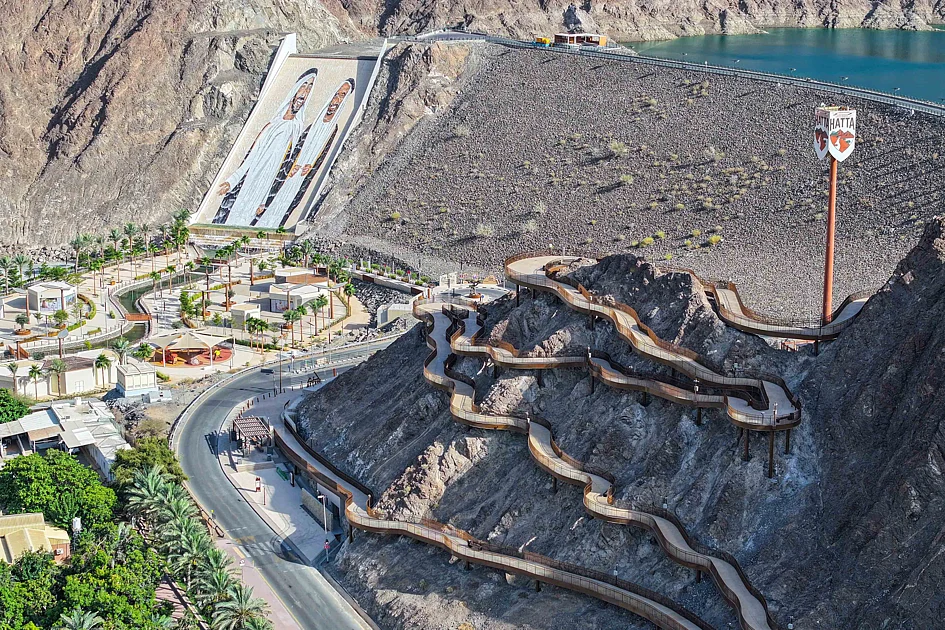
New Hatta upgrades announced: Amphitheatre at dam’s highest point; strawberry farm expanded
Hatta, Dubai’s picturesque mountain retreat, has unveiled a series of transformative upgrades aimed at enriching the lives of residents and attracting more visitors. Among the standout developments is the newly constructed Hatta Dam Amphitheatre, perched at the dam’s highest point. This 610-metre structure, built using suspended techniques to preserve the natural landscape, offers breathtaking views of the turquoise waters below. The amphitheatre features a gentle 17-minute ascent with six rest points, ensuring accessibility for all, including People of Determination. Additionally, the dam’s slope has been transformed into a stunning mosaic mural of the late Sheikh Zayed bin Sultan Al Nahyan and Sheikh Rashid bin Saeed Al Maktoum, crafted from over 1.2 million pieces of natural marble—a world record.
Complementing the amphitheatre is the expansion of Hatta’s agricultural offerings. The Strawberry Farm has seen significant upgrades, including expanded outdoor cultivation areas, enhanced cooling systems, and a dedicated seed-nursery facility. Meanwhile, the Leafy Greens Farm now boasts three hydroponic greenhouses, integrated storage areas, and a direct-sale outlet for fresh produce. These enhancements not only boost local agriculture but also provide visitors with unique farm-to-table experiences.
Education and community facilities have also received substantial attention. A new 18,600-square-metre school, built to international standards, has been completed. The state-of-the-art facility accommodates over 1,000 students and includes 44 classrooms, science labs, indoor sports halls, and a 416-seat multipurpose theatre. Maintenance and upgrades have also been carried out at four existing schools in the area.
Further enriching community life, the Hatta Majlis, a multipurpose hall designed to host 130 people, is nearing completion. A new wedding hall with a capacity of 1,000 guests and the Hatta Community Service Centre, featuring 13 commercial units, are also in development. Other ongoing projects include the construction of 213 homes for UAE nationals, the expansion of cycling and hiking trails, and enhancements to Hatta Hospital and Sports Club.
These initiatives are part of a broader push to elevate Hatta as a premier destination for both residents and tourists, blending natural beauty with modern amenities and sustainable practices.
-
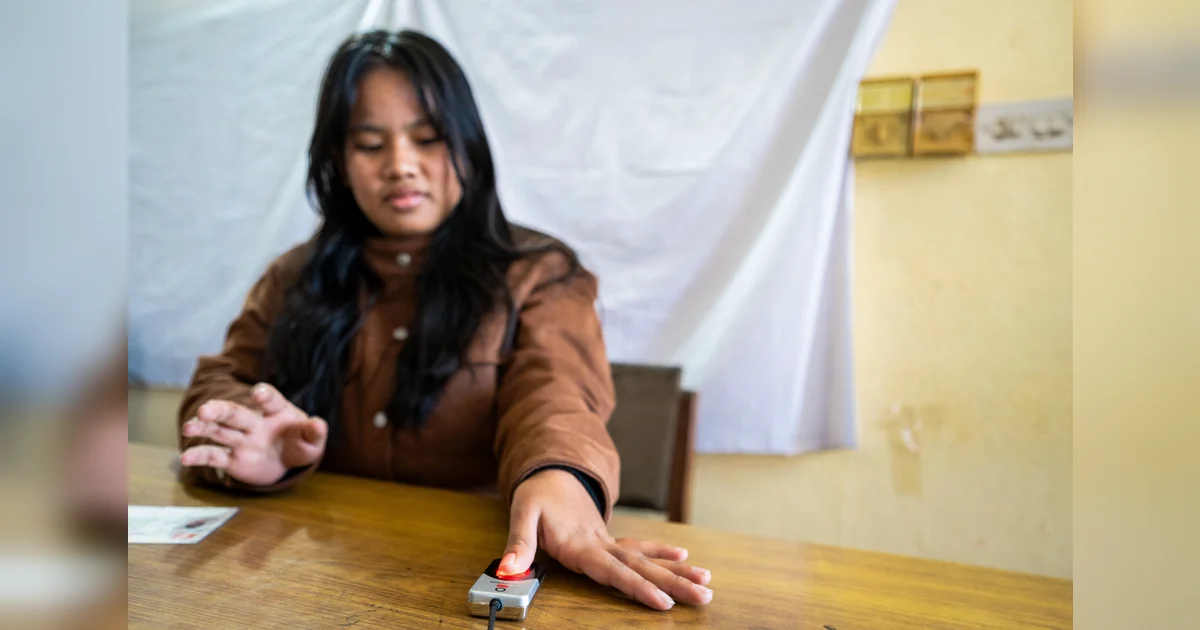
Over 800,000 new voters register for Nepal post-uprising polls
Nepal is witnessing a significant surge in voter registration as the country prepares for its first parliamentary elections since a mass uprising in September 2025 ousted the government. According to the Election Commission, over 837,000 first-time voters have registered, reflecting heightened political engagement, particularly among the youth. The elections, scheduled for March 5, 2026, will see 123 established political parties participating, with an additional 40 new slates awaiting verification to join the race. The uprising, initially sparked by a brief social media ban, quickly escalated into a nationwide anti-corruption movement, resulting in the ousting of four-time Prime Minister KP Sharma Oli. His interim replacement, former Chief Justice Sushila Karki, has been tasked with steering the nation until the elections. The protests, which claimed at least 76 lives and saw widespread destruction of government institutions, have underscored the public’s demand for meaningful change amid years of economic stagnation and corruption. Dikshya Poudel, a 19-year-old student, expressed her excitement about voting for the first time, stating, ‘I dream of seeing new faces in politics who can create jobs, eradicate poverty, and make Nepal a better place to live.’ However, the unrest has further strained Nepal’s fragile economy, with the World Bank projecting a decline in growth to 2.1 percent due to heightened political and economic uncertainty. The nation’s GDP per capita stands at $1,447, with 82 percent of the workforce engaged in informal employment, highlighting the urgent need for reform.
-
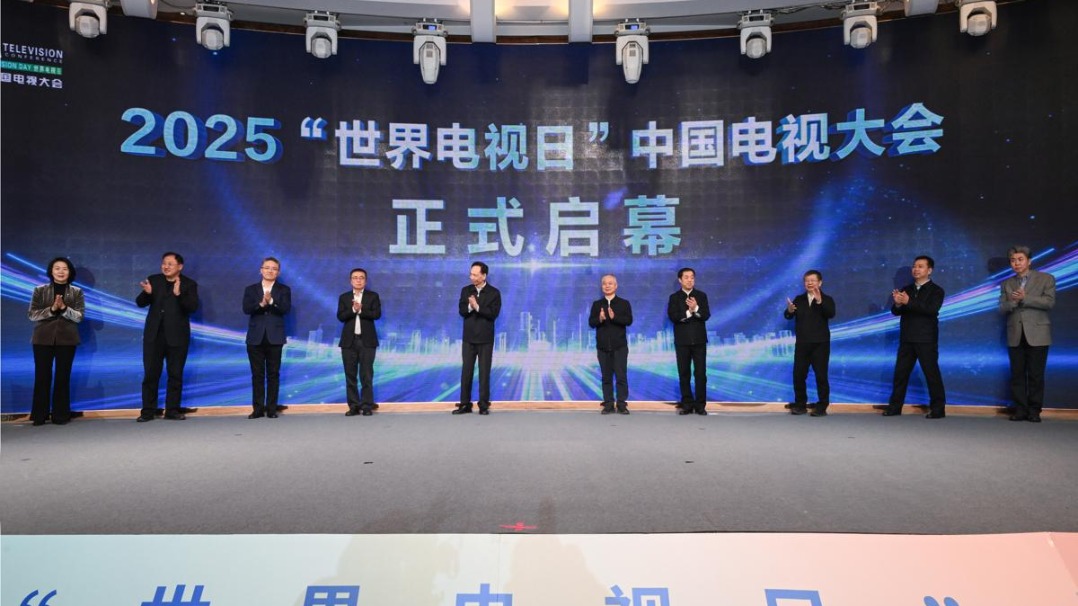
World Television Day celebrated with conference in Shanxi
The 2025 ‘World Television Day’ China Television Conference commenced on November 21 in Datong, Shanxi province, marking a significant gathering of industry experts and scholars. The event, held in the historic city of Datong, focused on the evolving landscape of television and online audiovisual art amidst the deepening integration of media technologies. Yan Shaofei, vice-chairman of the China Television Artists Association, emphasized the transformative era of audiovisual art, urging creators to harness technological advancements to produce high-quality, life-inspired content. Jiang Wenbo, chairman of the Ultra-High Definition World Association, highlighted television’s pivotal role in global cultural exchange and societal development, advocating for the adoption of cutting-edge technologies to foster an omnimedia ultra-high definition television ecosystem. Liu Junyi, Datong’s deputy Party secretary and mayor, envisioned the conference as a catalyst for artistic and technological integration, showcasing the city’s unique blend of ancient heritage and modern industry. The event also featured discussions on the acclaimed TV series ‘Silent Honor,’ with director Yang Yazhou stressing the importance of aligning creative efforts with the genuine needs of the audience. A strategic cooperation agreement between Datong Municipal People’s Government and Communication University of Shanxi was signed, aiming to enhance micro audiovisual content creation and talent development, setting a benchmark for university-government collaboration in the region.
-

Sana Shahnawaz on criticism and success of ‘Main Manto Nahi Hoon’
Pakistani TV producer Sana Shahnawaz, daughter of renowned actor Humayun Saeed, has carved a niche for herself in the entertainment industry through her production house, Next Level Entertainment. Known for hit shows like *Mann Mayal*, *Alif*, and the recent *Main Manto Nahi Hoon*, Sana has become a prominent figure in Pakistani television. In a recent interview, she opened up about her creative journey, her connection to Dubai, and her approach to handling criticism. Sana described Dubai as her second home, praising its modern energy, diverse culture, and creative potential. She expressed her desire to shoot more projects in the city, citing its cinematic appeal and collaborative opportunities. Reflecting on her production philosophy, Sana emphasized the importance of authentic storytelling over chasing trends. She also addressed the criticism surrounding *Main Manto Nahi Hoon*, viewing it as a sign of the show’s impact and engagement. Sana credited her father, Humayun Saeed, for his guidance but stressed that she has forged her own path in the industry, free from the pressure of his legacy. Her message to women everywhere is to dream boldly and break barriers, as every achievement paves the way for others to rise.
-
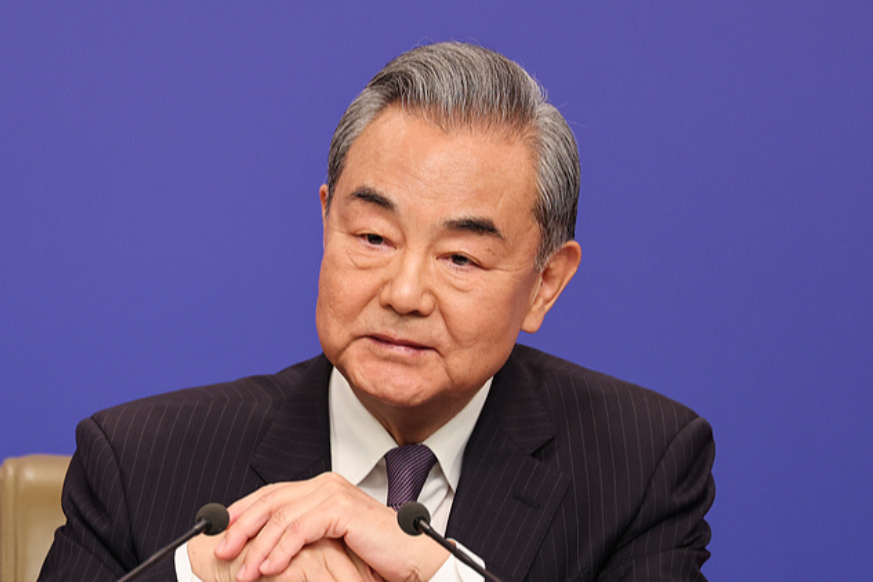
Chinese foreign minister asserts right to halt Japanese militarism
Chinese Foreign Minister Wang Yi has issued a stern warning against the resurgence of Japanese militarism, emphasizing that there is no room for compromise on matters of national sovereignty and territorial integrity. Speaking to reporters after concluding his Central Asia tour, Wang asserted that all nations committed to justice have the right and responsibility to prevent Japan from reviving its militaristic tendencies. His remarks followed recent comments by Japanese Prime Minister Sanae Takaichi, who publicly discussed the possibility of Japanese military intervention in Taiwan—a statement she has yet to retract. Wang’s Central Asia visit, which included strategic dialogues with counterparts in Kyrgyzstan, Uzbekistan, and Tajikistan, reinforced regional support for the one-China principle. All three nations reaffirmed that Taiwan is an inseparable part of China, underscoring the international consensus on the issue. Wang described these statements as timely and significant, highlighting their alignment with China’s stance on Taiwan and the foundational norms of international relations. He reiterated that the one-China principle remains a steadfast and universal agreement within the global community.