标签: Asia

亚洲

  • NPC deputy’s proposals lead to national action in finless porpoise protection

    NPC deputy’s proposals lead to national action in finless porpoise protection

    China’s ecological conservation efforts have achieved a landmark victory as the Yangtze River’s finless porpoise population demonstrates extraordinary recovery, reaching 1,426 individuals in 2025 according to the latest census data. This remarkable resurgence represents a significant turnaround for a species once teetering on the brink of extinction.

    The dramatic population increase is largely attributed to China’s comprehensive 10-year fishing ban implemented in 2021, which has facilitated the restoration of the river’s ecological balance. The ban has allowed fish stocks to replenish, providing adequate food resources for the porpoises while reducing accidental bycatch deaths that previously threatened the species.

    At the forefront of this conservation success story stands Wang Qiong, a National People’s Congress deputy and chief engineer at Zongguan Waterworks in Wuhan. With three decades of experience monitoring Yangtze River water quality, Wang has leveraged her expertise to champion porpoise protection through annual legislative proposals since her 2023 election to the NPC.

    “The fishing ban has created unprecedented conditions for ecological recovery,” Wang stated. “We’re witnessing how targeted policy interventions can reverse environmental degradation when implemented with scientific precision and enforcement rigor.”

    Wang’s ongoing advocacy during the current Two Sessions political gatherings emphasizes the need for sustained conservation measures beyond the initial fishing moratorium. Her proposals include enhanced monitoring systems, expanded protected habitats, and community engagement programs to ensure long-term species viability.

    The finless porpoise’s recovery serves as an indicator species success story, reflecting broader improvements in Yangtze River water quality and ecosystem health. Conservation experts highlight how this achievement demonstrates China’s growing capability in balancing economic development with environmental protection priorities.

    International environmental organizations have begun recognizing China’s Yangtze conservation model as a potential blueprint for endangered aquatic species protection worldwide. The combination of strict regulatory measures, scientific monitoring, and legislative advocacy has created a replicable framework for ecosystem restoration.


  • Chinese mainland reaffirms commitment to one-China principle and cross-Strait peace in government work report

    Chinese mainland reaffirms commitment to one-China principle and cross-Strait peace in government work report

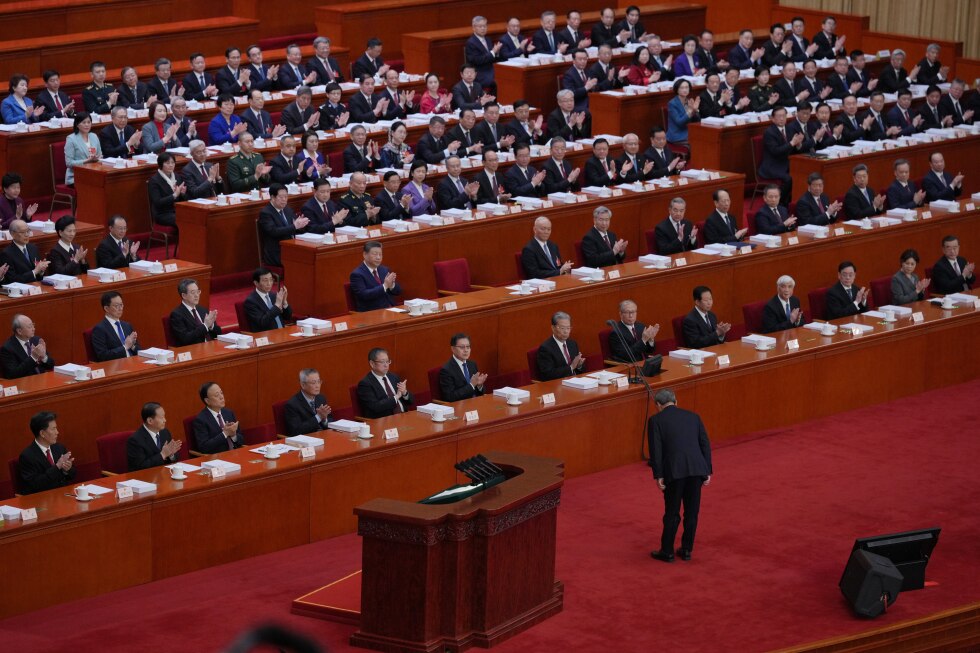
    In a significant policy declaration delivered to China’s national legislature, Premier Li Qiang reinforced Beijing’s firm position on cross-strait relations during the ongoing Fourth Session of the 14th National People’s Congress. The government work report, presented Thursday, emphasized the mainland’s continued adherence to the foundational one-China principle and the 1992 Consensus as non-negotiable pillars of its Taiwan policy.

    The comprehensive address outlined a multi-faceted approach that combines resolute opposition to what it termed ‘Taiwan independence separatist activities’ and ‘external interference’ with constructive proposals for enhanced cooperation. The policy framework promotes peaceful development across the Taiwan Strait through increased cultural exchanges, economic integration, and implementation of measures ensuring equal treatment for Taiwanese compatriots.

    Beyond immediate political concerns, the report positioned cross-strait relations within broader national objectives, calling for collective efforts to preserve Chinese cultural heritage and advance the overarching mission of national rejuvenation. The policy direction signals both continuity in Beijing’s fundamental principles and evolving approaches to foster connectivity while maintaining clear boundaries against moves toward formal independence.

  • China advances blockchain technology with homegrown innovations, national legislator says

    China advances blockchain technology with homegrown innovations, national legislator says

    China has achieved significant technological independence in blockchain development through groundbreaking domestic innovations, according to statements made by a national legislator during the National People’s Congress sessions in Beijing.

    Dong Jin, deputy to the 14th National People’s Congress and director of the Beijing Academy of Blockchain and Edge Computing, revealed that China has successfully developed and deployed indigenous blockchain technologies across multiple critical sectors. This represents a substantial shift from the pre-2019 era when most blockchain applications in China relied exclusively on foreign technologies without domestic core capabilities.

    The breakthrough came following a strategic initiative launched by the Beijing municipal government in late 2019, which assembled hundreds of top scientists worldwide to establish a dedicated research institute. Through collaborative efforts, Dong’s team developed two revolutionary technologies: the world’s first software-hardware integrated blockchain operating system, featuring 3 million lines of completely open-source code, and the world’s inaugural 96-core dedicated acceleration chip specifically designed for blockchain applications.

    These innovations have produced remarkable performance improvements, with the specialized chip enhancing blockchain processing capabilities by fiftyfold while successfully addressing the computational bottlenecks that previously constrained large-scale blockchain networks. The development marks a significant milestone in China’s digital infrastructure advancement, providing what Dong described as a ‘Chinese core’ for the nation’s technological ecosystem.

    Currently, these homegrown blockchain technologies have been implemented across 16 central government departments and 27 state-owned enterprises. In practical application, China’s taxation system now processes tens of billions of invoices annually through this domestically developed blockchain, ensuring complete authenticity, trustworthiness, and traceability for every transaction.

    The expansion of these applications has culminated in the establishment of a comprehensive national blockchain network that safeguards China’s high-value core data related to cross-border trade and global payment systems, positioning the country at the forefront of blockchain technology implementation and security.

  • Iranian warship sunk by the US was sailing home after taking part in an exhibition hosted by India

    Iranian warship sunk by the US was sailing home after taking part in an exhibition hosted by India

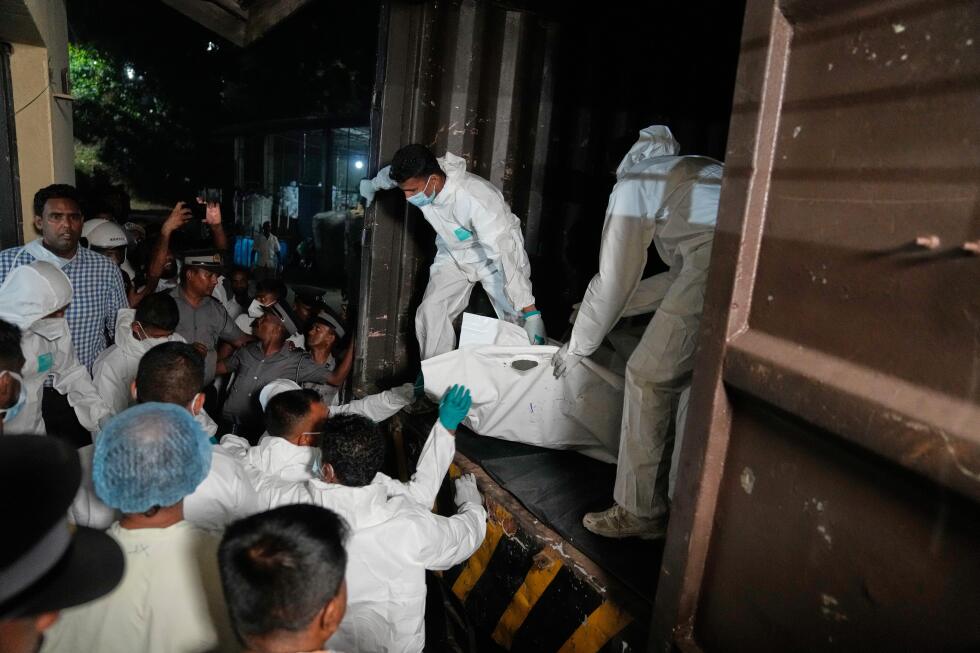
    A significant naval incident has unfolded in the Indian Ocean as Sri Lankan authorities confirmed the recovery of 87 bodies and the rescue of 32 sailors from the sunken Iranian frigate IRIS Dena. The vessel met its fate in international waters off Sri Lanka’s coast following a torpedo attack by a U.S. submarine—marking one of the rare instances of submarine warfare since World War II.

    The sunken warship had previously participated in naval exercises hosted by India, according to New Delhi’s statements. The IRIS Dena took part in both the International Fleet Review and the multilateral MILAN 2026 naval exercises organized by the Indian Navy in Visakhapatnam from February 15-25, which saw participation from 74 nations.

    U.S. Defense Secretary Pete Hegseth characterized the sunken Iranian vessel as a ‘prize ship,’ while President Donald Trump reiterated that eliminating Iran’s naval capabilities remains a key objective of ongoing military operations. The Pentagon released video footage showing the precise moment of the torpedo impact, depicting an underwater explosion that caused the vessel to break apart amid a massive plume of water.

    Iranian Foreign Minister Abbas Araghchi condemned the attack as ‘an atrocity at sea’ and warned that the United States ‘will come to bitterly regret’ the action. The incident has ignited serious concerns in India about maritime security in the Indian Ocean region, where New Delhi maintains substantial naval presence.

    Indian opposition leaders, including Rahul Gandhi of the Indian National Congress party, criticized Prime Minister Narendra Modi’s government for its silence regarding the incident. Former Foreign Secretary Kanwal Sibal noted that while India wasn’t politically or militarily responsible for the attack, the country held moral responsibility since the Iranian vessel had been operating in regional waters under India’s invitation.

    The sinking has underscored how U.S.-Israeli military operations against Iran are expanding beyond the Middle East, while simultaneously highlighting the complex diplomatic balancing act India must maintain between its relationships with the United States and Iran.

  • Millennium-old lanterns from Anhui light up Hangzhou for Lantern Festival

    Millennium-old lanterns from Anhui light up Hangzhou for Lantern Festival

    The ancient city of Hangzhou witnessed a magnificent cultural spectacle on Tuesday evening as traditional Zhanqi fish lanterns from Anhui province illuminated Wulin Square and Hangzhou Center in celebration of the Lantern Festival. These extraordinary lanterns, dating back over a thousand years, represent one of China’s most cherished intangible cultural heritage items.

    Originating from Zhanqi village in Shexian county, Huangshan, the lanterns hold profound cultural significance as the recognized birthplace of traditional fish lantern culture. The artisanship displayed in these creations showcases exceptional mastery, with the lanterns meticulously crafted into the forms of vibrant red and blue-green carp that appear almost lifelike in their detail.

    Among the most impressive specimens is a monumental seven-meter-long lantern that requires the coordinated effort of more than twenty individuals to carry during ceremonial processions. When illuminated from within by traditional red candles, the lanterns create a mesmerizing visual effect as light and shadow dance across their surfaces, producing fluid, lifelike movements that captivate spectators.

    This cultural presentation embodies traditional Chinese blessings for national prosperity, peace, and abundance for all citizens. The event served not only as a festive celebration but also as a living preservation of ancient artistic traditions that continue to inspire contemporary audiences with their timeless beauty and cultural significance.

  • Key takeaways from China’s new 5-year economic blueprint and growth target

    Key takeaways from China’s new 5-year economic blueprint and growth target

    China has announced its most conservative annual economic growth target in over three decades, setting a benchmark of approximately 5% for 2026 during the opening session of the National People’s Congress. This calibrated approach reflects Beijing’s pragmatic response to persistent domestic challenges including a protracted property sector crisis, weakened consumer confidence, and demographic pressures.

    Premier Li Qiang’s government work report acknowledged the “grave and complex” economic landscape while highlighting China’s achievement of meeting its 2025 growth target of 5%, largely propelled by a record trade surplus nearing $1.2 trillion. The economic strategy now prioritizes technological self-reliance, with substantial investments earmarked for artificial intelligence, robotics, semiconductors, and quantum technologies as part of the newly unveiled five-year plan extending to 2030.

    The comprehensive policy blueprint outlines ambitious research and development objectives, targeting minimum annual growth of 7% in nationwide R&D expenditure. Concurrently, China will maintain robust defense spending with a 7% budget increase to approximately $270 billion, while slightly moderating environmental targets with a 17% reduction in carbon intensity over the next five years.

    Addressing demographic concerns, officials pledged to create a “fertility-friendly society” through enhanced childcare, healthcare, and education support systems as the nation confronts a fourth consecutive year of population decline. The property market stabilization remains a priority, with commitments to regulate supply and reduce inventory amid ongoing housing market adjustments.

  • US, Israel launch fresh strikes on Iran

    US, Israel launch fresh strikes on Iran

    The Middle East faces a severe escalation of hostilities as combined United States and Israeli military forces executed renewed airstrikes against Iranian targets on Wednesday. Tehran responded with cross-Gulf retaliatory measures targeting American diplomatic installations, marking the sixth consecutive day of intensifying conflict that has critically disrupted regional energy infrastructure and international travel networks.

    US military authorities reported nearly 2,000 targets struck since initiating joint operations with Israel last Saturday—actions that resulted in the death of Iranian Supreme Leader Ali Khamenei. The ongoing confrontation has claimed at least 1,045 Iranian lives, with US officials indicating potential continuation for several weeks.

    Iran’s Assembly of Experts member Ahmad Khatami confirmed via state television that the process of identifying a new supreme leader is nearing conclusion, with candidates already shortlisted though not publicly named.

    Israeli defense forces targeted Iranian ballistic missile production and storage facilities, additionally claiming destruction of a covert underground nuclear command center. Iranian officials countered that uranium enrichment activities had been suspended since June, maintaining their nuclear program serves exclusively peaceful purposes.

    Defense Secretary Pete Hegseth confirmed the sinking of an Iranian warship by US submarine torpedo in the Indian Ocean, while drone attacks near the US Consulate in Dubai demonstrated Iran’s expanded retaliation strategy. Similar assaults targeted American embassies in Saudi Arabia and Kuwait, with Dubai authorities confirming no casualties despite visible explosions and temporary road closures.

    The United Arab Emirates, despite enduring over 1,000 attacks according to its Foreign Ministry, declared no intention of retaliating against Iran. Meanwhile, international governments including the United States and France are organizing emergency evacuations for citizens stranded amid widespread air travel disruptions.

    Iran’s Revolutionary Guards announced control over the Strait of Hormuz, warning vessels of potential attacks while the US Navy prepared escort operations for oil tankers. Regional experts warn of prolonged instability, citing risks of missile attacks, cyber warfare, and maritime security threats that could trigger global economic repercussions.

    Energy markets face immediate volatility as Saudi Arabia closed its largest domestic oil refinery and Qatar suspended liquefied natural gas production. Political analyst Rabi Mohamed projected sharp oil price surges and supply chain disruptions that would elevate global transportation and production costs, creating widespread economic uncertainty.

  • Japan sees stagflation risk rise

    Japan sees stagflation risk rise

    Japan faces mounting economic vulnerability as escalating Middle East tensions trigger serious concerns about potential stagflation. The recent joint military operations by the United States and Israel against Iran have sent shockwaves through global markets, with Japan positioned as particularly susceptible to energy supply disruptions due to its heavy reliance on Middle Eastern oil.

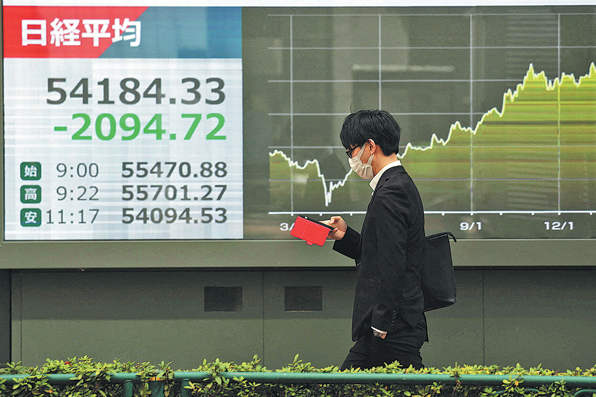
    Financial markets reacted immediately to the geopolitical turmoil, with Tokyo’s benchmark Nikkei 225 index plummeting 3.61 percent on Wednesday amid a worldwide sell-off driven by surging oil prices and heightened uncertainty. The broader TOPIX index followed suit, dropping 138.50 points to close at 3,633.67.

    The Strait of Hormuz, a critical maritime passage for global energy shipments, now represents Japan’s primary economic vulnerability. According to data from Japan’s Agency for Natural Resources and Energy, over 90 percent of the nation’s crude oil imports originate from the Middle East, with most shipments navigating this strategic choke point. Any sustained disruption to traffic through the strait could trigger dramatic increases in global oil prices.

    Despite government assurances regarding strategic petroleum reserves—reportedly sufficient for approximately 254 days of domestic consumption—leading economists warn that prolonged conflict could severely strain Japan’s energy security. Hideo Kumano, chief economist at Dai-ichi Life Research Institute, projected significant oil price surges should tensions continue to escalate, potentially driving up gasoline and electricity costs across the country.

    The stagflation scenario—a dangerous combination of stagnant economic growth and rising inflation—has emerged as a distinct possibility. Takahide Kiuchi, executive economist at Nomura Research Institute, cautioned that extended closure of the Strait of Hormuz by Iran could precipitate precisely this economic crisis.

    The ripple effects would extend throughout Japan’s real economy. Akuta Tomomichi, senior economist at Mitsubishi UFJ Research and Consulting, calculated that every $10 increase in global oil prices would raise Japan’s crude import costs by approximately 1.3 trillion yen, impacting sectors ranging from agriculture to fisheries and food production.

    Meanwhile, the Japanese government’s response to the military strikes has drawn criticism from diplomatic and political circles. Prime Minister Sanae Takaichi urged Iran to pursue diplomatic solutions while refraining from offering definitive legal assessment of the US-Israel bombardment, citing insufficient detailed information.

    Ukeru Magosaki, director of the Tokyo-based East Asian Community Institute and former Japanese ambassador to Iran, characterized the strikes as violations of international law without proper justification. Public dissent has manifested in protests across Japan, including a gathering of approximately 500 demonstrators in Tokyo who called for immediate cessation of attacks against Iran.

    Tomoko Tamura, chair of the Japanese Communist Party, condemned the military actions as violations of the United Nations Charter, suggesting international pressure could become a decisive force in halting the conflict.

  • New momentum, new horizon

    New momentum, new horizon

    China has demonstrated remarkable progress across multiple sectors as it transitions between national development frameworks. The concluding 14th Five-Year Plan has yielded substantial achievements in technological innovation, environmental sustainability, and cultural development, while the newly implemented 15th Five-Year Plan builds upon this foundation with accelerated momentum.

    Evidence of China’s advancement manifests in diverse areas including renewable energy infrastructure with expanded solar panel deployment, space technology through satellite development, culinary diversity reflecting cultural richness, and enhanced transportation systems improving daily mobility. These developments collectively contribute to an elevated quality of life for citizens nationwide.

    Concurrent with these technological and infrastructure improvements, China has maintained strong cultural traditions through vibrant regional celebrations. The recent Lantern Festival witnessed widespread participation across multiple provinces, with Zhengding hosting 30 folk art troupes, Hainan communities organizing parade festivities, and Chongqing’s Lishan Torch Festival attracting over 100,000 visitors. These events blended traditional practices with modern technological elements, particularly evident in Zhangjiajie’s innovative celebrations.

    The international dimension of China’s development was highlighted through cultural exchange initiatives, including the Hongqiao Pearl Market’s Lantern Festival event specifically organized for foreign officials. This diplomatic outreach complements domestic policy developments concerning foreign enterprises and expatriates, reflecting China’s commitment to global engagement.

    Concurrently, China’s political advisory body has commenced its annual session, addressing critical national priorities including juvenile crime prevention, research commercialization, climate governance consistency, and rural revitalization strategies. The publication of educational materials on Xi Jinping Thought on Economy further underscores the philosophical framework guiding China’s development trajectory.

  • Zhou Li’an: Rural vitalization lies in value creation and ‘rural CEOs’

    Zhou Li’an: Rural vitalization lies in value creation and ‘rural CEOs’

    In a groundbreaking exclusive interview with China Daily, Zhou Li’an—esteemed member of the 14th CPPCC National Committee and distinguished professor at Peking University’s Guanghua School of Management—presented a transformative vision for rural e-commerce development. The academic expert proposed a strategic pivot from destructive price wars to sustainable value creation as the cornerstone for rural revitalization.

    Professor Zhou identified product homogeneity as the critical challenge currently plaguing rural e-commerce platforms, creating an environment of intensified competition that undermines long-term viability. He emphasized that breakthrough success requires developing integrated business models that generate distinctive value propositions rather than competing solely on price points.

    The visionary economist introduced the innovative concept of ‘rural CEOs’—professional management experts who would bring sophisticated business acumen to agricultural industries. This paradigm shift would inject fresh vitality into rural economic structures through specialized management mechanisms traditionally reserved for corporate environments.

    Zhou’s analysis suggests that rural communities must embrace professionalization of management practices to unlock their full economic potential. By implementing corporate-style leadership structures, villages could leverage local resources more effectively while creating sustainable market advantages.

    The proposed model represents a significant departure from traditional agricultural management approaches, potentially setting new standards for how rural industries operate within China’s rapidly evolving digital economy. This professionalization initiative could serve as a blueprint for modernizing agricultural business practices nationwide.