标签: Asia

亚洲

  • Note to Iran War planners: air campaigns often make matters worse

    Note to Iran War planners: air campaigns often make matters worse

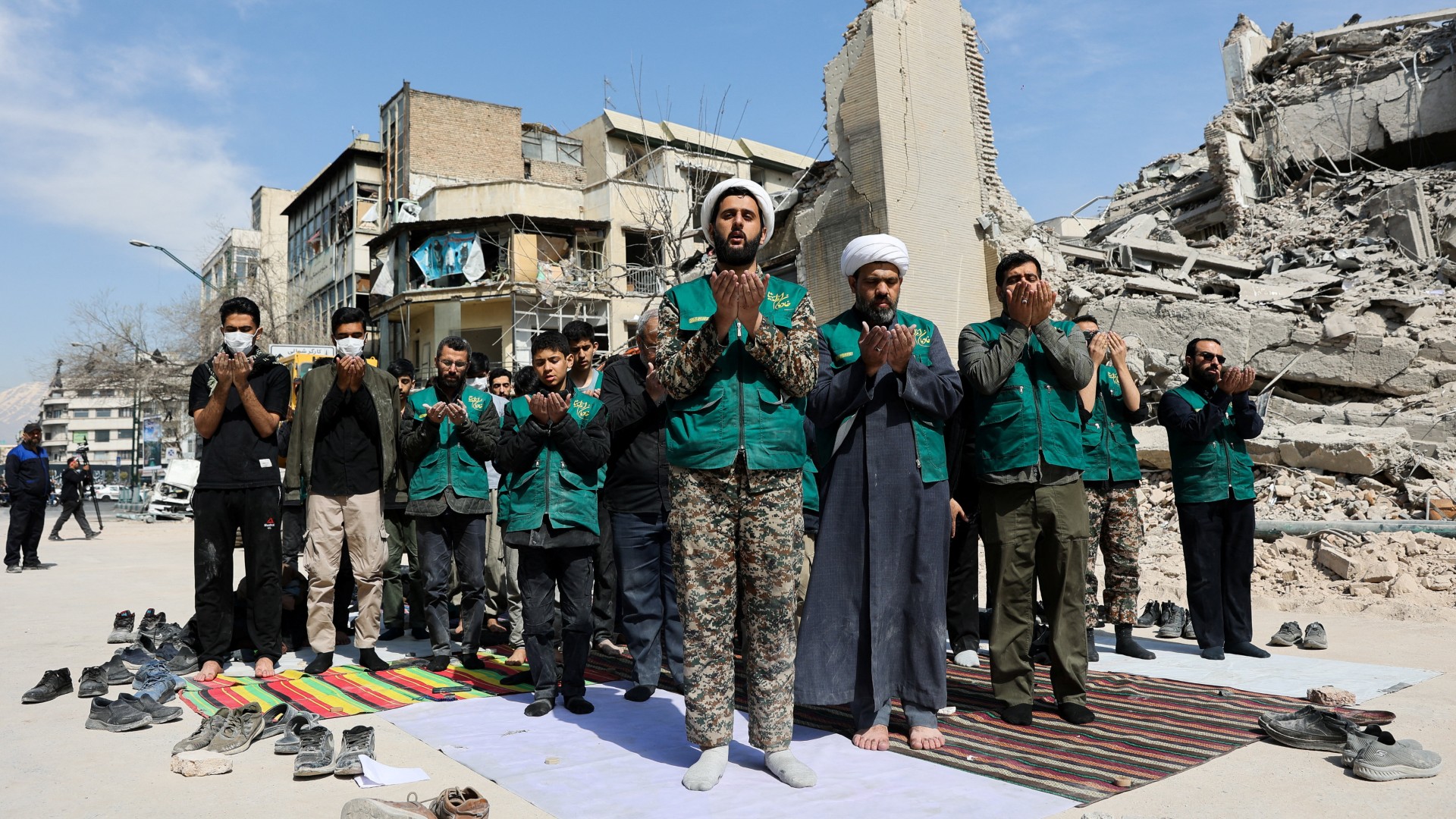
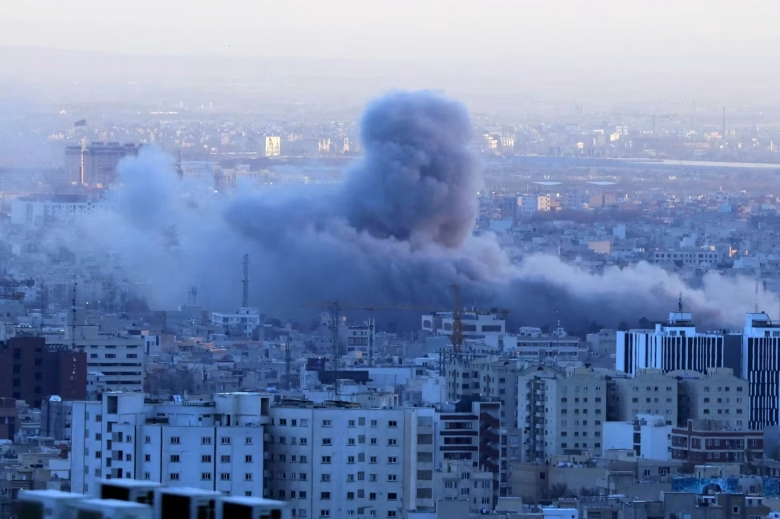
    A coordinated military offensive by the United States and Israel has targeted Iran’s missile infrastructure, naval capabilities, and nuclear development facilities in recent operations. The campaign, which also aimed at eliminating key Iranian leadership figures, has been accompanied by explicit calls from former President Donald Trump for citizens to overthrow their government.

    In his February 28th operational announcement, Trump declared: “When we are finished, take over your government. It will be yours to take. This will be probably your only chance for generations.” This statement reveals a strategic objective of using aerial superiority to weaken Tehran’s regime sufficiently for internal opposition to complete the power transition.

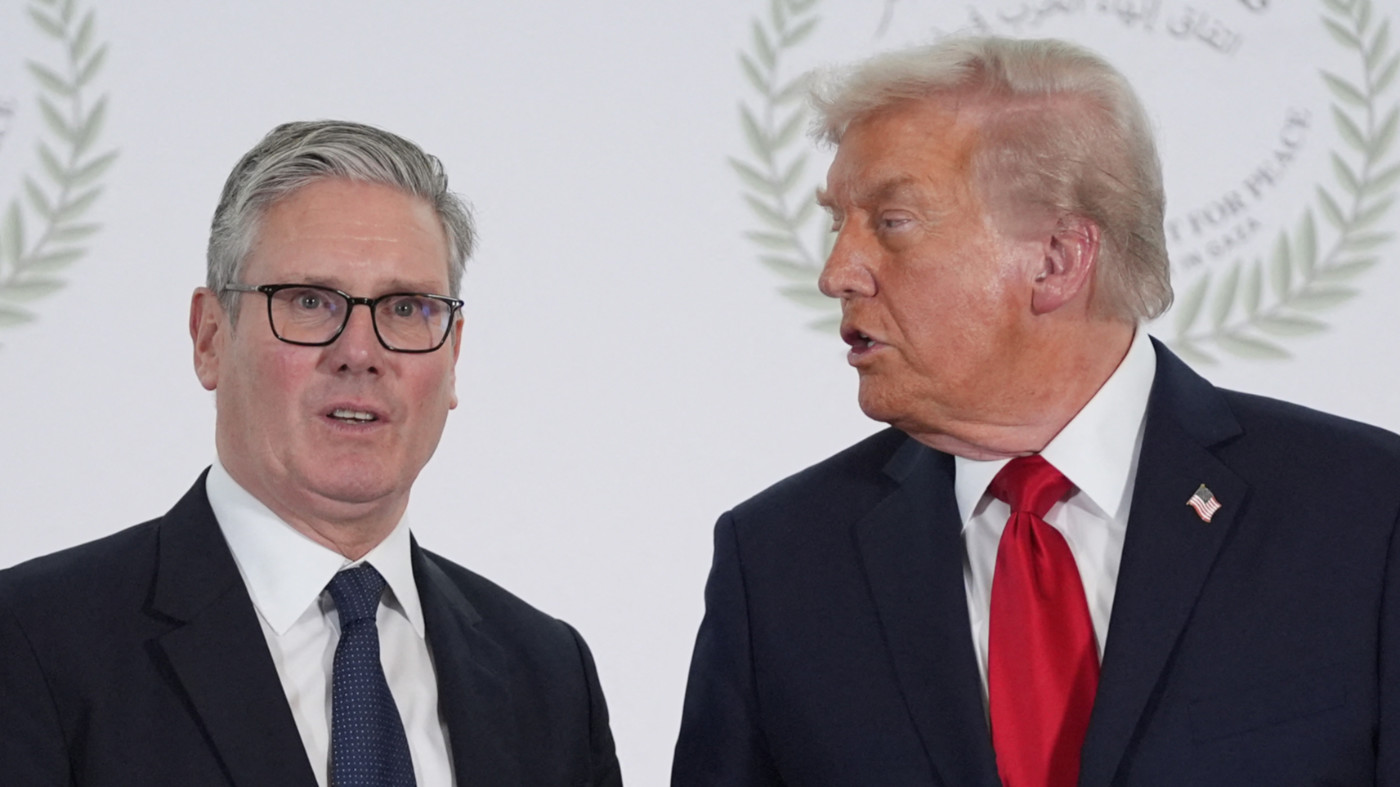
    The military approach has drawn international criticism, with British Prime Minister Keir Starmer stating on March 2nd that his government “does not believe in regime change from the skies.” Historical analysis supports skepticism about aerial campaigns achieving successful political transitions, despite the tactical advantages of air power including operational flexibility, reduced troop exposure, and expanded target selection.

    Military analysts note significant limitations to air-dominated strategies. Unlike ground forces, air power cannot physically occupy or secure territory, a critical factor in establishing stable control post-conflict. The 2011 NATO intervention in Libya demonstrates these constraints—while airstrikes successfully supported Gaddafi’s overthrow, the subsequent power vacuum resulted in a decade of civil conflict between competing governments and militia networks.

    The Iranian context presents particular complexities. The opposition remains fragmented, with exiled Reza Pahlavi (son of the last Shah) positioning as a potential leader despite uncertain domestic support. Surveys by the Gamaan group indicate approximately one-third of Iranians strongly support Pahlavi while another third strongly oppose him.

    Without a unified opposition capable of forming a provisional government, regime collapse could create a dangerous power vacuum potentially leading to civil war. Previous protest movements have met with brutal suppression, including an estimated tens of thousands killed during crackdowns in January 2025.

    The Iranian Revolutionary Guard Corps (IRGC), with approximately 190,000 troops and 600,000 paramilitary Basij volunteers, remains dedicated to regime protection. Trump’s threats toward these forces have limited practical effect, as surrender to aircraft is operationally impossible.

    While many internationally desire regime change in Tehran, experts caution that aerial campaigns alone may not achieve this outcome, and what follows could potentially create greater regional instability than the current situation, mirroring Libya’s troubled transition.
  • Israelis celebrate Purim with biblical comparisons as Iran war spirals

    Israelis celebrate Purim with biblical comparisons as Iran war spirals

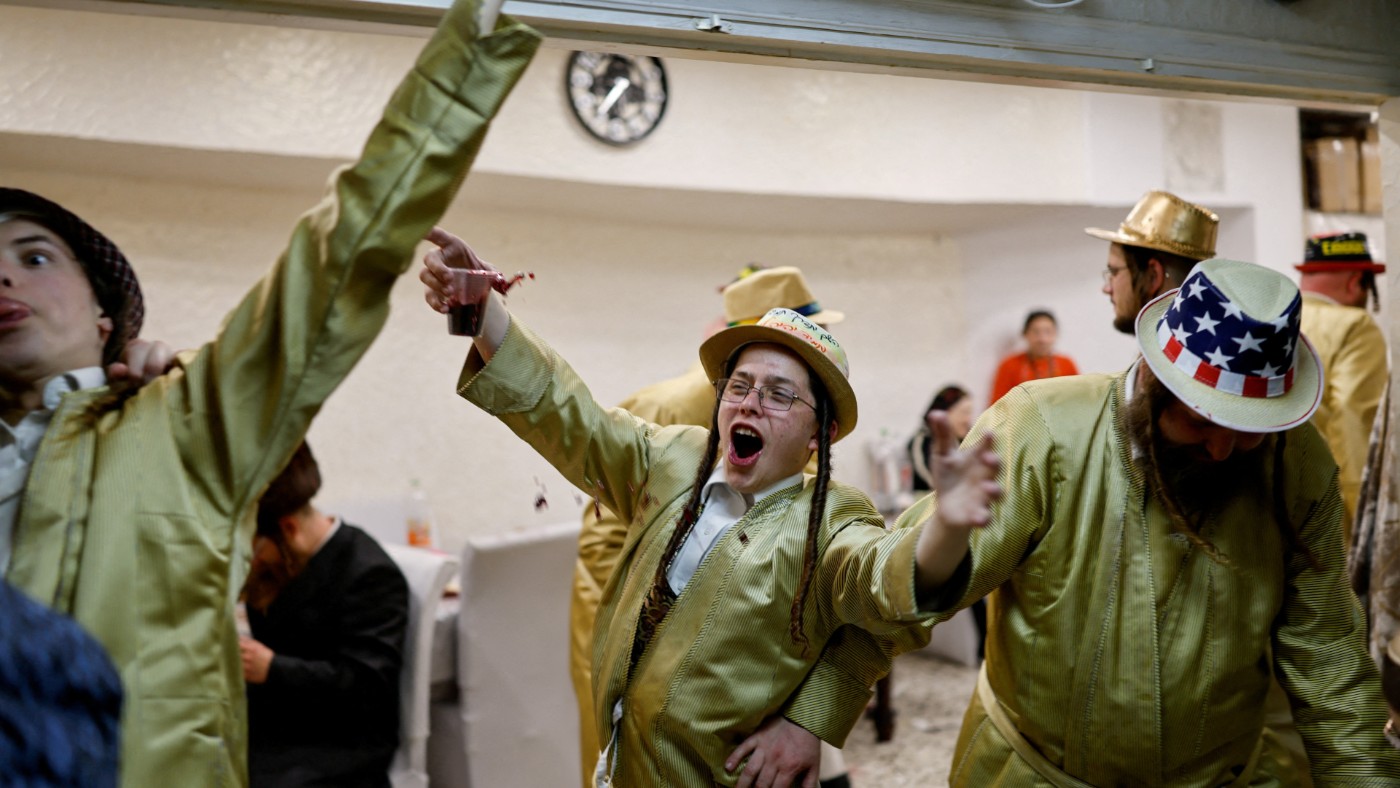
    Amid escalating regional hostilities involving Israeli and US military actions against Iran, this year’s Purim celebrations in Jerusalem took on profound contemporary significance. Thousands of Israeli citizens defied official restrictions on public gatherings to participate in traditional costume festivities, while political figures and media outlets drew explicit parallels between current conflicts and the ancient Purim narrative of Jewish deliverance from Persian persecution.

    The celebrations unfolded against a backdrop of concerning incidents, including an alleged attempted lynching of a Palestinian bus driver by young Jewish men—an event documented by socialist labor union Koach LaOvdim as part of a pattern of holiday-related violence. The left-wing Hadash party circulated video evidence of the attack, highlighting ongoing ethnic tensions within the city.

    Political symbolism dominated public discourse, with Jerusalem Post commentators drawing direct comparisons between US President Donald Trump and the Persian king Achashverosh from the Purim story. Simultaneously, Environmental Protection Minister Idit Silman characterized Prime Minister Benjamin Netanyahu as the modern embodiment of Mordechai, the biblical figure who saved Persian Jews from destruction.

    The political theater extended to media representations, with Channel 12 News host Avri Gilad conducting his broadcast in Israeli Air Force pilot attire, while far-right parliamentarian Limor Son Har-Melech posed with executioner props symbolizing her party’s proposed death penalty legislation for Palestinian militants. These demonstrations occurred despite reported concerns within Netanyahu’s administration about potential international backlash and legal challenges to such measures.

    The convergence of ancient tradition with contemporary geopolitics created a complex tapestry of celebration, political messaging, and social tension, reflecting the multifaceted nature of Israeli society during periods of heightened regional conflict.

  • ‘What is the game plan?’: The Iran war is unsettling China and its ambitions

    ‘What is the game plan?’: The Iran war is unsettling China and its ambitions

    While China remains insulated from immediate wartime disruptions, Beijing faces mounting strategic concerns as Middle East hostilities threaten to undermine its economic stability and global aspirations. Current oil reserves provide several months of buffer, with Russia standing as a potential emergency supplier. However, prolonged conflict could severely impact China’s critical shipping routes through the Strait of Hormuz and destabilize its substantial energy imports from the region.

    The timing coincides with delicate economic planning in Beijing, where Communist Party delegates are convening to address persistent challenges including weak consumption, property sector crises, and substantial local debt. For the first time since 1991, the government has officially tempered growth expectations despite advancements in high-tech and renewable sectors.

    China’s complex relationship with Iran represents a particular strategic vulnerability. Despite a 25-year strategic partnership signed in 2021 that promised $400 billion in Chinese investment for guaranteed oil flows, analysts indicate only fractional amounts have materialized. Nevertheless, China imported approximately 1.38 million barrels of Iranian crude daily in 2025—roughly 12% of total imports—with much allegedly relabeled as Malaysian origin to circumvent sanctions.

    Beyond energy concerns, China faces accusations of supporting Iran’s military capabilities through technology sharing and component supplies, though Beijing denies providing anti-ship missiles. The relationship, characterized by experts as transactional rather than ideological, remains fragile despite surface appearances of solidarity.

    Beijing’s response to recent escalations has been characteristically measured, issuing standard condemnations while calling for ceasefires. Foreign Minister Wang Yi criticized U.S. and Israeli actions as “unacceptable” but carefully avoided direct criticism of President Trump ahead of his anticipated visit to China later this month.

    Analysts suggest the conflict highlights the limitations of China’s global influence. Despite its economic stature, China lacks comparable military projection capabilities to protect partners or force outcomes internationally. The crisis simultaneously presents opportunities to position China as a responsible counterbalance to U.S. actions while exposing vulnerabilities in its alliance network.

    As disruptions threaten global supply chains and energy markets, China faces complex calculations regarding its Middle East investments, broader global interests, and navigating relations with an unpredictable U.S. administration while avoiding direct entanglement in regional conflicts.

  • Exclusive: Iranian authorities prepare for civil war scenario

    Exclusive: Iranian authorities prepare for civil war scenario

    Iranian military and political leadership is undertaking extensive preparations for a potential internal civil war, anticipating that the United States and Israel will seek to instigate domestic unrest through separatist groups, according to internal sources within the Islamic Revolutionary Guard Corps (IRGC). These preparations, initiated after a intense 12-day conflict in June, represent a strategic shift in how Tehran plans to defend its territorial integrity.

    Senior security officials concluded that future warfare would likely mirror strategies employed in Iraq and Syria, where external powers leveraged internal divisions. Consequently, Iran’s conventional army and the IRGC have been granted expanded autonomous operational authority across western, southwestern, and southeastern provinces. This decentralization is designed to ensure military units can continue operations even if communication with central command in Tehran is severed.

    The Kurdish regions, particularly the provinces of Kurdistan, East Azerbaijan, and West Azerbaijan, have become a focal point for this new strategy. Iranian authorities anticipate that US and Israeli intelligence will empower Iranian Kurdish armed groups based in Iraq’s semi-autonomous Kurdistan region to launch attacks. In response, Iran has staged military exercises that are, in reality, the phased deployment of additional ground forces to these sensitive border areas since September.

    The threat is not confined to the northwest. The oil-rich, Arab-majority province of Khuzestan in the southwest has also seen its military command granted expanded powers to counter the separatist Ahwaziyya armed group. Similarly, Sistan and Baluchestan province in the southeast, a key narcotics trafficking route and Iran’s poorest region, is considered highly vulnerable to attacks from ethnic armed groups.

    The efficacy of this new preparedness was demonstrated in the rapid Iranian retaliatory strikes following recent attacks; retaliation was launched within an hour, a significant reduction from the 12-hour response time seen in the June conflict. IRGC sources revealed that missile unit commanders were pre-briefed on targets and authorized to act independently without awaiting orders.

    Concurrently, a massive domestic mobilization is underway. The Basij paramilitary force, boasting a nominal membership of 19 million with one million active members, has been granted extensive new powers for urban warfare. These plain-clothed forces, now visibly armed with Kalashnikov rifles and manning checkpoints in major cities like Tehran and Isfahan, are tasked with maintaining order amid attacks that have targeted police infrastructure, diminishing their capacity. This mobilization was publicly endorsed by reformist figure Hassan Khomeini, who called for government supporters to gather in mosques and city squares, invoking historical symbolism of a ‘black-clothes’ uprising, to form resilient strongholds against potential chaos.

  • US interior secretary says Venezuela is offering security assurances to foreign mining companies

    US interior secretary says Venezuela is offering security assurances to foreign mining companies

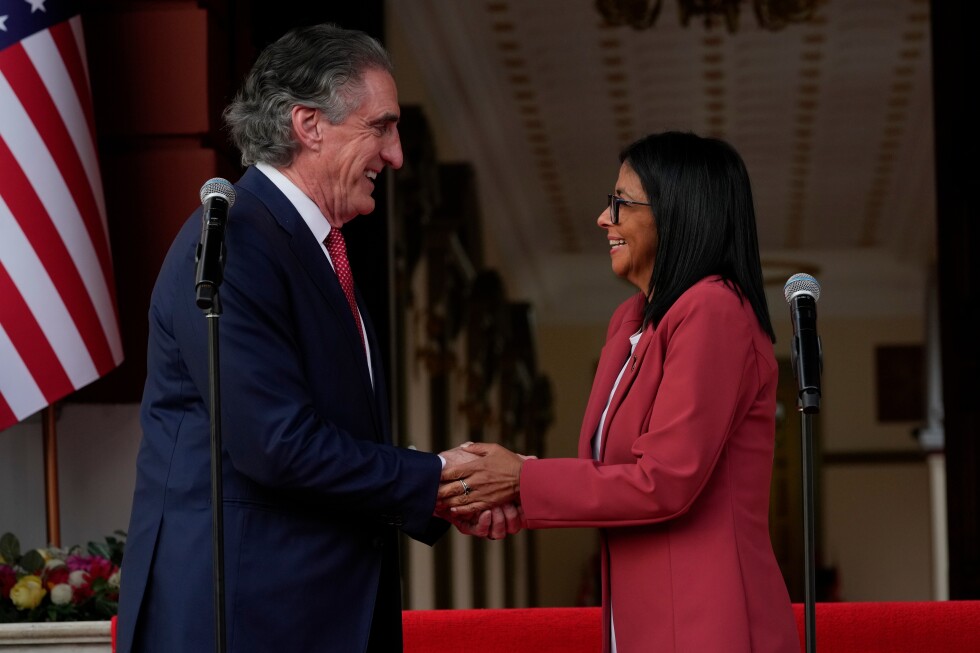
    In a significant diplomatic development, U.S. Interior Secretary Doug Burgum concluded high-level talks in Caracas with Venezuela’s acting President Delcy Rodríguez, securing unprecedented security guarantees for American mining corporations seeking to operate in the mineral-rich but volatile regions of the South American nation. The two-day dialogue addressed longstanding security concerns in areas historically dominated by guerrilla factions, criminal organizations, and illicit mining operations often facilitated by military and governmental corruption.

    Burgum, who chairs the National Energy Dominance Council, characterized the arrangement as a transformative opportunity to replace Venezuela’s illegal mining economy with legitimate investment structures. “We received explicit assurances that companies conducting due diligence or reactivating formerly operational mines would receive comprehensive security protection,” Burgum stated during a press briefing in Maiquetia.

    This diplomatic initiative forms part of the Trump administration’s broader strategy to counter China’s dominance in critical mineral supply chains while stabilizing Venezuela’s crisis-ravaged economy. The South American country possesses substantial reserves of gold, copper, coltan, bauxite, and diamonds – minerals essential for electric vehicle batteries, smartphones, and defense technologies.

    In parallel developments, Acting President Rodríguez announced plans to submit legislative proposals overhauling Venezuela’s mining regulations to attract foreign investment. The proposed reforms mirror recent oil industry liberalization measures that mark a significant departure from two decades of socialist economic policies. Rodríguez emphasized that these changes would “build cooperation agenda in energy and mining sectors” to mutually benefit both nations’ populations.

    The policy shift represents a dramatic reversal from previous resource nationalism that saw numerous foreign assets expropriated during the past two decades. Since 2016, Venezuela’s mining sector has expanded rapidly but chaotically, characterized by wildcat operations, brutal working conditions, and extensive criminal involvement despite ongoing U.S. sanctions.

  • Xi urges major provincial economies to gain experience in solving new problems

    Xi urges major provincial economies to gain experience in solving new problems

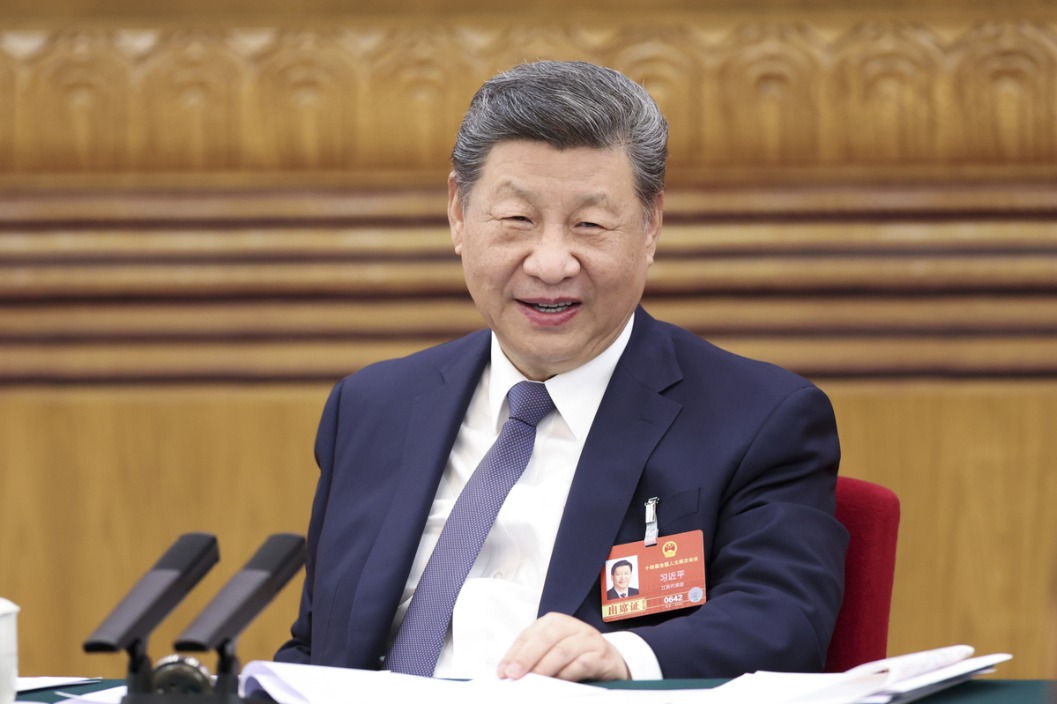
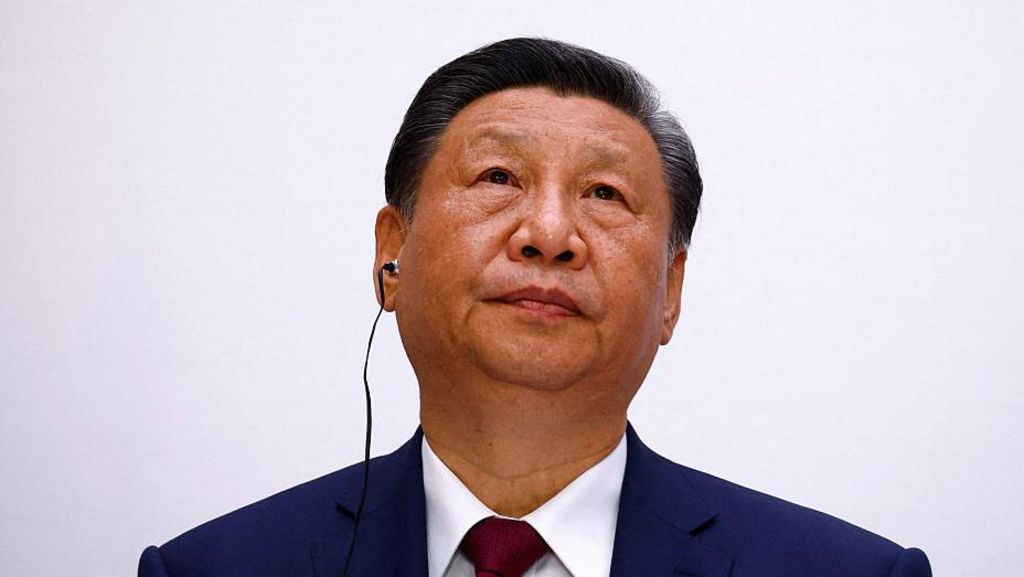
    Chinese President Xi Jinping has issued a strategic directive to China’s leading provincial economies, emphasizing the critical need to develop innovative approaches for addressing novel socioeconomic challenges. The President delivered this guidance on March 5, 2026, while participating in deliberations with the Jiangsu delegation during the fourth session of the 14th National People’s Congress in Beijing.

    Serving concurrently as General Secretary of the Communist Party of China Central Committee and Chairman of the Central Military Commission, President Xi stressed that economically advanced provinces must serve as testing grounds for pioneering methodologies. These regions, according to Xi, bear particular responsibility for developing actionable frameworks that can be scaled nationally when confronting unprecedented situations.

    The address occurred within China’s paramount legislative gathering, where provincial representatives converge to shape national policy directions. Jiangsu Province, recognized as a vital economic hub within China’s eastern development corridor, represents exactly the type of advanced regional economy referenced in Xi’s remarks.

    This directive aligns with China’s broader strategic emphasis on developing localized solutions to complex national challenges. By leveraging the diverse experiences of major provincial economies, the leadership aims to create adaptable policy frameworks capable of responding to rapidly evolving domestic and international circumstances. The approach underscores China’s methodological emphasis on practical experimentation and evidence-based governance at the provincial level before implementing policies nationally.

  • Israel’s propaganda directorate being sued by unpaid activists claiming millions

    Israel’s propaganda directorate being sued by unpaid activists claiming millions

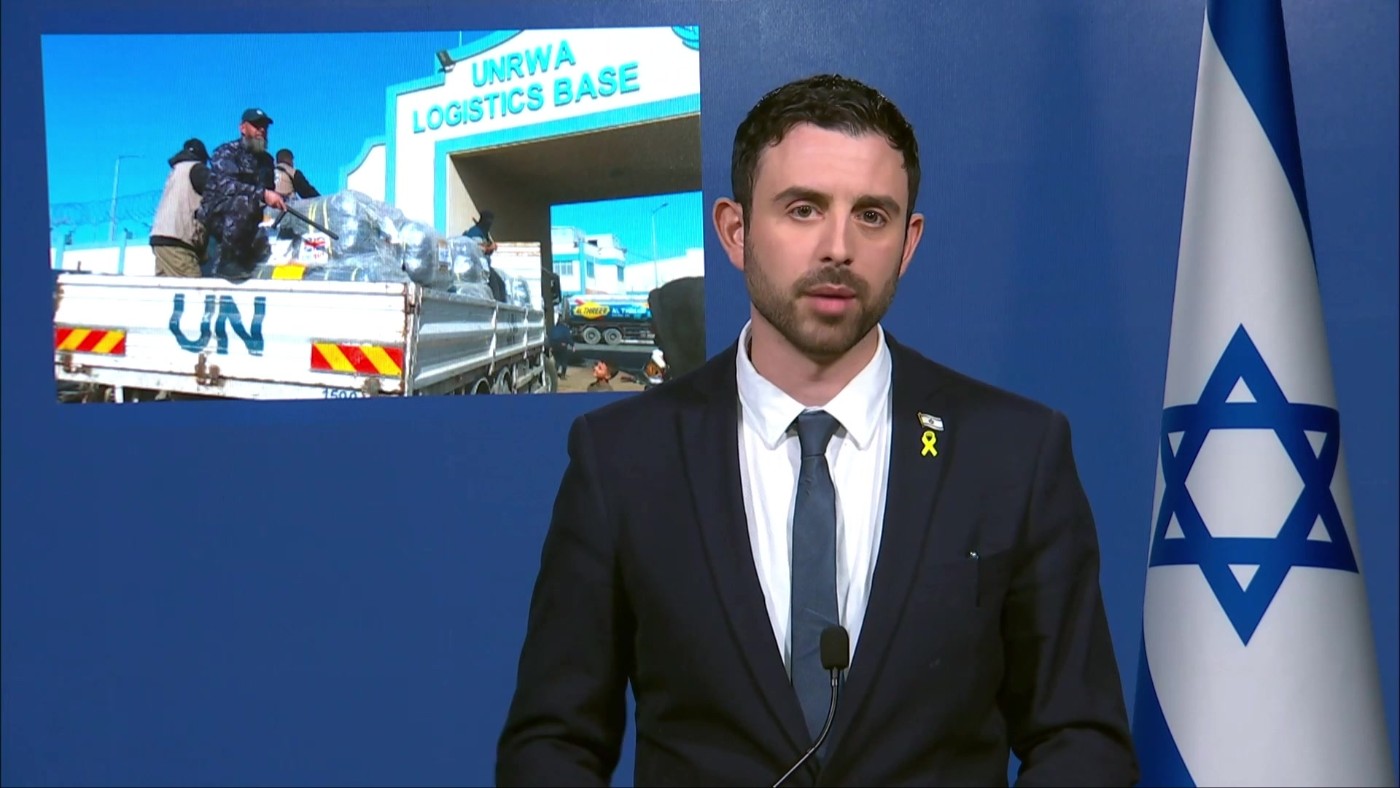
    Israel’s national public diplomacy apparatus, known domestically as Hasbara, is confronting significant financial and operational challenges as multiple contractors file lawsuits demanding millions in unpaid compensation. According to reports from Israeli daily Calcalist, several private firms that provided crucial services during the initial phase of Israel’s military operations in Gaza are seeking substantial payments from the government.

    Two prominent companies that established specialized studios for Israeli leadership and funded pro-Israel activism across Europe have collectively demanded approximately two million shekels ($650,000) in outstanding payments. One production company that provided dedicated broadcast facilities for Prime Minister Benjamin Netanyahu and former Defense Minister Yoav Gallant is seeking over half a million shekels ($160,000), while another firm called Intellect has filed claims exceeding 1.5 million shekels ($487,000).

    The situation reveals deeper structural issues within Israel’s propaganda machinery. Following the October 2023 Hamas-led attacks, the Hasbara directorate rapidly expanded its operations by hiring dozens of independent activists and influencers through private contractors rather than formal government employment. This arrangement, described by participants as “always messy,” effectively made private companies the payment conduit for Israel’s international representation efforts.

    Notably, British-Israeli influencer Eylon Levy, who served as an official government spokesperson until March 2024, confirmed he is among those owed compensation but has declined to participate in the legal action. Despite his official tenure ending, Levy has continued advocating for Israel’s positions through his substantial social media presence, recently calling for the expulsion of Iran’s ambassador to the UK following missile attacks near British bases in Cyprus.

    The Prime Minister’s office acknowledged “irregularities in the contracting practices” but declined detailed comment due to ongoing legal proceedings. Meanwhile, Israel has significantly increased funding for its propaganda efforts, with the foreign ministry receiving an additional 150 million shekels ($49 million) last September—funds redirected from higher education budgets—to establish a new public diplomacy directorate specifically focused on recruiting social media influencers and bloggers.

    Concurrently, the Diaspora Ministry under Amichai Chikli has pursued aggressive hasbara campaigns targeting US college campuses and attempting to influence legal definitions of antisemitism, while offering substantial financial incentives to settlement municipalities for propaganda activities both domestically and internationally.

  • Chinese clinical trial shows breakthrough in liver cancer survival

    Chinese clinical trial shows breakthrough in liver cancer survival

    A landmark clinical trial conducted across China has demonstrated a revolutionary approach to treating one of the most lethal forms of liver cancer, achieving unprecedented results in patient survival rates. The study, published in the prestigious New England Journal of Medicine, reveals that a novel combination therapy administered before surgery can nearly double the period patients remain cancer-free compared to standard treatment protocols.

    The research focused on intrahepatic cholangiocarcinoma (ICC), a particularly aggressive malignancy that originates in the bile ducts within the liver. This cancer type is notoriously difficult to detect early, often progressing silently until reaching advanced stages when treatment options become limited. The multicenter trial, spearheaded by Shanghai’s Zhongshan Hospital affiliated with Fudan University, involved 178 patients with a median age of 59 recruited from 11 medical institutions nationwide.

    The innovative protocol employed a neoadjuvant approach, administering three cycles of Gemox chemotherapy combined with targeted therapy and immunotherapy agents before surgical intervention. This triple-threat strategy aims to shrink tumors significantly while priming the body’s immune system to recognize and combat cancer cells more effectively. The control group received immediate surgery, representing the conventional standard of care.

    The results were striking: patients receiving the combined drug regimen achieved a median event-free survival of 18 months, more than double the 8.7 months observed in the surgery-only group. The objective response rate reached 55%, indicating more than half of patients experienced substantial tumor reduction or complete disappearance following the pretreatment protocol.

    Notably, the 24-month overall survival rate showed promising improvement at 79% for the combination therapy group versus 61% for those undergoing surgery alone. These findings are particularly significant given ICC’s current five-year survival rate of just 25-40% post-surgery.

    The research holds special importance for China, which bears more than half of the global ICC burden with over 50,000 new cases annually. The scientific team, having presented preliminary findings at the European Society for Medical Oncology’s 2024 annual meeting, now aims to validate these results through international collaboration, potentially establishing a new global standard for treating this devastating disease.

  • Lebanon: Israel orders everyone in Beirut’s Dahiyeh to leave

    Lebanon: Israel orders everyone in Beirut’s Dahiyeh to leave

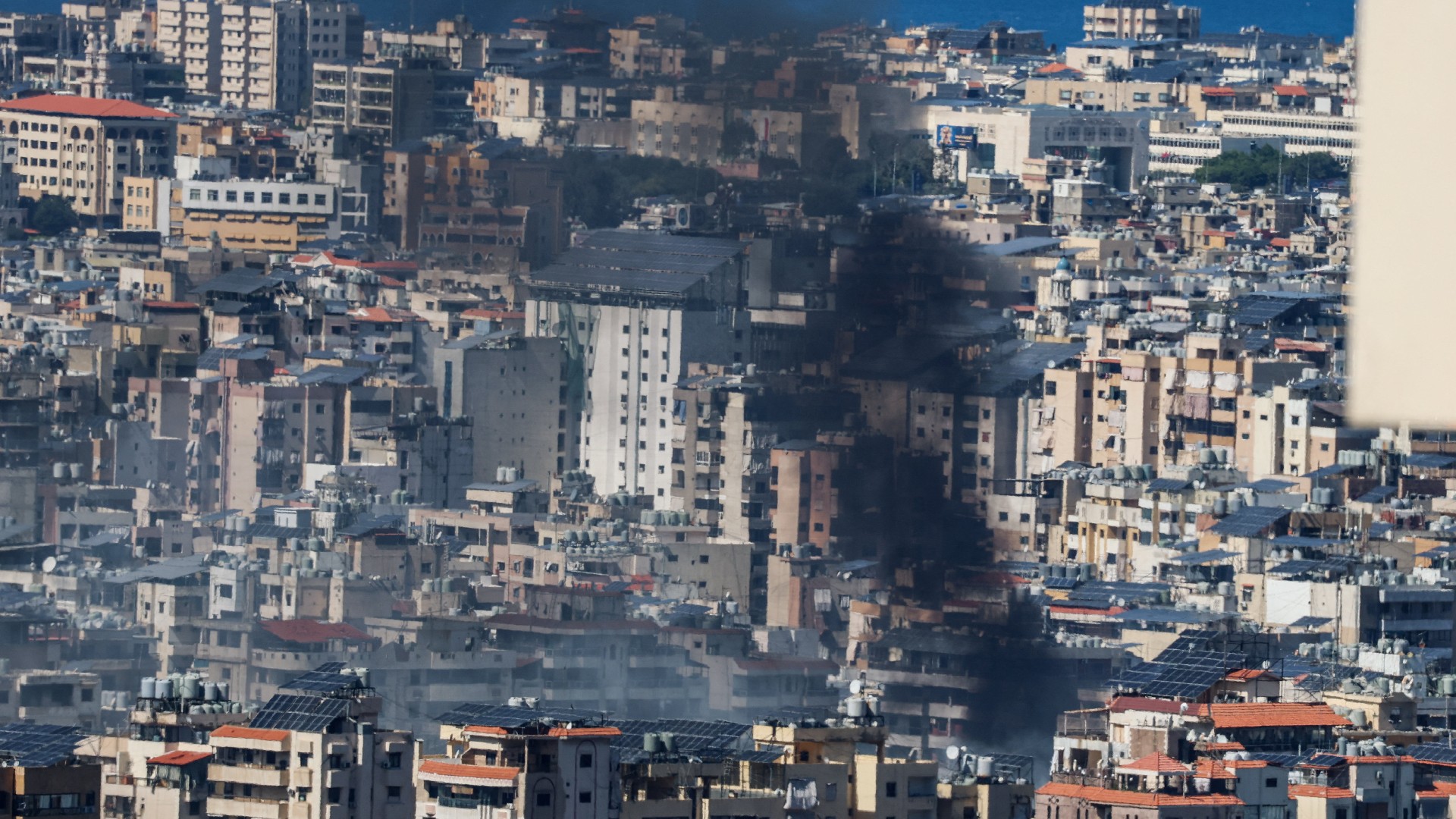
    The Israeli military has issued immediate evacuation directives for residents in Beirut’s southern suburbs, specifically targeting the Dahiyeh area, warning of imminent attacks for non-compliance. Military spokesperson Avichay Adraee communicated via social media platform X that movement southward would endanger lives, shortly before Lebanese media confirmed strikes hitting the Ghobeiry and Haret Hreik neighborhoods, though initial casualty reports remained unconfirmed.

    Accompanying the warnings, the Israeli military disseminated detailed maps outlining specific evacuation routes. Residents of Bourj Brajineh and al-Hadath were instructed to flee east towards Mount Lebanon, while those in Harat Hreik and Shiyah were directed north toward Tripoli and east via the Metn Expressway.

    This densely populated district, a known stronghold of Hezbollah support, has endured the fiercest Israeli assaults since the recent escalation of air and ground operations. A strike on Wednesday inflicted substantial damage to Bahman Hospital in Haret Hreik, wounding several healthcare personnel according to the Lebanese health ministry.

    The current evacuation mandate follows a broader Israeli directive for all Lebanese citizens south of the Litani River to relocate northward, a move covering hundreds of square kilometers and displacing over 300,000 people. Human Rights Watch has expressed grave concern, stating this forced displacement raises significant risks of violations under international humanitarian law.

    Concurrently, Lebanese state media reported Israeli forces making their deepest incursion since hostilities began, entering the southern town of Khiam approximately six kilometers from the border. This ground advance aligns with Israeli Defense Minister Israel Katz’s recent authorization for military operations to capture additional positions in southern Lebanon, where Israeli forces have maintained a presence since the 2024 conflict with Hezbollah.

    The escalation traces to Monday, when Hezbollah launched rockets into Israel, an act it stated was retaliation for the killing of Iranian Supreme Leader Ali Khamenei in a strike days prior. This marked a significant expansion of the US-Israeli conflict with Iran into Lebanese territory. The Lebanese health ministry reports at least 77 fatalities and 572 injuries in the renewed offensive. Israeli media indicates the government approved this new wave of attacks Sunday night, preceding Hezbollah’s rocket fire, with sources suggesting the group preemptively acted upon intelligence of an impending major Israeli decision against it.

  • What ‘special relationship’? Ten other occasions when the US and UK fell out

    What ‘special relationship’? Ten other occasions when the US and UK fell out

    In a striking diplomatic confrontation, former US President Donald Trump has publicly criticized UK Prime Minister Keir Starmer for refusing to permit American military strikes against Iran to originate from British bases. The March 3rd remarks saw Trump labeling London as “uncooperative” while dismissively comparing Starmer to Winston Churchill, marking the latest in a series of tensions since Trump’s 2025 return to office.

    This contemporary friction echoes historical disagreements that have periodically tested the famed ‘special relationship’ between the two nations. The term, popularized by Churchill during his 1946 ‘Sinews of Peace’ address in Missouri, has often masked underlying strategic divergences that emerge when national interests collide.

    Historical precedents reveal consistent patterns in transatlantic disputes. In 1946, President Truman’s unilateral advocacy for Jewish refugee settlement in Palestine angered Prime Minister Attlee, ultimately contributing to Britain surrendering its mandate to the UN. The 1956 Suez Crisis created perhaps the most severe strain when President Eisenhower opposed Anglo-French military action, employing economic pressure that forced a humiliating withdrawal.

    Nuclear dependency created another flashpoint in 1962 when President Kennedy’s cancellation of the Skybolt missile program threatened Britain’s deterrent capability, resolved only through the Nassau Agreement that provided Polaris missiles. Similarly, President Johnson’s pressure for UK involvement in Vietnam met with steadfast refusal from Prime Minister Wilson, despite intense diplomatic pressure.

    More recent disagreements include Reagan’s invasion of Grenada without consulting Thatcher, Clinton’s visa grant to Sinn Féin’s Gerry Adams despite Major’s objections, and Obama’s criticism of Cameron’s post-intervention management in Libya. The 2021 Afghanistan withdrawal further highlighted strategic differences, with UK officials criticizing the US timeline and agreement.

    These historical episodes demonstrate that while the US-UK alliance remains fundamentally strong, it consistently navigates tensions arising from differing geopolitical priorities, domestic political constraints, and evolving global power dynamics. The relationship’s resilience lies not in absence of conflict but in its capacity to manage disagreements while maintaining core security cooperation.