标签: Asia

亚洲

  • Air India reports delays after check-in systems disruption at multiple airports

    Air India reports delays after check-in systems disruption at multiple airports

    Air India has confirmed significant operational disruptions affecting its check-in systems at multiple airports nationwide. The airline attributed the technical failure to a third-party service provider, resulting in substantial delays across its flight network.

    In an official statement released Tuesday evening, the carrier acknowledged the system-wide outage while withholding specific details regarding the root cause. The airline confirmed that restoration efforts are currently underway but warned passengers that flight delays would persist until full operational normalization is achieved.

    Travelers were advised to verify their flight status before heading to airports and allocate additional time for check-in procedures. Air India’s ground teams are implementing manual processing protocols to mitigate the impact on passenger travel experience.

    The technical disruption represents one of the most significant system failures affecting Indian aviation infrastructure recently, highlighting the industry’s dependence on third-party technological solutions. Aviation experts note that such system-wide outages can create cascading effects throughout airline operations, potentially affecting aircraft rotations and crew scheduling.

    Air India’s communication emphasized their commitment to resolving the situation promptly while maintaining transparency with affected passengers. The airline has not provided an estimated timeline for complete system restoration but assured travelers that alternative measures are being implemented to minimize inconvenience.
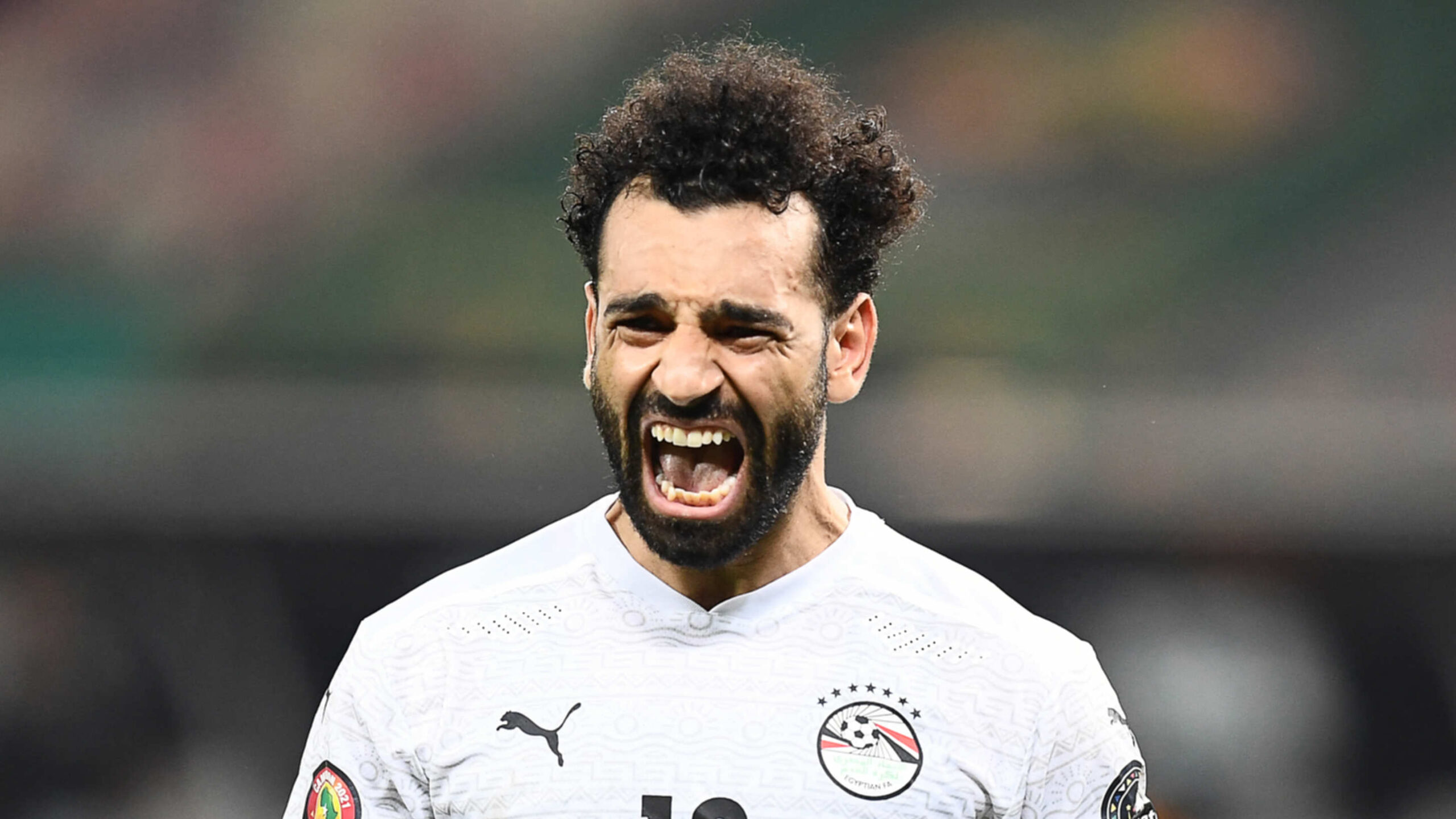
  • World Cup draw 2026: Which Middle East and North Africa teams qualified? Who will they play?

    World Cup draw 2026: Which Middle East and North Africa teams qualified? Who will they play?

    The upcoming 2026 FIFA World Cup, scheduled to unfold across North America from June 11th, will mark a historic milestone for Middle Eastern and North African (MENA) football. A record-breaking eight teams from the region have officially secured their places in the tournament, signaling a significant shift in global football dynamics driven by the expansion to a 48-team format.

    The qualified contingents include Algeria, Egypt, Iran, Jordan, Morocco, Qatar, Saudi Arabia, and Tunisia. Their group stage opponents were determined during the recent draw ceremony in Washington. Additionally, Turkey (competing through UEFA) and Iraq remain in contention, hoping to clinch the final berths via the intercontinental playoffs scheduled for March 2026.

    This edition represents a substantial evolution from the previous tournament. The 2026 World Cup will span 39 days and feature 104 matches, a major increase from the 64 games in the 32-team Qatar 2022 edition. The action will be hosted in 16 cities across the United States, Canada, and Mexico, with the inaugural match at Mexico City Stadium and the grand finale set for New Jersey Stadium on July 19th.

    The tournament structure introduces 12 groups of four teams each. The top two finishers from every group, along with the eight best third-placed teams, will advance to a new 32-team knockout stage. Pre-tournament favorites Spain, Argentina, France, and England have been seeded to avoid each other until the semi-finals.

    Morocco enters as a regional powerhouse, fresh off its spectacular fourth-place finish in 2022. The Atlas Lions, currently on an unprecedented 18-match winning streak and led by African Footballer of the Year Achraf Hakimi, are drawn in Group C against Brazil, Scotland, and Haiti.

    Iran (Team Melli), a consistent Asian qualifier for its seventh appearance, finds itself in Group G alongside Belgium, Egypt, and New Zealand. Egypt, the first-ever MENA participant in the 1934 World Cup, seeks to advance past the group stages for the first time in its history.

    Other notable groupings include Algeria’s return after a 12-year absence, placed in Group J with Argentina, Austria, and Jordan—the latter making its World Cup debut. Tunisia, drawn in Group F with the Netherlands and Japan, aims to build on its memorable victory over France in 2022.

    Host nation Qatar (Al-Annabi) looks to redeem its 2022 performance in Group B against Canada, Switzerland, and a playoff winner. Saudi Arabia, the future host of the 2034 World Cup, will face a formidable challenge in Group H against top-ranked Spain, Uruguay, and Cape Verde.

    The expanded format not only increases competitive opportunities but also highlights the growing influence and development of football within the MENA region on the world’s biggest sporting stage.

  • Sudan war has created web of arms and mercenaries, report says

    Sudan war has created web of arms and mercenaries, report says

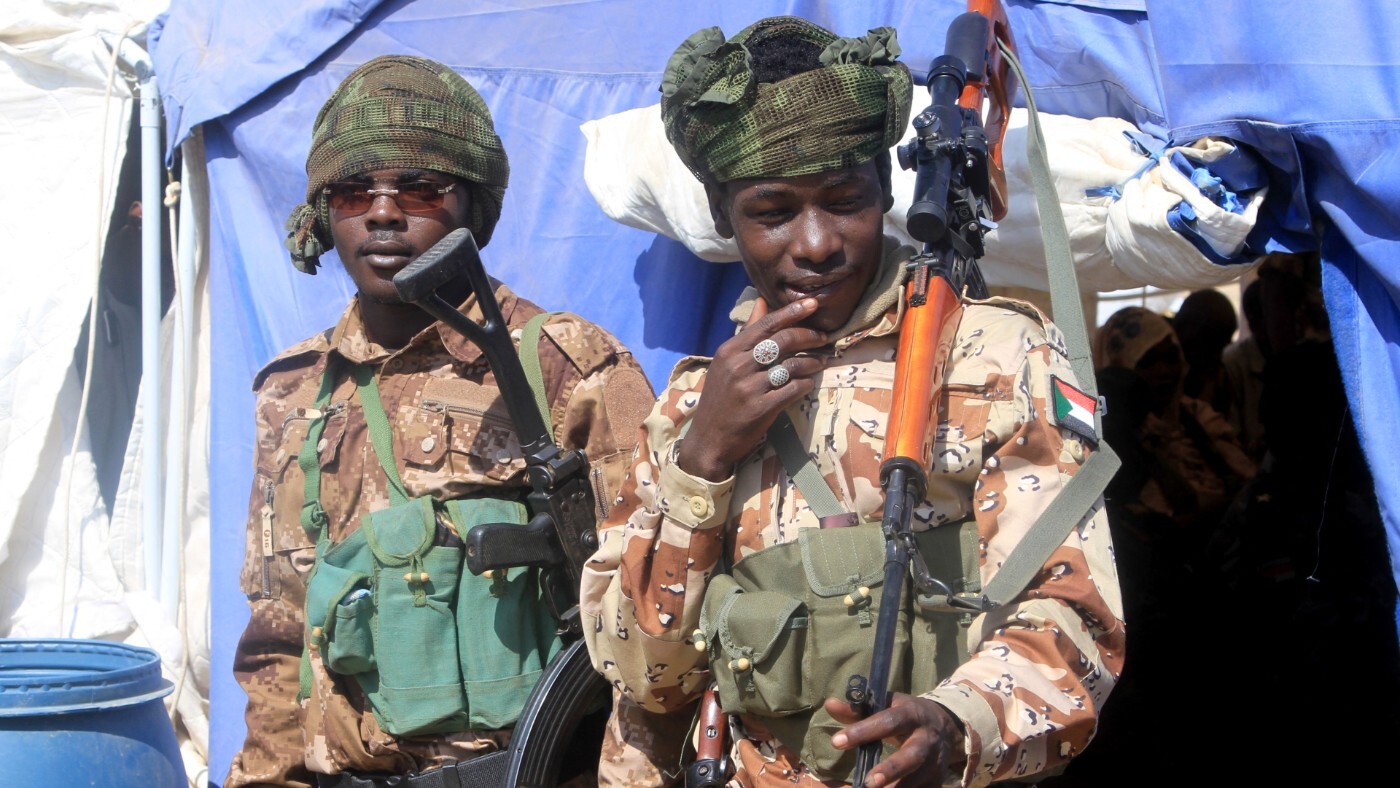
    A comprehensive study released by the Global Initiative Against Transnational Organized Crime reveals that Sudan’s ongoing civil war has catalyzed the development of extensive arms trafficking and mercenary networks spanning multiple African regions. The report, titled “Collateral Circuits: The impact of Sudan’s war on arms markets and mercenary networks in Chad and Libya,” documents how pre-existing smuggling routes were reactivated and expanded following the outbreak of hostilities between the Sudanese Armed Forces (SAF) and paramilitary Rapid Support Forces (RSF) in April 2023.

    The research demonstrates that the conflict’s repercussions have extended beyond Sudan’s borders, significantly affecting Chad and Libya while creating ripple effects across Niger, Mali, and neighboring territories. According to the findings, the United Arab Emirates has facilitated substantial support for the RSF through these channels, despite Abu Dhabi’s continued denial of such backing despite accumulating evidence.

    Emadeddin Badi, the report’s author and a senior fellow at Global Initiative, emphasized that mercenaries, arms trafficking, gold mining, and human smuggling have become fundamental components of a war economy engaging all of Sudan’s neighboring nations. This system provides financial benefits and employment opportunities for numerous individuals throughout the region.

    The investigation reveals that both the outflow and inflow of weapons and combat personnel have transformed regional security architectures. Photographic evidence shows DShKM machine guns, small arms, and other military equipment available for purchase in Chadian markets and on social media platforms, illustrating the widespread proliferation of arms from Sudanese stockpiles.

    Badi contends that the regional integration evident in arms and mercenary movements necessitates a holistic view of North Africa and the Sahel region rather than compartmentalized analysis. He notes that Emirati, Russian, and increasingly Turkish policies approach these theaters as interconnected landscapes, demonstrated through the continuity and complementarity of supply lines established for the RSF via Libya and Chad.

    The report details how supply line functionality directly influenced military developments, including the loss of Khartoum and the capture of el-Fasher in Darfur. Key logistical hubs shifted from eastern Libya’s Kufra to Chad’s Amdjarass, where the UAE established a purported field hospital in July 2023 that reportedly served as a facilitation point.

    Mercenaries have played central roles in sustaining supply pipelines, not as peripheral participants but as organizers and enablers who escort convoys, manage border access, and ensure continuous flow of materials across boundaries. The report concludes that the residual impact of this war economy will persist long after hostilities diminish, with weapons, mercenaries, and established infrastructure adapting to fulfill new functions in the region.

  • Houthis to release survivors of Red Sea sinking, says Philippines

    Houthis to release survivors of Red Sea sinking, says Philippines

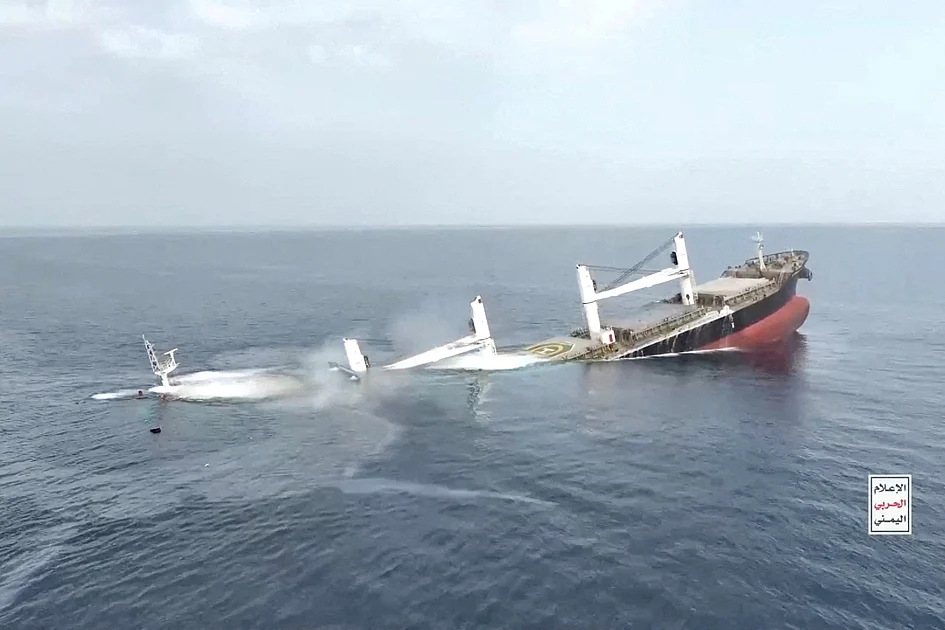
    Yemen’s Houthi rebel faction has announced the impending release of nine Filipino maritime crew members who survived the sinking of their commercial vessel in the Red Sea last July. The Philippine Department of Foreign Affairs confirmed on Tuesday that the seafarers would be transferred from the Houthi-controlled Yemeni capital of Sanaa to Oman before ultimately returning to their home country.

    The crew members were aboard the Liberian-flagged cargo ship M/V Eternity C when it was attacked and sunk by Houthi forces in July, breaking a months-long hiatus in the group’s maritime operations. The Iran-backed militants previously released footage claiming to have ‘rescued’ crew members following the attack.

    Philippine authorities acknowledged Oman’s diplomatic mediation in facilitating the release but declined to specify any conditions attached to the transfer or provide a precise timeline for the sailors’ repatriation. The July incident, which also involved the sinking of another vessel named Magic Seas, marked a significant escalation in maritime security concerns in the critical waterway.

    The Houthis have conducted numerous attacks on commercial shipping since October 2023, asserting these actions target Israel-linked vessels in solidarity with Palestinians in Gaza. These disruptions have forced many shipping companies to avoid the route that typically facilitates approximately 12% of global trade.

    The Philippines remains particularly affected by such incidents as Filipino nationals constitute nearly 30% of the global commercial shipping workforce. Their remittances, totaling nearly $7 billion in 2023, represent approximately one-fifth of the nation’s total remittance income.

  • Imran Khan healthy but cut off in jail, sister says as family seeks access

    Imran Khan healthy but cut off in jail, sister says as family seeks access

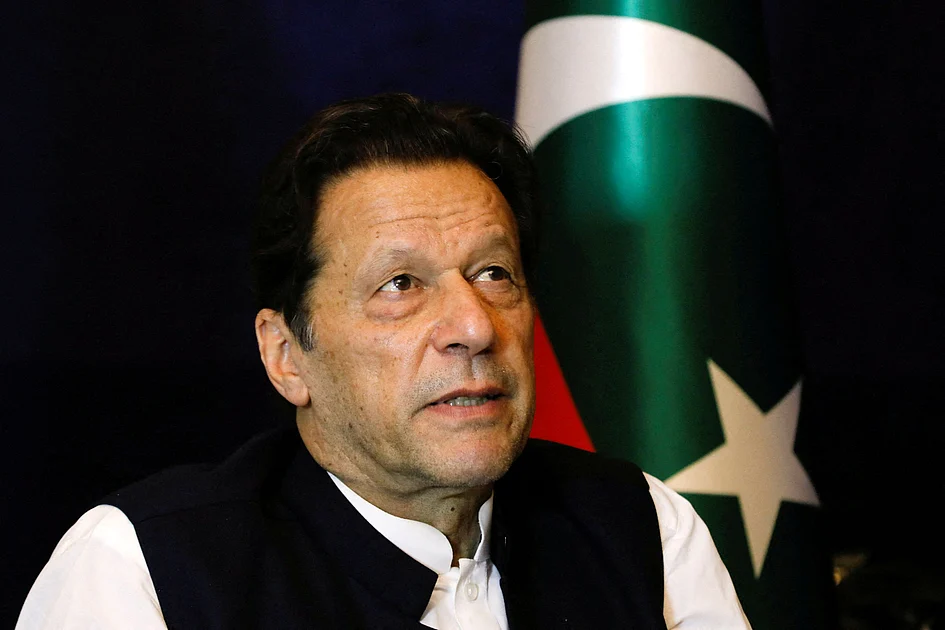
    Pakistan’s incarcerated former Prime Minister Imran Khan remains in satisfactory physical condition but suffers from severe psychological distress due to prolonged isolation, according to his sister Dr. Uzma Khanum following a closely supervised prison visit. The Tuesday meeting at Adiala Jail marked the first family access to the 73-year-old opposition leader in weeks, conducted under stringent surveillance without electronic devices.

    Dr. Khanum, the sole relative permitted contact, confirmed her brother’s physical wellbeing but revealed concerning detention conditions including indoor confinement with minimal outdoor exposure and complete communication blackout with relatives and political associates. The visit occurred as supporters of Khan’s Pakistan Tehreek-e-Insaf (PTI) party protested outside the facility against what they term politically motivated imprisonment.

    The former cricket star turned politician has been detained since August 2023 on corruption convictions he maintains are fabricated to eliminate his political influence. PTI officials allege routine visits have been systematically blocked despite judicial directives, fueling speculation about his treatment and potential prison transfers.

    Government authorities deny allegations of mistreatment, with Minister of State for Interior Talal Chaudhry asserting that Khan receives all standard prisoner entitlements and that visitation decisions rest with jail administrators rather than federal officials. This position contradicts family claims that they lacked verifiable contact for over three weeks, with Khan’s son previously expressing fear about ‘irreversible’ developments being concealed.

    The situation has drawn formal concern from Pakistan’s independent Human Rights Commission, which issued a statement emphasizing the necessity of regular family and legal access as fundamental protection against isolation and detention power abuse. The commission urged compliance with constitutional and international humane treatment standards, particularly regarding the year-long absence of medical examinations by Khan’s personal physician.

  • Cyclone catastrophe in Sri Lanka awakens volunteer spirit

    Cyclone catastrophe in Sri Lanka awakens volunteer spirit

    Sri Lanka faces an unprecedented humanitarian crisis following Cyclone Ditwah’s devastating landfall last week, which submerged entire communities and triggered catastrophic landslides across the nation. The disaster has claimed over 400 lives, left hundreds missing, and rendered 20,000 households uninhabitable, affecting more than one million residents in what President Anura Kumara Dissanayake describes as the country’s ‘most challenging natural disaster’.

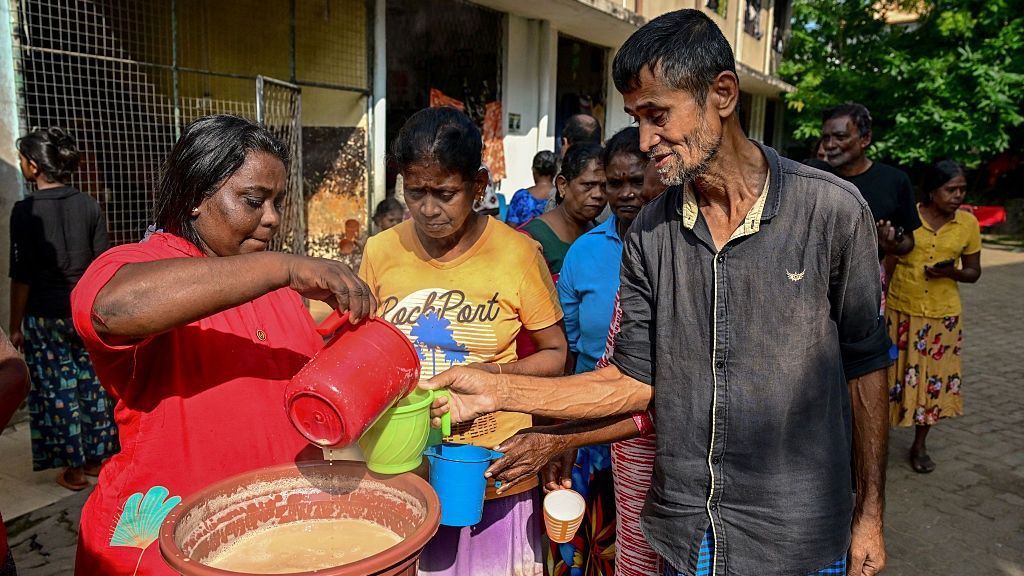
    Amidst widespread destruction, a remarkable grassroots mobilization has emerged. Citizens previously engaged in political activism during Sri Lanka’s 2022 economic crisis have repurposed their organizational skills for disaster relief. In Colombo’s Wijerama neighborhood, volunteers who once protested against former president Gotabaya Rajapaksa now operate community kitchens producing thousands of meals daily for flood victims.

    Celebrities like actor-musician GK Reginold have joined the effort, navigating submerged suburbs via motorized fishing boats to deliver essential supplies to isolated families. ‘The main reason I wanted to do this is to at least help them have one meal,’ Reginold told the BBC, expressing fulfillment in providing crucial assistance.

    The relief operation extends beyond physical spaces into digital realms. Social media activists have created public databases to coordinate donations and volunteer efforts, while volunteer-backed websites help donors identify specific needs across relief camps. Private companies and television channels have organized donation drives for food and basic necessities.

    Despite this civilian-led response, political tensions simmer. Opposition lawmakers accuse authorities of ignoring early weather warnings and staged a parliamentary walkout alleging government attempts to limit disaster debates. President Dissanayake has appealed for unity, urging Sri Lankans to ‘set aside all political differences’ in rebuilding efforts.

    Military helicopters continue rescue operations alongside incoming international aid, but the road to recovery remains long for a nation familiar with recent turmoil. As volunteer Sasindu Sahan Tharaka reflected after exhausting shifts at relief sites: ‘The empathy and capacity of our hearts is greater than the destruction that occurs during a disaster.’

  • Cyclone turns Sri Lanka’s tea mountains into death valley

    Cyclone turns Sri Lanka’s tea mountains into death valley

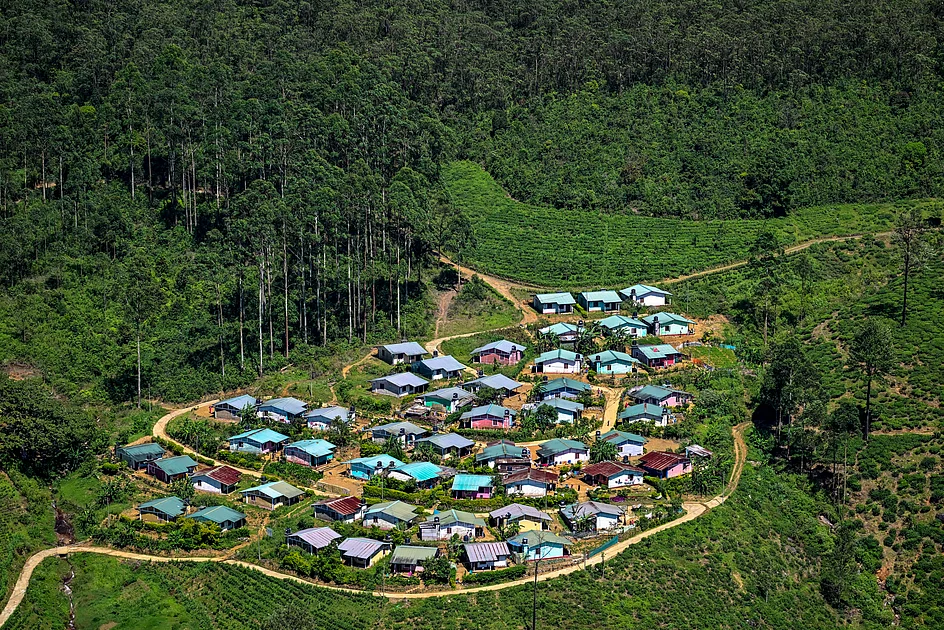
    In the wake of Cyclone Ditwah, Sri Lanka’s picturesque tea-growing highlands have transformed into a landscape of devastation and tragedy. Rescue teams continue their grim search through the mud-clogged mountainsides where at least 465 fatalities have been confirmed, with 366 individuals still unaccounted for following the island nation’s most severe natural disaster in decades.

    The aerial assessment reveals profound destruction across the central tea region, where entire slopes have sheared away, leaving ochre scars through the once-lush vegetation. Landslides have consumed road networks, infrastructure, and complete settlements, with only occasional roof peaks visible above the mud. The renowned tea plantations, vital to Sri Lanka’s economy, now appear as extensive channels of debris and uprooted vegetation.

    Military aircraft from Sri Lanka, India, and Pakistan have mobilized for relief operations, transporting essential supplies to isolated communities in the Nuwara Eliya district. Helicopters modified for cargo transport are delivering water and rations to areas that remain inaccessible by ground. The full impact on the tea industry—including plantations, processing facilities, and agricultural workers—has yet to be comprehensively assessed but is anticipated to be substantial.

    President Anura Kumara Dissanayake has declared a national state of emergency and issued an international appeal for assistance. Recovery efforts face significant challenges due to damaged infrastructure and persistent communication blackouts in remote zones. This catastrophe represents the most lethal natural event to strike Sri Lanka since the 2004 Indian Ocean tsunami, with both landslides and flooding affecting communities nationwide.

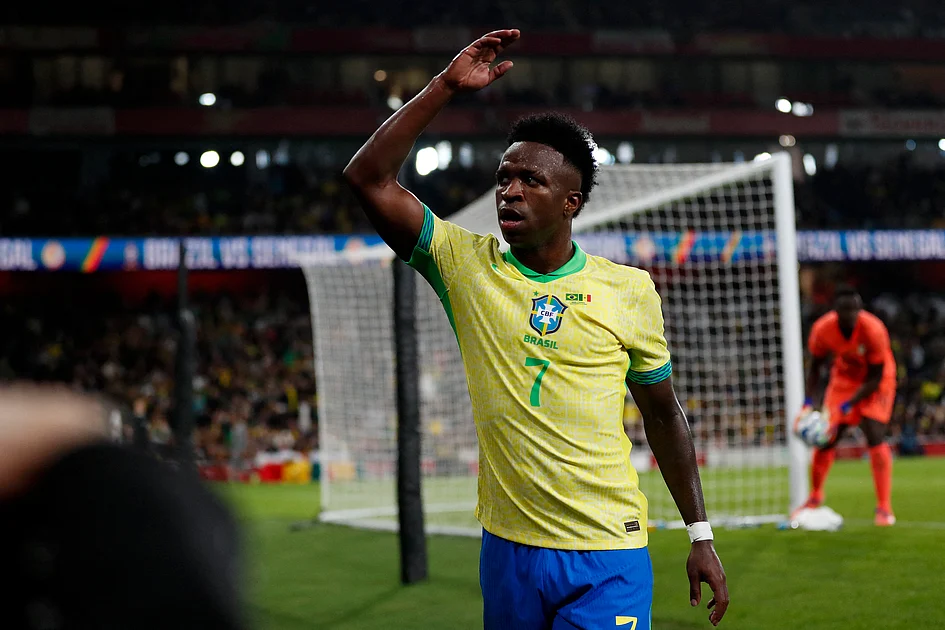
  • Ancelotti says Vinicius must be fully fit for Brazil World Cup squad

    Ancelotti says Vinicius must be fully fit for Brazil World Cup squad

    Brazil’s national football team coach Carlo Ancelotti has reinforced his uncompromising stance on player fitness requirements for World Cup selection, extending his rigorous standards beyond Neymar to include rising star Vinicius Jr. The Italian strategist emphasized that only players demonstrating complete physical readiness will merit consideration for the coveted 2026 squad.

    During an exclusive interview with Brazilian sports program Esporte Record, Ancelotti elaborated on his selection philosophy, stating that exceptional talent alone cannot guarantee a position on the team. “The reality is we possess numerous high-caliber players, and my responsibility involves selecting those operating at absolute peak condition,” Ancelotti explained. “This principle applies universally—whether discussing Neymar or Vinicius. Should Vinicius present at 90% capacity, I would inevitably choose an alternative player performing at 100%, given the extraordinary competitive depth within our offensive lineup.”

    This declaration follows Ancelotti’s October warning to Neymar regarding identical fitness prerequisites for national team reinstatement. The coach’s consistent messaging underscores a systematic approach to squad development prioritizing physical preparedness alongside technical skill.

    Vinicius Jr., who secured Brazil’s World Cup qualification with a decisive goal against Paraguay in June 2024, now faces intensified pressure to maintain optimal physical condition ahead of the tournament. The 2026 World Cup, scheduled from June 11 to July 19 across North American venues, represents the pinnacle of international football competition.

    Brazil’s preparation schedule includes a high-profile friendly match against France in Boston during the March international window, providing Ancelotti critical opportunities to evaluate player fitness and tactical integration before finalizing his tournament roster.

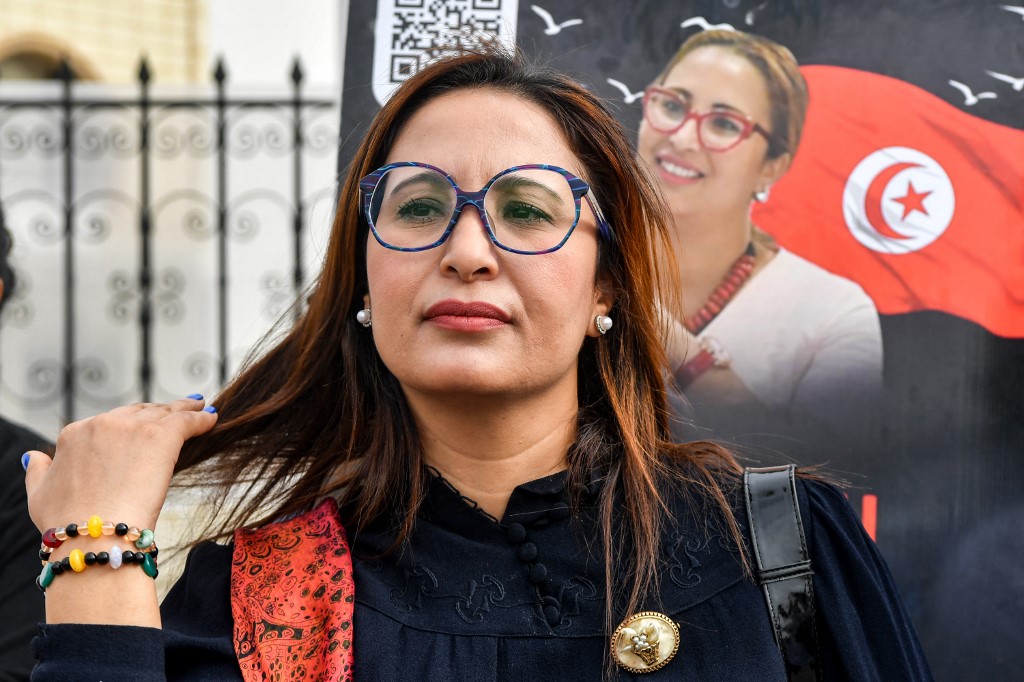
  • Tunisian opposition activist Chaima Issa starts hunger strike to protest violent arrest

    Tunisian opposition activist Chaima Issa starts hunger strike to protest violent arrest

    Prominent Tunisian opposition figure Chaima Issa has initiated a hunger strike in protest of alleged violent treatment during her arrest on Saturday, as reported by local media outlets. The human rights activist, according to her family, sustained a foot injury requiring medical attention during the detention process.

    Issa’s arrest came to enforce a 20-year prison sentence delivered last Friday through a controversial mass trial appeal verdict. This judicial proceeding resulted in sentences ranging up to 45 years for dozens of government critics accused of “conspiracy against state security” and “affiliation with terrorist organizations.” The trial has drawn sharp condemnation from human rights organizations who characterize it as politically motivated and emblematic of a systematic campaign to suppress dissent.

    The case involves 37 defendants, primarily detained since early 2023, who faced charges including meetings with foreign diplomats. The initial April trial concluded after merely three hearings without closing arguments, delivering severe sentences up to 66 years imprisonment. During Friday’s appeal, Issa’s sentence was increased from 18 to 20 years, mirroring similar enhancements for other notable opposition figures including Jawhar Ben Mbarek, Ghazi Chaouachi, Ridha Belhaj and Issam Chebbi.

    Issa was apprehended during a downtown Tunis demonstration protesting the escalating suppression of dissent under President Kais Saied’s administration. Her lawyer, Samir Dilou, described to AFP how “plainclothes officers grabbed her and pushed her inside a vehicle” during the protest, questioning the necessity of such forceful methods given her previous compliance with judicial proceedings.

    The current political climate traces back to President Saied’s 2021 constitutional coup that consolidated executive power. Since then, international and local NGOs have documented significant regression in rights and freedoms within the North African nation that sparked the Arab Spring. Numerous government critics have faced prosecution under terrorism charges and a 2022 presidential decree prohibiting “spreading false news.”

    Issa, a journalist and activist who participated in the 2011 revolution that ousted longtime ruler Zine El Abidine Ben Ali, co-founded the Citizens Against the Coup collective and serves with the National Salvation Front (NSF). This primary opposition coalition, established around the Ennahda party that previously dominated post-revolution politics, has faced severe repression with its leader Rached Ghannouchi currently serving a cumulative 37-year sentence.

    In a related development, co-defendant Jawhar Ben Mbarek suspended his 33-day hunger strike against what he termed “unjust” detention, citing encouragement from recent pro-democracy demonstrations. Mbarek’s health deteriorated severely during his strike, requiring eight hospitalizations and allegedly suffering violent force-feeding incidents that prompted formal torture complaints.

    Tunisian political prisoners have consistently denounced prison mistreatment alongside judicial unfairness, regularly reporting humiliation and harassment within the correctional system.

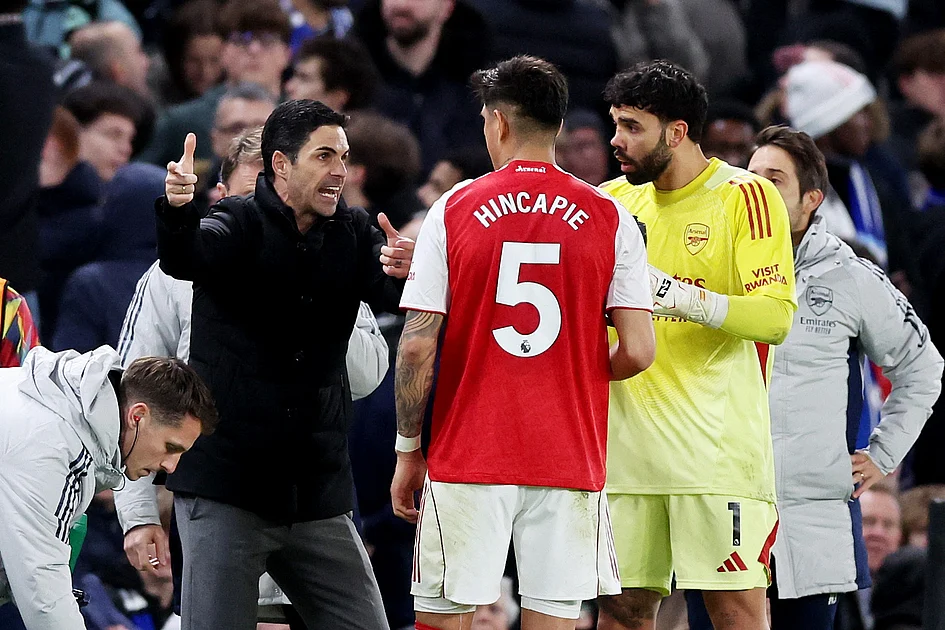
  • Arsenal must hunt Brentford win ‘like animals’, Arteta says

    Arsenal must hunt Brentford win ‘like animals’, Arteta says

    Arsenal manager Mikel Arteta has issued a rallying cry to both players and supporters ahead of Wednesday’s crucial Premier League encounter against Brentford, demanding they approach the match with animal-like intensity. This comes as the league leaders grapple with mounting injury concerns that threaten to derail their title ambitions.

    Following two draws in their last three matches, including Sunday’s 1-1 stalemate against a 10-man Chelsea, Arsenal’s momentum has stalled despite maintaining a five-point advantage at the summit. Arteta emphasized the critical nature of the fixture, specifically calling for a electrifying atmosphere at Emirates Stadium.

    “This represents a massive opportunity tomorrow at 7:30 PM GMT,” Arteta stated during Tuesday’s press conference. “Every single person must be at the Emirates, bouncing and generating relentless energy to secure victory. We need to hunt this win with animal instinct.”

    The Spanish manager dismissed concerns about motivation, citing the team’s Premier League position as sufficient incentive. “Our drive stems from meticulous preparation and striving for superiority over opponents. Our league standing provides all the motivation we require,” he added.

    However, Arsenal’s campaign faces significant challenges with a deepening injury crisis. Central defender William Saliba and winger Leandro Trossard remain doubtful after missing the Chelsea clash, while Gabriel and Kai Havertz are still weeks from returning to action.

    Arteta acknowledged the severity of the situation, particularly describing the defensive and forward line issues as the worst he’s encountered. “We’ve had players out of position throughout this season. The injury situation in certain areas, especially our frontline and now our defensive line, has been exceptionally challenging,” he confessed.

    The manager indicated that the club has learned from past experiences, developing a more adaptable squad. “We’ve constructed a more reliable roster with greater options. Our previous struggles taught us the necessity of utilizing players in multiple positions to remain competitive at the highest level,” Arteta concluded.