标签: Asia

亚洲

  • Sharjah: 130 classic cars come together for UAE National Day rally

    Sharjah: 130 classic cars come together for UAE National Day rally

    Sharjah transformed into a moving automotive museum on Tuesday as 130 meticulously preserved classic cars, some dating back six decades, participated in the third annual Rally Masar 71. Organized by the Sharjah Old Cars Club, this spectacular convoy brought together vintage automobile enthusiasts from across the UAE and neighboring GCC nations to commemorate the country’s 54th National Day celebrations.

    The event commenced at the Sharjah Old Cars Club headquarters where participants gathered for vehicle inspections and pre-route briefings. The day-long journey showcased a remarkable transition from urban landscapes to desert scenery as the procession of classic automobiles traveled along sand-lined highways toward Al Badayer Oasis in Al Madam.

    The scenic route continued to Kalba’s recently inaugurated Hanging Gardens, providing a striking contrast between historic vehicles and modern attractions. Subsequent stops included the Roman Amphitheatre in Khorfakkan with its mountainous coastal views and a coastal pause near Anchor Café in Dibba Al Hisn before returning to Sharjah.

    The rally concluded with an awards ceremony recognizing outstanding achievements in categories including best restoration, best-preserved model, and exceptional participation. Rally Masar 71 has evolved into a significant platform for vintage car enthusiasts to exchange technical knowledge, showcase restoration expertise, and highlight Sharjah’s diverse cultural and natural landmarks.

    This growing tradition symbolizes the UAE’s enduring narrative—from its desert origins to its modern coastal cities—while celebrating the national heritage through the preservation and appreciation of automotive history.
  • Netanyahu corruption trials: Prime minister’s request for pardon sparks debate in Israel

    Netanyahu corruption trials: Prime minister’s request for pardon sparks debate in Israel

    Israeli Prime Minister Benjamin Netanyahu has formally requested a presidential pardon from President Isaac Herzog, triggering intense nationwide debate amid his ongoing corruption trial. The 111-page legal submission, accompanied by a personal letter delivered Sunday, argues that clemency would serve the “public interest” by fostering national “reconciliation.”

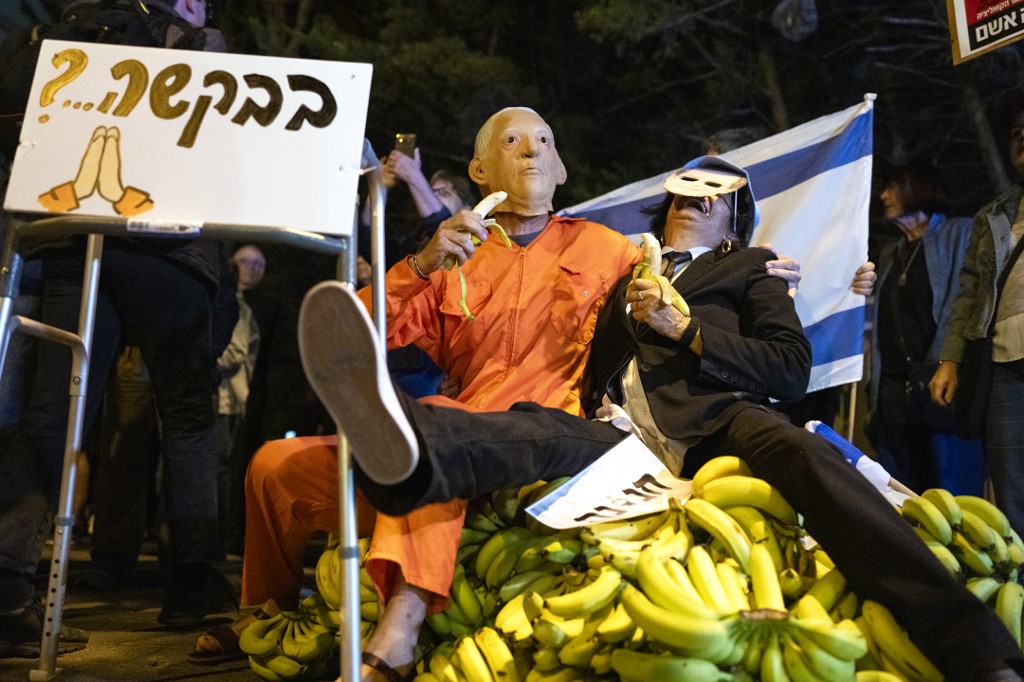
    Instead of unity, the move has exacerbated existing societal fractures. Protesters immediately gathered outside the presidential residence, while political figures across the spectrum voiced starkly contrasting views. President Herzog acknowledged the “controversy” surrounding the application, pledging to base his decision solely on Israel’s best interests while dismissing the impact of “violent discourse.”

    Critics highlighted the petition’s most contentious aspect: Netanyahu’s refusal to admit guilt for charges of fraud, bribery, and breach of trust. Opposition Leader Yair Lapid declared Herzog cannot grant pardon without “admission of guilt, expression of remorse, and immediate retirement from political life.” Haaretz commentator Yossi Verter characterized the letter as bordering on “extortion by threats,” noting that meaningful dialogue would require contrition and commitment to leave politics.

    Even within Netanyahu’s Likud party, dissent emerged. MP Tally Gotliv expressed feeling “pain and humiliation” over the submission, while far-right activist Arnon Segal lamented the right’s narrowed focus on acquittal rather than broader ideological goals.

    Supporters presented counterarguments. Energy Minister Eli Cohen asserted Netanyahu “is not a corrupt person” and that pardoning would benefit Israel by ending “this saga.” Environmental Protection Minister Idit Silman suggested, without evidence, that U.S. President Donald Trump might impose sanctions on Israeli judicial officials should Herzog refuse clemency.

    The controversy intersects with Israel’s security situation, with some social media users accusing Netanyahu of seeking to evade accountability for October 7 attacks. Enav Zangauker, mother of a recently released captive, condemned the move as prioritizing power retention over responsibility. Left-wing figures, including Hadash party leader Ayman Odeh, framed the pardon discussion as a distraction from Israel’s military actions in Gaza and the West Bank, asserting Netanyahu should face trial in The Hague for war crimes rather than receive domestic clemency.

  • Dubai motorists lose 45 hours in traffic jams this year amid rising population, vehicles

    Dubai motorists lose 45 hours in traffic jams this year amid rising population, vehicles

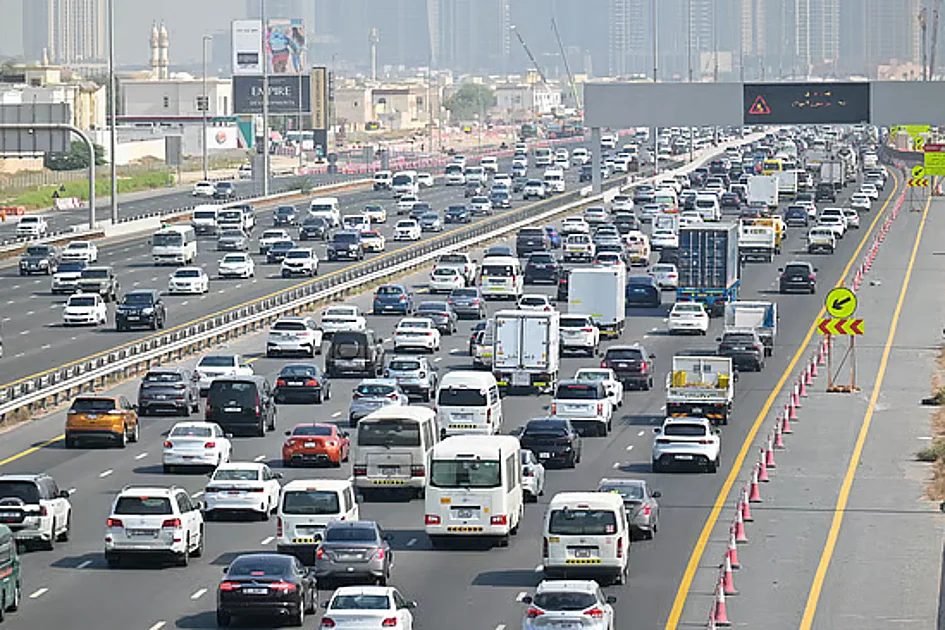
    Dubai motorists endured significantly increased traffic delays throughout 2025, with commuters losing approximately 45 hours to congestion according to the recently released Inrix Global Traffic Report. This represents a substantial increase from the previous year’s figures of 35 hours lost, highlighting growing transportation challenges across the emirates.

    The traffic congestion escalation coincides with notable population growth, with the UAE’s resident count expanding by two million over the past five years to reach 11.48 million as of November 2025. This demographic surge, coupled with increasing vehicle numbers, has placed unprecedented pressure on the nation’s road infrastructure.

    In response to these challenges, UAE authorities have unveiled an ambitious Dh170-billion transportation infrastructure package scheduled for implementation by 2030. Suhail Al Mazrouei, Minister of Energy and Infrastructure, announced during the UAE Government Annual Meeting that the comprehensive plan aims to enhance federal road efficiency by 73% through strategic expansions and upgrades.

    The infrastructure development strategy includes significant lane additions, with federal roads expanding from 19 to 33 lanes in each direction. Specific projects involve widening Etihad Road by six lanes (three per direction), increasing its capacity by 60%, while Emirates Road will expand to ten lanes throughout its length, boosting capacity by 65% and reducing travel time by 45%. Sheikh Mohammed bin Zayed Road will similarly be widened to ten lanes, enhancing capacity by 45%.

    Additionally, transportation authorities are conducting feasibility studies for a proposed fourth federal highway spanning 120 kilometers with twelve lanes, potentially handling up to 360,000 daily trips.

    The traffic impact varied across emirates, with Abu Dhabi motorists losing 29 hours to congestion, Umm Al Quwain 28 hours, Al Ain 17 hours, and Fujairah 8 hours. Dubai’s substantial investment in transportation infrastructure over two decades, totaling Dh175 billion, has delivered significant projects including the Dubai Metro, Dubai Tram, extensive road networks, cycling tracks, and pedestrian facilities. A McKinsey & Company study indicated these investments have yielded Dh319 billion in savings through reduced fuel consumption and time efficiency.

    Despite these efforts, traffic speeds have continued to decline, with peak commute speeds in Dubai dropping from 33 mph in 2023 to 29 mph in 2025, while last-mile downtown speeds decreased to 21 mph during morning commutes.

    Globally, Istanbul maintained its position as the world’s most congested urban area for the second consecutive year, with drivers losing 118 hours to delays—a 12% increase from 2024. Other severely affected cities included Mexico City, Chicago, New York, Philadelphia, Cape Town, London, Paris, Jakarta, and Los Angeles.

  • British police chief reiterates ‘legitimate’ decision to ban Maccabi Tel Aviv fans

    British police chief reiterates ‘legitimate’ decision to ban Maccabi Tel Aviv fans

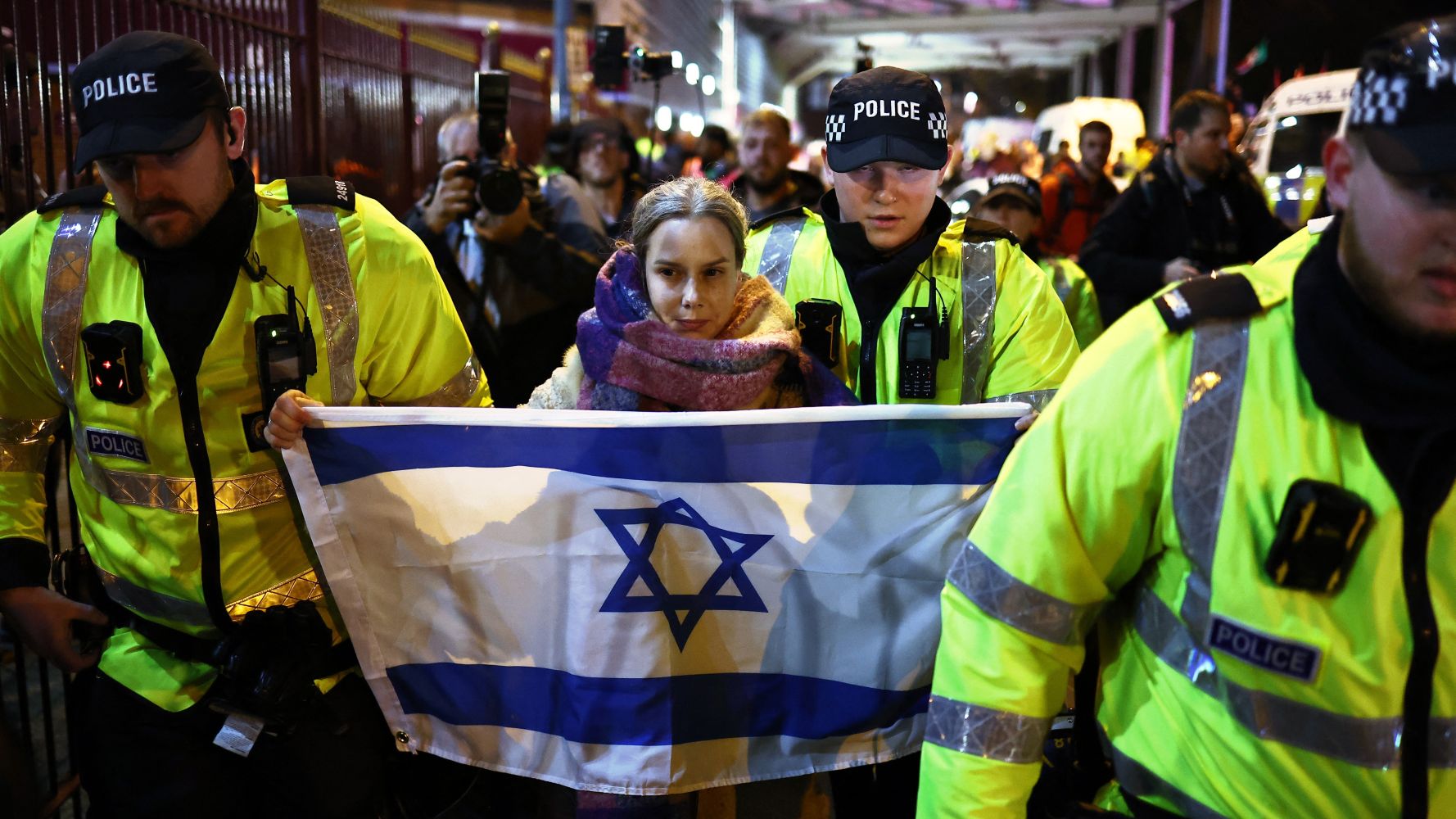
    Senior officials from West Midlands Police have presented a robust defense of their contentious decision to prohibit Maccabi Tel Aviv supporters from attending the November 6th match against Aston Villa. Chief Constable Craig Guildford and Assistant Chief Constable Mike O’Hara testified before Parliament’s Home Affairs Select Committee, facing scrutiny over the unprecedented ban implemented amid heightened security concerns.

    The law enforcement leadership maintained that the prohibition constituted a carefully evaluated public safety measure rather than any form of discrimination. Guildford characterized the move as a ‘necessary tactic with legitimate aim, absolutely not antisemitic’ during his parliamentary testimony. The decision followed intelligence exchanges with Dutch police authorities regarding Maccabi fan conduct during matches in Amsterdam.

    According to security assessments, Dutch law enforcement had documented approximately 200 Maccabi supporters with alleged connections to Israeli military structures causing significant disturbances in Amsterdam. Internal documents described these individuals as ‘experienced fighters’ demonstrating highly organized patterns of violent behavior. Surveillance footage subsequently revealed instances of supporters assaulting local residents and voicing racist anti-Arab chants.

    The police assessment concluded that the primary threat of violence originated from extremist elements within the Israeli club’s supporter base. This evaluation was further substantiated by recent domestic incidents in Israel, including the cancellation of a local derby against Hapoel Tel Aviv due to security concerns and an incident involving fans launching fireworks at their manager’s residence.

    The verification process included cross-referencing Dutch police reports that characterized fan involvement in demonstrations and physical confrontations. Despite political criticism from certain government figures and media outlets, police authorities affirmed their operational strategy as both proportionate and effective in ensuring public protection.

  • Tariffs, AI boom could test global growth’s resilience, OECD says

    Tariffs, AI boom could test global growth’s resilience, OECD says

    The Organisation for Economic Cooperation and Development (OECD) released its latest Economic Outlook on Tuesday, presenting a complex global economic landscape where artificial intelligence investments are counterbalancing the disruptive effects of U.S. tariff policies. While maintaining cautious optimism, the Paris-based intergovernmental organization highlighted the delicate equilibrium that could be easily disrupted by renewed trade conflicts or unmet AI expectations.

    The comprehensive report maintains its previous global growth projections, forecasting a gradual deceleration from 3.2% in 2025 to 2.9% in 2026, followed by a modest recovery to 3.1% in 2027. This stability masks significant regional variations and underlying vulnerabilities that could test the resilience of worldwide economic expansion.

    United States economic prospects appear strengthened, with the OECD revising upward its 2025 growth forecast to 2.0% (from 1.8%) and 2026 projection to 1.7% (from 1.5%). This improved outlook stems from substantial AI sector investments, continued fiscal support, and anticipated Federal Reserve rate reductions, which collectively mitigate the negative impacts of import tariffs, reduced immigration, and federal employment cuts.

    China’s economic trajectory shows initial resilience with a upgraded 2025 forecast of 5.0% growth (from 4.9%), though analysts expect a slowdown to 4.4% in 2026 as fiscal measures diminish and new U.S. tariffs take full effect. The eurozone demonstrates modest improvement with 2025 growth revised to 1.3% (from 1.2%), primarily driven by Germany’s robust labor market and increased public expenditure. However, fiscal tightening in France and Italy is projected to constrain 2026 expansion to 1.2%.

    Japan’s economic performance exceeded expectations with a 2025 growth upgrade to 1.3% (from 1.1%), supported by strong corporate profitability and investment, though a slowdown to 0.9% is anticipated in 2026.

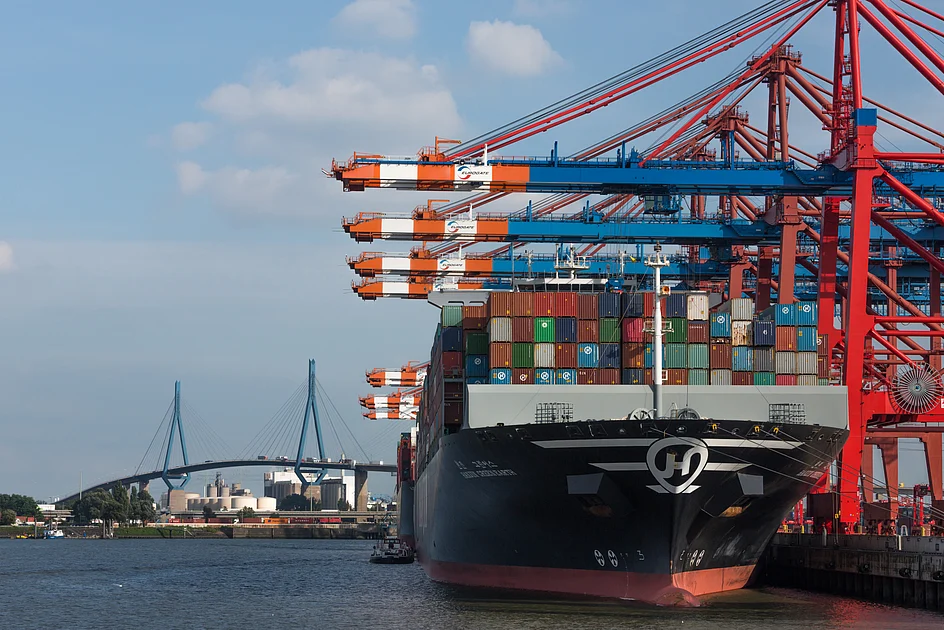
    The report highlights concerning trade dynamics, with global trade growth expected to decline significantly from 4.2% in 2025 to 2.3% in 2026 as tariff implementations dampen investment and consumer activity. Persistent trade policy uncertainty continues to hinder prospects for substantial recovery.

    Inflation projections indicate a gradual return to central bank targets across most major economies by mid-2027. The United States may experience a mid-2026 inflation peak due to tariff effects before subsequent easing, while China and select emerging markets could see modest inflation increases as production capacity normalizes.

    Monetary policy is expected to remain accommodative, with most central banks maintaining or reducing borrowing costs throughout the coming year. The Federal Reserve is projected to implement moderate rate cuts by late 2026, assuming no unexpected inflation surges from trade measures.

    The OECD concludes that while current economic resilience is noteworthy, the coexistence of AI-driven optimism and trade policy uncertainties creates a fragile balance that requires careful monitoring and international cooperation to sustain global growth.

  • Trump vowed fewer regulations and lots more oil. He’s delivered on one.

    Trump vowed fewer regulations and lots more oil. He’s delivered on one.

    Despite sweeping campaign pledges to dramatically expand U.S. fossil fuel production, President Donald Trump’s first year in office has yielded mixed results for the energy sector. While the administration has successfully dismantled numerous environmental regulations and delivered substantial tax benefits to oil companies, actual production increases have remained modest and failed to generate promised job growth or consumer price reductions.

    Energy economists report that current oil output of approximately 13.9 million barrels per day represents only a slight increase from the record 13.4 million barrels achieved during the Biden administration. This incremental growth stems primarily from improved operational efficiency rather than new drilling initiatives. Meanwhile, crude prices have declined from $75 to below $60 per barrel since Trump took office.

    The administration’s policy approach has produced significant contradictions. While implementing tariffs that raised costs for essential drilling materials like steel and aluminum, Trump simultaneously signed legislation delivering nearly $6 billion in annual tax breaks to major fossil fuel companies. His administration has opened millions of acres in Alaska’s Arctic National Wildlife Refuge to drilling and moved to strike down pollution controls on power plants and industrial facilities.

    Consumer energy costs have moved contrary to Trump’s campaign promises. Gasoline prices averaged $3.069 per gallon—virtually unchanged from year-ago levels—while household electricity bills have increased 11% nationally. Environmental groups estimate the repeal of climate regulations could add 22-32 billion metric tons of greenhouse gases to the atmosphere by 2055, with associated health and economic consequences.

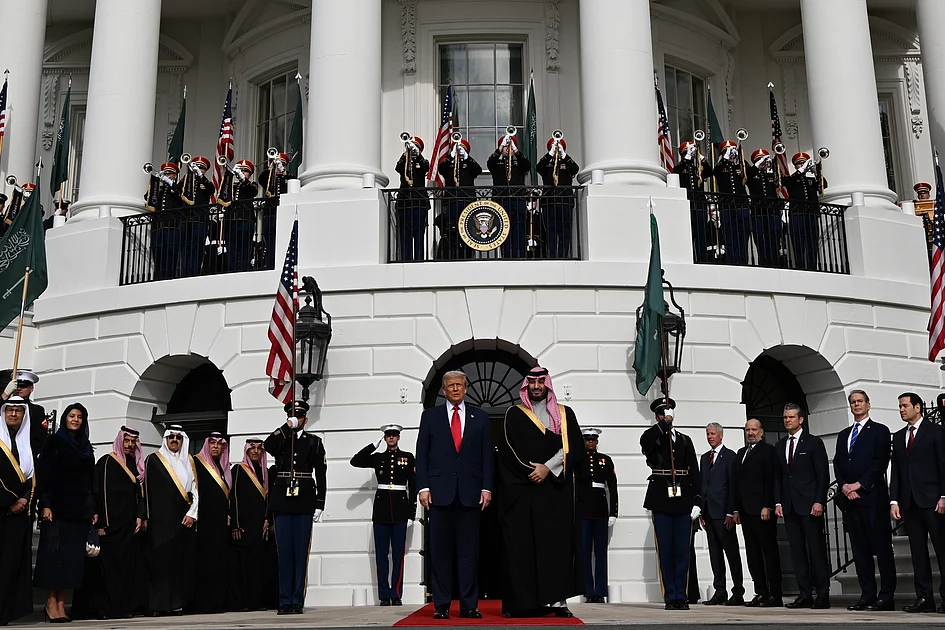
    The international dimension reveals further complexity. While hosting Saudi Arabia’s Crown Prince Mohammed bin Salman and striking deals for foreign purchases of U.S. liquefied natural gas, the administration has simultaneously worked to thwart global climate agreements. This occurs even as Saudi Arabia pursues its own economic diversification away from oil.

    Energy analysts characterize the investment climate as uncertain and confusing for industry players. While acknowledging the administration’s rhetorical support for energy dominance, experts note that tangible benefits for both industry and consumers have remained marginal at best, with the most significant impact being the systematic dismantling of previous climate policies.

  • Pope Leo leads mass for 150,000 worshippers in Beirut

    Pope Leo leads mass for 150,000 worshippers in Beirut

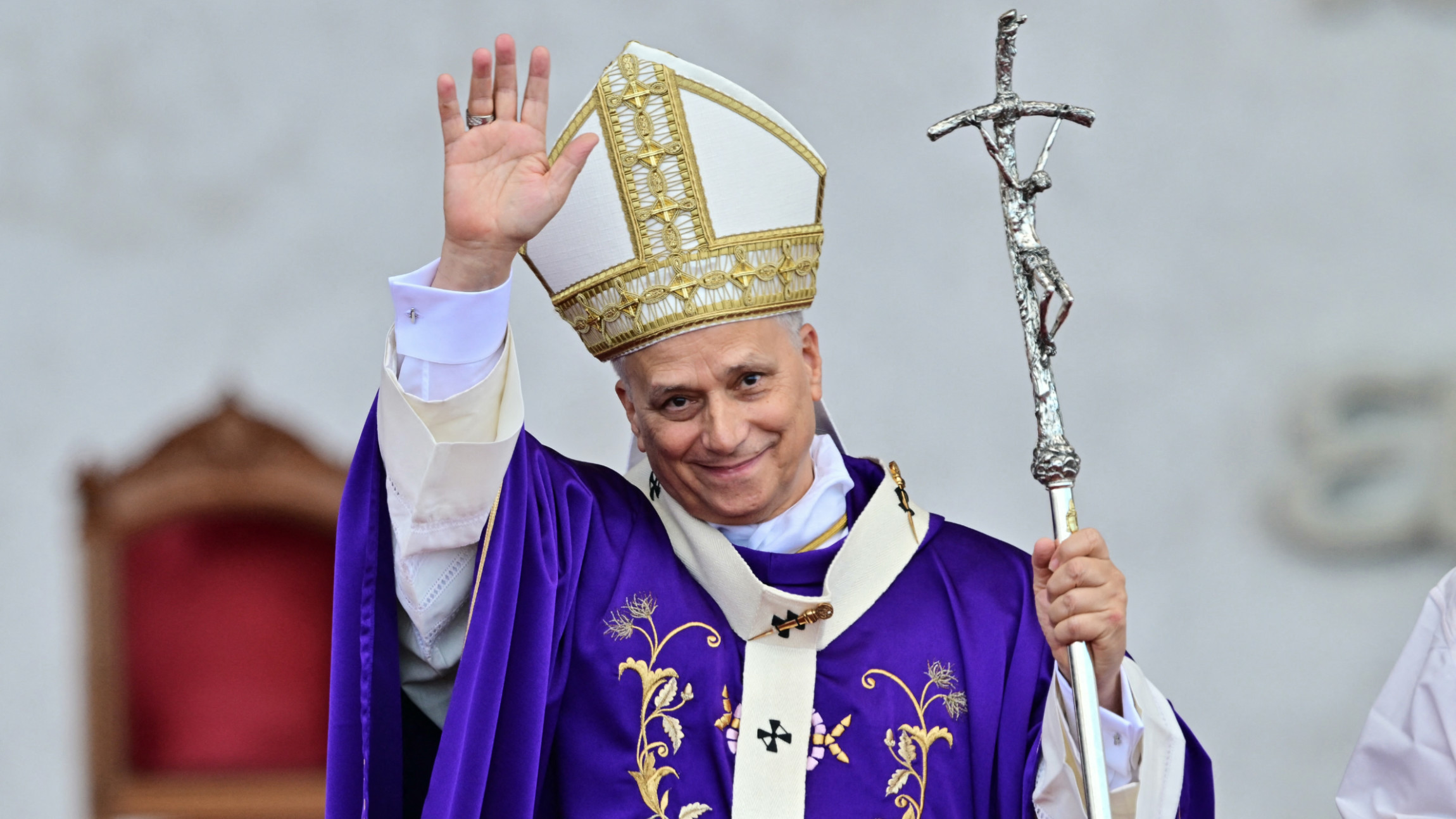
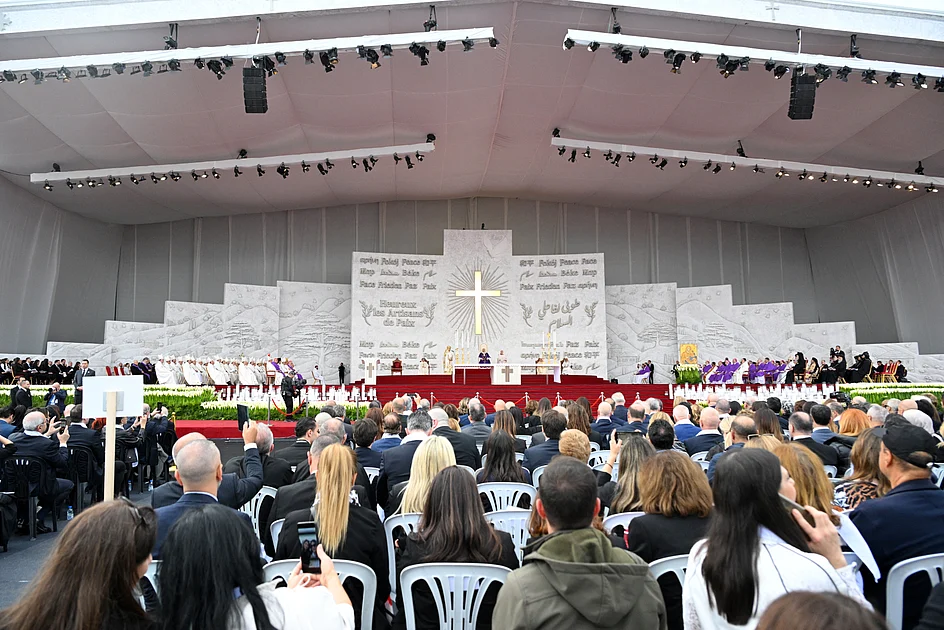
    BEIRUT – In a historic culmination of his first international pilgrimage, Pope Leo XIV delivered a stirring appeal for national reconciliation to Lebanon’s fractured communities during a massive waterfront mass attended by approximately 150,000 faithful.

    The pontiff’s three-day visit, which began in Turkey before concluding in Lebanon, transformed into a diplomatic mission addressing the nation’s profound political paralysis, economic collapse, and sectarian divisions. Speaking before a diverse audience comprising Lebanon’s highest officials, international visitors, and migrant workers, Leo emphasized that “armed struggle brings no benefit” while championing negotiation and dialogue as constructive alternatives.

    The emotional apex of the journey occurred earlier at Beirut’s port, where the Pope conducted a solemn memorial at the site of the catastrophic 2020 chemical explosion that killed 220 people. After laying a floral wreath and lighting a lamp amidst the haunting backdrop of ruined grain silos, he comforted 60 survivors and bereaved relatives, presenting each with a rosary while acknowledging their ongoing pursuit of justice.

    “I carry with me the pain, and the thirst for truth and justice, of so many families, of an entire country,” the pontiff reflected before departing.

    The visit produced striking moments of symbolic unity as Hezbollah’s al-Mahdi Scouts joined multireligious crowds in welcoming the Pope with Vatican flags alongside portraits of their slain leader Hassan Nasrallah. Despite the festive atmosphere in Beirut’s southern suburbs—heavily damaged during recent conflicts—Israeli military operations continued unabated in southern Lebanon, underscoring the urgent need for intervention that residents had hoped the papal visit might inspire.

    In his final address, Pope Leo specifically encouraged Levantine Christians to remain “artisans of peace” while calling upon the international community to intensify reconciliation efforts across the Middle East.

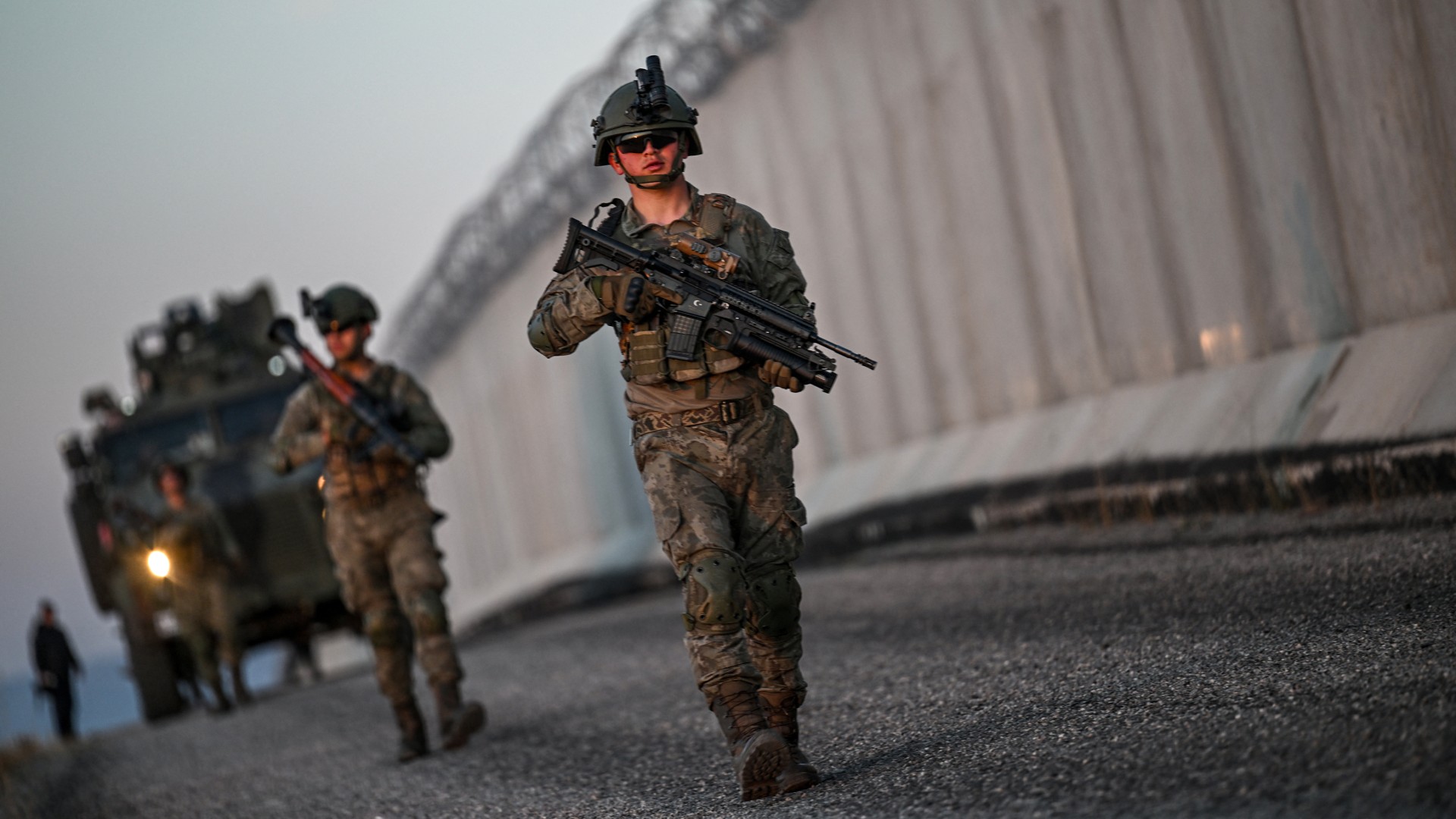
  • Israel-Turkey rift dampens Gaza force plans as allies get cold feet

    Israel-Turkey rift dampens Gaza force plans as allies get cold feet

    Diplomatic efforts to establish a United Nations-mandated international stabilization force for Gaza have reached an impasse due to escalating tensions between Israel and Turkey, according to sources familiar with the negotiations. The United States, tasked with coordinating the multinational effort, faces significant challenges in bridging the divide between these key regional powers.

    The UN Security Council previously approved the creation of a peacekeeping contingent with preliminary support from several nations including Turkey, Qatar, Egypt, the UAE, Saudi Arabia, Indonesia, Pakistan and Jordan. However, implementation has stalled as Israel maintains its firm opposition to Turkish military presence in Gaza, despite Ankara’s readiness to deploy approximately 2,000 experienced peacekeeping personnel.

    The diplomatic deadlock has created a domino effect, with multiple nations reconsidering their participation. Saudi Arabia, Azerbaijan, Pakistan and Indonesia have indicated reluctance to contribute troops without Turkish involvement, while the UAE has formally declined participation citing insufficient operational framework. Emirati officials expressed concerns that Qatari and Turkish involvement could potentially empower groups affiliated with the Muslim Brotherhood and Hamas in reconstruction efforts.

    Complicating matters further, Turkey’s recent issuance of an arrest warrant for Israeli Prime Minister Benjamin Netanyahu on charges of crimes against humanity has exacerbated tensions during sensitive negotiations. This development follows Israel’s previous blockage of Turkish search and rescue teams from entering Gaza and ongoing trade restrictions imposed since spring 2024.

    The proposed stabilization force, envisioned to comprise between 15,000-20,000 troops organized into three brigades, now faces an uncertain timeline. While some US officials target deployment by early 2026, others suggest operations might commence as early as January, though participation arrangements remain highly fluid. The UAE has indicated it will instead focus on humanitarian aid and supporting local governance structures in Gaza.

  • Samsung unveils first multi-folding phone as competition set to heat up

    Samsung unveils first multi-folding phone as competition set to heat up

    Samsung Electronics has officially unveiled its groundbreaking Galaxy Z TriFold smartphone, marking the company’s entry into the multi-folding device segment. The South Korean technology giant introduced the innovative device on Tuesday, December 2, 2025, as competition in the foldable smartphone market intensifies.

    The Galaxy Z TriFold represents a significant technological advancement with its three-panel design that unfolds into an expansive 253.1 millimeter (10-inch) display, providing approximately 25% more screen real estate than Samsung’s current Galaxy Z Fold 7 model. Priced at 3.59 million won ($2,440.17), the device incorporates Samsung’s largest battery ever featured in flagship models and supports super-fast charging capabilities that can reach 50% capacity within just 30 minutes.

    Manufactured in South Korea, the Galaxy Z TriFold will debut in domestic markets on December 12, 2025, with subsequent releases planned for China, Singapore, Taiwan, and the United Arab Emirates before year-end. United States consumers can anticipate availability beginning in the first quarter of 2026.

    Industry analysts perceive Samsung’s multi-folding debut as primarily a technological demonstration rather than a volume-driven product. Ryu Young-ho, senior analyst at NH Investment Securities, noted that as a first-generation commercialized trifold design, Samsung will likely maintain conservative production volumes while assessing market reception and addressing potential durability concerns.

    The foldable smartphone market continues to face growth constraints despite increasing competition, with Huawei launching the industry’s first three-way folding device in September 2025 and Apple expected to enter the segment next year. According to Counterpoint Research, foldables are projected to constitute less than 2% of total smartphone market share in 2025, potentially reaching under 3% by 2027.

    Counterpoint data revealed Samsung’s foldable market shipment share experienced dramatic fluctuation, jumping from 9% to 64% between the second and third quarters of 2025, highlighting the market’s nascent stage and sensitivity to product launch timing. The research firm anticipates 14% market growth this year, accelerating to approximately 30% annual growth in 2026 and 2027 as Apple’s entry brings renewed attention to the category.

  • Look: Pope Leo visits site of Beirut port blast, holds mass

    Look: Pope Leo visits site of Beirut port blast, holds mass

    BEIRUT – In a profound gesture of solidarity, Pope Leo XIV concluded his inaugural international pilgrimage with a massive outdoor mass attended by approximately 150,000 congregants on Beirut’s waterfront Tuesday. The spiritual gathering marked the culmination of a three-day visit to Lebanon, a nation grappling with multifaceted crises.

    The pontiff’s itinerary included a solemn visit to the Beirut port explosion site, where he offered silent prayers and met with relatives of victims still seeking justice for the August 4, 2020 catastrophe that killed over 220 people. The disaster, one of history’s largest non-nuclear explosions, resulted from improperly stored ammonium nitrate that authorities had repeatedly warned about.

    Earlier in his visit, the Pope received an enthusiastic reception from thousands of Lebanese youth at Bkerke, headquarters of the Maronite Church. He implored the young generation to harness their enthusiasm to ‘change the course of history’ and build ‘a new future’ for their beleaguered nation.

    The visit provided a temporary respite for citizens like Yasmine Chidiac, who noted the papal visit ‘has brought a smile back to our faces.’ Many Lebanese remain traumatized by recent conflicts with Israel and fear renewed hostilities, making the spiritual leader’s message of hope particularly significant.

    Security measures intensified throughout the capital, with authorities establishing checkpoints and restricting access to central Beirut areas where papal events were held. The Pope also visited a psychiatric hospital operated by nuns and convened an interreligious meeting with Christian and Muslim leaders, urging collective action against intolerance and violence.