GE Healthcare, a leading medical device manufacturer, is reportedly considering the sale of a stake in its China unit, according to a Bloomberg News report on September 18, 2025. The potential transaction could value the assets at several billion dollars, though discussions remain in preliminary stages, and no definitive decisions have been reached. A company spokesperson declined to comment on market rumors but reiterated GE Healthcare’s commitment to serving patients in China, one of the world’s largest healthcare markets. The move comes amid growing challenges for U.S. companies in China, including political tensions, intense domestic competition, and slowing economic growth. A recent survey by the American Chamber of Commerce in Shanghai revealed that U.S. companies’ five-year business outlook in China has plummeted to a record low of 41%. GE Healthcare has faced significant hurdles in the region, with a 15% decline in revenue in 2024 attributed to weakened sales and tariff impacts. In July 2025, the company’s CFO indicated plans to shift production capacity to more tariff-friendly locations. Despite these challenges, GE Healthcare’s shares rose 1.4% in premarket trading following the news.
标签: Asia
亚洲
-
Instant view: Nvidia’s $5 billion bet on Intel
In a significant move within the semiconductor industry, Nvidia announced on Thursday a $5 billion investment in Intel, bolstering the struggling U.S. chip foundry. This decision comes weeks after the White House facilitated a deal for the U.S. government to acquire a substantial stake in Intel. The investment marks a pivotal moment for Intel, which has faced challenges in its turnaround efforts despite its storied history in the tech sector. Following the announcement, Intel’s shares surged by 30% in premarket trading. Analysts view Nvidia’s move as less about financial impact and more about strategic influence. Matt Britzman, Senior Equity Analyst at Hargreaves Lansdown, noted that the investment provides Intel with both financial and strategic support, though it falls short of a complete solution for Intel’s foundry business, which continues to struggle against competitors like TSMC. For Nvidia, the investment aligns with U.S. policy objectives, potentially easing restrictions on selling advanced chips to China and signaling a shift in industry dynamics. Art Hogan, Chief Market Strategist at B Riley Wealth, emphasized that while the deal must still pass regulatory approval, it represents a positive step for U.S. manufacturing. The partnership underscores the geopolitical undertones of the semiconductor industry, with both companies aiming to strengthen their positions in a highly competitive market.
-
Nvidia bets big on Intel with $5 billion stake and chip partnership
In a landmark move, Nvidia has announced a $5 billion investment in Intel, solidifying its position as one of the largest shareholders in the U.S. chipmaker. This strategic partnership, unveiled on September 18 in San Francisco, comes weeks after the U.S. government acquired a 10% stake in Intel, signaling a concerted effort to bolster domestic semiconductor capabilities. The collaboration aims to enhance AI and computing technologies, posing a significant challenge to industry giants like TSMC and AMD. Nvidia’s investment, priced at $23.28 per share, reflects confidence in Intel’s potential despite its recent struggles. The deal excludes Intel’s foundry business but focuses on joint development of PC and data center chips, leveraging Nvidia’s proprietary technology for faster chip-to-chip communication. This alliance could reshape the competitive landscape, particularly in AI servers, where Nvidia and Intel’s combined offerings may outpace rivals like AMD and Broadcom. Intel’s CEO, Lip-Bu Tan, has pledged to streamline operations and align factory capacity with demand. The partnership underscores a broader trend of U.S. tech firms uniting to counter global competition, with Nvidia and Intel poised to drive innovation in the next era of computing.
-
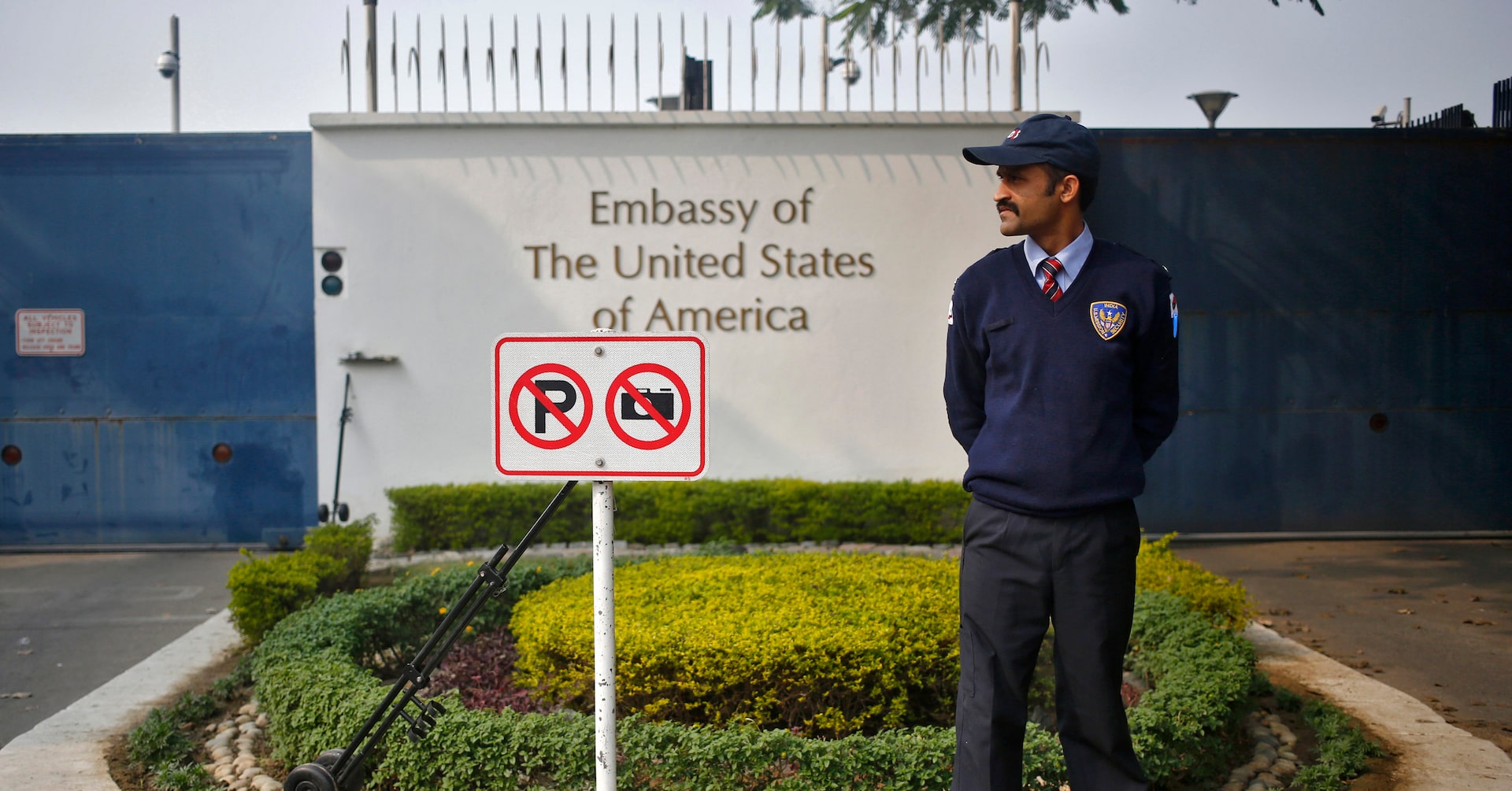
US embassy in India says it revoked, denied visas over fentanyl links
The U.S. Embassy in New Delhi has taken decisive action against certain Indian business executives and corporate leaders by revoking or denying their visas. This move comes in response to their alleged involvement in trafficking fentanyl precursors, as confirmed by the embassy in an official statement released on Thursday. Fentanyl precursors are the essential chemicals used in the production of fentanyl, a potent synthetic opioid responsible for a significant public health crisis in the United States. The embassy did not disclose the identities of the individuals affected by this visa action, maintaining confidentiality in line with its protocols. This development underscores the U.S. government’s intensified efforts to combat the global fentanyl trade and its supply chain. The decision also highlights the growing scrutiny of international business leaders linked to activities that contribute to the opioid epidemic. The embassy’s statement serves as a stern reminder of the legal and diplomatic consequences for those involved in such illicit activities.
-

Trump trade war fallout hits Argentine soy crushers despite export boom
The U.S.-China trade war has had unexpected repercussions in Argentina, where the country’s soy crushing industry is facing significant challenges despite record-high soybean exports. According to recent reports, Argentina’s soybean sales to China have surged to a six-year high, driven by Beijing’s search for alternatives to U.S. soybeans. However, this export boom has led to a shortage of raw beans for local processors, causing idle capacity in crushing facilities to rise to 31% in July, with further increases since then. Gustavo Idigoras, president of the CIARA-CEC grain exporters and processors chamber, expressed concern over the situation, stating that the trade war has harmed Argentina by reducing jobs and export value. He also noted that the surplus of soybeans in the U.S. has intensified competition for Argentine soymeal in Southeast Asia. While exports of unprocessed soybeans from the 2024/25 harvest have reached 8.81 million metric tons, nearly double the previous season, the future of Argentina’s soybean exports remains uncertain, hinging on the outcome of U.S.-China trade negotiations. All eyes are on November, when the current trade waiver between the two nations expires.
-

U.S. may ease India tariffs, India’s chief economic adviser says
In a significant development for U.S.-India trade relations, India’s Chief Economic Adviser V. Anantha Nageswaran has expressed optimism that the U.S. may soon eliminate the punitive 25% import tariff on Indian goods and reduce reciprocal tariffs to 10-15%. Speaking at an event in Kolkata on Thursday, Nageswaran stated, ‘My personal confidence is that in the next couple of months, if not earlier, we will see a resolution to at least the extra penal tariff of 25%.’ He further suggested that the reciprocal tariff of 25% could also be lowered to levels previously anticipated between 10% and 15%. This announcement follows ‘positive’ and ‘forward-looking’ trade discussions between the two nations earlier this week. The talks aimed to address tensions that escalated after former U.S. President Donald Trump imposed punitive tariffs on India for purchasing Russian oil, doubling overall tariffs to 50% in August. Trump and Indian Prime Minister Narendra Modi recently held a phone conversation, during which Trump thanked Modi for his efforts in resolving the Russia-Ukraine conflict. While no specific agreements were disclosed, the call signaled a potential thaw in bilateral relations, which had been strained in recent months. Indian stock markets responded positively to Nageswaran’s comments, with the benchmark Nifty 50 index reaching one-week highs and its highest close since July 9.
-
Morning Bid: Wall St rallies after post-Fed hesitation
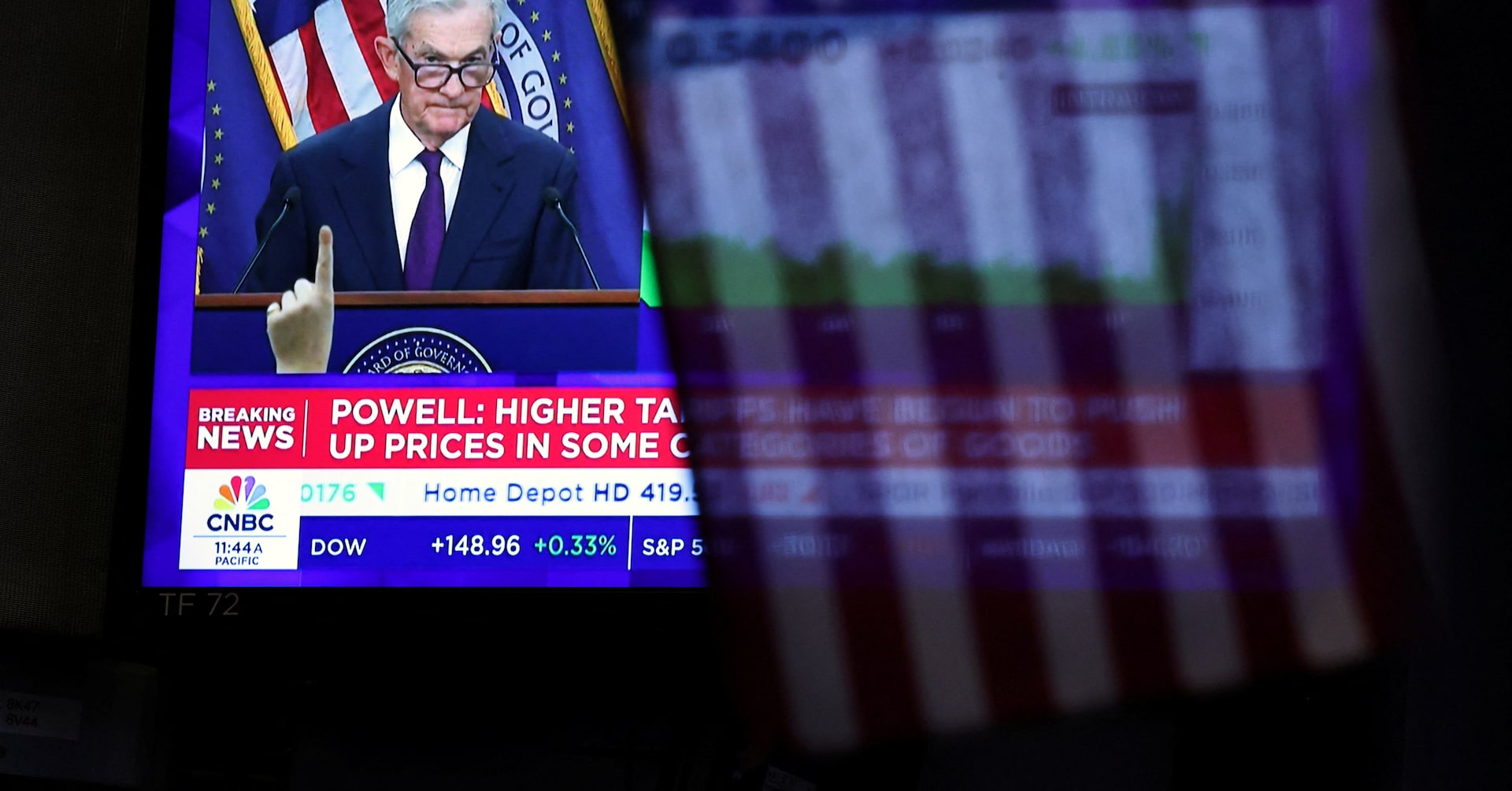
The U.S. Federal Reserve’s decision to implement its first interest rate cut of 2025 sent ripples through global markets, sparking a mix of reactions across financial sectors. While the initial announcement led to a stumble in U.S. markets, stock futures rebounded sharply ahead of Thursday’s trading session as Fed Chair Jerome Powell signaled a cautious approach to further easing. The dollar and Treasury yields experienced significant fluctuations, with the greenback hitting a multi-year low before recovering. Powell emphasized a risk-management strategy, noting that while the median projection among Fed policymakers suggests two additional cuts this year and one in 2026, a third of officials oppose further easing in 2025, and nearly half anticipate only one more cut or none at all. This divergence has left markets uncertain, with Fed futures pricing in an 85% chance of a 25-basis-point cut in October and only 44 basis points of easing for the remainder of the year. The Nasdaq and S&P 500 both dipped on Wednesday, partly due to Nvidia’s 3% decline following reports of Chinese regulators urging domestic tech firms to halt purchases of Nvidia’s AI chips. However, optimism returned as Chinese officials expressed willingness to engage in dialogue, and tech stocks like Oracle and Lyft surged on positive news. Meanwhile, global central banks are also in focus, with the Bank of Canada cutting rates as expected and the Bank of England’s decision on quantitative tightening drawing attention. The Bank of Japan is expected to hold rates but hint at future hikes, adding to the complexity of global monetary policy. As markets brace for further volatility, the Fed’s rate-cutting cycle stands in contrast to other central banks winding down their easing measures, signaling potential turbulence ahead.
-
Taiwan central bank raises growth forecast, warns of tariff risks
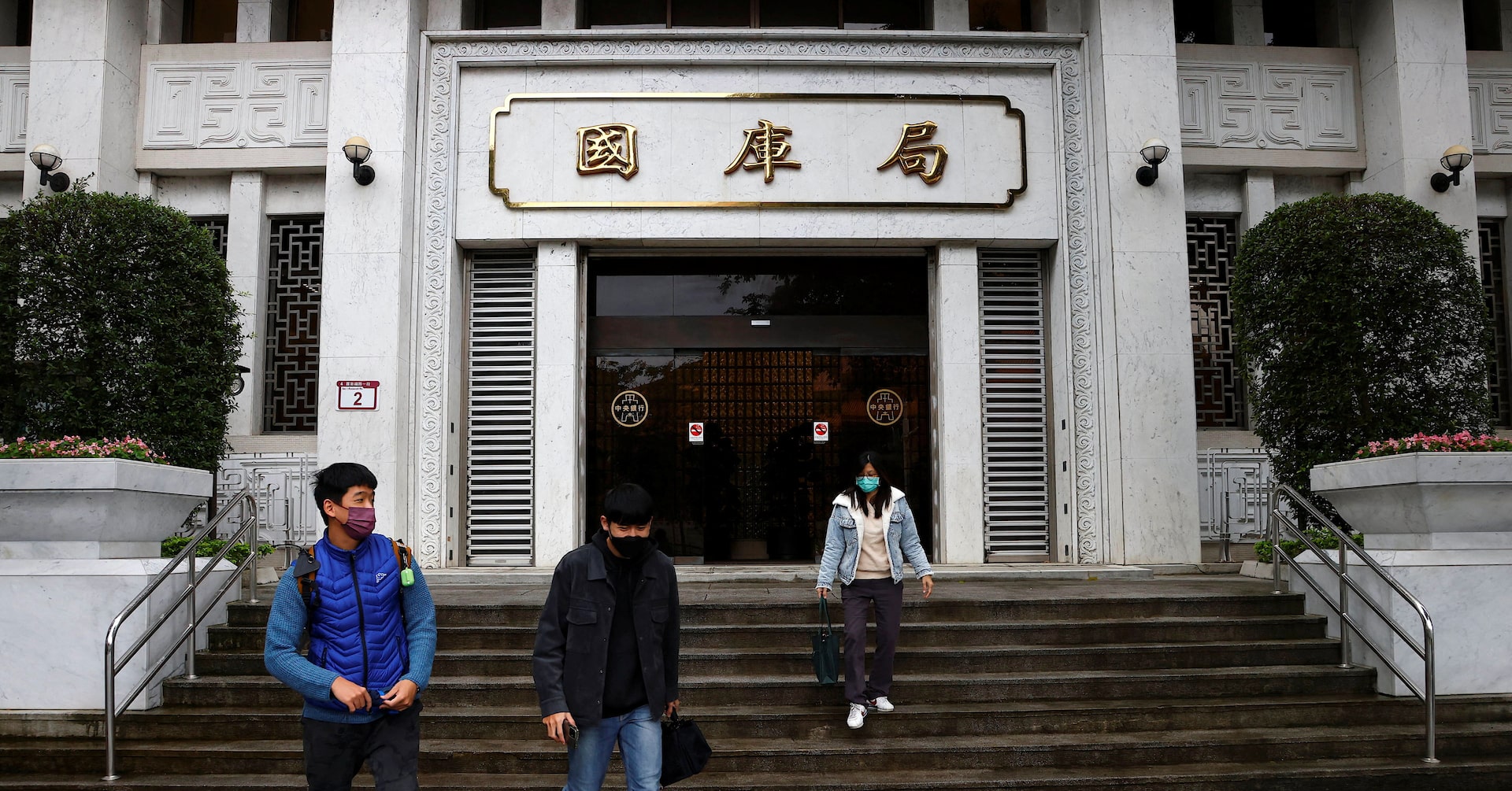
In a significant move, Taiwan’s central bank has decided to maintain its benchmark discount rate at 2% during its quarterly meeting, aligning with market expectations. The decision, made unanimously, reflects the bank’s cautious optimism about the island’s economic trajectory. Governor Yang Chin-long highlighted the unique nature of this year’s economic growth, driven largely by booming exports, particularly in the semiconductor sector, which has been pivotal in powering the global AI boom. Companies like Nvidia have benefited immensely from Taiwan’s advanced chip production, bolstering the local economy. However, Yang expressed concerns over the potential adverse effects of U.S. tariffs, which could necessitate adjustments in monetary policy. The central bank has revised its 2025 economic growth forecast upward to 4.55%, up from 3.05% in June, but anticipates a slowdown to 2.68% in the following year. Additionally, the bank has trimmed its consumer price index forecast for this year to 1.75%, with inflation expected to ease further to 1.66% next year. The bank remains vigilant, closely monitoring developments in U.S. tariffs and geopolitical risks, which could significantly impact Taiwan’s competitive edge. This rate decision follows the U.S. Federal Reserve’s recent rate cut, the first since December, amid concerns over rising unemployment.
-

Gold gains on softer dollar after Fed delivers rate cut
Gold prices experienced a notable uptick on Thursday, driven by a weakening dollar and the U.S. Federal Reserve’s decision to cut interest rates by 25 basis points. The Fed’s move, coupled with its indication of a gradual easing path for the remainder of the year, has significantly bolstered the appeal of the precious metal. Spot gold rose by 0.2% to $3,668.34 per ounce, following a record high of $3,707.40 on Wednesday. U.S. gold futures for December delivery, however, saw a slight decline of 0.4% to $3,703. The dollar, which had recently gained strength, retreated to near a two-month low, making gold more affordable for holders of other currencies. Concurrently, benchmark 10-year Treasury yields also decreased. Market analysts attribute the rise in gold prices to the dollar’s resumed weakness and the Fed’s dovish stance, which suggests two additional rate cuts this year. Fed Chair Jerome Powell described the rate cut as a ‘risk-management measure’ in response to a softening labor market, emphasizing a ‘meeting-by-meeting’ approach to future rate decisions. Gold, a non-yielding asset, is traditionally seen as a safe haven during periods of geopolitical and economic uncertainty, and it tends to thrive in low-interest-rate environments. Analysts, including Ross Norman, an independent market expert, believe that gold’s bull run remains robust, with record highs likely to persist. Traders are currently anticipating a 90% chance of another 25-basis point cut at the Fed’s October meeting, according to the CME Group’s FedWatch tool. ANZ Bank also predicts that gold will outperform early in the easing cycle, citing increased demand for haven assets amid a challenging geopolitical landscape. Meanwhile, other precious metals showed mixed performance, with spot silver rising 0.4% to $41.84 per ounce, platinum gaining 1.5% to $1,383.60, and palladium declining 0.7% to $1,146.55 per ounce.
-
India’s stock benchmarks hit 10-week highs on Fed rate cut, optimism over US trade talks
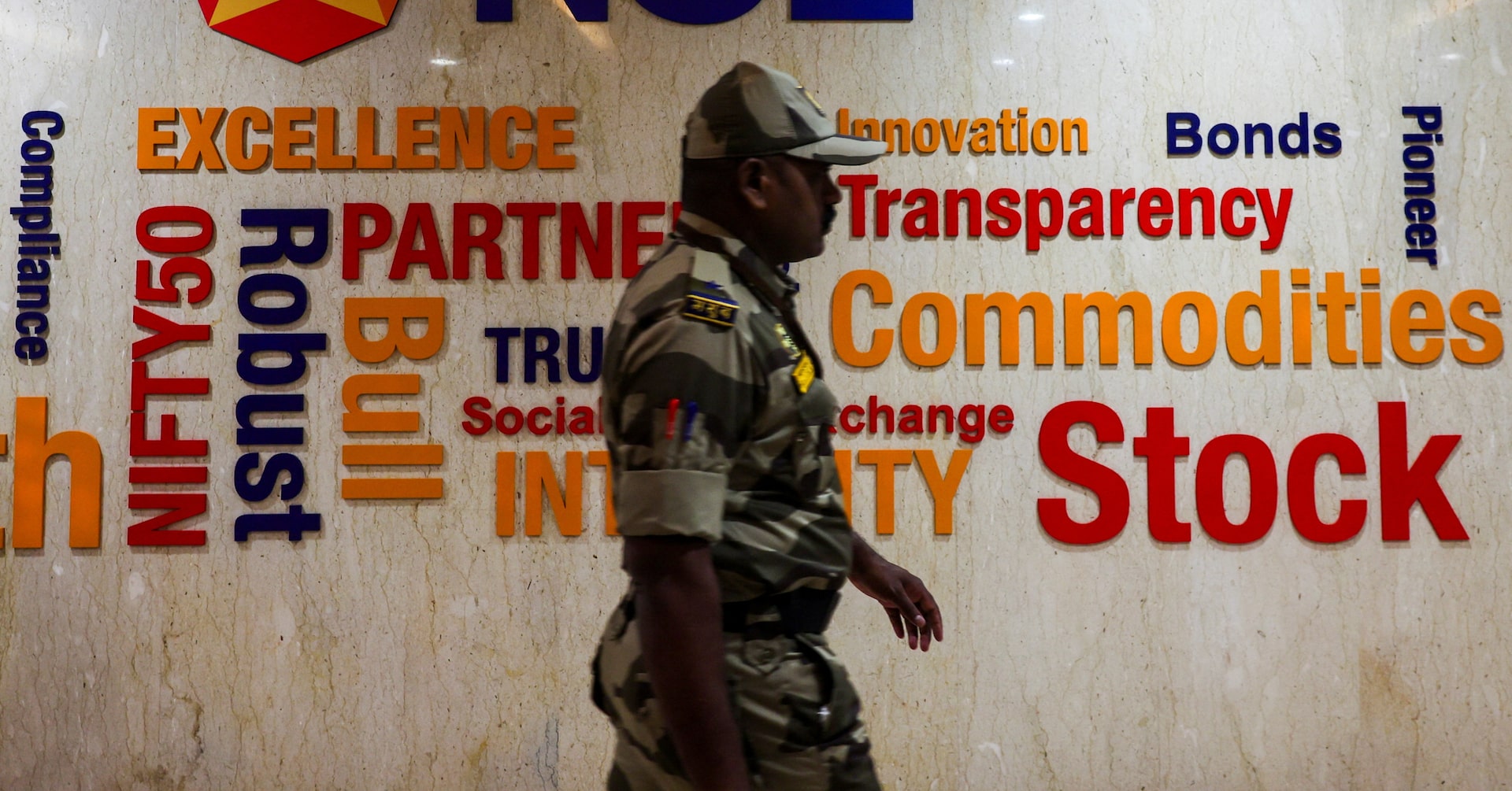
India’s stock market surged to a 10-week high on Thursday, driven by gains in IT and pharmaceutical sectors. The rally followed the U.S. Federal Reserve’s decision to implement a quarter-point rate cut and indications of easing trade tensions. The Nifty 50 index climbed 0.37% to 25,423.60, while the BSE Sensex rose 0.39% to 83,013.96. IT and pharmaceutical stocks, which derive significant revenue from the U.S., saw notable increases of 0.8% and 1.5%, respectively. Biocon and Natco Pharma further boosted the pharma index with gains of 4% and 3.3%, supported by favorable regulatory developments in the U.S. Twelve out of 16 major sectors recorded gains, with small-cap and mid-cap indices adding 0.3% and 0.4%, respectively. The Fed’s rate cut, its first this year, has sparked optimism among investors, though uncertainty remains about the pace of future monetary easing. Market analyst Om Ghawalkar noted that the decision could attract foreign institutional investments and bolster investor confidence. Additionally, chief economic advisor V. Anantha Nageswaran hinted at potential reductions in U.S. tariffs on certain Indian imports, further supporting market sentiment. The Nifty 50 has closed in positive territory in 11 of the last 12 sessions, now trading just 3.25% below its September 2024 peak. However, Cohance Lifesciences saw a 5.6% decline after a block deal involving an 8.9% stake at a discounted price.