标签: Asia

亚洲

  • ‘My joy was shattered’: Journalist grieves killing of third son as ceasefire arrives too late

    ‘My joy was shattered’: Journalist grieves killing of third son as ceasefire arrives too late

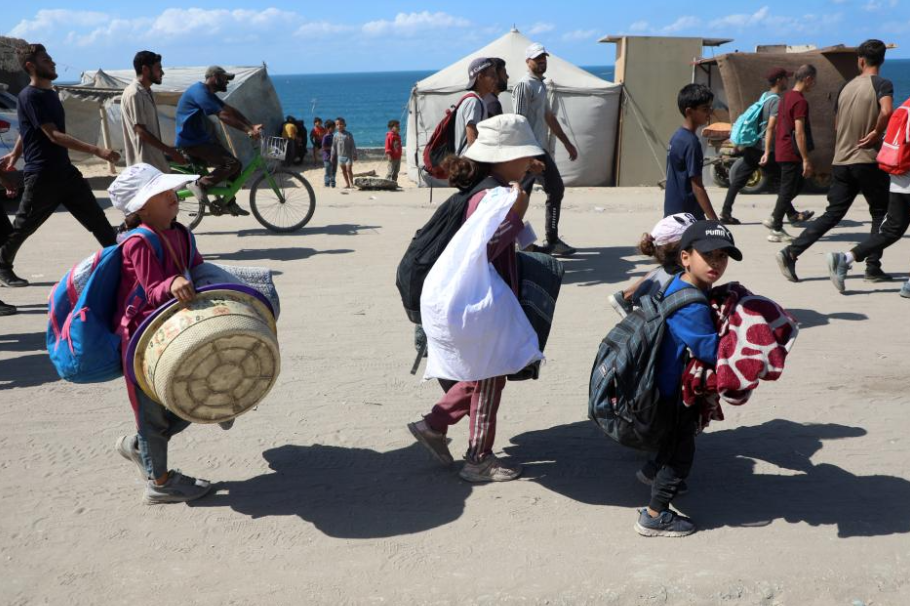
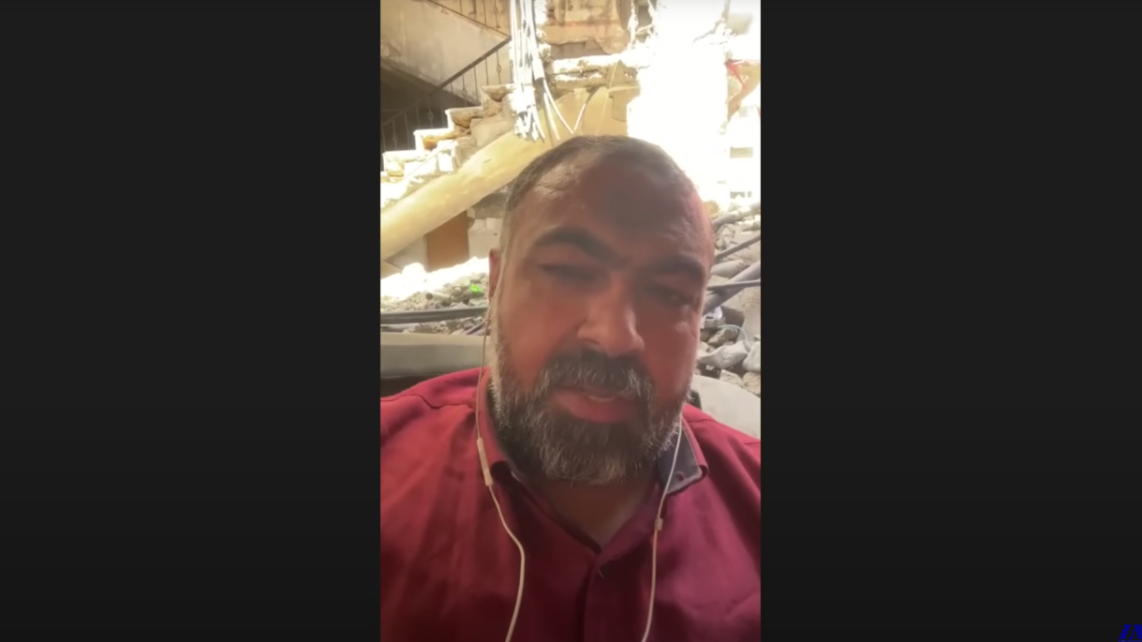
    The announcement of a ceasefire in Gaza, intended to bring relief to war-torn communities, instead marked another devastating loss for journalist Motasem Dalloul. Just hours after U.S. President Donald Trump declared the end of hostilities, Dalloul received the heart-wrenching news that his 21-year-old son, Ibrahim, had been killed by Israeli forces while searching for food. This tragedy marks the third son Dalloul has lost since the onset of what he describes as the ‘genocide in Gaza.’

    Dalloul, a prominent journalist, has remained steadfast in Gaza City throughout the two-year conflict, refusing to evacuate despite repeated Israeli threats and invasions. His family has been displaced 13 times, most recently living in a tent in the al-Rimal neighborhood. The relentless violence has left them grappling with unimaginable hardships, including famine and the destruction of their home and livelihood.

    On the day before the ceasefire, Ibrahim and his friends ventured south in search of food, driven by unbearable hunger and the hope of earning money by selling goods in the north. However, their journey ended in tragedy near the al-Nabulsi roundabout, where Israeli forces opened fire. The exact circumstances of the attack remain unclear, but the loss has left Dalloul and his family shattered.

    Dalloul’s grief is compounded by the memories of his wife, Riham, and their two-year-old son, Abu Bakr, who were killed in an Israeli bombing last year while waiting for flour. Three months later, his son Yehya was fatally shot by an Israeli tank as they searched the rubble of their destroyed home. Dalloul’s pain is palpable as he reflects on the loss of his loved ones and the destruction of his family’s future.

    Despite the ceasefire, Dalloul emphasizes that the suffering in Gaza continues. The region’s infrastructure lies in ruins, and basic necessities remain scarce. As the community begins to reckon with their losses, the scars of war run deep. Dalloul’s story is a poignant reminder of the human cost of conflict and the enduring resilience of those who endure it.

  • Trump’s 130% China tariff looks like another TACO moment

    Trump’s 130% China tariff looks like another TACO moment

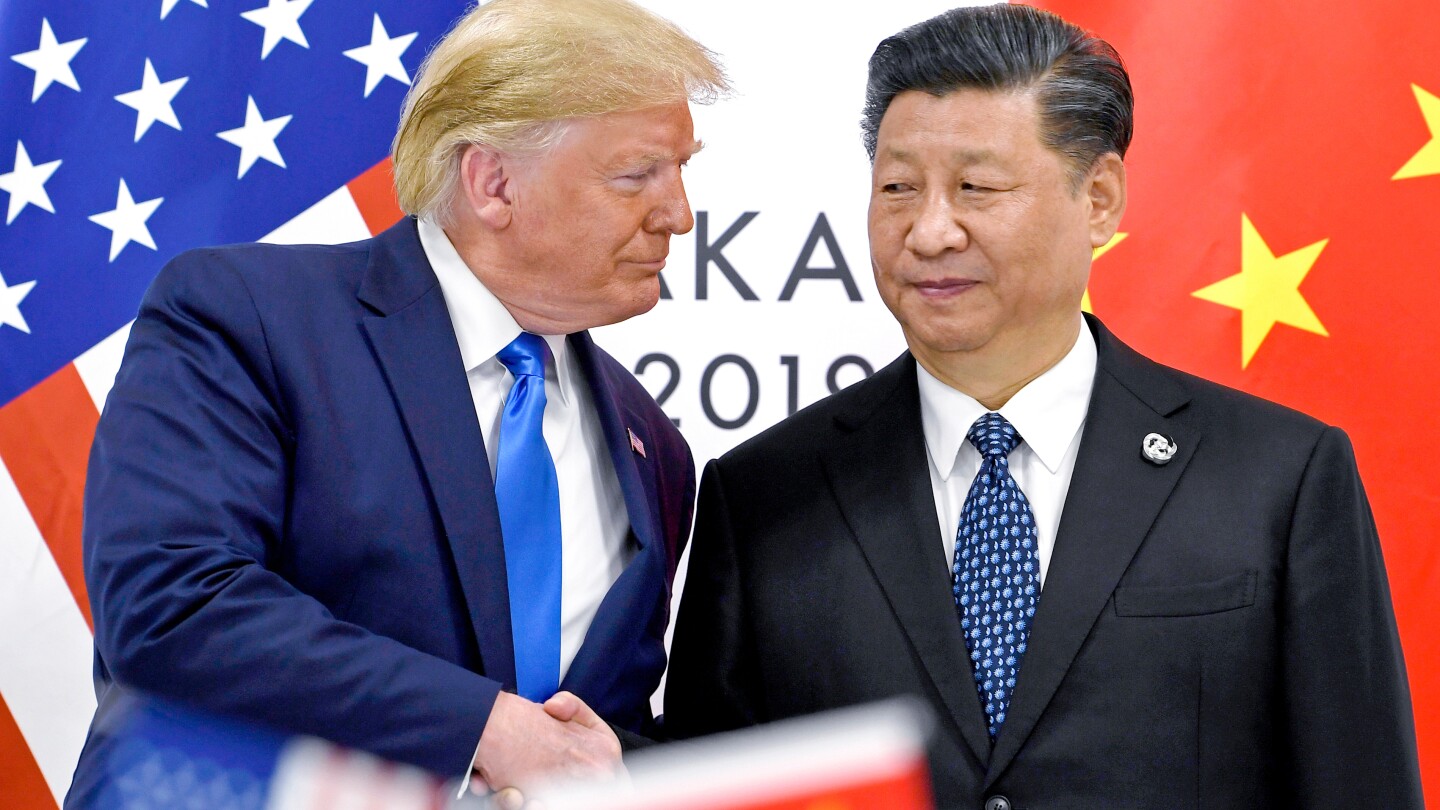
    The global economic landscape is bracing for potential upheaval as former US President Donald Trump proposes a staggering 130% tariff on Chinese imports, escalating the US-China trade war to unprecedented levels. While markets react with alarm, analysts remain skeptical about the likelihood of such a drastic measure being implemented on November 1 as threatened. The imposition of such tariffs between the world’s two largest economies could trigger a global recession, with the combined $45 trillion output of the US and China forming the backbone of international trade. The cessation of commerce between these economic giants would be catastrophic for trade-dependent nations, potentially leading to a near-extinction-level event for their economies. The core issue, however, lies not in the tariff threat itself but in the underlying motivations driving Trump’s aggressive stance. The stated rationale—a response to China’s restrictions on critical mineral exports—appears to mask a broader agenda. Trump’s recent setbacks in trade negotiations with South Korea, Japan, and the European Union have left him increasingly desperate to secure a ‘grand bargain’ with China. Despite his bluster, many view this as a negotiating tactic rather than a genuine policy shift. Goldman Sachs analysts suggest that the ultimate outcome will likely be an extension of the current tariff pause. Meanwhile, Chinese President Xi Jinping appears to hold the upper hand, leveraging Trump’s desperation to his advantage. As the global economy teeters on the brink, the stakes have never been higher, with the potential for renewed volatility and risk repricing looming large.

  • The controversy over the collapsed China spy case explained

    The controversy over the collapsed China spy case explained

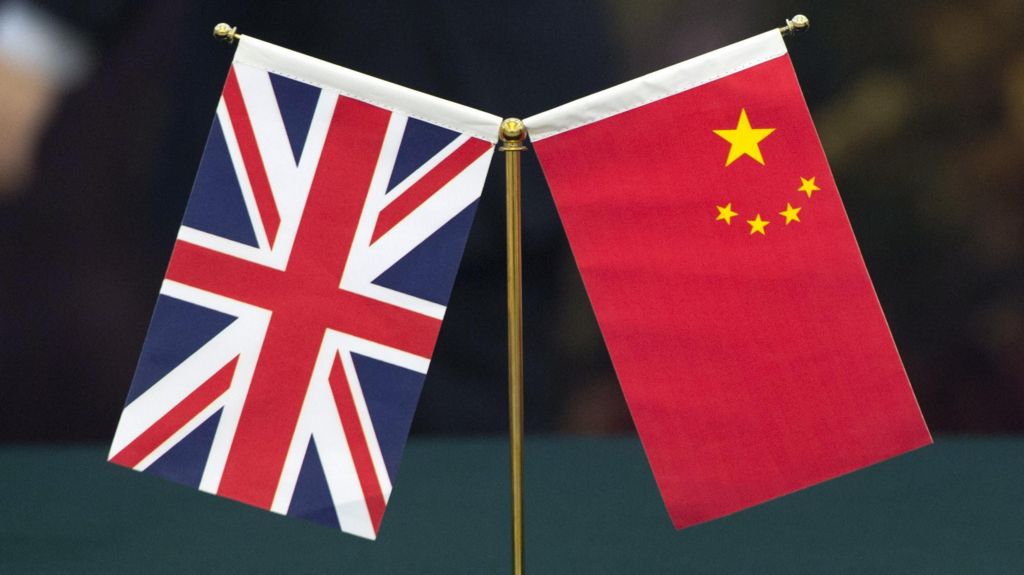
    The UK government is embroiled in a heated political dispute following the unexpected collapse of a high-profile espionage case involving two men accused of spying for China. Christopher Cash, a former parliamentary researcher, and Christopher Berry were charged under the Official Secrets Act in April 2024, accused of gathering and providing sensitive information detrimental to national security between December 2021 and February 2023. However, prosecutors dropped the charges in September, just weeks before the trial was set to begin, citing insufficient evidence. The Crown Prosecution Service (CPS) revealed that critical evidence, including official government designation of China as a ‘national security threat,’ could not be obtained. This development has ignited a blame game between the current Labour government and the previous Conservative administration. Prime Minister Sir Keir Starmer has pointed fingers at the Tories, arguing that the prosecution was based on their stance at the time, which did not label China as a threat. In contrast, Conservative leader Kemi Badenoch has accused the government of deliberately sabotaging the case to appease Beijing, a claim vehemently denied by Downing Street. The case’s collapse has raised concerns about the UK’s approach to China, particularly as the Labour government has sought to strengthen trade ties with Beijing. Critics argue that this incident highlights a potential weakness in addressing national security threats, while the government maintains its policies are aligned with the UK’s interests. The controversy underscores the complexities of UK-China relations and the challenges of balancing economic cooperation with national security concerns.

  • India and Canada reset ties after strain of Sikh leader’s murder

    India and Canada reset ties after strain of Sikh leader’s murder

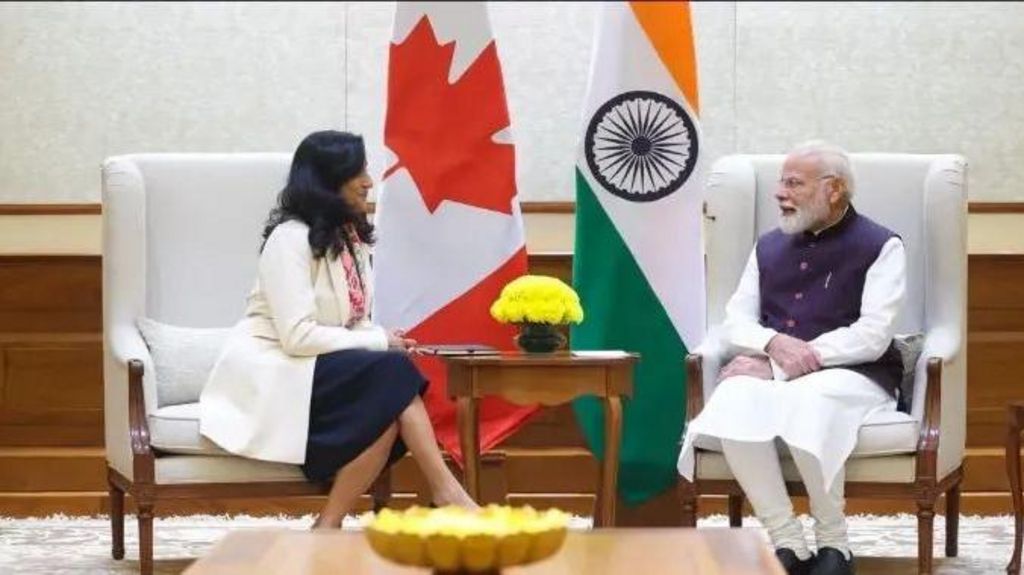
    India and Canada have taken significant steps to mend their strained diplomatic relations during high-level talks in Delhi. The discussions, led by Canadian Foreign Minister Anita Anand and her Indian counterpart S. Jaishankar, alongside Prime Minister Narendra Modi, focused on rebuilding trust and fostering economic collaboration. The relationship between the two nations had deteriorated sharply in 2023 following Canada’s allegations of Indian involvement in the assassination of Sikh separatist leader Hardeep Singh Nijjar, a claim India vehemently denied. The fallout led to visa suspensions and the expulsion of diplomats, creating a diplomatic impasse. However, recent developments under Canadian Prime Minister Mark Carney have signaled a thaw. In June, Carney and Modi met during the G7 summit, and both countries subsequently appointed new high commissioners. The latest talks in Delhi resulted in a joint commitment to resume the Canada–India CEO Forum, aimed at enhancing trade and investment. Anand’s visit also includes meetings with Indian Commerce Minister Piyush Goyal and engagements with business leaders in Mumbai. The two nations emphasized their shared priorities in the Indo-Pacific region, viewing the revival of their partnership as a strategic move to counter global uncertainties. Anand’s subsequent visits to China and Singapore underscore Canada’s broader Indo-Pacific strategy.

  • Why were Israeli flags erected along Hastings’ seafront?

    Why were Israeli flags erected along Hastings’ seafront?

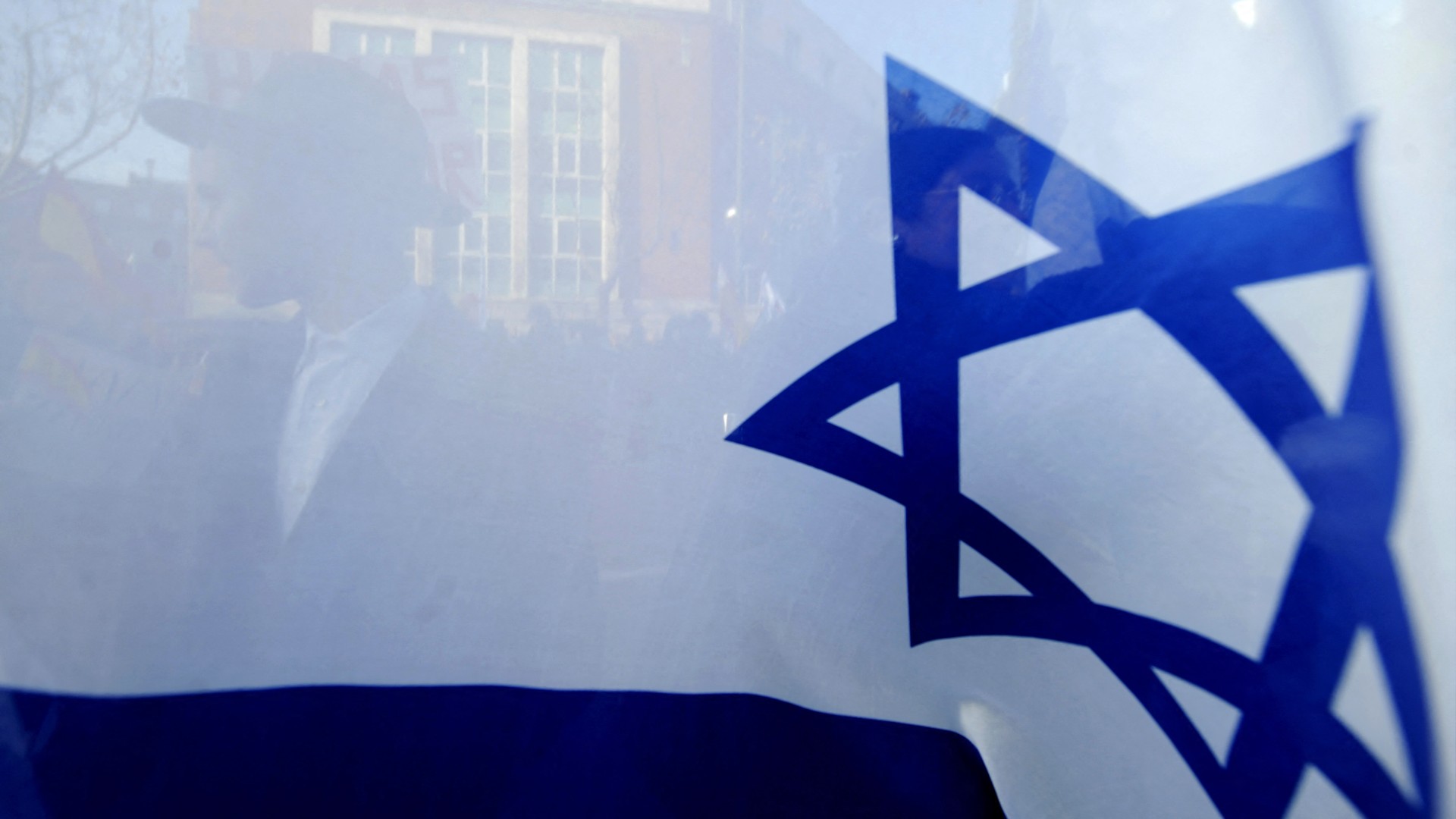
    Residents of Hastings, a coastal town in southern England, were met with an unsettling sight on the morning of October 7: a nearly mile-long stretch of Israeli flags lining the seafront from Hastings Pier to the Marina near the town’s mosque. The display, which appeared on the second anniversary of the October 7 attacks in southern Israel, sparked immediate outrage and swift action from the community. The flags, which were hung overnight without authorization, were removed by local residents before authorities could intervene. The act was widely perceived as a deliberate provocation, given the ongoing conflict in Gaza and the town’s history of sanctuary and community solidarity. CCTV footage captured a figure stringing the flags between lampposts in the early hours of the morning. By sunrise, the display had become a focal point of heated discussion, with residents flooding local councillors with messages demanding answers. Councillor Yunis Smith of the Hastings Green Party confirmed that the flags were removed by residents themselves, reflecting a deep-seated frustration within the town. The incident has reignited debates about the use of public spaces for political messaging and the broader implications of rising nationalism in the UK. Hastings, known for its interfaith coalitions and refugee support networks, has long prided itself on being a sanctuary town. The community’s swift response to the flag display underscores its commitment to unity and resistance against divisive tactics. Sussex Friends of Israel later claimed responsibility for the stunt, but many residents viewed it as an attempt to exploit the Gaza crisis for political gain. The incident has further galvanized the town’s resolve to maintain its identity as a place of peace and inclusivity.

  • S. Korea sees rise in school violence

    S. Korea sees rise in school violence

    South Korea is facing an unprecedented rise in school violence, with the highest reported victimization rates since the government began tracking the issue in 2013. According to a recent survey by the Ministry of Education, 2.5% of students reported experiencing violence during the first half of 2025, marking a significant increase from 2.1% in the previous year. Elementary school students are the most affected, with a staggering 5% victimization rate, followed by middle school students at 2.1% and high school students at 0.7%. The survey, which included nearly 4 million students from fourth grade through high school, revealed that verbal abuse remains the most common form of violence, accounting for 39% of cases. However, group bullying, physical assault, and cyberbullying have also seen notable increases, with cyberbullying rising to 7.8% of cases. Sexual violence has also reached a record high, with 6% of respondents reporting incidents of harassment or assault. Alarmingly, 422 teenagers were arrested for deepfake sexual crimes in the first half of 2025 alone, representing nearly 60% of all such arrests. Despite the rise in self-reported victimization, official case filings have decreased, suggesting a disconnect between reported experiences and formal complaints. The Ministry of Education has pledged to implement preventive measures, including a ‘relationship restoration deliberation system’ to mediate minor cases and restore trust within school communities. ‘Rebuilding students’ social and emotional wellbeing is an urgent task,’ emphasized Lee Hae-sook, director of the ministry’s student health policy department. The ministry also plans to collaborate with other government agencies to address the growing complexity of cyberbullying and sexual violence.

  • China shows no sign of backing down while issuing call for US to withdraw tariff threat

    China shows no sign of backing down while issuing call for US to withdraw tariff threat

    In a sharp escalation of the ongoing trade tensions between the United States and China, Beijing has called on U.S. President Donald Trump to retract his latest threat to impose a 100% tariff on all Chinese imports. This demand comes in response to Trump’s announcement over the weekend, which followed China’s decision to tighten restrictions on the export of rare earths, a critical resource for electronics manufacturing. The Chinese Ministry of Commerce described the U.S. actions as “severely damaging the atmosphere of trade negotiations.”

    China’s move to restrict rare earths appeared to catch the Trump administration off guard, with the President labeling it an “out of the blue” decision. Despite the tariff threat, Trump struck a somewhat conciliatory tone in a Truth Social post on Sunday, stating, “The U.S.A. wants to help China, not hurt it!!!” However, China remained firm in its stance. On Monday, Chinese Ministry of Foreign Affairs spokesman Lin Jian urged the U.S. to “correct its erroneous practices” and warned that Beijing would take “resolute measures” to protect its interests if Washington persisted.

    The trade war has seen both nations employing a range of retaliatory measures, including U.S. restrictions on China’s access to advanced computer chips and China’s halt on American soybean purchases. These actions, coupled with the imposition of tit-for-tat port fees, have created significant uncertainty in bilateral trade. Economic data released on Monday revealed that China’s exports to the U.S. have declined for six consecutive months, plummeting 27% in September compared to the previous year. This downturn underscores the growing economic strain caused by the prolonged trade conflict.

  • UN says its humanitarian scale-up in Gaza underway

    UN says its humanitarian scale-up in Gaza underway

    The United Nations has initiated a significant humanitarian effort in the Gaza Strip, marking a critical step forward in addressing the region’s ongoing crisis. According to the UN Office for the Coordination of Humanitarian Affairs (OCHA), essential supplies, including cooking gas, have entered Gaza for the first time since March. This development is part of a broader aid initiative that saw the delivery of tents, frozen meat, fresh fruit, flour, and medicines on Sunday. The UN and its partners have also distributed hundreds of thousands of hot meals and bread bundles across both the northern and southern regions of Gaza. OCHA confirmed that Israeli authorities have approved the movement of additional aid, bringing the total cleared pipeline to 190,000 metric tonnes of food, shelter items, medicine, and other essential supplies. UN Under-Secretary-General for Humanitarian Affairs Tom Fletcher emphasized that this is only the beginning of a 60-day plan to expand aid operations, aiming to reach 2.1 million people in need of food assistance and 500,000 requiring nutritional support. The ceasefire between Israel and Hamas, mediated by Egypt, Qatar, Turkiye, and the United States, has facilitated these efforts, allowing for a massive scale-up in humanitarian services, including health system restoration, water and sanitation provision, shelter construction, and the reopening of temporary learning spaces for 700,000 school-aged children.

  • A photo worth a thousand words: Taliban minister with Indian female journalists

    A photo worth a thousand words: Taliban minister with Indian female journalists

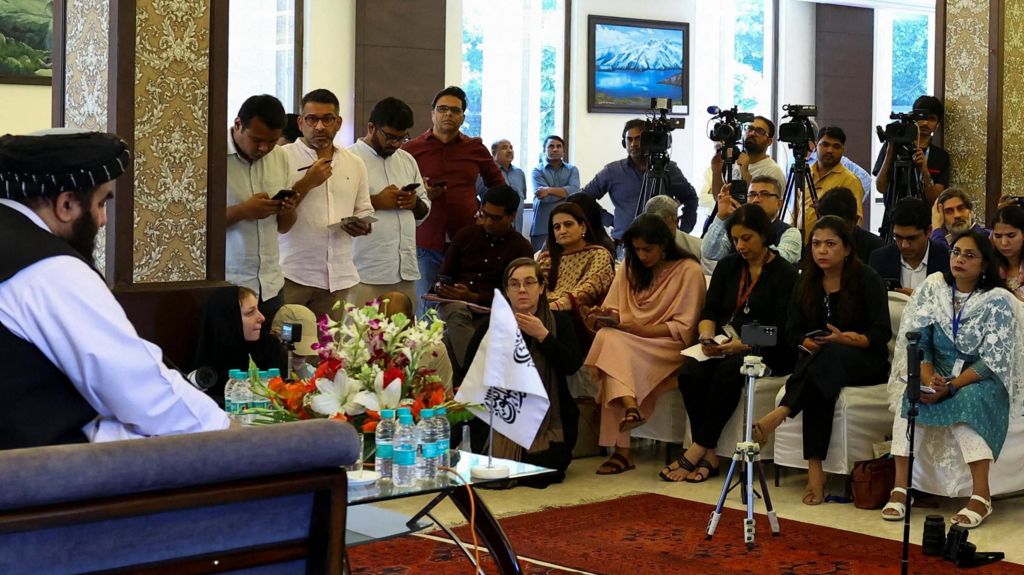
    In a striking visual that has sparked widespread discussion, female journalists were prominently seated in the front row during a press conference held by Afghan Taliban Foreign Minister Amir Khan Muttaqi in Delhi on Sunday. This event followed significant backlash over the exclusion of women from his previous press meeting on Friday. Muttaqi addressed the controversy, stating that the initial exclusion was unintentional and due to a technical oversight in the invitation process. He emphasized that there was no deliberate intent to exclude female journalists. The press conference, held at the Afghan embassy, was part of Muttaqi’s week-long visit to India for high-level talks. India, while not formally recognizing the Taliban government, maintains diplomatic and humanitarian ties with Afghanistan. The visit is seen as a crucial step in strengthening bilateral relations. On Friday, Muttaqi met with Indian Foreign Minister S Jaishankar, who announced plans to reopen India’s embassy in Kabul, which had been closed since the Taliban regained power in 2021. However, the initial press event on Friday was marred by gender discrimination, as female journalists were barred from attending, leading to widespread criticism from Indian politicians, journalists, and advocacy groups. Organizations such as the Editors Guild of India and the Network of Women in Media, India, condemned the exclusion as blatant gender discrimination and called on the Indian government to uphold democratic rights and constitutional freedoms. Amid growing outrage, Muttaqi’s team issued fresh invitations for Sunday’s press conference, which was described as an inclusive event open to all media personnel. During the conference, Muttaqi faced tough questions regarding the exclusion of women from Friday’s meeting and the broader issue of women’s rights in Afghanistan. He claimed that education for women and girls continues in Afghanistan, with over 2.8 million female students enrolled in schools and institutes. However, many journalists challenged his assertions, highlighting the severe restrictions imposed by the Taliban since their return to power in 2021, including bans on education for girls over 12 and the removal of books authored by women from universities. While the minister’s responses may not have fully addressed concerns, the organization of the second press conference and the inclusion of female journalists were seen as a step forward in addressing gender issues.

  • Chinese musicians Li Jian, Hai-Ye Ni and Siqing Lu will perform at Carnegie Hall next month

    Chinese musicians Li Jian, Hai-Ye Ni and Siqing Lu will perform at Carnegie Hall next month

    Three of China’s most celebrated musicians — pianist Li Jian, cellist Hai-Ye Ni, and violinist Siqing Lu — are set to captivate audiences at Carnegie Hall’s Zankel Hall on November 23. The concert, titled *An Afternoon of Cultural Splendor*, will showcase the seamless blend of Eastern and Western musical traditions through the performance of two iconic chamber music masterpieces: Beethoven’s *Archduke* Piano Trio No. 7 in B-flat Major and Schubert’s Piano Trio No. 2 in E-flat Major. This event, part of the *Cultural Splendor Concert Series*, is a collaborative effort by the Gong Family Foundation and the US-China Cultural Foundation, with support from prominent figures such as Elizabeth B. Wang, Tim Gong, John Catsimatidis, and John W. Allen. The concert will also feature a special award ceremony, where the artists will receive the US-China Cultural Foundation’s Global Cultural Excellence Award. The trio, united by their shared passion for classical music and years of friendship, expressed their excitement about performing together in New York. Hai-Ye Ni, principal cellist of the Philadelphia Orchestra, described the opportunity as an honor, while Siqing Lu, a globally acclaimed violinist, emphasized the cultural significance of the event. Li Jian, a prodigious pianist, highlighted the joy and challenge of interpreting these timeless works. The concert is supported by public funding from the New York City Department of Cultural Affairs and promoted by China Daily, 77 WABC, and New York Music Radio / WQXR. Elizabeth B. Wang, co-founder of the US-China Cultural Foundation, underscored the event’s mission to foster cultural dialogue and celebrate the universal language of music.