In a significant development, Pakistani authorities announced the arrest of four militants allegedly involved in a suicide bombing outside a district court in Islamabad. The attack, which occurred on Tuesday, claimed 12 lives and left 28 others injured. The suspects, identified as members of the outlawed Tehrik-e-Taliban Pakistan (TTP), were apprehended in a joint operation by the Intelligence Bureau and Counter-Terrorism Department. One of the detainees, Sajid Ullah, is believed to have handled the explosive device used in the attack. According to government statements on social media platform X, Ullah confessed to receiving orders from TTP commander Saeed-ur-Rehman, also known as Daadullah, via the Telegram messaging app. The commander, currently hiding in Afghanistan, orchestrated the attack by sending Ullah photographs of the suicide bomber, an Afghan national from Nangarhar province. Ullah arranged the bomber’s accommodation near Islamabad and retrieved the explosive vest from a graveyard in Peshawar before transporting it to the capital. The arrests highlight Pakistan’s escalating security challenges amid a resurgence of militancy and strained relations with Afghanistan. Interior Minister Mohsin Naqvi confirmed Afghan nationals’ involvement in both the Islamabad bombing and a separate attack in Wana, where a prolonged gun battle resulted in the deaths of three soldiers and all assailants. The incidents underscore the fragile cross-border ceasefire and the urgent need for regional cooperation to combat terrorism.
标签: Asia
亚洲
-

UAE to charge suspects after foiling Sudan-bound arms smuggling attempt
In a significant crackdown on illegal arms trafficking, the United Arab Emirates (UAE) has successfully thwarted a major attempt to smuggle weapons and military equipment to Sudan. Following an extensive investigation, UAE authorities arrested members of a criminal cell and announced formal charges against the suspects. The operation, conducted under the supervision of the Public Prosecution, involved the seizure of a substantial quantity of military-grade ammunition and the confiscation of financial proceeds linked to the illicit deal. The suspects were apprehended while inspecting the contraband inside a private aircraft at a UAE airport. Investigations revealed the involvement of Sudanese military authorities, including high-ranking officers and officials, as well as individuals and companies on US sanctions lists and Interpol notices. The operation was carried out with judicial warrants issued by the Attorney General, ensuring a lawful and transparent process. Authorities also uncovered evidence of covert brokerage, mediation, and money laundering activities tied to the smuggling attempt. The UAE has vowed to bring all involved parties to justice, with additional names expected to be disclosed as the investigation progresses.
-

Researchers reveal how global dust regulates carbon cycle, climate change
A groundbreaking study has revealed the pivotal role of global dust in regulating the Earth’s carbon cycle and influencing climate change. Conducted by a collaborative team from the Institute of Tibetan Plateau Research under the Chinese Academy of Sciences (CAS), alongside British and Swedish researchers, the findings were published in the journal Nature Reviews Earth & Environment. The research analyzed 22 global dust records from sediment cores, uncovering that dust deposition in major ocean basins has increased significantly since the Cenozoic era, particularly during periods of Northern Hemisphere ice sheet expansion and aridification in regions like Asia, North America, and Africa. Each year, over 4 billion tonnes of dust are released from global land surfaces, carrying essential nutrients such as iron and phosphorus into the oceans through atmospheric circulation. This process fertilizes marine phytoplankton, enhancing ocean productivity and strengthening the ‘biological pump,’ which transfers substantial amounts of carbon dioxide from the atmosphere into the deep ocean. The study also highlighted varying fertilization effects based on dust origin, with Asian glacial dust showing a stronger impact in the North Pacific compared to North African dust. The research underscores the need for future studies to focus on the nutrient composition of global dust sources and integrate these insights into Earth system models to improve projections of global climate change.
-

China’s 3D-printed miniature turbojet engine completes flight test
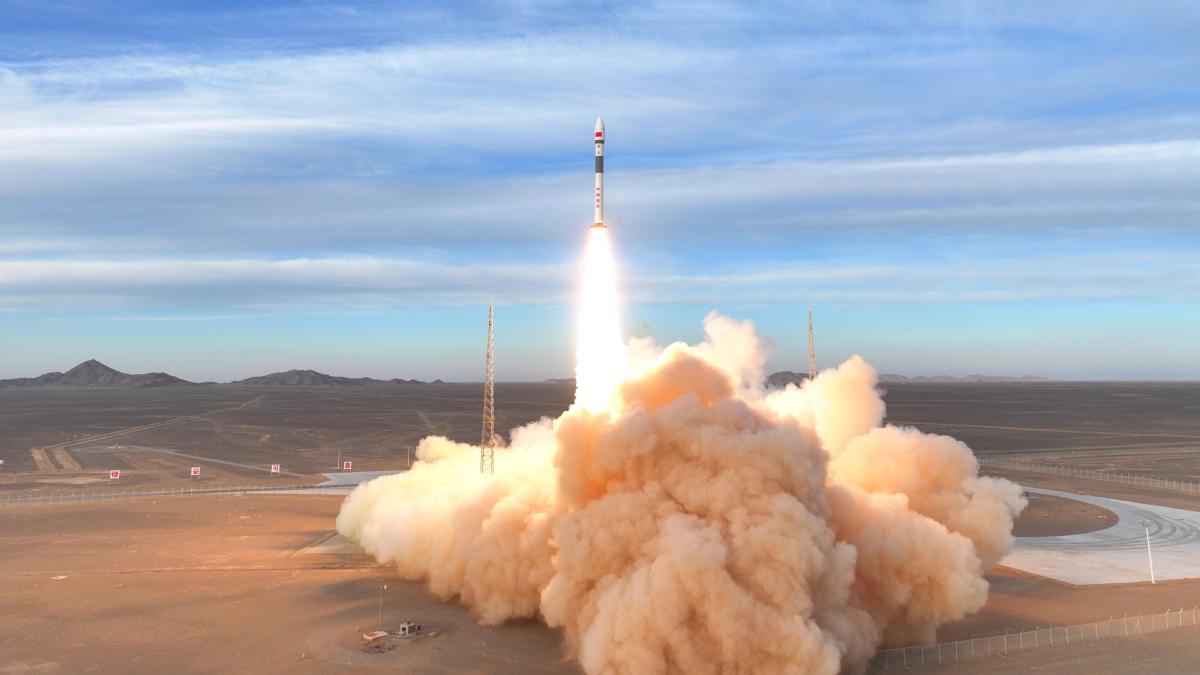
China has marked a significant advancement in aerospace technology with the successful flight test of its first domestically developed, ultra-lightweight miniature turbojet engine, primarily manufactured using 3D printing. The Aero Engine Corporation of China (AECC) announced the milestone on Thursday, revealing that the engine powered a target drone for a 30-minute flight, reaching an altitude of 6,000 meters and a speed of Mach 0.75. The engine demonstrated stable and reliable performance throughout the test. This achievement follows an earlier captive-carry flight test conducted in July 2025, further validating the engine’s capabilities in higher altitudes and complex environments. The engine, which falls within the 160-kilogram thrust class, utilizes multi-disciplinary topology optimization and 3D printing technologies to achieve its lightweight and high-performance design. Over 75% of the engine’s weight consists of 3D-printed rotating parts, significantly reducing the number of components, lowering weight, and simplifying maintenance. This breakthrough paves the way for future developments targeting higher altitudes and greater speeds, while also accelerating China’s progress in independent research and manufacturing of aviation propulsion systems.
-

Hurdles remain over next phase of Gaza truce
One month into the Gaza ceasefire, a fragile calm has settled over the region, but experts warn that significant obstacles threaten to derail the next phase of negotiations. The initial phase of the truce, which began on October 10 after over two years of conflict, has seen tangible progress, including the release of 20 Israeli hostages by Hamas and the return of 24 remains, alongside Israel’s handover of approximately 300 Palestinian bodies. Humanitarian aid has also surged, with over 37,000 metric tons of supplies delivered to Gaza by the UN and its partners since the ceasefire began. However, sporadic skirmishes and mutual accusations of violations have kept tensions simmering, with at least 245 Palestinian casualties reported since the truce took effect. The second phase of negotiations, as outlined in a US-proposed 20-point plan, focuses on critical issues such as Hamas’ disarmament and Israel’s full withdrawal from Gaza. Yet, experts highlight deep-seated challenges, including a lack of trust, internal divisions, and irreconcilable demands. Israeli Prime Minister Benjamin Netanyahu has vowed to disarm Hamas, while Hamas views concessions as an existential threat. Analysts argue that the US plan’s failure to address the two-state solution and Hamas’ governance rights further complicates progress. Without resolution, the ceasefire risks collapsing, potentially reigniting a cycle of violence.
-

Eco-friendly reforms shape Wuzhong’s future
Wuzhong, a city in Ningxia Hui Autonomous Region, is spearheading a transformative modernization drive focused on ecological conservation and high-quality development along the Yellow River basin. According to Wuzhong Party Secretary Wang Xuejun, the city is embracing its role as a pioneer in green development and efficient energy use, with these principles driving its future growth. Key projects include natural gas development, pumped storage hydropower, and new energy bases, alongside thriving industries such as dairy production and morning tea culture. The city’s industrial parks have achieved a total output value exceeding 100 billion yuan ($14 billion), with new energy installations leading the region. Wuzhong’s GDP is projected to reach 99 billion yuan by the end of the 14th Five-Year Plan period (2021-25), marking a nearly 50% increase from 2020. The city has implemented 356 key reforms, with 37 practices, including innovative water management and agricultural loan systems, gaining national recognition. Wuzhong has also enhanced its business environment, enabling over 90% of high-frequency government services to be handled online. A road-rail-sea intermodal transportation network has boosted logistics, contributing to an average annual growth of over 10% in import and export value. Innovation remains a cornerstone of Wuzhong’s strategy, with R&D intensity growing at an annual rate of 16.6%. The city is home to over 500 national high-tech and sci-tech enterprises, with breakthroughs in sodium-glucose co-transporter inhibitors and somatic cell cloning of Tan sheep. Environmental protection is central to Wuzhong’s development, with air quality meeting national secondary standards and water quality in the Yellow River consistently stable at Grade II. The city has been honored as a national ecological civilization demonstration city and a low-carbon pilot city. Wuzhong, home to 36 ethnic groups, has also pioneered ethnic unity initiatives, hosting the Ethnic Unity Progress Month for 42 consecutive years. Community events like the Neighbors’ Festival and Thousand-Family Banquet have fostered integration for over two decades. Looking ahead, Wuzhong aims to expand oil and gas capacity, develop new energy, and create a ‘green hydrogen valley’ during the 15th Five-Year Plan period (2026-30). Major ecological projects, including the Luoshan Mountain protection initiative and river basin management, will further solidify the city’s commitment to a comprehensive green transformation.
-

Pakistan wins toss, elects to field in 2nd ODI against Sri Lanka
In a crucial decision at the toss, Pakistan’s stand-in captain Salman Ali Agha chose to field in the second one-day international (ODI) against Sri Lanka on Friday. The match, held in Rawalpindi, Pakistan, comes amidst heightened security concerns following a suicide bombing in Islamabad earlier this week, which killed 12 people outside a court. The incident had initially cast doubt over the continuation of the series, as Sri Lanka’s players expressed a desire to leave the country. However, after receiving reassurances from the Pakistan Cricket Board (PCB) regarding safety measures, Sri Lanka Cricket instructed the team to complete the series. The remaining two ODIs were rescheduled for Friday and Sunday. Agha, leading the team in place of regular ODI captain Shaheen Shah Afridi, who was sidelined due to a fever, made strategic changes to the lineup. Abrar Ahmed, who missed the first game due to illness, replaced all-rounder Faheem Ashraf. On the Sri Lankan side, spinner Maheesh Theekshana was left out, with left-arm fast bowler Pramod Madushan taking his place. The match promises to be a test of resilience for both teams, as they navigate the challenges on and off the field.
-

Shenzhou XX crew set to return after space debris delay
The Shenzhou XX mission crew, whose return to Earth was delayed due to safety concerns over space debris, is now set to make their journey back today. According to the China Manned Space Agency, the three astronauts—mission commander Senior Colonel Chen Dong, Colonel Chen Zhongrui, and Colonel Wang Jie—will board the Shenzhou XXI spaceship to re-enter the atmosphere and land at the Dongfeng Landing Site in Inner Mongolia. The agency confirmed that the astronauts are in excellent health, and ground teams are finalizing preparations for their safe landing. The Shenzhou XXII spaceship is also scheduled for launch soon to dock with the Tiangong space station, currently occupied by the Shenzhou XXI crew. Originally planned for November 5, the return was postponed after potential impacts from space debris were detected. This mission marks China’s 15th manned spaceflight and the ninth crew to reside on the Tiangong space station.
-

Authorities clarify claims of zhongkao abolishment
Education authorities in Shanghai and Chengdu have addressed recent online speculation about the potential abolishment of the high school entrance exam, known as the zhongkao. They clarified that ongoing educational reforms aim to integrate middle and high school education rather than eliminate the exam. In Chengdu, a 12-year coherent training program will be piloted in eight schools starting in 2025, allowing students in specific continuous education classes to bypass the zhongkao if they choose. However, students retain the option to take the exam if they wish to exit the program. The Chengdu Education Bureau emphasized that this pilot is limited in scope and does not signify a citywide cancellation of the zhongkao. The reform seeks to create a seamless educational pathway from primary to high school, shifting focus from exam scores to holistic student development. Similarly, the Shanghai Municipal Education Commission explained that its new plan for improving high school education quality includes piloting a longer-term coherent training model. This approach aims to unify curriculum design and optimize resource sharing across school stages but does not imply the abolishment of the zhongkao. The commission highlighted that this flexible model helps manage enrollment fluctuations and enhances resource efficiency by promoting cross-campus sharing of facilities like labs and libraries. While some parents have long advocated for the zhongkao’s abolishment, fearing it forces students into vocational schools, authorities have reiterated that the exam remains a crucial academic assessment. Vocational education continues to be an integral part of the education system, offering diverse pathways for students with varying strengths. The 2022 revision of the Vocational Education Law further emphasized the importance of vocational education as a parallel pathway to regular education, calling for greater integration between the two systems.
-

Expert calls for widening ties beyond the runway
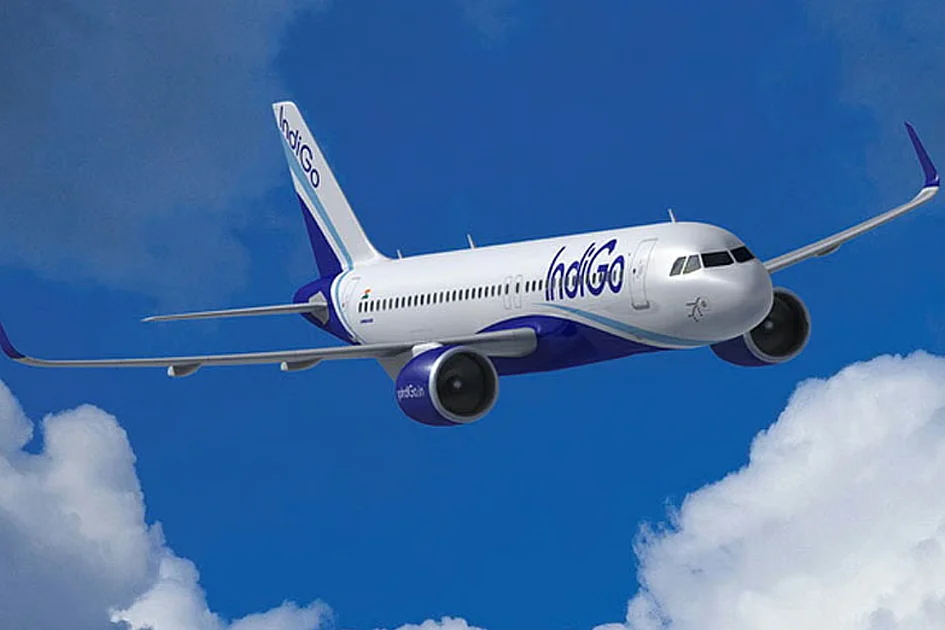
The resumption of direct flights between India and China, after a five-year hiatus due to the pandemic, is a significant but limited step toward rebuilding trust between the two Asian giants, according to Sudheendra Kulkarni, a former aide to Indian Prime Minister Atal Bihari Vajpayee. Kulkarni emphasized that this development should be expanded into broader economic, cultural, and educational exchanges to foster deeper bilateral relations. He suggested increasing the number of direct flights to 100 across 20 cities in both countries to normalize people-to-people interactions, which have lagged behind trade and diplomatic ties. This year marks the 75th anniversary of diplomatic relations between China and India, with civilizational ties spanning over two millennia. Kulkarni stressed that renewed people-to-people relations are not just symbolic but strategic, as trust is the foundation of enduring bilateral relationships. However, opportunities for engagement have been limited in recent years, with India banning 59 Chinese mobile apps, including WeChat, and restricting channels for Indians to learn about China. Kulkarni urged India to ease visa rules for Chinese scholars, entrepreneurs, and tourists, highlighting the importance of cross-border learning in rebuilding trust. Despite the absence of direct flights and the suspension of tourist visas for Chinese nationals, bilateral trade has remained resilient, reaching $138.5 billion last year, a 1.7% increase year-on-year. Kulkarni, a veteran advocate of India-China friendship and founder of the Forum for a New South Asia, has visited China over two dozen times and is currently writing a book on China’s success in eradicating extreme poverty. He also praised China’s Global Governance Initiative, along with its global initiatives on development, security, and civilization, as frameworks for a more democratic and inclusive multipolar world order. Kulkarni called for closer cooperation between India and China, emphasizing their shared responsibility as leading voices of the Global South to promote peace, stability, progress, and prosperity globally. Reflecting on China’s 15th Five-Year Plan (2026-30), he noted its focus on self-reliance and international engagement, particularly in advanced manufacturing, artificial intelligence, semiconductors, quantum computing, and aerospace.