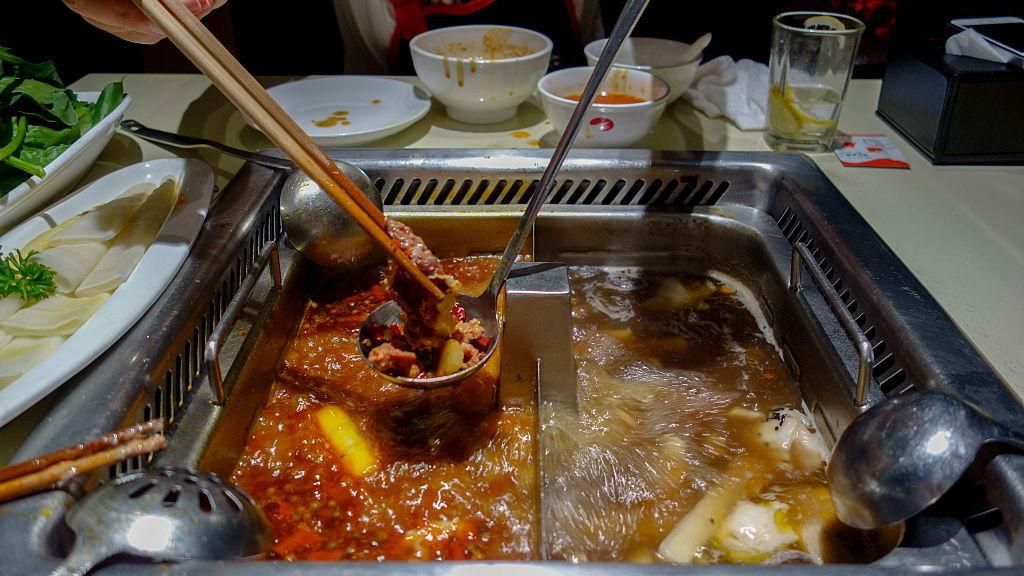
Two intoxicated teenagers who urinated into a pot of broth at a Haidilao hotpot restaurant in Shanghai have been ordered to pay 2.2 million yuan ($309,000) in damages to two catering companies. The incident, which occurred in February at a branch of China’s largest hotpot chain, Haidilao, drew widespread condemnation after the 17-year-olds posted a video of their act online. Although no one is believed to have consumed the contaminated broth, Haidilao compensated thousands of diners who visited the restaurant in the days following the incident. In March, the company sought over 23 million yuan in losses, citing compensation paid to customers and reputational damage. Last Friday, a Shanghai court ruled that the teenagers had violated the companies’ property rights and tarnished their reputation through “acts of insult,” which also caused public discomfort. The court noted that the parents had “failed to fulfil their duty of guardianship” and ordered them to bear the compensation. The damages include 2 million yuan for operational and reputational losses, 130,000 yuan for tableware replacement and cleaning, and 70,000 yuan in legal fees. However, the court clarified that additional compensation Haidilao voluntarily offered to customers, including full refunds and 10 times the billed amount, should not be borne by the teenagers. Haidilao, known for its exceptional customer service and family-friendly environment, has since replaced all hotpot equipment and conducted thorough cleaning and disinfection. The company, which started in Jianyang, Sichuan Province, now operates over 1,000 restaurants globally.
标签: Asia
亚洲
-
Why more women get cancer in India – but more men die
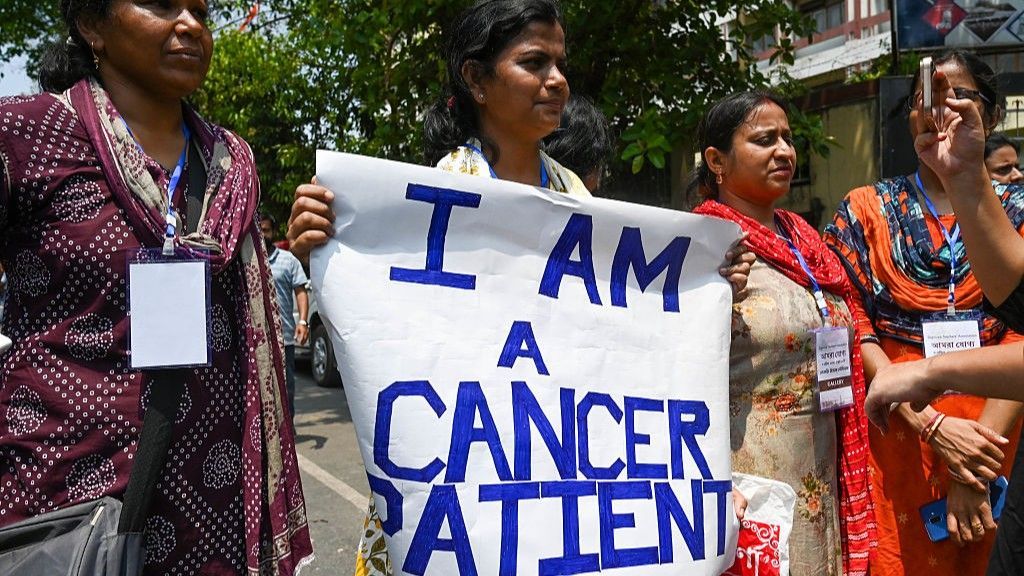
In India, a striking paradox has emerged in the realm of cancer: women are more likely to be diagnosed with the disease, yet men face a higher likelihood of dying from it. This phenomenon, revealed in a recent study of India’s cancer registry, highlights a complex interplay of biological, social, and healthcare factors. Women account for just over half of all new cancer cases, but men constitute the majority of cancer-related deaths. This trend stands in contrast to global patterns, where men generally have higher incidence and mortality rates. In 2022, the global average was 212 cancer cases per 100,000 men compared to 186 for women, according to the World Cancer Research Fund. In India, the most common cancers among women are breast, cervical, and ovarian, with breast and cervical cancers making up 40% of female cases. Hormonal factors and lifestyle changes, such as delayed pregnancies, reduced breastfeeding, obesity, and sedentary habits, are key contributors. For men, oral, lung, and prostate cancers dominate, with tobacco use driving 40% of preventable cancers. Awareness campaigns and improved healthcare facilities have led to earlier detection of cancers in women, resulting in better treatment outcomes and lower mortality rates. In contrast, men’s cancers are often linked to lifestyle factors like tobacco and alcohol, which are associated with more aggressive and less treatable cancers. Additionally, men are less likely to seek preventive care or early medical intervention, exacerbating their poorer outcomes. Regional disparities further complicate the picture. India’s northeast region, particularly Mizoram, has the highest cancer risk, largely due to rampant tobacco use and dietary habits. Meanwhile, cities like Srinagar and Hyderabad report high rates of lung and breast cancers, respectively. The cancer burden in India is not only growing but also becoming more complex, reflecting societal transitions in longevity, lifestyle, and environmental factors. Addressing these challenges requires targeted prevention, early detection, and lifestyle changes, underscoring the urgent need for comprehensive public health strategies.
-

The Dream Journey: Coming to terms with music in Pakistan’s Indo-Islamic culture
The intricate relationship between Islam and music has long shaped the cultural landscape of South Asia. While Islam’s influence on music has been a subject of debate, it has undeniably left an indelible mark on the region’s artistic traditions. In Pakistan, this relationship has been particularly complex, with music often caught in the crossfire of religious and national identity struggles. Amid these tensions, a group of Pakistani music enthusiasts embarked on a mission to preserve and celebrate their country’s neglected musical heritage. Their project, *The Dream Journey*, has since become a global phenomenon, bringing Pakistan’s rich musical traditions to the world stage. Launched in 2014, *The Dream Journey* saw its founders travel across Pakistan, documenting musicians and their families performing in intimate settings. The project’s YouTube channel, featuring videos with English subtitles, has garnered over 225,000 subscribers and millions of views. Its success has highlighted the enduring power of classical and Sufi music, even as these traditions face challenges in modern Pakistan. The channel showcases a diverse range of musical styles, from qawwali—a devotional form of Sufi music—to lesser-known family specialties. It has also amplified the work of legendary musicians like Ustad Munshi Raziuddin Khan and his descendants, who have kept the classical qawwali tradition alive. Despite the religious and political obstacles, *The Dream Journey* has provided a platform for musicians who might otherwise have remained in obscurity. The project’s meticulous translations and high-quality production have made it accessible to a global audience, ensuring that Pakistan’s musical heritage is preserved for future generations. As the group plans to resume their travels, their work stands as a testament to the resilience and beauty of Pakistan’s musical traditions.
-
The Gaza flotilla: What you need to know about ‘sumud’
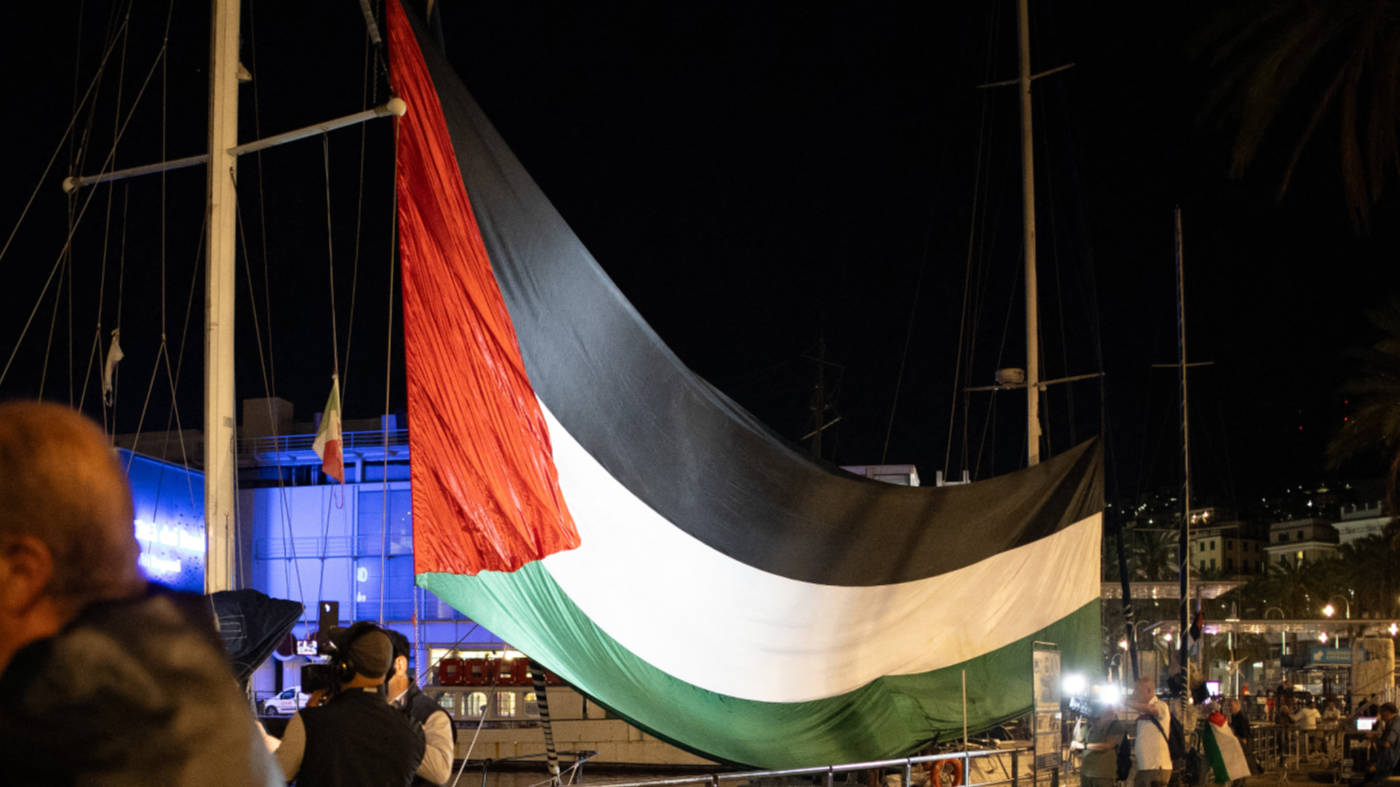
The Global Sumud Flotilla has captured international attention as it embarks on a mission to deliver humanitarian aid to Gaza, defying Israel’s longstanding naval blockade. Comprising over 300 activists from 44 countries, including prominent Swedish climate activist Greta Thunberg, this civilian-led initiative represents the largest maritime aid convoy to Gaza since Israel’s invasion in October 2023. However, the flotilla faced adversity even before reaching its destination, enduring drone-launched projectile attacks while anchored in Tunisia on September 8 and 9. The Tunisian government condemned these strikes as ‘premeditated,’ underscoring the risks faced by such missions. Israel has a history of intercepting Gaza-bound flotillas, most notably in 2010 when Israeli forces stormed the Mavi Marmara, resulting in the deaths of 10 Turkish activists. Earlier this year, two other aid vessels, the Madleen and the Handala, were similarly raided by Israeli forces in international waters. The flotilla’s name, ‘Sumud,’ derives from the Arabic word meaning ‘perseverance,’ ‘steadfastness,’ or ‘resilience.’ In the Palestinian context, Sumud embodies everyday acts of resistance against Israel’s occupation and policies of ethnic cleansing. For some, Sumud manifests in rebuilding homes destroyed by Israeli bombings in Gaza; for others, it means enduring the daily challenges of Israeli checkpoints in the West Bank. For the Palestinian diaspora, Sumud is reflected in their adherence to the Boycott, Divestment, and Sanctions (BDS) movement. The concept of Sumud traces its modern roots to the aftermath of the 1967 Arab-Israeli war, when Israel captured the West Bank, Gaza Strip, and other territories, displacing hundreds of thousands of Arab residents. Since then, Sumud has become a symbol of Palestinian resilience, often represented by the olive tree, a historic and cultural staple of Palestinian life. Despite decades of attacks on olive groves by Israeli forces and settlers, replanting these trees remains a powerful act of Sumud. Palestinian lawyer and writer Raja Shehadeh has described Sumud as the ‘Third Way’ of resistance—neither violent nor passive—but a steadfast commitment to remaining on Palestinian land. The Global Sumud Flotilla, inspired by this ethos, aims to highlight the ongoing plight of Palestinians and their unwavering resilience in the face of oppression.
-
US Typhon missile system’s presence in Japan sharpens Asia arms race
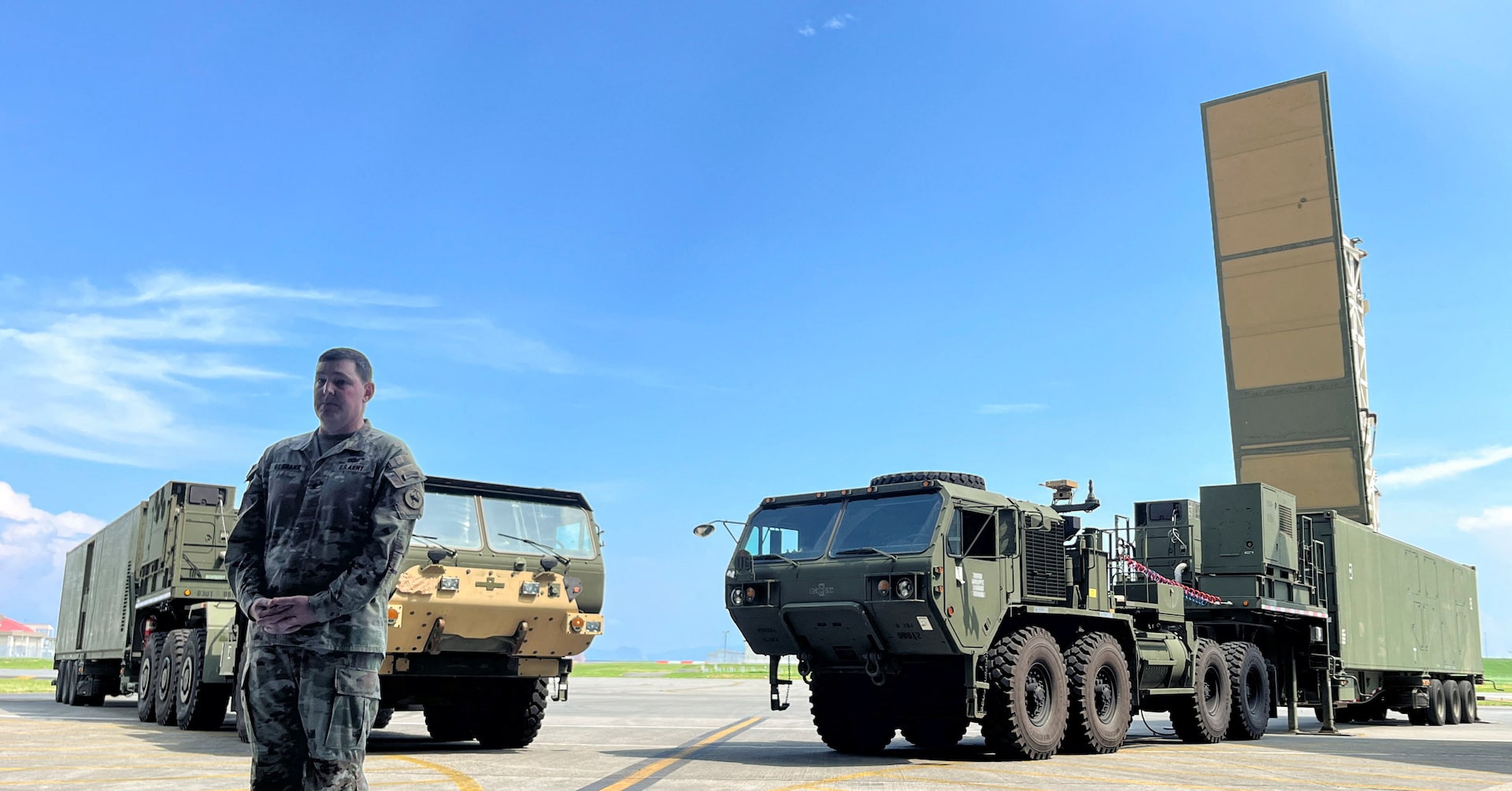
In a significant display of military cooperation, the United States unveiled its Typhon intermediate-range missile system in Japan during the annual Resolute Dragon exercise. The event, held at Marine Corps Air Station Iwakuni on September 15, 2025, marked the first time the Typhon system was showcased in Japan. The exercise, involving 20,000 U.S. and Japanese troops, underscores the growing strategic alignment between Washington and Tokyo in countering regional threats. The Typhon system, capable of launching Tomahawk cruise missiles with ranges sufficient to target China’s eastern seaboard or parts of Russia, has been criticized by Beijing and Moscow as destabilizing. Colonel Wade Germann, commander of the task force operating the system, emphasized its versatility and rapid deployment capabilities, though he declined to disclose its next destination after the exercise. The system’s presence in Japan, closer to China, is expected to provoke a stronger reaction from Beijing compared to its earlier deployment in the Philippines in April 2024. Analysts note that the U.S. and Japan’s willingness to field such weapons reflects a diminished concern over Chinese objections compared to previous years. The Typhon system, which also fires SM-6 missiles designed to strike ships and aircraft, is part of a broader U.S. strategy to counter China’s expanding missile arsenal. Japan, meanwhile, is accelerating its military spending, including the purchase of Tomahawk missiles and the development of its own intermediate-range capabilities, marking its largest military expansion since World War II. The regional arms buildup extends to Taiwan, which plans to increase defense spending to over 3% of GDP by 2026. The U.S. describes Iwakuni as part of the ‘First Island Chain,’ a strategic line of territories and bases aimed at constraining Chinese military power. The Typhon system’s deployment highlights the intensifying geopolitical tensions in the Indo-Pacific region.
-
Why China could well win its Cold War with US
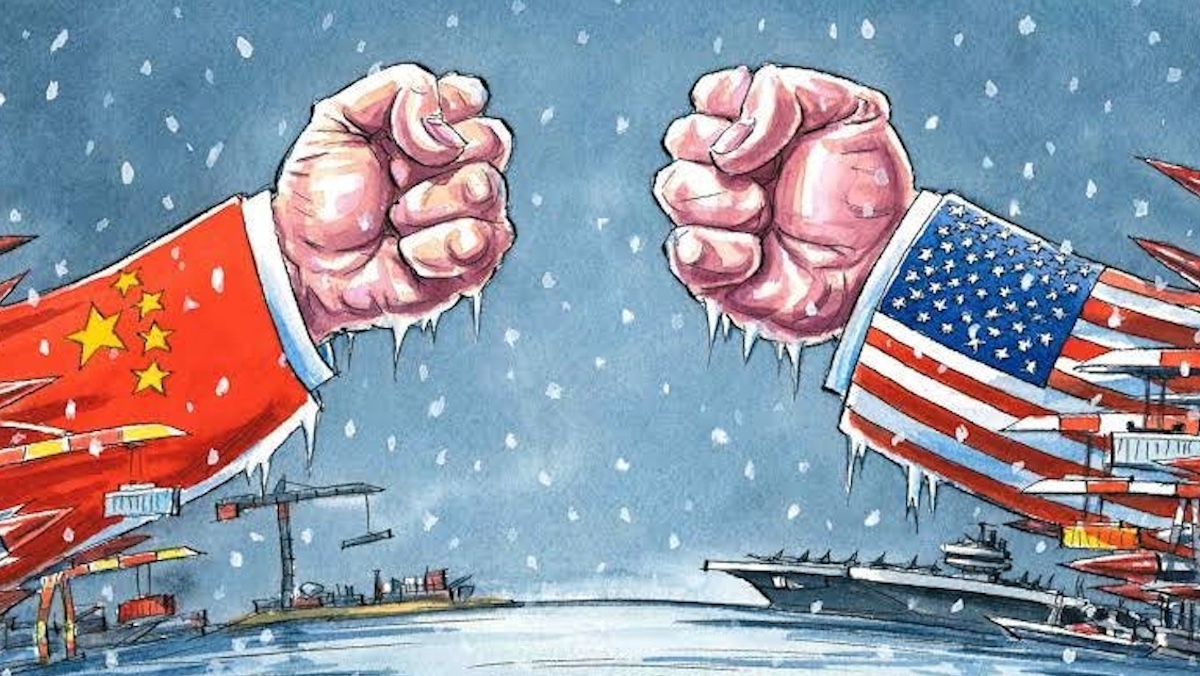
The global community, particularly the United States, is grappling with two pressing questions regarding China: the extent of its military industrial production capacity and the true cost of its weaponry. China’s industrial prowess is unparalleled, boasting an independent and self-sufficient production line that outpaces global competitors in both speed and volume. However, the cost of Chinese weapons remains a contentious issue. While some experts argue that China’s expenses are a fraction of those in the U.S., others remain skeptical, pointing to the complexities of cost calculations, including incentives and operational details. If China’s costs are significantly lower, it could pose a substantial challenge to the U.S.; if they are comparable or higher, China might face its own set of difficulties. The stakes are high, as these factors could influence the trajectory of an arms race reminiscent of the Cold War era. China’s strategy appears to leverage low production costs and technological advancements to gain market share and create trade surpluses. This approach, coupled with a potential reverse Reagan-like strategy, aims to deter U.S. confrontation. However, this could also incite backlash from Americans and other nations. The dynamics of this new Cold War differ from the Soviet era, as China’s ideology does not inherently threaten private wealth, instead promising to enrich capitalists. This subtle distinction has garnered support from global financiers, who operate under the protective wing of the Chinese leadership. The U.S., meanwhile, seems unprepared for a full-scale confrontation, as evidenced by its tepid responses and strategic retreats. The absence of American leadership could lead to increased regional tensions, particularly in Asia, where countries may need to manage their relations with China independently. The evolving geopolitical landscape underscores the potential for a significant shift in global power dynamics, with China poised to capitalize on America’s perceived vulnerabilities.
-
They were shot dead for protesting against corruption in Nepal
Nepal has been plunged into chaos following violent anti-corruption protests that erupted last week, resulting in the deaths of over 70 people and leaving more than 1,000 injured. The unrest, initially sparked by a government-imposed social media ban, quickly escalated into a broader movement against systemic corruption, culminating in the resignation of Prime Minister KP Sharma Oli and the toppling of his government.
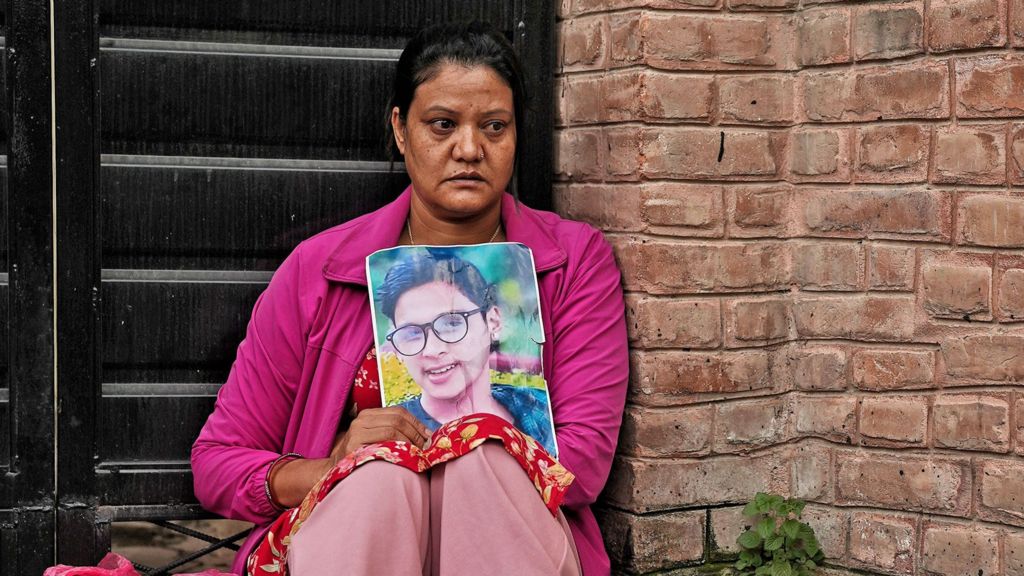
Among the victims was 21-year-old Sulov Shrestha, whose father, Narendra Shrestha, is demanding accountability for his son’s death. ‘If they can shoot my son, then I and his mother also want to die. Who will we live for now?’ he lamented outside the mortuary of Tribhuvan University Teaching Hospital in Kathmandu. Sulov was one of many young lives tragically cut short—others included aspiring judges, students, and language learners.
The protests, which began on September 8, saw thousands of demonstrators, many from Generation Z, gather near Nepal’s parliament. The government’s decision to ban platforms like Facebook, X, and YouTube, citing concerns over fake news and online fraud, was met with widespread outrage. Protesters accused the government of attempting to silence dissent, and the demonstrations quickly turned violent. Crowds set fire to government buildings, including parliament, even after the Prime Minister’s resignation.
Police have been accused of using excessive force, with reports of both rubber bullets and live ammunition being fired into crowds. Dr. Santosh Paudel of Bir Hospital noted that many patients suffered ‘sharp rifle injuries,’ contradicting official claims that only rubber bullets were used. The interim government, led by former Chief Justice Sushila Karki, now faces the daunting task of restoring public trust and investigating the violence. Karki has pledged fresh elections for March 2026, but her administration’s first test will be ensuring accountability for the deadly crackdown.
Families of the victims, like Rasik KC, whose nephew Rashik Khatiwada was shot twice in the chest, are demanding justice. ‘We want accountability,’ KC said, echoing the sentiments of many who have lost loved ones. As Nepal grapples with the aftermath of this tragedy, the international community watches closely, hoping for a peaceful resolution to the crisis.
-
‘My wife died giving birth after Trump cut funding to our clinic’
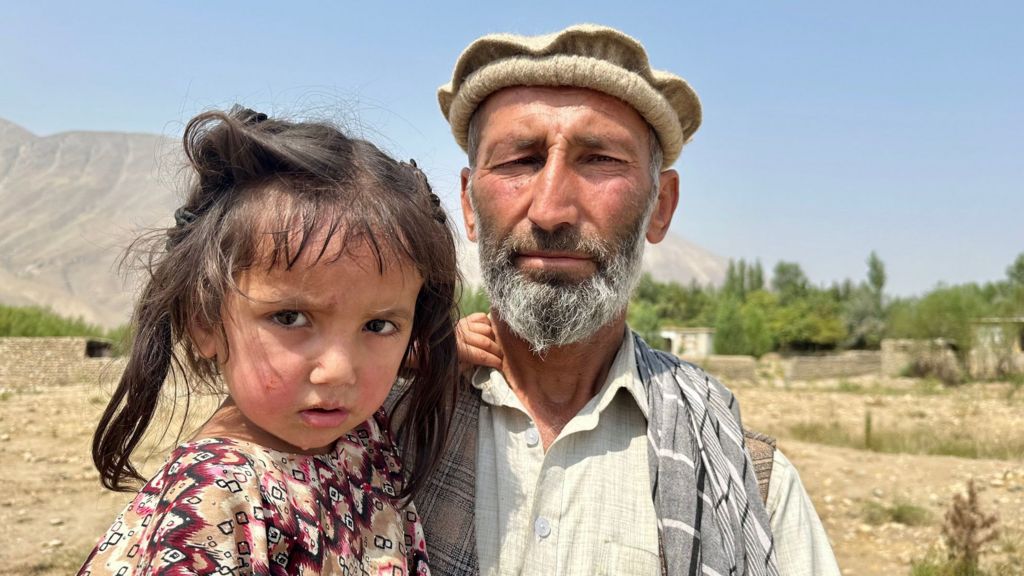
In the remote village of Shesh Pol in Afghanistan’s Badakhshan province, the closure of a once-vital maternity clinic has left families like Abdul and Shahnaz’s in despair. When Shahnaz went into labor, Abdul rushed her to the clinic where their two older children were born, only to find it shuttered. With no alternative medical facility within reach, Shahnaz delivered their baby girl in a taxi by the roadside. Tragically, both mother and child died shortly after due to severe bleeding. This heart-wrenching story is emblematic of a broader crisis unfolding across Afghanistan, where over 400 medical facilities have closed following the Trump administration’s abrupt decision to cut nearly all U.S. aid to the country earlier this year. The Shesh Pol clinic, a modest single-story structure with USAID posters still adorning its peeling walls, was a lifeline for pregnant women in a region plagued by historically high maternal mortality rates. Its closure has left countless women without access to essential healthcare, forcing them to endure perilous journeys to overcrowded hospitals or risk giving birth at home without medical assistance. The U.S. government justified the aid cuts by citing concerns that funds were benefiting terrorist groups, including the Taliban. However, the Taliban denies these allegations, claiming that aid is distributed through the UN and NGOs without government involvement. The consequences of these cuts are dire: maternal and newborn deaths have surged, and the few remaining healthcare facilities are overwhelmed. In Faizabad’s regional hospital, patients are crammed three to a bed, and funding has been slashed by nearly 70%. The Taliban’s restrictions on women’s education, including bans on midwifery training, have further exacerbated the crisis, leaving Afghanistan’s women and children in a precarious state. As the international community turns its back, the right to health and life for Afghan women hangs in the balance.
-
If Donald Trump gets his disaster capitalism way in Gaza
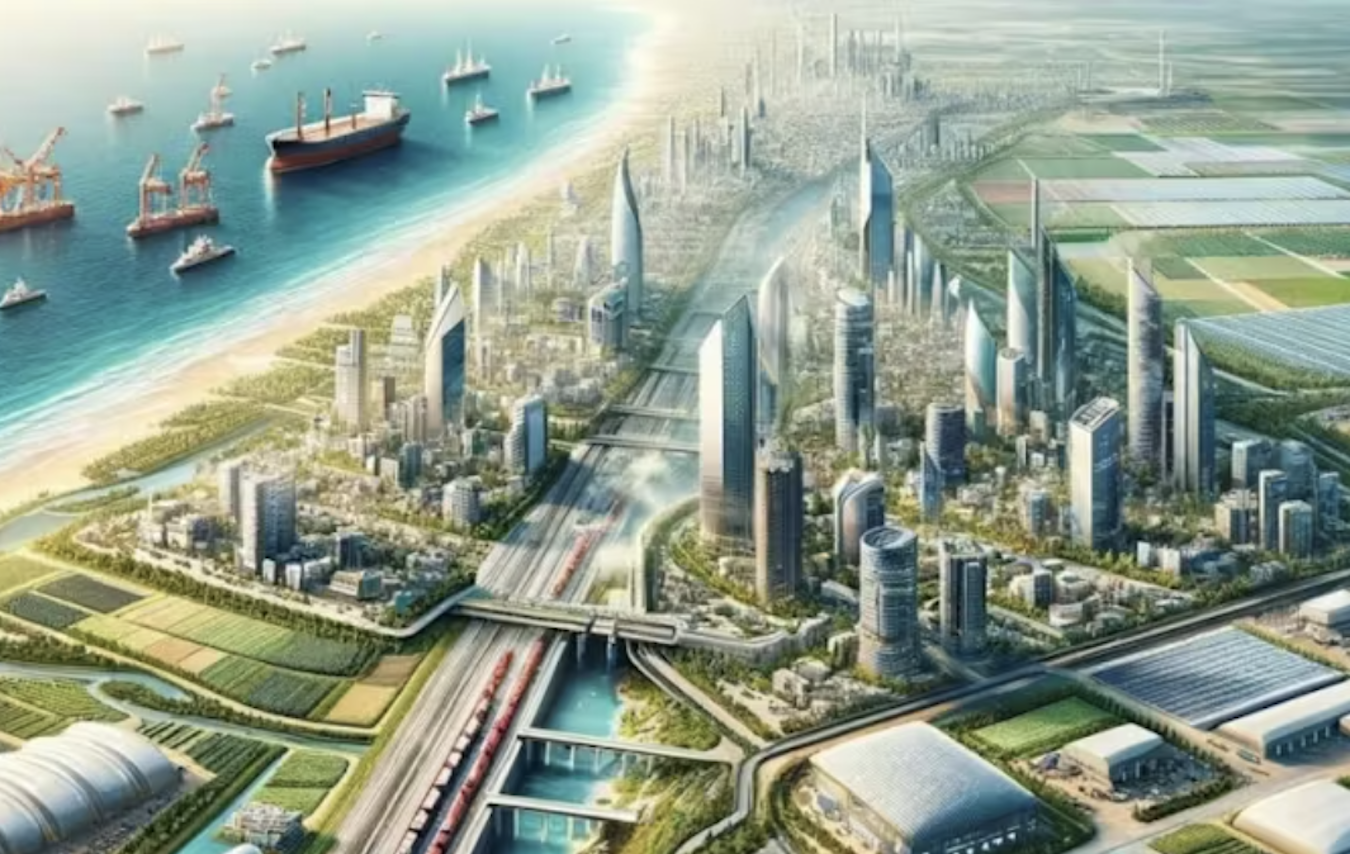
Gaza, a region devastated by conflict, lies in ruins with entire neighborhoods destroyed and hundreds of thousands of residents crammed into tents, struggling for basic necessities like food, water, and power. Amid this humanitarian crisis, a leaked 38-page document from the Trump administration, titled the Gaza Reconstitution, Economic Acceleration and Transformation (Great) Trust, proposes a radical plan to “fundamentally transform Gaza” by integrating it into the India–Middle East–Europe Economic Corridor (Imec).
The plan, framed as a reconstruction effort, emphasizes “massive US gains” and the acceleration of Imec, while consolidating an “Abrahamic regional architecture”—a reference to the 2020 Abraham Accords that normalized relations between Israel, the UAE, and Bahrain. This vision aligns closely with Israeli Prime Minister Benjamin Netanyahu’s “Gaza 2035” proposal, which envisions Gaza as a sanitized logistics hub linked to Saudi Arabia’s Neom mega-project, devoid of meaningful Palestinian presence.
Imec, launched at the 2023 G20 summit in New Delhi, is a transformative infrastructure project signed by the US, EU, India, Saudi Arabia, and the UAE. It includes railways, ports, pipelines, and digital cables connecting South Asia to Europe via the Arabian Peninsula. While Israel is not a formal signatory, its role is implicit, with the corridor running through Haifa Port.
The plan casts Gaza as both an obstacle and a gateway, presenting it as a historic crossroads of trade routes. It proposes extending Gaza’s port, integrating its industries into regional supply chains, and reorganizing its land into “planned cities” and digital economies. However, the vision is not one of recovery for Gaza’s residents but rather its conversion into a logistics center serving Imec.
The Great Trust’s most radical element is its model of direct trusteeship, envisioning a US-led custodianship that would govern Gaza, oversee security, manage aid, and control redevelopment. Even after establishing a “Palestinian polity,” the trust would retain powers through a Compact of Free Association. The plan also includes provisions for “voluntary relocation,” offering financial incentives for Palestinians to leave Gaza, a move critics argue sanctions ethnic cleansing.
The document is laden with “Abrahamic” branding, from logistics hubs to infrastructure corridors, and envisions a techno-futurist Gaza with smart manufacturing zones, AI-regulated data centers, and luxury resorts. It aims to channel Gulf capital into Gaza’s redevelopment, forecasting $70–100 billion in public investment and $35–65 billion from private investors.
While Saudi Arabia has not formally joined the Abraham Accords, its backing of Imec signals acceptance of the framework. For Washington, Gaza’s reconstruction is seen as a final step in persuading Riyadh to normalize relations with Israel. However, the plan’s focus on Gaza as a distressed asset to be flipped raises ethical concerns, with critics labeling it disaster capitalism at its sharpest.
Despite the grand visions of free-trade zones and futuristic cities, Palestinians have consistently rejected such schemes. The leaked document underscores that Gaza’s future is being framed within a broader US effort to reshape the region, raising questions about whose interests are truly being served.
-
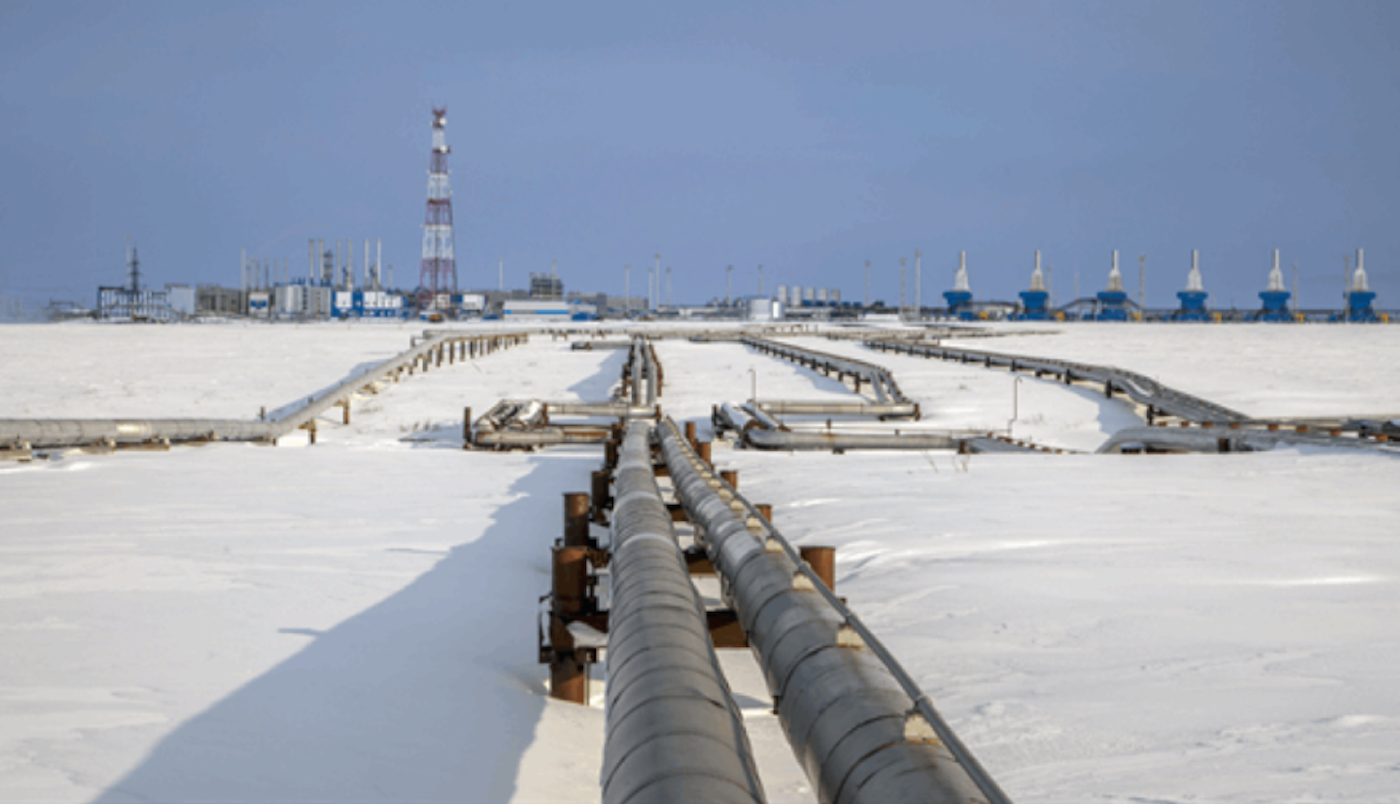
China-Russia gas pact heightens Western sanctions risks
The recent agreement to construct the Power of Siberia 2 pipeline, set to transport 50 billion cubic meters of Russian natural gas to China annually via Mongolia, marks a pivotal shift in global geopolitics and energy markets. Analysts from both China and the West highlight the deal’s potential to redefine energy dynamics in Eurasia. On September 2, China, Russia, and Mongolia signed a legally binding memorandum of understanding (MOU) to advance the project, with Russia offering China a discounted gas price and China accepting the Mongolian route—a compromise that had previously been a sticking point due to concerns over energy security. The pipeline, expected to be operational by 2031–2032, will elevate Russia-China gas trade to 106 billion cubic meters annually, meeting approximately one-fifth of China’s current gas demand. The deal also promises economic benefits for Mongolia, including transit fees, job creation, and reduced air pollution, while bolstering its geopolitical standing. However, risks remain, including potential Western influence and Mongolia’s “Third Neighbor” policy, which seeks to diversify its international partnerships beyond China and Russia. The project underscores Russia’s strategic pivot to Asia amid strained relations with Europe, particularly following the Ukraine conflict, which has drastically reduced Russian gas exports to the EU. While China welcomes the economic and strategic advantages of the deal, it remains cautious about upsetting its relations with Europe. Western analysts warn that the pipeline could undermine efforts to contain Russia’s war in Ukraine, prompting calls for targeted sanctions against Russian energy companies and their Chinese partners.