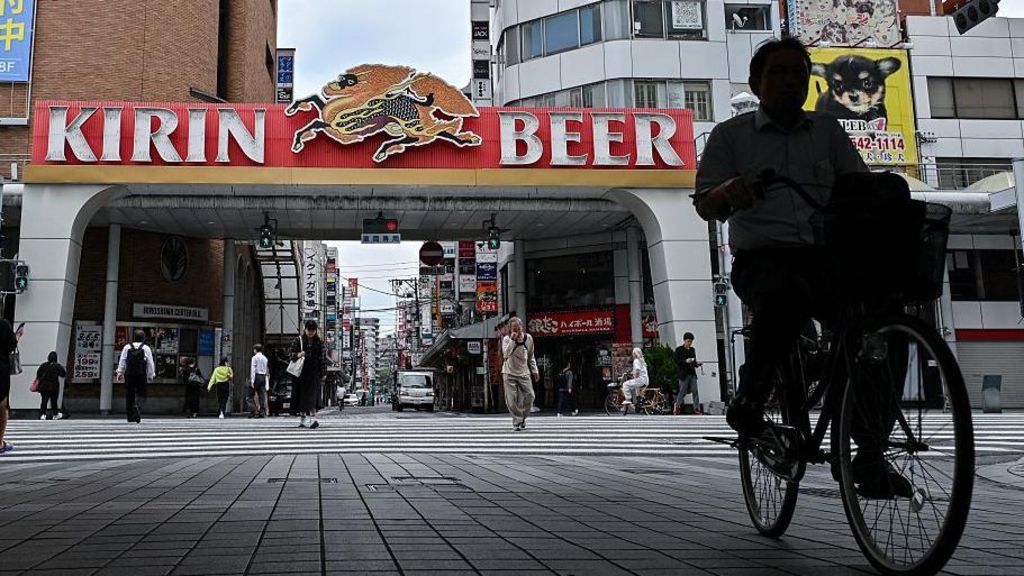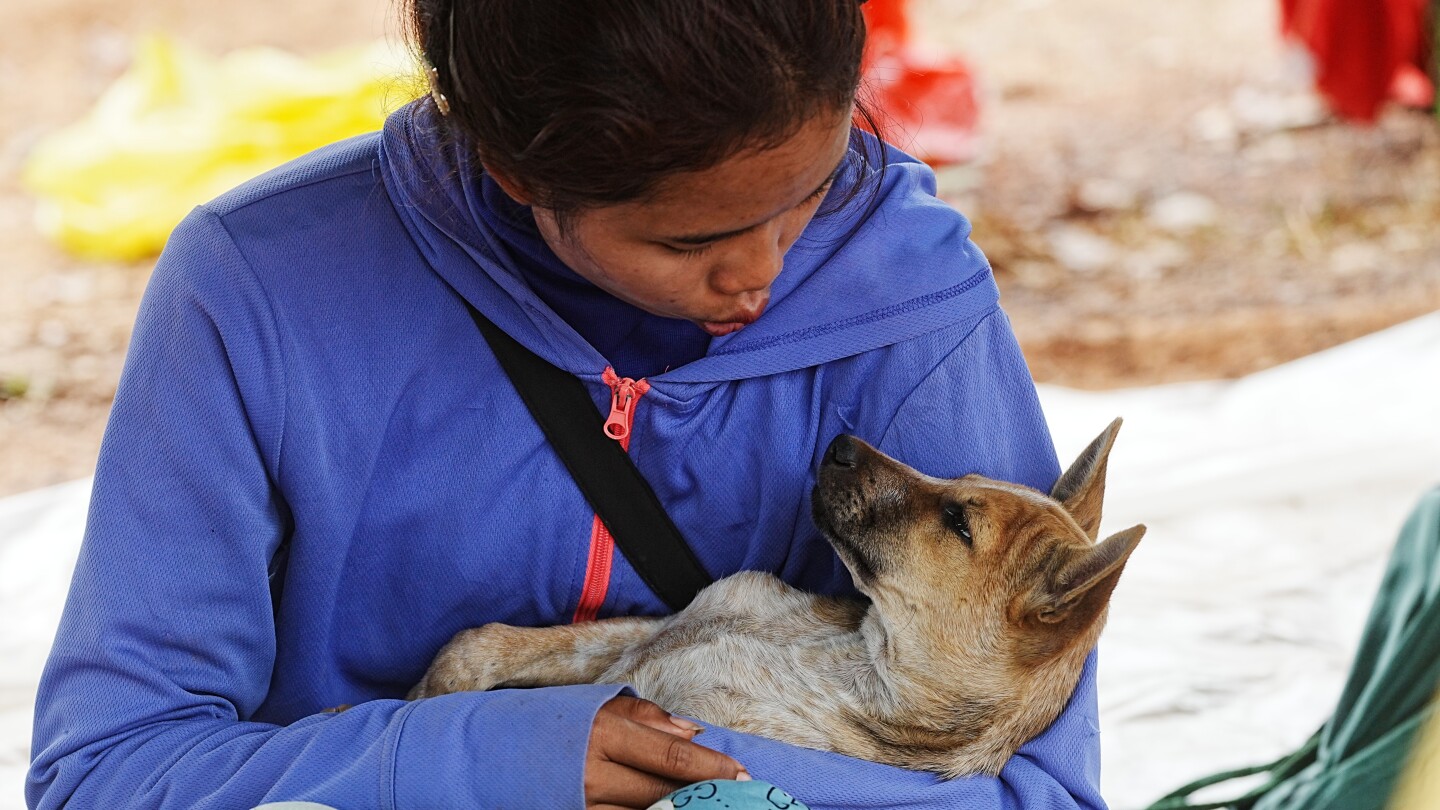
As economic challenges persist and job opportunities dwindle, an increasing number of Indonesians are becoming ensnared in Southeast Asia’s expanding web of online scams and human trafficking networks. Analysts caution that without robust law enforcement and comprehensive strategies, this alarming trend is set to continue. Recent reports highlight the severity of the issue, with the Indonesian embassy in Yangon, Myanmar, confirming communication with 148 trafficking victims stranded in Myawaddy, a notorious hub for scam operations near the Thai border. These individuals were identified following multiple reports involving hundreds of nationals, including 58 located in the former KK Park complex. Embassy officials are working with local authorities to verify identities, relocate victims to safer areas, and facilitate their repatriation. This development follows another major case handled by the embassy, which involved 83 Indonesians fleeing the same complex. In less than two weeks, the consulate addressed 231 new trafficking cases. Meanwhile, Cambodian authorities recently arrested 106 Indonesians, including 36 women, on charges related to online scams. The practice of luring job seekers with fraudulent overseas offers and coercing them into criminal activities remains rampant, despite a five-year crackdown on organized syndicates. Interpol estimates that these networks generate up to $3 trillion annually, expanding their reach beyond Southeast Asia into Europe, Africa, and the Middle East. Indonesia’s Foreign Ministry has recorded a 250 percent increase in nationals involved in Cambodia’s cyber scam centers between 2023 and 2024. Since 2020, 10,000 Indonesians have been trapped in scam and trafficking networks, with only 1,500 identified as victims. Many are lured by promises of quick profits, and some even return to these operations after repatriation. Economic pressures and high unemployment rates, particularly among educated youth, exacerbate the issue. Experts emphasize the need for stronger state intervention and law enforcement to break this cycle. The recent 47th ASEAN Summit in Kuala Lumpur addressed transnational crimes, with member states pledging enhanced coordination to combat these growing threats.
标签: Asia
亚洲
-

China moves to accelerate modernization of state forestry farms
In a significant move to bolster ecological conservation and sustainable development, Chinese authorities have introduced comprehensive guidelines aimed at accelerating the modernization of state forestry farms. The initiative, jointly released by the National Development and Reform Commission (NDRC) and other government departments, seeks to enhance the ecological quality and functionality of these farms while promoting green development and improving local livelihoods. By 2030, the plan envisions the establishment of a preliminary modernized state forestry farm system, characterized by high-quality natural resources, stable ecological functions, and a thriving green economy. By 2035, a more advanced system is expected to be in place, serving as a cornerstone for national ecological security, advancing forest and grassland industries, and supplying premium ecological products. The NDRC has pledged to collaborate with other departments to strengthen policy support, upgrade essential infrastructure, and coordinate efforts to expedite the construction of this modernized forestry framework. This initiative underscores China’s commitment to balancing ecological preservation with economic growth, ensuring a sustainable future for its vast forest resources.
-

Autonomous vehicles charting new path
A transformative shift is underway in Jinan, the capital of Shandong province, as autonomous vehicles take to the streets, marking a significant leap in China’s smart transportation ambitions. Ding Pingshun, a seasoned bus driver with 22 years of experience, now finds himself in a new role as a safety officer for self-driving buses. ‘It’s quite a change from driving manned buses to monitoring autonomous ones,’ Ding remarked as he observed a self-driving bus navigating Huanghe Avenue in Jinan’s autonomous driving demonstration area. This bus, part of a pilot initiative by Jinan Public Transport Group, has been rigorously tested on a 6.4-kilometer route since June 2025. The route, which includes traffic lights, pedestrian crossings, and complex maneuvers like U-turns and lane changes, is monitored by an onboard system that provides real-time alerts based on proximity to nearby objects. Measuring 5.5 meters in length, the bus is equipped with nine seats and relies entirely on Chinese-made components, from its body to its control software. Advanced sensors, including HD cameras, lidar, and radar, enable the vehicle to navigate independently. ‘The bus has performed exceptionally well, making decisions to detour or stop when encountering obstacles,’ Ding noted, emphasizing his role as a monitor rather than an active driver. The test route is open to the public, with eight slots available for weekend reservations, allowing families to experience this futuristic mode of transportation. Beyond road tests, the project integrates smart infrastructure, such as a low-carbon green charging station where the bus autonomously parks at a V2G charger. A robotic arm, developed by State Grid’s Jinan power supply company, inserts the plug in about 40 seconds, showcasing the seamless automation of the system. Wang Shuai, deputy station head, explained, ‘Our self-developed arm uses pure vision recognition to identify vehicles and enable smart charging, significantly boosting efficiency.’ Similar initiatives are spreading across China. In Guangzhou, 19 autonomous minibuses began operating on five routes on November 3, 2025, in preparation for the 15th National Games. In Chengdu, six-meter-long self-driving buses were tested in May, alongside the release of a white paper on integrated vehicle-road-cloud systems. In Wuhan, robotaxis crossed the Yangtze River via bridges last year, launching commercial inter-river services. Experts predict 2025 to be a pivotal year for smart city-vehicle synergy under the ‘vehicle-road-cloud integration’ framework, with a rise in functional autonomous vehicles such as logistics and sanitation trucks, reshaping urban landscapes.
-

Azerbaijani youth has a passion for Chinese language and culture
Ravanov Eldar, a young Azerbaijani student, has emerged as a symbol of the growing cultural and educational ties between China and Azerbaijan. His journey began with a deep fascination for Chinese language and culture, which led him to participate in the prestigious ‘Chinese Bridge’ Chinese Proficiency Competition. Held annually, the competition attracts participants from over 100 countries, and Eldar’s exceptional performance earned him the Excellence in Style Award at the global finals.
Eldar’s connection to China deepened when he enrolled at Tianjin University, China’s first modern university, for a one-year preparatory language program. As the youngest international student on campus, he immersed himself in Chinese culture, participating in over 20 campus events and even hosting the New Year Gala and Cultural Festival. ‘The university’s inclusive culture and diverse events made it my eternal alma mater,’ Eldar shared.
Currently pursuing Electronic Information Engineering at the University of Science and Technology of China in Hefei, Eldar aims to bridge his language skills with technological expertise. His vision is to connect Azerbaijan’s oil and gas resources with China’s manufacturing and computing strengths. ‘I want to tell stories in Chinese and solve real-world problems with what I’m learning,’ he said.
Eldar’s journey reflects the broader trend of strengthened bilateral relations between China and Azerbaijan. In April 2025, Azerbaijan’s prime minister visited China, culminating in the announcement of a comprehensive strategic partnership. Eldar credits his father’s encouragement for his decision to learn Chinese, noting that Azerbaijan was one of the earliest supporters of the Belt and Road Initiative.
Beyond language, Eldar has developed a profound interest in Chinese traditional culture, particularly historical texts like the Book of Changes and the Analects of Confucius. ‘Whenever I face challenges, Confucius’ sentences resonate with me,’ he said.
With the recent visa-free agreement between China and Azerbaijan, Eldar believes more Azerbaijani students will follow in his footsteps. ‘This policy makes our exchanges easier, and I’m confident it will inspire others to explore China’s rich culture and opportunities,’ he added.
-

Liulihe site to be ‘next heritage project’
The Liulihe archaeological site in Beijing’s Fangshan district has been designated as the city’s next World Heritage project, according to Chu Jianhao, deputy director of the Beijing Cultural Heritage Bureau. The announcement was made during a press conference on October 29, 2025. The site, which is the largest and most extensively excavated Western Zhou Dynasty (c. 11th century-771 BC) feudal site in China, will draw inspiration from the successful UNESCO World Heritage designation of Beijing’s Central Axis, achieved on July 24, 2024, after more than a decade of preparation. Chu highlighted that the Liulihe project has already adopted strategies from the Central Axis initiative, particularly in its application for World Cultural Heritage status. Advanced technologies such as big data and digital twins are being utilized to enhance the site’s preservation and research efforts. For instance, the creation of a digital twin for the Central Axis has established a comprehensive spatial data framework for monitoring and protecting heritage elements. Collaboration with internet companies has further integrated digital technology into cultural heritage protection and World Heritage applications. Since 2021, Beijing has established a dedicated task force for the development of the Liulihe National Archaeological Site Park. The protection plan for the site has been approved and implemented, with ongoing excavations yielding significant discoveries, including the inscription ‘Tai Bao Yong Yan,’ which provides evidence of Beijing’s 3,000-year history. Researchers have also reconstructed a family tree from the Shang and Zhou dynasties using whole-genome sequencing, marking a breakthrough in understanding the Western Zhou Yan state’s social structures. The site has been added to China’s tentative list for World Cultural Heritage, with preparatory work for its nomination progressing steadily.
-

China, ASEAN pledge deeper collaboration
In a significant move to bolster regional stability and economic growth, China and the Association of Southeast Asian Nations (ASEAN) have pledged to deepen their collaborative efforts. This commitment was underscored during the opening ceremony of the ASEAN-China Week in Fuzhou, Fujian Province, where officials emphasized the necessity of aligning their development visions to navigate the challenges posed by unilateralism and economic fragmentation. The event, themed ‘Our shared future: Bridging ASEAN 2045 and Chinese modernization,’ highlighted the strong economic ties between the two regions, with China and ASEAN being each other’s largest trading partners for consecutive years. Shi Zhongjun, secretary-general of the ASEAN-China Centre, articulated the compatibility of the ASEAN Community Vision 2045 with China’s modernization goals, both prioritizing sustainable growth, innovation, and inclusive development. The week-long event, co-hosted by the Fujian Provincial People’s Government and the ASEAN-China Centre, also saw the release of the Report on ASEAN-China Trade and Investment Cooperation (2024-2025), which detailed the robust economic partnership between the two entities. The report reaffirmed the transformative impact of China’s modernization on the region, with ASEAN and China working together to build a resilient, innovative, and prosperous community. The officials called for unity and solidarity to champion Asian values of peace, cooperation, openness, and inclusiveness, aiming to bring greater stability and certainty to the region.
-

Seoul prioritizes Beijing over Tokyo in naming order
In a strategic diplomatic move, the South Korean government has officially standardized the naming order of the three Northeast Asian countries as ‘South Korea, China, and Japan.’ This decision, announced by an official from President Lee Jae-myung’s office, is widely interpreted as an effort to strengthen ties with China. The move aims to eliminate unnecessary controversies that arose during the previous administration of President Yoon Suk-yeol, which alternated between ‘South Korea, Japan, and China’ and ‘South Korea, China and Japan.’ The shift reflects President Lee’s recent emphasis on restoring and enhancing relations with China, following his meeting with Chinese President Xi Jinping on November 1. During the meeting, Lee expressed confidence in the enduring friendship and historical ties between the two nations. The new naming order is seen as a symbolic gesture to rebalance South Korea’s diplomatic priorities, particularly in light of the previous administration’s perceived tilt toward Japan. Analysts, including Kim Dong-ha, a professor of Chinese studies at Busan University of Foreign Studies, view this standardization as a significant step to emphasize China’s economic proximity to South Korea and to address public sentiment. The decision also aligns with calls from Chinese Ambassador to South Korea Dai Bing, who urged practical solutions to mitigate anti-China protests. Lee Chang-ho, chairman of the Korea-China Exchange Promotion Committee, noted that the measure reflects the government’s commitment to redefining Northeast Asian trilateral relations and restoring diplomatic balance.
-

Circus festival keeps pace with the times
The 20th China Wuqiao International Circus Festival, held in Wuqiao county, Hebei province, has once again proven itself as a cornerstone of global acrobatic culture. Jasmine Straga, an Australian acrobatics expert and long-time participant, shared her reflections on the festival’s evolution since her first involvement in 1998. From her initial roles as a contortionist and ring performer to her current position as a judge, Straga has witnessed the festival’s transformation into a world-class event. ‘It’s like watching a child grow up,’ she remarked, highlighting the festival’s journey from a local gathering to an international cultural exchange platform. Straga’s personal connection to Wuqiao deepened in 2007 when she attended the festival with her 4-year-old daughter, who was affectionately nicknamed ‘Wuqiao Baby’ by Bian Faji, president of the China Acrobats Association. Now 22, her daughter frequently visits China, symbolizing the enduring bond formed through the festival. The event has not only elevated Wuqiao’s status as the ‘hometown of Chinese acrobatics’ but also showcased China’s commitment to preserving and innovating this ancient art form. With the establishment of the new Oriental Acrobatics Center and the expanded Wuqiao Acrobatic Art School, Wuqiao has become a global destination for acrobatics enthusiasts. The festival’s success underscores the importance of cross-boundary integration and constant innovation in keeping acrobatics vibrant and relevant in the modern era.
-

Science helps ‘dead land’ bloom
In the arid deserts of Dunhuang, Gansu province, a remarkable transformation is underway. Once barren and saline-alkali soil, deemed unsuitable for agriculture, now yields bountiful cotton crops, thanks to decades of scientific innovation. Local technician He Shengbing proudly refers to the 1,000-kilogram cotton bales as ‘golden eggs laid by what was once dead land.’
For years, nearly 95% of Dunhuang’s 25,000 hectares of farmland suffered from high salinity, low organic matter, and extreme alkalinity, making it nearly impossible for crops to thrive. However, through the efforts of researchers from China Agricultural University and local agronomists, the region has seen a dramatic turnaround.
Since May, Dunhuang has served as a pilot base for saline-alkali land management. Professor Hu Shuwen’s team developed a comprehensive soil improvement plan, combining organic fertilizers, biobased soil conditioners, microbial agents, and pH regulators. These are delivered through a precise drip irrigation system, which not only conserves water but also reduces soil salinity.
‘We’re not changing the cotton. We’re changing the earth it grows in,’ explained Yang Xu, a graduate student on Hu’s team. The drip irrigation system, with its tiny holes spaced every 30 centimeters, delivers water and nutrients directly to the roots, creating a ‘wet bulb’ effect that protects plants from salt buildup.
The results are undeniable. The organic content of the topsoil has increased to 1.35%, salt concentration has dropped to 0.12%, and cotton yields have risen by up to 20%. Additionally, the region saves 20% of its agricultural water annually.
Dunhuang’s success has garnered international recognition. Its ‘Five-in-One’ model, which unites the United Nations Food and Agriculture Organization, research institutes, local governments, enterprises, and farmers’ cooperatives, was highlighted at the Global Conference on Scientific Utilization and Development of Saline Soil as a replicable example of sustainable land management in arid regions.
With plans to invest 17 million yuan ($2.4 million) in 2025 to expand the program, Dunhuang is proving that even the harshest land can flourish with the right care. ‘Every drop counts here,’ Yang said. ‘We’re proving that even the harshest land can bloom with the right care.’
-

Mystery of ‘knee’ formation solved
A groundbreaking discovery by Chinese and international scientists has shed light on the enigmatic ‘knee’ structure in the energy spectrum of cosmic rays. This phenomenon, characterized by a sharp decline in particle numbers at higher energies, has puzzled researchers for over seven decades. The breakthrough came through data from China’s Large High Altitude Air Shower Observatory (LHAASO), which identified powerful jets from black holes as the source of ultra-high-energy gamma rays in five ‘microquasar’ systems. These findings, published in the journals National Science Review and Science Bulletin, reveal that cosmic rays from these sources can reach energies exceeding 10 peta-electronvolts, surpassing the ‘knee’ threshold. The research, conducted by teams from the Institute of High Energy Physics of the Chinese Academy of Sciences, Nanjing University, the University of Science and Technology of China, and Italy’s Sapienza University of Rome, marks a significant advancement in understanding cosmic ray origins. LHAASO’s multi-parameter measurement capabilities enabled the collection of high-purity proton samples, allowing for unprecedented precision in mapping the proton energy spectrum. The discovery of a distinct ‘high-energy component’ suggests the existence of multiple cosmic accelerators in the Milky Way, each with unique energy limits. Cao Zhen, LHAASO’s chief scientist, emphasized the importance of continued observations to identify more sources and study the energy spectra of different cosmic-ray nuclei. This research not only deepens our understanding of black hole systems as natural accelerators but also holds potential for improving the design of future man-made particle accelerators. Located in Daocheng county, Sichuan province, LHAASO has become a global leader in cosmic ray research since its operation began in July 2019, reshaping scientific understanding of extreme cosmic processes.