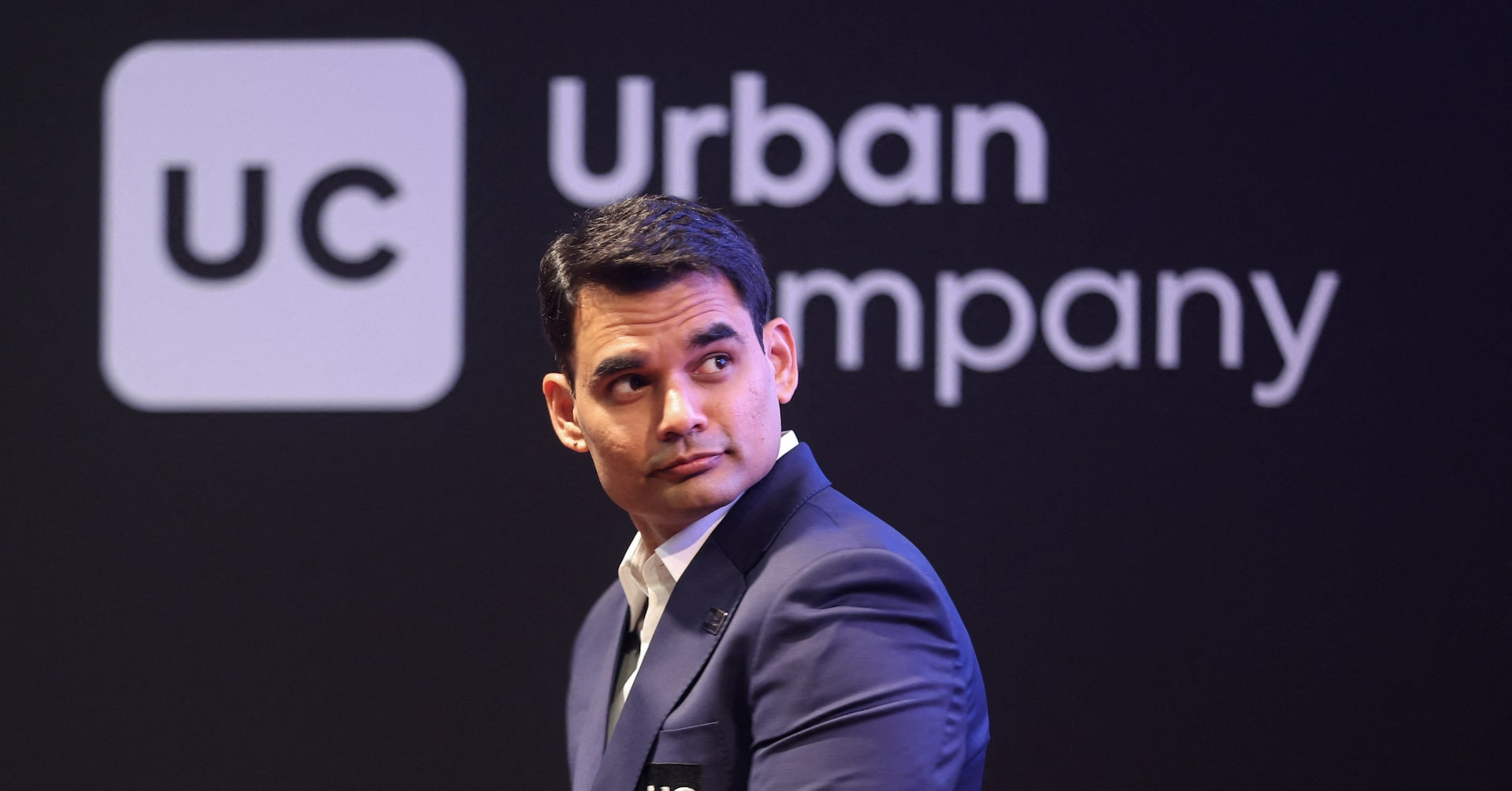
Urban Company Limited, a leading player in India’s home-services sector, made a spectacular debut on the National Stock Exchange (NSE) on September 17, 2025. The company’s shares surged by 74%, catapulting its valuation to nearly $3 billion. This marked one of the most successful initial public offerings (IPOs) of 2025, with the issue being oversubscribed by a staggering 103.65 times, attracting bids worth approximately $13 billion. Urban Company’s stock opened at a 57.5% premium to its issue price, far exceeding analysts’ predictions of a 40%-51% upside. The shares hit a high of 179 rupees during the trading session and closed at 166.8 rupees, up 62% from the issue price. The IPO’s success underscores investor confidence in Urban Company’s dominance of India’s largely unorganized home-services market, which is projected to grow at a compound annual growth rate of 22.4% from 2023 to 2030, according to Grand View Research. Aishvarya Dadheech, founder of Fident Asset Management, noted that the enthusiasm reflects Urban Company’s position as a long-term play on digital adoption and rising demand for home services. The listing also coincided with a broader uptick in Indian equities, buoyed by optimism surrounding U.S.-India trade talks. The blue-chip Nifty 50 index has risen 7% in 2025 but remains 4% below its record levels from a year ago. Urban Company’s debut is a testament to the resilience and growth potential of India’s IPO market, which has rebounded after a slow start to the year and is on track to set new fundraising records.
标签: Asia
亚洲
-
Exclusive: Japan’s JERA in advanced talks to buy $1.7 billion of US shale gas assets, sources say
Japan’s leading power generator, JERA Co., Inc., is in advanced negotiations to acquire natural gas production assets in the United States for approximately $1.7 billion, according to sources familiar with the matter. This move underscores Japan’s strategic efforts to secure energy resources amid global market volatility and rising demand. The assets in question are owned by GEP Haynesville II, a joint venture between Blackstone-backed GeoSouthern Energy and pipeline operator Williams Companies. JERA has emerged as the top bidder, outpacing several U.S.-based energy firms, though the deal remains subject to finalization. This acquisition would mark JERA’s first venture into shale gas production, granting the world’s largest liquefied natural gas (LNG) buyer greater control over its supply chain. The deal aligns with Japan’s broader strategy to diversify energy sources, particularly in light of Russia’s invasion of Ukraine, which disrupted global energy markets. Additionally, the U.S.-Japan trade agreement, finalized earlier this month, commits Japan to $7 billion in annual energy purchases from the U.S., further bolstering bilateral energy ties. GEP Haynesville II, a major producer in the Haynesville shale basin spanning Texas and Louisiana, is expected to nearly double its output by 2028, according to Rystad Energy. The Haynesville basin’s proximity to LNG export facilities on the U.S. Gulf Coast has made it a highly sought-after asset. While JERA declined to comment, the potential acquisition highlights Japan’s growing reliance on U.S. energy resources to meet its domestic needs and support its technological advancements, including the AI-driven surge in data center power demand.
-
India steel exports face EU carbon tax hit, US tariffs impact minimal, official says
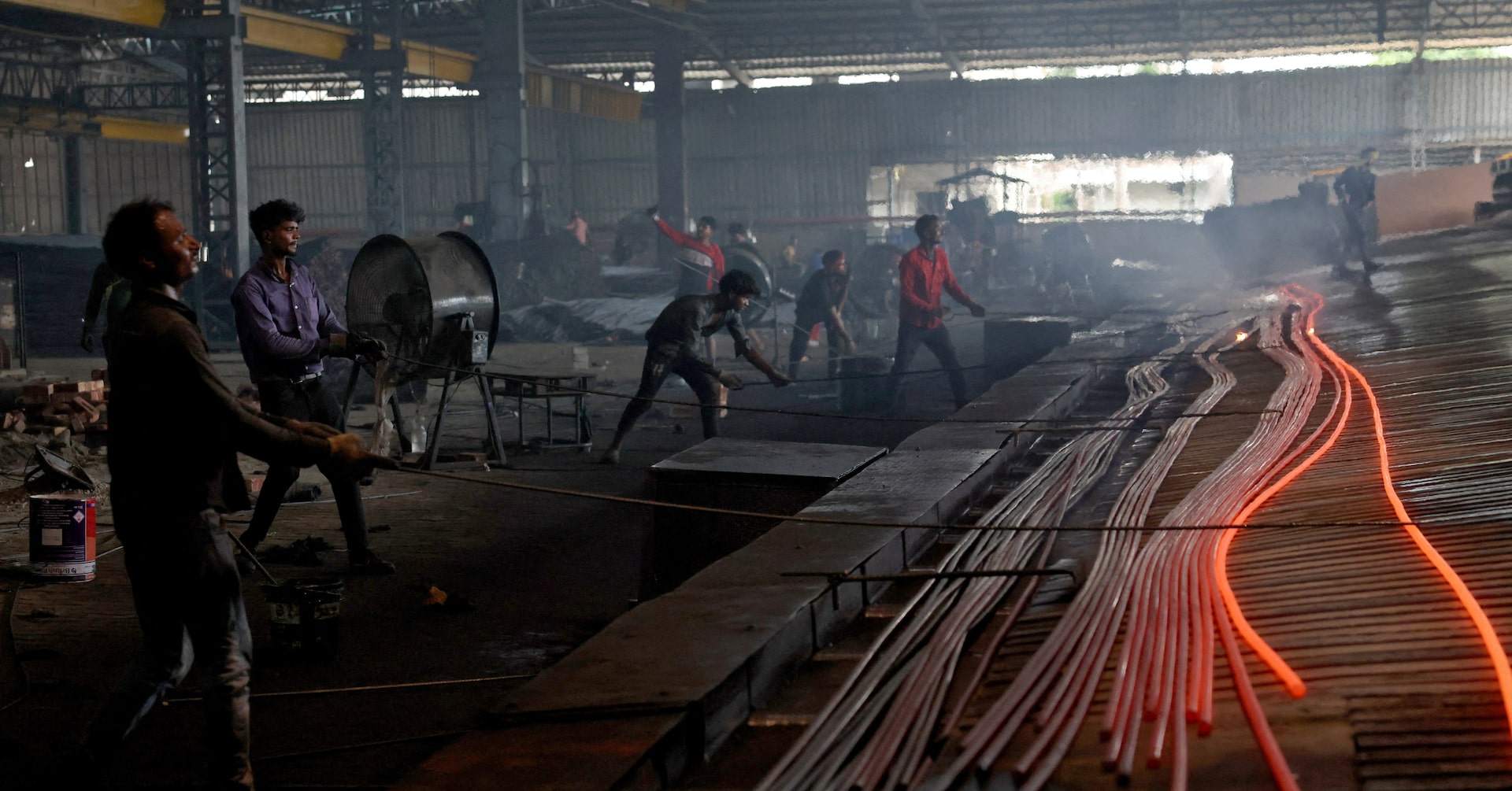
India’s steel sector is bracing for significant challenges from the European Union’s carbon border adjustment mechanism (CBAM), even as it remains largely unaffected by U.S. tariffs, according to Sandeep Poundrik, India’s steel secretary. Speaking at the FT Live Energy Transition Summit India on Wednesday, Poundrik highlighted that approximately two-thirds of India’s steel exports are destined for Europe, making the EU’s carbon tax a critical concern. The CBAM, which imposes higher taxes on high-carbon goods like steel, aluminum, and cement, could severely impact India’s export competitiveness. Poundrik emphasized that Indian steel production, predominantly reliant on blast furnaces with high emissions, faces additional scrutiny as the industry expands its capacity. He also expressed concerns about cheap imports and anticipated government action on import tariffs, known locally as safeguard duty, to protect domestic producers. Last month, India proposed an 11%-12% import tariff on certain steel products to curb shipments from China, the world’s top steel producer. While the U.S. tariffs pose minimal direct impact due to negligible exports, the EU’s carbon tax underscores the urgent need for India to address its carbon-intensive production methods and align with global sustainability standards.
-
Australia, Papua New Guinea sign communique after mutual defence treaty stalls
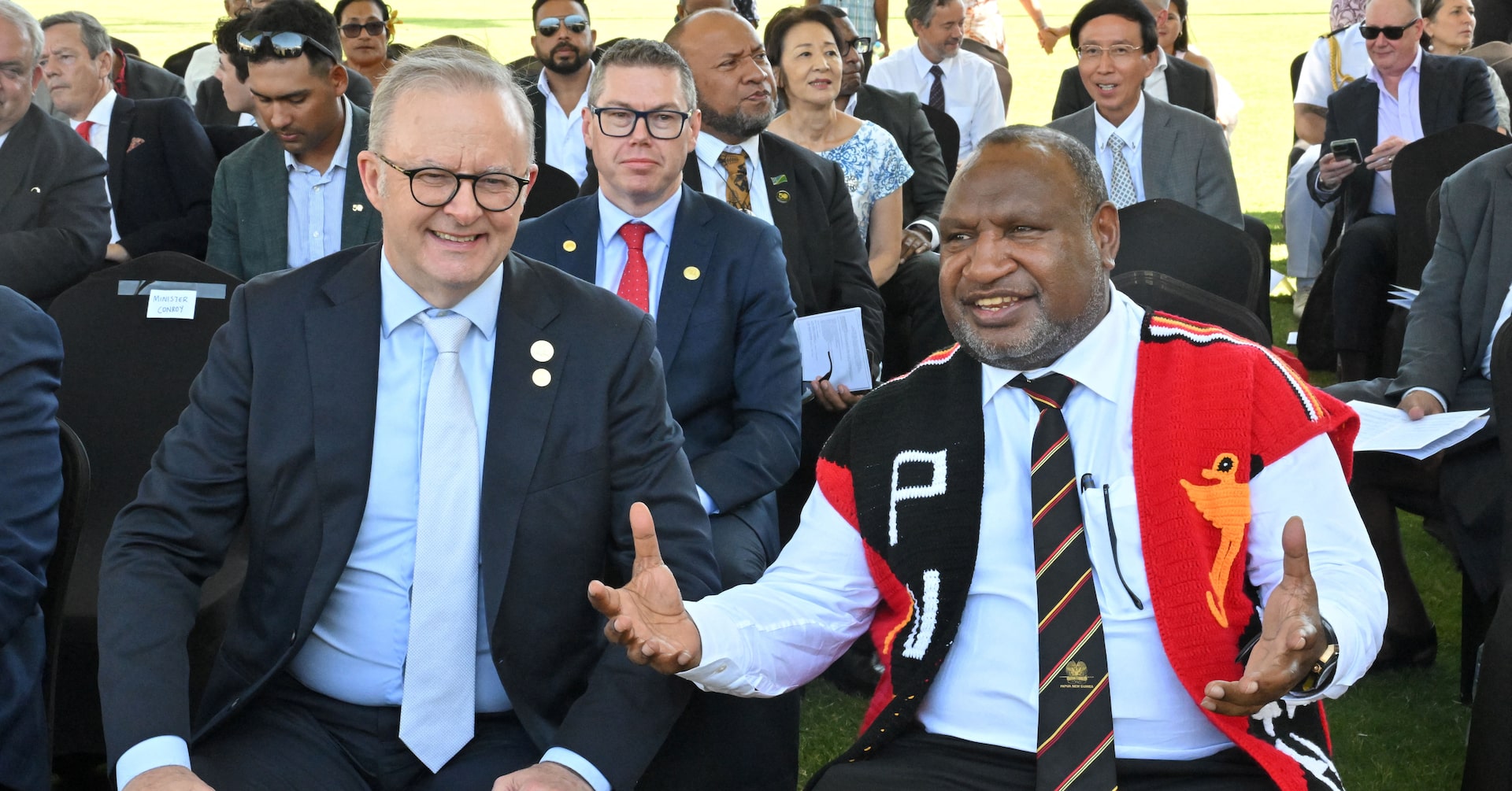
In a significant move to bolster regional security, Australian Prime Minister Anthony Albanese and Papua New Guinea (PNG) Prime Minister James Marape convened in Port Moresby on September 16, 2025, to sign a defence communique. This development comes after the postponement of a more comprehensive mutual defence treaty, marking Australia’s second diplomatic challenge in the Pacific region this month. The communique underscores the shared commitment of both nations to enhance defence cooperation, with Marape emphasizing Australia as PNG’s preferred security partner. The treaty, once finalized, will elevate bilateral security ties to a level comparable to Australia’s alliance with the United States, marking the first new defence alliance for Australia in over seven decades. However, the signing of the treaty was delayed due to procedural hurdles within PNG’s cabinet, which failed to reach a quorum for endorsement. This setback follows Australia’s unsuccessful attempt to secure a $500 million security partnership with Vanuatu earlier in September. Amid these developments, Australia is actively countering China’s growing influence in the Pacific, particularly after China’s security pact with the Solomon Islands. Marape reassured that China played no role in delaying the treaty and announced plans for PNG’s Defence Minister to engage with key security partners, including China, the United States, and several Asian nations, to clarify the nature of the agreement. The communique reflects the mutual recognition that an armed attack on either nation would threaten the peace and security of both. Albanese expressed confidence in the treaty’s eventual signing, highlighting its strategic importance for regional stability. Analysts, however, question whether Marape has secured sufficient cabinet support to finalize the deal, adding pressure on both leaders to navigate the complexities of domestic and international politics.
-
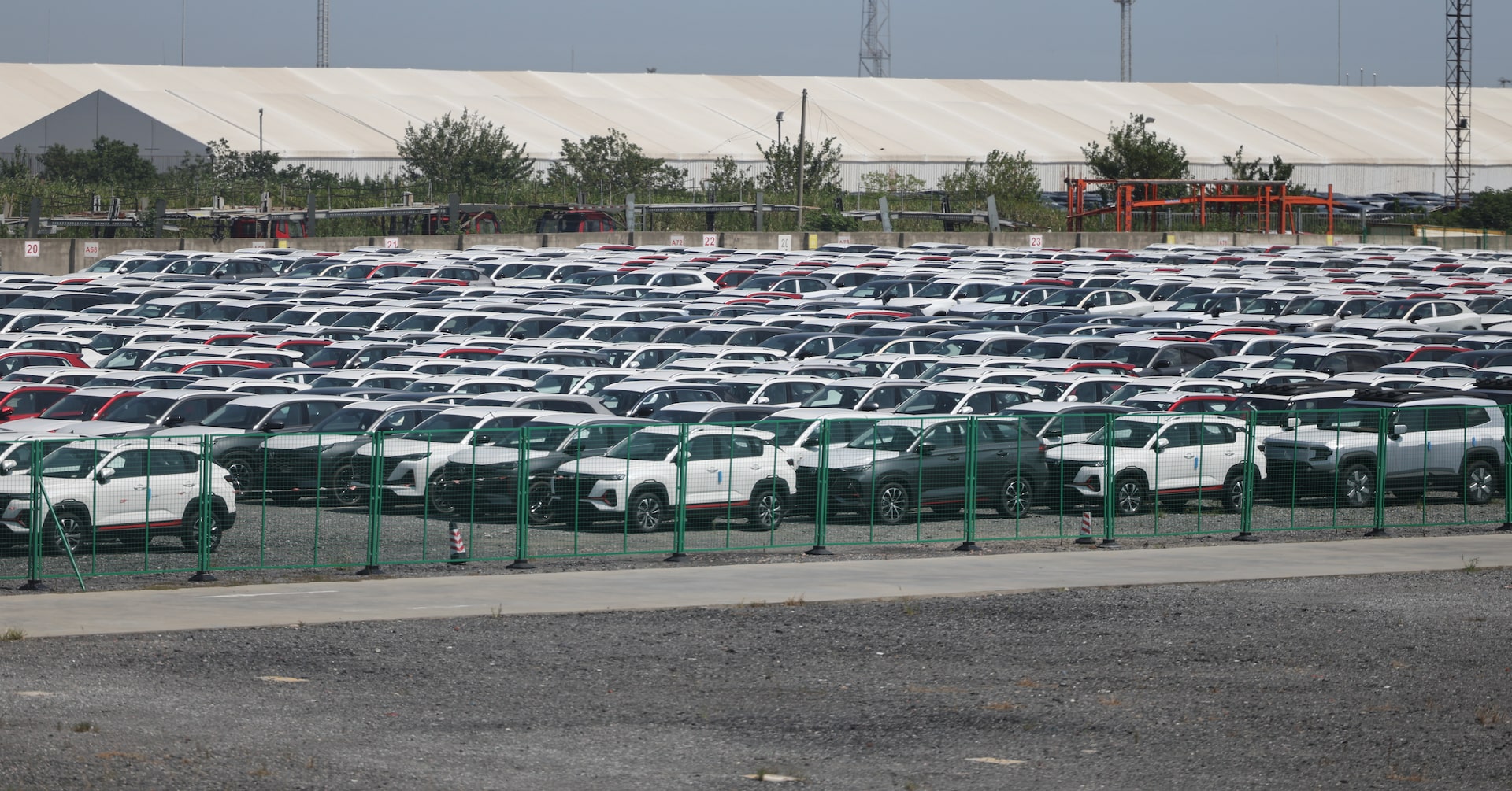
China is sending its world-beating auto industry into a tailspin
In Chengdu, a city of 21 million, a shopping mall showroom offers unprecedented deals on new cars, with discounts as steep as 50%. This is made possible by Zcar, a company that buys vehicles in bulk from automakers and dealerships, capitalizing on China’s oversupplied auto market. The root of this issue lies in years of government subsidies and policies aimed at establishing China as a global automotive leader, particularly in electric vehicles (EVs). While these policies have succeeded in boosting production, they have also led to a glut of vehicles that far exceeds consumer demand.
-

Landslides after heavy rain in northern India kill 15, several missing
At least 15 people have lost their lives, and 16 remain missing after devastating landslides and torrential rains struck Uttarakhand, a Himalayan state in India, on Tuesday. The calamity, which unfolded in the district of Dehradun, left a trail of destruction, with muddy floodwaters inundating the town of Sahastradhara. Shops, roads, and homes were obliterated, forcing residents to seek refuge behind walls. One distraught local, whose identity remains undisclosed, recounted the harrowing experience of losing his shop, one of seven swept away in a local market. ‘There is no sign of them,’ he lamented in an interview with the ANI news agency. Authorities recovered 13 bodies from Dehradun and one each from Pithoragarh and Nainital districts, according to reports from the Indian Express. Uttarakhand, a region frequently besieged by floods and landslides, faces increasing vulnerability attributed to climate change by experts. This tragedy follows a similar incident in August, when floodwaters and mudslides ravaged the village of Dharali, leaving over 60 individuals unaccounted for. The recurring disasters underscore the urgent need for climate resilience and disaster preparedness in the region.
-

Japan’s SBI Shinsei Bank looking at tokenised deposits for cross-border transactions
TOKYO, Sept 17 (Reuters) – SBI Shinsei Bank, a subsidiary of SBI Holdings, announced on Wednesday its plans to explore the introduction of tokenised deposit payment services tailored for corporate clients. This initiative aims to facilitate faster and more cost-effective cross-border transactions. The bank has entered into a strategic agreement with DeCurret DCP, the provider of Japan’s DCJPY tokenised deposit platform, to evaluate the establishment of this service using Partior’s multicurrency settlement platform for digital money, based in Singapore.
-
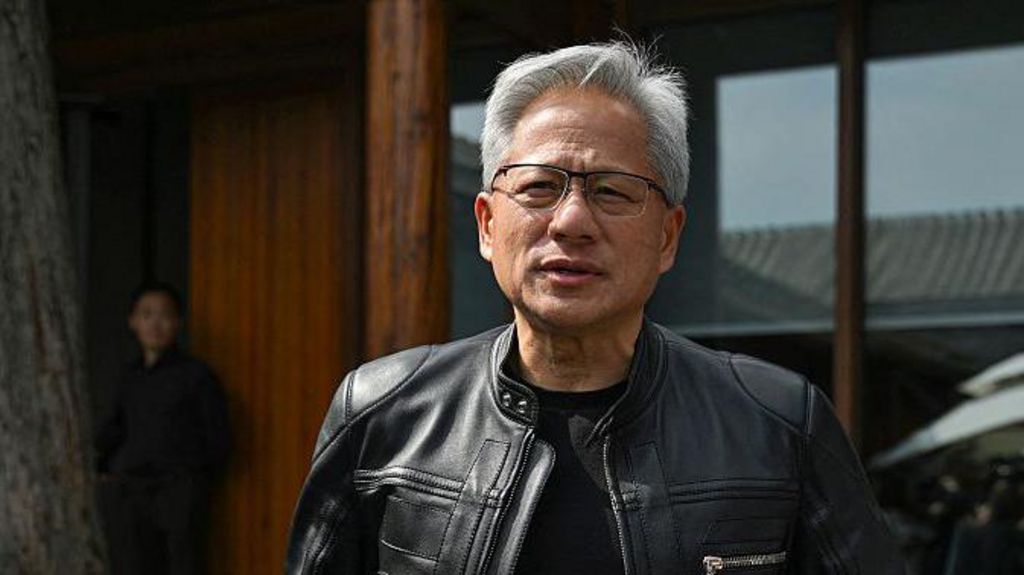
Nvidia boss ‘disappointed’ by reported China chip ban
Jensen Huang, CEO of Nvidia, has voiced his disappointment following reports that China has instructed its leading technology firms to cease purchasing Nvidia’s artificial intelligence (AI) chips. Speaking to BBC News, Huang emphasized the importance of global access to advanced technology, stating, ‘The advance of human society is not a zero-sum game.’ Huang, who is among the tech executives accompanying US President Donald Trump on his state visit to the UK, acknowledged the competitive ambitions of both nations, noting, ‘President Trump wants America to win, and President Xi wants China to win, and it’s possible for both of them to.’ He expressed confidence that ongoing discussions would resolve the issue. This development comes after Nvidia, the world’s leading chipmaker, faced a temporary ban on selling its most advanced chips to China, which was later reversed by Trump in July. However, Nvidia must now allocate 15% of its Chinese revenues to the US government under a unique agreement. The Financial Times recently reported that China’s Cyberspace Administration has directed tech companies to halt the use of Nvidia chips specifically designed for the Chinese market, causing Nvidia’s shares to drop by over 1% in premarket trading. Huang reiterated his support for the US in addressing geopolitical challenges and pledged to convey the same message to Trump if questioned during the state banquet in the UK. The US and China have been engaged in trade talks in Europe this week, with China’s market regulator accusing Nvidia of violating anti-monopoly laws. As Nvidia continues to play a pivotal role in the global AI boom, China is striving to challenge US dominance in the AI sector by developing its own chips. Major Chinese tech firms like DeepSeek, Tencent, and Alibaba, which had previously ordered Nvidia chips, are now affected by the purchase halt. Meanwhile, Nvidia has announced significant investments in the UK, including supplying chips to the Stargate UK data center in collaboration with OpenAI, Arm, and NScale.
-
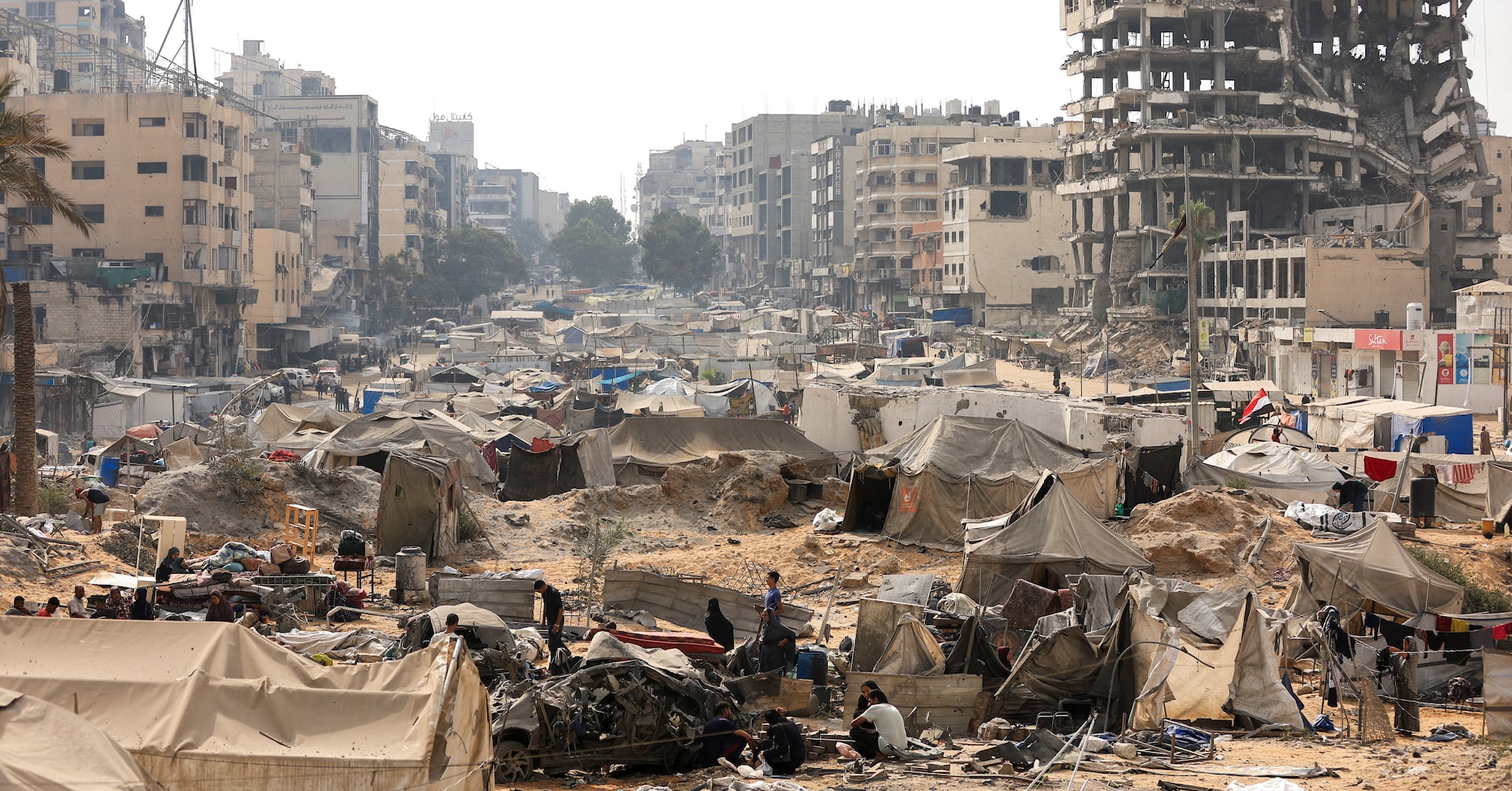
Japan won’t recognise a Palestinian state given US ties, media report says
In a strategic move to preserve its diplomatic ties with the United States and avoid escalating tensions with Israel, Japan has decided to postpone its recognition of a Palestinian state, according to a report by the Asahi newspaper. The decision, attributed to unnamed government sources, comes as several nations, including Britain, France, Canada, and Australia, have announced their intentions to recognize Palestinian statehood at the upcoming UN General Assembly. This collective stance has intensified international pressure on Israel regarding its actions in the region. The U.S. reportedly influenced Japan’s decision through multiple diplomatic channels, while France’s Foreign Minister Jean-Noel Barrot had strongly advocated for Japan to support Palestinian statehood. Japanese Foreign Minister Takeshi Iwaya stated that the government is conducting a ‘comprehensive assessment’ of the issue, considering the appropriate timing and modalities. Chief Cabinet Secretary Yoshimasa Hayashi echoed this sentiment, expressing a ‘grave sense of crisis’ over Israel’s ground assault on Gaza City and warning that the foundations of a two-state solution are at risk. Hayashi urged Israel to address the severe humanitarian crisis in Gaza promptly. Despite voting in favor of a UN declaration advocating for tangible steps toward a two-state solution, Japanese Prime Minister Shigeru Ishiba is expected to skip a key UN meeting on the matter. Within the G7, German and Italian officials have cautioned that immediate recognition of Palestine could be ‘counterproductive.’
-
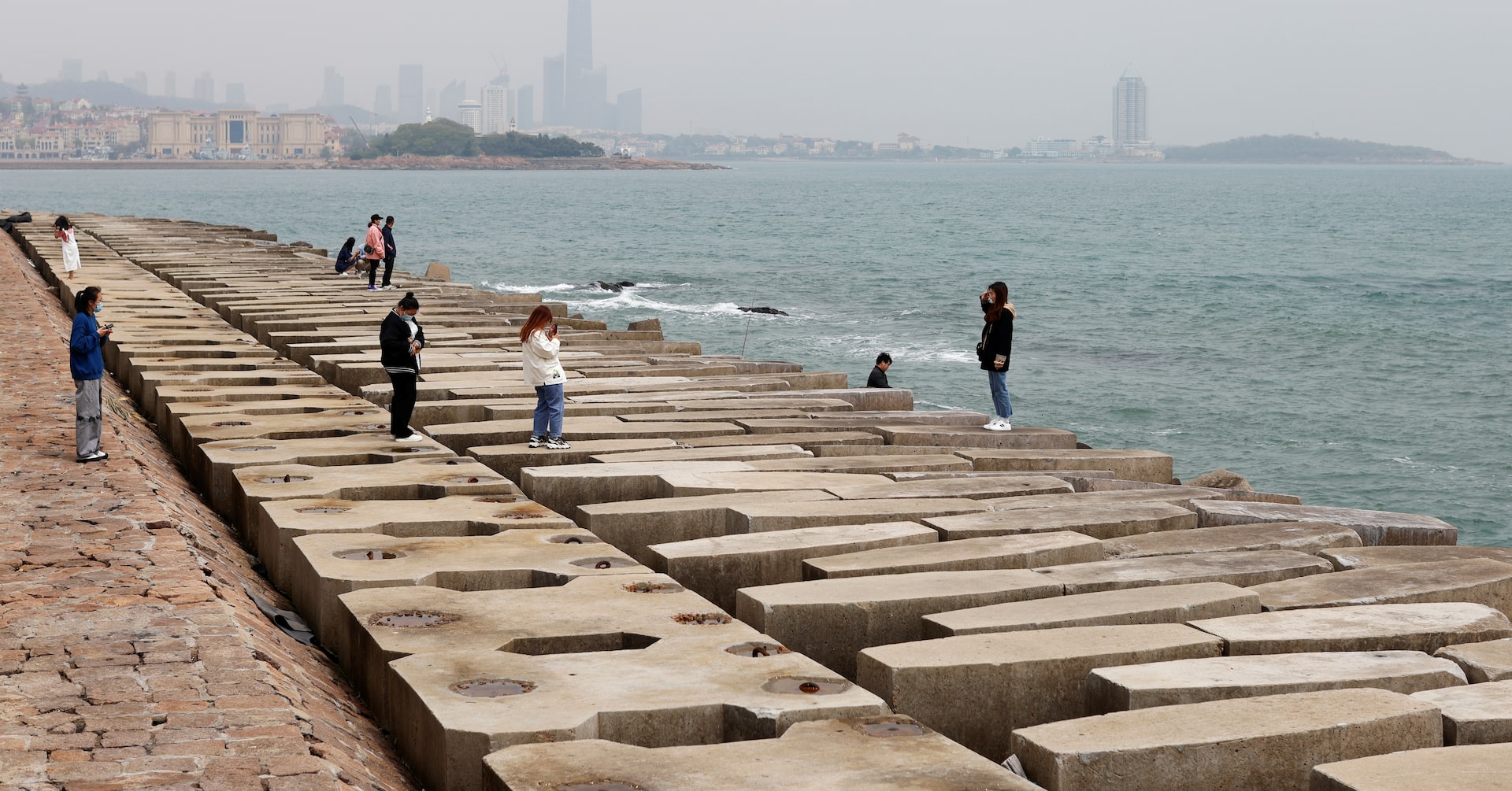
Discounts for Iranian oil widen in China on record stocks, even as sanctions curb shipments
In a significant development impacting the global oil market, Iranian oil discounts in China have expanded due to record-high stock levels and a shortage of import quotas as the year-end approaches. This situation has been exacerbated by US sanctions targeting Qingdao Port, a key hub for Iranian oil imports. The sanctions, imposed on August 21, specifically target Qingdao Port Haiye Dongjiakou Oil Products, a terminal previously handling 130,000-200,000 barrels per day of Iranian crude. Following the sanctions, the terminal suspended operations, leading to a 65% decline in crude imports at Dongjiakou port this month, according to data analytics firm Kpler. Despite the sanctions, Iranian oil shipments have been diverted to nearby terminals, such as Huangdao, where imports are expected to double in September compared to August. The widening discounts, now over $6 a barrel for Iranian Light crude versus benchmark ICE Brent, reflect both the oversupply in Shandong province and the additional costs borne by customers due to sanctions. China, which has purchased over 90% of Iranian oil exports in recent years, continues to defend its trade with Iran as compliant with international law, dismissing US sanctions as unilateral and illegitimate. The situation underscores the complex interplay between geopolitical tensions, market dynamics, and energy trade.